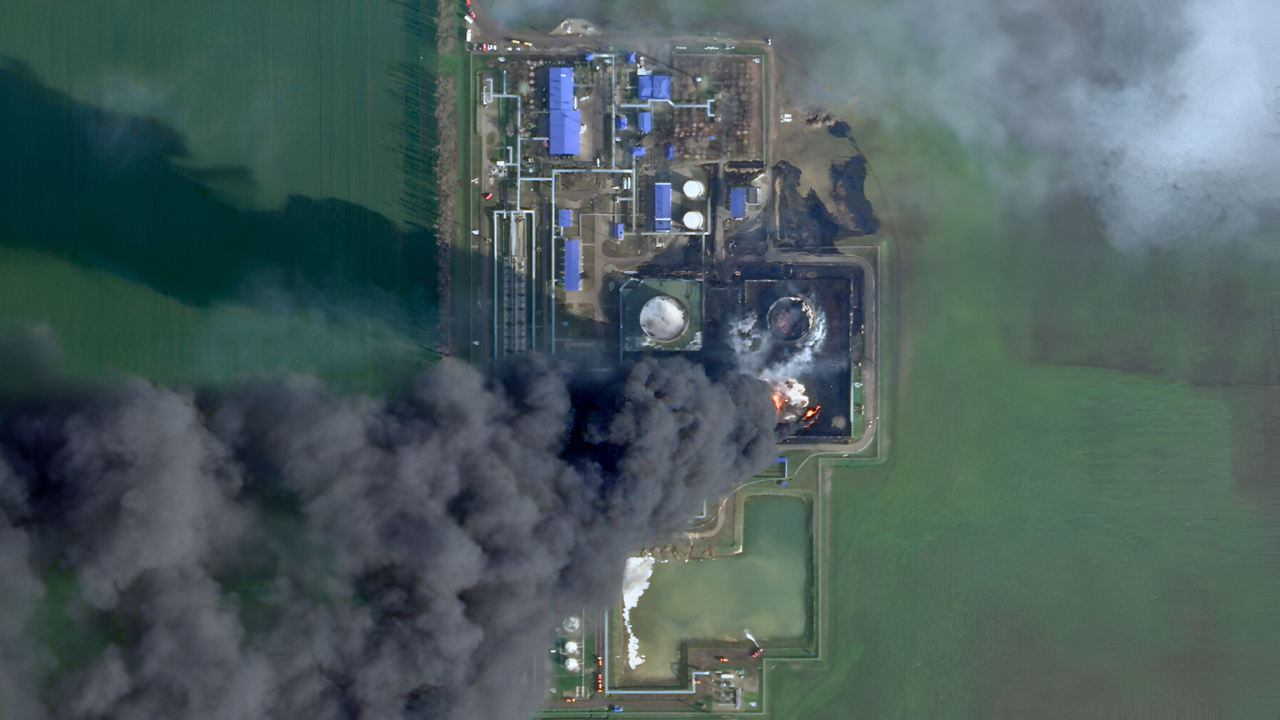
Ukraine’s Special Operations Forces have intensified attacks on Crimea, focusing on Russian military infrastructure and oil depots. The SSU Special Operations Centre Alpha confirmed on 29 October 2025: “The SSU continues its systematic work to destroy air defence systems protecting Crimea and oil depots supplying fuel to the Russians.”
These strikes aim to weaken Russian military logistics. Early reports show fires at multiple fuel facilities, radar destruction, and air defense disruption. Let’s look at the forces driving these precise operations and why Crimea has become the central battleground for this campaign.
What’s Happening in Crimea?
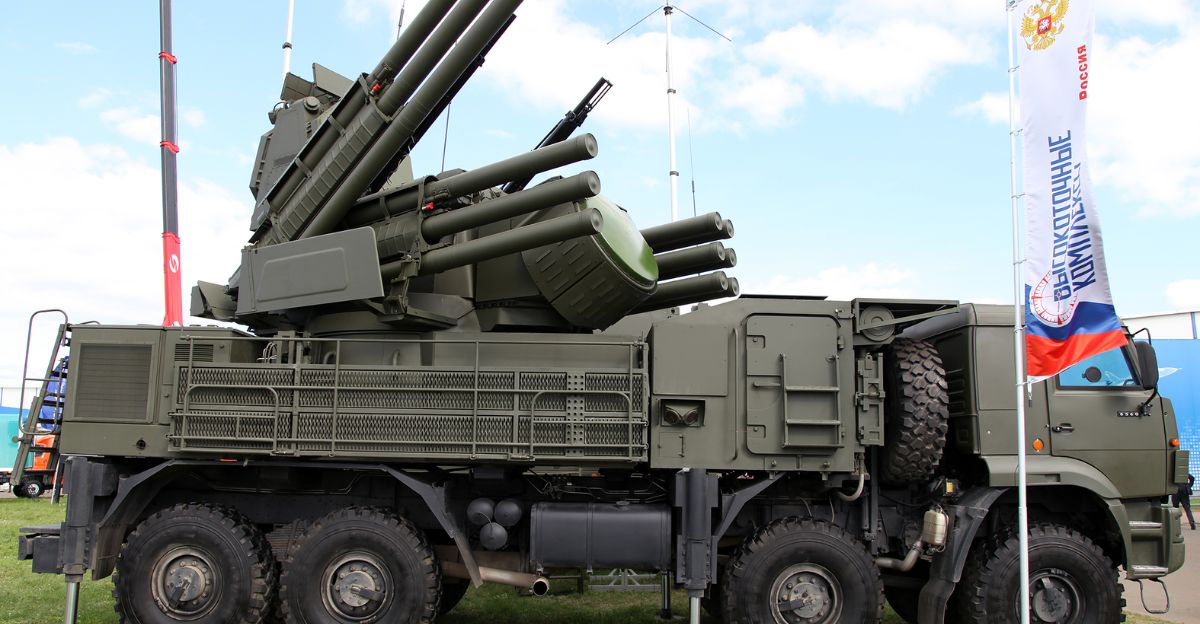
Since late October 2025, Ukraine has conducted multiple strikes across key Crimean sites. The October 29 operation destroyed two oil depots, a Pantsir-S2 system valued at $20 million, and two radar stations. These coordinated attacks highlight a deliberate campaign targeting military and logistical vulnerabilities.
The strategy is asymmetric warfare aimed at Russian supply lines. By hitting critical fuel and defense infrastructure, Ukraine limits mobility and operational readiness for approximately 50,000–100,000 troops stationed across Crimea. But what methods are making these strikes so effective?
Who Is Leading the Campaign?

Ukraine’s SSU Special Operations Centre Alpha orchestrates the strikes. The SSU’s statement on 10 November 2025 emphasized targeting depots “important in supplying fuel to Russian forces.” Other Ukrainian units coordinate alongside drones and long-range missiles like Flamingo, Bars, and Liutyi systems, integrating intelligence and reconnaissance for maximum precision.
French Beech King Air 350ER reconnaissance flights over the Black Sea suggest Western support in targeting. This multi-layered planning allows Ukraine to strike defended facilities while avoiding major civilian casualties. How extensive is the campaign across Crimea’s key sites?
Key Targets of the Strikes
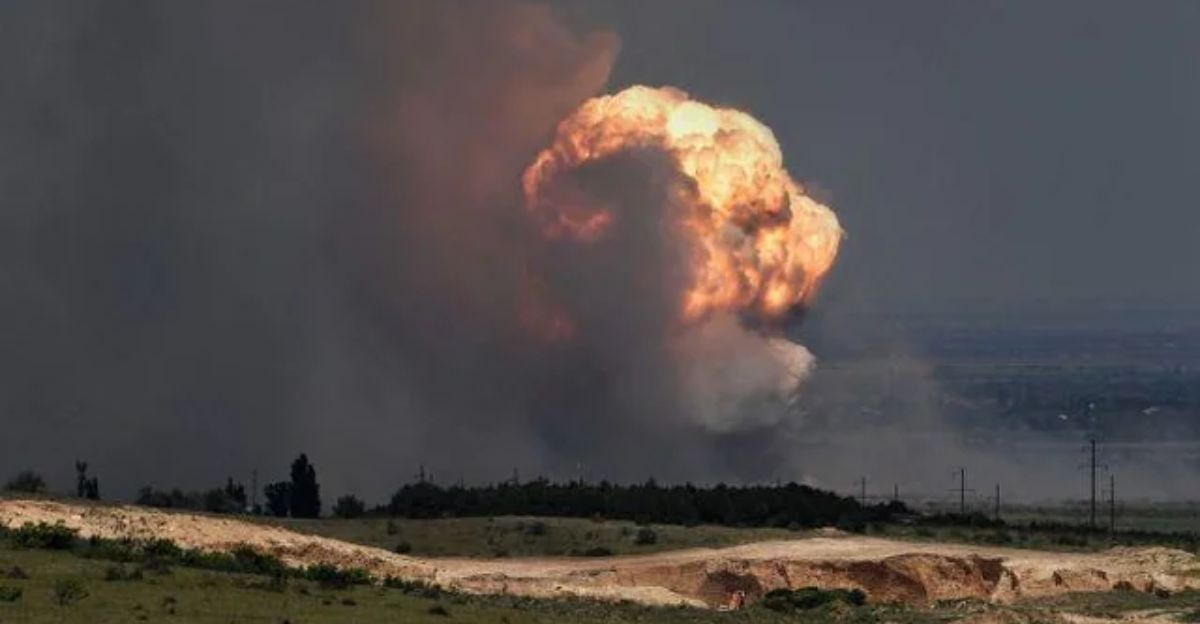
Oil depots and military airfields form the primary focus. The October 29 strikes hit Hvardiiske and Komsomolske depots, while the Saky airfield’s Pantsir-S2 system and radar stations were destroyed. Strikes also affected the Feodosia terminal, with only 22 of 34 tanks remaining intact after repeated hits.
Destruction of these depots disrupts fuel distribution for Russian vehicles, generators, and naval operations. Targeting radar and missile systems further limits air defense effectiveness. Could these strikes be signaling a wider operational shift in Ukraine’s strategy?
Explosions Rock Saky District
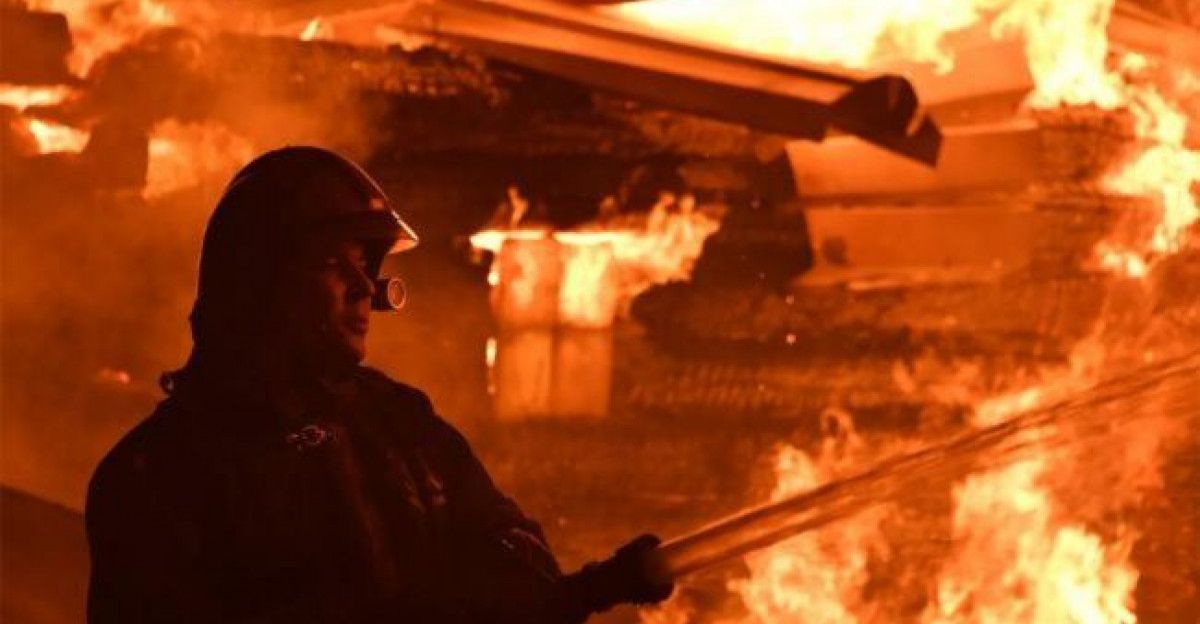
On 19 November 2025, approximately 10 explosions were reported in Saky district. Alerts were declared peninsula-wide due to Storm Shadow missile threats, demonstrating Ukraine’s ability to penetrate air defense layers. Russian fighter jets scrambled, and systems like S-300 and S-400 activated, yet the attacks proceeded successfully.
The scale of destruction underlines the effectiveness of multi-vector coordination. Local residents witnessed fires and blasts, signaling both military impact and psychological pressure. How do these strikes fit into the larger timeline of attacks on Crimea?
Escalating Timeline of Attacks
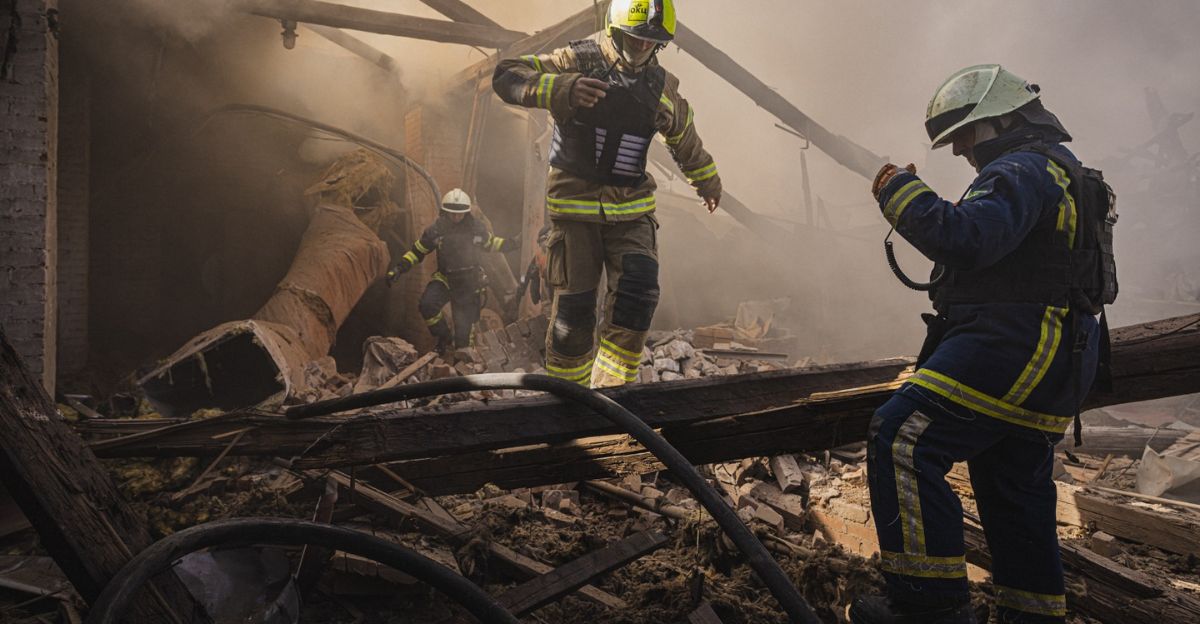
This November 19 strike marks the third major Ukrainian operation within 21 days. Earlier operations included 29 October depots and air defense strikes and 10 November’s Hvardiiskyi pumping station attack. These repeated strikes systematically degrade Russian capabilities across multiple sites.
The persistent tempo forces Russia to divert resources from the frontlines to protect logistics. Historical context shows Ukraine targeting fuel since early October 2025, reducing Russia’s fuel output by up to 27%, with widespread shortages emerging.
Strategic Rationale Behind Strikes

Ukraine uses asymmetric logistics warfare to undermine Russian operations. A Ukrainian officer told The Atlantic: “Russia can endure high levels of casualties. They don’t care about lives. It is painful for them to lose money.” Fuel depots are pivotal for troop mobility, heating, generators, and naval support.
Targeting these facilities systematically strains Russian resources and compels defensive redeployments. The strategy focuses less on immediate destruction and more on cumulative logistical attrition. But how vulnerable is Crimea’s infrastructure to repeated disruption?
Kerch Bridge Exposed
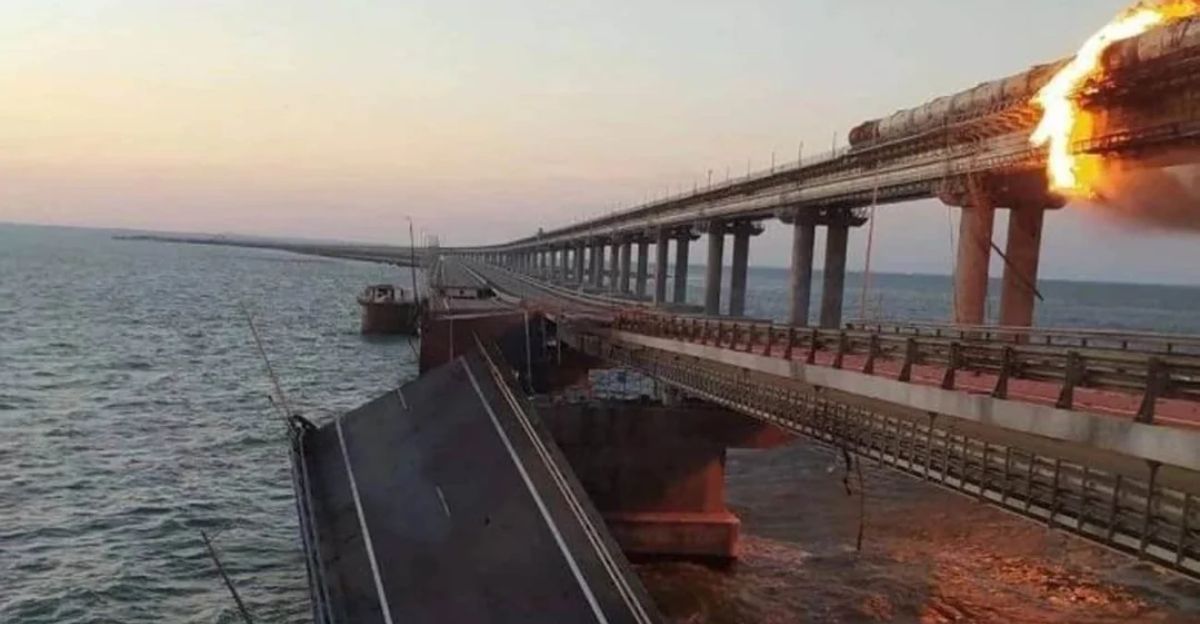
The November 19 attacks forced closure of the $3.7 billion Kerch Bridge, Russia’s main supply artery. Each strike demonstrates logistical vulnerability, emphasizing that even high-profile infrastructure is not invulnerable. With only two main supply routes to southern forces, disruptions significantly affect military operations.
Closure also impacts civilian transport and supply. This exposes Crimea’s dependence on single points for fuel and material delivery, magnifying the effect of each strike. How do these operations affect daily life for Crimean residents?
Civilian Fuel Shortages

Crimea’s 1.9 million residents face acute fuel rationing. Regional head Sergei Aksyonov restricted gasoline purchases and froze prices, warning against hoarding. Reports in late September 2025 detailed limited cash acceptance at stations and long lines for fuel, reflecting severe supply disruption.
Independent gas stations and taxi operators struggled, with over 300 retailers closed since May 2025. Ukraine’s strikes amplify these shortages, linking military targeting to civilian impact. The situation illustrates how logistics warfare reverberates through everyday life. What are the economic consequences for the region?
Impact on Local Businesses

Supply chain disruption has hit small businesses hard. Taxi drivers and delivery services are particularly affected, with retail prices aligning with wholesale costs and shipments delayed up to two months. Operational collapse has forced closures and significant financial losses across the sector.
By systematically degrading fuel availability, Ukraine’s campaign indirectly pressures Russia’s economic infrastructure. These cascading effects ripple across civilian services and essential operations. How does this extend to regional and international markets?
European Market Implications
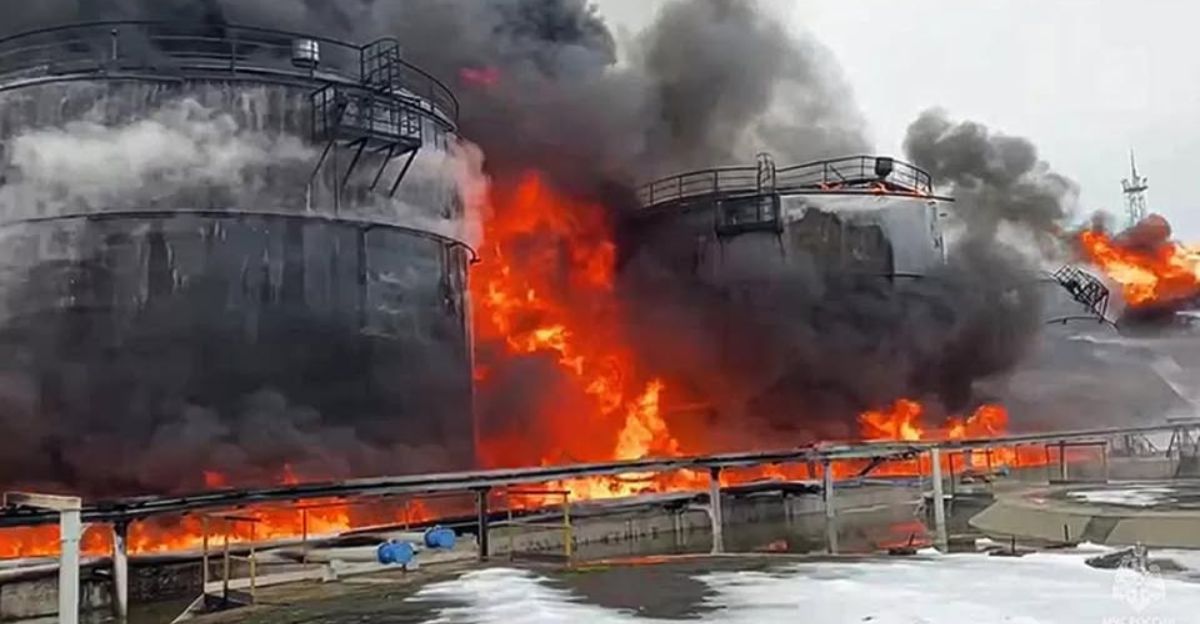
Strikes reducing Russian fuel output by 27% affect European markets reliant on oil exports. Damage to refining and distribution infrastructure, including Kirishi refinery and Feodosia terminal, compounds supply constraints. Alternative sourcing is challenging, creating broader economic implications.
The impact extends beyond Crimea, highlighting the global reach of tactical strikes. European fuel markets face ripple effects as shortages intensify, underscoring the strategic significance of Ukraine’s targeting. What military systems enable such precise and effective operations?
Weapon Systems in Use
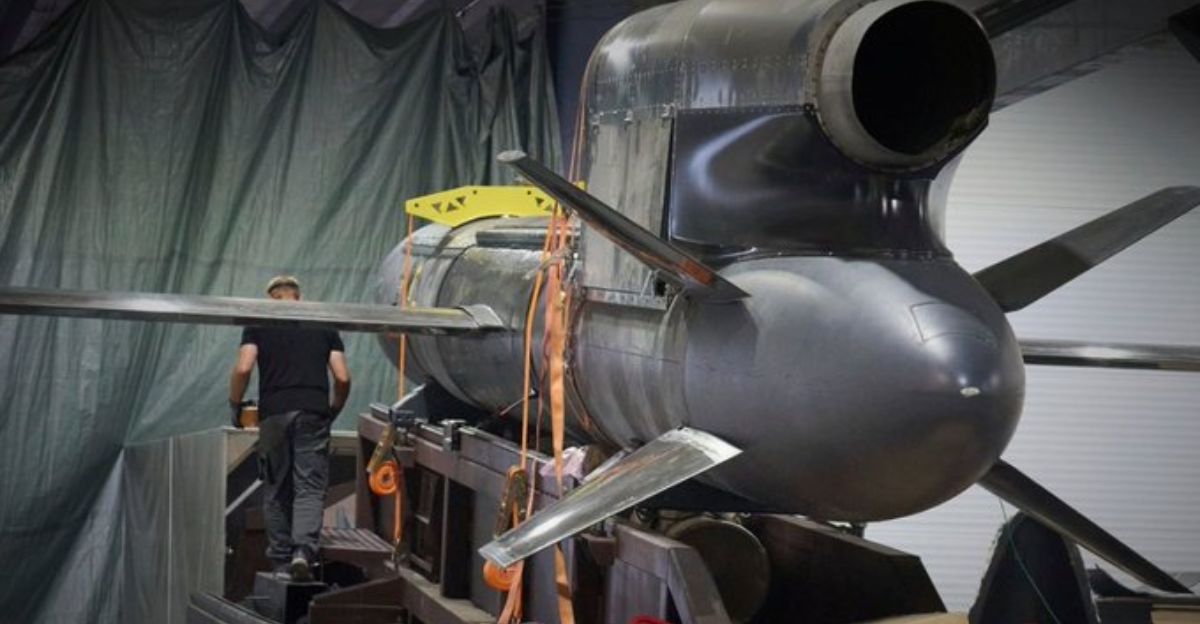
Ukraine employs diverse strike systems: Storm Shadow missiles, Flamingo cruise missiles, Bars long-range weapons, Liutyi drones, and FP-2 SOF drones. Coordinated timing maximizes damage, often striking when fuel tanks are full to increase explosion scale, according to Special Operations Centre Alpha statements.
Integration of domestic and Western technology demonstrates high operational sophistication. Precision targeting underlines the asymmetric advantage, enabling disruption despite air defense systems. How do these strikes coordinate intelligence and reconnaissance for maximal effect?
Intelligence and Reconnaissance Role
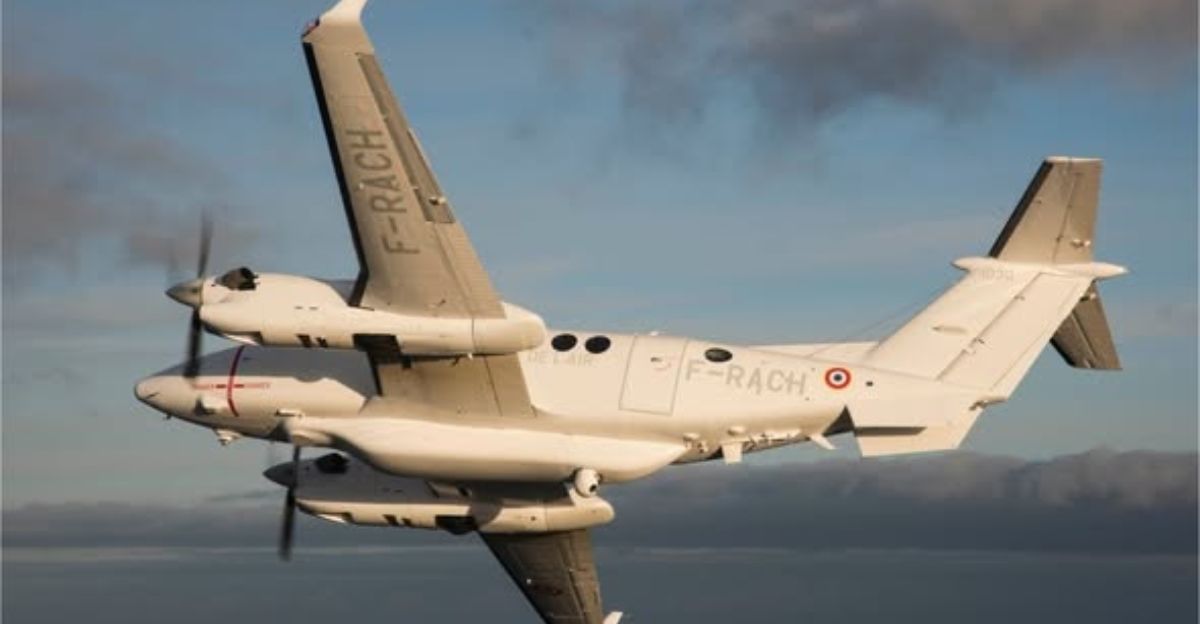
French Beech King Air 350ER aircraft over the Black Sea provided real-time targeting data for Ukrainian forces. Reconnaissance ensures accuracy, even under active Russian defenses. The November 19 strike demonstrates multi-layer coordination combining intelligence, strike execution, and air defense avoidance.
This integration highlights Ukraine’s reliance on advanced planning and international support. Coordinated intelligence is key to ensuring precision and minimizing wasted strikes, sustaining operational pressure across Crimea. What’s the overall effect of repeated strikes on Russian military logistics?
Russian Military Logistics Hit
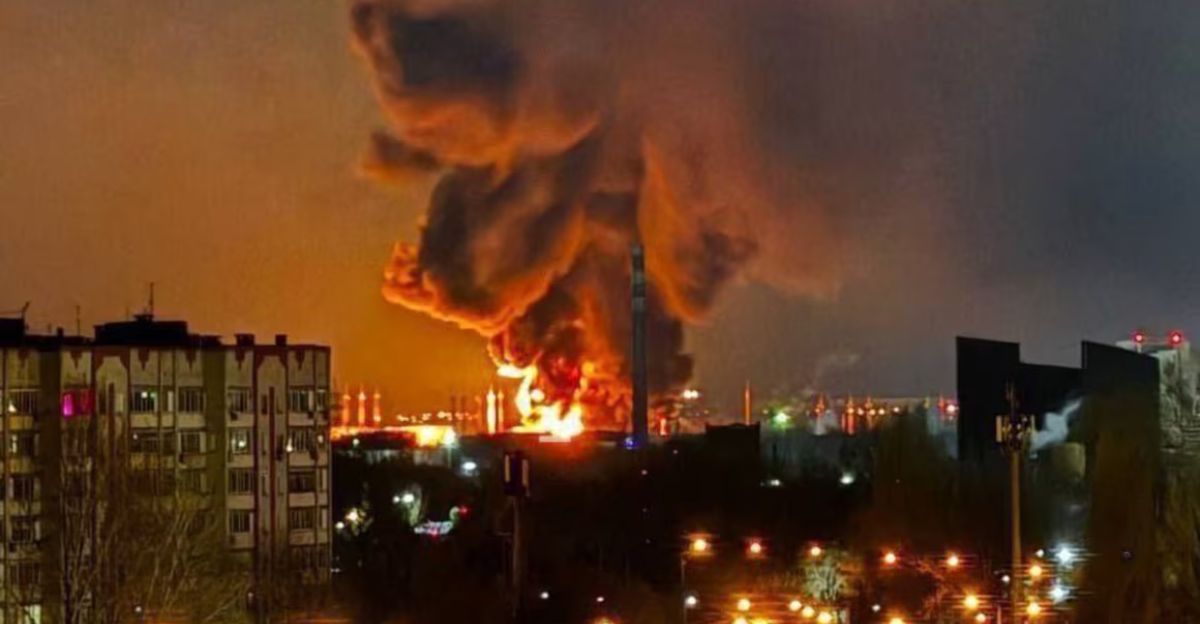
Fuel depot destruction directly affects approximately 50,000–100,000 Russian troops. Mobility, heating, and generator operations are hampered, reducing combat readiness. SSU confirms that strikes reduce “the enemy’s military and logistical capacity,” showing systemic impact beyond immediate explosions.
Sustained attacks force Russia to divert personnel to protect supply nodes, fragmenting defense and offensive potential. Attrition through exhaustion demonstrates strategic precision in undermining logistical resilience. How does this reshape Crimea’s defense posture?
Crimea’s Critical Infrastructure at Risk
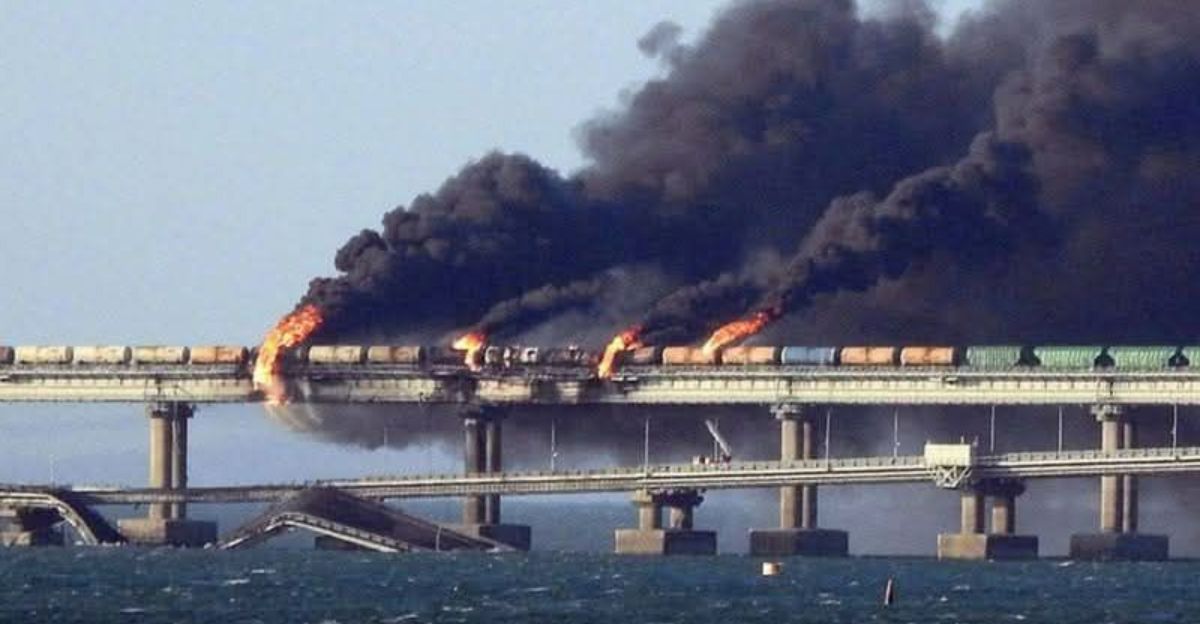
Repeated strikes reveal vulnerability in airfields, fuel depots, and radar systems. Local populations experience power and fuel shortages, while Russian forces face supply bottlenecks. Infrastructure degradation is not isolated but cumulative, highlighting strategic weaknesses.
Ukraine’s campaign systematically targets chokepoints, combining military, economic, and logistical effects. The scale of damage demonstrates a high-impact, multi-domain strategy that reshapes operational calculations in Crimea, leaving Russia exposed to future attacks.