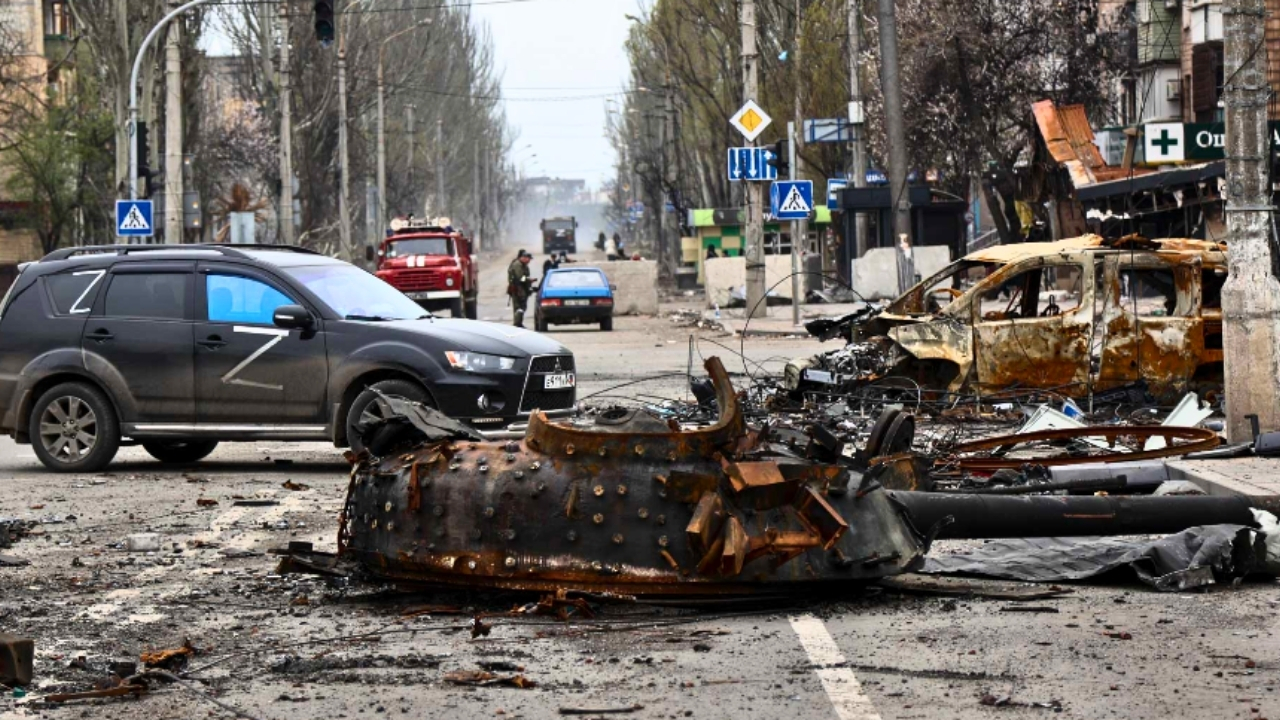
In the early hours over Novorossiysk, a series of explosions shattered the calm as Ukrainian drones targeted one of Russia’s most fortified air-defense installations. The attack, orchestrated by Ukraine’s Security Service (SSU) Special Operations Centre Alpha, penetrated more than 300 kilometers into Russian territory. Within hours, satellite images confirmed that four S-400 Triumph missile launchers and two critical radar systems had been destroyed—an unprecedented blow to a system long touted as nearly invulnerable.
A Blind Spot in Russia’s Shield
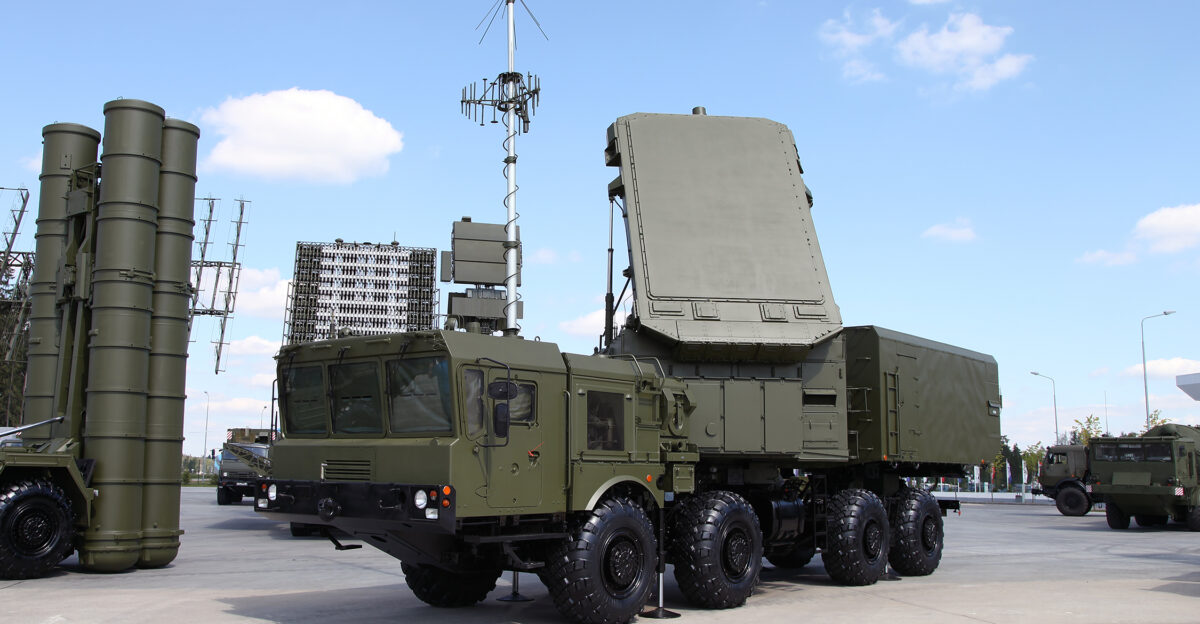
The S-400 system’s strength lies not just in its missile launchers but in its sophisticated radar network. The Ukrainian strike eliminated both the 96N6 early-warning radar and the 92N6 target-engagement radar, effectively blinding the battery. Without these radars, the remaining launchers lost their ability to detect and intercept incoming threats, rendering them largely ineffective. Before the attack, the Red Banner Kuban Regiment’s compound housed about twelve S-400 launchers, with seven visible at the strike location. Afterward, only three remained, their operational status uncertain. Ukrainian sources suggested it was “highly likely” that additional launchers were damaged, potentially crippling nearly an entire regiment in a single operation.
Strategic Gamble: Defending an Energy Lifeline
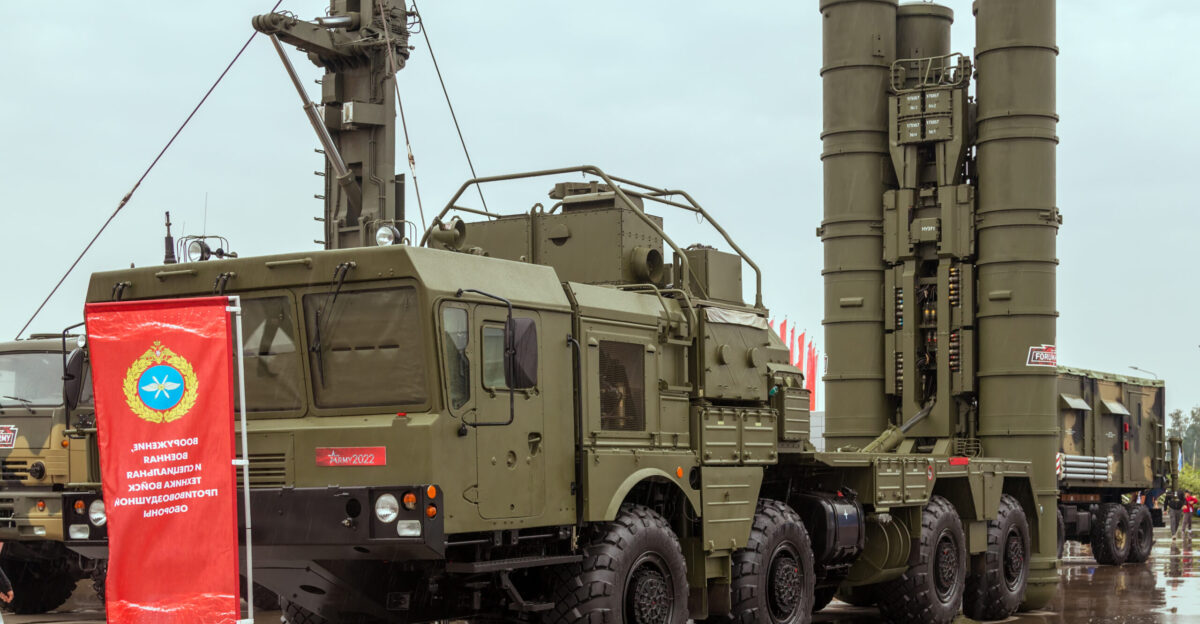
Analysts noted the apparent risk in clustering so many high-value assets in one location. However, the S-400 battery was not just protecting military infrastructure—it was shielding Novorossiysk, Russia’s largest Black Sea oil port. The port handles around 2 million barrels of oil daily, accounting for roughly 2% of global seaborne supply. Concentrating the launchers allowed for streamlined command and support but also created a lucrative target. The Ukrainian strike demonstrated the vulnerability of such arrangements, where a single, well-coordinated attack could dismantle a critical defensive layer.
Drones Breach Deep into Russian Territory

The operation raised pressing questions about Russian air-defense coverage. Ukrainian drones, reportedly FP-1 strike models equipped with onboard cameras, managed to fly over 300 kilometers into Russian airspace without interception. The mission was supported by Ukraine’s Defence Intelligence, Special Operations Forces, and State Border Guard Service. Real-time video feeds allowed operators to confirm and adjust their targets mid-flight. The success of this deep strike led observers to question the security of other strategic sites across Russia.
Economic Shockwaves and Global Oil Markets
The consequences of the attack extended far beyond military losses. Novorossiysk, Russia’s primary Black Sea crude export hub, was forced to halt operations, temporarily suspending the flow of approximately 2.2 million barrels per day. Kazakhstan’s energy exports through the port were also disrupted. The strike damaged the Sheskharis transshipment complex, container terminals, coastal facilities, and an oil depot; a vessel in port was hit, injuring three crew members. The shutdown sent immediate ripples through global markets: Brent crude prices rose by about 2%, and West Texas Intermediate climbed 2.62%. Although operations partially resumed after two days, the incident underscored the vulnerability of global energy supply chains to targeted military actions.
Satellite imagery quickly confirmed the destruction, marking the first time multiple S-400 components were visibly eliminated deep inside Russia in a single operation. The financial toll was significant: with each S-400 launcher valued between $300 million and $600 million, and the radars adding another $100–200 million, confirmed losses ranged from $1.3 to $2.6 billion. If additional launchers were damaged, the total could reach as high as $7.4 billion.
Implications for Defense and the War’s Next Phase
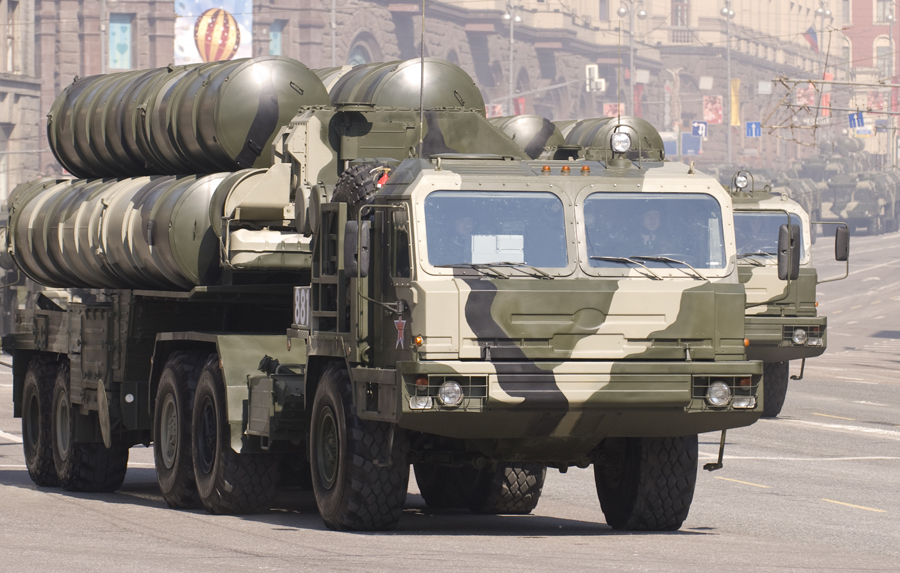
The attack’s impact was not limited to hardware. Novorossiysk and its surrounding region, home to up to 600,000 people, now face a thinner air-defense shield and reduced early-warning capability. The loss of the 96N6 radar means shorter reaction times for both civilian and military alerts, with no immediate plans for replacement announced by Russian authorities.
The destroyed battery belonged to the Red Banner Kuban Regiment, a unit with a storied Soviet-era legacy. Ukrainian sources indicated the strike was intended to degrade the regiment’s combat effectiveness and demonstrate Ukraine’s ability to reach deep into Russian territory. The operation delivered both material and symbolic blows, challenging the reputation of Russia’s elite air-defense forces.
Ukraine’s evolving drone strategy has begun to influence global energy risk assessments. The temporary disappearance of 2% of seaborne oil supply triggered billions in market adjustments and forced analysts to factor Ukrainian strike capabilities into oil price forecasts. For Russia, the loss of Novorossiysk’s daily oil exports—valued at roughly $150 million—directly impacts war financing and complicates logistics for allies like Kazakhstan.
As the largest confirmed mass destruction of S-400 systems inside Russia, the Novorossiysk strike signals a shift in the conflict’s dynamics. If Ukraine continues to target critical infrastructure deep within Russian territory, Moscow may be compelled to redistribute air-defense resources, stretching its military further. The operation stands as a defining moment, demonstrating how modern drone warfare can reshape both the battlefield and the global economy.