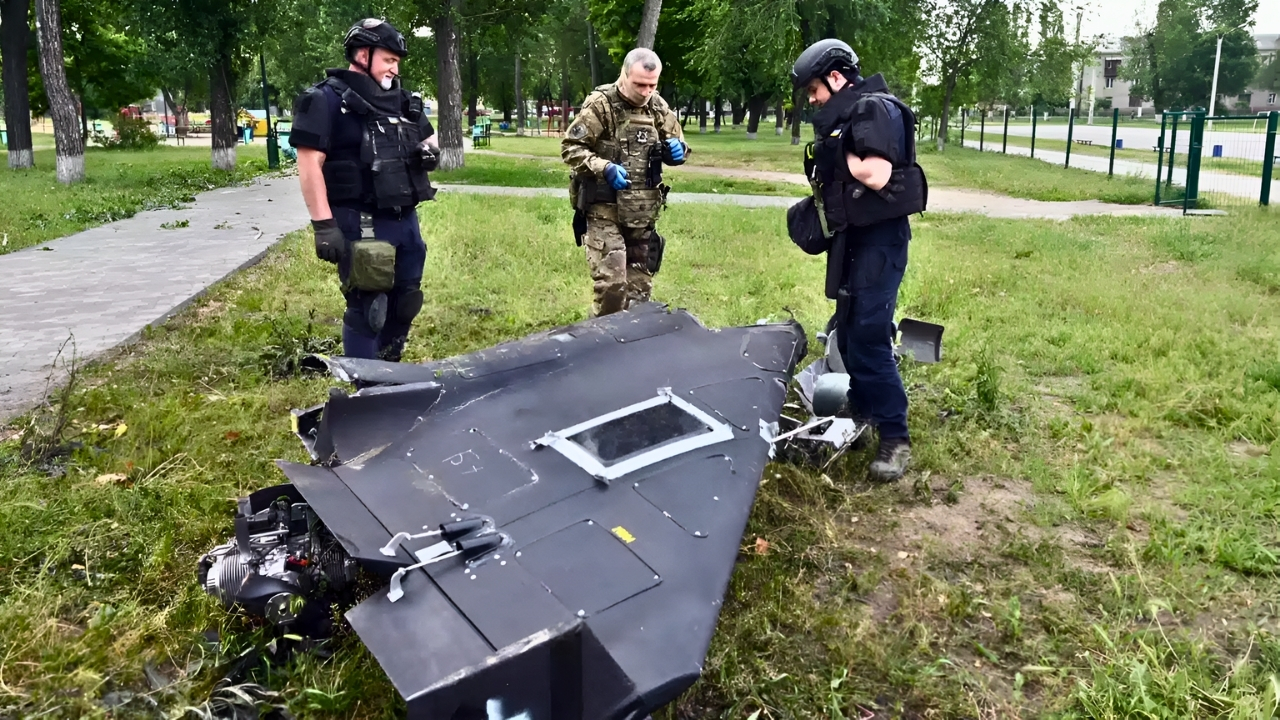
Russia’s attacks on Ukraine by air have reached record levels in 2025, turning the war into a competition of industrial power as much as military skill. Early in 2024, Russia sent about 1,000 Shahed drones each month. By September 2025, that number had exploded to 5,600 monthly, nearly 188 every day. In October alone, Moscow launched over 3,000 Shahed and Geran drones. Some night assaults involved more than 600 drones at once.
These small, Iranian-designed drones fly low and slowly, making them hard to spot. Russia uses them in huge, coordinated waves that aim to overwhelm Ukraine’s air defenses. The goal is not only destruction but exhaustion, forcing Ukraine to use up scarce air defense missiles faster than it can replace them.
Ukraine’s Nightly Struggle
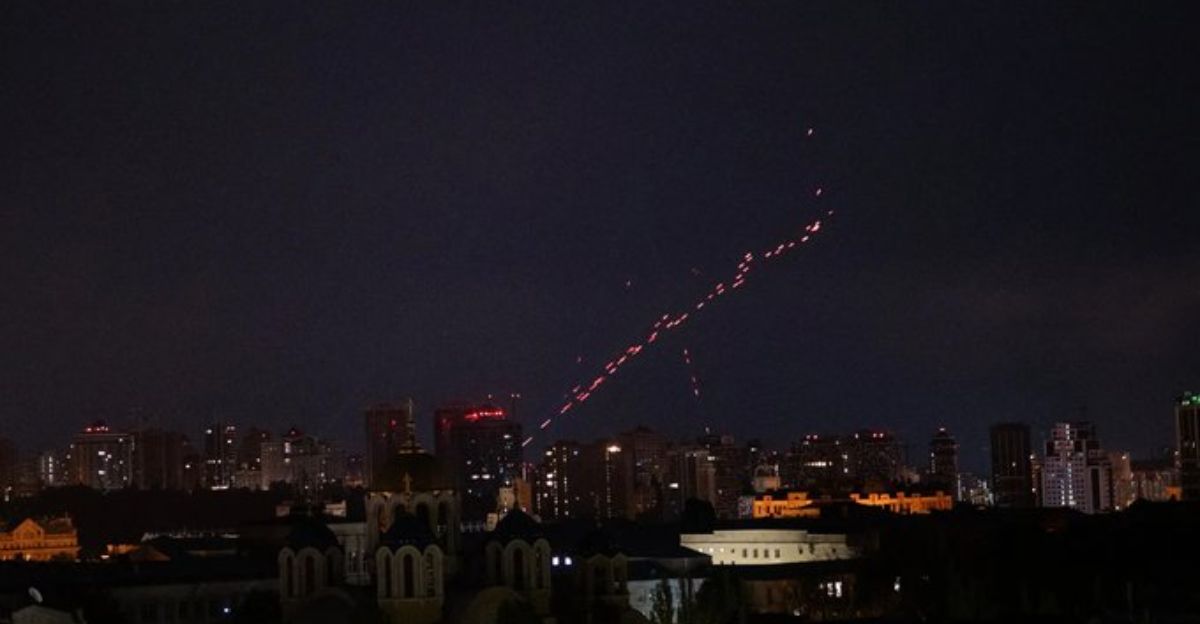
A major overnight assault on November 26–27, 2025, showed the pressure Ukraine faces. Russia launched 142 drones toward cities and key infrastructure. Ukrainian forces shot down or disabled 92, about 65 percent, but dozens still slipped through, damaging buildings and energy networks across multiple regions. Falling debris also caused harm to civilians, showing how even intercepting drones can come at a cost.
The scale of these raids has grown throughout 2025. During July, Ukraine faced more than 6,400 total missiles and drones. September brought 5,600 drones and nearly 200 missiles, including the biggest single attack of the war on September 6–7, when 810 drones and 13 missiles struck targets across the country. These large-scale assaults destroyed civilian homes, killed at least five people, and injured 41 others. Each attack leaves Ukraine’s defenders overworked, as new drone waves arrive almost nightly.
Factories vs. Firepower
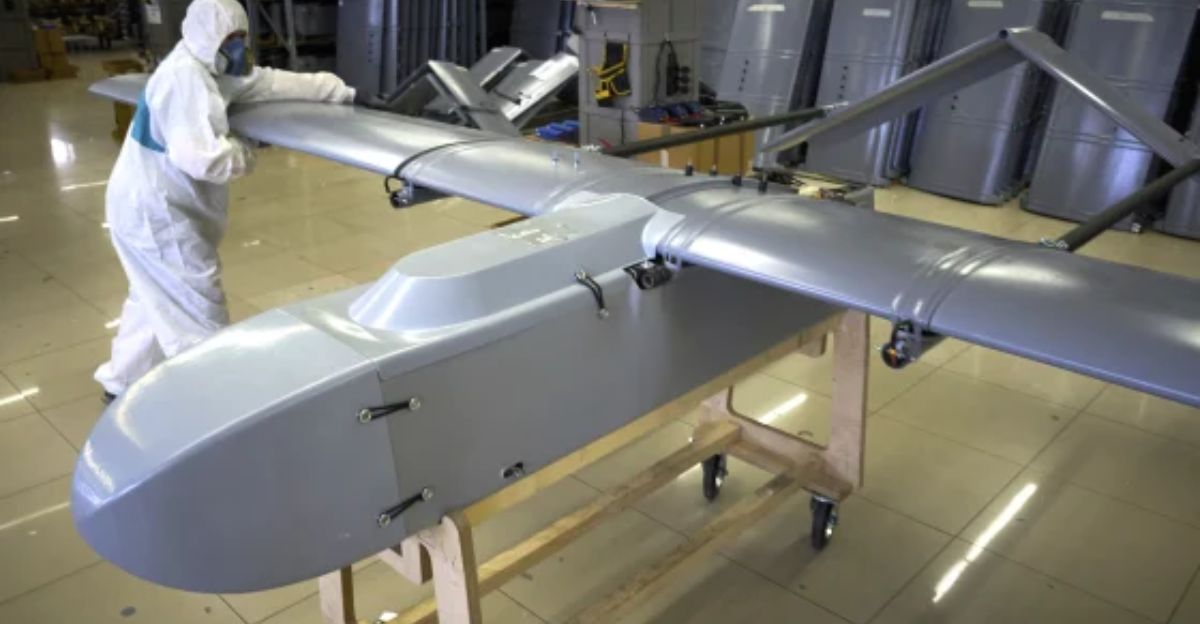
The war has become as much about factory output as frontline tactics. Ukraine has built up its own drone industry at remarkable speed. In 2023, it produced about 800,000 drones. That doubled in 2024 and could reach five million by the end of 2025, counting both domestic production and foreign imports. Russia, however, retains an edge. It produced around four million drones in 2024 alone and continues to turn out new models faster than Ukraine can shoot them down.
Experts describe this conflict as an industrial competition. The side that can produce weapons more quickly has the upper hand. For now, Russia’s larger manufacturing base gives it a numerical advantage, while Ukraine battles to keep pace using both Western assistance and homegrown innovation.
Russia has also improved its tactics. Instead of simple one-direction attacks, it now coordinates drones, cruise missiles, and ballistic missiles in combined strikes. By attacking from multiple angles in near-simultaneous waves, these assaults target weak points in Ukraine’s defenses. Even though Ukrainian forces intercept most drones, up to 87 percent in September 2025, they face a crucial problem: munitions and interceptor missiles are limited, and each attack drains their supply further.
Civilian Impact and Global Risks
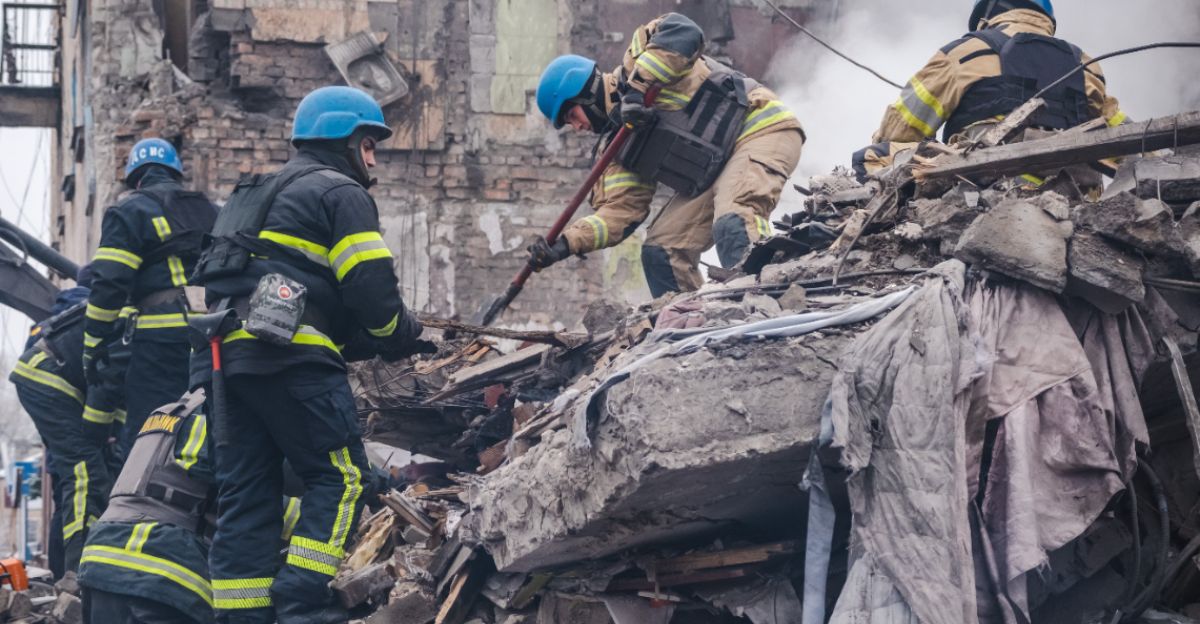
While many attacks aim at military or energy infrastructure, civilians are suffering the most. The United Nations reported that 72 percent of civilian casualties in August 2025 occurred near the front lines, especially in Donetsk and Kherson. Russia appears to be targeting power stations and electrical grids, hoping to weaken morale by cutting off heating and electricity during winter.
These attacks have even spilled over into NATO territory. In early September, several Russian drones crossed into Poland from Belarus during one large raid. Five drones flew toward the Rzeszów airbase, a key hub for shipments to Ukraine. Polish and NATO forces shot down four, marking the first time alliance members directly engaged Russian drones. This incident highlighted the growing risk that Russia’s campaign could drag neighboring countries deeper into the conflict.
Ukraine has responded with creativity and determination. Late in 2025, during Operation Spiderweb, Ukraine used drones disguised in civilian trucks to strike deep inside Russian territory. The attacks reportedly destroyed 41 Russian aircraft, including a third of its cruise missile carriers. Rather than only defending its airspace, Ukraine is now taking the fight to Russia’s launch sites and infrastructure.
Western support remains vital. The United States and European allies have supplied advanced systems like Patriot and IRIS-T missile batteries. President Volodymyr Zelenskyy recently announced plans to buy 25 more Patriot systems, though even this may not be enough to match Russia’s industrial pace. To fill gaps, Ukraine has pushed rapid domestic innovation, recently deploying the Sting drone interceptor, which uses commercial parts to bring down Russia’s faster, jet-powered drones.
The Future of the Drone War
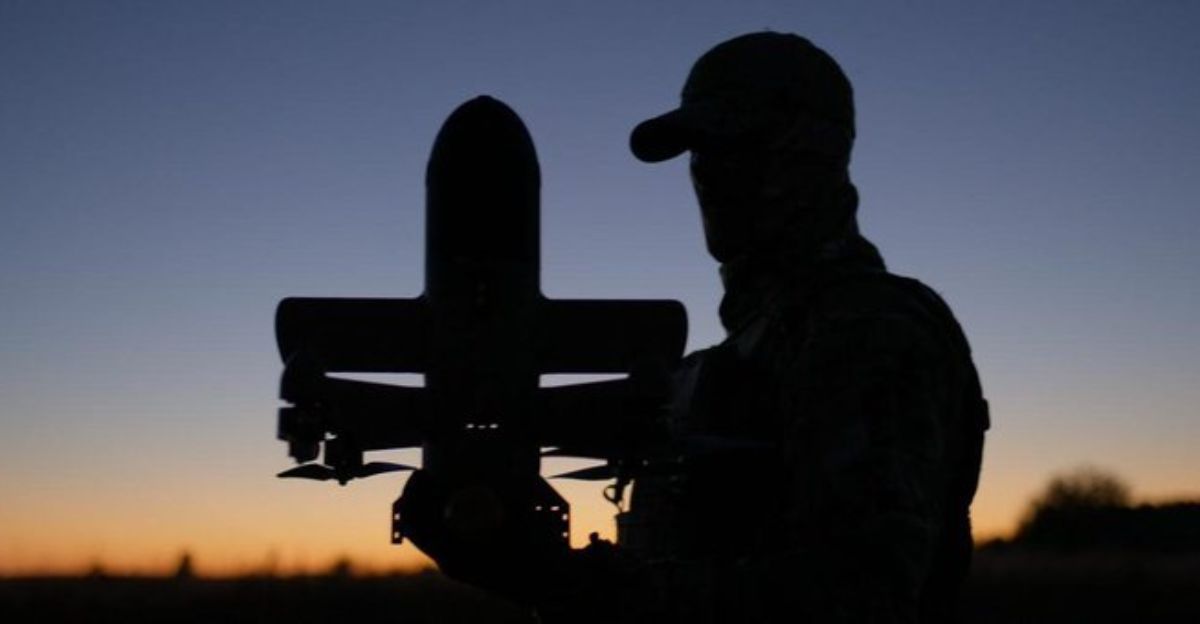
Despite impressive defensive results, experts question how long Ukraine can maintain this pace. Russia’s vast production lines keep sending drones into the skies, while Ukraine burns through expensive interceptors every night. Without a major increase in Western supplies or a new shift in the war’s strategy, Ukraine risks being worn down.
Some analysts argue that Ukraine’s best chance is to keep targeting Russia’s launch facilities directly, reducing the threat at its source. Others warn that as winter arrives and attacks intensify, civilian suffering could worsen if power and heating systems remain vulnerable.
The drone campaign now defines the war’s character, a relentless, nightly contest of production, endurance, and adaptation. Each attack tests the limits of Ukraine’s defenses, showing that in modern warfare, factories and innovation can matter as much as soldiers and strategy. The outcome will likely hinge on who can sustain this technological arms race the longest.
Sources
United Nations News – Ukraine and the war
BBC News – Ukraine war coverage
Reuters – Russia/Ukraine conflict and drones
Atlantic Council – Ukraine and drone warfare analysis
CSIS – Russia-Ukraine war and defense analysis
Institute for the Study of War (Understanding War)