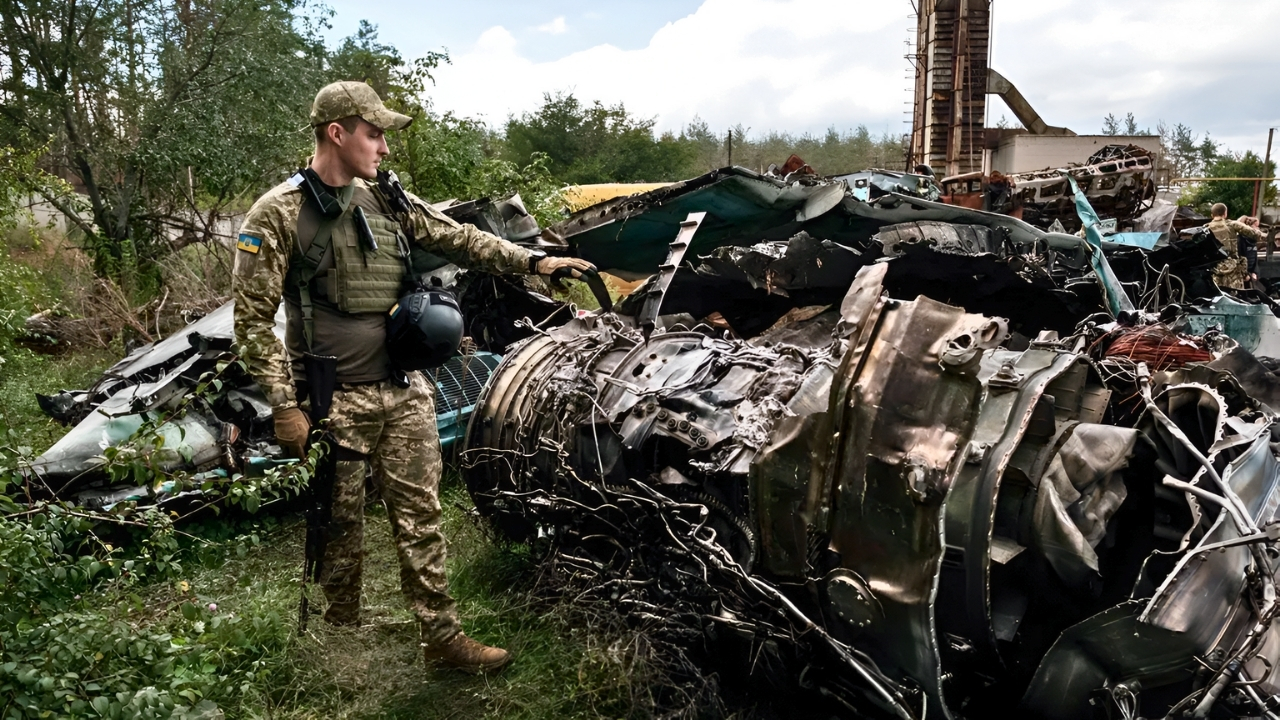
In the early hours of 25 November 2024, a series of explosions tore through the Taganrog airfield, setting fire to one of Russia’s most advanced experimental aircraft. The attack, attributed to Ukrainian forces, targeted the A-60 airborne laser testbed—a rare Cold War-era platform—marking a significant escalation in the conflict’s reach and precision. The strike not only destroyed irreplaceable military hardware but also raised urgent questions about Russia’s aerospace defenses and the broader implications for regional stability.
The Overnight Attack
Between 0200 and 0400 local time, Ukrainian forces launched a coordinated assault using Neptune cruise missiles and Bars jet-powered drones. Satellite imagery captured flames engulfing hangars and parked aircraft, with the A-60 at the center of the destruction. The operation demonstrated Ukraine’s ability to conduct deep-strike missions far from active combat zones, striking high-value targets with precision. The Taganrog aviation plant, located about 200 kilometers from the front lines, was vulnerable to such long-range attacks, highlighting a new phase in the conflict’s tactical evolution.
The A-60 and A-100LL: Irreplaceable Losses

The A-60, a modified Il-76MD, served as the Sokol-Eshelon airborne laser testbed, equipped with a megawatt-class CO₂ laser for anti-satellite and anti-drone research. Only two prototypes were ever built, making each a unique asset. Its destruction erased decades of experimental data and specialized modifications, dealing a severe blow to Russia’s advanced aerospace research. Satellite analysis also confirmed the loss of an A-100LL, an experimental variant intended to replace the A-50 AWACS aircraft. The combined loss of these platforms disrupts Russia’s next-generation early warning and airborne laser programs, creating a gap that could take years to fill.
Taganrog’s Strategic Importance
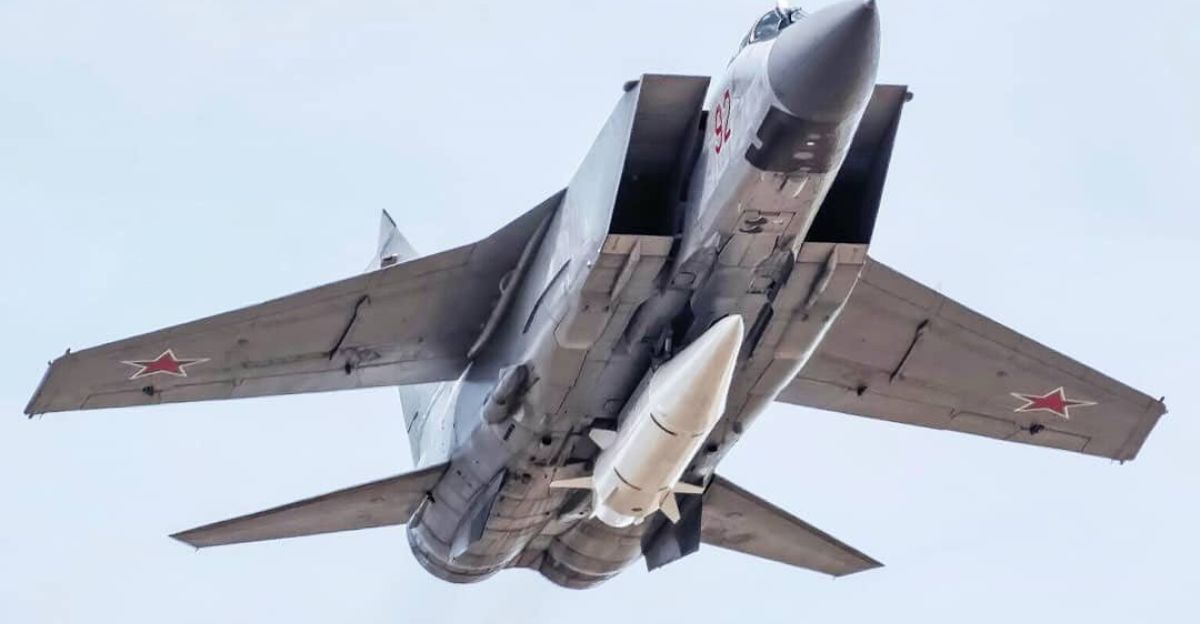
Taganrog hosts the Beriev Aircraft Company, which maintains and produces key military aircraft, including the Be-200 amphibious plane, A-50 AWACS, and Tu-95MS/Tu-160 bombers. The airfield’s location and role make it a critical node in Russia’s aerospace infrastructure. The strike’s success underscores Ukraine’s ability to target high-value assets deep within Russian territory, challenging assumptions about the security of rear-area facilities.
Civilian and Industrial Fallout
The overnight attack claimed three civilian lives in the Rostov region, with emergency services responding to multiple impact sites. Industrial facilities, including maintenance hangars and workshops, suffered extensive fire damage. The disruptions affect both military production and regional employment, signaling broader economic and social consequences for southern Russia. The loss of maintenance capacity for strategic bombers could also impact Russia’s ability to sustain winter 2024-2025 strike campaigns.
Ukraine’s Strategic Objectives
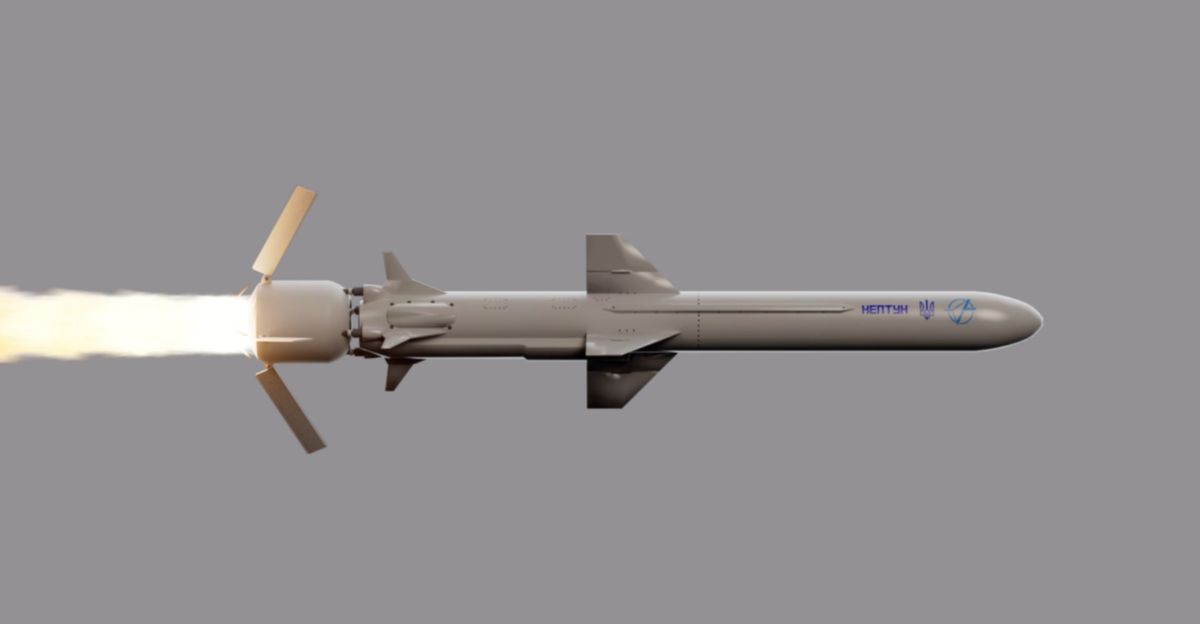
The operation aimed to degrade Russia’s airborne laser research, disrupt strategic bomber maintenance, and demonstrate deep-strike capabilities. By targeting facilities that support missile campaigns against Ukrainian cities, Ukraine sought to undermine Russia’s operational reach. The use of Neptune cruise missiles and Bars drones allowed for precision and overwhelming force, exploiting vulnerabilities in Russian air defenses. The destruction of the A-60 and A-100LL, both stationary at the time, highlights weaknesses in their protection measures.
Broader Implications
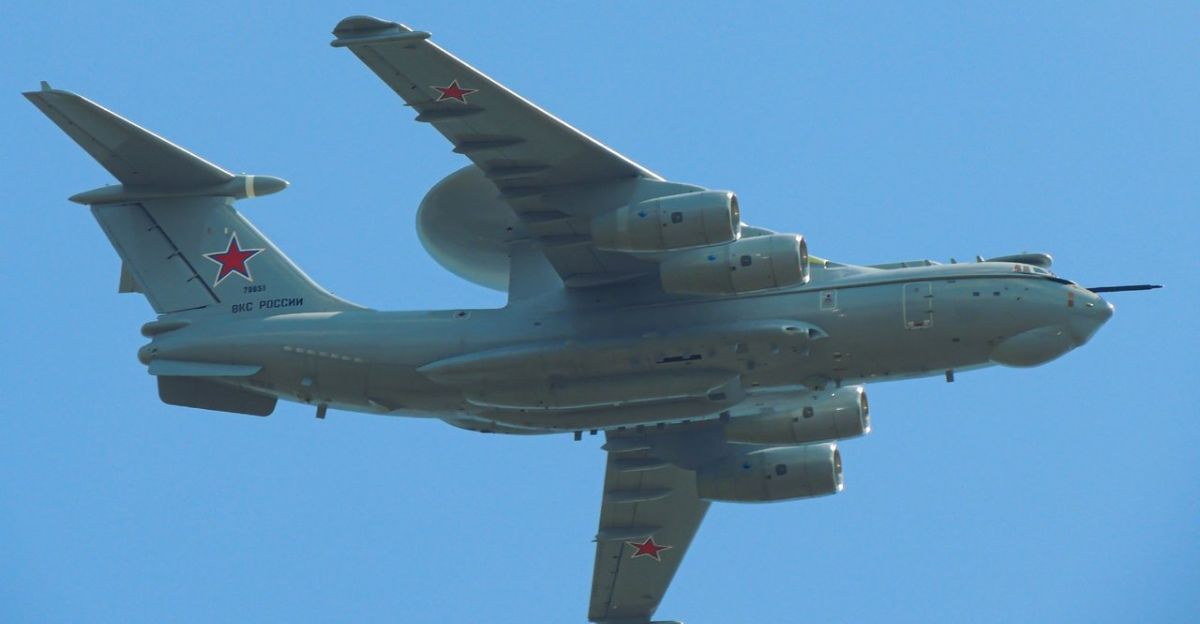
The strike exposed gaps in Russia’s air defense network and force protection doctrine. The concentration of experimental assets within range of Ukrainian missiles forces Russia to reconsider its strategic posture, potentially dispersing assets and expanding air defenses. The operation also underscores Ukraine’s growing operational credibility and the effectiveness of international weapon support. The ripple effects extend to local employment, defense industrial output, and civilian confidence, while the loss of experimental platforms slows Russia’s counter-drone research. Ukraine’s successful deep-strike sends a clear message: even facilities far from the front line are not immune, reshaping regional strategic calculations.
Sources
The War Zone, 24 November 2024
The Moscow Times, 24 November 2024
Kyiv Independent, 24 November 2024
Defence-UA, 25 November 2024
United24 Media, 24 November 2024
Aerospace Global News, 25 November 2024
TASS, 06 April 2023
The War Zone, 08 February 2023