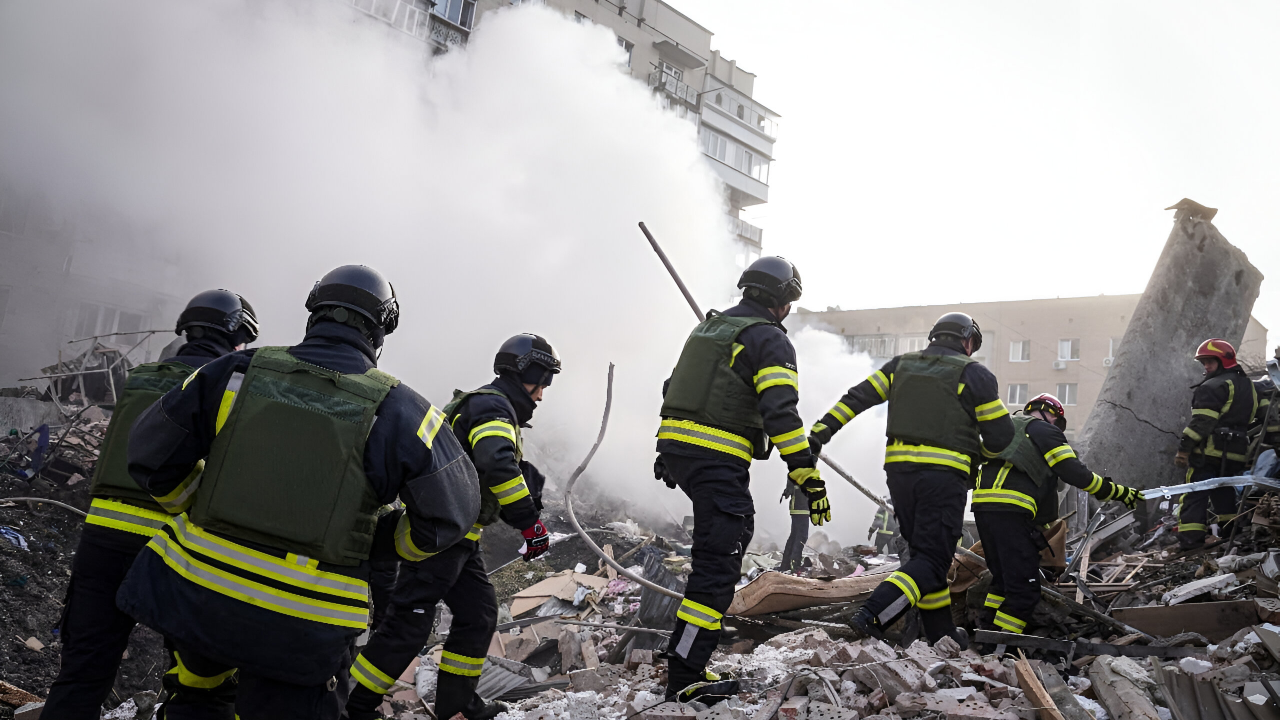
For nearly three years, Ukraine’s cities endured rolling blackouts as Russian missiles and drones battered the nation’s power grid. But on October 31, 2025, the dynamic shifted dramatically. Ukrainian drones struck deep inside Russian territory, targeting the Vladimirskaya Substation—one of Russia’s most vital energy hubs. The attack marked a turning point, signaling Ukraine’s move from defense to a bold, coordinated energy offensive.
A New Phase: Ukraine’s Energy Offensive
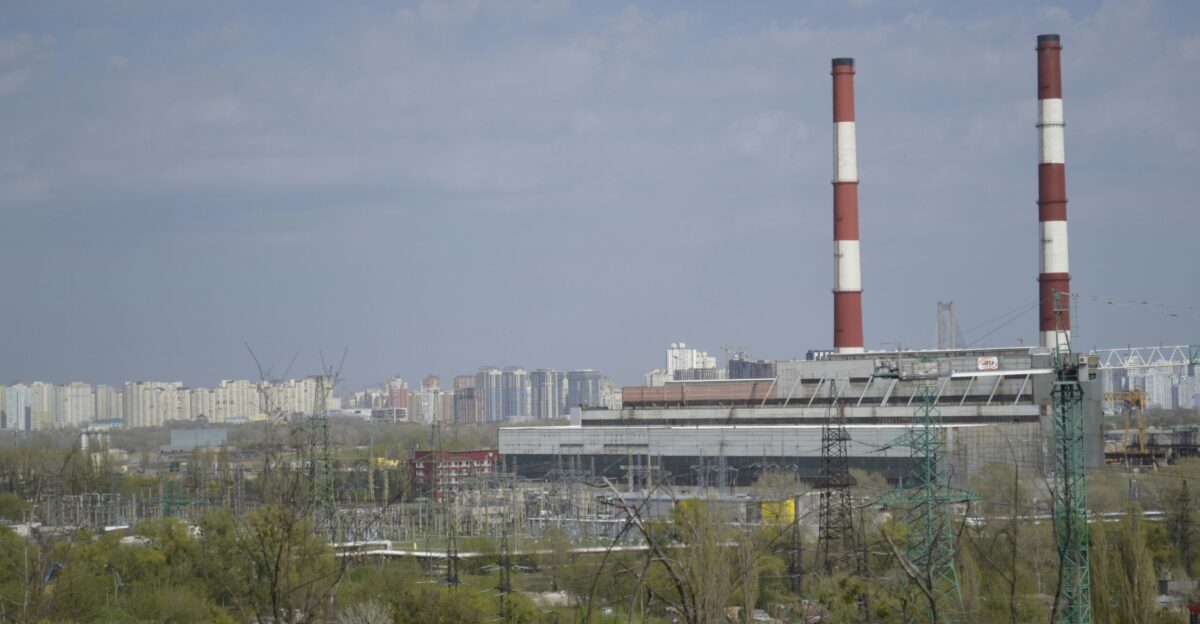
The Vladimirskaya strike was not an isolated event. Over a two-week period in late October, Ukrainian forces launched at least 15 major attacks on Russian energy infrastructure, averaging one significant strike per day. These operations targeted substations and thermal power plants with remarkable precision, disabling an estimated 1.5 to 2 gigawatts of generating capacity across Russia’s grid.
The Vladimirskaya Substation, with its 4,010 megavolt-amperes of capacity, serves as a critical link between Siberia’s power stations and Moscow. By hitting this strategic chokepoint, Ukrainian planners triggered cascading failures that rippled through interconnected grids, disrupting supply chains, military logistics, and civilian life. “We’ve never seen this level of precision in targeting energy infrastructure,” said Dr. Elena Markov, an energy security expert at the European Council on Foreign Relations. “It’s a clear demonstration of Ukraine’s growing technical and intelligence capabilities.”
Penetrating Russian Defenses

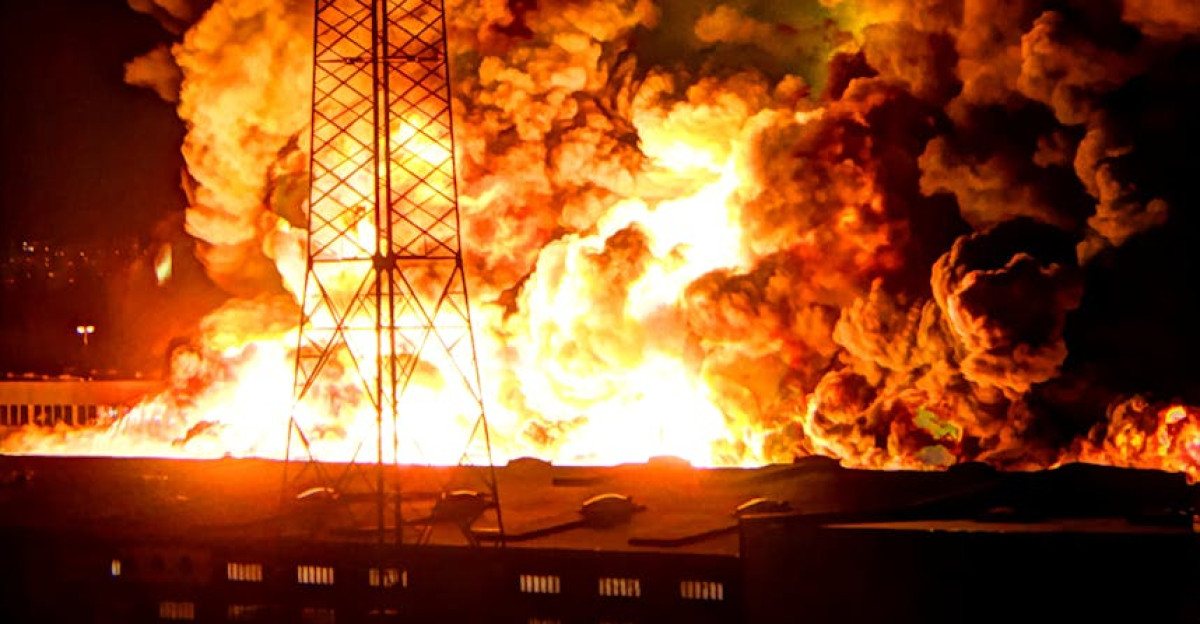
The success of these strikes has left military analysts worldwide questioning how Ukrainian drones managed to evade Russia’s extensive air defense network. Videos circulating on social media showed substations erupting in flames, with white-hot explosions lighting up the night sky across seven Russian regions. The attacks caused blackouts in Vladimir, Oryol, Saratov, Nizhny Novgorod, Bryansk, Volgograd, and even the Moscow area, where voltage dropped by 10 percent.
Local residents felt the impact immediately. “The lights went out without warning, and we had no heat for hours,” recalled Anna Petrova, a resident of Oryol. Emergency crews worked through the night to restore power as temperatures dropped, highlighting the vulnerability of Russia’s grid just as winter set in.
Strategic Targets and Civilian Fallout
Ukraine’s campaign was methodical, not random. Alongside Vladimirskaya, drones struck the Arzamasskaya and Veshkaima substations, the Balashovskaya substation in Saratov, and the massive Novobryanskaya substation. Thermal power plants in Klintsy and Oryol were also hit, with Oryol suffering two separate attacks in less than a week.
The consequences for civilians were severe. In Klintsy, the loss of power and heating forced hospitals to evacuate patients. In Oryol, repeated strikes left households without electricity or heat for extended periods. Water supplies dwindled, and families huddled in the cold, waiting for emergency services. “We had to move patients to other facilities because we couldn’t guarantee their safety,” said Dr. Sergei Ivanov, chief physician at a local hospital.
Impact on Russia’s Military-Industrial Complex
The strikes extended beyond civilian infrastructure, hitting Russia’s military-industrial base. The Sverdlov ammunition plant in Nizhny Novgorod and the Saratov oil refinery both experienced production disruptions due to power outages. Factories supplying the front lines were forced to halt operations, fracturing supply chains and compounding economic losses.
By early November, Ukrainian drones had also executed over 160 successful strikes on Russian oil extraction and refining facilities. The scale and frequency of these attacks have fundamentally altered the nature of modern warfare, demonstrating that relatively inexpensive drones can inflict billions of dollars in damage on critical infrastructure.
Global Implications and the Future of Energy Warfare

Ukraine’s offensive has sent shockwaves far beyond the battlefield. Military planners in Washington, Brussels, and Tokyo are reassessing the vulnerability of their own energy grids. “If a drone costing a few thousand dollars can disable a billion-dollar substation, no country’s infrastructure is truly safe,” noted Dr. Markov. European governments have already called for urgent investments in grid resilience and cybersecurity.
The timing of Ukraine’s strikes—just as winter arrived—maximized their impact, forcing Russian authorities to divert resources from the war effort to humanitarian response. Local officials scrambled to open warming centers as families faced the prospect of freezing temperatures without heat or electricity.
As the conflict enters a new phase, the struggle for control over energy infrastructure has become a central focus. Ukraine’s shift from defensive resilience to offensive strategy marks a fundamental change in the war’s trajectory. The coming months will test the ability of both nations to adapt, as the battle moves from trenches and tanks to transformers and transmission lines. The stakes—military, economic, and humanitarian—have never been higher.