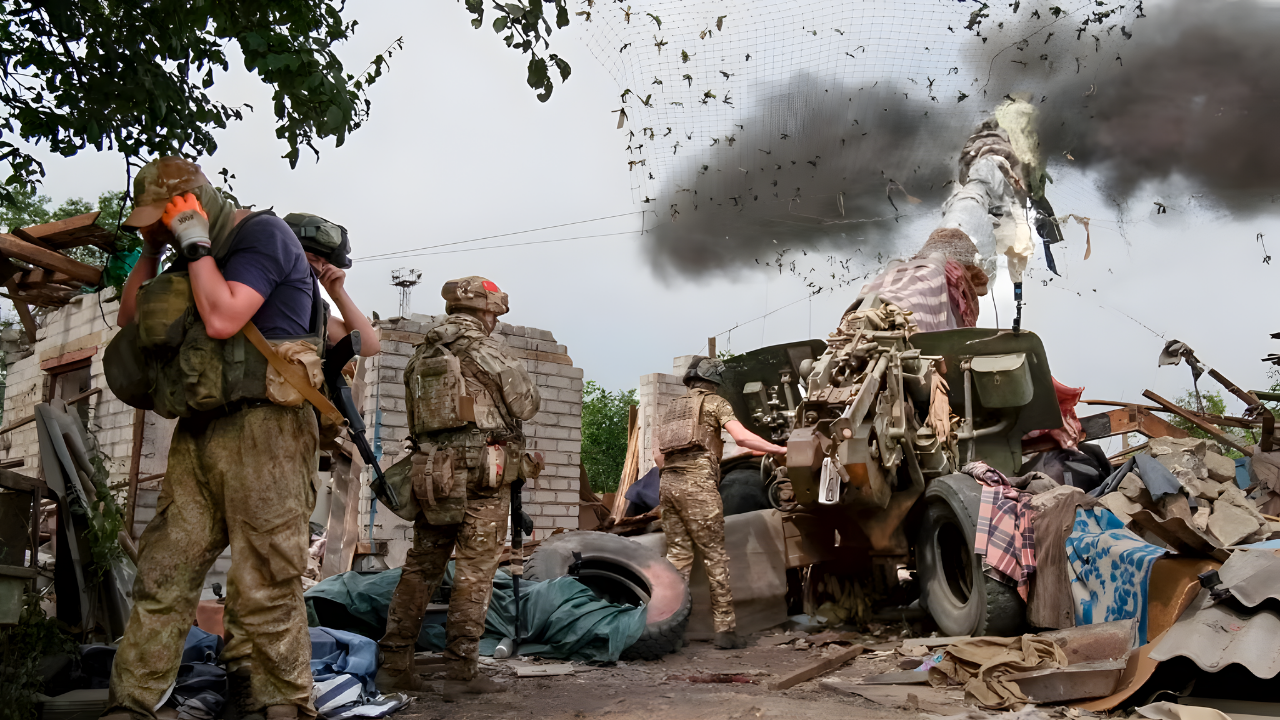
As the sun sets over the eastern frontlines of Ukraine, explosions light up the sky. The air trembles with the roar of artillery and the whir of drones as Ukrainian forces strike. In just 24 hours, Russian troops suffer 1,400 casualties.
The relentless pace of attrition grinds on, with no end in sight. This staggering daily toll paints a stark picture: over 1.18 million Russian soldiers have been killed or wounded since February 2022. How much longer can Russia’s military machine continue to bleed?
Total War Costs Approach $700 Billion
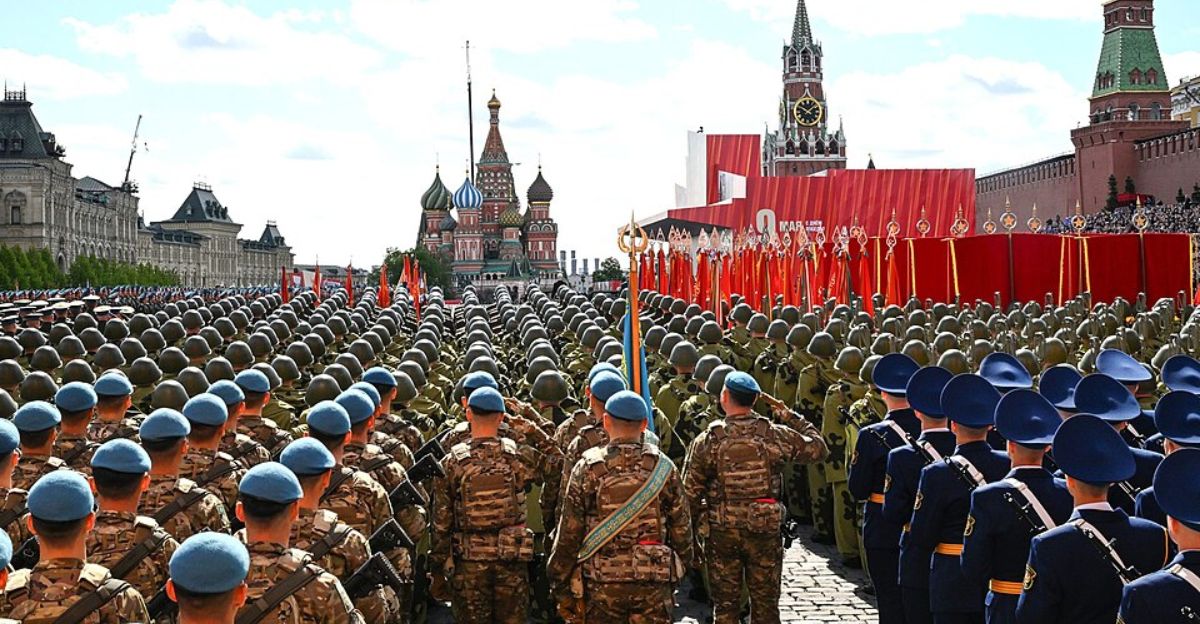
Russia’s total military expenditure on the Ukraine war has reached approximately $542 billion through late 2025, according to analysis by The Moscow Times citing German security researchers. At current monthly spending rates of $13.2 billion, total war costs are projected to exceed $700 billion by late 2026.
This massive financial burden breaks down into several categories: destroyed military equipment estimated at over $100 billion (as of January 2026), ammunition expenditure estimated at $250-300 billion (artillery shells, missiles, rockets, drones), and personnel costs estimated at $80-100 billion (death benefits, medical care, recruitment, training).
There is also daily operations totaling approximately $23 million per hour in ongoing military expenses, and industrial mobilization, which includes converting civilian factories and expanding production facilities.
Escalating Toll
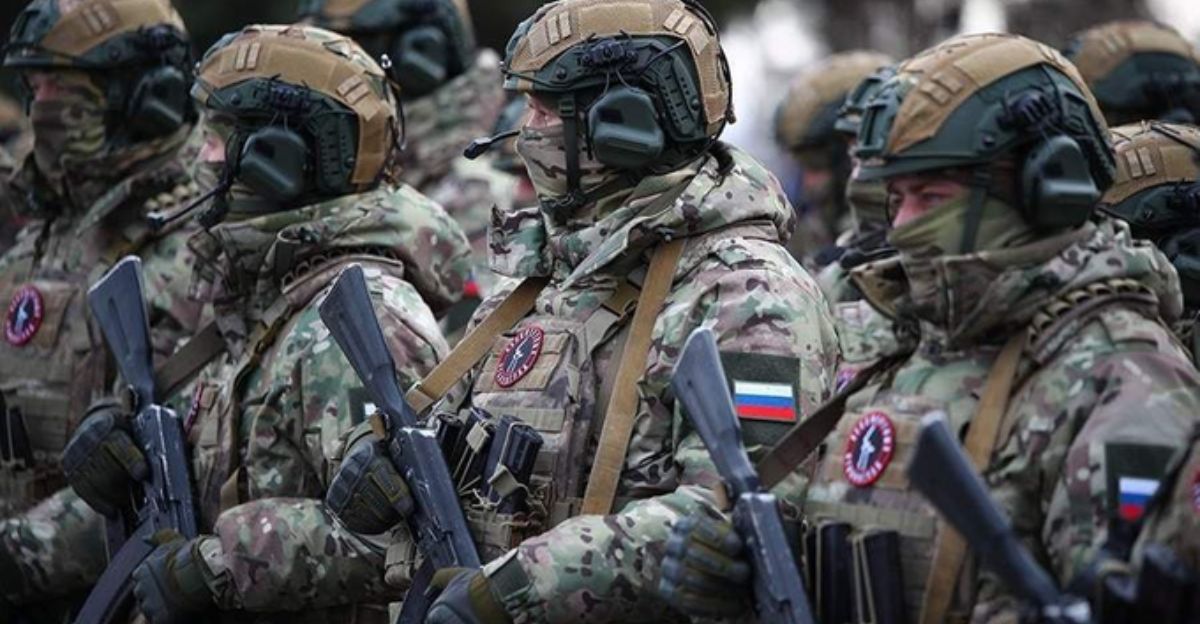
Russia’s defense spending in 2025 alone reached $142.25 billion in the first nine months—a 30% increase over 2024 and 295% higher than pre-war 2021 levels. For 2026, Moscow has earmarked $154.8 billion for “national defense,” with 38% of the entire federal budget dedicated to military and security spending.
The Russian military’s daily casualties have surged in recent months, with averages now exceeding 1,100 per day. In the last 24 hours alone, 1,400 troops were killed or wounded.
Projections show that by the end of the year, over 1.2 million Russian soldiers will have suffered casualties—representing unprecedented losses in modern European warfare. This steady toll is a direct result of Ukraine’s precision strikes.
Invasion Roots
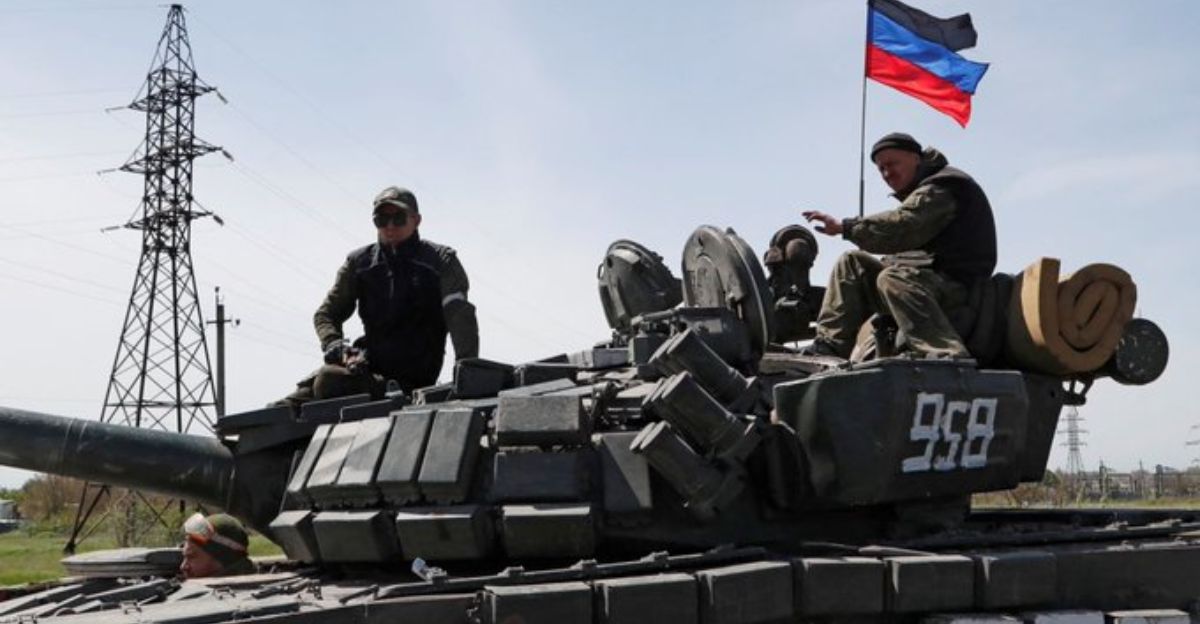
The Russian invasion of Ukraine began on February 24, 2022, with early successes in seizing large territories.
However, Ukrainian defenses, bolstered by Western aid, turned the tide by reclaiming 50,000 square kilometers by late 2022. Since then, Russia has only managed to advance a mere 5,000 square kilometers, highlighting the stagnation on the frontlines.
Attrition Grind
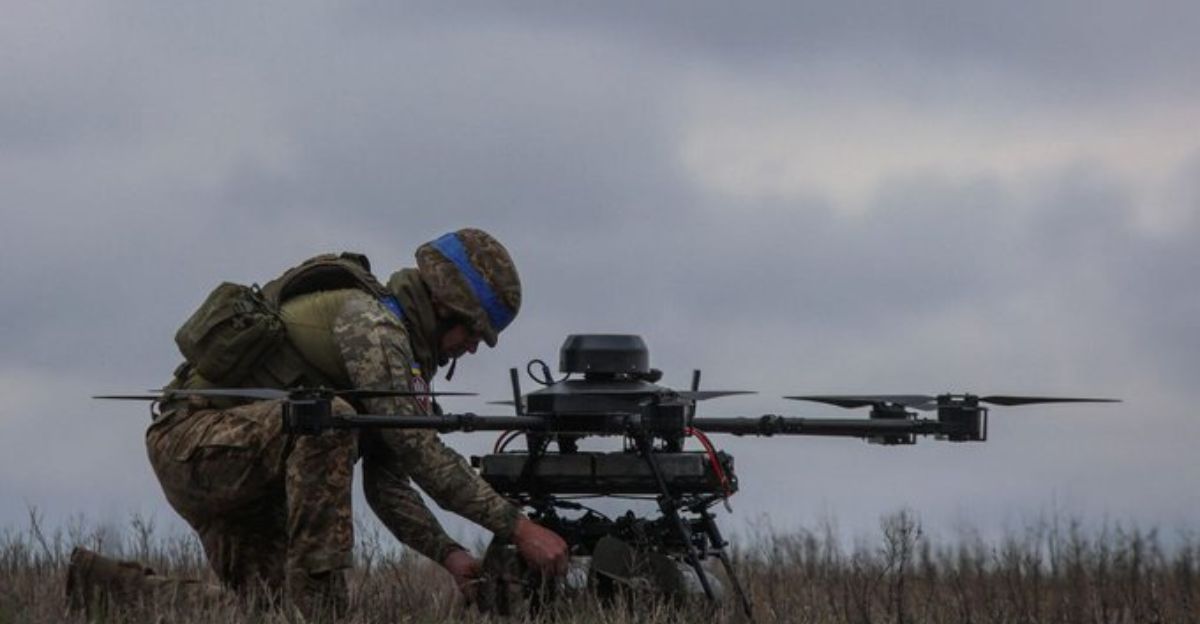
The battlefield has become a deadly game of attrition. Ukrainian artillery, FPV drones, and Javelin missiles dominate the frontlines, creating kill zones that decimate Russian armored convoys.
The loss ratios heavily favor Ukraine, with drones accounting for the majority of Russian hardware strikes. But with dwindling stockpiles, can Russia continue to push forward?
Record Losses
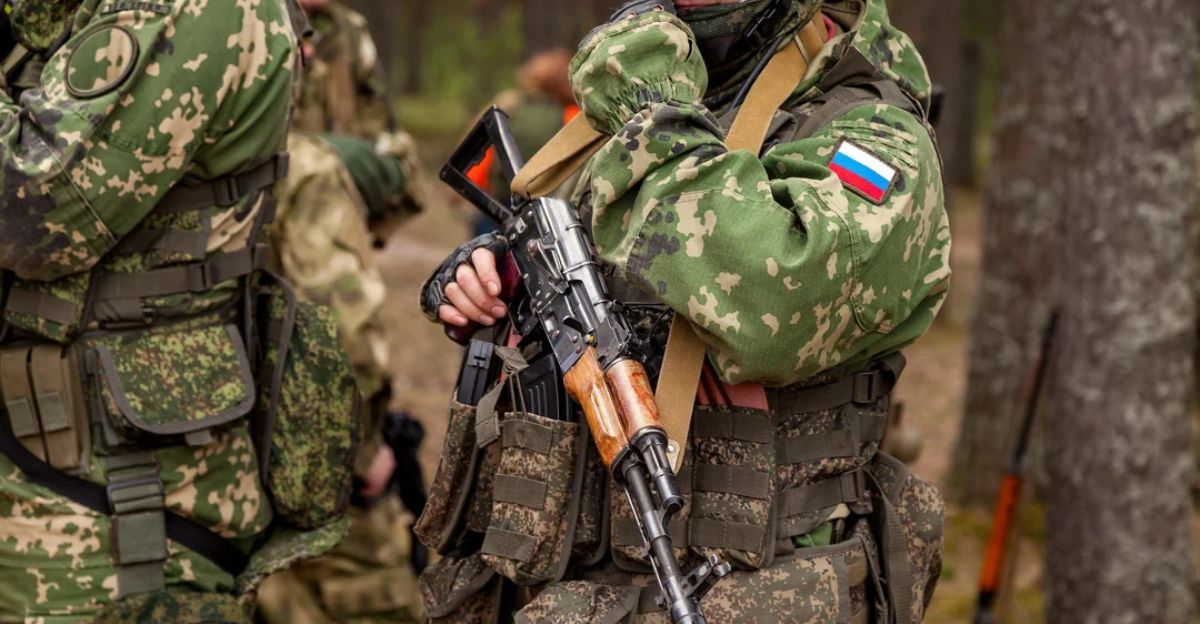
In one of the deadliest days of the war, Russia lost 1,400 troops, one aircraft, and 16 artillery systems in just 24 hours. Cumulatively, over 11,400 tanks, 35,000 artillery systems, 432 aircraft, and nearly 90,000 drones have been destroyed since the invasion began.
These staggering losses represent the highest concentration of military equipment losses in European warfare since World War II.
Tank Graveyard
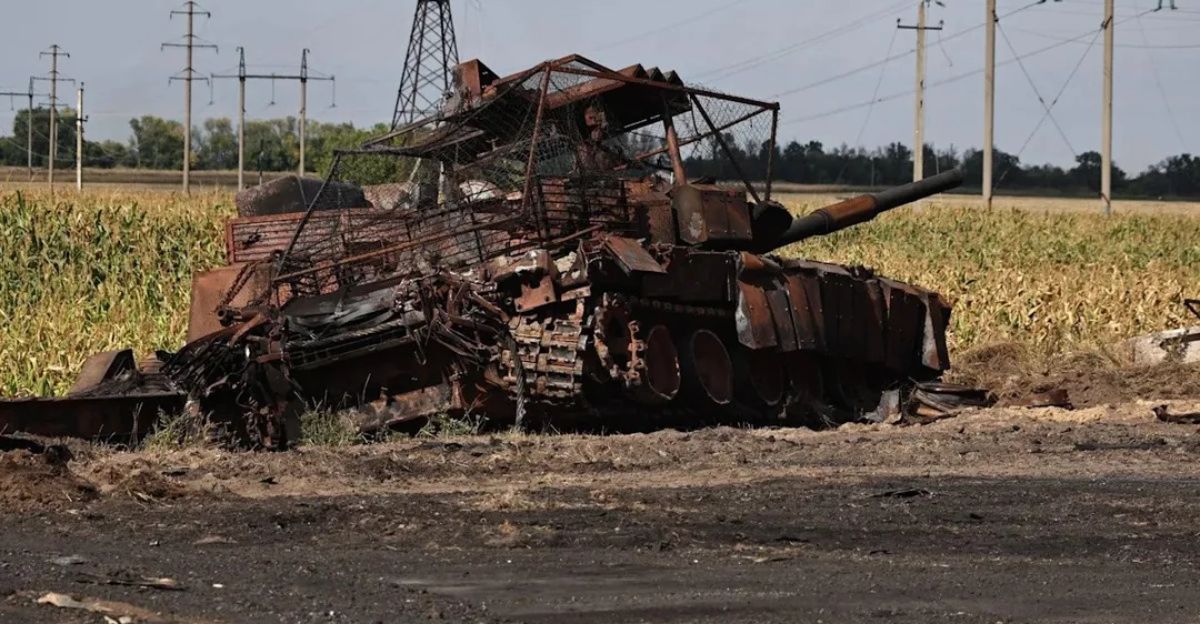
The steppes of eastern Ukraine are strewn with over 11,400 destroyed Russian tanks, an amount representing approximately four times Russia’s pre-war active tank inventory.
The cost of slow advances in regions like Donetsk and Luhansk is immense, and the reliance on outdated Soviet tanks from storage only highlights Russia’s diminished capabilities.
Ammunition War
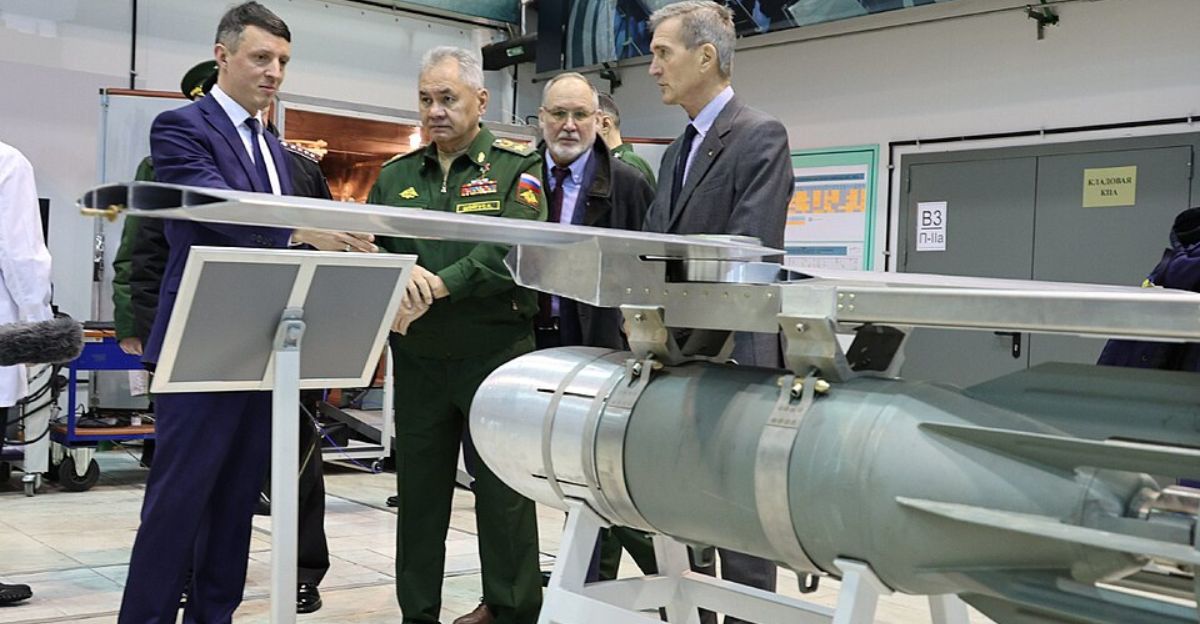
Russia’s massive ammunition expenditure represents one of the largest cost components of the war. Russian artillery fires an estimated 10,000-20,000 shells daily, with production ramped up to 250,000 artillery shells per month at an estimated cost of $1,000 per shell.
Over nearly four years of war, this translates to approximately $250-300 billion in ammunition alone—including artillery shells, missiles, rockets, and drones.
Russia produces approximately 1,600 cruise missiles annually and scaled Shahed drone production to at least 6,000 per year by late 2024.
By mid-2025, Russian forces had produced approximately 30,000 Shaheds and decoy drones since the start of the full-scale invasion.
Soldier Stories
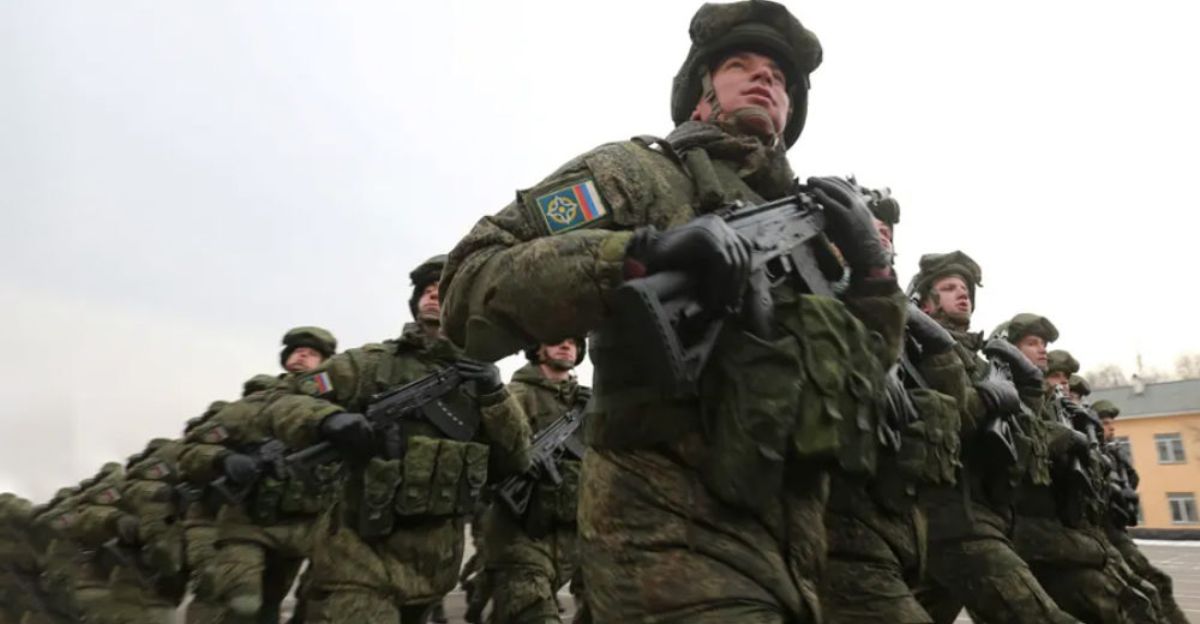
Russian troops, many recruited from prisons and remote regions, are filling gaps left by catastrophic losses. In the Battle of Chasiv Yar alone, approximately 4,880 Russian soldiers were lost (1,967 killed and 2,897 wounded) between April 2024 and February 2025 for minimal territorial gains.
This relentless attrition leaves families mourning the loss of their loved ones, adding to the psychological toll of war.
Drone Dominance
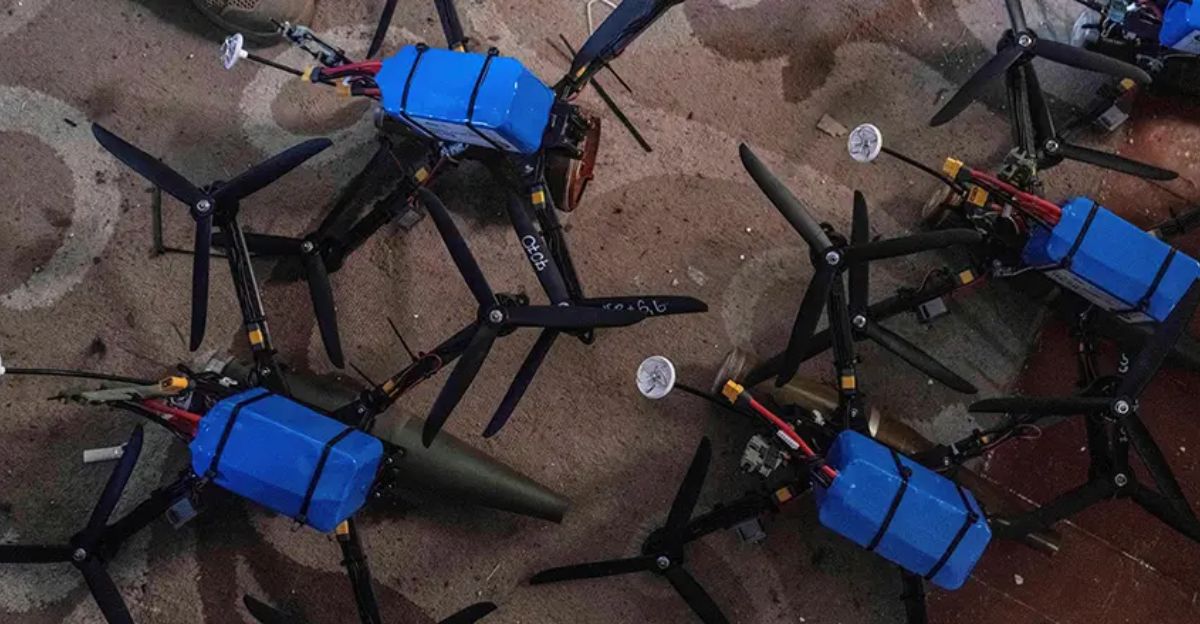
Ukrainian drones have become a game-changer in the war, responsible for destroying two-thirds of Russian tanks and accounting for approximately 70% of personnel casualties.
In response, Russia has ramped up drone production, but the scale of losses—nearly 90,000 units—suggests they may be fighting a losing battle in the sky.
Equipment Losses
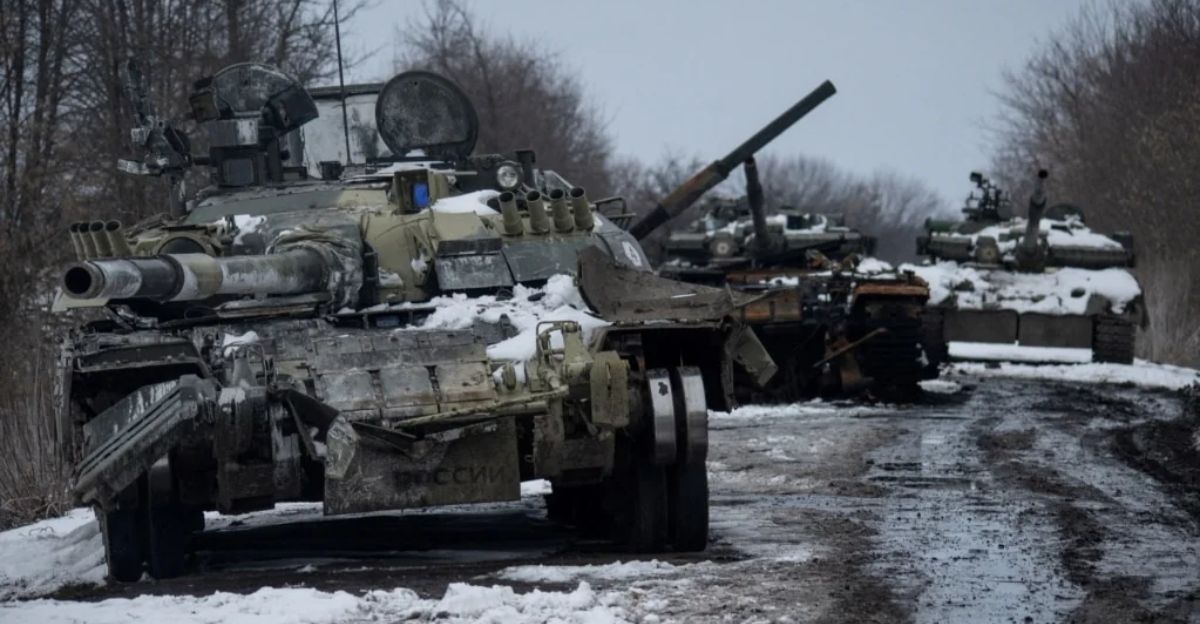
The destroyed military hardware alone represents an estimated $100+ billion in lost assets as of January 2026. This substantial cost reflects the intensity of the conflict and the effectiveness of Ukrainian targeting.
Despite ramping up production, Russia’s reliance on old Soviet equipment diminishes its technological edge.
Naval Losses
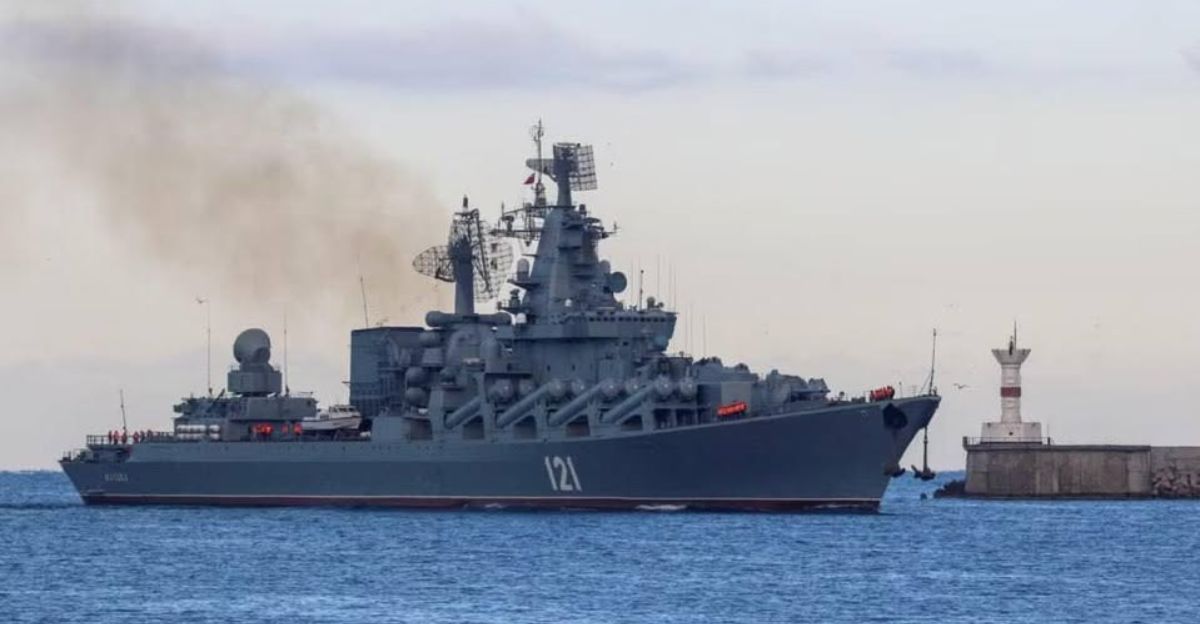
Russia’s Black Sea Fleet has suffered irreparable damage, with 28 ships and one submarine, the Kilo-class Rostov-on-Don, damaged and rendered economically beyond repair.
These naval losses have crippled Russian operations, forcing reliance on less effective land routes. Ukraine’s ability to strike from the sea has opened a new front, further extending the war’s reach.
Command Frustrations
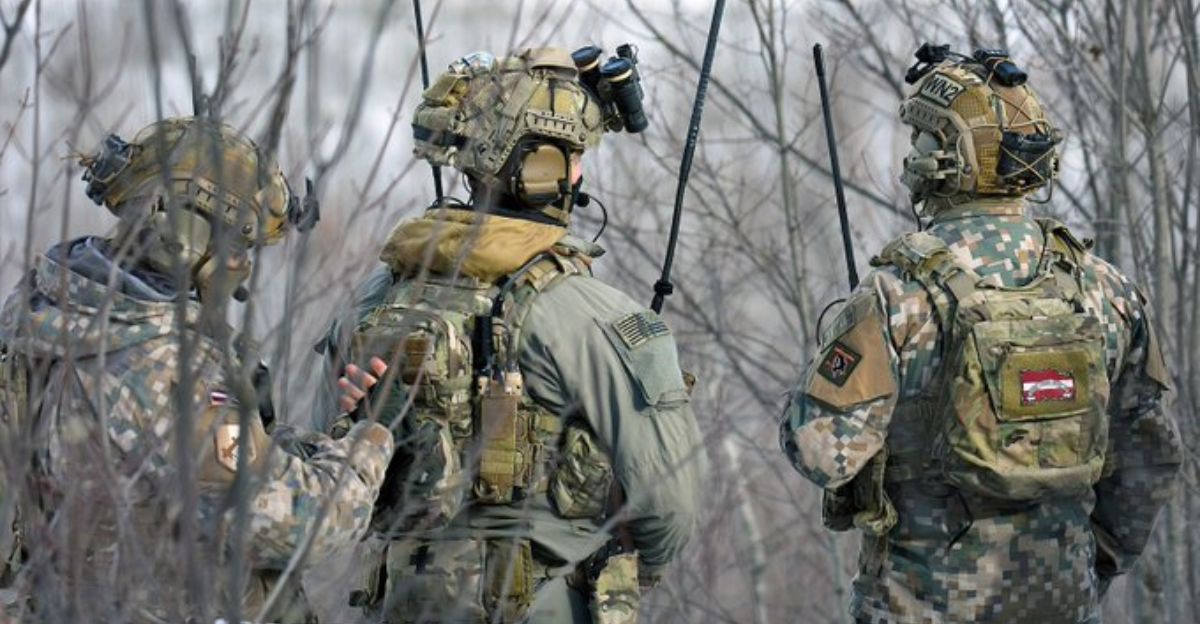
Russian commanders are feeling the strain of unsustainable losses. Despite resorting to mass assault tactics, morale is crumbling, and elite units like Spetsnaz have suffered devastating losses.
With outdated gear and dwindling resources, commanders are struggling to adapt, fueling further internal frustrations.
Leadership Shifts
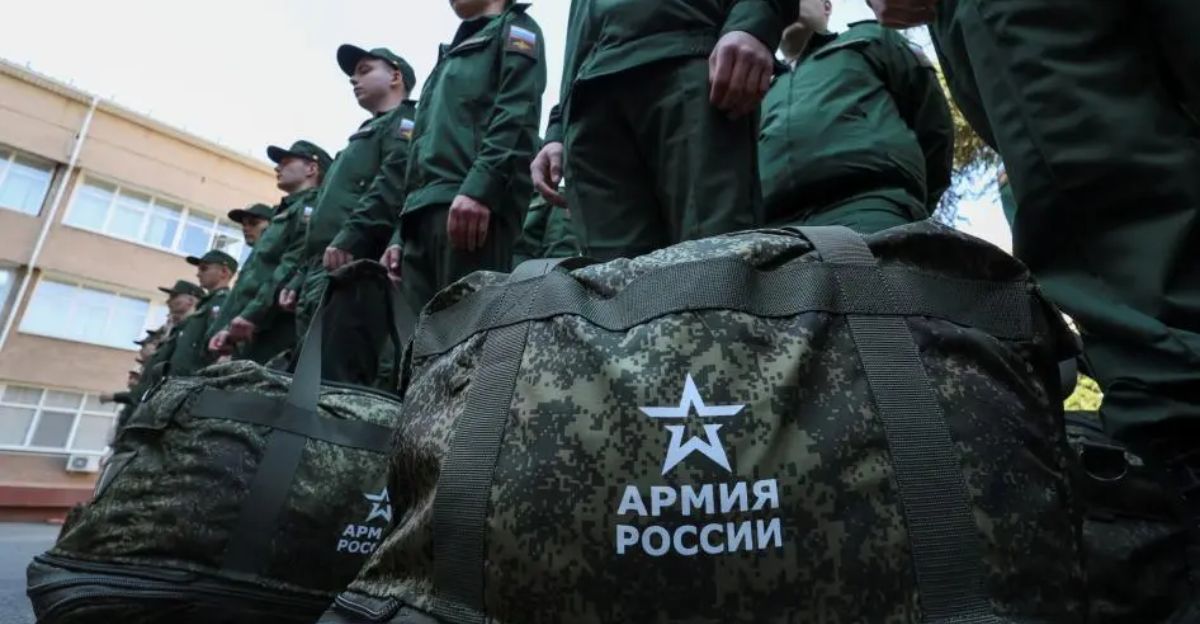
In response to mounting losses, Moscow has rotated generals and expanded its forces to 1.5 million, but the emphasis is on quantity, not quality.
Troops from prisons and remote regions are filling gaps, but is this shift a strategic move or a sign of desperation? Moscow’s military strategy is evolving under immense pressure.
Industrial Push
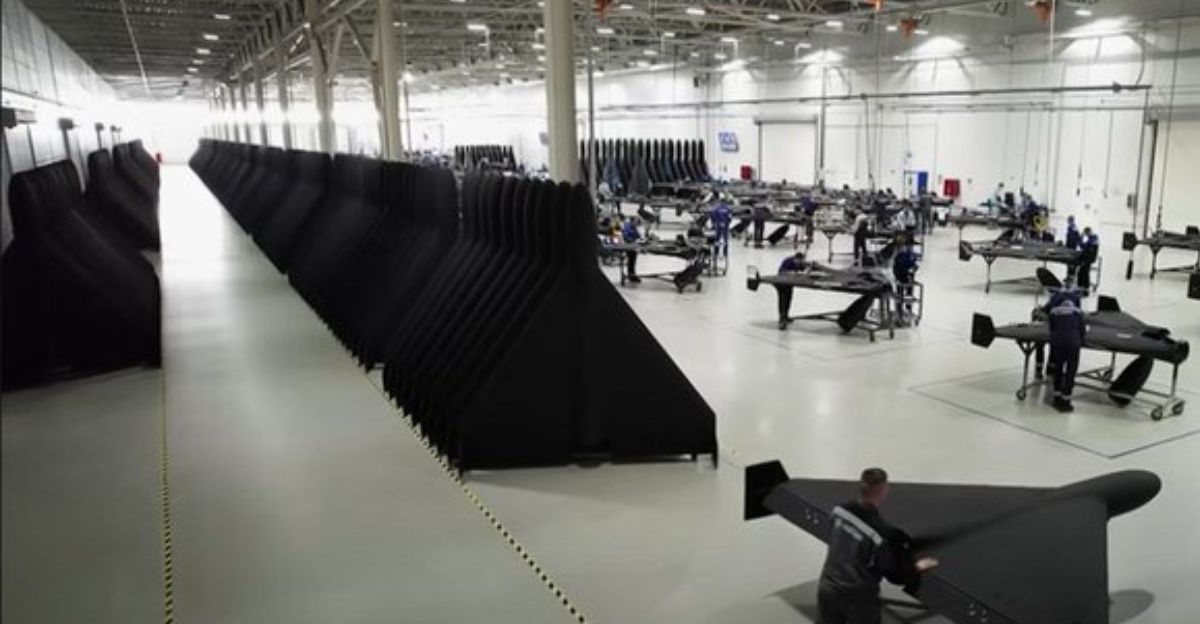
To counter mounting losses, Russia has increased production in newly converted civilian factories, churning out artillery shells, drones, and missiles. Despite these efforts, only 46% of the pre-war tank inventory remains, mostly outdated models. Can Russia sustain this industrial push amid ongoing sanctions?
Russia’s defense industry now employs approximately 3.5 million workers—up from 2-2.5 million pre-war—operating factories on 24-hour rotating 12-hour shifts. The country produces roughly 250,000 artillery shells monthly, nearly three times the combined output of the U.S. and Europe.
Expert Doubts
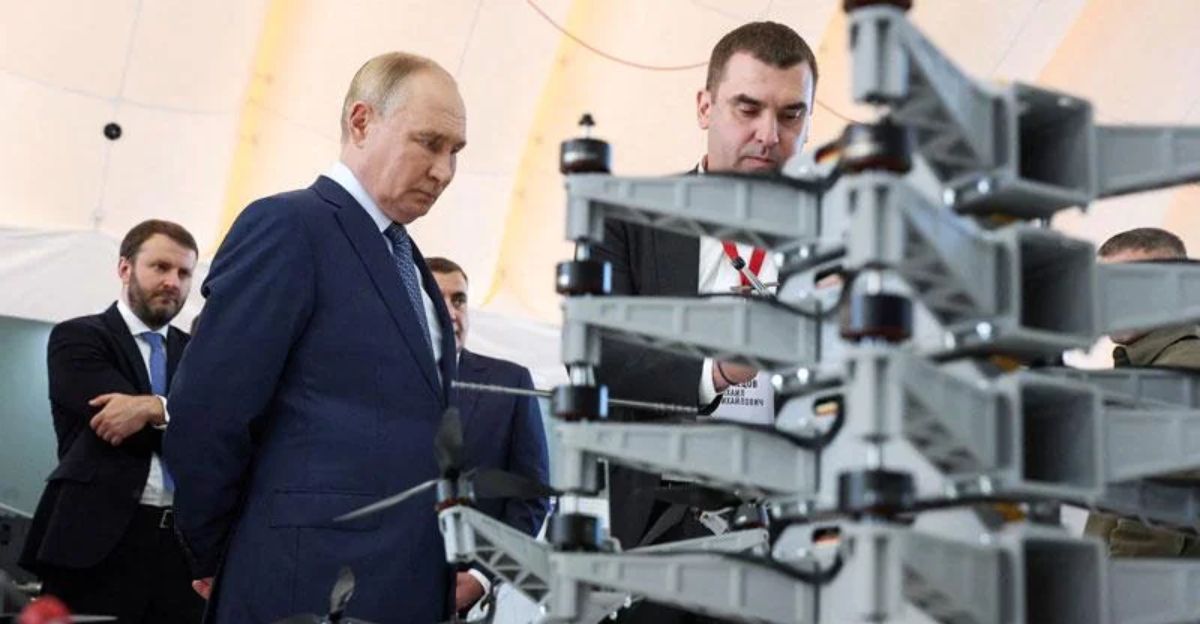
Experts are skeptical about Russia’s ability to continue the war in the long run. With over 4,000 tanks lost and a significant loss of elite units, analysts fear Russia has traded vast amounts of equipment for minimal territorial gains. The economic and strategic costs are mounting, and questions about sustainability remain.
As casualties mount and total war expenditures approach $700 billion—including an estimated $100+ billion in destroyed equipment, $250-300 billion in ammunition, and hundreds of billions more in operations—Moscow is doubling down on attrition warfare.
War’s Horizon
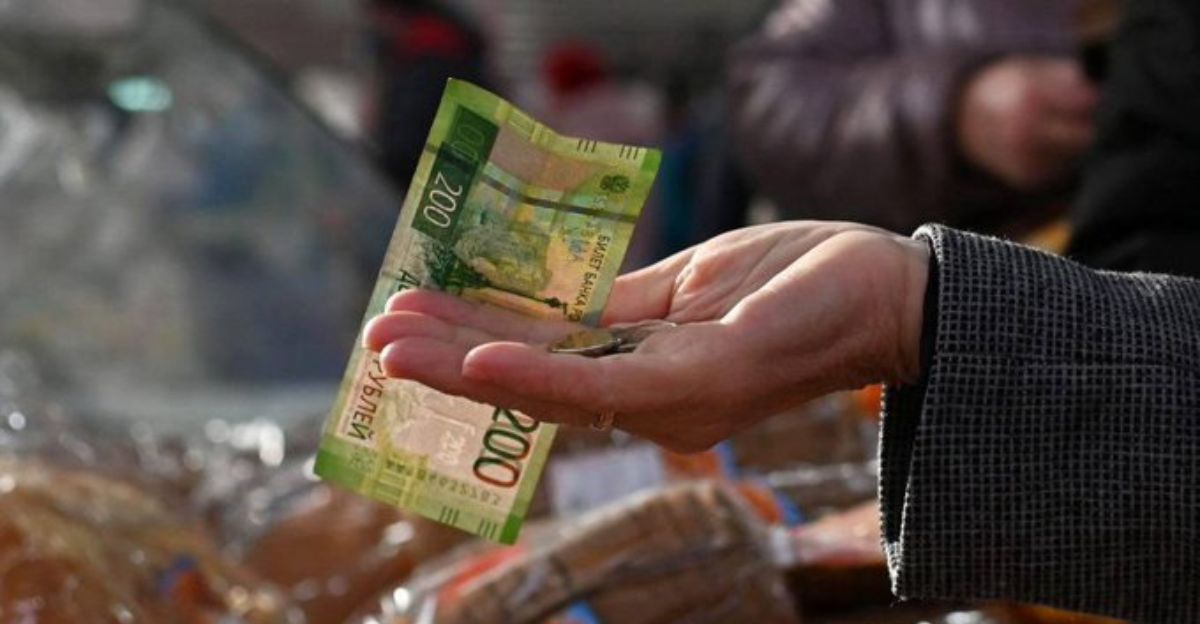
Russia’s economy has been fundamentally restructured, with 44% of total tax revenue funding the war and 38% of the 2026 federal budget earmarked for defense and security.
But Ukraine’s resilience and continued Western support raise doubts about Russia’s future strategy. How long can Moscow continue this destructive path before it reaches its breaking point?
Sources:
“Russia loses 1,400 personnel, 17 artillery systems in war against Ukraine over past day.” Ukrinform, 7 Jan 2026.
“Russia’s war spending hits new record.” Ukrainska Pravda, 10 Dec 2025.
“Russia Sets New Military Spending Record at $142.25B as War Costs Climb to $209M Per Hour for 9 Months.” United24Media, 10 Dec 2025.
“Russia producing three times more artillery shells than US and Europe for Ukraine.” CNN, 11 Mar 2024.