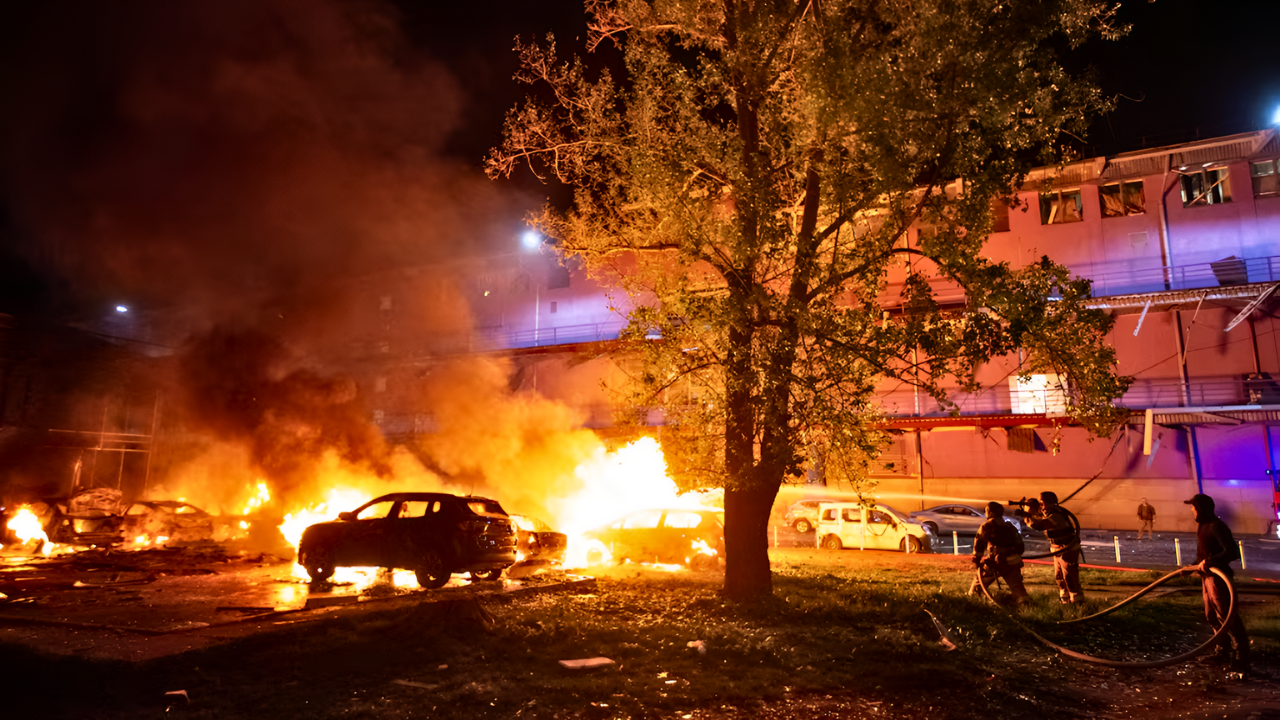
On the night of January 5–6, 2026, Ukraine launched a massive drone strike targeting 21 regions within Russian territory. A total of 129 drones were deployed, hitting everything from oil depots to petrochemical plants, causing explosions and fires in areas as far as Bashkortostan.
The attack, one of the largest of its kind, reveals Ukraine’s growing long-range strike capabilities amid escalating tensions.
Deep Inside Russian Territory: Why the Attack Happened
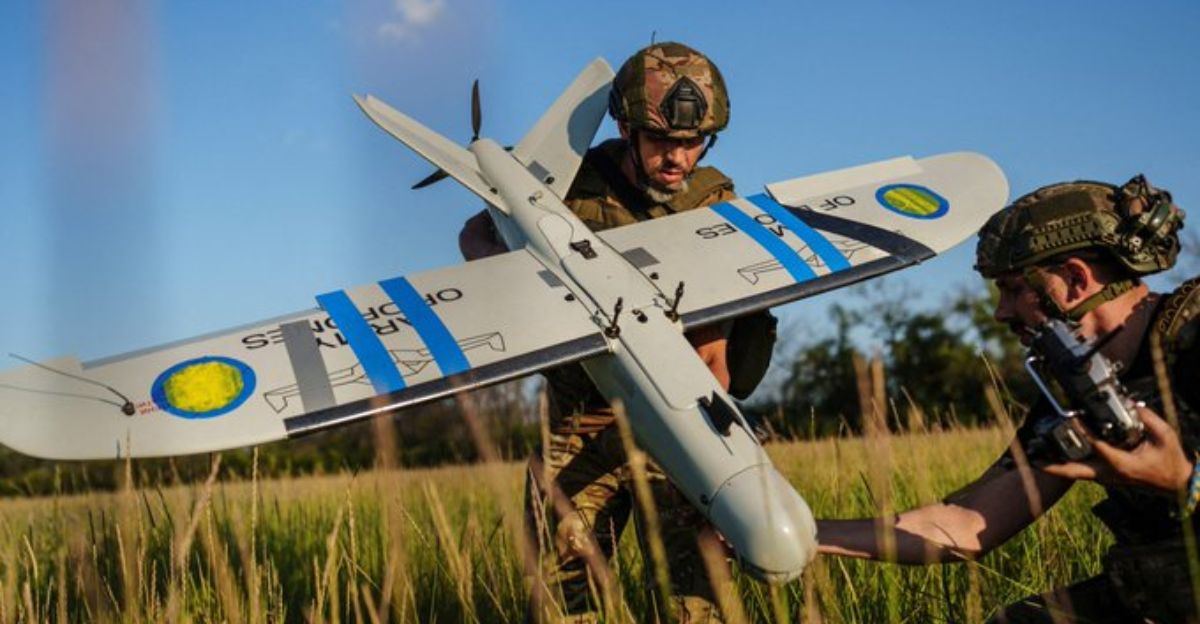
This large-scale attack was strategically planned to target Russia’s energy infrastructure, including vital oil refineries and petrochemical plants. The drones reached as far as 1,300 km into Russian territory, mirroring Russia’s own assaults on Ukrainian infrastructure.
The growing conflict, which began in 2022, fuels this retaliatory strike, aiming to disrupt Russian fuel supplies far beyond the frontline.
Fire at Lipetsk Oil Depot: Local Impact
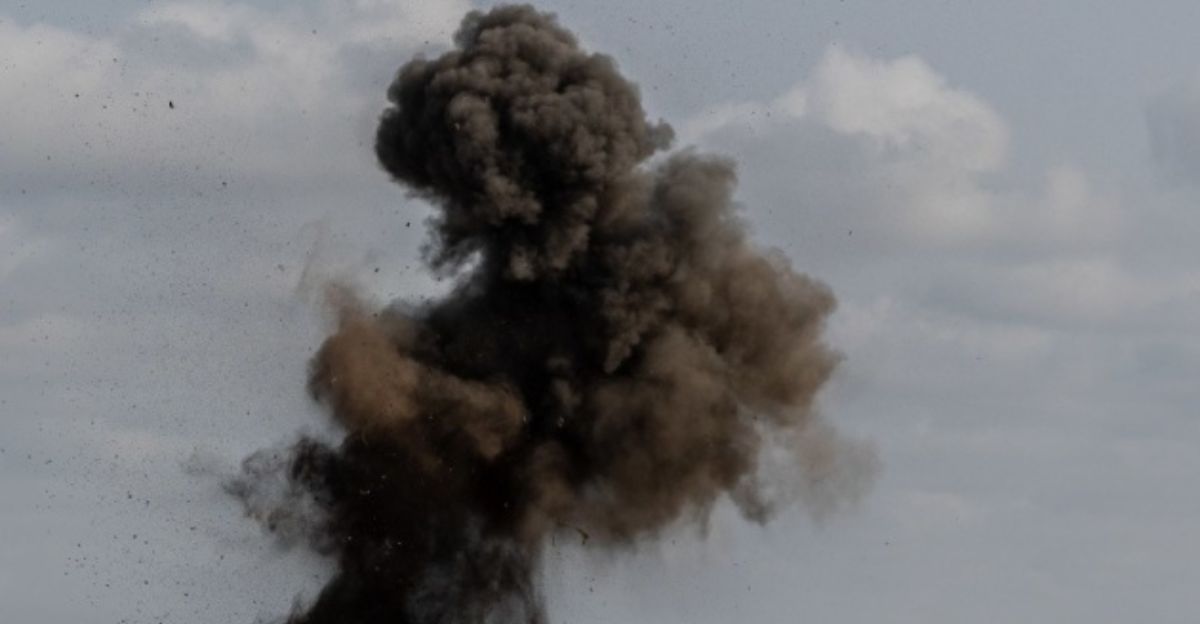
One of the drones hit the Usman district in Lipetsk Oblast, igniting a fire at an industrial facility connected to the Usmanskaya oil depot.
Though no casualties were reported, the explosion and subsequent blaze disrupted daily life for residents. Local authorities scrambled to contain the fire while residents woke up to the war’s devastation reaching deeper into Russia.
Russian Industrial Facilities Face Major Damage
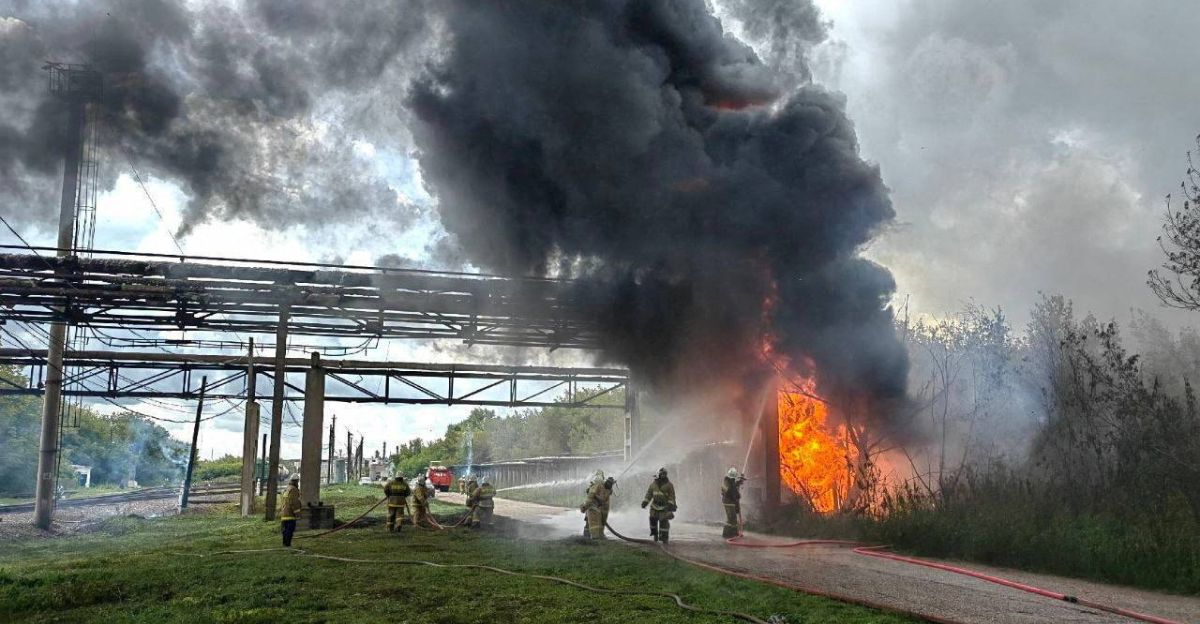
Drones targeted the Bashkortostan region, with six drones reaching the area during the January 5-6 attack. Petrochemical facilities including the Sterlitamak plant area have been repeatedly struck by Ukrainian forces in previous documented attacks throughout 2025.
Despite Russia’s claims of intercepting all drones, facilities across multiple regions have sustained damage from the sustained campaign of strikes, leading to production disruptions as energy firms inspect their facilities for further risks and prepare for costly repairs and security upgrades.
Defense Technology in Focus Amid Growing Threats
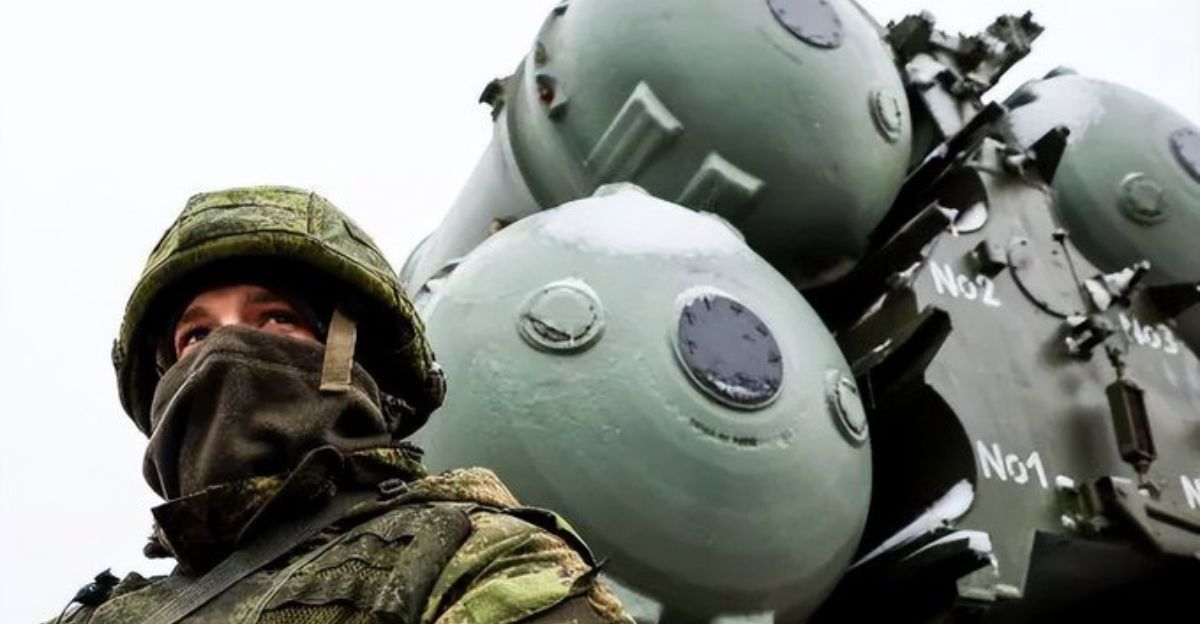
The attack highlighted ongoing challenges in Russian air defenses, with 129 drones launched across 21 regions simultaneously. Ukraine has successfully conducted multiple deep-strike operations over the past year, reaching targets more than 1,000 km inside Russian territory.
Western analysts note that Ukraine’s expanding long-range capabilities have forced adjustments in Russian defense planning and resource allocation across an increasingly wide operational area.
Oil Exports Under Threat: Regional Impact
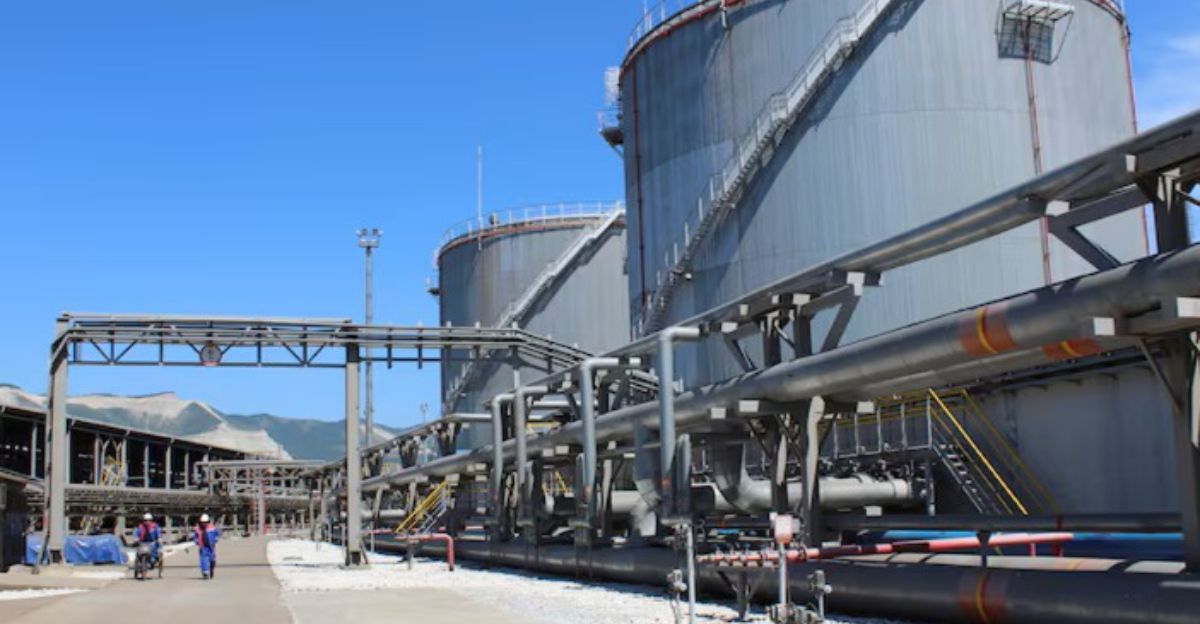
Regions like Rostov and Astrakhan, key to Russia’s oil exports via the Black Sea, were hit by drone attacks, with five drones intercepted in each region.
These strikes on crucial supply routes come as sanctions already challenge Russia’s oil exports, intensifying fears of market instability. European buyers, reliant on alternative sources, are closely monitoring the situation for potential disruptions in fuel supply.
Tver Carriage Works: Military Logistics Targeted
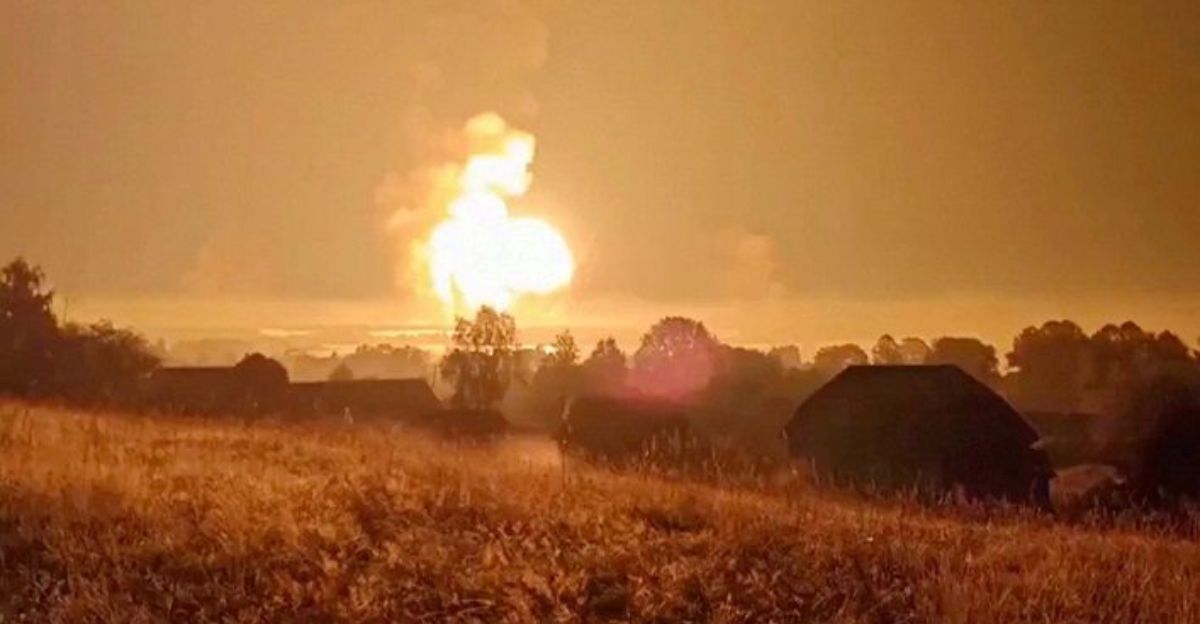
In Tver Oblast, six drones targeted the region, with strikes hitting near the Tver Carriage Works, a critical supplier to Russian military logistics.
Workers at the factory were forced to shelter during air raid alerts, highlighting the vulnerability of military-linked infrastructure. Drone debris also fell near a compressor station in Leningrad Oblast’s Volkhov district, raising concerns for workers at energy and transport facilities across Russia.
Moscow Reacts: Calls for Air Defense Overhaul

Russian officials, especially the Defence Ministry, are under pressure to modernize their air defense systems after drones reached regions as far as Moscow Oblast, where two drones were intercepted.
The repeated attacks have sparked debates over the efficacy of Russia’s S-400 systems and short-range defenses. With drone activity also reported in Crimea, Russian authorities are ramping up efforts to control drone production and launch sites in Ukraine.
Fuel Shortages: Supply and Price Concerns Rise
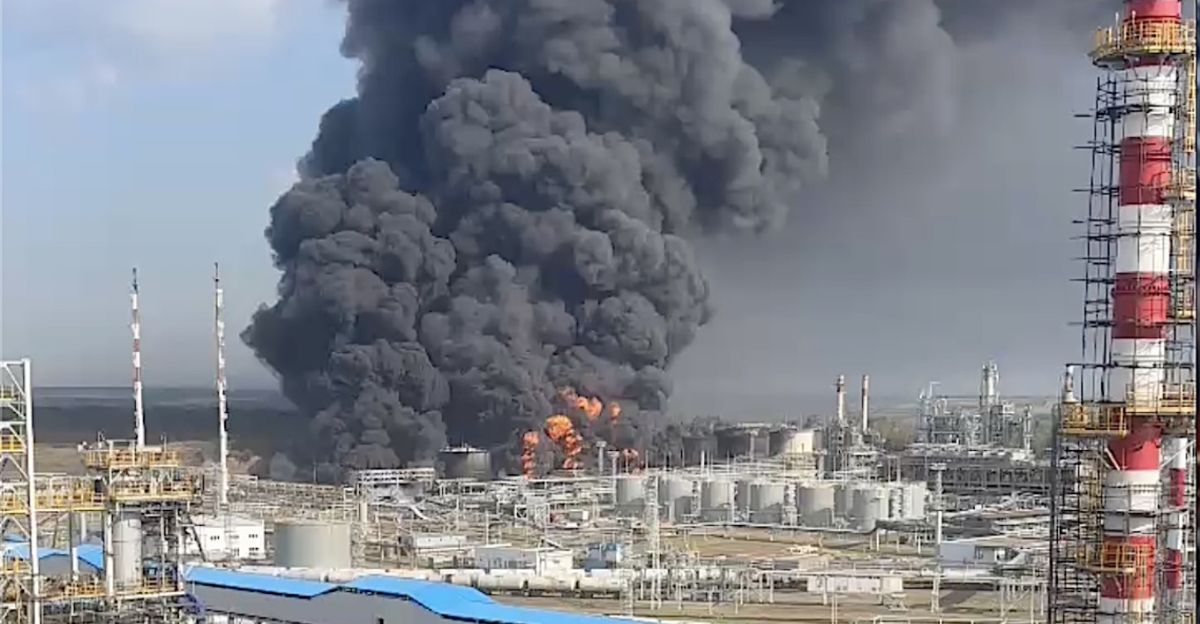
Strikes on Russia’s energy infrastructure throughout the war have raised ongoing concerns about fuel shortages and price hikes. The January 5-6 attack on oil facilities across 21 regions adds to cumulative pressure on fuel supplies.
Local authorities have been monitoring the situation closely, reassuring residents of ongoing fuel deliveries. However, the pattern of sustained attacks is creating uncertainty, with many households preparing for potential energy rationing and higher fuel prices in the coming months.
Ukrainian Infrastructure Under Sustained Attack
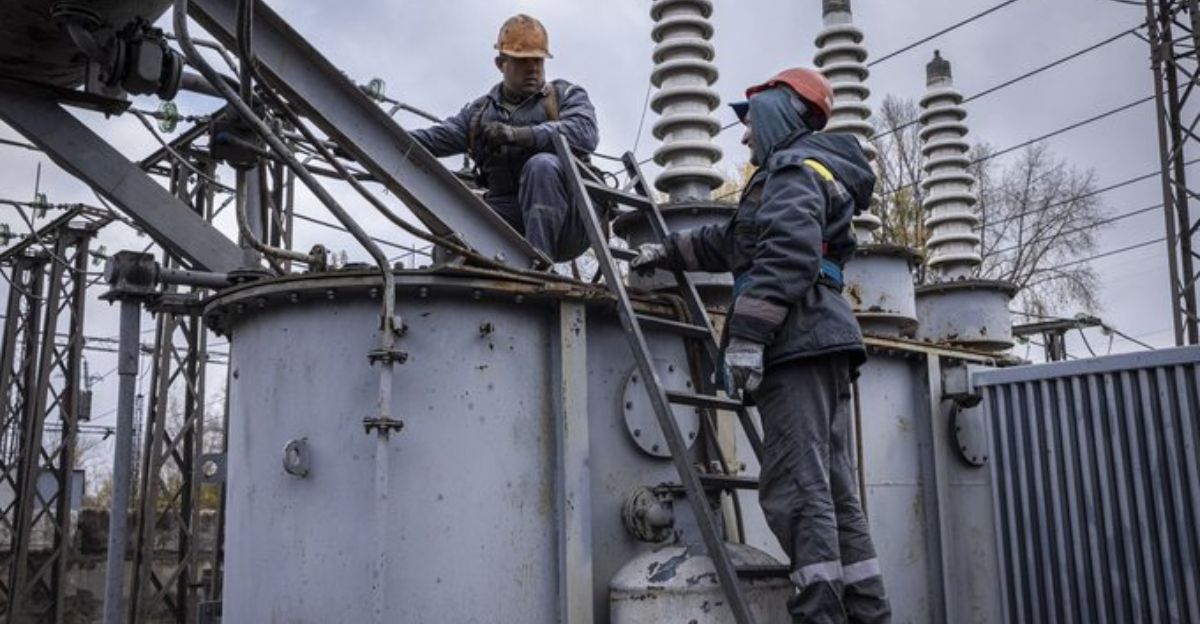
While Ukraine demonstrates growing capability to strike deep into Russian territory, Russia has subjected Ukraine’s energy infrastructure to devastating attacks throughout the war.
As of late January 2026, Russian strikes have left major Ukrainian cities facing severe power shortages, with hundreds of thousands of civilians enduring sub-freezing temperatures without reliable electricity or heating. The reciprocal targeting of energy infrastructure by both sides has become a defining feature of the conflict’s evolution.
Environmental Risks: Fires at Petrochemical Sites
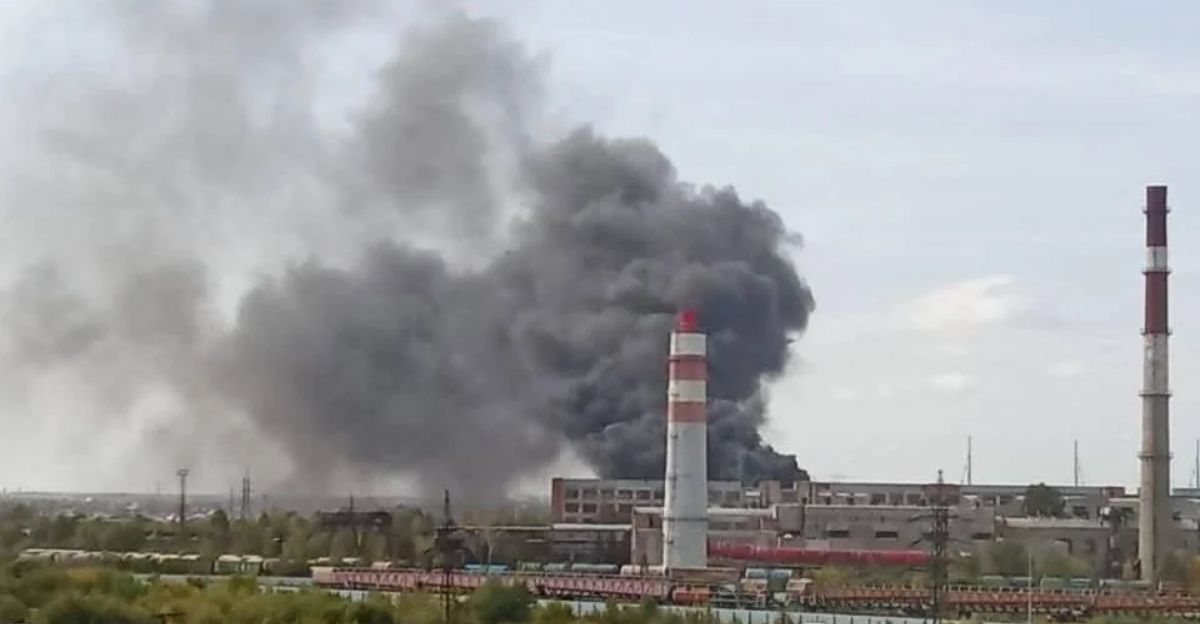
The targeting of petrochemical and oil facilities across multiple regions has raised environmental concerns, particularly about the potential for toxic spills and long-term contamination from facility fires.
Fires at oil depots like the Usmanskaya facility in Lipetsk Oblast released smoke visible across surrounding districts. Russian officials have generally downplayed the severity of environmental risks from these incidents.
Global Perspective: Ukraine’s Growing Reach
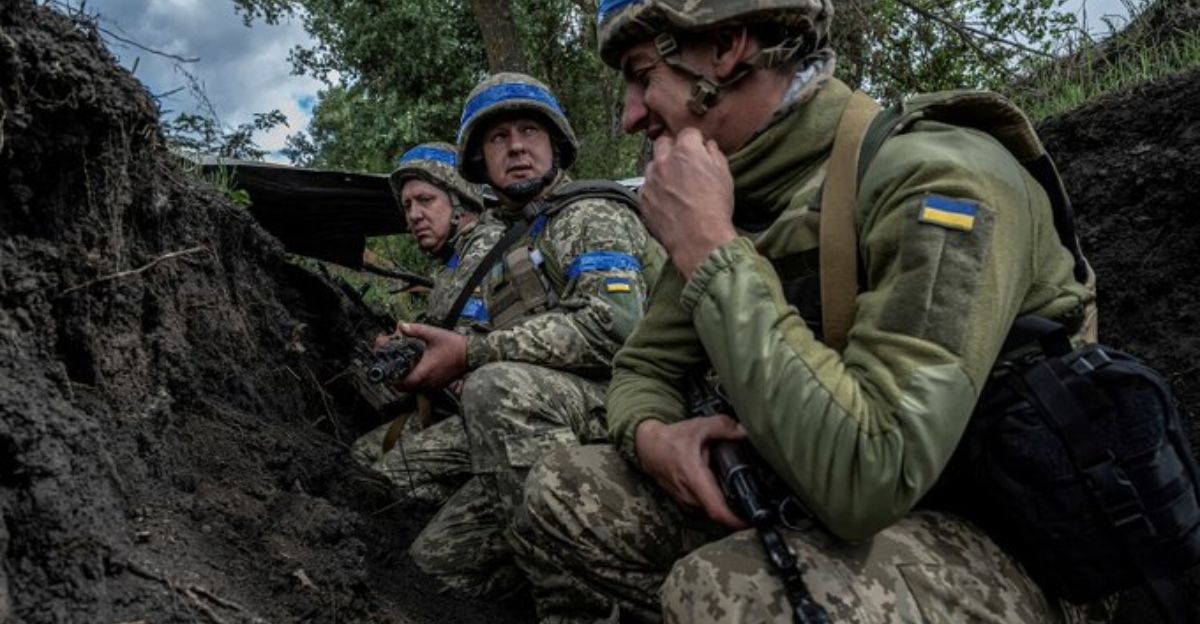
Western analysts view Ukraine’s successful penetration deep into Russian territory as a sign of Kyiv’s evolving military capabilities.
Despite Russian claims of full interception, the visible damage from strikes on facilities across 21 regions challenges the idea that Russia’s air defenses are impenetrable. The long-range drones have sparked discussions in Europe about the future role of drones in both military and civilian applications.
Strategic Implications for Defense Industries

The attack has reinforced existing debates about the effectiveness of traditional air defense systems against large-scale drone swarms. Ukraine’s successful deployment of 129 drones across 21 regions simultaneously demonstrates the challenge of defending extensive territory against dispersed, low-cost aerial threats.
Military analysts note that the conflict is providing real-world testing of drone warfare tactics that will likely influence defense planning globally for years to come.
Oil Markets Face Ongoing Supply Concerns
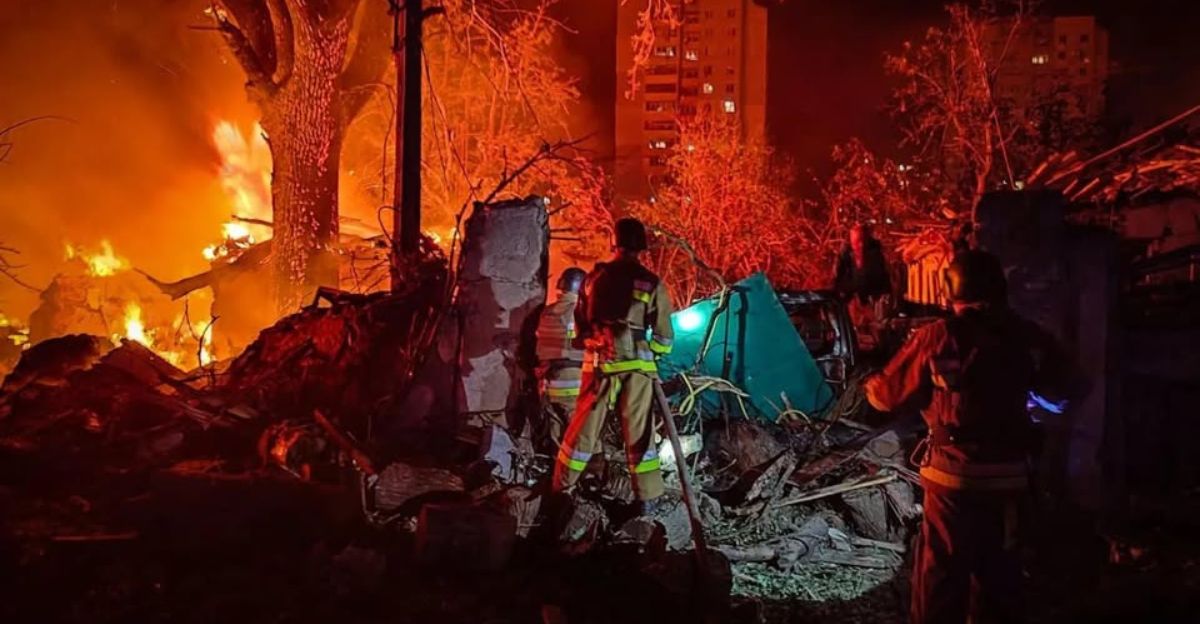
The sustained campaign of Ukrainian attacks on Russia’s energy infrastructure throughout 2025 has contributed to volatility in global oil markets. Cumulative damage from repeated strikes on refineries and oil depots has raised supply concerns, with Russian refining capacity reduced by approximately 15 percent at peak disruption periods.
Traders continue to factor in the possibility of further disruptions to Russia’s oil exports, with businesses and consumers monitoring the situation for potential impacts on fuel availability and prices.
What’s Next? Escalation or a New Phase in the War?
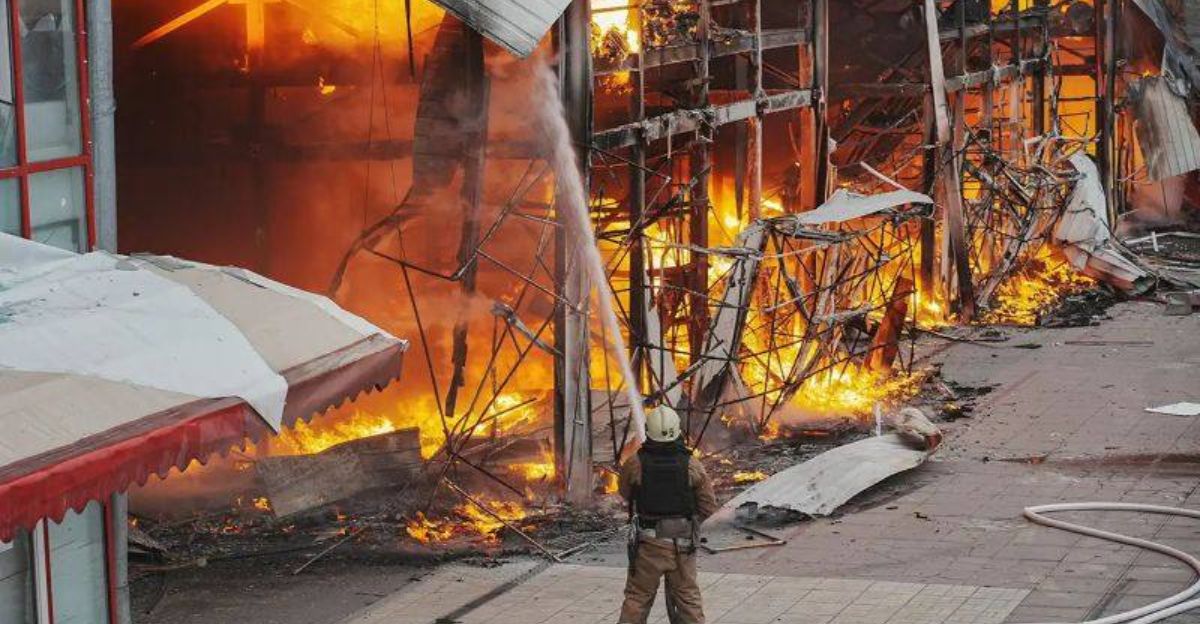
The drone attacks on January 5-6 may signal a new phase in the war, with deeper strikes into Russian territory likely to provoke further retaliation.
Observers are keenly watching for shifts in Russia’s military strategy and the potential for escalated attacks. While diplomacy remains a distant hope, the war’s impact on both Russian civilians and global markets continues to intensify.
Sources:
“Russia downs 129 Ukrainian drones: defense ministry.” Xinhua News Agency / Russian Ministry of Defence statement via TASS, 6 Jan 2026.
“Security Service of Ukraine strikes Russian missile arsenal in Kostroma Oblast, oil depot in Lipetsk Oblast.” Ukrainska Pravda / Security Service of Ukraine (SBU), 6 Jan 2026.
“Russian Offensive Campaign Assessment, January 6, 2026.” Institute for the Study of War (ISW), 6 Jan 2026.
“Ukraine endures its bitterest winter as Russia targets heating, power.” Reuters, 21 Jan 2026.