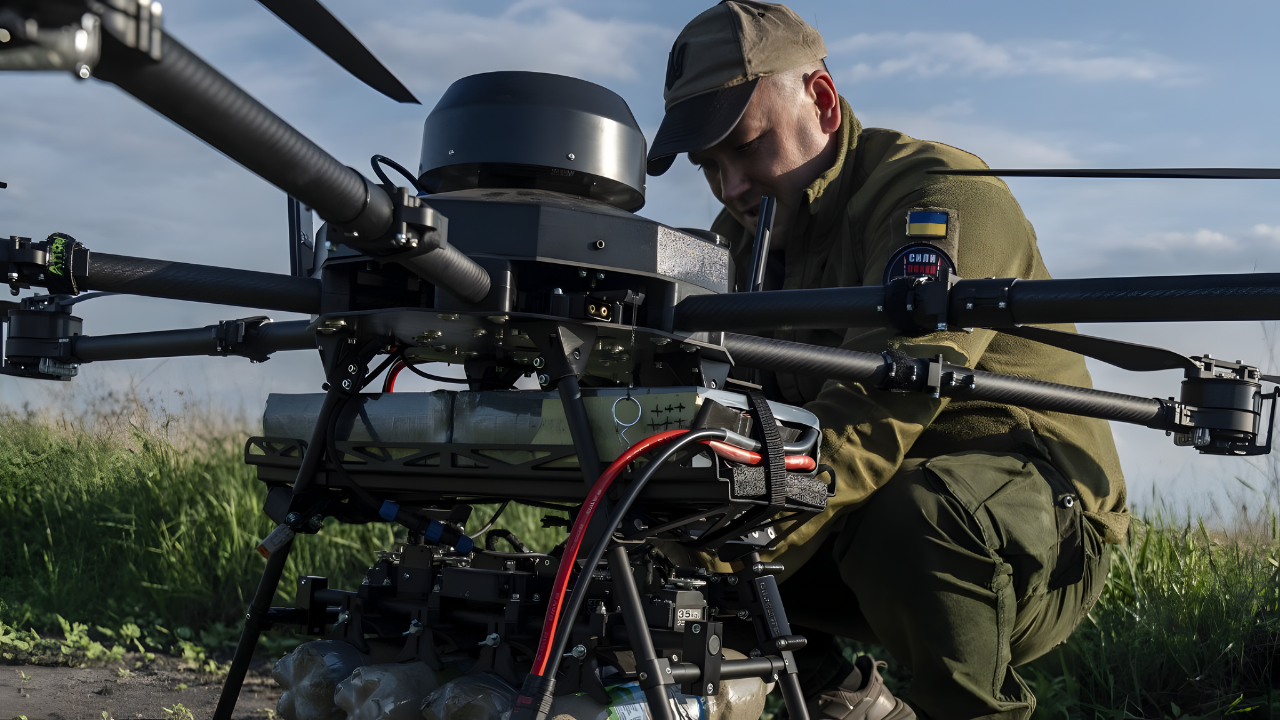
Over a two-week campaign ending this month, Ukraine’s elite HUR Prymary special operations unit conducted 8 precision drone strikes in occupied Crimea. Fighter jets were destroyed on the ground, advanced radar systems silenced, and Russian defenses weakened.
The financial toll exceeds $80 million. But the larger impact lies in what this campaign reveals about Russia’s vulnerability—and Ukraine’s growing reach. Here’s what’s going on.
What Happened Here? Eight Targets, Two Weeks, One Strategic Message
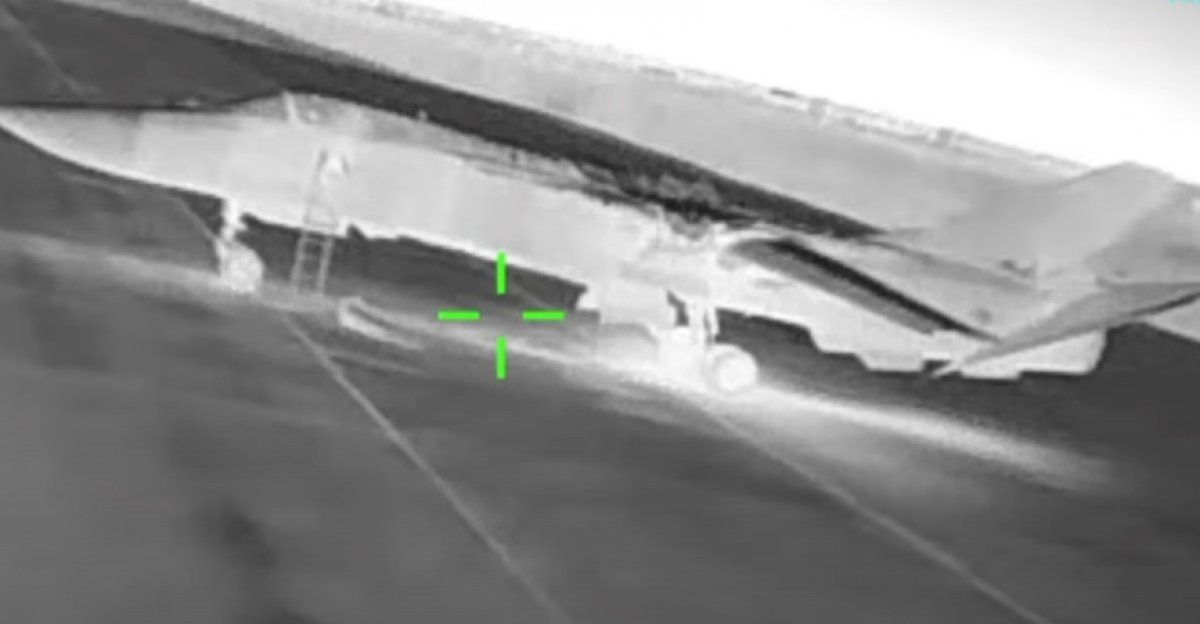
December delivered Ukraine’s deadliest intelligence blow to Russia’s Crimean garrison. The Prymary unit carried out 8 drone strikes over 14 days, announced December 5. Targets included a Su-24 bomber, advanced radars, an Orion UAV, and key logistics assets. Each strike systematically dismantled Russia’s air defense network. However, a closer look at the ten-year pattern hints at what was coming.
Meet The Ghosts Ukraine’s Most Lethal Special Ops Unit
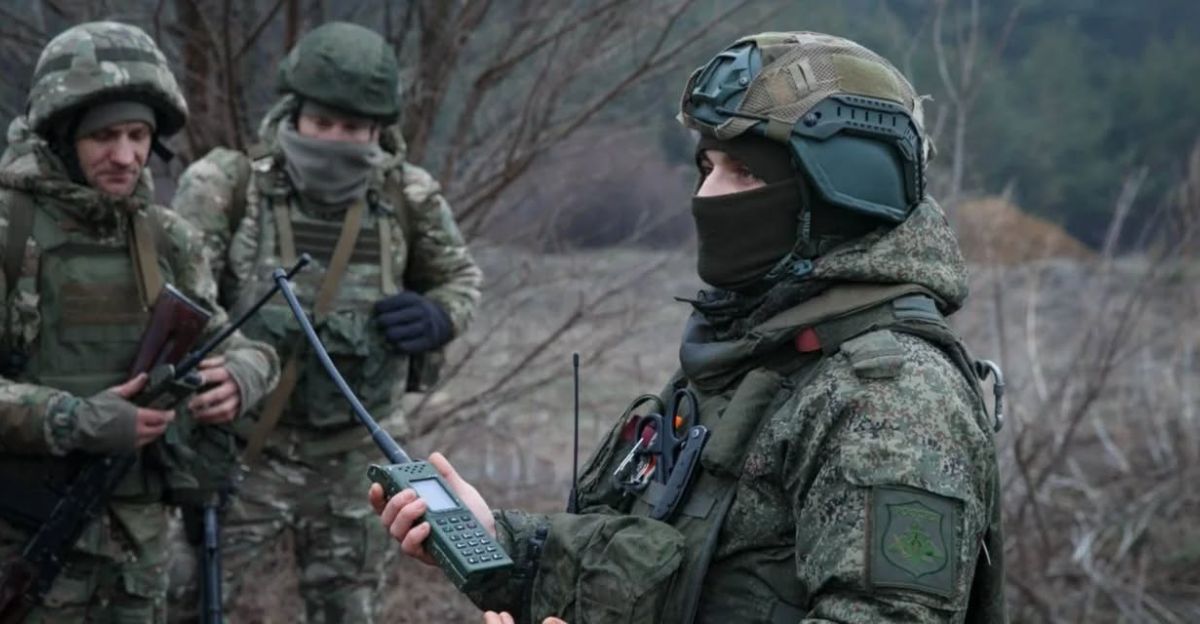
The Prymary unit, nicknamed “Ghosts,” operates under Ukraine’s Defense Intelligence (HUR), founded in 1994. Ghosts conduct operations across occupied zones, striking heavily fortified Russian positions with precision. October 2025 saw 4 targets destroyed; September targeted the RT-70 space communications hub. December’s 8-target campaign marks their largest operation. Their shadow campaigns remain unannounced until damage is verified. But why has Crimea become vulnerable now?
Eleven Years of Occupation Crimea’s Fortress and Weakness
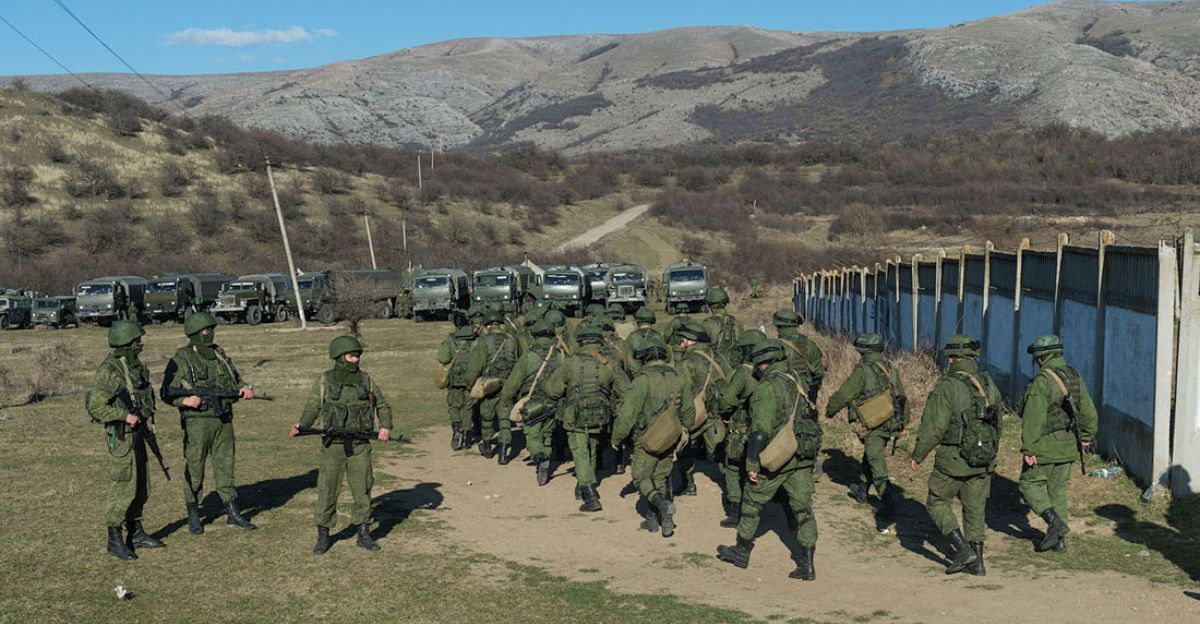
Russia annexed Crimea on March 2, 2014, deploying 20,000+ troops across airbases, radar stations, and the Black Sea Fleet headquarters. The peninsula became a southern operational hub for Russia. However, Ukrainian strikes accelerating since August 2025 have weakened its defenses. Even with S-400 systems and advanced radar, each loss creates gaps. Russia’s control, once secure, now faces unprecedented threats. Could these gaps be exploited further?
The Kasta Question Russia’s Rarest Radar Destroyed
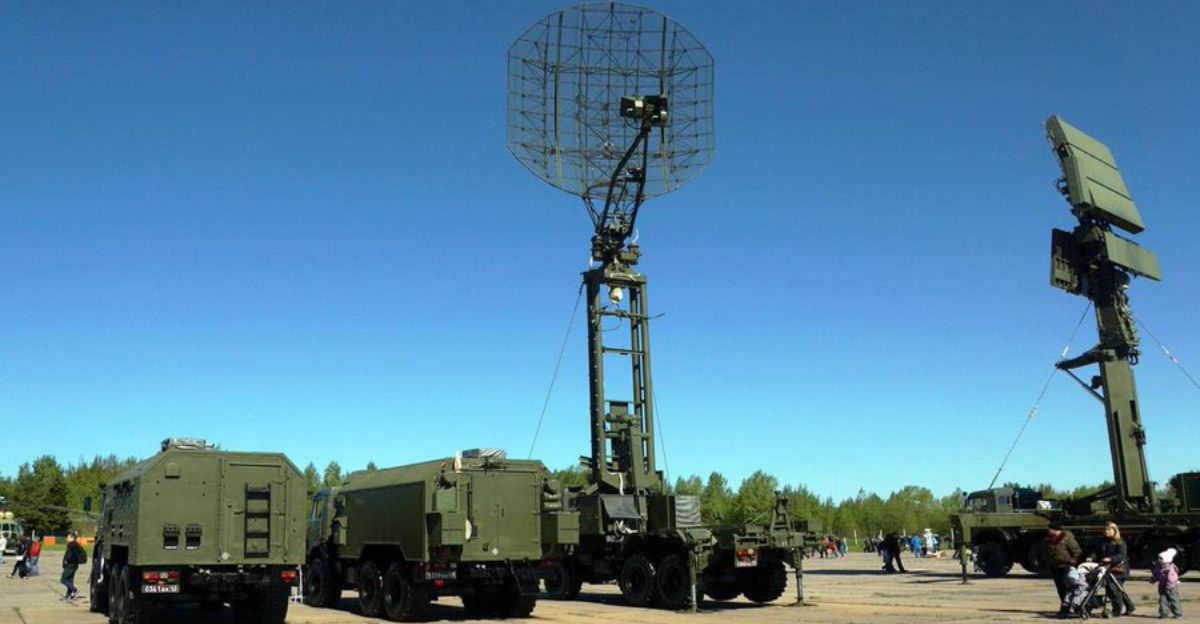
Among the 8 targets, the 39N6 Kasta-2E2 radar stood out, valued at $30–$60 million. Designed to detect low-altitude drones and missiles, it operates from a fixed, immovable position. Ghosts destroyed it, opening intelligence corridors for deeper strikes. Fixed installations make advanced systems vulnerable once located. If one radar could fall, what happens when others are hit?
“Methodically Demilitarizing the Peninsula” Ukraine’s Strategy

“The masters of the HUR’s Primorye special forces unit are methodically demilitarizing the temporarily occupied peninsula,” said Ukraine’s Defense Intelligence on December 5, 2025. The strategy targets both infrastructure and personnel, reflecting long-term planning. Each strike incrementally reduces Russian capability. The Ghosts operate with precision, systematically weakening Crimea’s defenses. The campaign’s design suggests a deliberate, sustained effort. What does this mean for Russia’s next moves?
Fighter Jets on the Ground How Ukraine Strikes Without Air Superiority
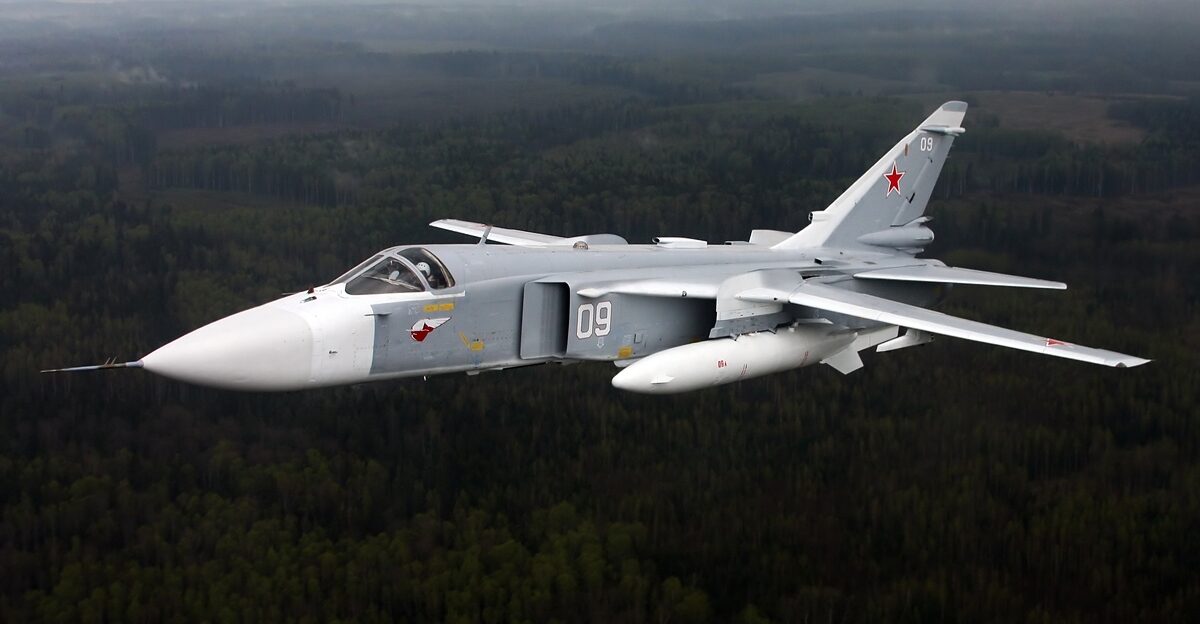
Ghosts destroyed a Su-24 bomber worth $25–$30 million, a front-line aircraft with 8 hardpoints for missiles and bombs. Without air superiority, precision drone strikes targeted parked jets, bypassing traditional air combat doctrine. Dispersal and revetments proved insufficient. The psychological message: nowhere is safe. Russia’s inability to protect grounded aircraft signals new vulnerabilities. Could supply lines face the same risks?
The Supply Chain Fracture Logistics Targeting Matters
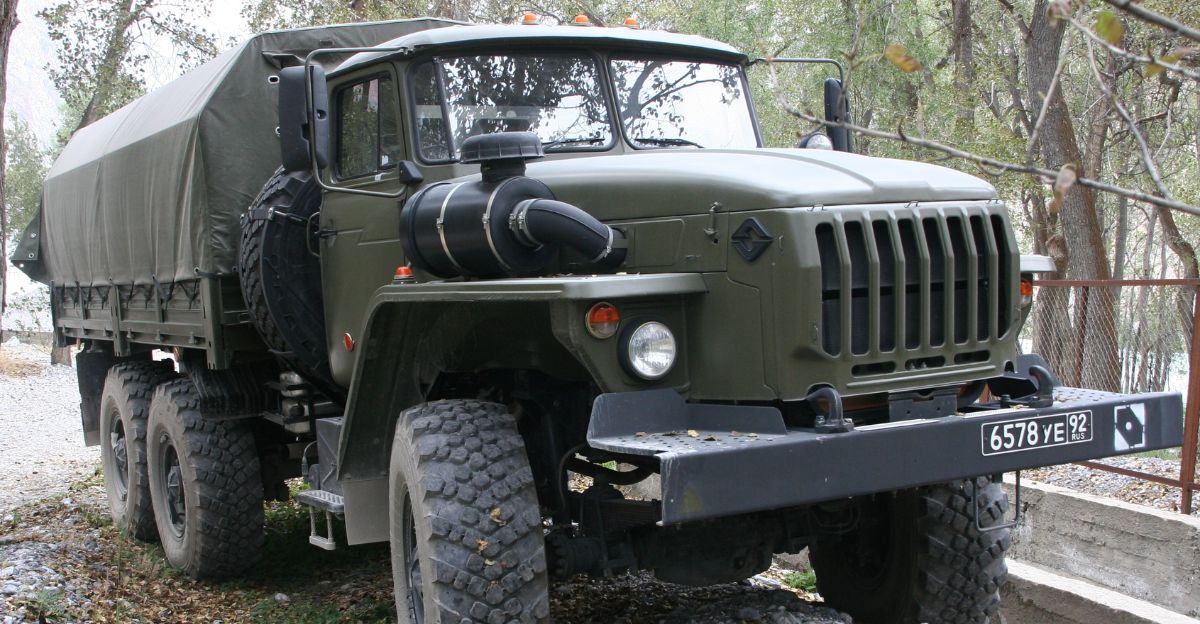
Targets included a freight train and a Ural truck, worth $1–$2.5 million combined. Though modest compared to radars, disrupting Crimea’s logistics hinders Russian southern operations. Vladyslav Voloshyn confirmed on December 10 that Russia relies on Crimea for personnel and equipment movement. Each destroyed vehicle reduces fuel, ammunition, and spare parts flow. Logistics disruption compounds operational difficulties. If supply chains are vulnerable, what comes next for frontline forces?
Three Radars, One Message Crimea’s Air Defense Weakens
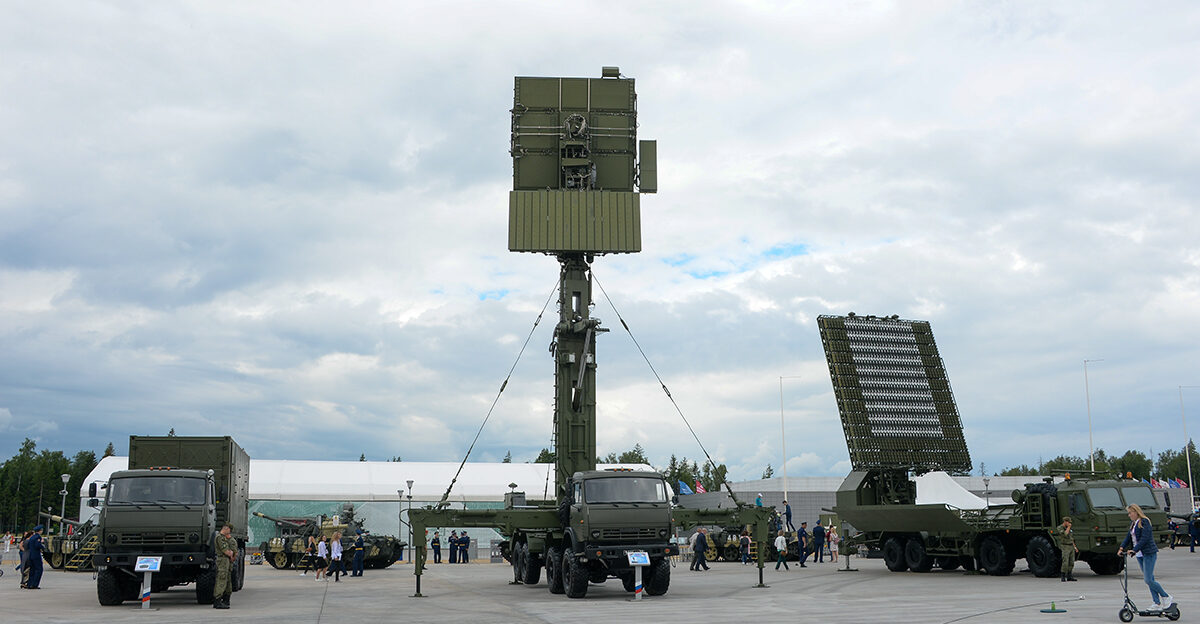
Ghosts destroyed 2 Podlet-K1 radars ($5M each) and 1 Kasta-2E2 ($30–$60M), simultaneously crippling radar coverage. Systems operate together: Podlet detects, Kasta tracks, S-300/S-400 launchers fire. Alexander Kovalenko noted on December 10 that fixed deployments make assets vulnerable. Losing 3 radars fractures Crimea’s network, creating exponential coverage gaps. If radar protection collapses, what opportunities does this open for Ukraine’s forces?
The Price Tag: $80 Million in Destruction

December’s campaign destroyed $80–$120 million in Russian hardware: Su-24 ($25–$30M), Kasta-2E2 ($30–$60M), 2 Podlet radars ($10M), Orion UAV ($5M+), antennas ($2–$5M), and logistics assets ($1–$2.5M). Replacement is slow due to Western sanctions, taking 6–12 months per advanced radar. Financial cost understates operational disruption. Each system lost compresses Russia’s recovery timeline. How will these gaps affect upcoming military operations?
The Orion Problem Russia’s High-Tech Drone Falls
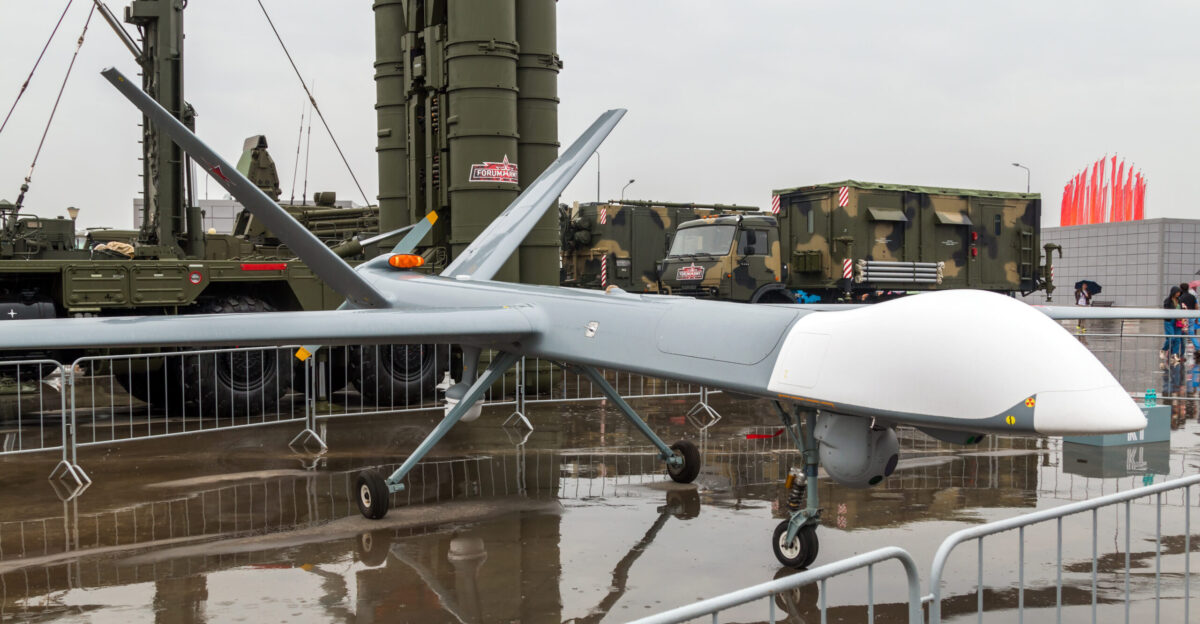
Russia’s Orion UAV, valued at over $ 5 million, operates at a range of 250 km with 24-hour endurance and missile capability. Once hailed as “Bayraktar killer,” it was destroyed by Ukrainian strikes. Loss of the Orion blinds commanders to Crimean airspace, compounding radar losses. Intelligence asymmetry favors Ukraine, creating a cascade of operational advantages. If one UAV impacts strategy this heavily, how do cumulative losses shape battlefield decisions?
August Through December Escalation Pattern Emerges
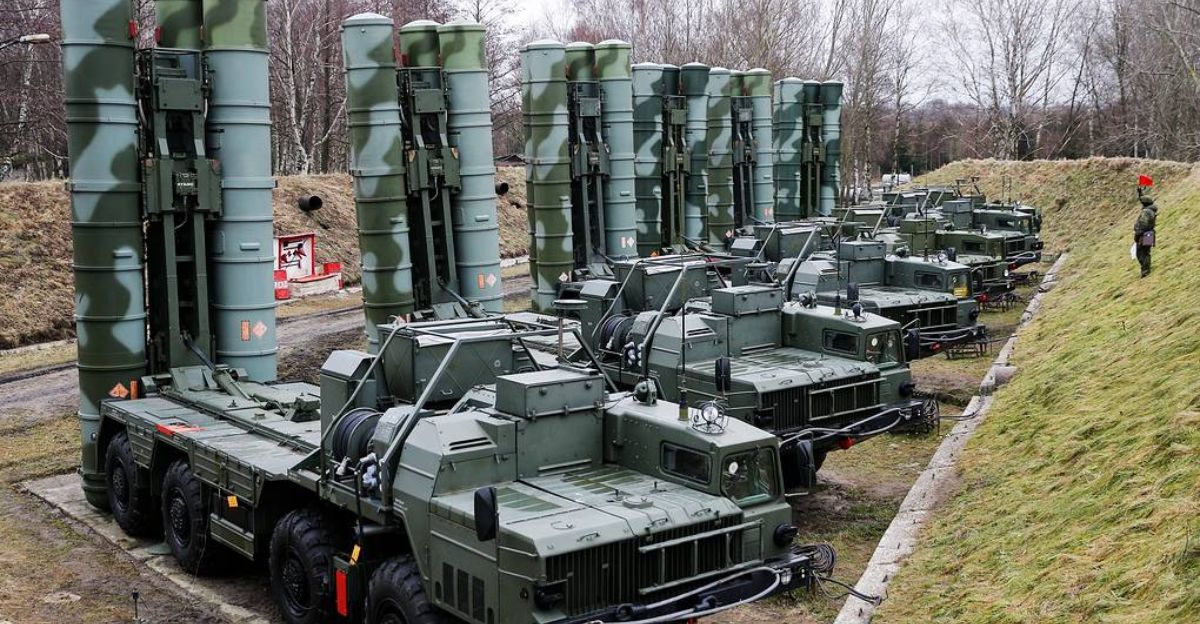
December’s operation followed months of targeting. August 2025: S-400 systems damaged. September: RT-70 hub destroyed. November: multiple radars lost. December 4: MiG-29 at Kacha airfield hit. December 5: 8-target campaign over 14 days. Ukraine steadily degraded Crimea’s air defenses, each operation setting conditions for the next. The pattern shows planning beyond immediate strikes. What does this sustained pressure indicate about strategy?
“We’re Removing Assets From Other Regions” Russia Responds
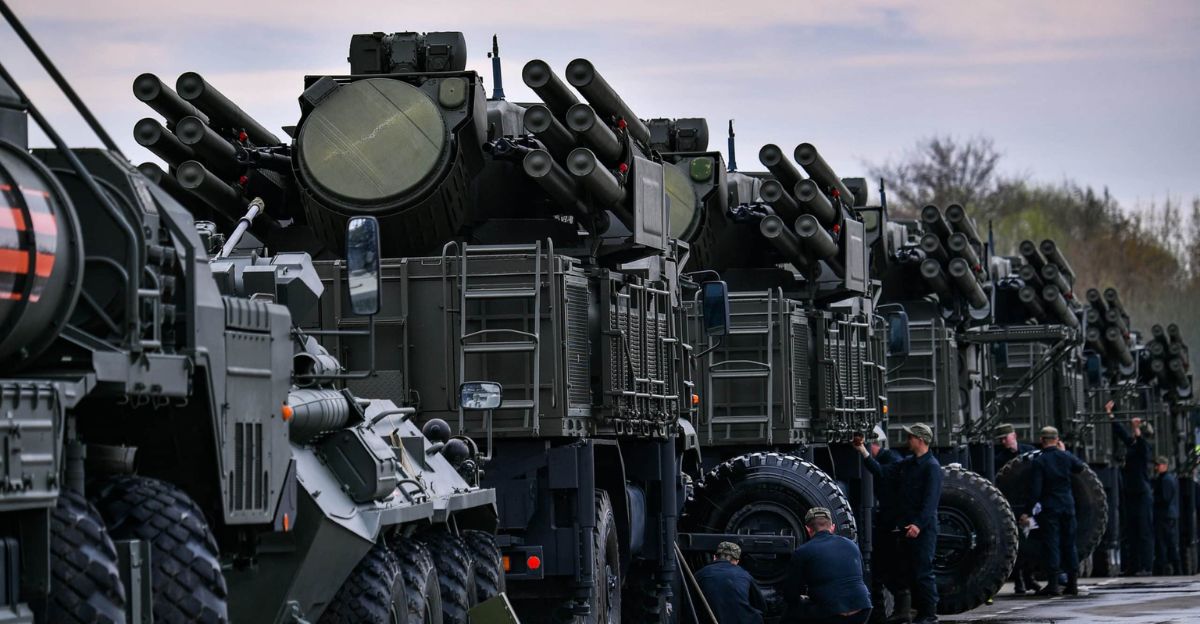
“To close the skies over Crimea, Russians are moving air defense assets from other regions,” said Alexander Kovalenko on December 10, 2025. This exposes western areas or leaves Crimea still vulnerable. Russia faces an impossible choice: protect Crimea or maintain its broader defenses. Ukrainian strikes force strategic trade-offs, weakening the entire network. How will these choices ripple through Russian military planning?
Black Sea Fleet Faces New Vulnerabilities
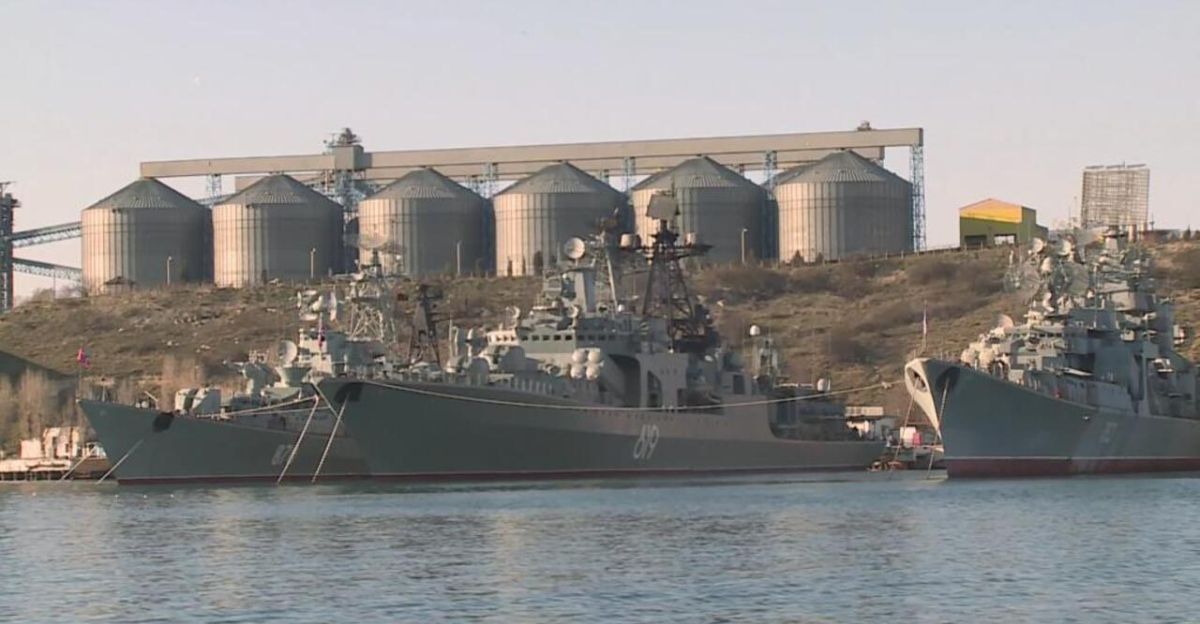
Sevastopol hosts 20,000 personnel, ports, and logistics for the Black Sea Fleet. Advanced radars protect naval assets from Ukrainian drone and missile attacks. Destroying 3 radar stations in December weakens integrated coverage, expanding Ukraine’s strike potential. Operations against southern ports and naval assets become increasingly feasible. With radar gaps widening, how will Russia safeguard its Black Sea operations moving forward?
Impact on Occupied Southern Ukraine Logistics Disrupted
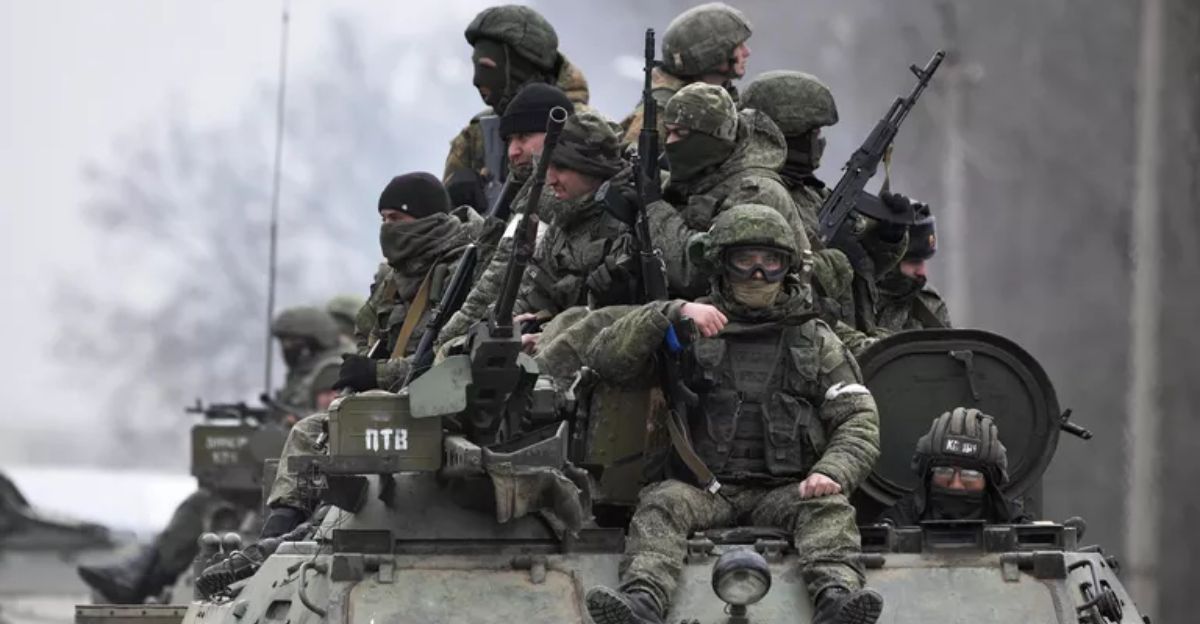
Crimea supplies Russian forces in Kherson, Zaporizhzhia, and southern Donetsk. Vladyslav Voloshyn said December 10: “The fewer enemy resources reach the front, the more effective the defense.” Radar degradation enables strikes on depots, ammunition, and fuel. Logistics vulnerability turns Crimea into a contested zone, endangering supply-dependent ground forces. If frontline operations are disrupted, what will be the broader operational consequences?
Why Crimea’s Air Defenses Keep Failing
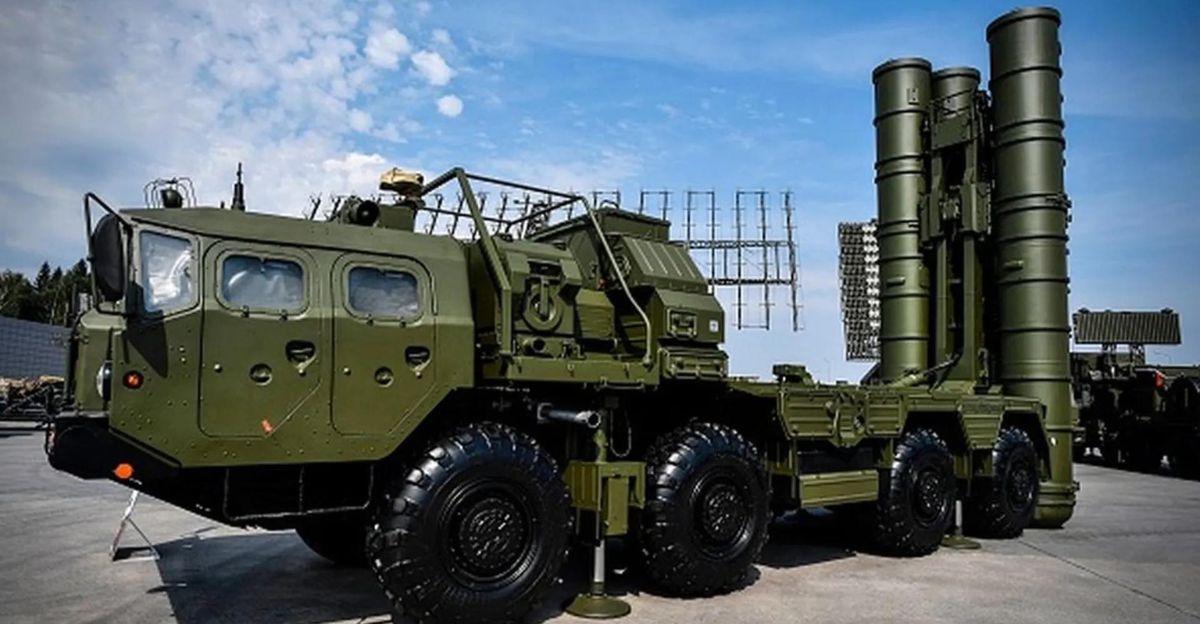
Alexander Kovalenko explained December 2025: “Air defense systems in Crimea are deployed in clearly defined positions, which the Russian military cannot change.” Fixed positions create predictable vulnerabilities. Once located and destroyed, Russia must risk rebuilding in the same spot or accept coverage gaps. Kasta-2E2 exemplifies this issue. Stability assumed in defense planning becomes strategic weakness. What does this rigidity imply for future strikes?
Supply Chain Breakdown Russia’s Weak Link

Western sanctions block semiconductors and electronics, preventing rapid replacement of destroyed systems. Production takes 6–12 months. Ukraine strikes 1–3 systems monthly, outpacing Russia’s 6-month replacement cycle. Each destroyed radar creates a persistent operational gap. Over time, structural advantage compounds, with supply chain weakness amplifying Ukrainian effectiveness. How long can Russia sustain defenses under such pressure?
The Fortress Peninsula Becomes Vulnerable
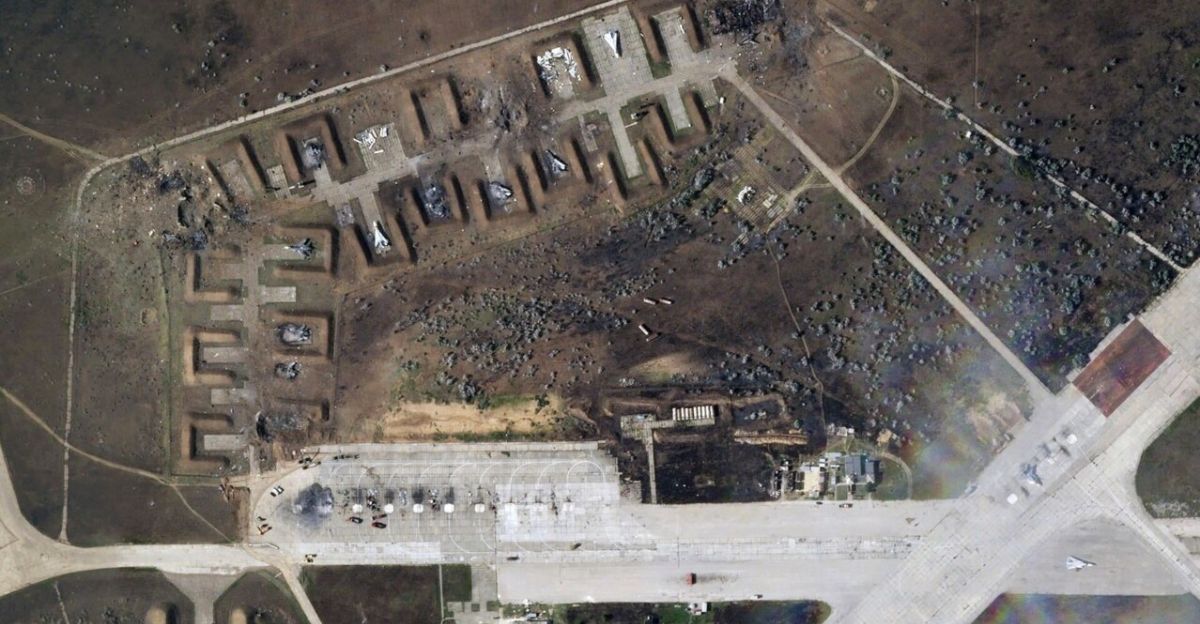
Crimea, once a Russian fortress, is now a contested zone. Eight destroyed targets in two weeks accelerate vulnerabilities, with remaining air defenses still targeted. Black Sea Fleet coverage weakens, southern logistics strain, and garrison morale faces pressure. Sanctions prevent rapid recovery. Ukrainian Ghosts campaigns maintain initiative, systematically reshaping Crimea’s strategic status. What was seized in 2014 edges closer to 2025 contestation and eventual liberation.
Sources:
“Ukraine’s Special Unit Destroys Two Critical Russian Radar Stations,” News Ukraine RBC, December 13, 2025
“Ukraine Strikes Russian Aircraft in Crimea, Destroying MiG-29,” Pravda Ukraine, December 3, 2025
“DIU Special Forces Destroy Russian An-26 Aircraft and Three Radar Stations in Crimea,” Ukrinform, December 11, 2025
“Ukraine Wipes Out Russian S-400 Radar Systems in Crimea,” United24Media, December 14, 2025
“Ukraine Just Took Out Su-24, Blinded Three Russian Radars and Destroyed Military Train in Crimea,” United24Media, December 4, 2025