
Ukraine carried out a high-profile strike against a Russian thermal power plant in Oryol, a city deep inside Russian territory. Reports and regional authorities confirm explosions at the plant, which is among Russia’s largest energy facilities and critical for local electricity and heat supply. This attack demonstrates Ukraine’s expanding ability to project military power significantly beyond the front lines.
According to the Oryol regional governor, emergency repairs were required, and some private homes experienced collateral damage. Videos from local residents captured the moment of the explosion, corroborating the local impact on the energy grid. The Ukrainian side has not disclosed all operational details, but independent military analysts view the strike as a sign of evolving long-range capability.
Ukraine’s New Long-Range Arsenal
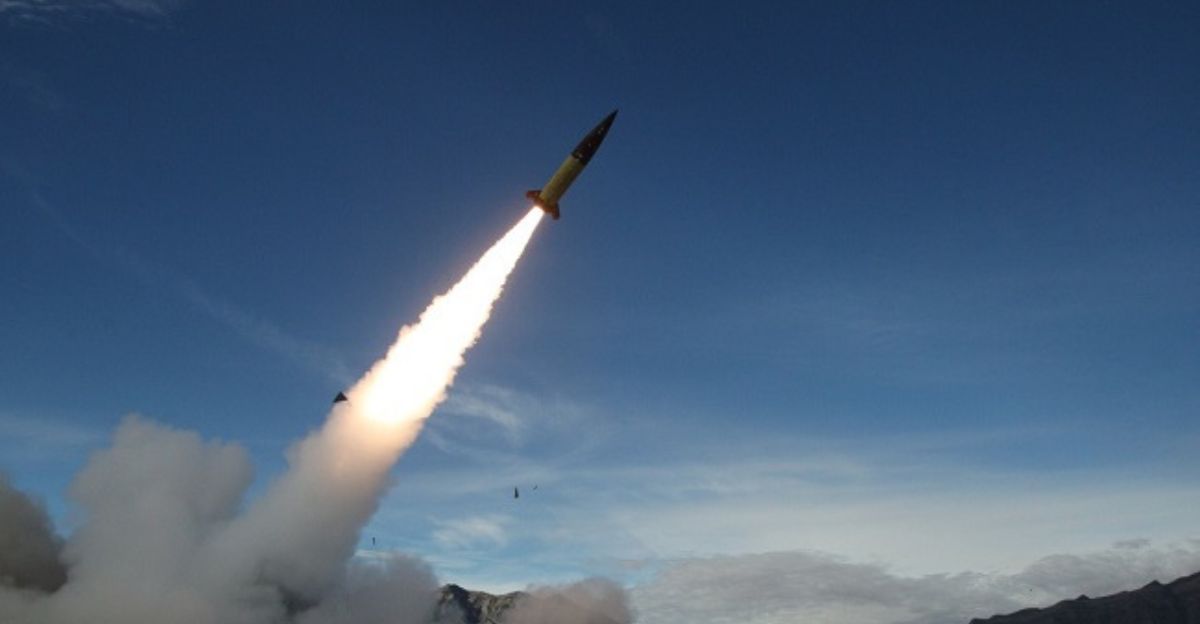
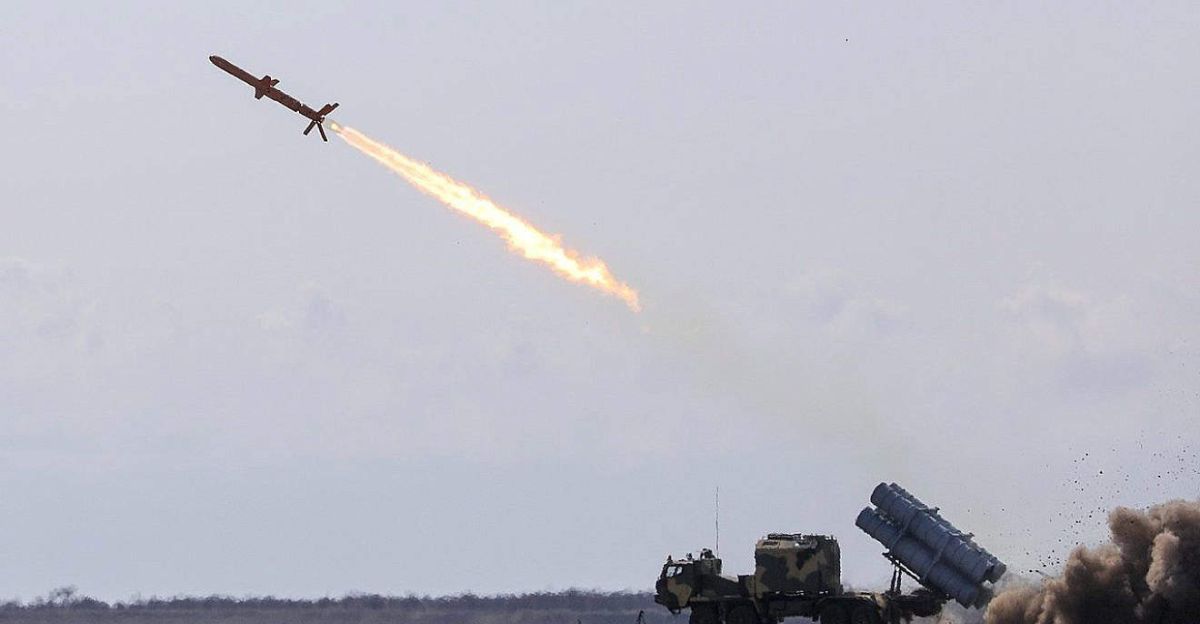
At the center of Ukraine’s latest strikes is the domestically developed FP-5 “Flamingo” cruise missile, revealed in 2025. Independent military sources confirm the Flamingo can carry a warhead of up to 1,150 kilograms and boasts a range up to 3,000 kilometers. This makes it one of the largest missiles of its type currently fielded worldwide. Open-source defense experts, including reports from The Economist and IRIA, note that the Flamingo is designed and built by the Fire Point company, with the aim of mass production.
This missile provides Ukraine with the ability to target strategic sites that were previously considered unreachable. Ukrainian officials have highlighted that this new weapon exemplifies a leap in indigenous engineering. The Flamingo’s specifications make it essential to Ukraine’s long-term military strategy, emphasizing adaptability and reach under the ongoing pressure of conflict with Russia.
The Longest Ukrainian Reach Yet
The Oryol strike sailed past previous distance records in the conflict. According to open reporting, the strike site is over 1,300 kilometers from known front lines and approximately 368 kilometers southwest of Moscow, establishing it as one of the furthest ever Ukrainian attacks inside Russia. This event directly challenges the assumption that rear areas within Russia are insulated from conflict.
Western and independent observers agree this strike is a tactical and psychological milestone, compelling the Russian military to reconsider the security of critical infrastructure deep within its borders. The strike’s range and precise targeting reflect the increasing sophistication of Ukraine’s missile and drone programs, demonstrating that neither battlefield distance nor geography guarantees immunity from targeted attacks in contemporary warfare.
Why Oryol Was Targeted

The Oryol thermal power plant was chosen for its critical role in regional energy supply. Independent media and local officials describe the facility as the region’s largest source of electricity and heat, with an installed capacity of 330 megawatts. In wartime, energy infrastructure becomes strategically valuable, not only fueling civilian life but also directly supporting military logistics and production.
Military and energy analysts have recently pointed to the vulnerability of such sites, noting that disabling them can have cascading effects on both civilian and military operations. Video footage and resident testimonies confirm significant fires and immediate power disruptions in Oryol after the strike. Ukraine’s operational goals most likely included disrupting Russian supply lines, weakening industrial output, and signaling new reach.
How the Strike Was Executed

Open-source evidence and witness accounts indicate the attack took place at night, catching Russian defenses off guard. Multiple explosions were heard, with videos showing fire and smoke rising from the plant. Reports from regional officials acknowledge the involvement of drones as well as missile or jet-powered projectiles.
Ukrainian bloggers with defense ties and military analysts attribute the strike to the Flamingo missile, supported by modified drones intended to confuse local air defenses. The Oryol regional governor confirmed that air defense forces engaged incoming aerial threats, but damage was still reported at the thermal power plant. The operation underlines Ukraine’s use of combined-arms tactics, leveraging a blend of missile precision and aerial distraction to penetrate robust Russian defensive networks.
Russia’s Response and Conflicting Claims

Following the attack, Russian officials asserted that most incoming drones were intercepted and that only minor damage or collateral damage resulted from falling debris. However, local videos and satellite images published by independent analysts show large fires and visible damage at the Oryol plant, suggesting that the effects were more significant than the Russian authorities initially admitted.
International journalists and open-source intelligence groups, including images reviewed by multiple outlets, support the assessment that substantial harm occurred. The information environment around such incidents is often contested, but a pattern of partial acknowledgment by Russian officials is noted by outside experts. Damage assessments continue, with reconstruction work underway in the affected energy facility.
The Growing Ukrainian Arsenal
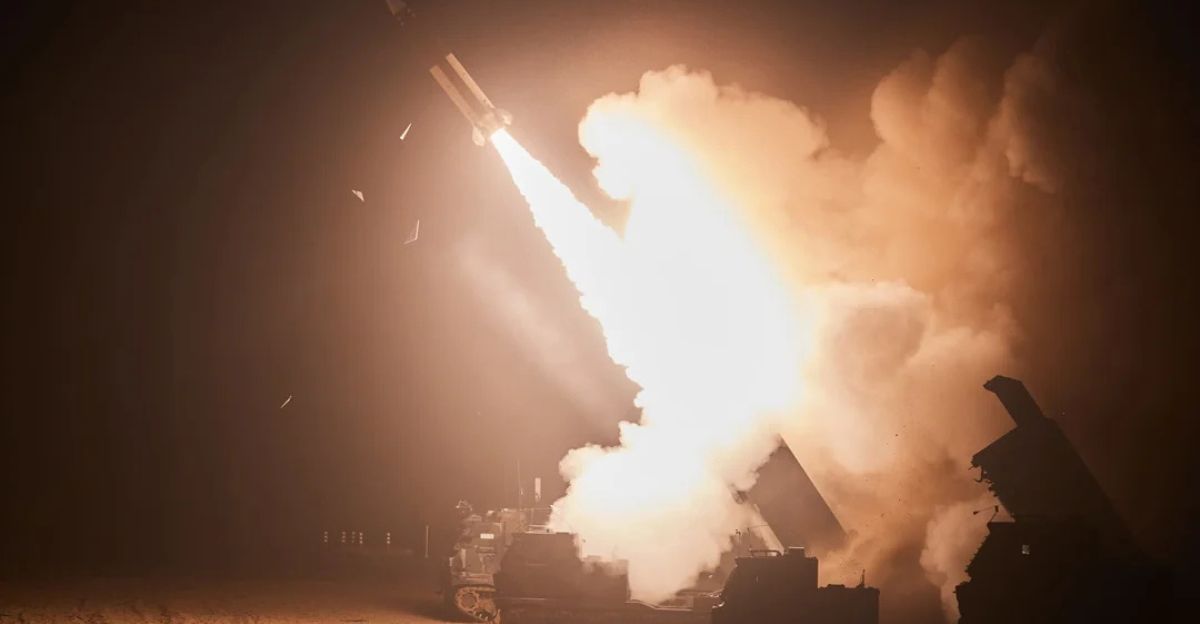
Ukraine’s new approach features a combination of long-range missiles and evolving drone technology. Recent independent reports confirm Ukraine is employing various types of strike drones in addition to its new cruise missiles. Evidence from recent attacks demonstrates Ukrainian success in overwhelming and confusing Russian defenses.
Military specialists like those at IRIA and The Economist have analyzed these mixed-tactic operations, underscoring a broader trend in leveraging multiple strike assets. This approach enables Ukraine to surprise defenders and increases the chance of penetrating air defense layers. The expanding arsenal is now a cornerstone of Ukraine’s evolving military doctrine for escalation management and deterrence.
What Was Damaged?

Military and civilian sources report that the strike set off significant fires and caused secondary explosions at the Oryol thermal power plant. Open-source video footage, confirmed by satellite images and local reporting, documents extensive visible damage to portions of the plant and affected power transmission equipment.
Energy supply in Oryol and parts of the surrounding region was immediately disrupted. Emergency repairs began within hours, but full restoration efforts were ongoing days later. The Ukrainian attack stands as one of the most damaging to Russian civilian energy infrastructure so far during the conflict. This effectiveness is noted by war correspondents and technical analysts, both domestic and international.
Exposing Infrastructure Vulnerabilities

The Oryol incident underscores ongoing vulnerabilities in Russia’s vast and decentralized energy infrastructure. Independent think tanks and energy analysts have warned that many of Russia’s key facilities are difficult to protect comprehensively due to their size and geographic dispersion.
The Oryol power station, like others hit before it, is part of a wider network crucial for both civilian and military energy needs. Experts point out that as Ukraine’s missile and drone capabilities expand, more sections of Russian critical infrastructure become potential targets, making complete defense a logistical challenge for Moscow. Such vulnerabilities have strategic and psychological effects.
Economic and Military Ramifications
Strikes on major infrastructure have ripple effects on Russia’s economy and military capabilities. The immediate consequence of attacks like the one on Oryol is the disruption of power supplies to local populations, industry, and possibly military production lines.
Organizations such as the Institute for Economics and Peace have emphasized that infrastructure attacks impose additional cost pressures, impede logistics, and may hinder military reserves or manufacturing output. Economic analysts note increased repair expenses and resource reallocation in response to each strike. This trend highlights the growing connection between the “frontline” and deep-strike logistics in modern warfare.
A Message to Moscow

Ukraine’s successful long-range strike is interpreted by many experts as a deliberate signal to the Russian leadership and population that rear areas are now within reach. Security scholars and analysts state that, by hitting high-value targets deeper inside Russia, Ukraine aims to undermine the notion that domestic infrastructure is immune.
Such messaging is intended to reduce public support for the war and to pressure the Russian leadership by highlighting new vulnerabilities. The psychological effect is amplified when civilian populations and regional officials confront the reality of damage and power disruptions previously considered impossible.
Russia’s Counterattacks
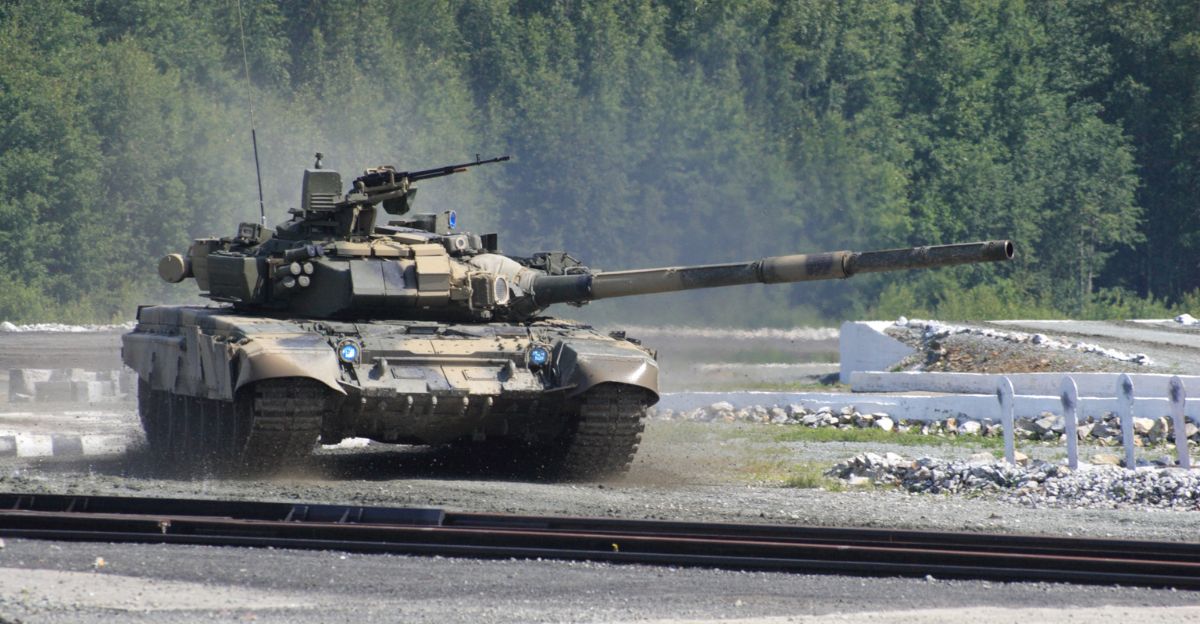
Russian authorities retaliated for the Oryol attack with renewed and intensified strikes against Ukrainian energy infrastructure. Reuters and other global outlets report that Russian forces have launched barrages of drones and missiles at Ukraine’s power grid, causing blackouts and grid failures across several regions.
These escalatory cycles have become an established feature of the conflict, with both sides now targeting energy systems to gain strategic leverage and apply political pressure. The targeting of civilian infrastructure remains controversial internationally, but continues due to its impact on wartime logistics and morale.
Broader Security and Escalation Risks

Experts highlight the dangers inherent in deep-strike operations, warning that escalation may become harder to control as attacks increase in distance and impact. Western officials and former diplomats have commented that every new cross-border strike blurs the line between traditional battlefield zones and national heartlands.
The Oryol attack, in particular, caused jitters in European energy markets due to fears of further pipeline or grid disruptions and the risk of retaliatory strikes expanding beyond current boundaries. Policymakers and analysts alike now watch for signals of further escalation or possible diplomatic interventions.
Ethical and International Debates

The international response to targeted energy infrastructure attacks has been mixed, but generally critical. Western governments and organizations like NATO have condemned strikes that harm civilian power supplies while acknowledging Ukraine’s right to self-defense. Humanitarian groups raise concerns over the potential for civilian harm, energy insecurity, and wintertime hardships as a result of these tactics.
NATO Secretary General statements and expert commentary reflect the ongoing ethical debate: how can warfare be conducted when civilian and military infrastructure are closely intertwined? These dilemmas remain unresolved as both sides pursue strategic objectives with technologically advanced means.
The Future of Warfare
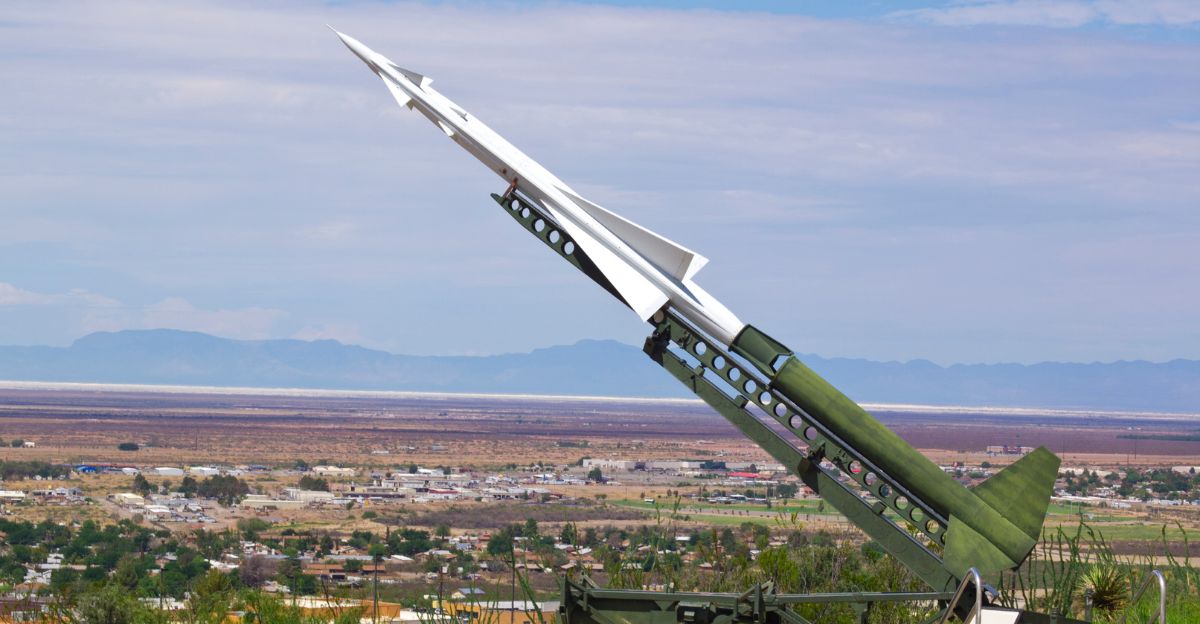
Analysts agree the Oryol strike represents a shift toward the future of warfare, where long-range precision missiles, smart drones, and hybrid tactics redefine the limits of conflict. Ukraine’s deployment of the Flamingo missile and similar assets is seen as an evolution in asymmetric warfare, moving away from massed ground assault toward pinpoint strikes on critical nodes.
Military historians and analysts surveyed agree that rapid innovation, improvisation, and the integration of advanced technologies by both sides will continue to shape the trajectory of the war. The growing role of homegrown weapons programs and strategic deterrence efforts further reinforces the ongoing transformation of the modern battlefield.