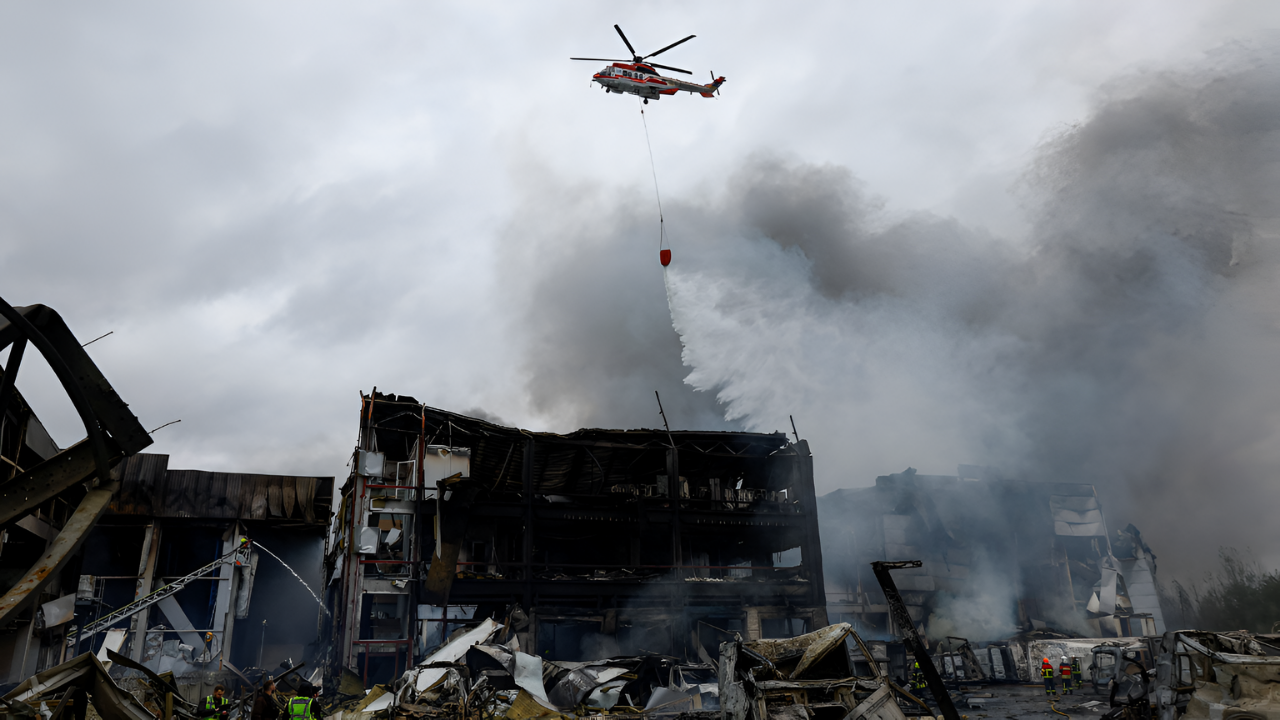
On January 4, 2026, a Ukrainian drone strike caused a massive fire at the Energia defense plant in Yelets, located in Russia’s Lipetsk region, about 250 kilometers away from the front lines. The attack revealed how far Ukraine can now reach into Russian territory. Energia plays an important role in Russia’s weapons production, and this was the third time it had been hit within eight months.
The repeated strikes show Ukraine’s goal of weakening Russia’s ability to produce and maintain advanced weaponry.
Why the Energia Plant Is Important
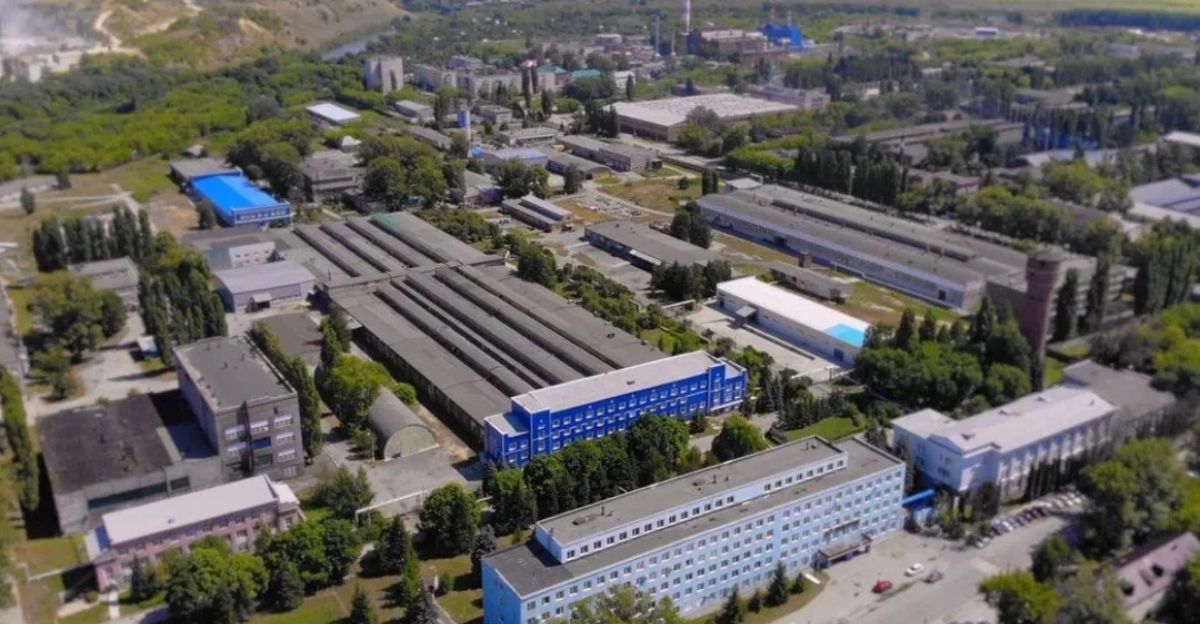
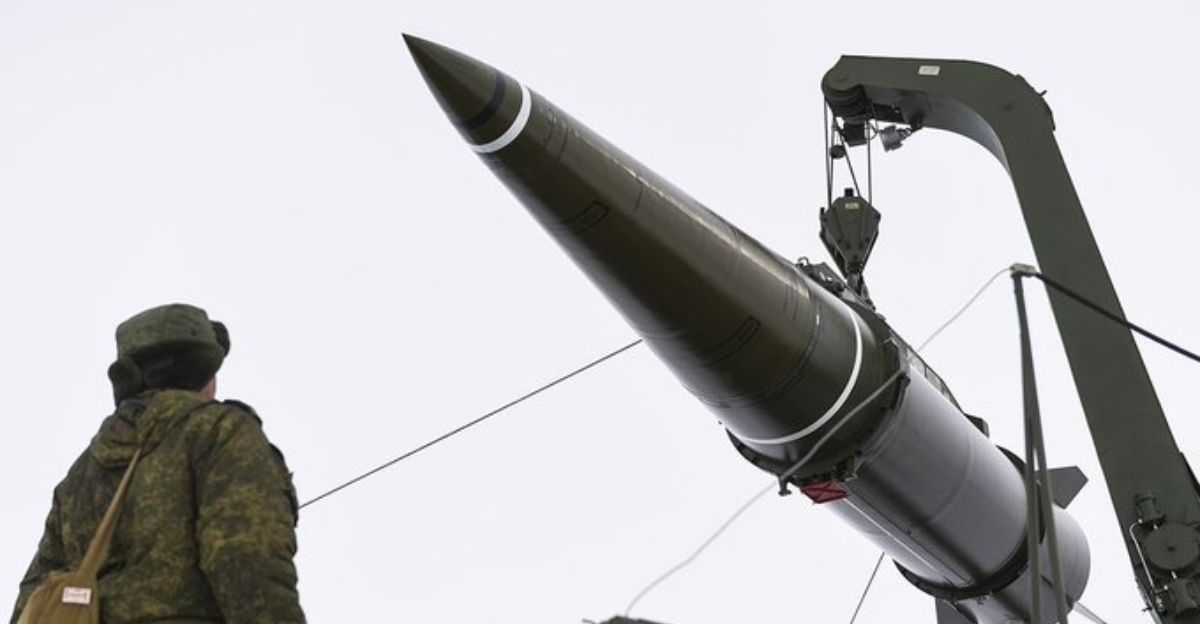
Energia produces chemical power sources, specialized batteries that are vital for many of Russia’s modern weapons. These batteries supply energy for Iskander ballistic missiles, cruise missiles, drones, and the electronic systems that guide glide bombs. Without them, these weapons cannot function properly.
Ukrainian officials have described the plant as one of Russia’s most critical military-industrial facilities. Its work ensures that Russia can keep producing and launching missiles. If Energia’s operations are disrupted, Moscow’s entire missile program could slow down. This makes the factory both a valuable asset and a major weak spot in Russia’s defense network.
Energia’s influence reaches beyond weapons alone. Its batteries also power various aerospace and energy systems, making the plant essential for both military and civilian uses. That broad role increases the impact of any damage it suffers.
Repeated Strikes Raise Pressure on Russia

The drone attack in January 2026 followed two previous strikes, one in May and another in July 2025. Following the July strike, the plant reportedly had to pause production for a short time. In the latest incident, eyewitness videos showed explosions, fires, and thick black smoke rising over the industrial area of Yelets.
Independent media outlet Astra verified some of the videos, and many residents documented the event on social media. Local officials confirmed that a fire broke out due to fallen drone debris but avoided naming the plant or describing the exact damage. Fortunately, no one was injured this time. The earlier strike in May, however, did wound nine workers.
Regional Governor Igor Artamonov mentioned the fire publicly but offered no further details. This cautious approach mirrored the response from Moscow, which has remained mostly silent about attacks on its defense plants.
Disruption Spreads Beyond the Factory
Energia supplies at least five major state organizations: the Defense Ministry, the Interior Ministry, Russia’s security agency (the FSB), the Roscosmos space agency, and the Gazprom energy company. Since these clients depend on Energia’s products, its troubles could ripple through Russia’s broader economy and national projects.
Because the plant produces both military and civilian power sources, damage there can affect multiple sectors, from missile production to space equipment and even energy infrastructure. For civilians near the site, the environmental impact is another concern. Fires at chemical plants can release toxic smoke, adding a health risk for nearby communities and industrial workers.
Repeated attacks also strain Russia’s internal supply chains. When production is halted, clients have to look for other sources, use limited reserves, or spend extra resources on urgent repairs. Each of these options takes time and increases costs. The military must then juggle which projects receive limited supplies, making it harder to maintain steady weapons production.
This disruption spills into everyday applications too. Aviation systems, ships, and energy infrastructure that rely on similar battery technology face delays in testing and replacement parts. Even if substitutes are found, they might not perform as reliably, creating new technical and safety challenges.
Changing Nature of Modern Warfare
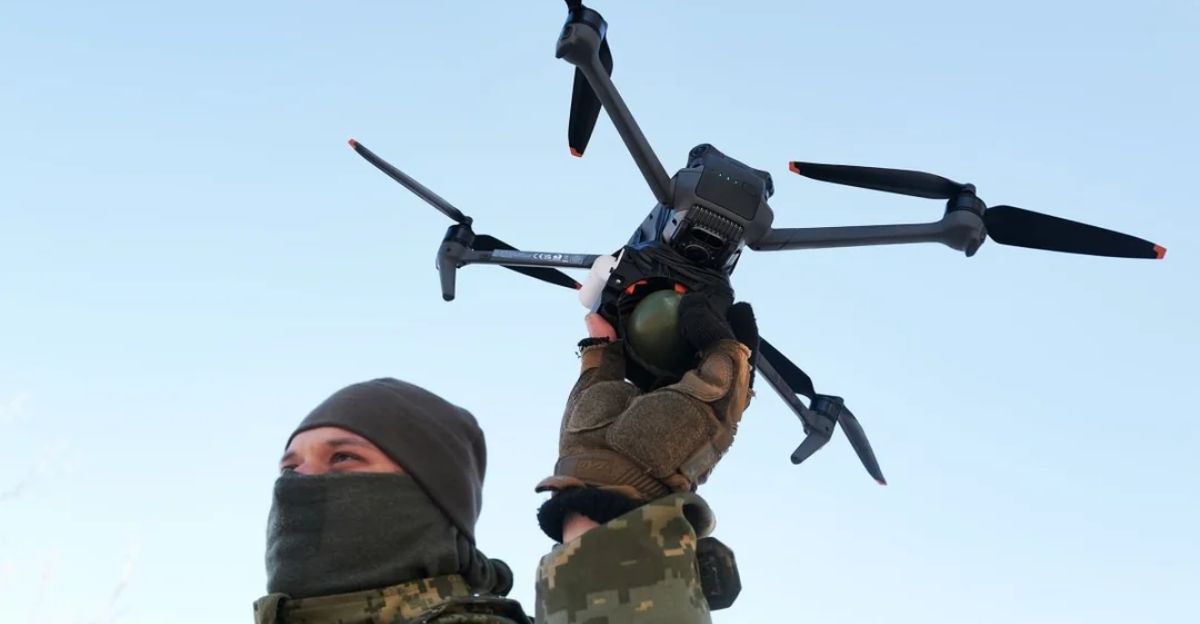
These events highlight how warfare is shifting in the modern era. Under international humanitarian law, factories that directly support military operations are considered legitimate military targets. However, the repeated drone strikes also raise questions about proportionality and long-distance targeting in war.
Ukraine’s use of low-cost drones to hit a facility 250 kilometers inside Russian territory shows that geography no longer provides strong protection. Rear-area targets that once seemed safe are now vulnerable. Russia may respond by spreading production among multiple smaller sites or strengthening defenses around key industries.
At the same time, Ukraine benefits each time such supply lines break down, forcing Russia to divert resources and repair infrastructure. Information about these strikes has become part of the conflict as well. While official Russian sources say little, civilian videos and independent journalists provide their own accounts, turning accurate reporting into a type of battlefield in itself.
Three strikes on Energia since mid-2025 demonstrate that Ukraine is not just targeting soldiers or front-line units, it is going after the backbone of Russia’s weapons production. As both sides adapt to this kind of industrial warfare, attacks on factories, logistics hubs, and supply chains could become even more common. The battle for control increasingly depends not only on weapons in combat but on the ability to build and replace them deep behind the lines.
Sources:
Russian missile parts factory in flames after Ukrainian drone attack, media report,” The Kyiv Independent, 5 Jan 2026
Ukraine struck the largest Russian manufacturer of batteries for drones and missiles,” The Odessa Journal, 5 Jan 2026
Drones repeatedly attack Energia defense plant in Russia’s Lipetsk region,” Ukrinform, 5 Jan 2026
Drones attack Russia’s Lipetsk Oblast: defense plant Energia apparently targeted,” Hromadske, 5 Jan 2026
Ukraine Strikes Lipetsk Region Drone Factory In Yelets,” The Odessa Journal (duplicate listing and extended version), 5 Jan 2026
Russian Defense Factory Catches Fire, Ukraine Paralyzes Missile Production” (video), YouTube military analysis channel, 6 Jan 2026
Drones Attack Workshops of Energia Plant, Russia’s Largest Manufacturer of Power Sources for Weapons,” Militarnyi, 16 Jul 2025