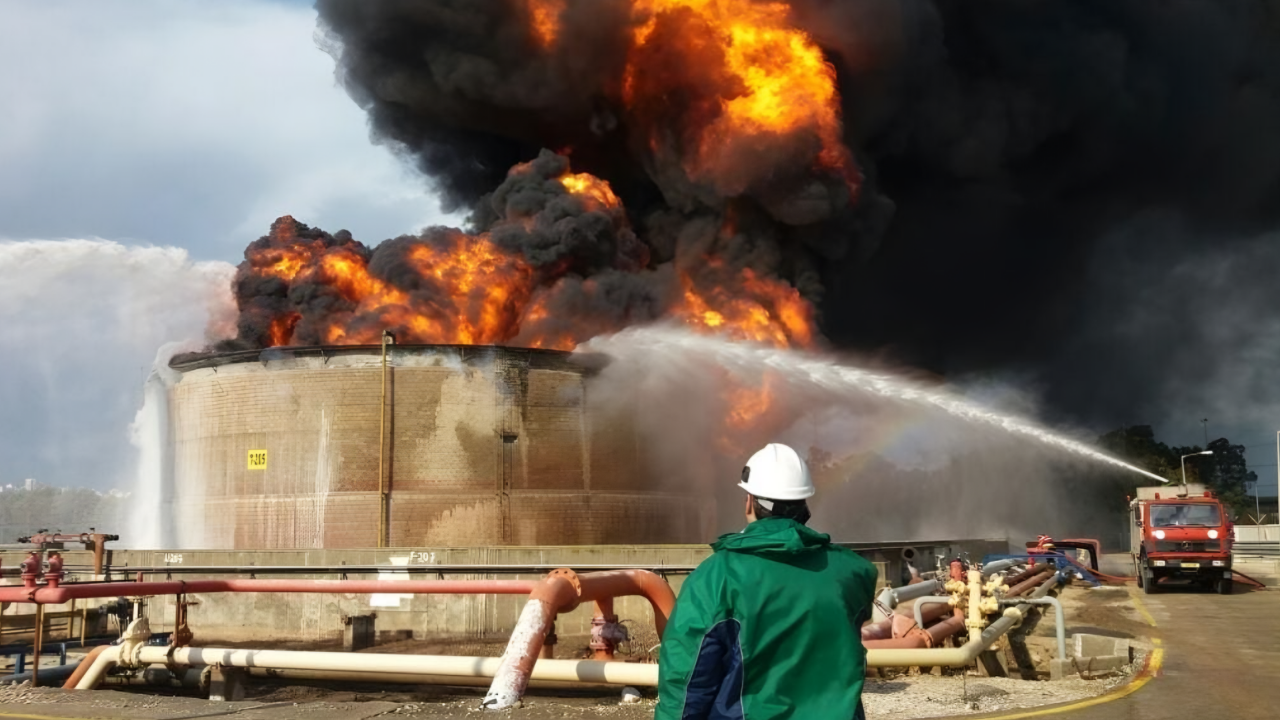
Ukrainian drones have sliced deep into Russian territory, reaching 450 kilometers to repeatedly target vital energy sites, with the Ryazan oil refinery struck again on January 26, 2025, exposing cracks in Moscow’s defensive shield.
This second hit in under a week halted operations at one of Russia’s largest facilities, igniting fires and damaging rail systems. As flames lit the night sky 180 kilometers from Moscow, the attack underscored Ukraine’s shift to systematic degradation of Russia’s fuel lifeline, forcing questions about the sustainability of Moscow’s war effort amid mounting economic strain.
Tempo Accelerates
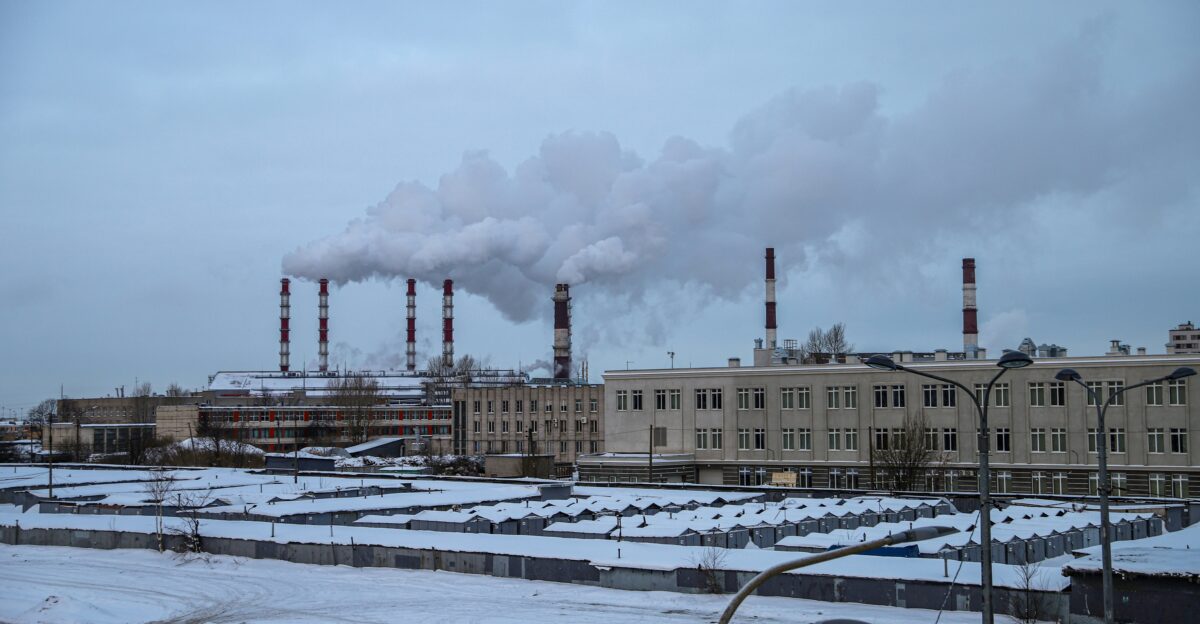
Ukrainian operations against Russian energy assets surged after August 2025. Earlier strikes from January to July remained sporadic, but from August onward, nearly daily assaults targeted refineries, pipelines, and terminals.
By late October, over half of Russia’s 38 major refineries had sustained at least one hit. November saw 14 confirmed refinery strikes, the highest monthly count, marking a pivot from mere disruption to sustained capacity erosion.
The Fuel Artery Problem
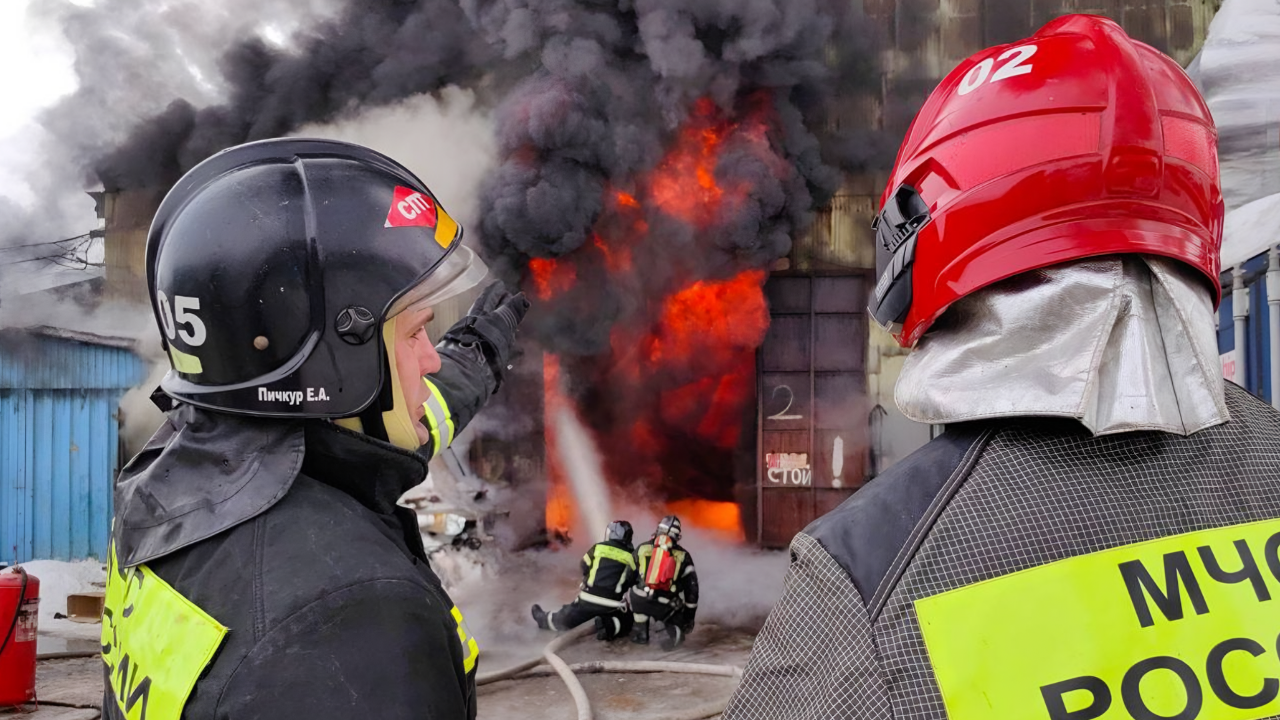
Russia’s refining network holds about 6 percent of global capacity and funds nearly a third of the federal budget. The Rosneft-operated Ryazan plant processes 262,000 barrels daily, or 5 percent of national throughput, supplying central regions including Moscow with road fuel and 1 million tons of jet fuel yearly for military use.
Its proximity to the capital amplifies its role, making repeated strikes a direct challenge to regional stability and frontline logistics.
The Pressure Builds
Prior damage compounded the latest blow. An August 2 strike crippled crude distillation units at Ryazan, slashing output by 80,000 barrels per day—about a quarter of capacity. Repairs lagged when fresh attacks followed in October and January, trapping the facility in a cycle of partial fixes and renewed shutdowns.
This rhythm ensures lasting disruptions, as Russia struggles to restore full operations before the next drone wave arrives.
The Strike Confirmed
On January 25-26, drones evaded defenses to pound Ryazan. Explosions and fires erupted, as captured in video from Ukraine’s Defense Intelligence. Ryazan Oblast Governor Pavel Malkov acknowledged drone debris igniting an industrial site, with rail loading systems hit hard enough to suspend crude processing for weeks.
Neighboring plants in Moscow, Nizhny Novgorod, and Yaroslavl faced orders to cover the shortfall, though they too bear scars from prior strikes.
Ripple Effects Spread
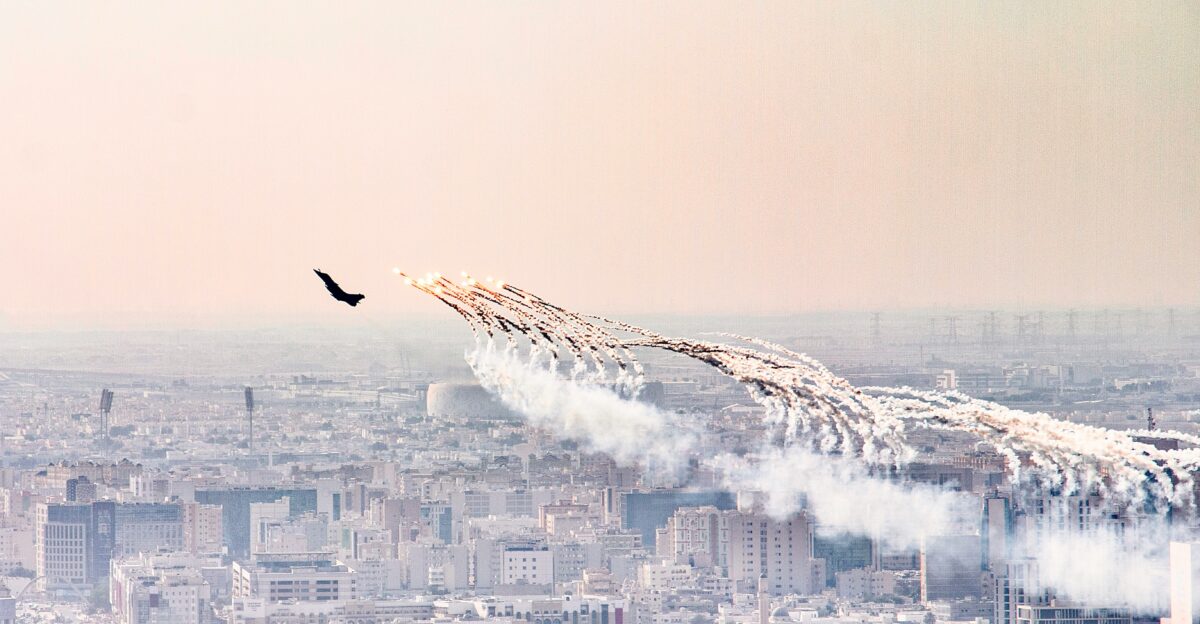
Outages cascade quickly. By September 2025, fuel shortages hit 57 regions, prompting export bans and rationing in remote areas like Crimea and the Far East. Major cities soon queued at pumps, blending civilian hardship with military risks.
Aviation fuel teetered closer to crisis. Russia’s largest private supplier warned of blending summer diesel with kerosene to prop up gasoline, potentially spiking jet fuel costs. Deputy Prime Minister Alexander Novak’s late October meeting imposed temporary price caps to avert collapse. Ryazan alone yields 840,000 tons of aviation kerosene yearly, hard to replace swiftly.
The Math of Degradation
Cumulative toll mounts. OilX data shows strikes on at least 30 refineries, trimming processing to 4.86 million barrels daily—a 10 percent drop. Peak August-to-October attacks, plus maintenance, cut capacity 20 percent, though volumes fell only 6 percent by drawing on reserves.
Oil revenues plunged: October 2025 tallied 886 billion rubles ($11 billion), down 27 percent year-over-year. The first ten months lost 2 trillion rubles ($24.6 billion) versus 2024, with deficits accelerating. Analysts project refinery hits alone carving out 5.7 trillion rubles ($70.2 billion) by year-end, the deepest post-Soviet shortfall.
Russia’s Workarounds Strain
Moscow deploys spare capacity at undamaged sites and reroutes crude via Arctic tankers to China, adding weeks to voyages. Imports from India and Belarus patch gaps, but at higher costs. Ukraine refines tactics, zeroing in on hard-to-fix units like crude distillation and vapor recovery systems, hitting Ryazan repeatedly—January, August (25 percent capacity loss), October, November, December—to block recovery.
Official responses minimize fallout. Malkov stressed no casualties and ongoing assessments, but industry reports confirmed full halts. Closed-door talks eyed fuel blending as routine tweaks, guarding against public panic.
Expert Views Diverge
Analysts note the campaign’s precision overwhelms repairs. One independent expert called it the severest crisis in years, citing drone waves’ scale. Ukraine’s top commander claimed significant hits to Russia’s military output. Yet others argue diesel and jet fuel reach frontlines adequately for now, with long-term erosion the true peril.
By late October 2025, Ukraine logged nearly 200 energy strikes, nearly 160 successes. Projections hold refining rates down through mid-2026, as new Ukrainian missiles extend reach amid winter fuel strains. With war costs nearing $300 billion yearly, persistent attacks test whether Russia’s economy buckles first, turning energy assets into pivotal battlegrounds.
Sources:
Reuters: Ukraine’s military says it downed 50 Russian drones, attacked big oil refinery
Reuters: Russia’s Ryazan oil refinery halts operations after drone strikes
Reuters: Russia using spare oil refining capacity to offset Ukrainian drone damage
Kyiv Independent: Russia’s Ryazan oil refinery in flames after drone strike
CNN: Ukraine’s gloves are off in its energy war with Russia
Understanding War: Russian Offensive Campaign Assessment, December 6, 2025