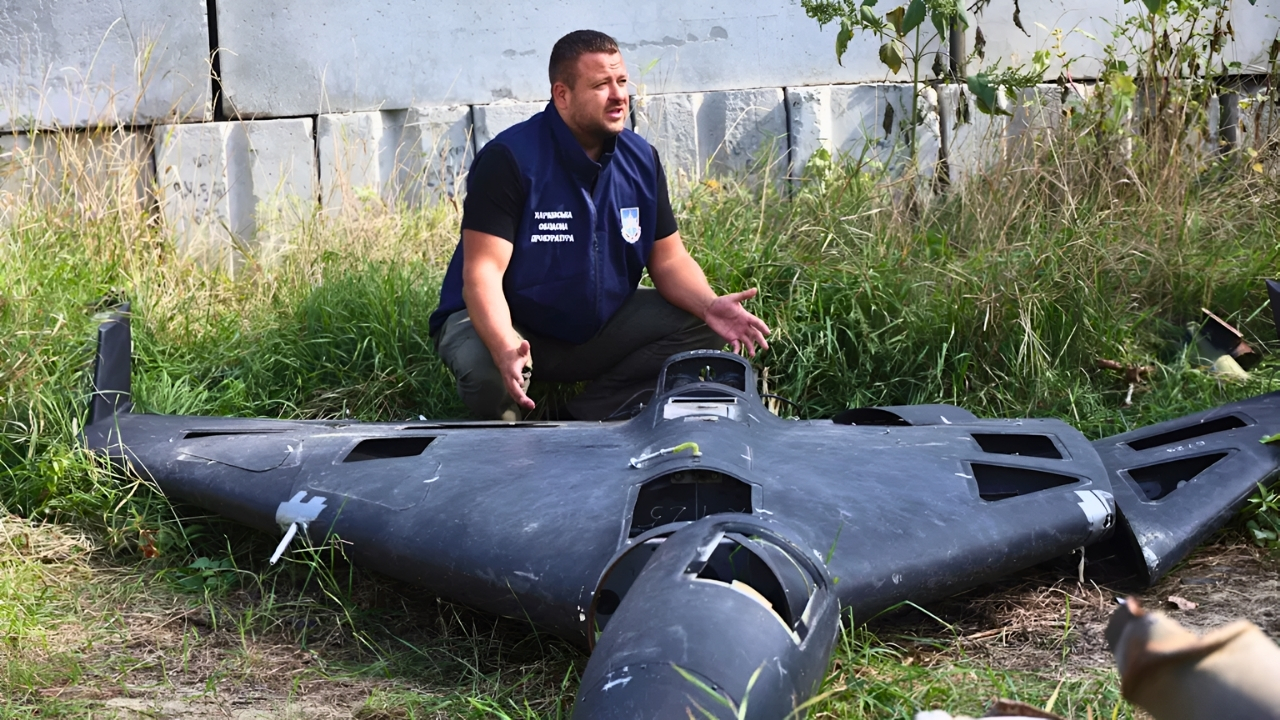
Russia’s drone attacks have exploded in scale during 2025. At the start of 2024, Russia launched roughly 1,000 Shahed drones every month. By September 2025, that number had skyrocketed to 5,600 per month, nearly 188 drones daily. In October alone, Russia launched more than 3,063 Shahed and Geran-type drones, with individual attack waves sometimes exceeding 600 drones in a single night.
These Iranian-designed Shahed drones have become Russia’s primary weapon, used in coordinated waves designed to overwhelm Ukraine’s defenses. The sheer volume represents an unprecedented challenge that no air defense system was built to handle.
One Night, 142 Drones
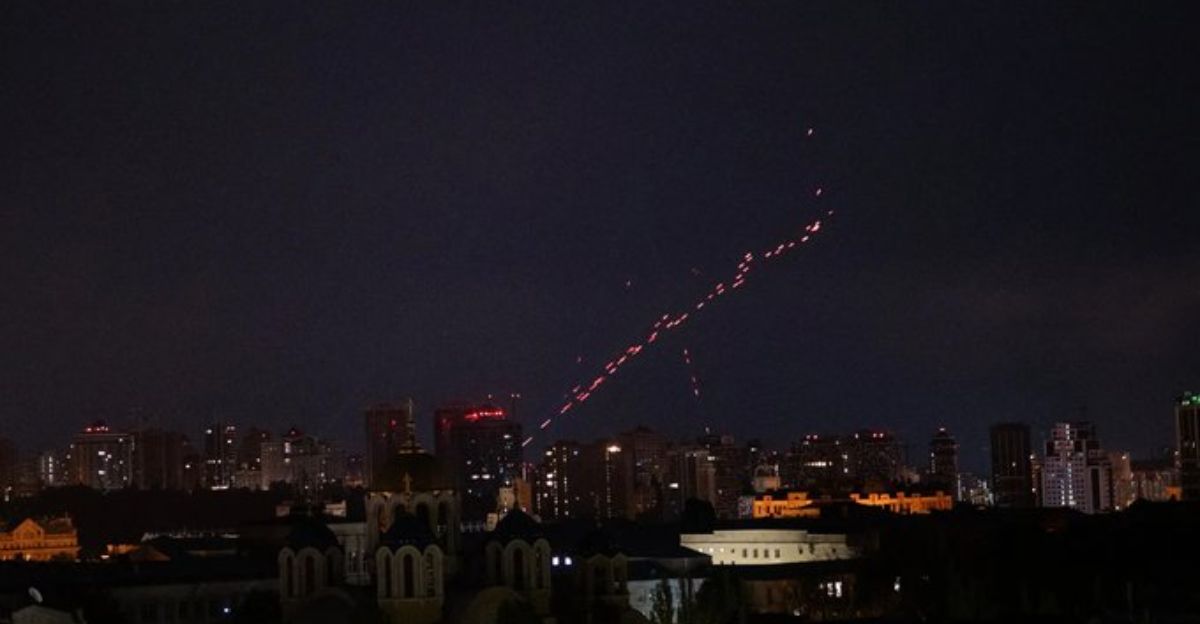
On November 26–27, 2025, Russia launched one of its largest overnight attacks: 142 strike drones targeting Ukrainian cities and infrastructure. Ukrainian air defenses intercepted or suppressed 92 of those drones, a 65% success rate that sounds impressive but still allowed roughly 50 drones to penetrate defenses or cause damage through falling debris.
The majority were Shahed-type loitering munitions, meaning they fly low and slow, making them difficult to detect and counter. Multiple regions across Ukraine were targeted, with civilian areas taking hits from debris falling after intercepts. Despite the strong performance by defenders, the attack demonstrated the relentless pressure Ukraine’s air defense crews face every single night.
Who Makes Drones Faster?
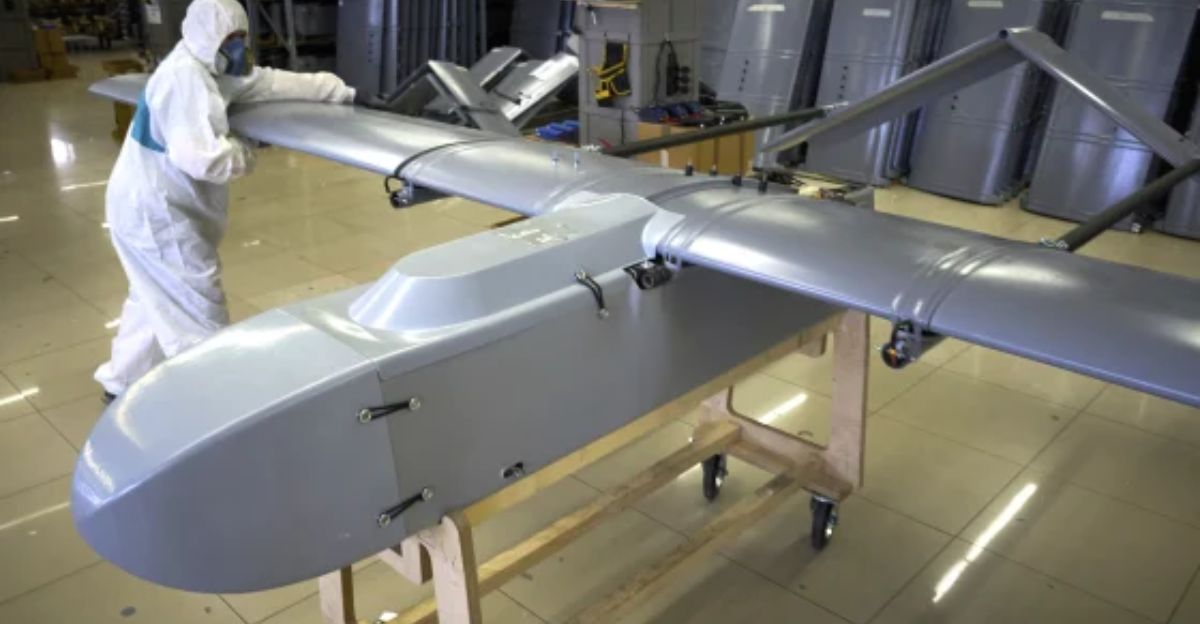
Ukraine has mobilized its entire defense industry to counter Russia’s aerial assault. In 2023, Ukraine produced around 800,000 drones. By 2024, that doubled to 2 million. For 2025, Ukrainian officials projected production of up to 5 million drones combined with international purchases. Yet despite this dramatic expansion, Russia still maintains a numerical advantage, utilizing an estimated 4 million UAVs in 2024 alone.
This war has become a grinding industrial competition where factories matter as much as fighter jets. The side that can manufacture weapons faster than the other can destroy them holds a critical advantage, and right now, Russia’s production capacity keeps pace with Ukraine’s defenses.
Russia’s Wolf Pack Tactics
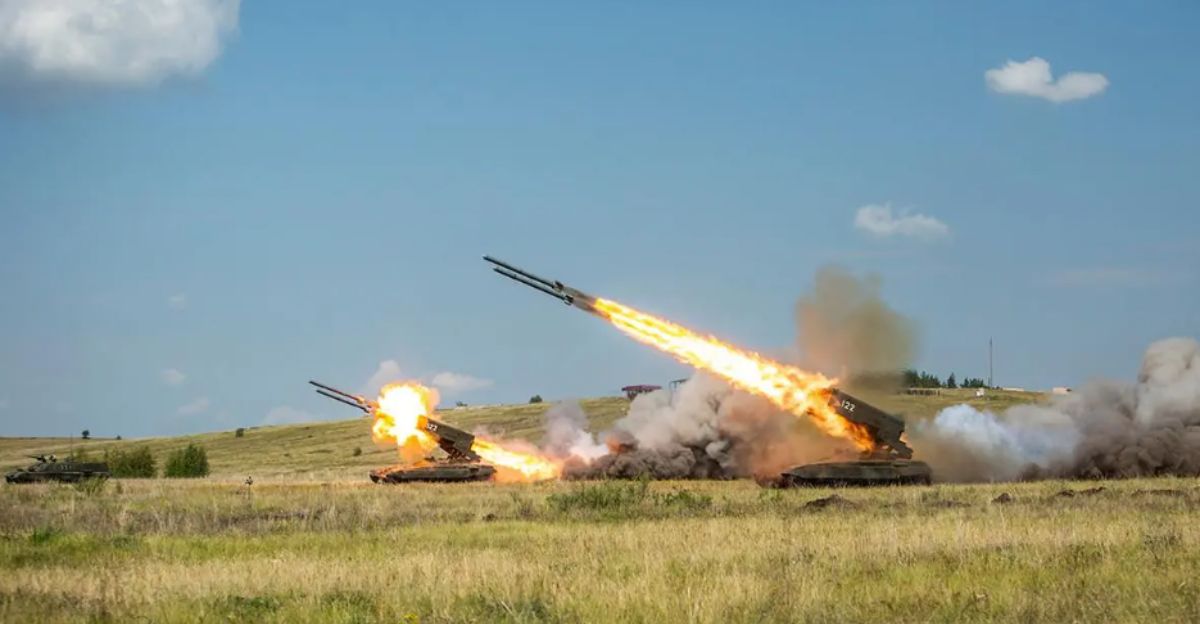
Russia’s attack strategy has evolved beyond simple wave attacks into sophisticated combined operations. Moscow now coordinates simultaneous assaults using drones, cruise missiles, and ballistic missiles together, a tactic designed to saturate and exhaust Ukraine’s limited air defense ammunition.
The so-called wolf pack approach sends drones converging on targets from different angles, striking nearly simultaneously rather than one wave after another. This coordination has proven far more effective than earlier tactics. Ukrainian air defense crews, equipped with heavy machine guns and traditional anti-aircraft artillery, increasingly struggle to cope with both the overwhelming scale and strategic sophistication of Russia’s upgraded drone fleet. Modern warfare requires defending in all directions at once.
The Civilian Impact
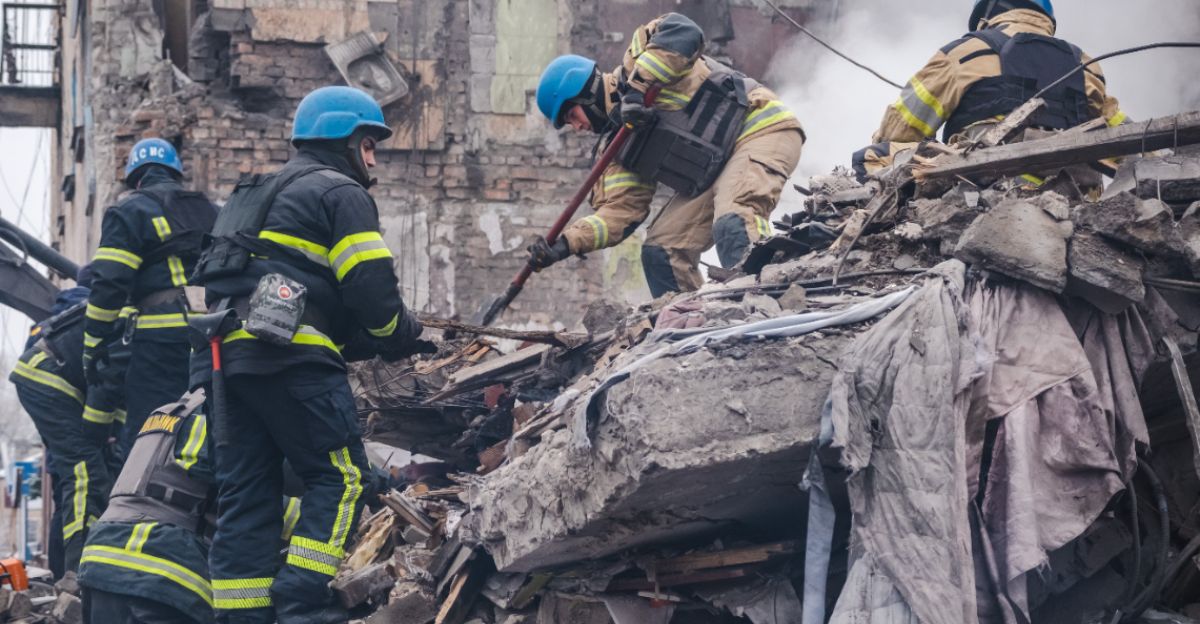
These drone attacks aren’t hitting military targets alone, civilians are bearing the brunt. In July 2025, Ukraine’s busiest month for defenders, air defenses faced 6,443 combined drones and missiles. By September, Russia escalated even further, launching 5,636 drones and 187 missiles in a single month. The UN Human Rights Monitoring Mission reported that 72% of civilian casualties in August 2025 occurred near the frontline, primarily in eastern Donetsk and southern Kherson.
Energy infrastructure has become a particular target, with Russia deliberately striking power plants and grid facilities rather than military installations. The strategy appears designed to break Ukrainian morale by denying people electricity, heating, and water during the harsh winter months ahead.
When 810 Drones Strike at Once
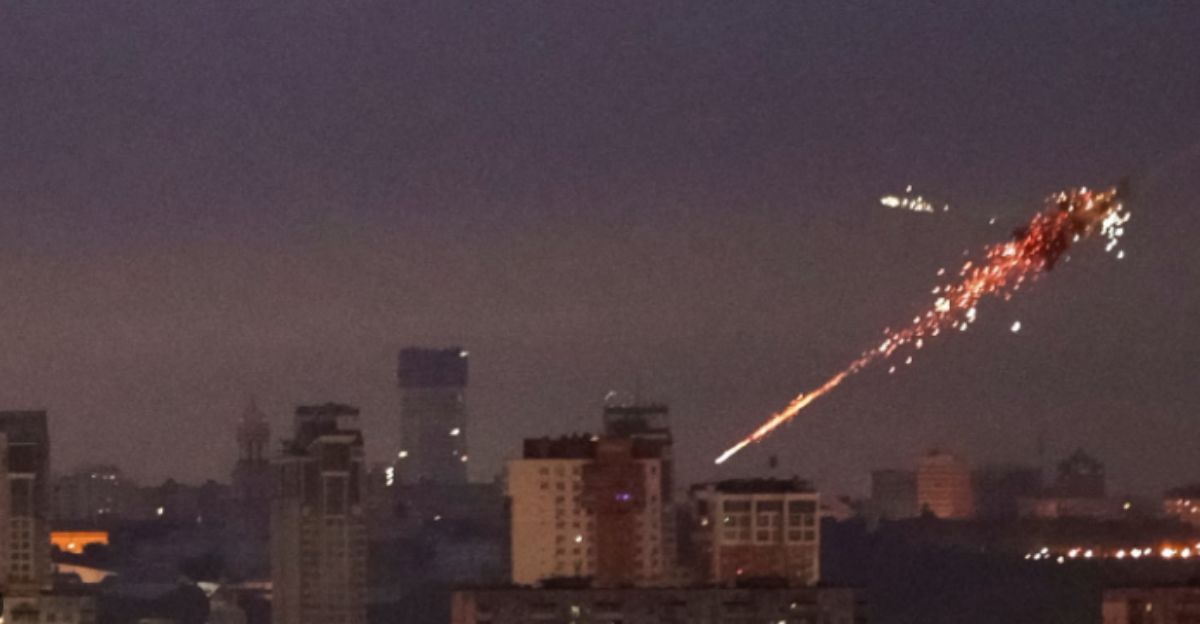
Individual mega-attacks have proven devastatingly effective. On September 6–7, 2025, Russia launched 810 drones and 13 missiles, the largest single air attack of the entire war. At least five civilians were killed and 41 injured across six Ukrainian regions plus the capital Kyiv. Other massive strikes followed: September 19–20 brought 619 munitions; September 27–28 delivered 643 munitions.
Each represents a full night of terror for ordinary people in shelters. Ukrainian President Volodymyr Zelenskyy characterized these strikes as vile and cowardly, stating they prove Moscow has no genuine interest in peace. For ordinary Ukrainians, nightly drone attacks have become grim routine: sirens wail, families rush to basements, and people pray the debris from intercepted weapons won’t fall on their homes.
When Drones Cross NATO’s Border
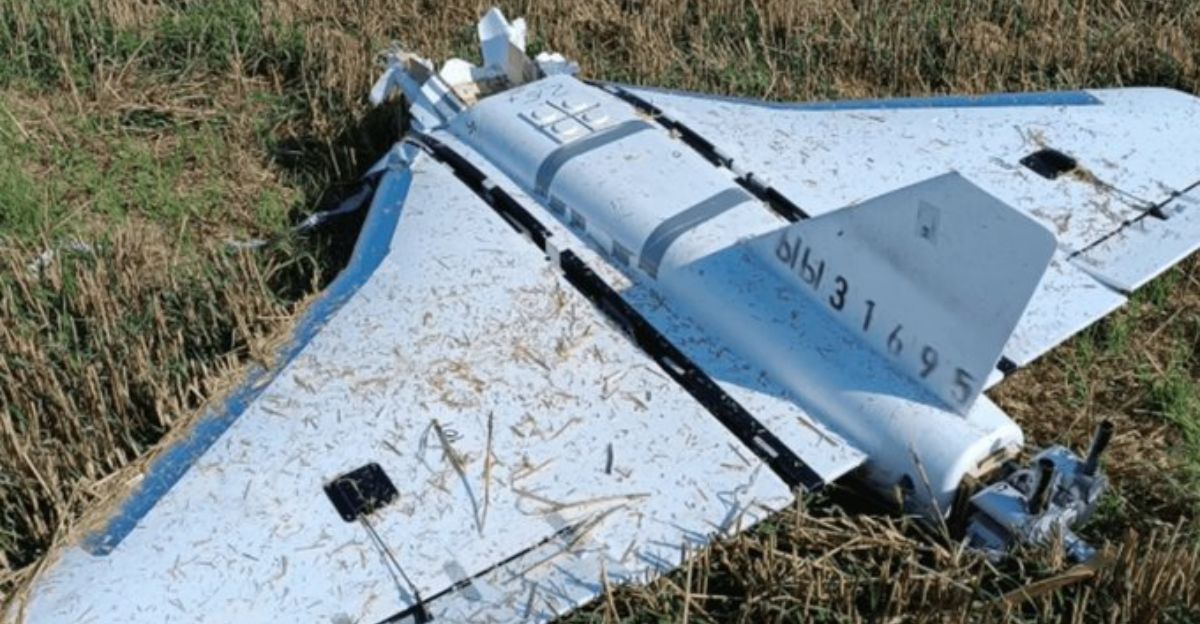
Russia’s drone campaign has begun spilling beyond Ukraine’s borders into NATO territory. During a September 9–10 raid, 19 Russian decoy Shahed-type drones crossed into Poland from Belarus. Five were heading directly toward the Rzeszów airbase in southeastern Poland, a critical logistics hub supplying Ukraine. Polish and allied forces scrambled military aircraft and activated ground-based air defense systems, shooting down four of the drones.
This marked NATO’s first direct military engagement with Russian drones. The incident sent shockwaves through the alliance and underscores how Russia’s drone campaign, while primarily targeting Ukraine, now poses direct risks to NATO members and their critical infrastructure. The war is creeping across borders in ways nobody anticipated.
Running Out of Ammunition
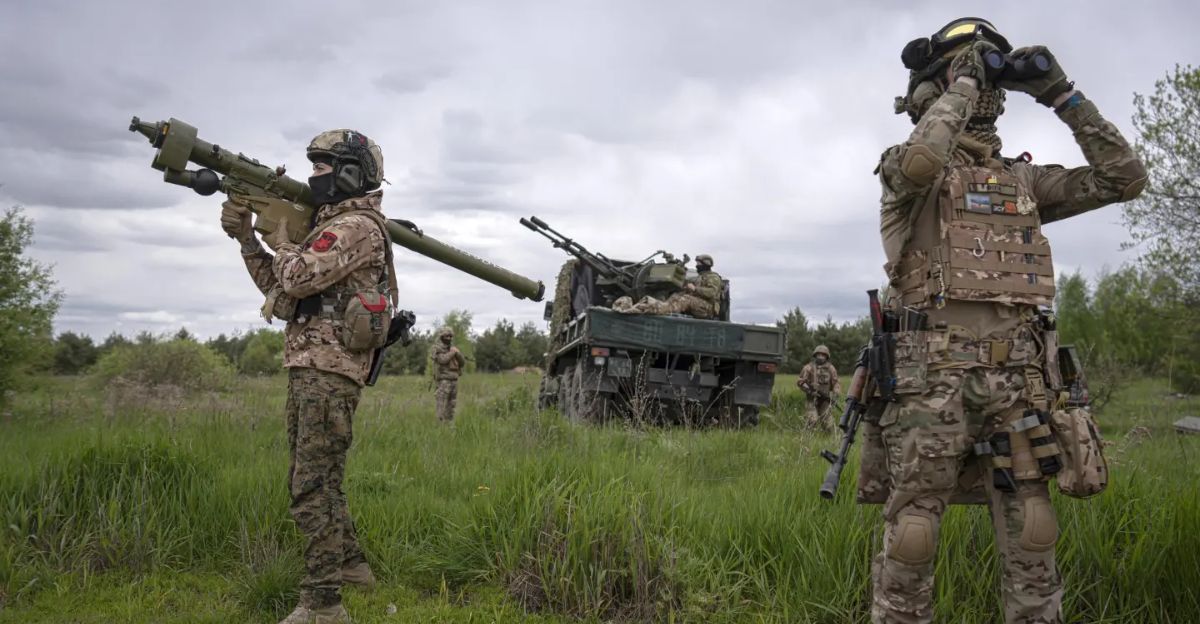
Ukraine’s air defenses have achieved remarkable interception rates despite severe constraints. In September 2025, defenders downed or suppressed nearly 87% of all Russian drones and over 68% of Russian missiles, statistics that sound impressive until you understand the hidden cost. Ukraine’s air defense systems rely on finite stocks of missiles and munitions, and the sheer volume of Russian attacks threatens to exhaust supplies faster than they can be replenished.
Averaging 188 Shahed drones daily in September, Ukraine faces an impossible math: intercept as many as possible while rationing limited ammunition. President Zelenskyy has explicitly stated that Ukraine began this war with very few air-defense systems and only a small remaining stock of Soviet-era missiles, forcing the nation to depend heavily on Western military aid. Without constant resupply, Ukraine’s defenses will simply run dry.
A Deadlier Enemy
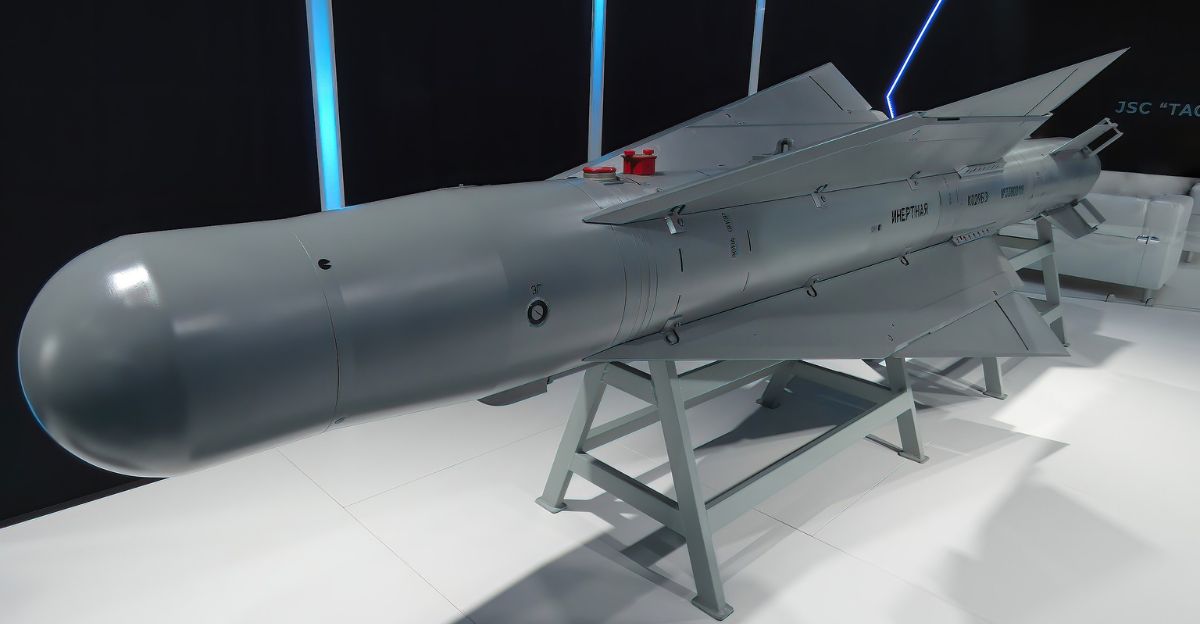
Beyond drones, Russia has introduced a secondary threat complicating Ukraine’s defense puzzle: precision-guided aerial bombs, known as glide bombs or KABs. These weapons, launched from far beyond the range of traditional air defenses, pose a distinct challenge because of their precision and standoff capability. From September to November 2025, Ukrainian air defense units destroyed up to 100 Russian KABs, a significant achievement, yet evidence that Russia is deliberately diversifying its aerial arsenal.
Ukraine’s military is now testing new weapon systems specifically designed to counter glide bombs, likely involving advanced missile-based air defense systems and joint initiatives with international partners. This escalation reveals a critical pattern: as Ukraine adapts defenses to counter one threat, Russia introduces another, perpetually stretching Ukrainian resources to the breaking point.
Operation Spiderweb
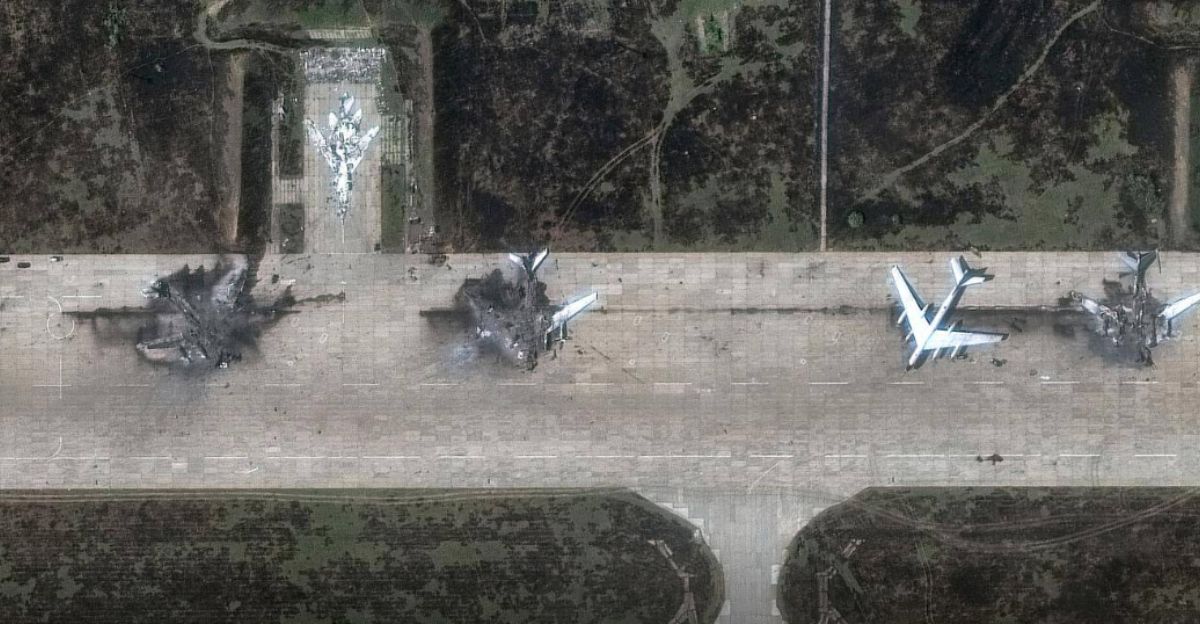
Facing overwhelming Russian drone attacks, Ukraine has shifted strategy toward aggressive offensive operations. In late 2025, Ukrainian forces conducted Operation Spiderweb, using drones hidden inside ordinary trucks to strike far behind Russian lines. According to Ukraine’s security service (SBU), the operation destroyed 41 Russian aircraft, including roughly one-third of Russia’s cruise missile carriers.
This offensive approach reflects a strategic realization: destroying Russia’s launch platforms and supporting infrastructure reduces the aerial threat far more efficiently than simply shooting down drones after they’re airborne. Ukrainian officials have prioritized requests for both air defense and strike systems, signaling a shift toward integrated defense that combines interception with active disruption of Russian capabilities. Sometimes, the best defense is a good offense.
The Power of Patriot Batteries
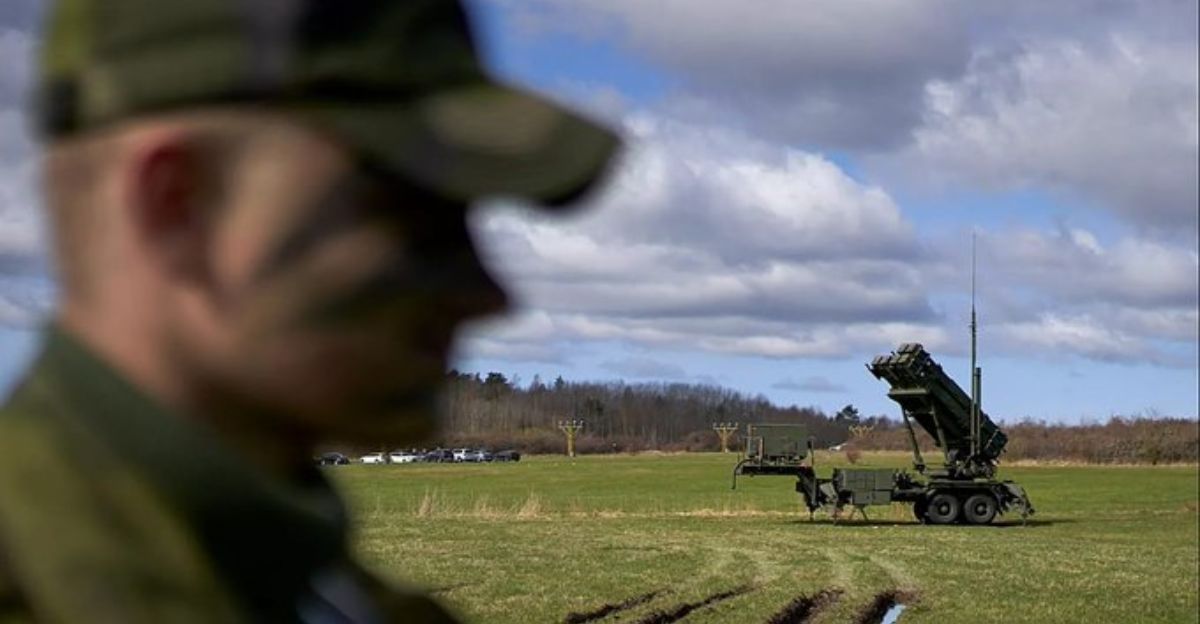
Western military aid has become essential to Ukraine’s survival. Beginning in late 2022, Western partners delivered advanced air defense systems, Patriot batteries, IRIS-T systems, and others, that provided capabilities far beyond Soviet-era platforms. These modern systems proved significantly more effective against Russia’s upgraded drone fleet, enabling Ukraine to protect more military and civilian assets. In November 2025, President Zelenskyy announced plans to purchase 25 additional Patriot air defense systems from the United States, underscoring their critical role in Ukrainian strategy.
Yet even with Western aid, Ukraine faces a fundamental mismatch: Russia can produce drones faster than Ukraine can acquire the air defense systems needed to counter them. For Ukraine, these systems represent the difference between survival and catastrophe.
Ukraine’s Homemade Solutions
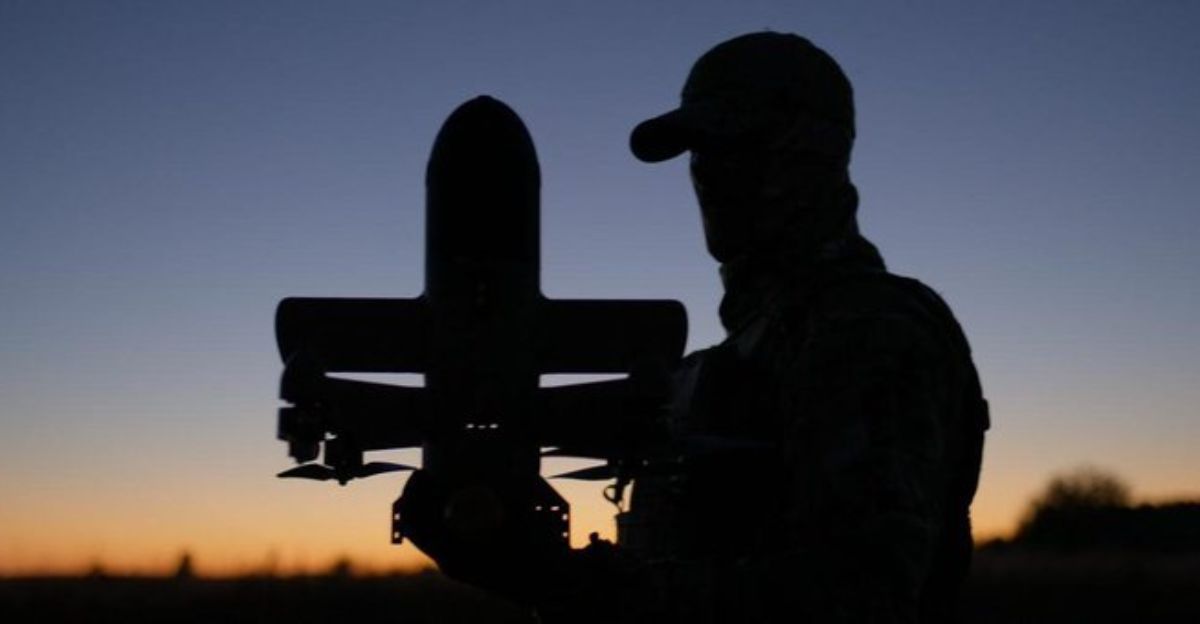
Constrained by limited Western supplies, Ukraine has accelerated domestic innovation at a breathtaking pace. The Ukrainian military has prioritized commercially available technologies over expensive military solutions where they perform better. This pragmatic approach has yielded impressive results as Ukrainian forces successfully deployed the Sting interceptor drone to down Russian jet-powered long-range drones for the first time in late November 2025, using commercial technology creatively.
Domestic defense contractors have rapidly developed and integrated improvements, creating a feedback loop where battlefield experience directly informs new capabilities. Ukrainian engineers are essentially teaching themselves weapons engineering through survival necessity. This innovation culture reflects Ukraine’s existential reality, survival depends on adapting faster than Russia can escalate. When foreign aid is limited, creativity becomes your most important weapon.
The Sustainability Question
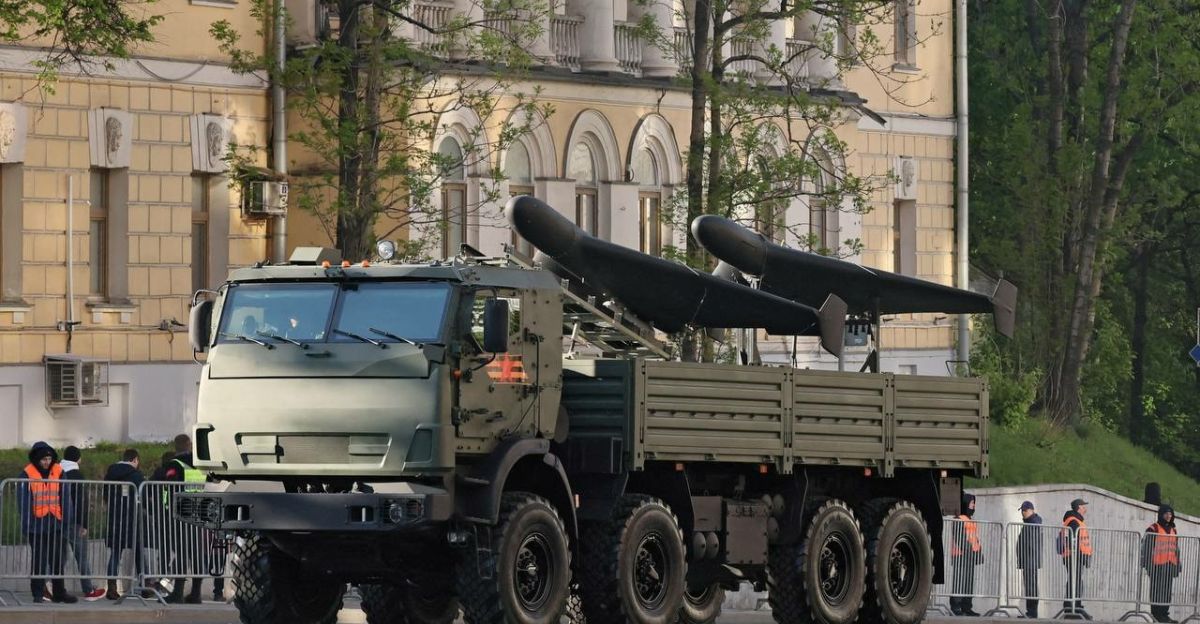
Despite impressive interception rates, military experts question Ukraine’s long-term sustainability. Russia produces millions of drones yearly while Ukraine possesses finite ammunition stocks, creating an unsustainable attrition dynamic. Ground crews equipped with heavy machine guns and traditional anti-aircraft artillery increasingly cannot cope with either the overwhelming scale or the sophisticated technology of Russia’s attacks.
While advanced missile defense systems and fighter jets offer better interception chances, they are expensive and risk exhausting Ukraine’s air defenses, leaving the country vulnerable to follow-on missile strikes. Analysts warn that without a dramatic increase in Western air defense supplies or a fundamental shift in the conflict’s trajectory, Ukraine faces a grinding war of attrition it cannot indefinitely sustain.
What Comes Next?
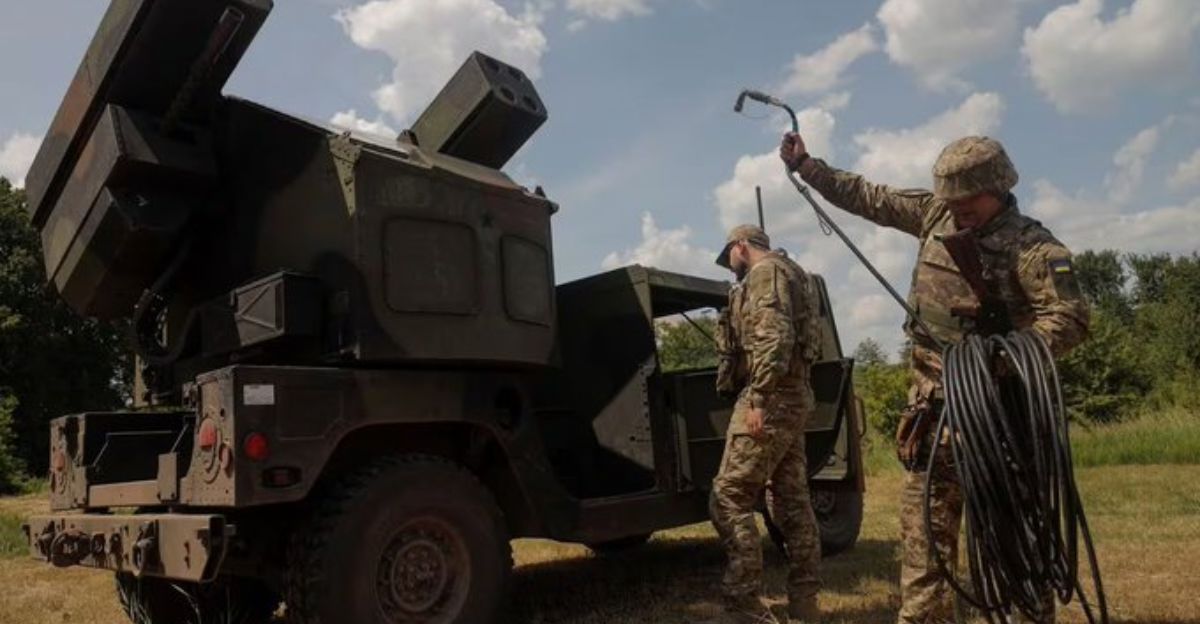
As Russia continues escalating drone production and tactics, a fundamental question emerges: Can Ukraine’s air defenses, however innovative and well-supplied, ultimately prevail against an adversary willing to expend millions of drones in a grinding campaign of attrition? The November 26–27 barrage represents both a Ukrainian success and a cautionary tale about limits.
Each night brings new attacks; each dawn reveals how stretched current defenses truly are. Ukraine’s survival may ultimately depend not on perfecting air defense, but on shifting the conflict’s terms entirely. The drone war continues its relentless escalation with no clear endpoint in sight. For Ukraine, the question isn’t whether air defenses can stop all drones, it’s whether the nation can survive long enough to change the game entirely.
Sources
United Nations News – Ukraine and the war
BBC News – Ukraine war coverage
Reuters – Russia/Ukraine conflict and drones
Atlantic Council – Ukraine and drone warfare analysis
CSIS – Russia-Ukraine war and defense analysis
Institute for the Study of War (Understanding War)