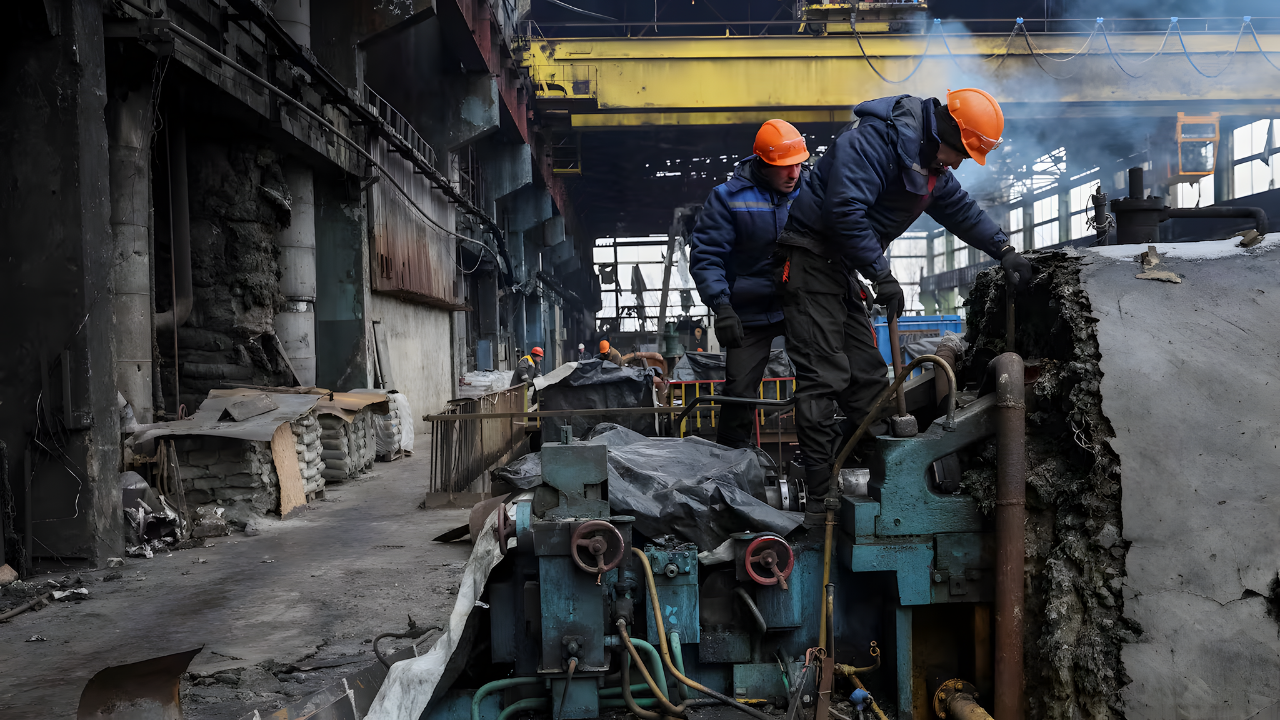
Ukraine’s long-range drone attack on Russia’s Tatarstan region has pushed the war deep into territory once seen as beyond reach. More than 1,300 kilometers from Ukrainian soil, a Shahed-type drone production facility was hit in what Ukrainian security sources describe as one of their farthest strikes of the conflict. The operation damaged parts of the complex and disrupted work on-site, challenging Moscow’s assumption that major military-industrial hubs far from the front were effectively insulated from direct attack.
Targeting the Shahed Drone Network
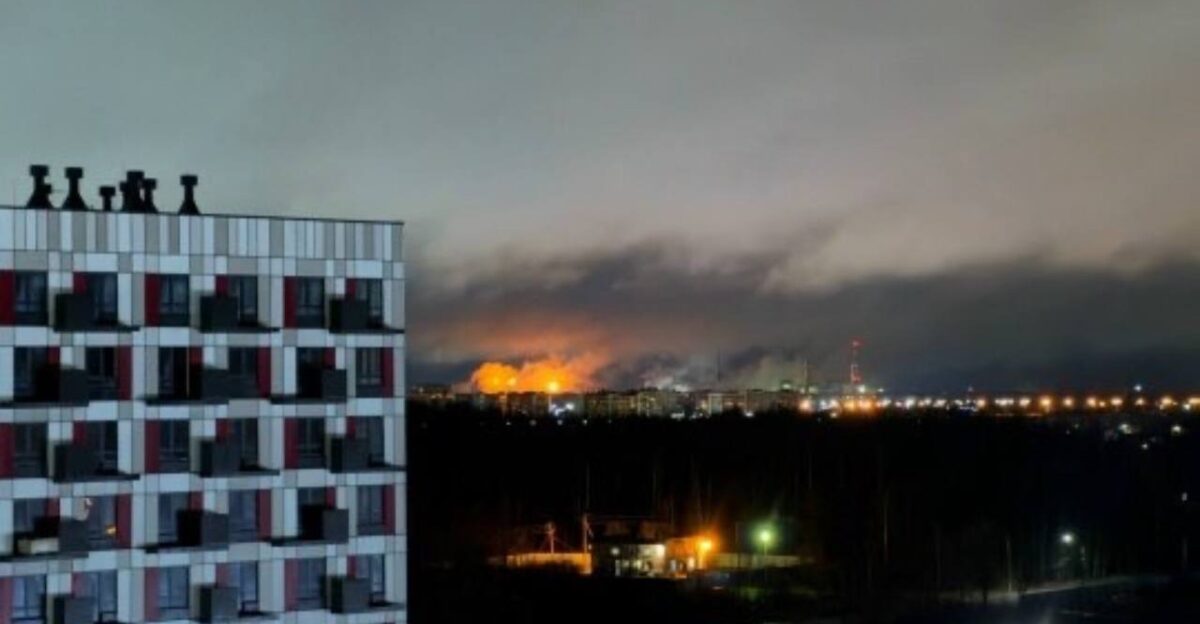
Kyiv has steadily shifted its focus toward the supply chain behind Russia’s Shahed drones, arguing that these Iranian-designed systems are used heavily against Ukrainian cities, energy sites, and other civilian infrastructure. Facilities in Tatarstan, particularly the Yelabuga/Alabuga industrial complex, play a central role in assembling and modifying Shahed drones for Russian use. By hitting such rear-area plants, Ukrainian planners aim to limit Russia’s capacity to mount repeated mass drone attacks in the months ahead, rather than seeking immediate battlefield effects.
The strike in Tatarstan fits into a broader effort to degrade the entire network supporting Shahed operations. This includes not only assembly lines but also testing grounds, storage depots, and related research and adaptation centers that help Russia adjust the drones for its specific military needs.
Production Disruption and Workforce Fears
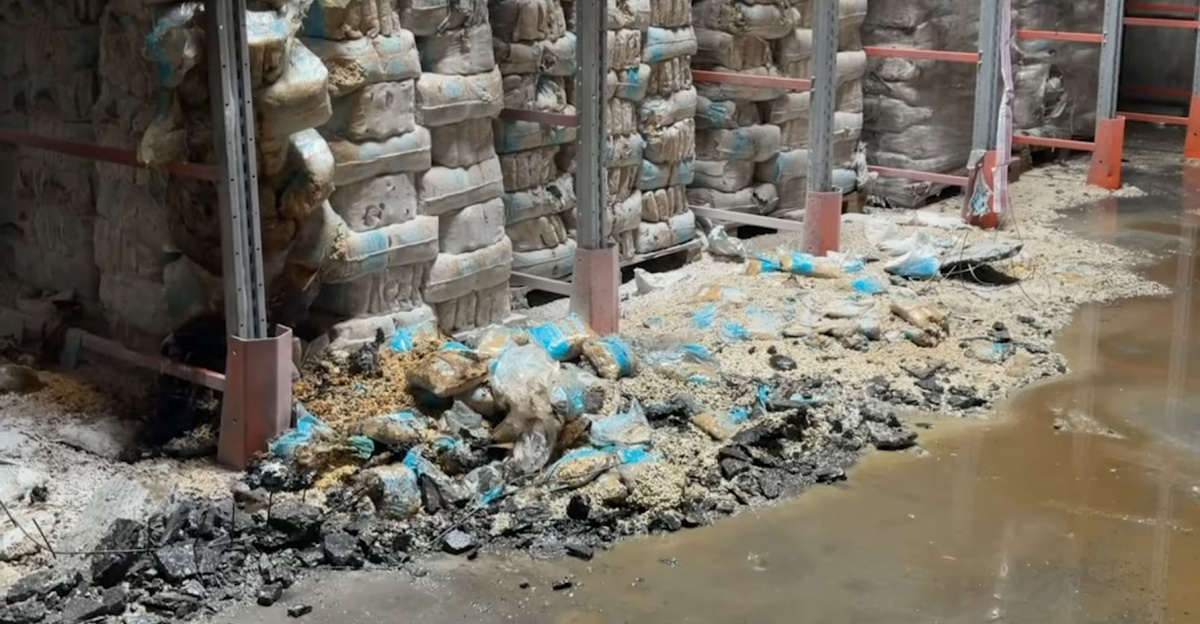
Repeated Ukrainian attacks have added a human dimension to the disruption. Reports from independent and Ukrainian outlets indicate that Russia’s largest Shahed assembly facility in Tatarstan is now struggling to retain staff after multiple strikes. Technicians and other specialists are described as increasingly unwilling to work at a site they no longer consider safe, with some refusing to return at all.
Labor shortages can slow production even when physical damage is limited. Managers face the dual challenge of restoring damaged infrastructure and convincing wary employees that new protective measures can safeguard them from further attacks. This reluctance among skilled workers underscores how deep strikes can erode output not just through destroyed equipment but through persistent fear.
A Wider Campaign Against Defense and Energy Sites

The Tatarstan attack is part of a wider pattern of Ukrainian operations against Russian defense manufacturers. The Kupol Electromechanical Plant in Izhevsk, which produces air-defense systems and drones, has also been hit by Ukrainian drones, with some strikes causing injuries among workers. These incidents illustrate the physical risks faced by civilians employed at factories tied to Russia’s war effort and highlight how the conflict’s front lines effectively run through industrial zones far from Ukraine.
Ukraine has also broadened its campaign to include ports, airfields, and other logistics nodes associated with importing and launching Shahed drones. Sites around the Caspian Sea and air bases used as drone hubs have reportedly been targeted to disrupt shipping routes, storage facilities, and launch infrastructure. Each successful strike adds friction to Russia’s logistics, increasing costs and delays across the drone supply chain.
In parallel, Ukrainian long-range drones have repeatedly struck Russian oil refineries and fuel depots. By early 2025, these attacks had reportedly taken a meaningful share of refining capacity offline for varying periods. Combined with sanctions and pressure on Russian maritime exports, such attacks seek to cut into state revenues that support military production, including drone programs and air-defense systems.
Security, Economy, and Future Risks
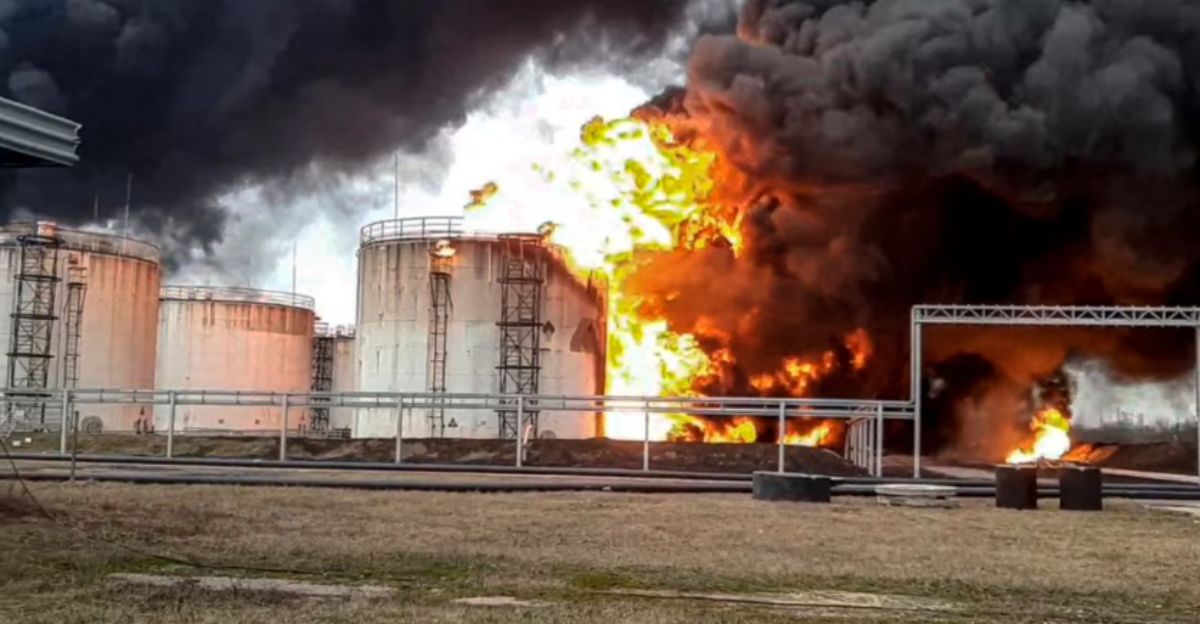
Ukraine’s demonstrated ability to hit targets deep in regions such as Tatarstan has forced Russian authorities to reconsider how they deploy air defenses. Systems previously concentrated near front-line areas and major cities are increasingly needed to protect industrial plants, refineries, and key logistics hubs in the interior. This reallocation stretches resources and requires difficult decisions about which assets receive priority protection.
The economic impact is layered on top of these security challenges. Damage to drone plants, refineries, and ports can reduce export volumes, disrupt internal fuel supplies, and force expensive repairs and security upgrades. Even temporary shutdowns can ripple through broader supply chains, affecting production schedules, regional employment, and state tax revenue. Analysts are watching Russian energy exporters, logistics operators, and defense suppliers for signs of sustained disruption and cost increases linked to these deep strikes.
Inside Russia, communities near affected industrial zones have become more aware that military-linked facilities can draw hostile fire. Explosions, emergency responses, and tightened security have reshaped how residents in places like Tatarstan and Izhevsk view their own safety. Some factory workers are weighing whether jobs that once seemed distant from the front are worth the heightened risk, adding social and political pressure on local officials and plant management.
The campaign has also revived legal and ethical debates over what constitutes a legitimate target. Ukrainian officials argue that drone factories, logistics hubs, and energy facilities feeding the war effort are lawful objectives because they directly enable strikes on Ukrainian territory. Russian authorities counter that such attacks constitute terrorism against civilian economic assets. Analysts note that modern conflicts often blur lines between civilian industry and military support, especially in dual-use facilities that serve both commercial and defense roles.
Beyond the immediate conflict, Ukraine’s use of relatively low-cost long-range drones against high-value targets sends a wider signal about the vulnerability of rear areas in contemporary warfare. The need to defend and repair critical infrastructure may accelerate global demand for advanced air-defense systems and hardened industrial designs, as governments reassess how secure their own strategic installations really are.
As Ukraine continues to refine its long-range drone capabilities and Russia adapts its defenses, strikes on industrial and energy infrastructure deep inside Russian territory are likely to remain a central feature of the conflict. For Moscow, the challenge will be to protect key facilities, keep skilled workers on the job, and manage the economic strain. For Kyiv, the objective remains to impose mounting costs on Russia’s war machine while demonstrating that distance alone no longer guarantees safety.
Sources:
Euromaidan Press, 27 Aug 2025: “Russia’s largest Shahed drone factory in Tatarstan too dangerous to staff after repeated Ukrainian strikes”
Independent reporting on Kupol strike, 2 Jul 2025: Coverage of Ukrainian drone strike on Kupol Electromechanical Plant in Izhevsk (various outlets including Reuters, Kyiv Independent)
Reuters via Atlantic Council, early 2025: “Russia’s war economy under strain: Drone strikes and sanctions hit energy sector” (Atlantic Council analysis)
Major Western outlet, 2024–2025: General reporting from BBC, Reuters, The Guardian on Ukraine’s deep strikes (e.g., “Ukraine’s drones reach deep into Russia”)
Independent outlets, 2024: Reports on strikes at Port Olya and Primorsko-Akhtarsk (e.g., Kyiv Post, OSINT sources)
Ukrainian security service statements, 2024–2025: SBU announcements on operations (official SBU channels)