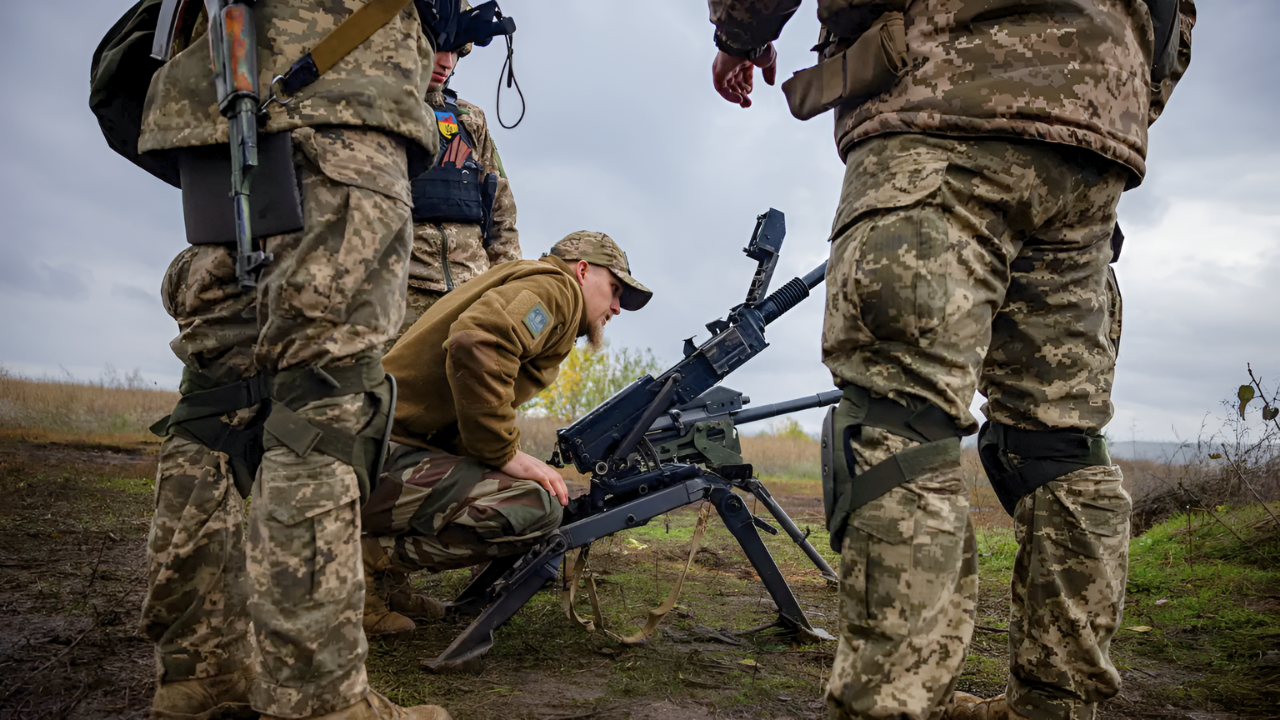
In November 2025, Russian troops sharply stepped up attacks around Lyman, repeatedly trying to punch through Ukrainian lines toward nearby villages such as Novovodiane, Kolodiaz, and other frontline settlements. On 17 December alone, Ukrainian officials reported 15 separate Russian assault attempts in this sector, underscoring how urgently Moscow wanted a breakthrough toward Sloviansk.
Despite this pressure, Ukrainian units held their ground under constant drone surveillance, artillery fire, and infantry probes, turning the forested terrain into a brutal close-quarters battlefield. That relentless tempo set the stage for Ukraine’s sudden counterstrike.
Lyman’s Hard-Fought Legacy
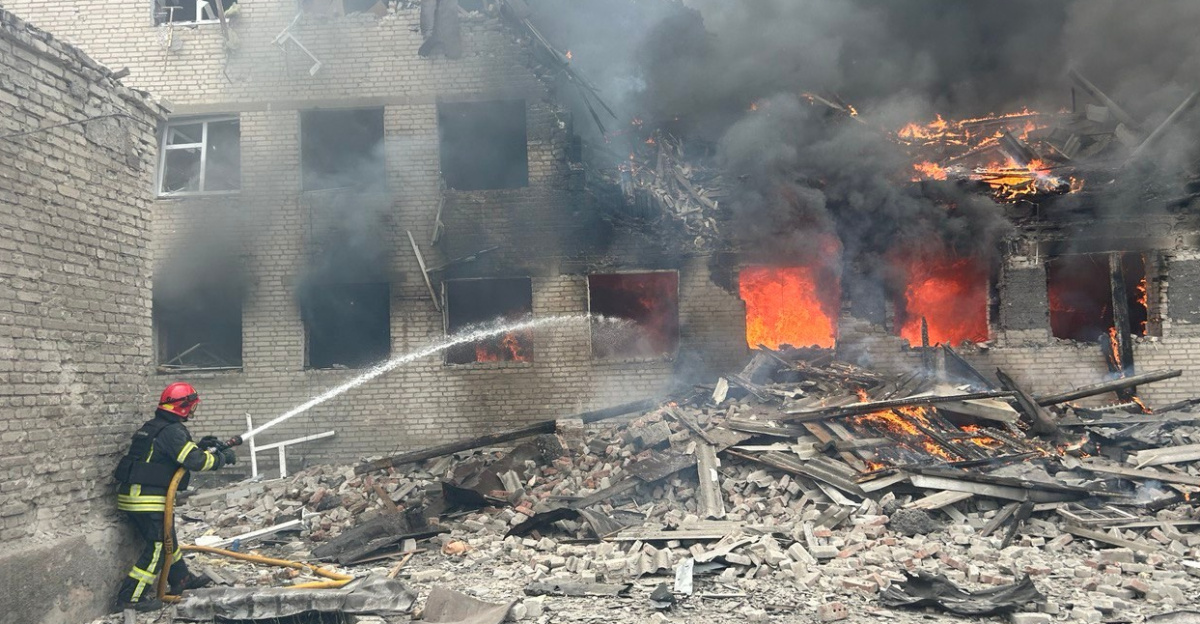
Lyman, once a quiet town of about 20,000 people before the war, became a symbol of the swing and shock of this conflict. Russian forces seized it in May 2022, only to lose it that October when a rapid Ukrainian offensive in Kharkiv and Donetsk oblasts pushed them back and recaptured the town.
Since then, the neighboring Serebianskyi Forest has turned into a killing ground, with Russian troops digging into tree lines and sending wave after wave of mobilized soldiers into the woods. By 2025, Russian units had pushed gradually closer to Lyman, relying heavily on first-person-view (FPV) drones to spot Ukrainian positions and adjust fire, while Ukrainian defenders used the same technology to blunt those advances.
Russian Push Intensifies
Through the summer and autumn of 2025, Russian forces slowly advanced through sections of the Serebianskyi Forest, inching the front line ever closer to Lyman and bringing Ukrainian positions fully into FPV drone and artillery range. At the same time, Russian progress around nearby Siversk raised the stakes, as control of Lyman helps shield Sloviansk from the north.
Ukrainian brigades fought to hold key high ground near villages like Zakitne, where even small ridgelines can decide whether a unit survives a bombardment. All of this unfolded as Moscow concentrated an estimated 710,000 troops across the wider theater, according to Ukrainian Commander-in-Chief Oleksandr Syrskyi, who said Russia had expanded its grouping in Ukraine “to around 710,000 troops to conduct a strategic offensive.”
Regiment Revealed in the Forest
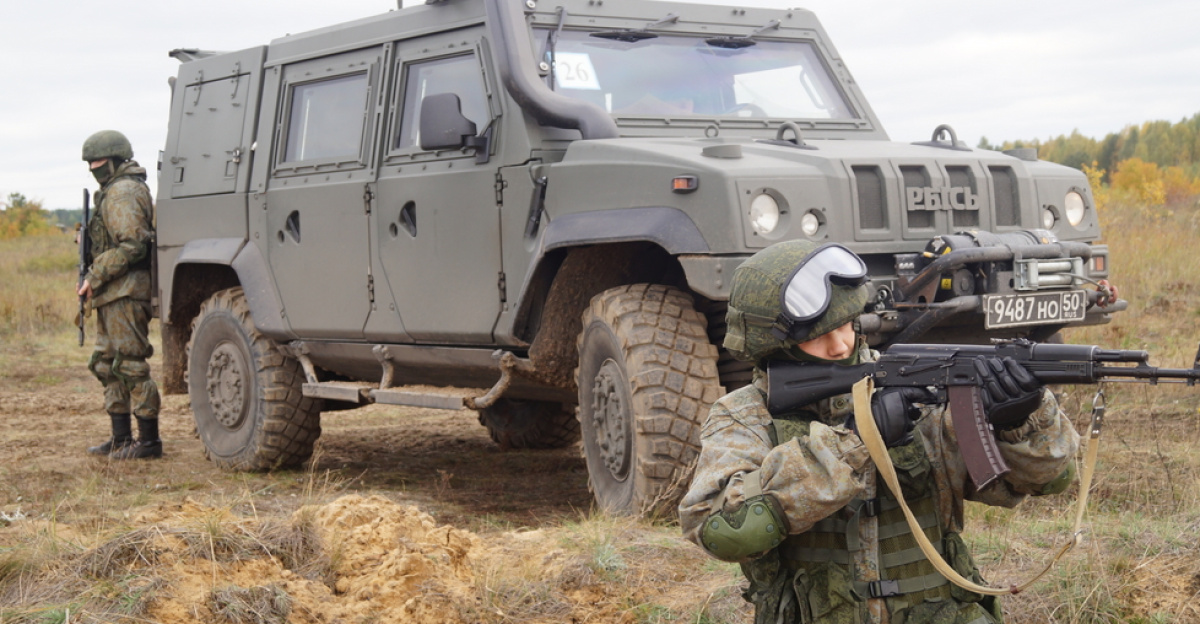
That moment came in mid-December. On 18 December 2025, Ukraine’s Third Army Corps, working closely with the Defence Intelligence of Ukraine (HUR), launched a coordinated assault and encirclement in the Serebianskyi Forest near Lyman. According to the Third Army Corps, their forces destroyed what they describe as an entire Russian regiment, a formation that on paper can number roughly 2,000 troops.
It was the first time since early in the full-scale war that Ukrainian officials had claimed to wipe out a full regiment in a single operation, and they say the unit was left combat-ineffective. The Third Army Corps reported that a “significant number” of Russian soldiers were either killed or captured, calling the mission an operational-tactical success that changed the local balance of forces. Independent verification remains limited, but the scale of the claim has drawn wide attention.
Front Line Straightened
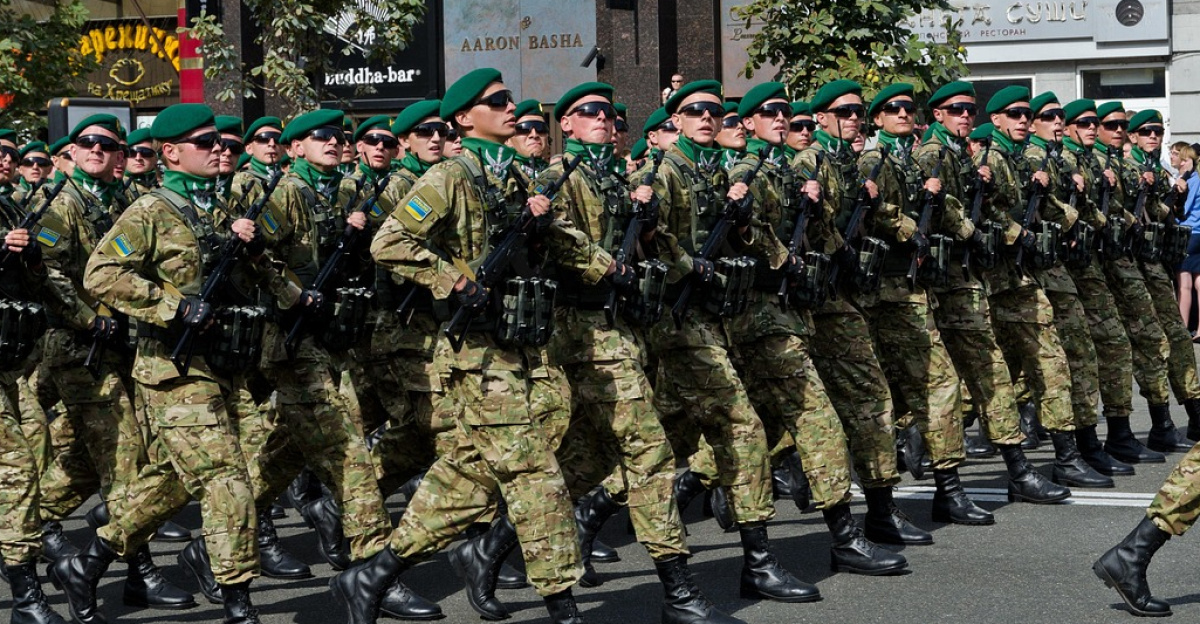
Ukrainian commanders say the operation did more than destroy a single enemy unit: it reshaped the local map. The Third Army Corps reported that its counterattack “stabilized the front line and improved tactical positioning” in the Lyman direction, effectively straightening a previously exposed bulge in the front.
In practical terms, that means Ukrainian troops are now holding more favorable ground, with fewer dangerous salients that Russian forces can attack from multiple sides. In the thick Serebianskyi Forest, where every tree line can hide an ambush, this change reduces the room Russian units have to maneuver or rotate fresh troops into the fight.
Captives Taken in the Trap
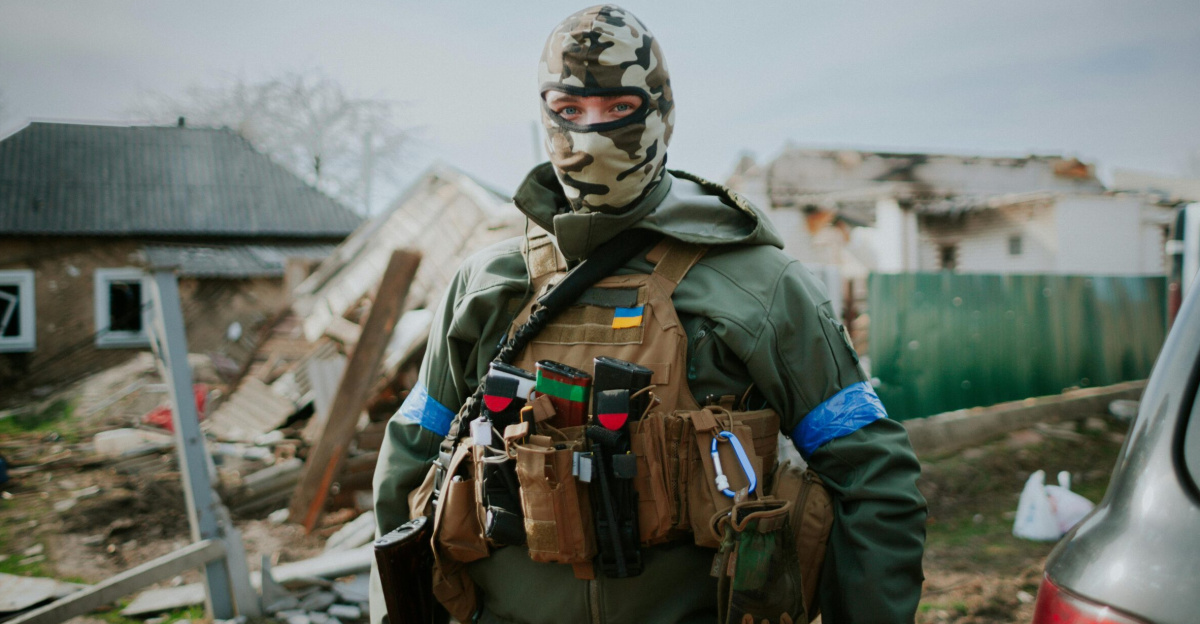
During the same operation, Ukrainian forces captured an undisclosed number of Russian soldiers from the regiment, adding a psychological component to the battlefield success. Reconnaissance by HUR’s special forces unit Artan helped set the trap, guiding assault units through the forest and identifying vulnerable Russian positions.
Ukrainian media released footage that they say documents the actions of the 3rd Reconnaissance Battalion, the 2nd Mechanized Battalion of the 3rd Assault Brigade, the Fatum unit of the 60th Mechanized Brigade, and Artan operating together.
Commanders Hail Joint Operation
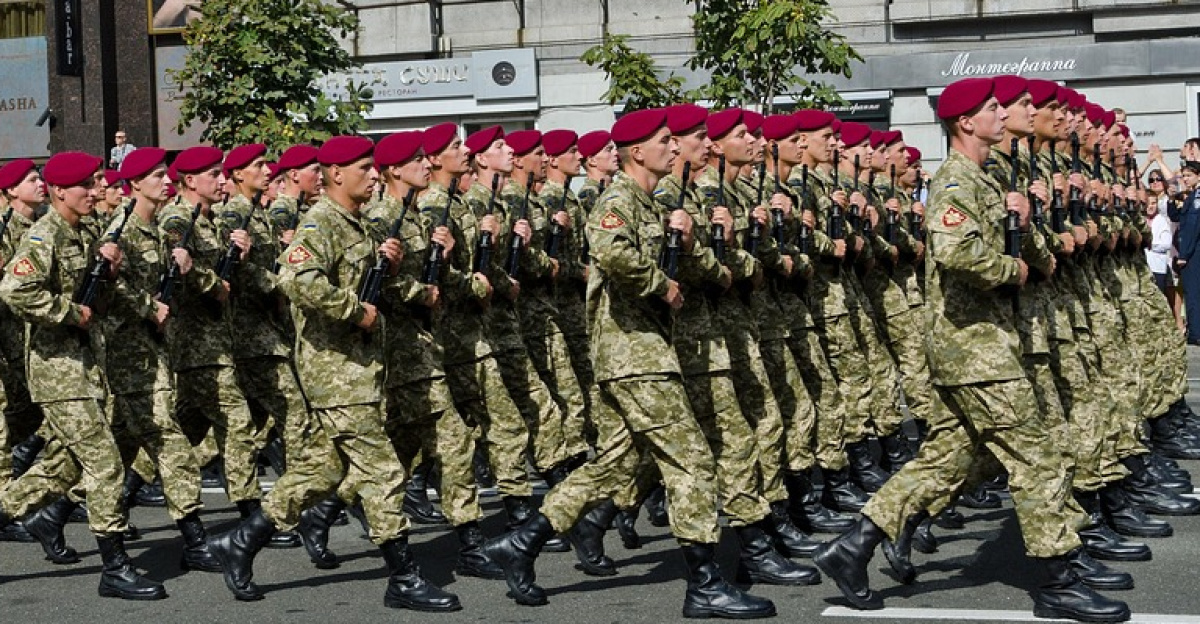
Senior commanders moved quickly to frame the strike as a model of joint planning. General Andriy Biletsky, commander of the Third Army Corps, said that “together with the HUR, we achieved an operational-tactical result in the Lyman direction,” stressing that partnership between army units and intelligence “yielded tangible results.”
He linked the Lyman action to earlier wartime episodes, invoking what he called a tradition of “lending each other a brotherly shoulder,” from operations near Moshchun to risky helicopter flights to besieged Mariupol.
Russia Loses Forest Foothold
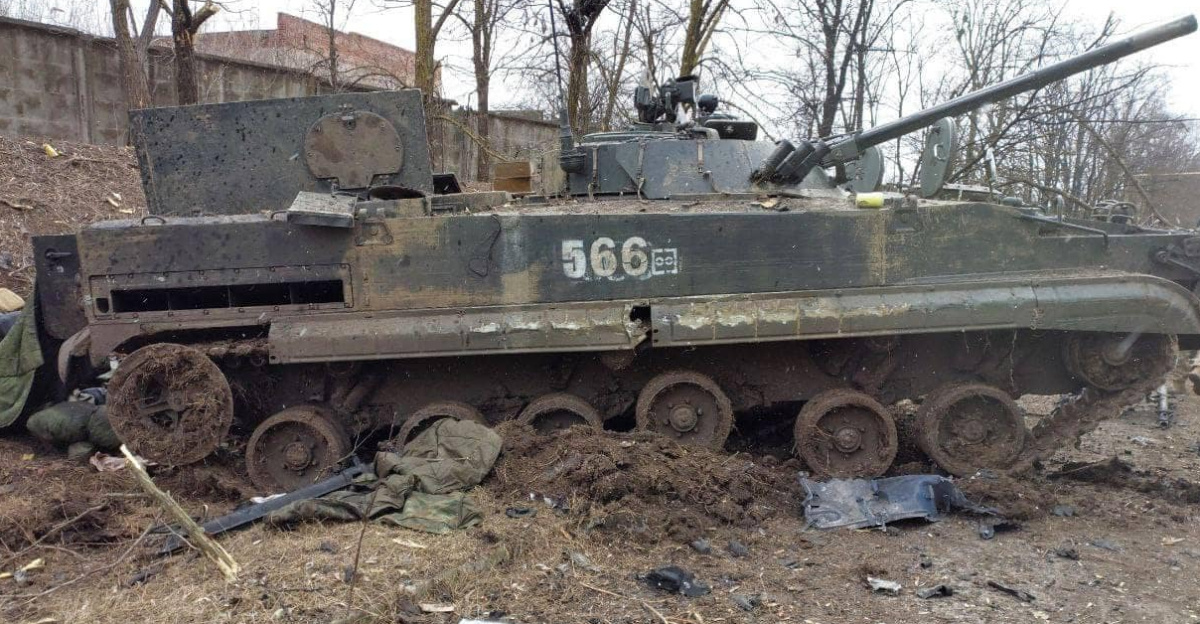
The claimed destruction of the regiment has left Russian forces scrambling to hold their positions in and around the Serebianskyi Forest, according to Ukrainian officials and independent military monitors. With one of their main assault formations degraded, Russian units reportedly face exposed flanks and reduced ability to maneuver under fire in this wooded sector.
Analysts at the Institute for the Study of War (ISW) and other groups have noted that Russia’s Northern Grouping and similar formations have been strained by losses and limited rotation of frontline units. The threat from Ukrainian drones and artillery has also complicated Russian logistics, making it harder to safely resupply troops pushing toward Sloviansk.
Strategic Stakes in Donetsk
The battle for Lyman is not just about one town or forest; it is part of a larger struggle over control of Donetsk Oblast’s key transport and logistics hubs. Sloviansk, in particular, serves as a crucial node in Ukraine’s defensive network in the east, and ISW has repeatedly described Lyman’s defense as a precursor to safeguarding Sloviansk.
Against the backdrop of Russia’s expanded grouping of roughly 710,000 troops committed to the war, Ukraine has aimed to blunt attacks in places like Lyman to prevent a cascading collapse of the front. Ukraine’s General Staff, meanwhile, has reported massive Russian equipment losses over the course of the invasion, including thousands of destroyed tanks and armored vehicles, evidence of the war’s grinding attrition.
Russian Maneuver Power Crippled
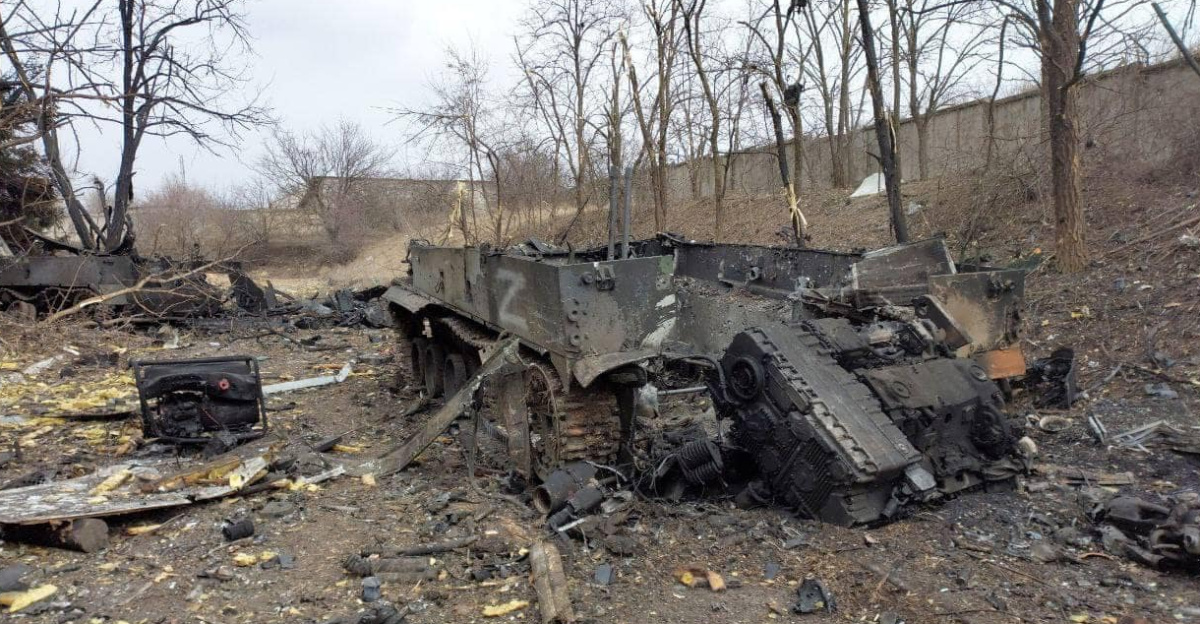
Ukrainian and independent reports suggest that the regiment’s destruction did not come out of nowhere; instead, it capped months of smaller Ukrainian attacks that gradually wore the unit down. From August through autumn, Ukrainian forces reportedly conducted repeated strikes, ambushes, and artillery attacks that eroded Russian cohesion in the forest.
By mid-December, Ukrainian commanders had an opportunity to deliver what one analysis described as a “culminating blow,” transforming a grinding campaign into a sudden rout. In military terms, Russia lost more than manpower: it lost coherent control of a key forest corridor, limiting its ability to reinforce, rotate, or reposition troops quickly in this sector.
Russian Recoil and Frustration

On the Russian side, the fallout has fed public frustration among pro-war military bloggers, who have complained of exhausted units and slow, costly advances around Lyman. Some of these commentators highlight that many Russian formations have not been adequately rotated off the frontline, leading to burnout and higher casualty rates.
Reports of large groups of Russian prisoners taken near Lyman add to the sense of strain, signaling that morale in certain units may be cracking under pressure. Moscow has long labeled Sloviansk a priority, but without this regiment, its ability to mount a decisive push from the Lyman direction appears weakened, at least in the short term.
Leadership Looks Ahead
While Russian officials have remained largely silent on the reported defeat near Lyman, Ukrainian leaders are already looking at how the operation’s model could be replicated elsewhere. Footage released by HUR and Ukraine’s Third Army Corps highlights elite units like Artan working alongside regular brigades, reflecting an increasingly integrated approach to planning and execution.
Commentators in Ukrainian media suggest that this joint-operations template, combining intelligence, drones, mechanized infantry, and special forces, could be scaled to pressure other sections of the front.
Ukrainian Advances Consolidate
On the ground, Ukrainian troops are now working to hold and deepen the gains achieved near Lyman. Officials from the Third Corps have hinted at ongoing and future operations aimed at sustaining pressure on Russian positions rather than allowing them time to rebuild.
With the front line straighter and more stable, Ukrainian commanders can reorganize units, rotate exhausted soldiers, and reinforce vulnerable spots, while also deploying more drones to monitor any Russian attempts to regroup. Ukrainian military outlets describe efforts to improve fortifications and logistics in the newly secured areas, turning tactical success into a more durable defensive belt.
Skeptics and Verification
Despite the dramatic nature of Ukraine’s claims, military analysts caution that independent verification is still needed to fully confirm the scale of the regiment’s destruction. Organizations that track the war, including ISW, typically rely on satellite imagery, geolocated videos, and corroborating reports to validate big battlefield claims, a process that can take days or weeks.
As of late December, ISW had not recorded any significant new Russian advances near Lyman following the reported operation, suggesting at minimum a pause or disruption in Moscow’s local offensive. At the same time, experts warn that Russia’s war economy continues to churn out men and materiel, even as unit gaps and casualty figures grow.
What Lies Ahead in Lyman
The big question now is whether this blow in the Serebianskyi Forest becomes a real turning point or just one sharp episode in a long, grinding campaign. Ukrainian forces hope the loss of an entire regiment will slow, or even derail, Russia’s plan to push from Lyman toward Sloviansk, at least long enough to regroup and prepare fresh defenses.
Russian commanders may respond by pulling in reinforcements from other sectors, intensifying artillery and drone strikes, or opening new axes of attack to stretch Ukrainian resources. Much will depend on whether joint operations like the Third Corps–HUR assault become more common, reshaping how Ukraine fights in 2026.
Sources:
Kyiv Independent, Ukrainian forces counterattack near Lyman, claim Russian regiment destroyed, December 18, 2025
United24 Media, Ukrainian Forces Break Russian Lines Near Lyman, Eliminate Entire Regiment, December 17, 2025
RBC-Ukraine, Ukraine’s forces wipe out Russian army regiment, capture troops on Lyman front, December 17, 2025