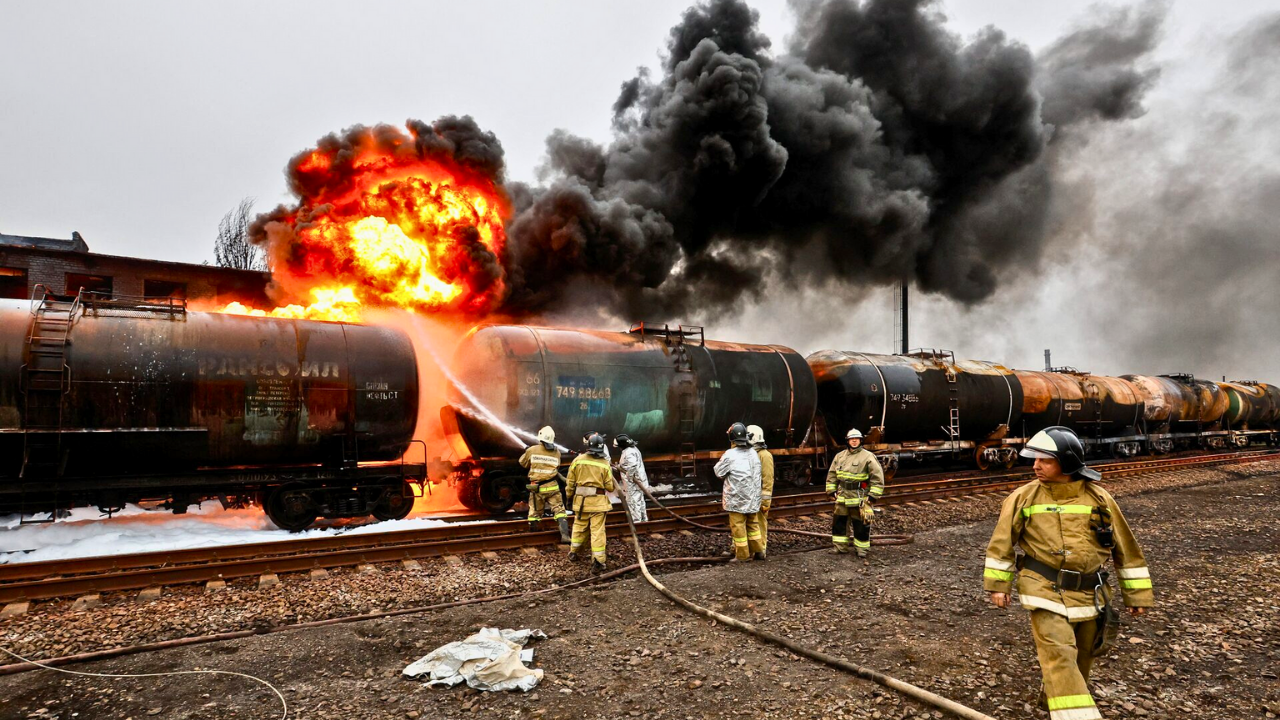
In the dead of night, columns of orange flame licked the sides of heavy red-and-grey locomotives as sabotagers struck deep inside Russia. Dozens of rail engines used to haul bombs, ammunition and equipment toward the Ukrainian front were ignited in a daring operation by the Freedom of Russia resistance movement.
Confirmed by Ukraine’s Main Intelligence Directorate (GUR) on 6 November 2025, the attack rattled Moscow’s war machine from within.
Why Did the Sabotage Occur?
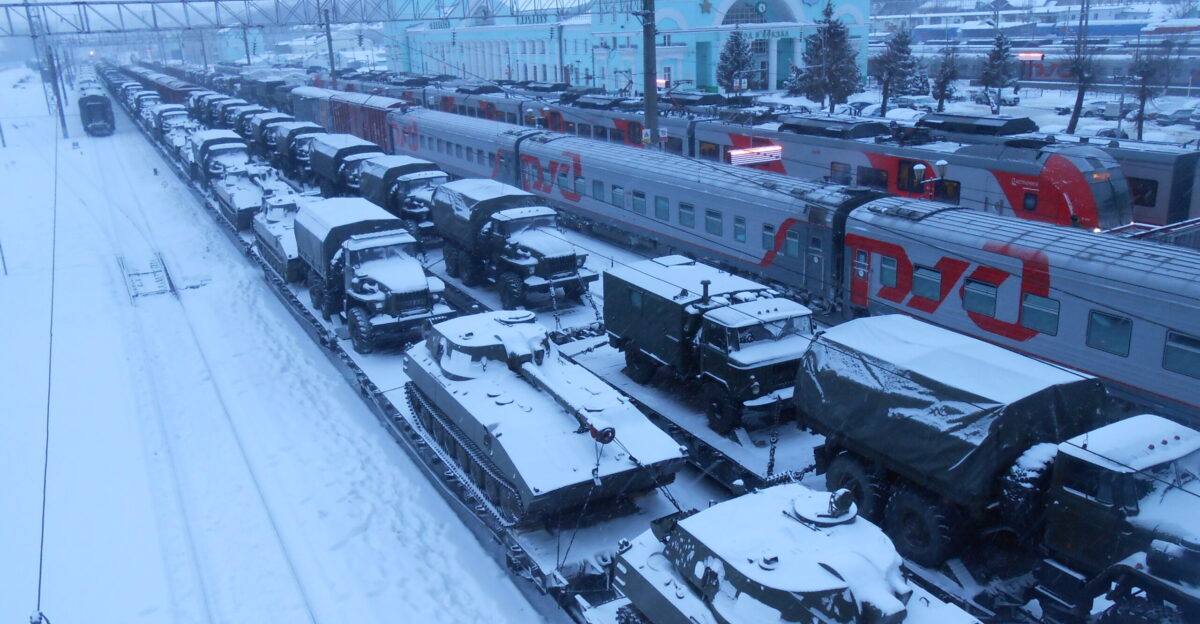
What drove this incendiary wave of rail sabotage? The Freedom of Russia movement—active since the full-scale invasion in February 2022—targeted locomotives that carried weapons and ammunition toward the front lines.
Their motive: to undermine Kremlin war logistics, impose strategic burdens on the Russian military supply chain, and expose cracks inside what Moscow claims is an unshakeable war effort.
Immediate Impact on Russian Supply Chains
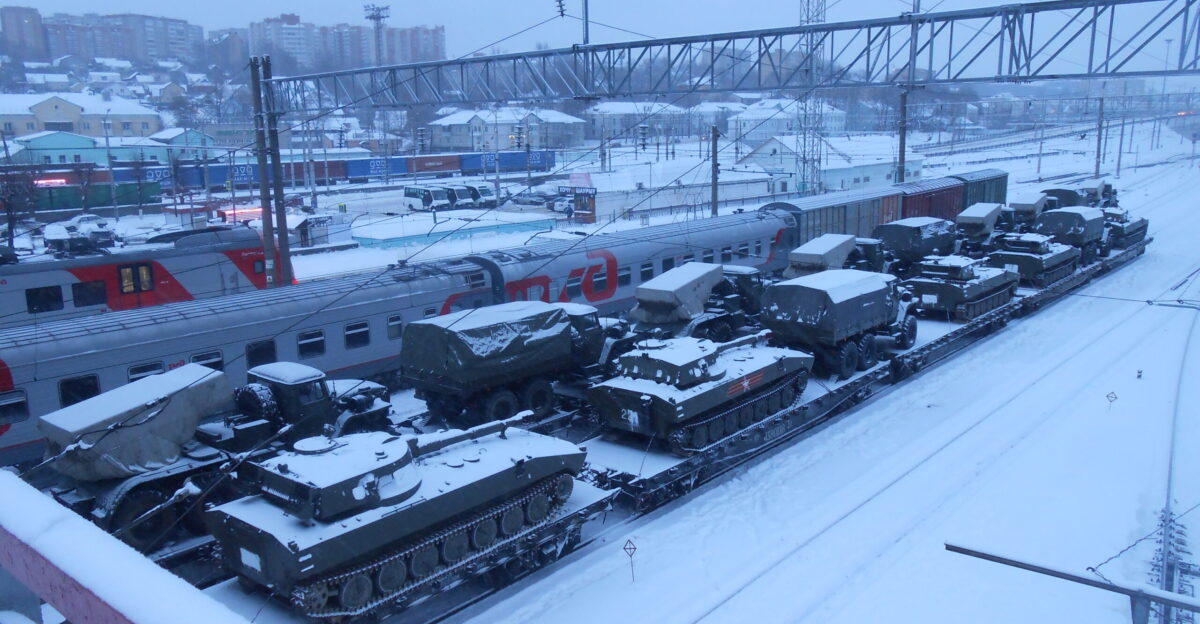
The effect was swift. By destroying dozens of locomotives, the resistance disrupted trains carrying military cargo—delaying or rerouting supplies of weapons, ammunition, and heavy equipment.
According to Ukrainian intelligence, the strikes significantly hindered Russian resupply efforts and forced adjustments in logistics planning.
Method of Attack

How did they strike? Partisans from the resistance deployed incendiary devices—including Molotov cocktails—to target the control and power-supply systems of locomotives.
Multiple locations inside Russia were hit simultaneously, showing coordination and reach that surprised analysts and Moscow alike.
Scale of Disruption
The operation was not a single flash-in-the-pan but a network of strikes: “dozens” of locomotives destroyed across different railway facilities within Russia.
This coordinated scale stresses the organizational capacity of the resistance movement and poses real headaches for the Russian railway system to respond.
Strategic Significance
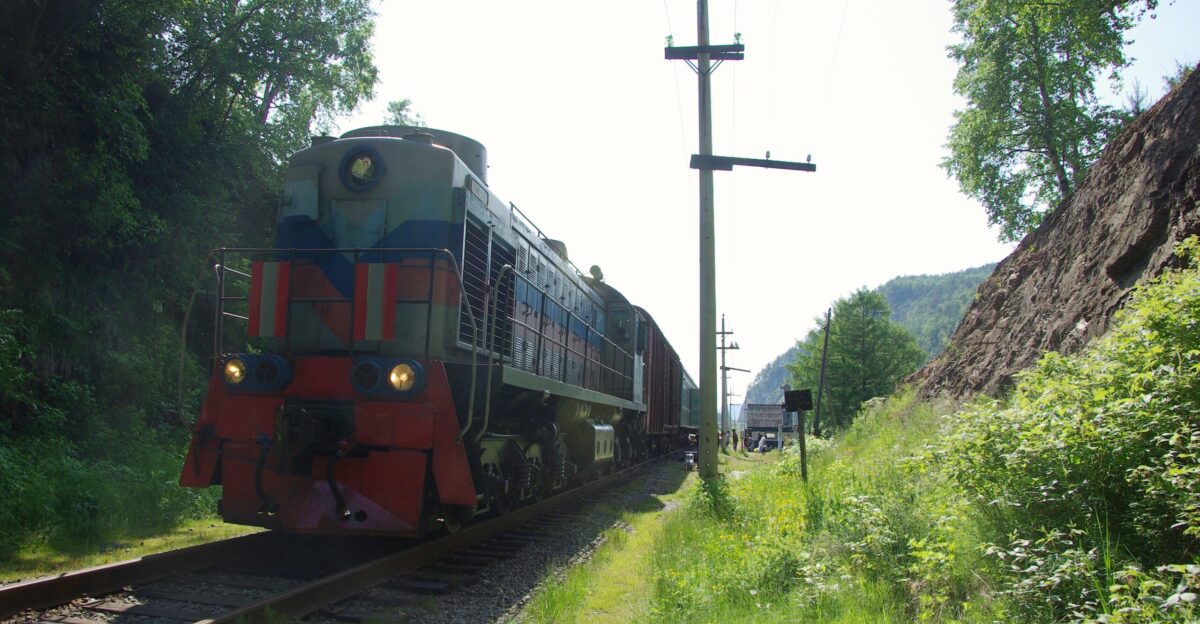
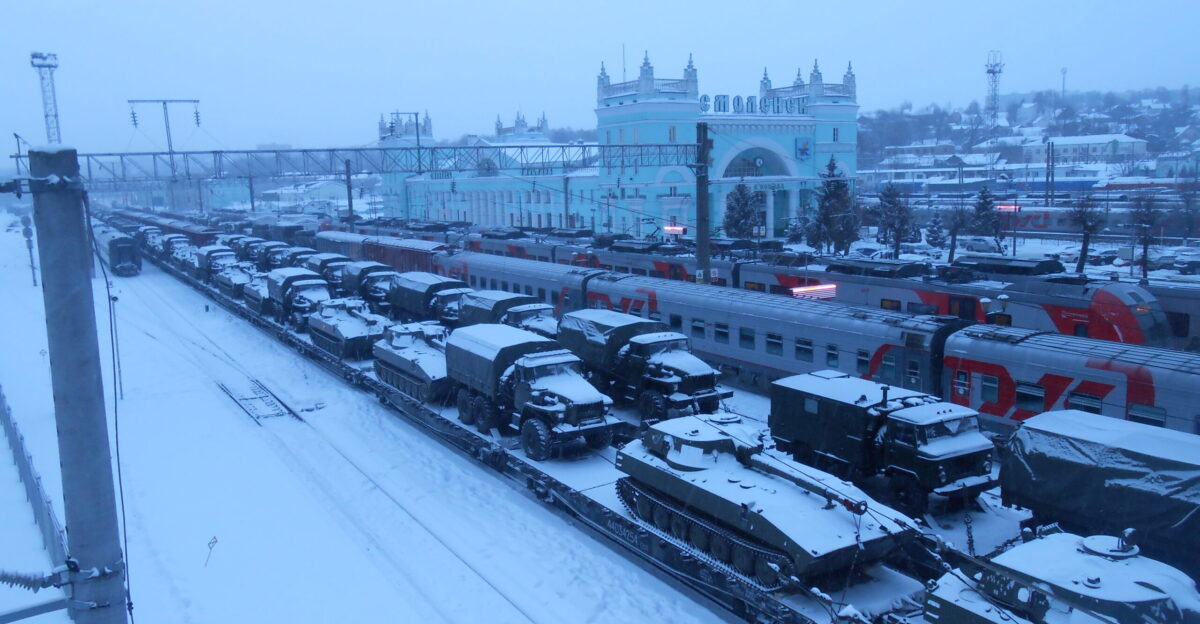
Railways remain the backbone of heavy logistics for Russia’s war machine—moving tanks, artillery, and tons of ammunition to front-line units.
By hitting that backbone, the resistance exposed a key Achilles’ heel in Russia’s system and amplified the impact of this strike well beyond the rail yard.
Human Story: Resistance Fighters and Rail Workers
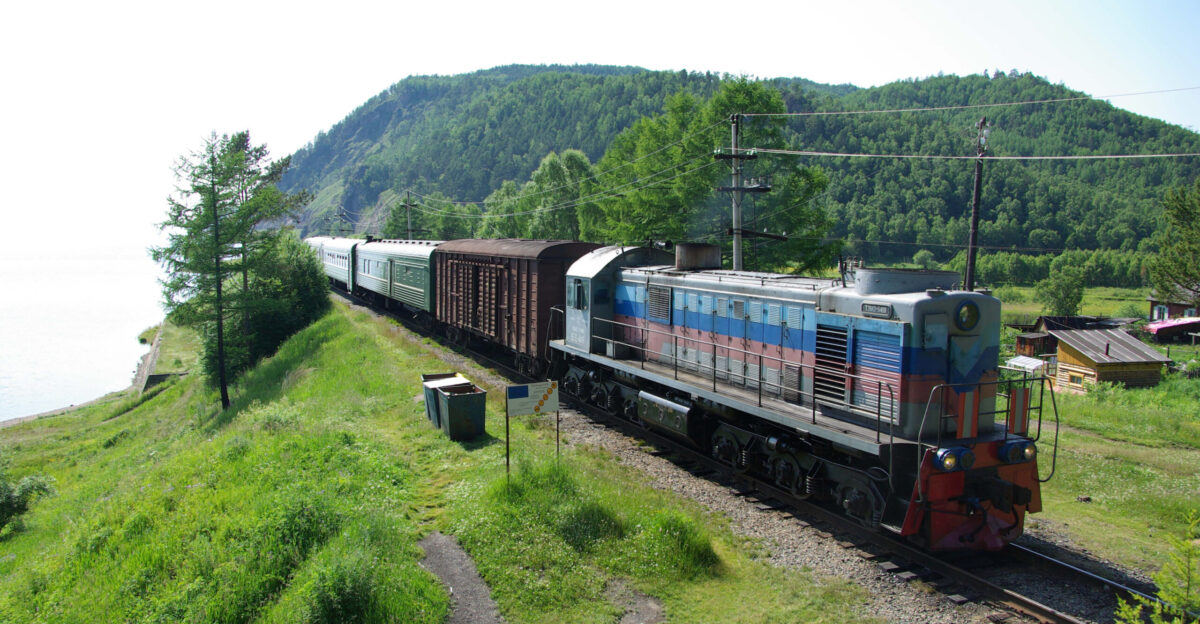
Behind the statistics are partisans risking everything to strike deep inside Russia. Their actions reveal desperation, courage, and a belief that the Kremlin’s war can still be resisted from within.
Meanwhile, railway staff operated amid heightened danger, aware their work underpins the war effort they oppose. The human cost of dissent in wartime has rarely felt so stark.
Ukrainian Intelligence Confirmation
The strike was formally confirmed by Ukraine’s Main Intelligence Directorate (GUR) on 6 November 2025, which released video evidence and acknowledged the role of the Freedom of Russia movement.
The announcement also served as proof of internal fractures within Russia, amplifying the psychological effect of the sabotage.
Operational Coordination
Executing simultaneous attacks on vital railway infrastructure inside Russia required careful planning: reconnaissance, synchronized timing, secure communications—and the ability to slip away undetected.
These strikes suggest a high level of organization and operational sophistication within the Freedom of Russia resistance.
Historical Context
Rail sabotage during wars is not new—but what is novel is Russians fighting against their own regime’s supply lines. The “fire and rails” tactic echoes WWII resistance methods.
In this case, however, it’s internal Russian opposition striking at the logistical arteries of Putin’s war machine—a historic fracture rarely seen in modern conflicts.
Security Implications

These strikes open a broader debate about targeting infrastructure: while these trains were military, the attacks occurred on Russian soil.
Russian authorities have prosecuted more than 130 individuals for similar sabotage, branding them as terrorists, while Ukrainian outlets hail them as freedom fighters. The episode spotlights vulnerabilities in Russia’s railway security and the moral fog of wartime sabotage.
Resistance Movement Evolution

What once were isolated acts of defiance have evolved into coordinated, infrastructure-targeted operations. The Freedom of Russia movement has matured from local disruptions to major logistical blows.
Its evolution signals that anti-Kremlin resistance inside Russia is both organized and increasingly strategic in its approach.
Impact on Military Logistics
For Russia’s military planners, the attack raises serious questions: how secure are railway supply routes? How quickly can heavy equipment be rerouted if locomotives are destroyed?
These disruptions ripple through the entire logistics chain—reducing reliability, increasing costs, and complicating front-line operations.
Information Warfare Dimension
Beyond physical damage, the public confirmation of the operation by Ukrainian intelligence serves a strategic purpose: it challenges Moscow’s image of internal unity.
Each burned locomotive becomes a weapon in the information war—proof that resistance exists within Russia, and that Putin’s war faces threats from both outside and within.
What’s Next? Forward Reflection

This sabotage marks a turning point in the war’s logistical front. The internal resistance movement has shown it can strike deep, coordinated, and effectively.
As partisans gain confidence, Russia may face further disruptions across its critical infrastructure, forcing the Kremlin to fight not just on Ukraine’s front lines—but within its own borders.