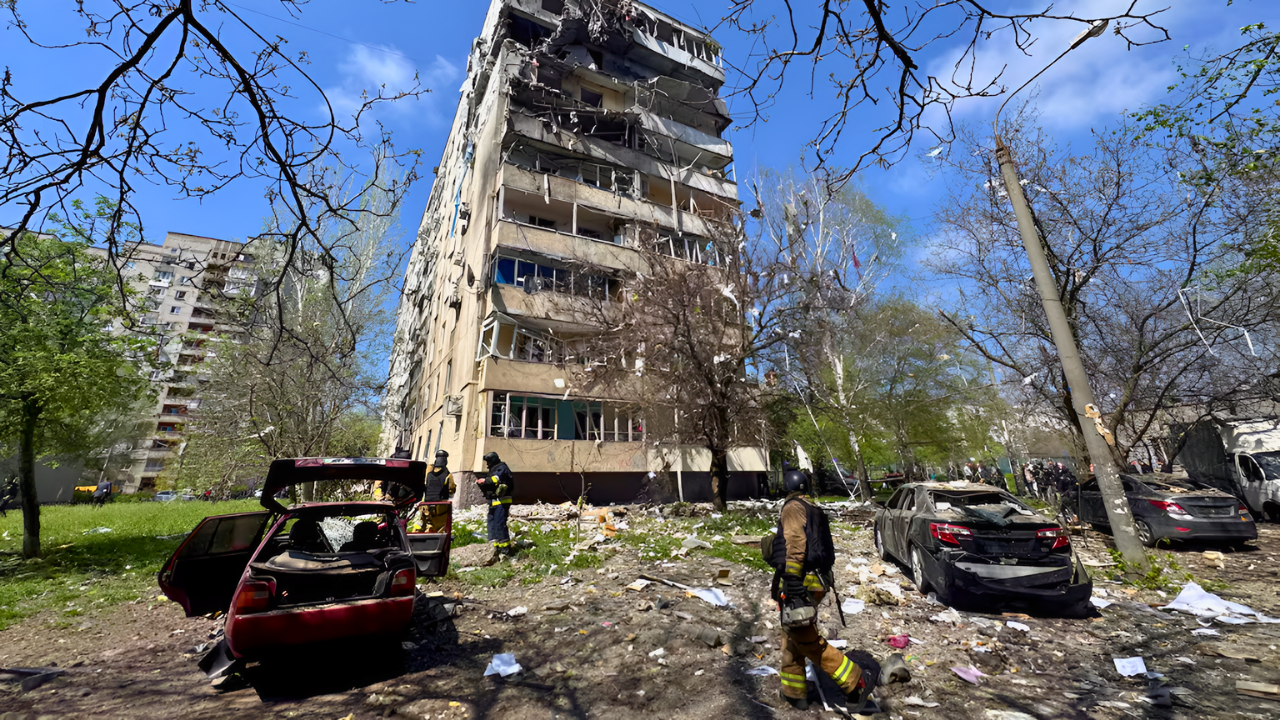
In the freezing dark of January 17, 2026, a coordinated Ukrainian drone strike plunged much of Russian‑occupied Zaporizhzhia into blackout, crippling the region’s electricity grid in a matter of minutes.
Local Russian-installed officials said more than 200,000 people lost power as critical energy sites were hit and roughly three-quarters of the occupied area was affected. The attack did not just switch off lights; it revealed how vulnerable Moscow’s occupation infrastructure has become under persistent Ukrainian pressure.
A Night of Precise Drones
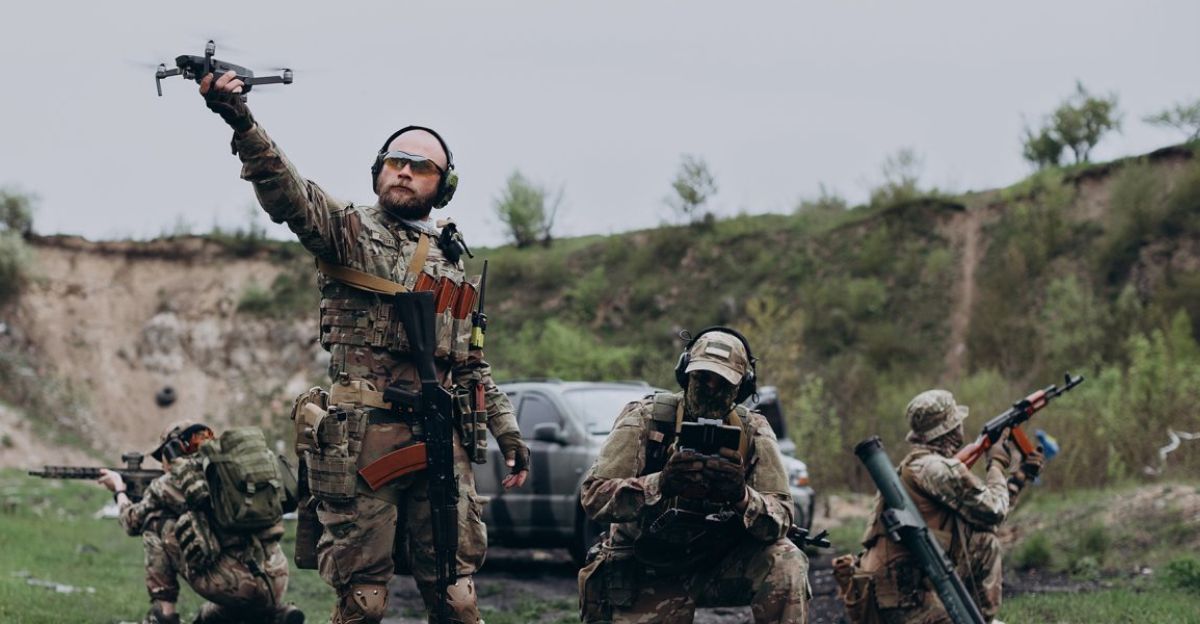
As the attack began just after midnight, residents across southeastern Zaporizhzhia reported sudden flashes on the horizon, followed moments later by power failures rippling through towns and villages. Ukrainian forces used what experts call a drone swarm, many small, low-cost unmanned aircraft launched in waves and programmed to converge on the same set of targets.
According to independent battlefield assessments, several 330-kilovolt substations and related nodes were hit almost simultaneously, triggering a chain reaction that knocked out much of the occupied grid.
A Region Held in the Cold
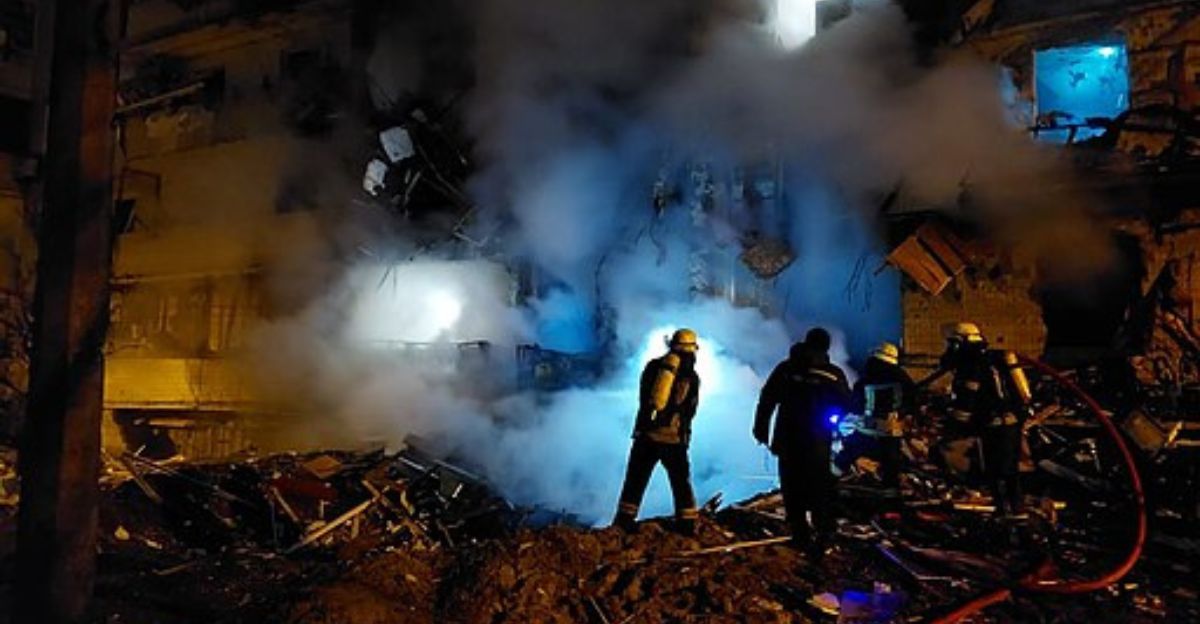
The blackout struck during a severe cold snap, with temperatures well below freezing and many homes already struggling with winter shortages. Russian-appointed governor Yevgeny Balitsky said more than 213,000 consumers, a term that usually covers households, businesses, and public institutions, were cut off, suggesting that several hundred thousand people suddenly had no reliable power.
In apartment blocks and rural houses alike, electric heaters, boilers, and water pumps stopped at once, leaving families scrambling to find candles, gas stoves, or wood to stay warm.
Moscow’s Struggle to Regain Control
Balitsky tried to project calm, saying in a Telegram post that repair teams were working “around the clock” and that restoration was underway, but he did not provide a clear timetable. He acknowledged that nearly 400 settlements remained without electricity the following morning, underscoring the scale of the damage.
Russian emergency services in the south have already been stretched by repeated Ukrainian strikes on fuel depots and substations, and local reports suggest shortages of spare equipment and diesel generators hampered efforts to restart the grid quickly. Analysts say these recurring outages reveal how hard it is for Moscow to protect long, exposed power lines in occupied territory while also supporting its own domestic network under wartime strain.
Ukraine Flips the Script
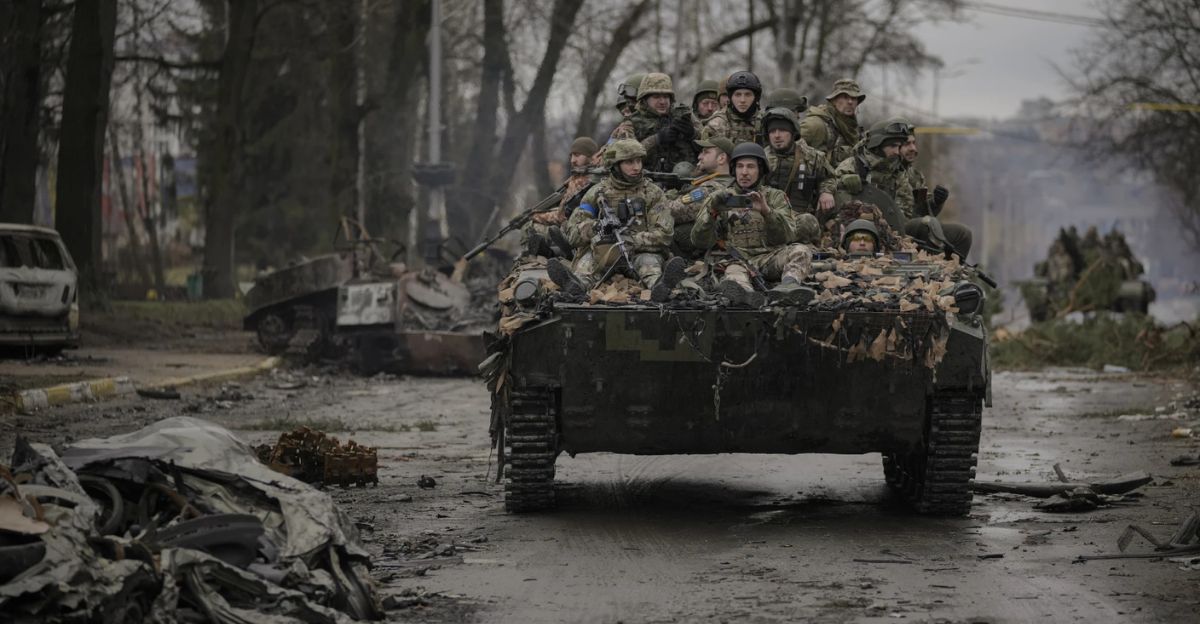
For years, Russia has systematically targeted Ukraine’s power plants, substations, and transmission lines, trying to break civilian morale by plunging cities like Kyiv and Kharkiv into rolling blackouts.
The Zaporizhzhia operation signals a deliberate effort by Kyiv to apply similar pressure on Russian-held areas, not just on frontline troops. Ukrainian officials rarely admit responsibility for strikes in occupied territory, but they have repeatedly framed energy infrastructure used by Russian forces as a legitimate military target.
Drone Warfare on a New Scale
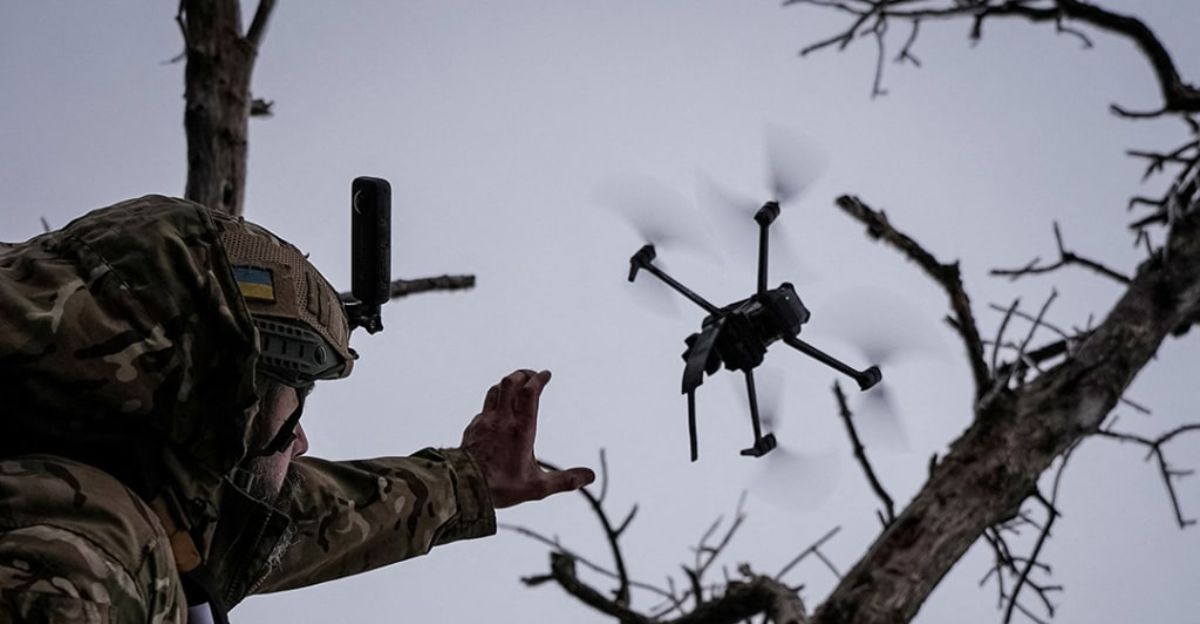
The Zaporizhzhia blackout highlights how quickly drone warfare has evolved from one-off strikes into complex, coordinated campaigns. Military sources describe Ukrainian forces deploying dozens of relatively inexpensive unmanned aerial vehicles in layered waves, each tasked with homing in on specific transformers or switching stations.
Unlike large ballistic or cruise missiles, these small drones can fly low, change routes mid-flight, and strike with enough precision to disable key equipment while minimizing wider blast damage.
Russian Air Defenses Exposed
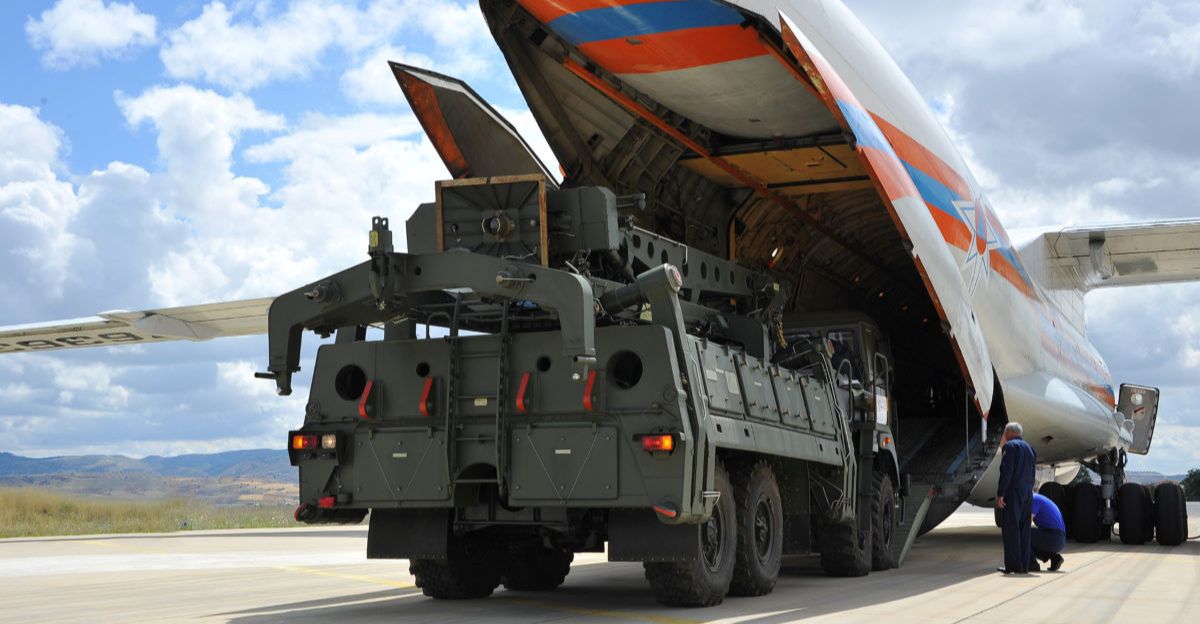
Despite dense air-defense coverage in southeastern Ukraine, including Pantsir and S‑300 batteries, many of the drones still reached their targets. Independent analysts believe Ukrainian planners exploited gaps in radar coverage by sending drones along low-altitude routes and staggering their approaches to overload tracking systems.
Each interception requires expensive missiles or ammunition, and Russian units have already reported shortages after months of defending against both drones and missiles across multiple fronts. The Zaporizhzhia strike adds to growing evidence that even sophisticated Russian systems struggle to fully protect sprawling, fixed infrastructure from agile, massed UAV attacks.
A Humanitarian Crisis Unfolds
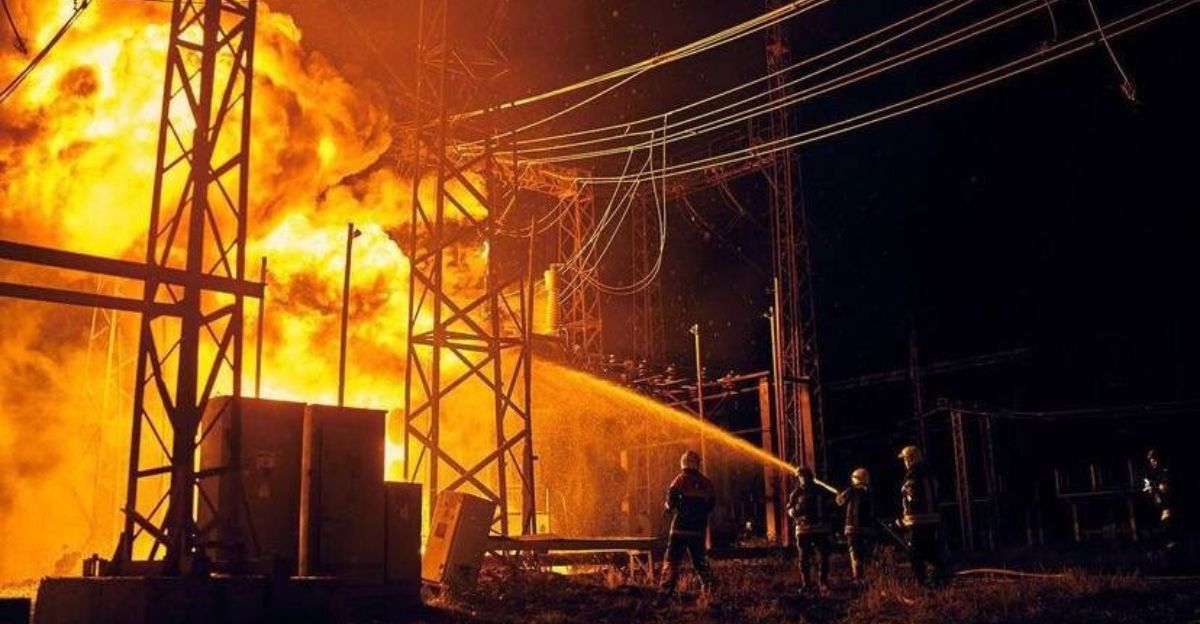
Within a day of the blackout, aid organizations and local volunteers warned of mounting risks for children, older people, and those with disabilities in the occupied areas. Without power, central heating systems in many Soviet-era buildings shut down, and electric cookers, refrigerators, and phone chargers became useless.
Families in smaller settlements reportedly resorted to burning spare wood, rubbish, or even old furniture to keep at least one room warm through the night. Prolonged outages also threaten food security, as freezers thaw and shops struggle to keep supplies fresh or process digital payments.
Ripple Effects Beyond Zaporizhzhia
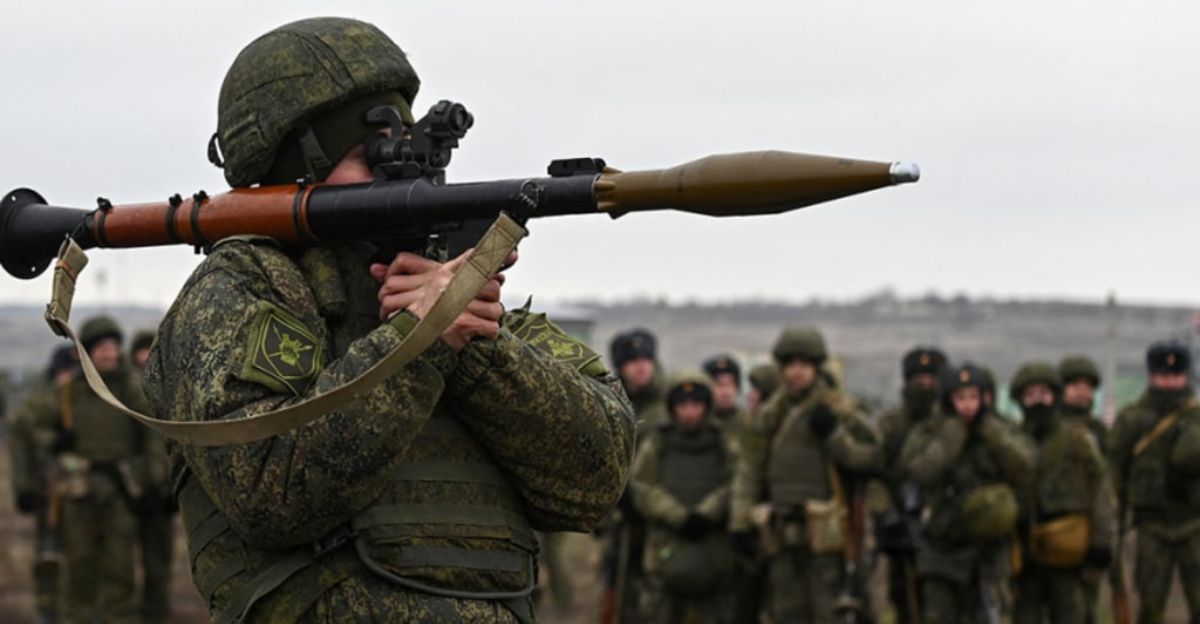
The same night brought more evidence that Ukraine’s drones can reach deep into Russian-controlled and Russian territory. In Russia’s Belgorod region, authorities said a woman was killed and another person wounded when a drone exploded in the village of Nechayevka, damaging homes near the border.
Further south, in North Ossetia, debris from a downed drone struck a residential building in the town of Beslan, injuring at least three people, including two children, and forcing the evacuation of around 70 residents.
Strategic Significance of the Blackout
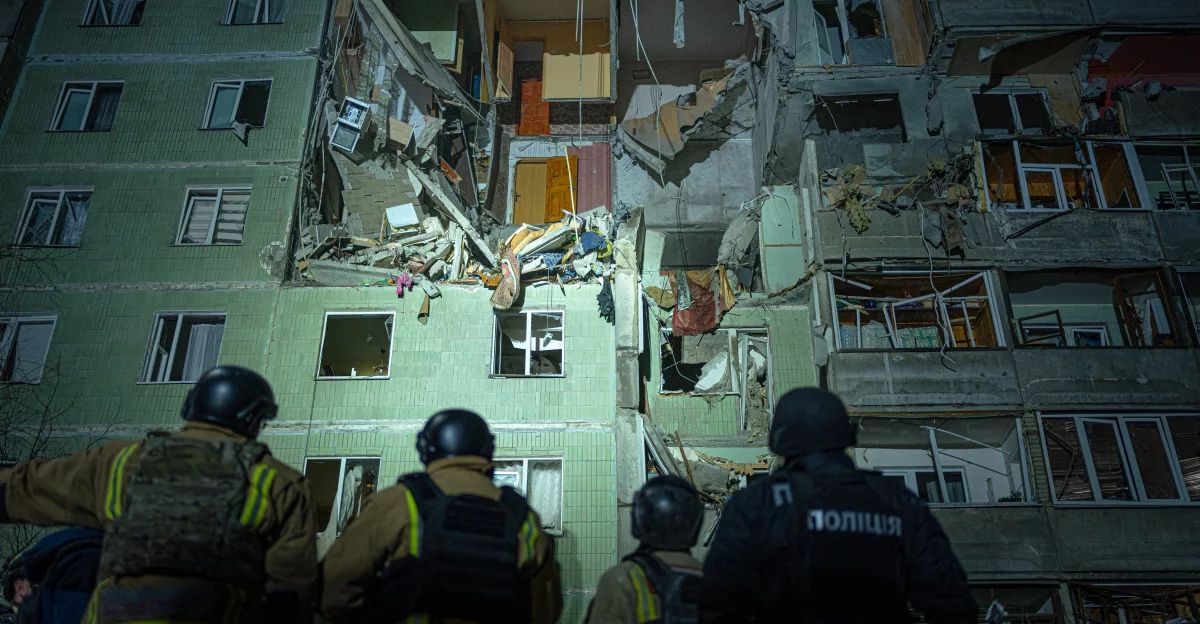
For Moscow, the blackout in Zaporizhzhia is more than a technical setback; it strikes at a core political narrative. Russian officials have repeatedly claimed that occupied Ukrainian territories are fully integrated into Russia’s systems, from pensions to public utilities.
Yet one coordinated drone attack was enough to cut power to most of the region’s Russian-held area in a single night, exposing how fragile that integration remains under sustained pressure. By undermining Moscow’s promise of stability, the blackout may also influence local attitudes, as residents weigh the risks of remaining in a zone that can be plunged into darkness with little warning.
An Escalating War on Infrastructure
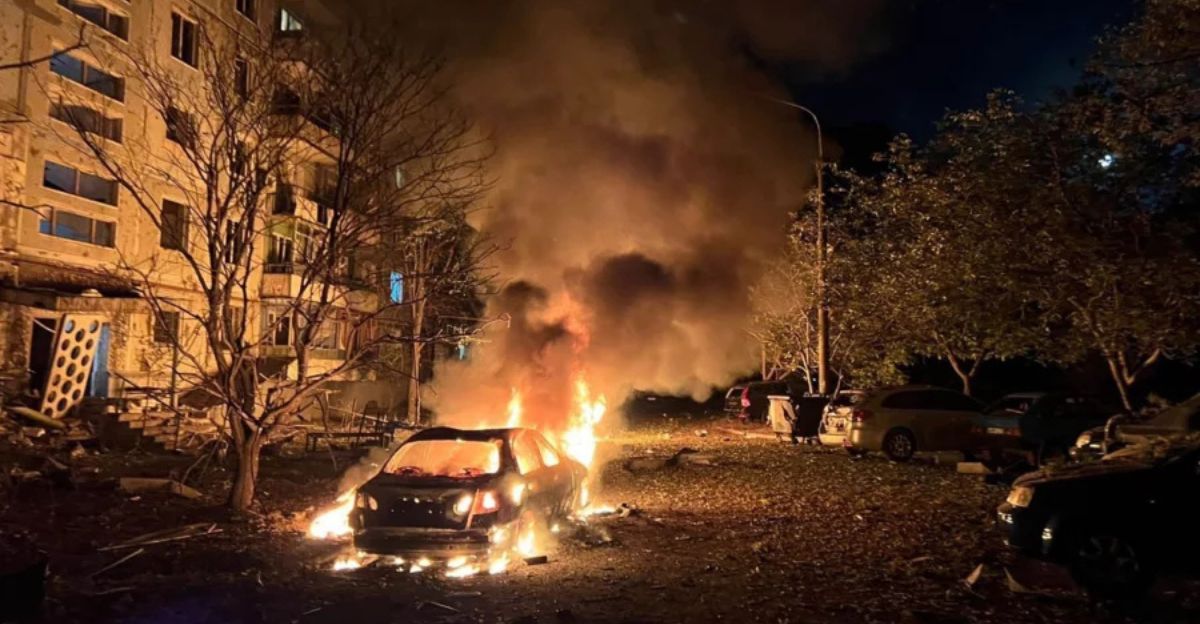
The conflict has increasingly become a struggle over power lines, railways, and fuel depots as much as trenches or artillery positions. Russia’s winter air campaign has repeatedly hit Ukrainian energy systems, while Ukraine is focusing more attacks on logistics hubs and critical infrastructure supporting Russian operations.
Each direct hit on a substation, rail junction, or oil storage site creates costs that extend far beyond the immediate blast radius, forcing expensive repairs and complicating military planning. The Zaporizhzhia strike fits this pattern: a relatively small number of drones triggering widespread disruption and signaling that energy itself has become a front line.
Zaporizhzhia’s Strategic Weight
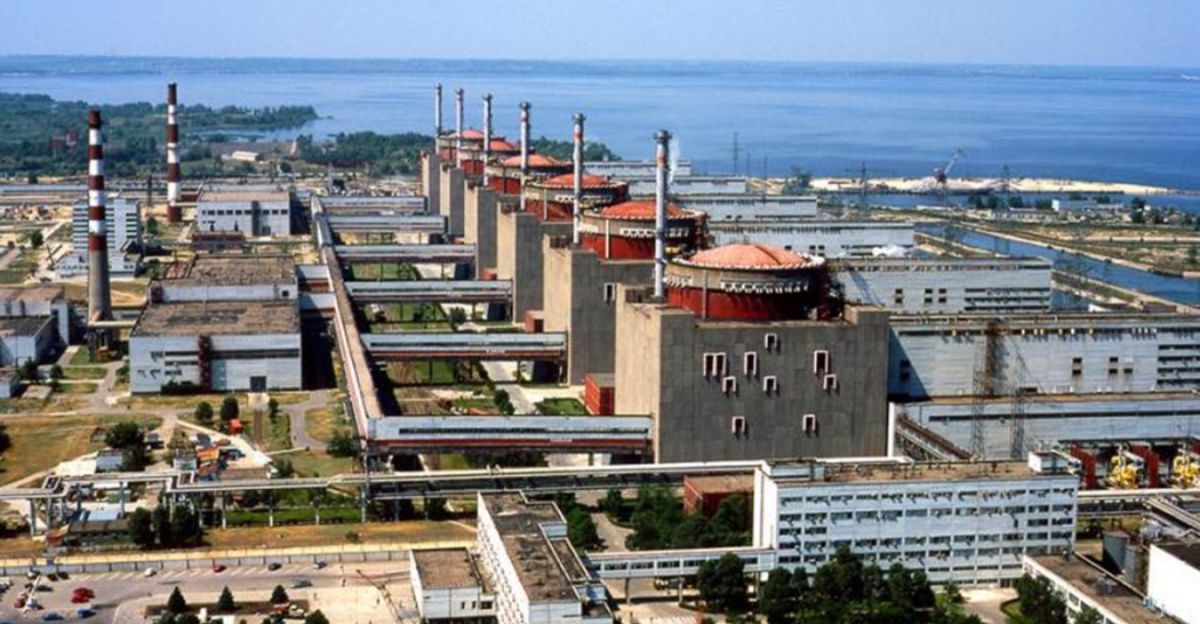
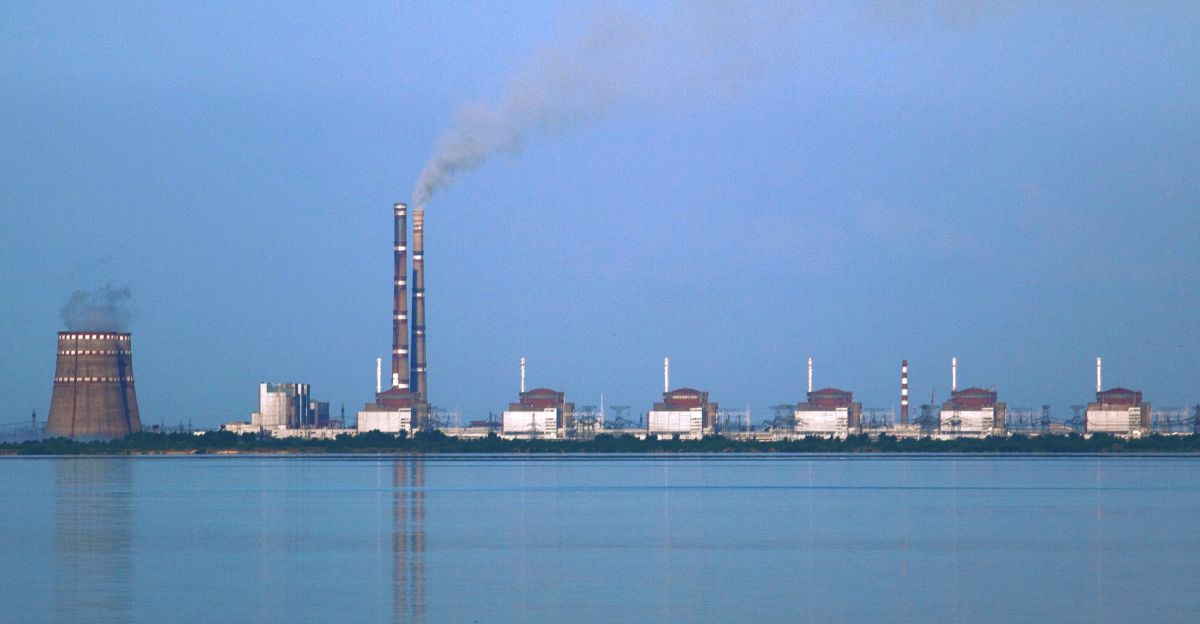
Zaporizhzhia is not just any region; it is home to Europe’s largest nuclear power plant and sits on a key land corridor that links Russian forces in Crimea with those in the Donbas. Although the nuclear facility has been offline and under special international monitoring, any major disruption to the surrounding grid raises concerns about safety systems and regional stability.
The same substations and high-voltage lines that serve civilians also support Russian military headquarters, radar sites, and logistics hubs in the occupied south.
Russia’s Information Response

Within hours, Russian state media labeled the Zaporizhzhia outage an act of “terrorism,” accusing Ukraine of deliberately attacking civilians and using Western-made components in its drones. News bulletins highlighted footage of darkened apartment blocks and residents queuing for water, casting the strike as proof of Ukrainian inhumanity.
However, independent analysts reviewing satellite imagery and on-the-ground video say the visible blast sites align with energy infrastructure such as substations and transmission nodes, not random residential blocks.
Ukraine’s Silence, and Its Message
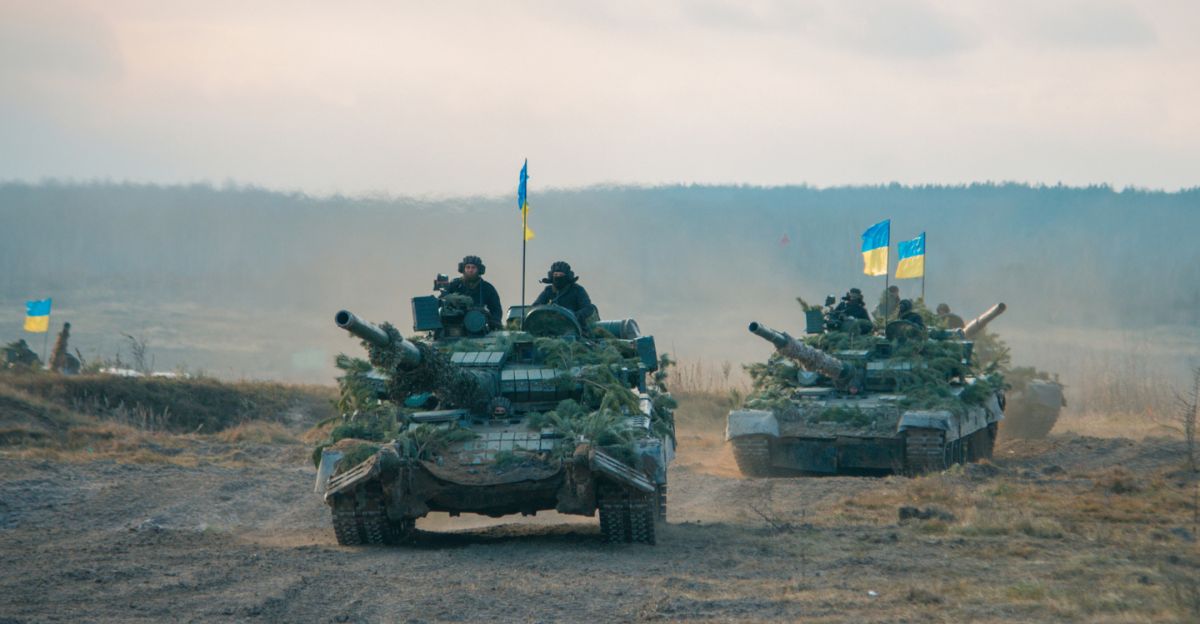
Kyiv followed a familiar playbook after the strike: no formal claim of responsibility, no official briefing detailing drone routes or units involved. Yet Ukrainian social media channels quickly filled with pointed commentary, memes, and phrases like electrical justice, drawing a clear link between the blackout in Zaporizhzhia and Russia’s own attacks on Ukraine’s grid.
This mix of official silence and unofficial celebration allows Ukraine to maintain strategic ambiguity while still signaling to domestic and foreign audiences that it can hit back.
The Cold Becomes Another Weapon
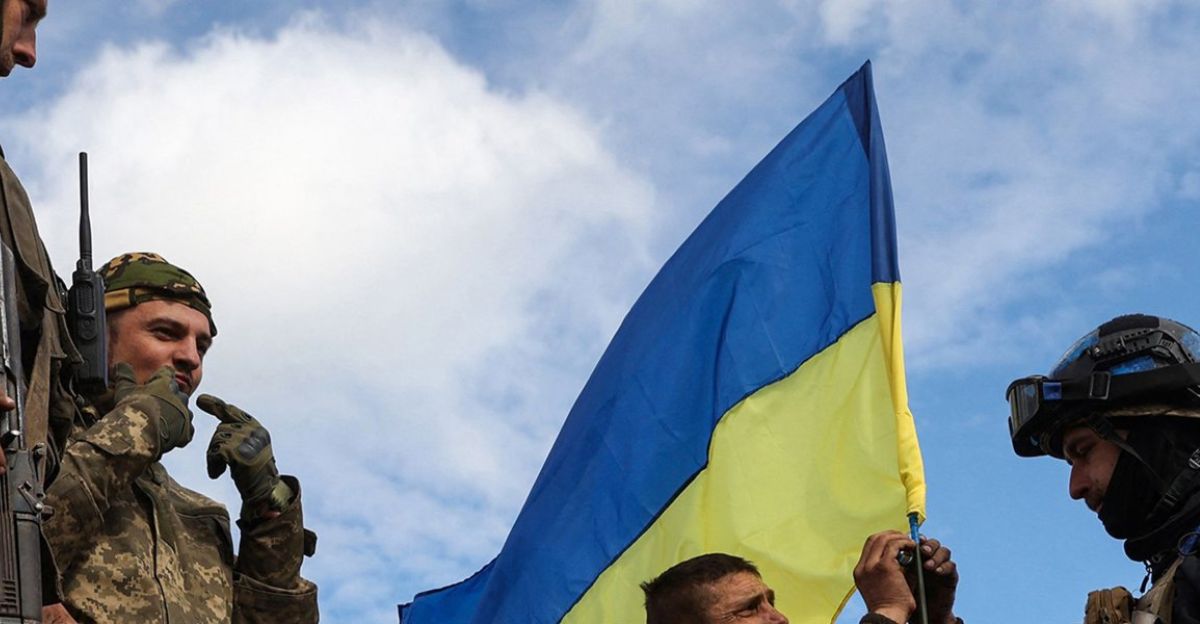
Winter has long been seen as an ally of Russian forces, whose doctrine and logistics are built around fighting in harsh conditions. But by striking at heating and power infrastructure in occupied zones, Ukraine is trying to turn the season into a shared burden, and, for Russian authorities, a liability.
Every hour without power in sub-zero temperatures deepens frustration among civilians and increases the strain on local administrators scrambling to distribute generators, fuel, and aid. The tactic carries its own ethical and humanitarian dilemmas, yet it also reflects a hard reality of modern conflict: weather and infrastructure are being weaponized alongside artillery and drones.
Sources:
The Moscow Times, Russian Officials Blame Ukraine for Power Cuts in Occupied South, 17 January 2026
The Times of India, Zaporizhzhia hit by blackout: Over 200,000 without electricity in Russian-held parts of region, 17 January 2026
Meduza, How Russia’s winter attack campaign threatens to fracture Ukraine’s power grid, 18 January 2026
Oman Observer, Russia officials blame Ukraine for power cuts, 17 January 2026
Euronews, Russian attacks leave 1 million people in Ukraine without electricity and water, 7 January 2026