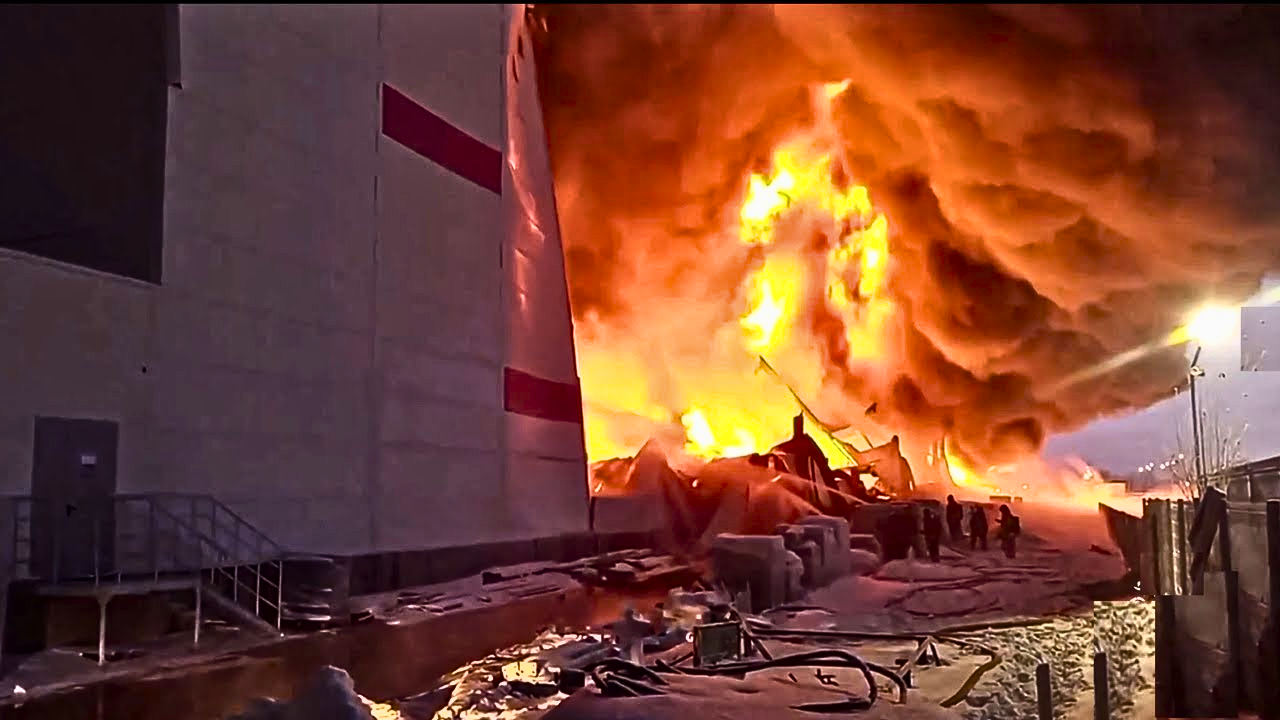
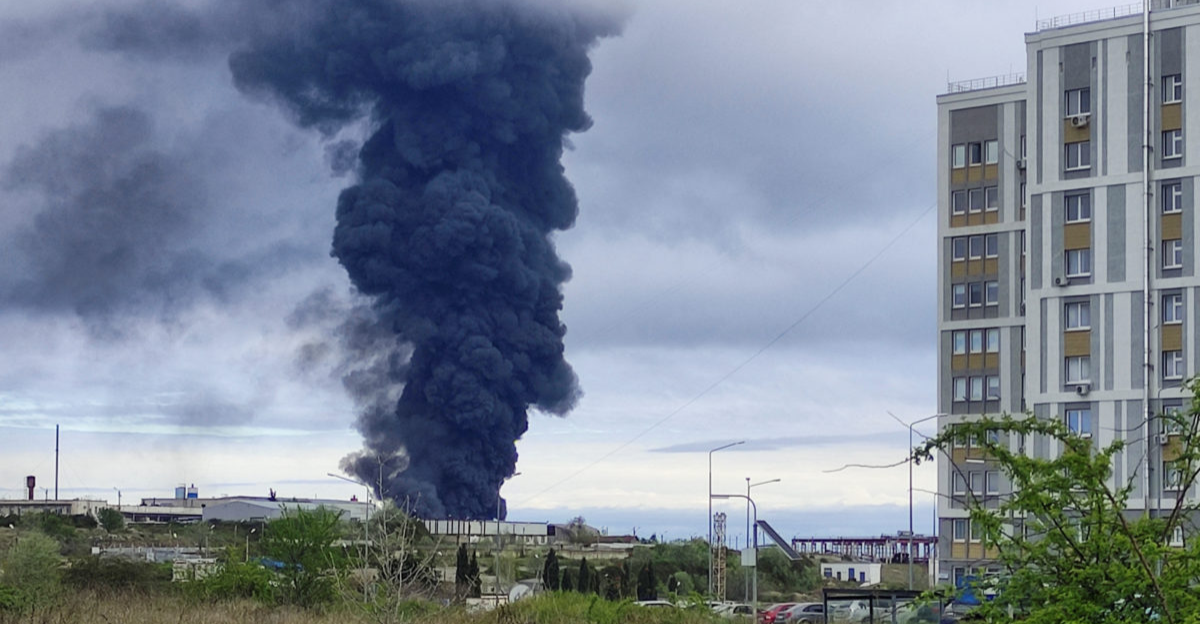
The Security Service (SSU) Alpha unit of Ukraine carried out a strategically important drone raid deep into Russian-occupied Crimea on the evening of October 28–29, 2025. Two Russian radar stations, a $20 million Pantsir-S2 short-to-medium range air defense system, and two oil depots at Hvardiiske and Komsomolsk were all destroyed in the operation.
This deployment demonstrated Ukraine’s growing ability to use inexpensive aerial drone strikes to get around Russia’s advanced air defense. Moscow’s claims of an “impenetrable” shield were undermined by the devastation. The raid led to visible infernos and caused gaps lasting weeks to months in Crimea’s air defense network. This incident—showing Ukraine’s evolving initiative and tactical accuracy—marks a turning point in the conflict.
Crimea’s Defense Architecture in Historical Perspective
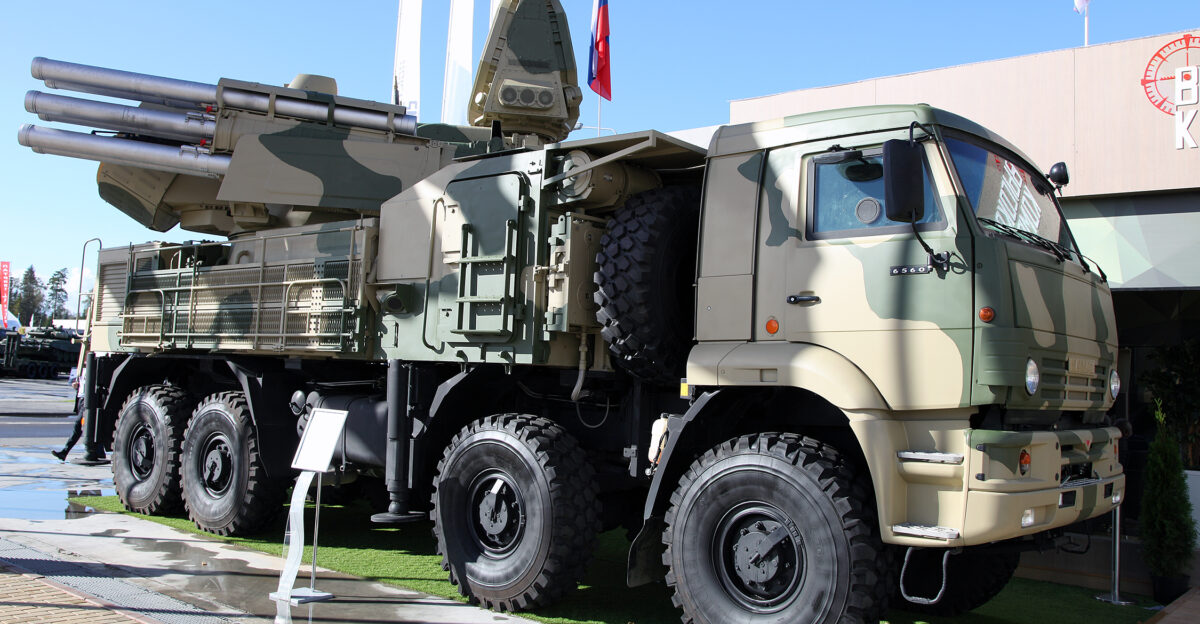
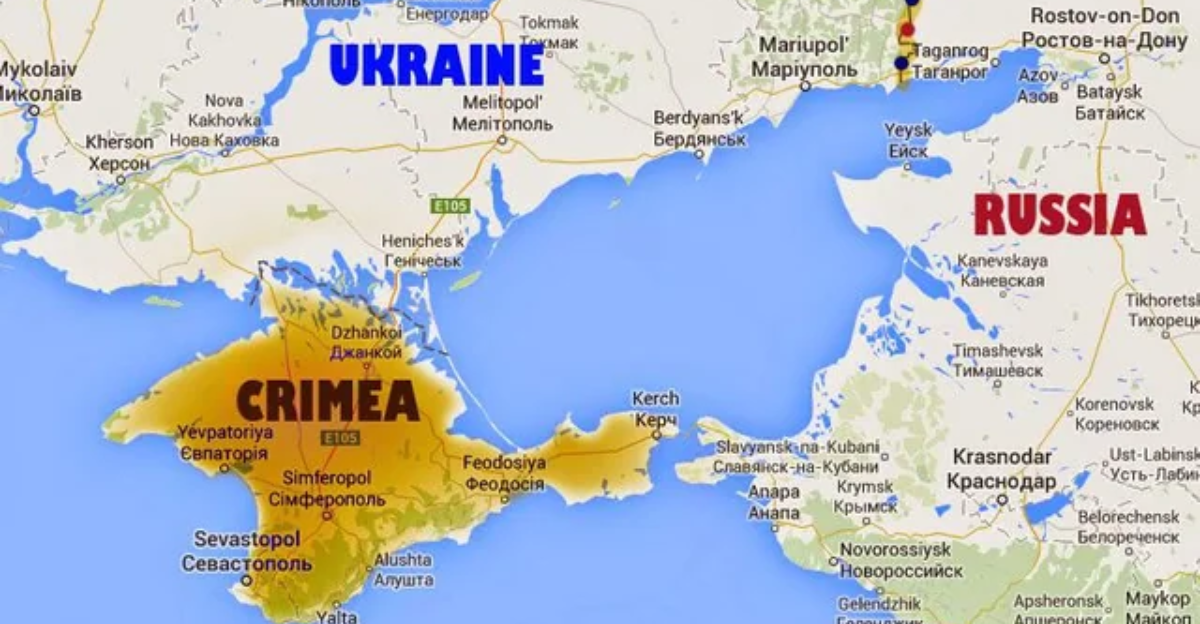
The defense of the peninsula has been key to Russia’s strategy in the Black Sea region since it annexed Crimea in 2014. With cutting-edge systems like the Pantsir-S2, Russia built a multi-layered air defense system to counter drones and guided munitions. The area was fortified as a bastion.
For more than ten years, Russian military strategy was influenced by the idea that Crimea was an “unsinkable aircraft carrier.” This misconception is dispelled by Ukraine’s successful attack, which also emphasizes the vulnerability of highly valued military equipment in what Moscow believed to be a fortified area.
The Pantsir-S2 System Destruction’s Significance
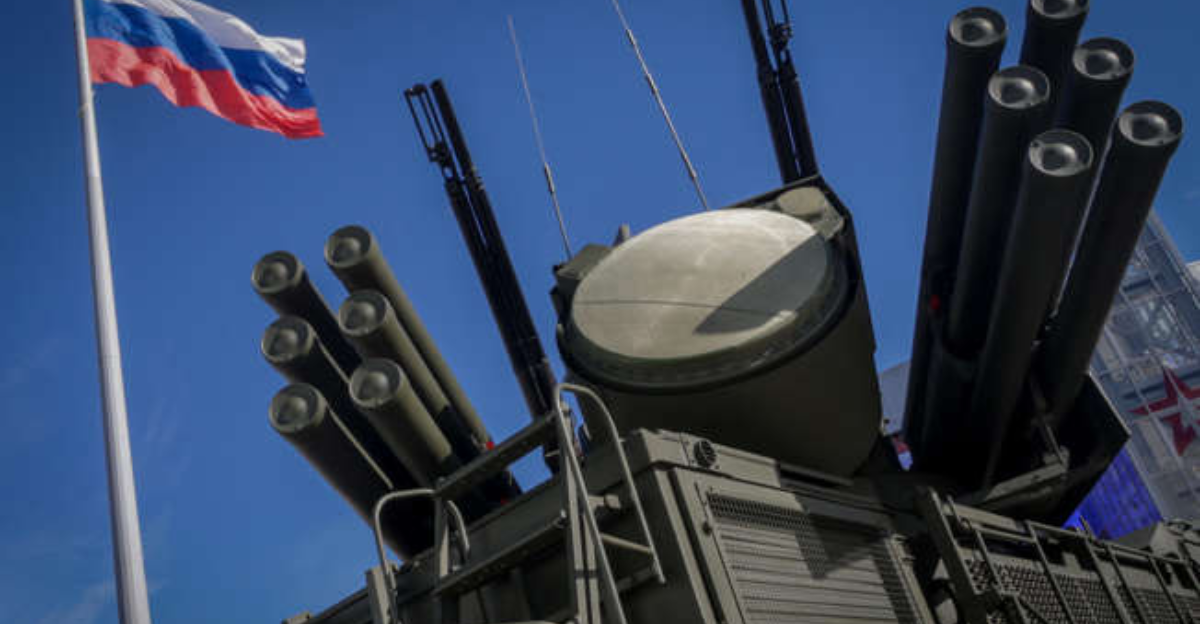
An essential part of Russia’s multi-layered air defense strategy is the $20 million Pantsir-S2 system. The Pantsir is an example of state-of-the-art technology designed to defend valuable assets and infrastructure from swift, low-flying drones and missiles. In addition to causing a large financial loss, its destruction by Ukrainian drones seriously impairs Russia’s defensive capabilities.
Even top-tier air defense systems are no match for swarm drone tactics backed by cutting-edge intelligence, as demonstrated by the single attack that destroyed one of the most advanced components preventing aerial incursions.
Drone Warfare’s Place in Contemporary Conflict
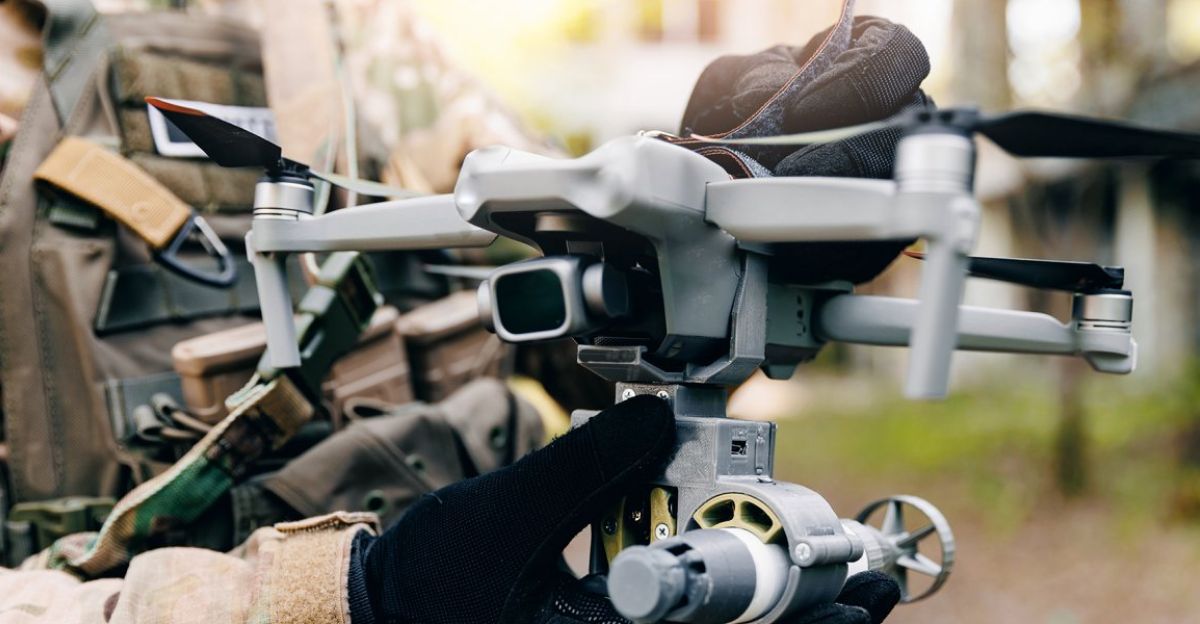
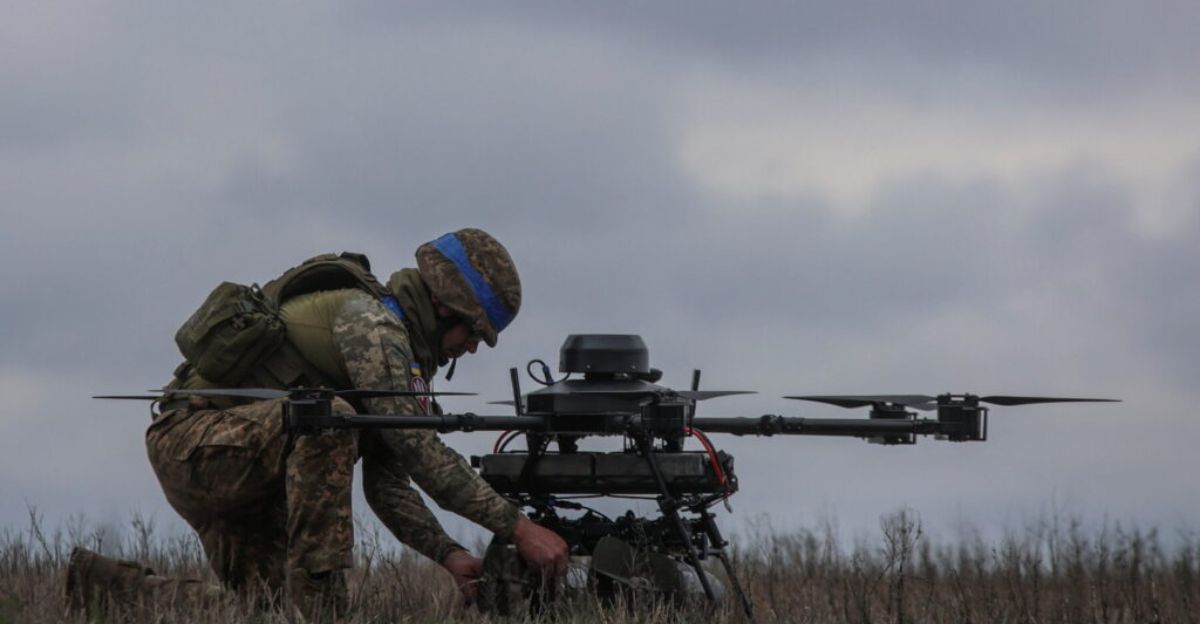
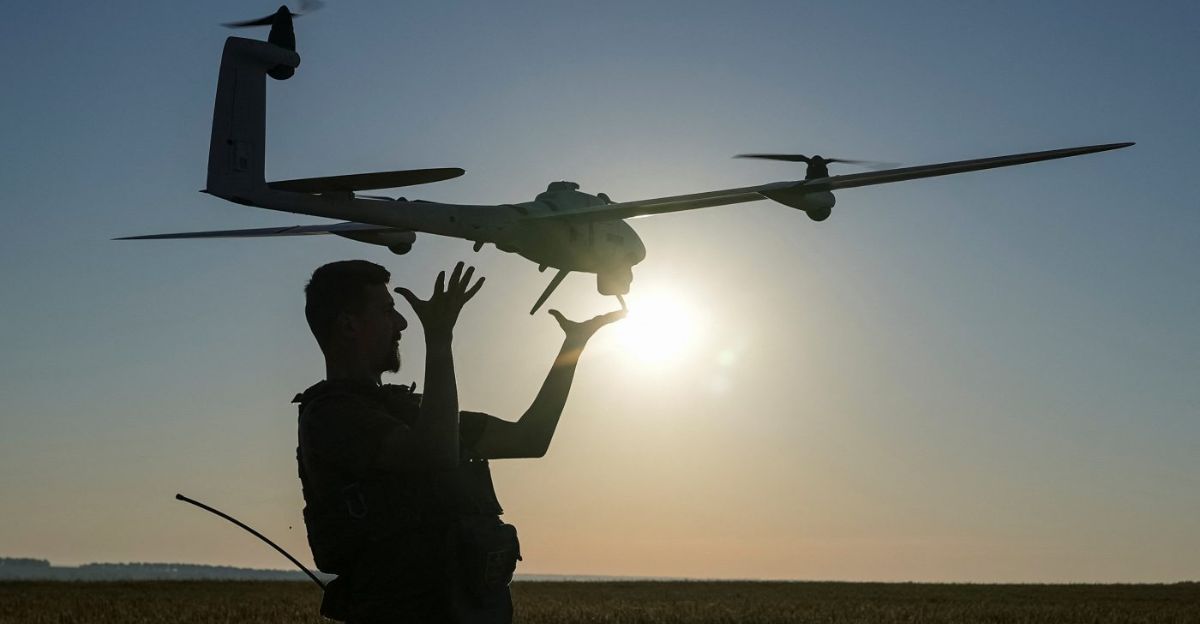
The operation in Ukraine is consistent with a broader global trend of drone warfare redefining military doctrine. Low-cost drones and swarm tactics are becoming more effective against costly and sophisticated air defense systems. The evolution of asymmetrical warfare is best illustrated by the contrast between a $20 million defense setup and inexpensive drone strikes.
This raid foreshadows a change in which conventional air defense assets must quickly adapt or become outdated. It is an example of a pragmatic strategy in which technological innovation and precision intelligence triumph over brute force.
Targeting Logistical and Radar Nodes in Russia
Alongside the Pantsir-S2 system, two important radar stations were destroyed, seriously impairing the early warning and target acquisition capabilities that are essential to Crimea’s air defenses. The detection grids that feed missile systems essential to regional defense are maintained by these radars.
Concurrently, two oil depots that were thought to hold more than 500,000 gallons of fuel were destroyed, targeting Russia’s fuel supply chain. Russia’s capacity to identify threats and continue its military operations in Crimea and the southern front is strategically disrupted by these combined strikes.
The Effect on Operations on the Russian Southern Front
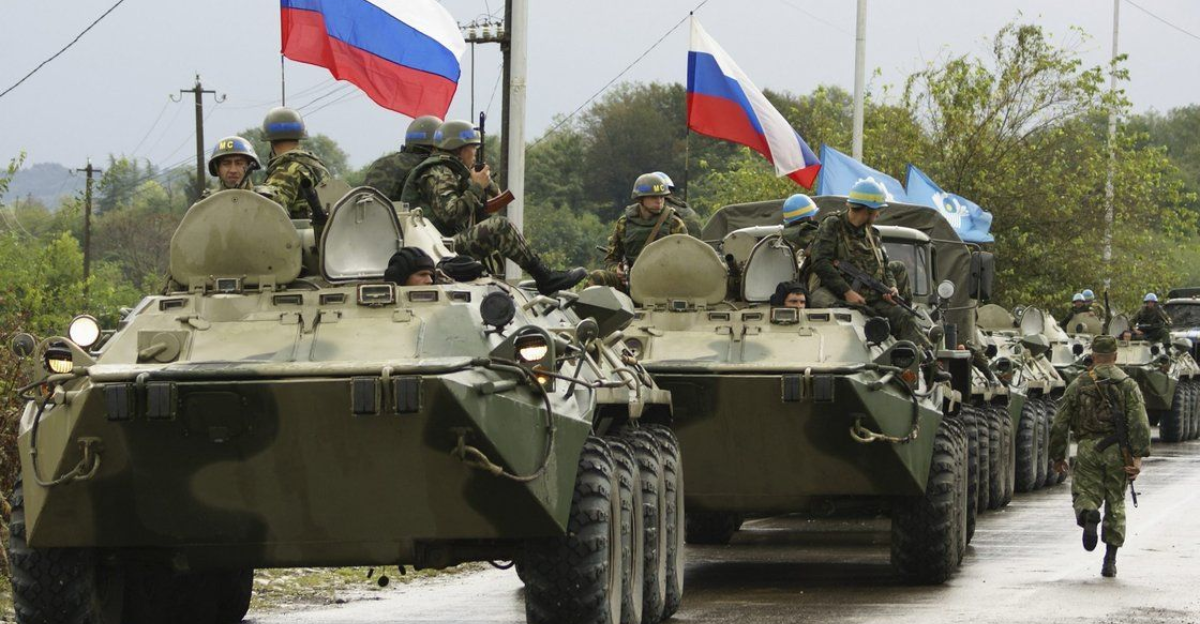
Russian troops fighting on the southern front of the conflict receive essential fuel supplies from the oil depots at Hvardiiske and Komsomolsk. Logistics, air support, and vehicle mobility all depend on fuel. There will probably be immediate operational limitations and possible delays in troop movements or resupply if such sizable storage facilities are lost.
This resource bottleneck may have an impact on Russian offensive and defensive capabilities in the upcoming months, giving Ukraine a comparative operational advantage.
The Raid’s Strategic and Psychological Messaging
This raid sends a strong psychological message to Moscow and Russian forces in addition to causing physical harm. The story of an “impenetrable” Crimean stronghold collapsing undermines confidence in Russia’s military leadership. It draws attention to Ukraine’s superiority in both operational reach and intelligence gathering.
Moscow’s alleged physical and cyber defenses have shown themselves to be weak. Perceptions of Russian control over Crimea are shaken by this erosion of the invincible image, which impacts both international observers and the Kremlin’s domestic audience.
Capabilities for Intelligence and Accurate Targeting
The successful pinpoint strike highlights the presence of extremely precise intelligence networks in or near Crimea. Advanced reconnaissance, real-time data collection, and possibly insider support were important factors. With minimal collateral damage, these capabilities allow Ukraine to prioritize high-value targets like the Pantsir-S2 and fuel depots, exhibiting a sophisticated approach to special operations.
The operation implies that Russian denial and deception efforts are being undermined by an intelligence war that is escalating in tandem with kinetic strikes.
The Wider Infrastructure Degradation Campaign

The ongoing SSU campaign to methodically target and destroy Russian military infrastructure in Crimea includes this operation. Ukraine forces Russia to replace expensive equipment, deal with operational blind spots, and stretch resources thin by dismantling air defense networks and vital logistics.
In the long run, such “death by a thousand cuts” strategies might progressively weaken Russian capabilities, enabling Ukraine to maintain regional pressure or get ready for more extensive offensives.
The Losses’ Financial Consequences

The night raid caused at least $25–30 million in damages when the $20 million value of the Pantsir-S2 is added to the cost of radar systems and fuel depot infrastructure.
Moscow’s already tight war budget will be further burdened by the expense of restoring vital fuel supply chains and replacing intricate air defense systems. In the face of ongoing international sanctions and domestic economic difficulties, the economic impact and tactical degradation put pressure on Russia’s military spending.
Technological Comparison: Costly Defense vs. Low-Cost Offense
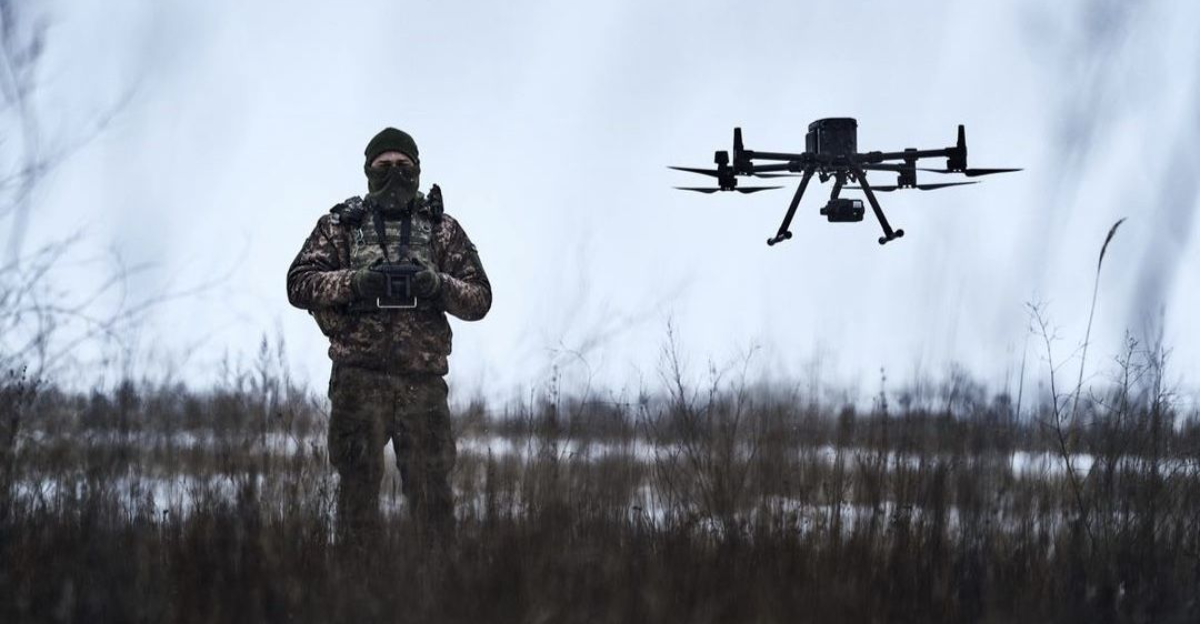
A significant change in military cost-effectiveness is highlighted by the use of low-cost drones to destroy pricey defense devices. Compared to conventional manned airstrikes or missile barrages, Ukraine reportedly used inexpensive UAVs in conjunction with precise guidance and intelligence to drastically lower risk and operating expenses.
This paradigm introduces new calculus to battlefield economics and strategy by challenging conventional power projection metrics that are dominated by high-tech hardware counts.
Consequences for Russia’s Air Defense Strategy

Russia’s air defense strategy, which emphasizes high-value, multi-layered systems, is called into question by this incident. Their susceptibility to low-tech drone swarms necessitates the decentralization of important resources, investments in counter-drone technologies, and doctrinal changes.
Loss of crucial territorial control and persistent attrition can arise from a failure to adapt. Ukraine’s ability to target these Crimean nodes suggests that Russia’s defensive strategy may be out of date in light of new threats.
Possible Third- and Second-Order Impacts
There are a number of military and geopolitical ramifications when Crimea’s air defenses and logistics are compromised. Because of these gaps, Ukrainian forces are better able to maneuver both on the ground and in the air, which may allow for more intense strikes, interfere with Russian reinforcements, and lower morale. Internationally, Ukraine’s proven reach justifies ongoing advanced military assistance and strengthens Western support confidence.
On the other hand, Moscow’s defensive failure could intensify Russian defensive fortification efforts, lengthening the conflict and wearing both sides out economically.
Comparative Military Disruption Case Studies
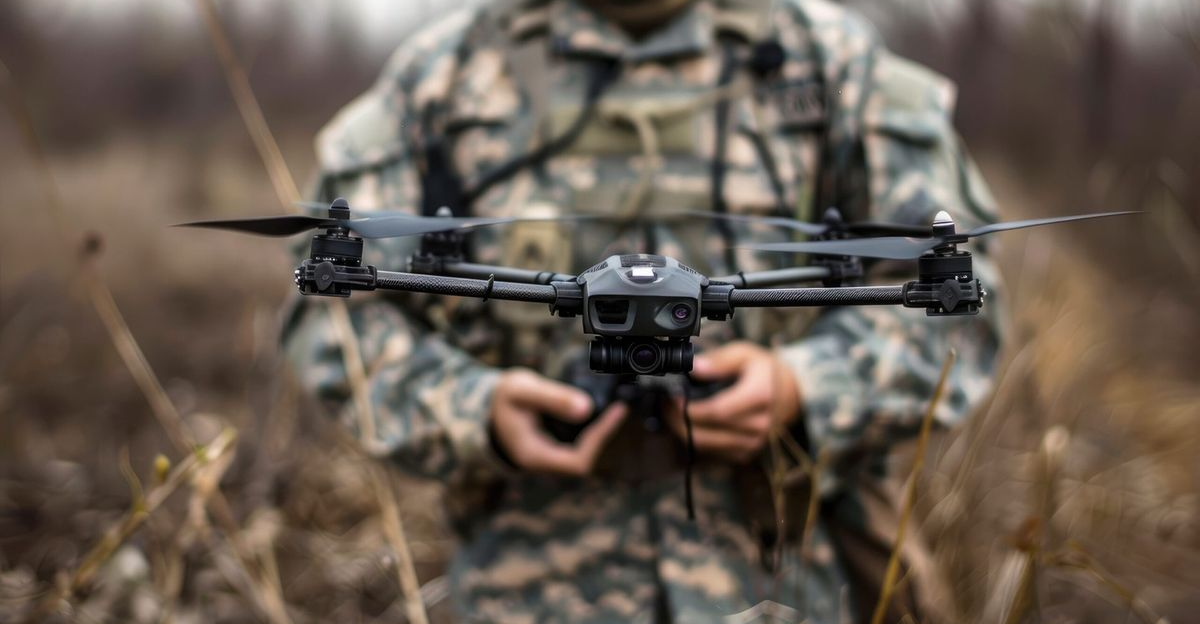
Targeting air defense and logistics hubs has historically reduced enemy morale and warfighting capability. For example, Nazi Germany’s fuel supplies and radar networks were severely damaged by WWII Allied strategic bombings, which accelerated the country’s defeat. Drone attacks in Nagorno-Karabakh more recently demonstrated how drone dominance alters combat results.
These lessons are integrated into Ukraine’s success, which combines state-of-the-art technology with traditional strategic ideas of focusing on supply and detection nodes for disproportionate effects.
A Change in Strategic Perspective in the Crimean Conflict
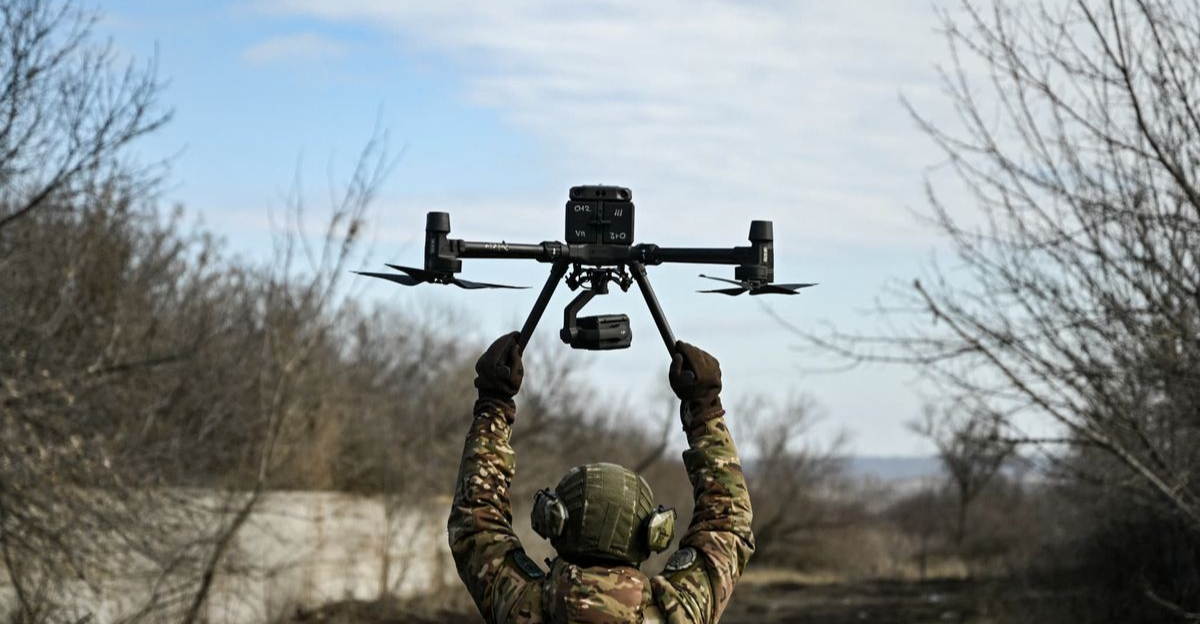
Ukraine’s strategic campaign to undermine Russian defenses has reached a significant milestone with the destruction of the Pantsir-S2 system, radar stations, and oil depots in Crimea. By shattering Russia’s illusion of invulnerability, it establishes a precedent in which sophisticated, inexpensive drone warfare surpasses costly air defense systems.
This operation demonstrates Ukraine’s increasing endurance, accuracy, and intelligence sophistication. The cascading effects could hasten conflict resolution through attritional weakening and jeopardize Russia’s operational capability in Crimea and elsewhere. The operation in Ukraine serves as a sobering reminder that even the strongest defenses are susceptible to creativity, tenacity, and strategy.