
The night was thick with the hum of drones—then a massive explosion shattered the silence. On December 5, 2025, Ukraine’s drones struck deep into Russian territory, hitting the Temryuk Seaport in Krasnodar Krai. The attack targeted a critical liquefied natural gas terminal, igniting flames that would burn for days.
This strike marks a new chapter in Ukraine’s war against Russia’s energy infrastructure. It is part of a larger push to target Russia’s military lifelines deep within its borders.
Fuel Lifeline

Temryuk Seaport isn’t just any port. Located on the Sea of Azov, it’s a lifeline for Russian military logistics, handling liquefied hydrocarbons and other oil products. The facility’s strategic importance can’t be overstated—it fuels the Russian military, which depends on these supplies for operations near the frontlines.
The facility’s critical nature made it a prime target for Ukrainian forces. Ukraine aimed to strike where it would hurt the most, targeting the fuel supply chain that Russia depends on for its ongoing military efforts.
Target Profile

The strike hit the heart of the terminal—a liquefied natural gas hub operated by Maktren-Nafta. Built in 2008, this facility processes up to 400,000 tons of LNG per year. For Russia, this means it’s one of the key sources for military fuel.
Destroying its capacity cripples a vital supply route. Ukraine’s drone strike aimed squarely at this vulnerability, targeting one of the most critical nodes in Russia’s military logistics network.
Pressure Campaign

This wasn’t a one-off attack. It’s part of a broader strategy to target Russia’s energy infrastructure. In December, drones also struck refineries and oil depots, including Syzran in Samara. Ukraine views these strikes as a concerted effort to weaken Russia’s offensive capabilities.
By disrupting fuel logistics and draining energy revenues, Ukraine hopes to slow down Russia’s war machine. The Temryuk strike stands out as one of the most impactful examples of this ongoing campaign.
Core Hit
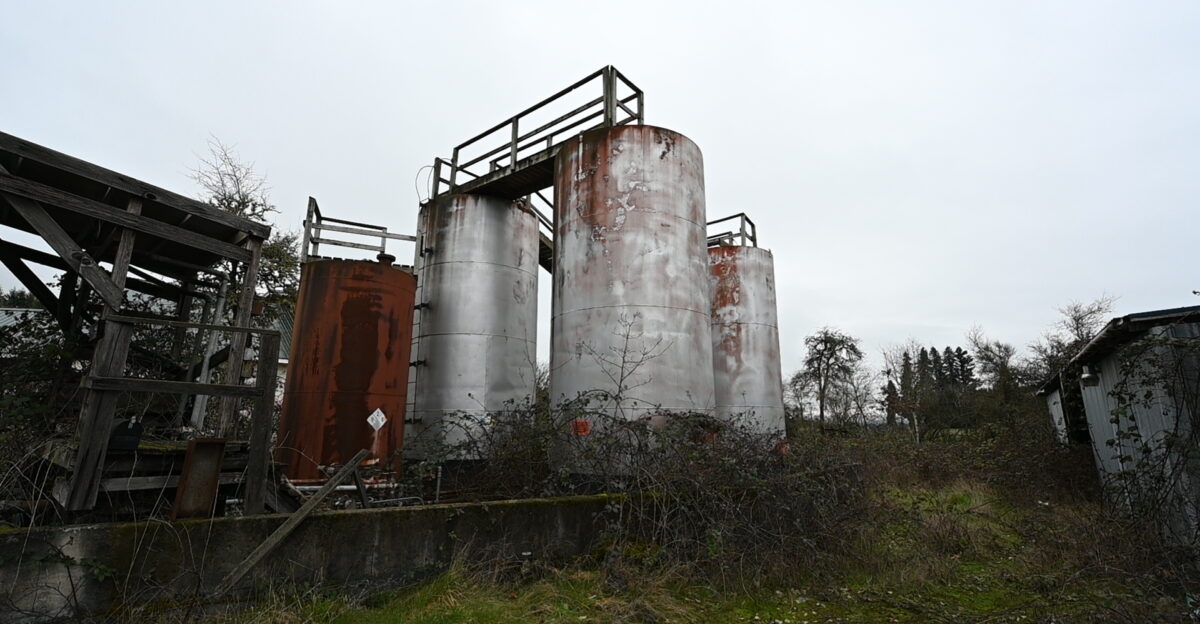
The damage was extensive. Ukrainian drones hit the LNG terminal on the night of December 5, triggering massive explosions. By morning, 20 out of 30 storage tanks—about 70% of the facility’s capacity—were destroyed.
This strike decimated the terminal’s ability to store fuel, crippling a key Russian supply chain. With the loss of storage capacity, Russia faces an immediate challenge in maintaining its energy reserves for military operations.
Firestorm

By December 7, the fires were still raging. According to Ukraine’s SBU, the fire reached approximately 3,000 square meters at its peak, while Russian emergency services reported containing it to 1,000-960 square meters through active firefighting operations on December 6-7. The scale of the destruction was overwhelming.
Rail tankers filled with liquefied gas were caught in the blaze, making it a nearly impossible inferno to contain. The fire continued for days, exacerbating the damage to the already-stricken fuel hub.
Local Shock
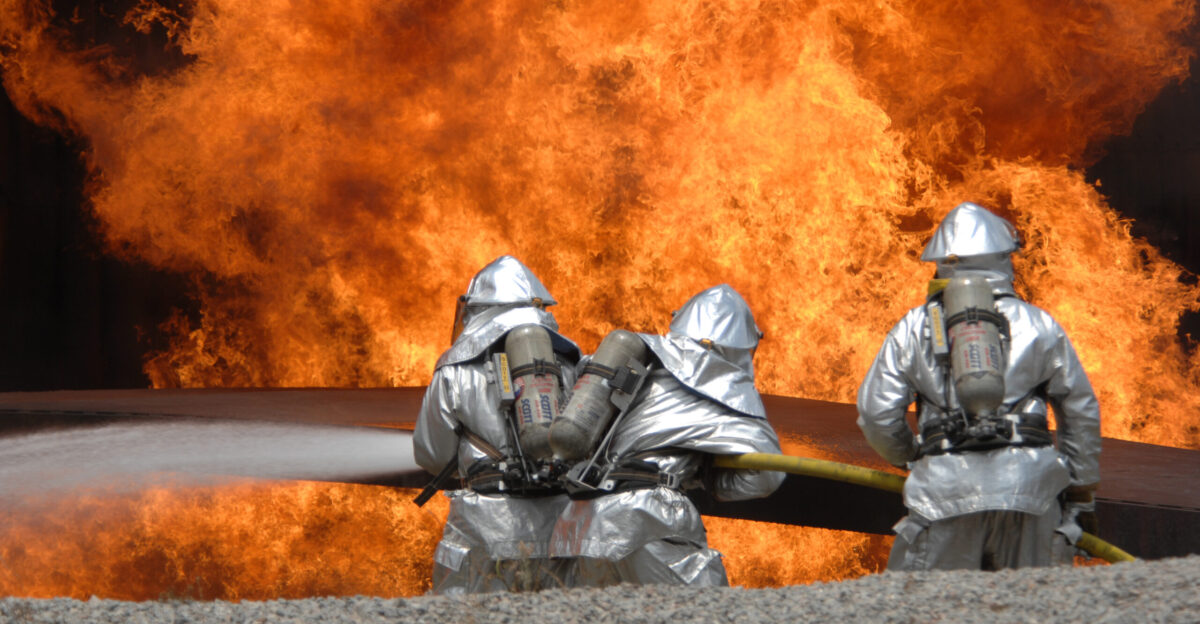
The fire was so intense that it forced Russia’s emergency response teams into action. At least eight firefighting crews rushed to the scene, battling the flames for days. Local authorities acknowledged the severity of the strike, with regional officials confirming the damage to port infrastructure.
The fire’s impact rippled far beyond the facility itself, with the local community on edge. While no casualties were reported, the scale of the emergency response demonstrated how significant the attack was for the region.
Military Logistics
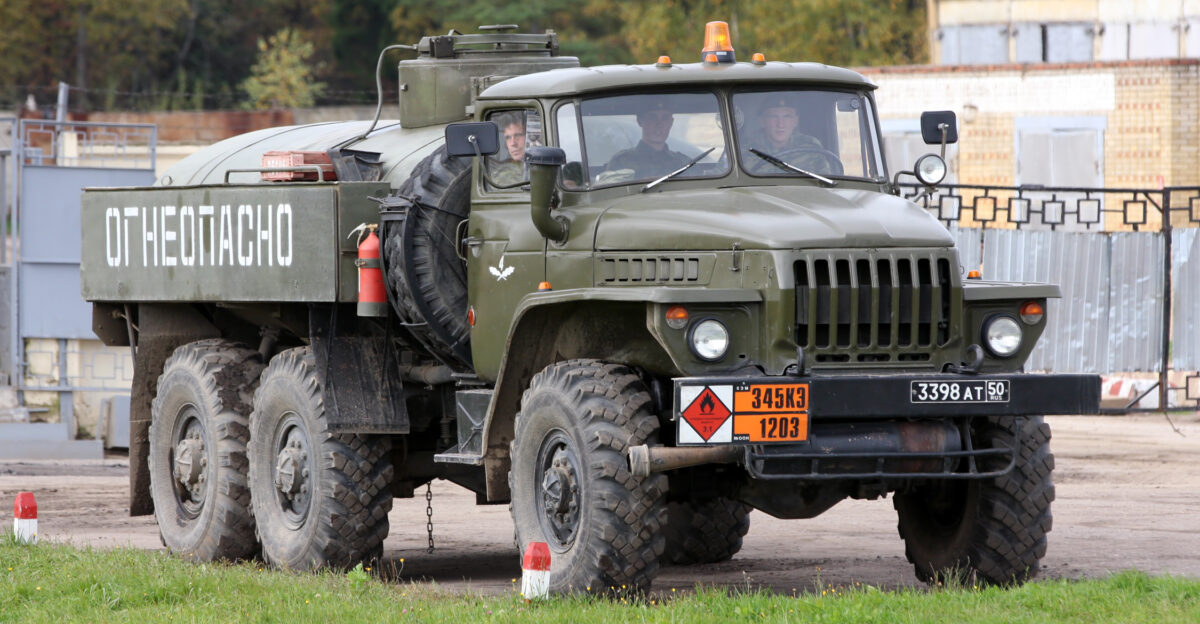
Temryuk Seaport’s role in Russian military operations is clear. It’s a major node in the fuel supply chain for the army. By destroying the terminal’s storage tanks and igniting the rail tankers, Ukraine disrupted one of Russia’s critical logistical arteries.
This attack wasn’t just economic—it was a military blow designed to hinder Russia’s fighting capacity. With the loss of fuel reserves, Russia’s military logistics are now under considerable strain.
Legal Framing
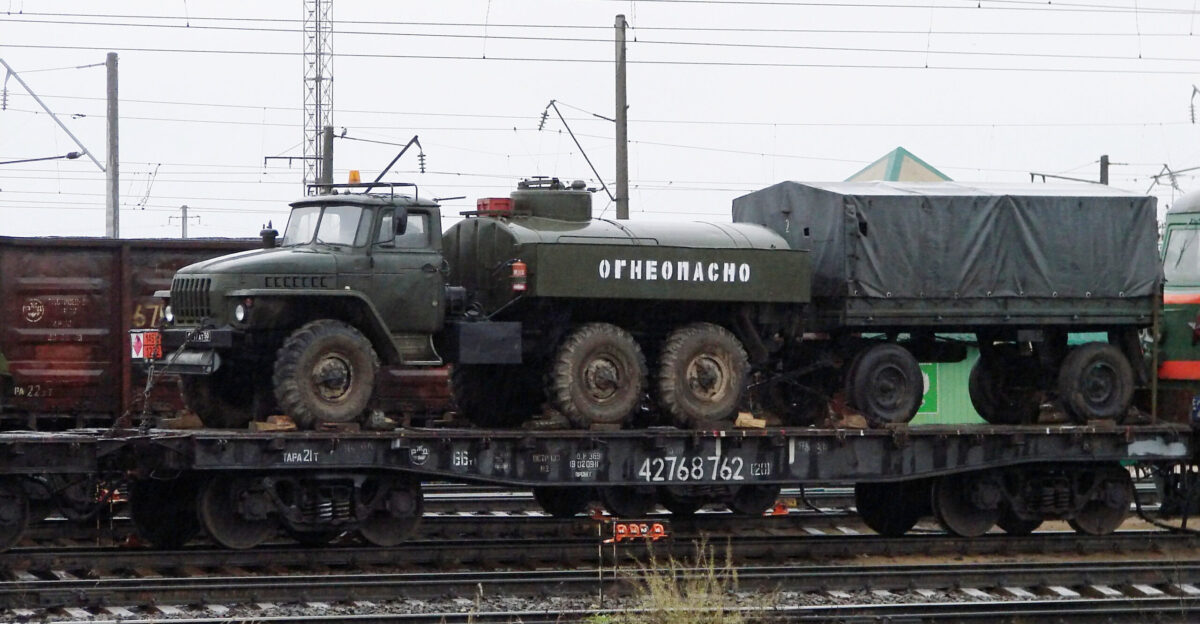
Ukraine’s General Staff has justified the strike as a lawful military action targeting infrastructure that directly supports Russian military operations. According to Ukraine’s position, the facility qualifies as a legitimate military objective under international humanitarian law, given its role in supplying fuel to Russian armed forces.
International law experts debate the status of dual-use energy infrastructure—facilities serving both civilian and military purposes—when determining target legality.
Economic Blow
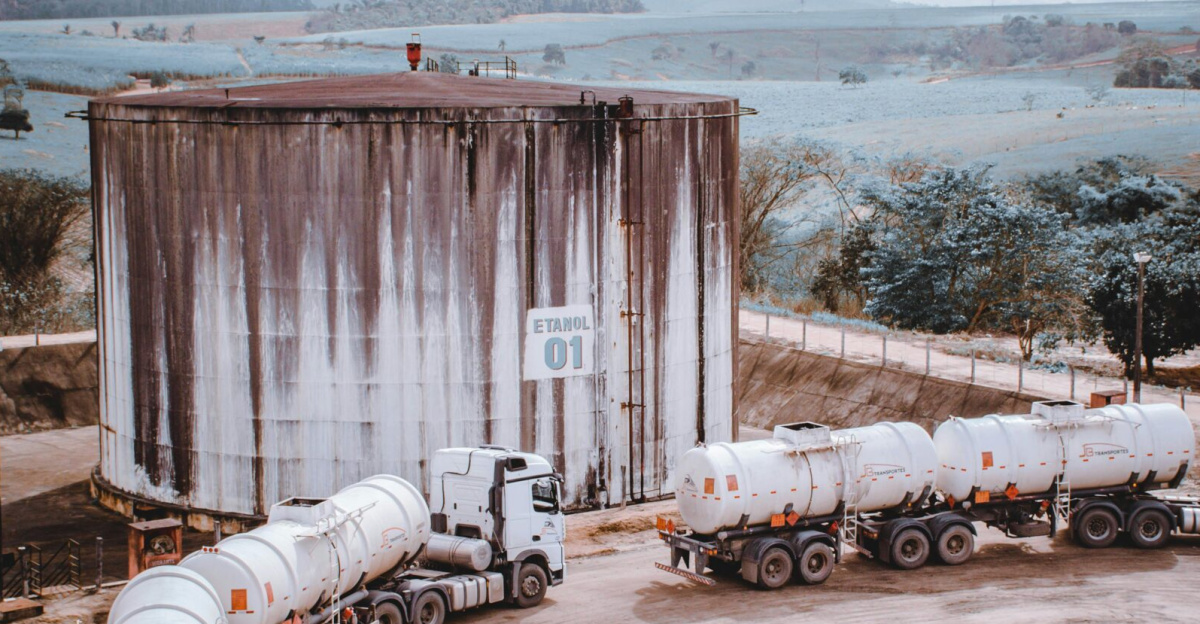
Beyond the immediate military impact, the strike inflicted significant economic damage. Ukrainian sources estimated the loss at around $150 million, though this figure is still under review. The destruction of the LNG terminal not only affects Russia’s domestic fuel supply but also compromises its ability to export fuel.
This damages a key revenue stream. By disabling the terminal, Ukraine aims to put financial pressure on Russia’s energy sector, further complicating the country’s war efforts.
Wider Strikes

Ukrainian forces launched a coordinated series of strikes, targeting Syzran oil refinery and other depots. These multi-target operations disrupted several layers of Russia’s military and energy logistics.
Each hit further stretched Russian resources and compromised its ability to maintain front-line operations. Ukraine’s broader campaign is designed to disrupt Russian energy and military infrastructure across the board.
Air Defense Hit
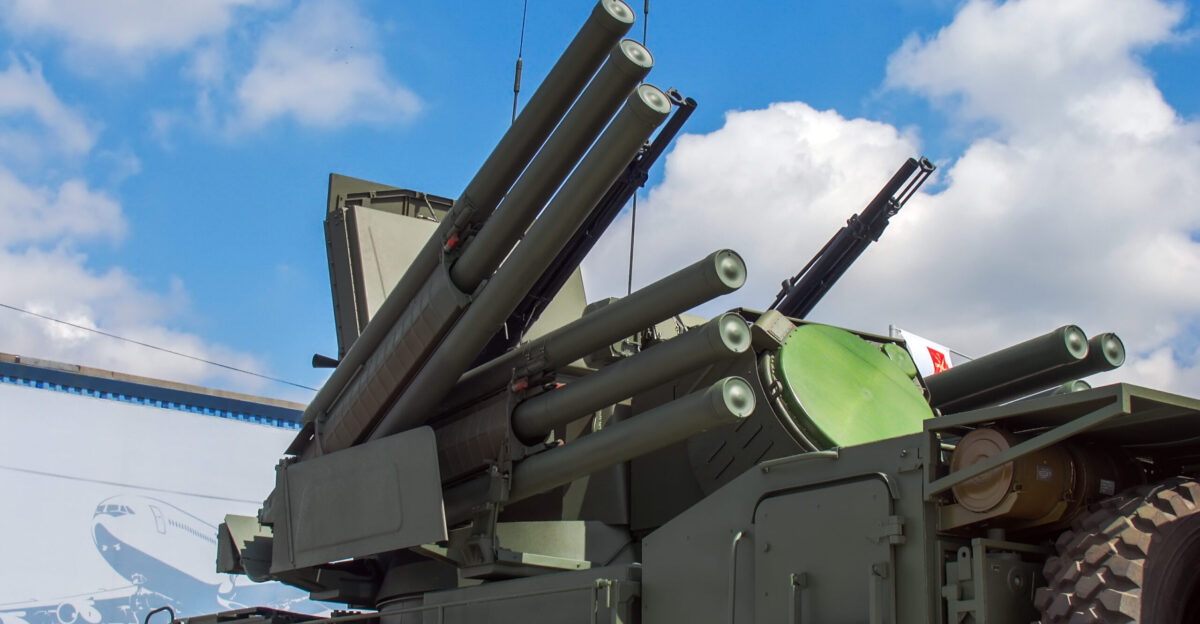
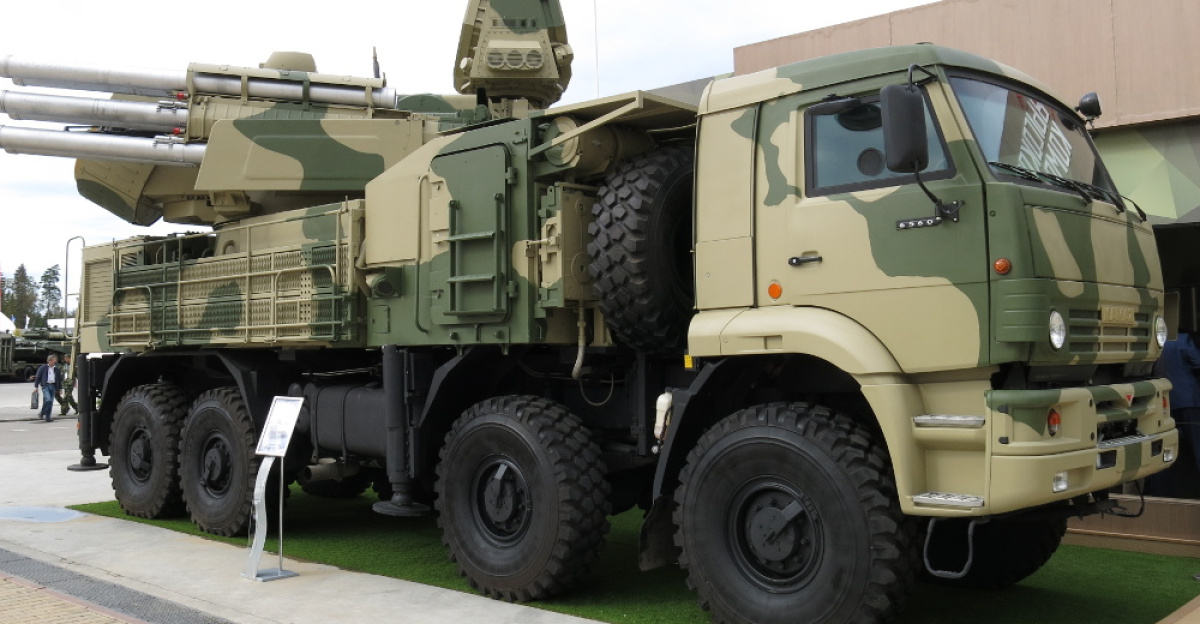
Ukraine also targeted high-value air defense assets. In Donetsk Oblast, Ukrainian drones struck a Russian mobile fire group and a Pantsir-S1 air defense system. By taking out air defenses, Ukraine reduces Russia’s capacity to defend against future strikes on key infrastructure like Temryuk.
This attack marks a critical step in Ukraine’s strategic air campaign, signaling a shift in how the war is being fought—via precise and coordinated strikes deep within Russian territory.
Russian Response
Despite Russia’s claims of downing 41 drones during the night of the Temryuk attack, the damage was undeniable. Fires raged at multiple facilities, showing that even advanced air defenses couldn’t stop all of Ukraine’s precision strikes.
This highlights a growing vulnerability in Russia’s defense infrastructure. The attack proves that a handful of drones can cause massive disruption, exposing weaknesses in Russia’s ability to protect key facilities.
Ongoing Campaign

Ukraine’s General Staff has signaled that this will not be the end. The destruction of Temryuk is part of a larger, systematic campaign to weaken Russia’s war efforts. Ukrainian forces will continue to target military fuel hubs, air defenses, and critical infrastructure.
With no signs of slowing down, this could turn into a prolonged contest over energy and military logistics. Ukraine is determined to keep up the pressure on Russia’s vulnerable supply chain.
What Next?
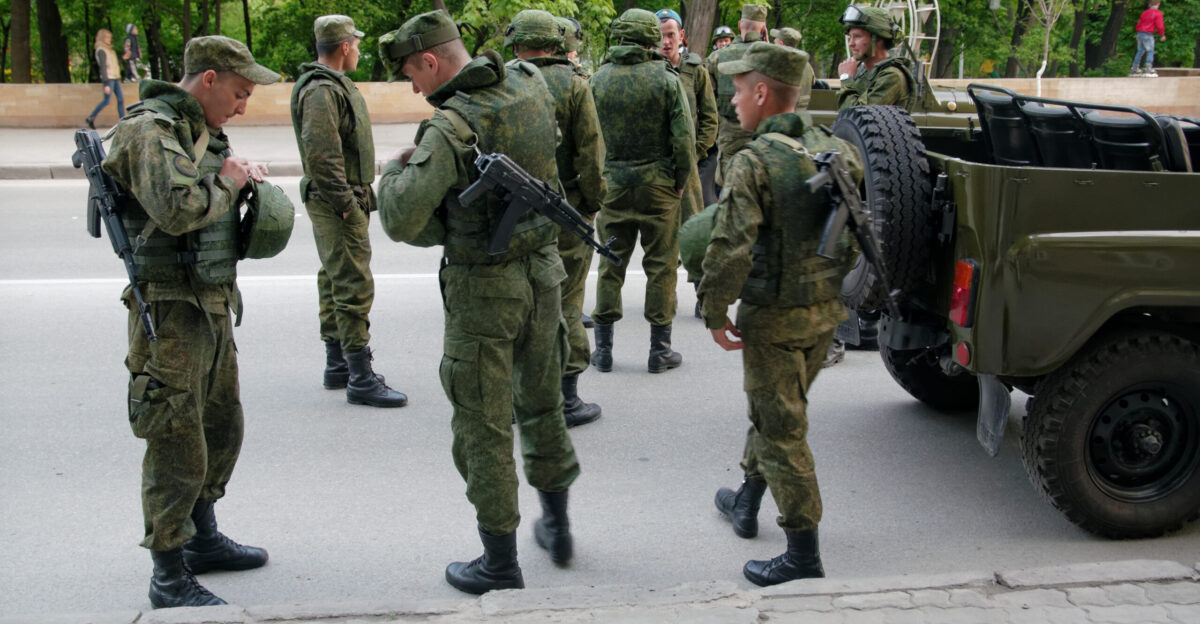
The destruction of Temryuk’s fuel storage capacity has left Russia with tough choices. Can they quickly rebuild the facility, or will they need to reroute fuel through already-stressed networks? Meanwhile, Ukraine’s campaign shows no signs of stopping.
How much longer can Russia maintain its military operations if its critical fuel infrastructure remains under constant attack? Ukraine’s ongoing strikes suggest that Russia will face continued logistical difficulties for the foreseeable future.
Sources:
Kyiv Independent – “It Burns for 3 Days — Ukrainian Drone Strike Sparked Huge Fire at Russia’s Temryuk Seaport, SBU Source Says” (December 8-9, 2025)
Maritime Executive – “Ukraine Damages Russian LPG Export Terminal on Sea of Azov” (December 8, 2025)
Ukrainian General Staff – Official Military Statements via Kyiv Independent and Ukrinform (December 7-8, 2025)
TASS/Russian Defense Ministry – Statement on Temryuk Port Attack (December 5, 2025)
Institute for the Study of War – Critical Threats Assessment – December 5, 2025