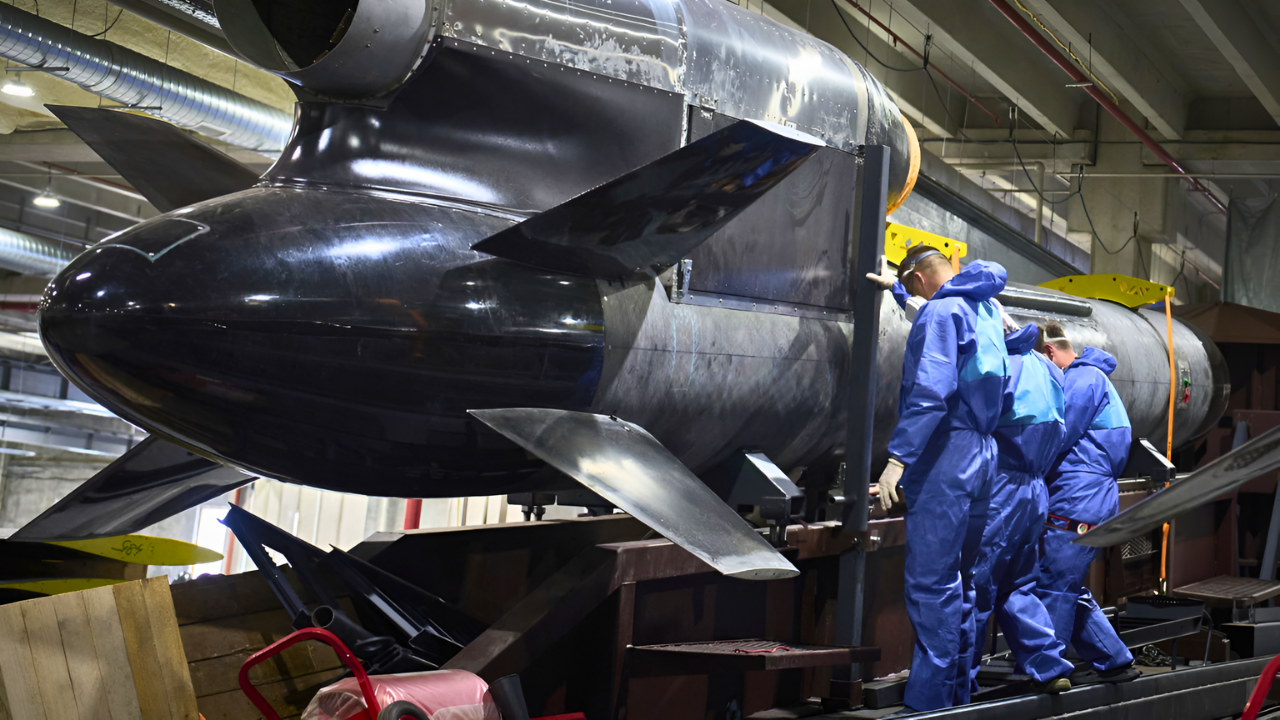
Ukraine has introduced a groundbreaking defense technology called the drone wall, a networked system designed to detect and stop around 700 Russian drone attacks every week. This marks a major leap in modern warfare, where both sides depend heavily on drones to spy, strike, and defend. Experts say the new system could change how wars are fought, with machines rather than soldiers taking the lead. As Forbes reported in October 2025, every second gained through early detection can mean hundreds of lives saved and cities protected from destruction.
Soldiers now rely on real-time radar tracking, allowing them to intercept drones before they reach targets. Ukrainian officials hope this electronic shield will make the difference between chaos and control in the ongoing conflict. The deployment of this drone wall highlights Ukraine’s determination to adapt quickly, facing one of the most intense drone bombardments in modern history.
An Unrelenting Drone Onslaught
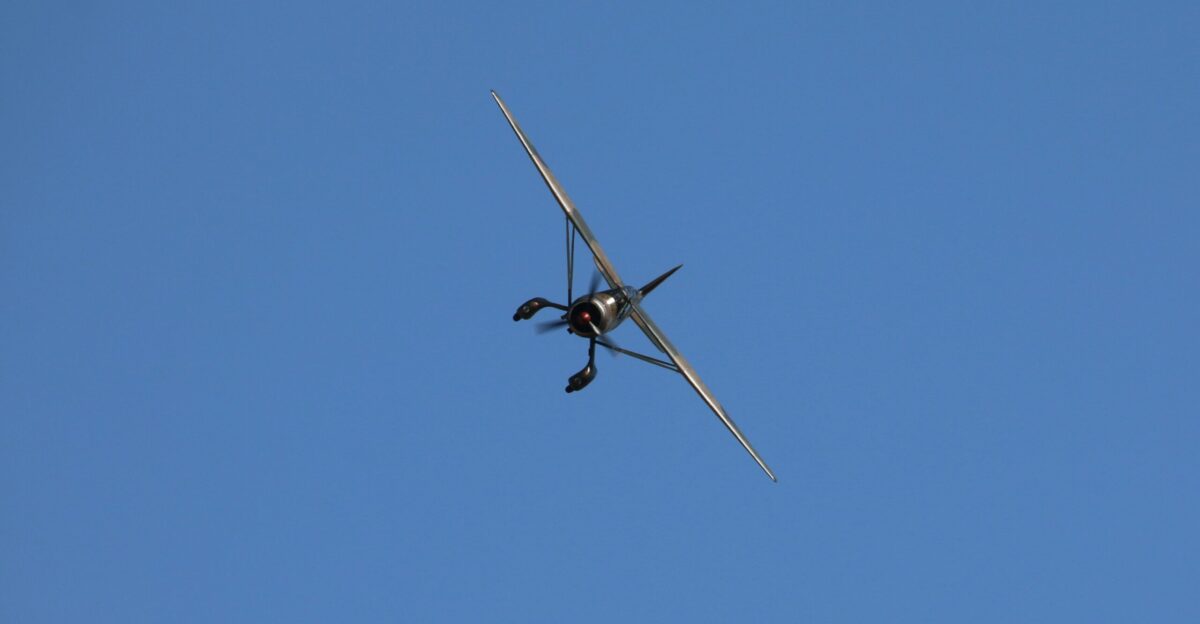
Russian drone strikes on Ukraine have reached record-breaking intensity, with reports confirming up to 700 attacks every week. Entire swarms now descend on cities and critical infrastructure, including power plants, water lines, and military command posts. These mass attacks are designed to exhaust Ukraine’s defenses by sheer volume.
Under this daily pressure, Ukraine’s traditional anti-air methods have struggled to keep up. The constant blackouts and explosions have forced communities across the country to adapt, with residents living under nightly alerts and rapid response protocols. Ukrainian engineers and soldiers are collaborating around the clock, building new ways to detect and jam enemy drones. The scale of these attacks has sped up innovation, but also stretched Ukraine’s resources thin, making technological creativity a matter of survival.
How Drones Changed the War
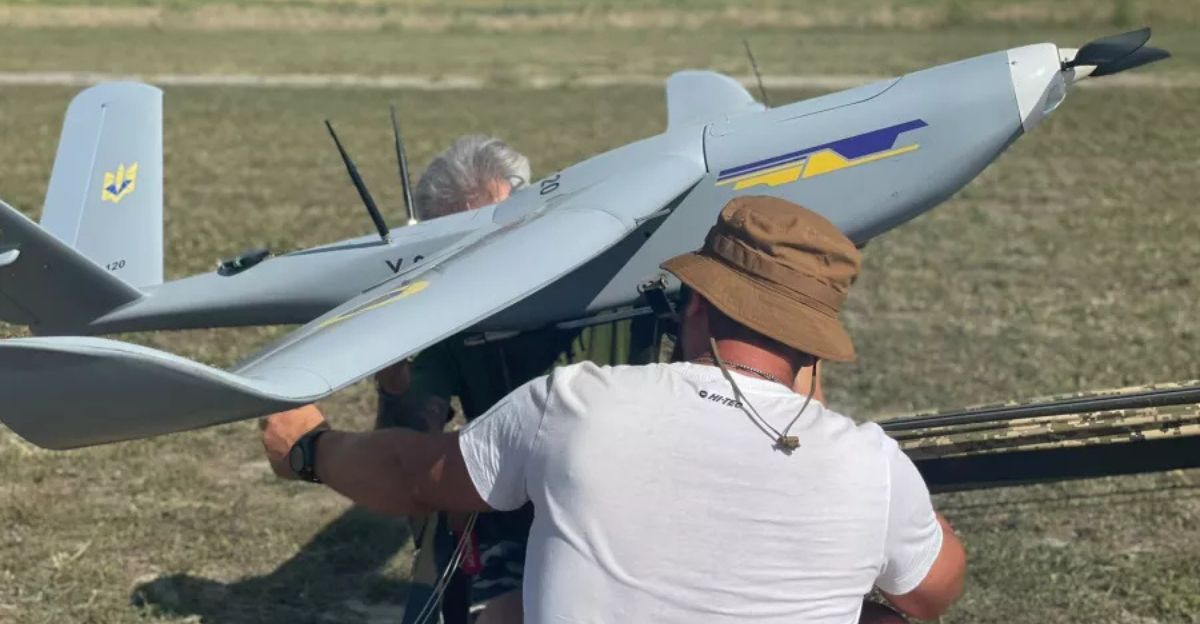
The Russian invasion transformed warfare forever. What began as a conventional fight quickly turned into a test of unmanned technology. Drones now dominate the battlefield, used for everything from spying on frontlines to precision strikes on enemy equipment. Ukraine’s drone wall was born from necessity, traditional artillery was running low, and supply chains struggled to keep up.
This shift has redefined military tactics as soldiers no longer need to see the enemy in person to engage them. Instead, battles play out from screens miles away. Ukraine’s rapid adaptation has impressed global military analysts who see it as a model for 21st-century warfare. Both nations now compete in a high-tech arms race, where software upgrades and signal interference are as crucial as missiles and tanks.
The Urgent Drive to Innovate
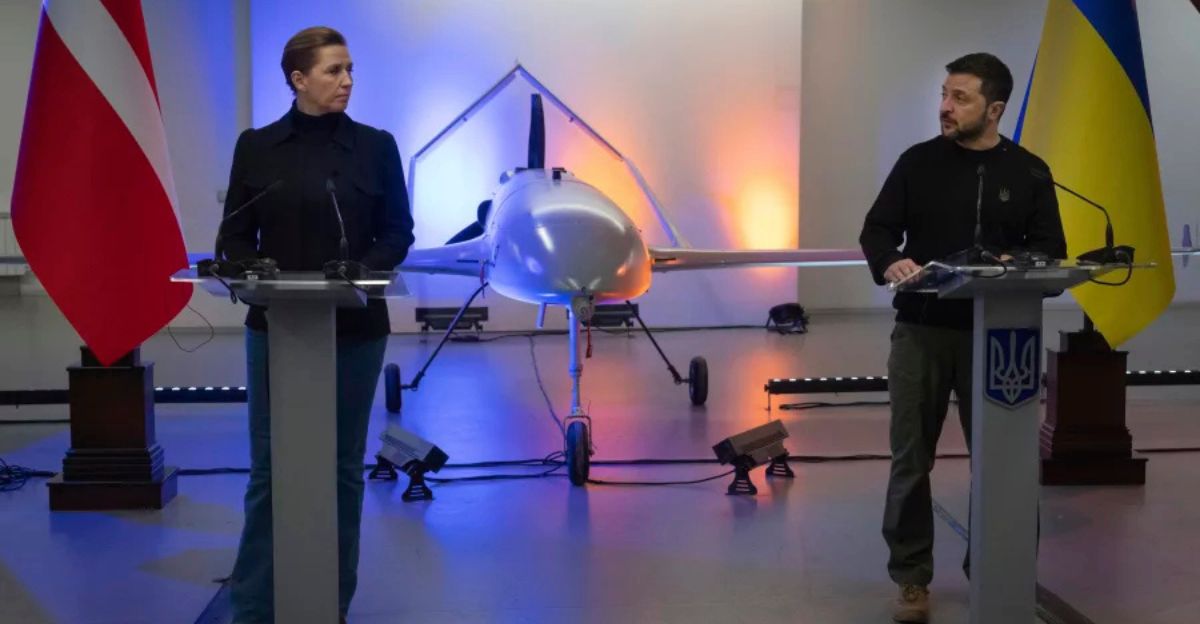
Ukraine’s defense strategy evolved under extreme pressure. With nightly drone assaults and delays in foreign military aid, the country’s ability to survive depended on self-reliance. Engineers and tech startups stepped forward, turning basements into workshops to build detection tools and counter-drone systems. Hundreds of local companies now supply the military with drones and radar software.
NATO and EU allies have also stepped in to share resources and intelligence. Yet innovation comes at a steep cost, both in funding and human fatigue. Engineers work long hours under air raid alarms, knowing their prototypes could save lives within weeks. Ukraine’s efforts reveal a powerful truth: necessity fuels invention, especially when the future of a nation is at stake.
The Drone Wall Goes Operational
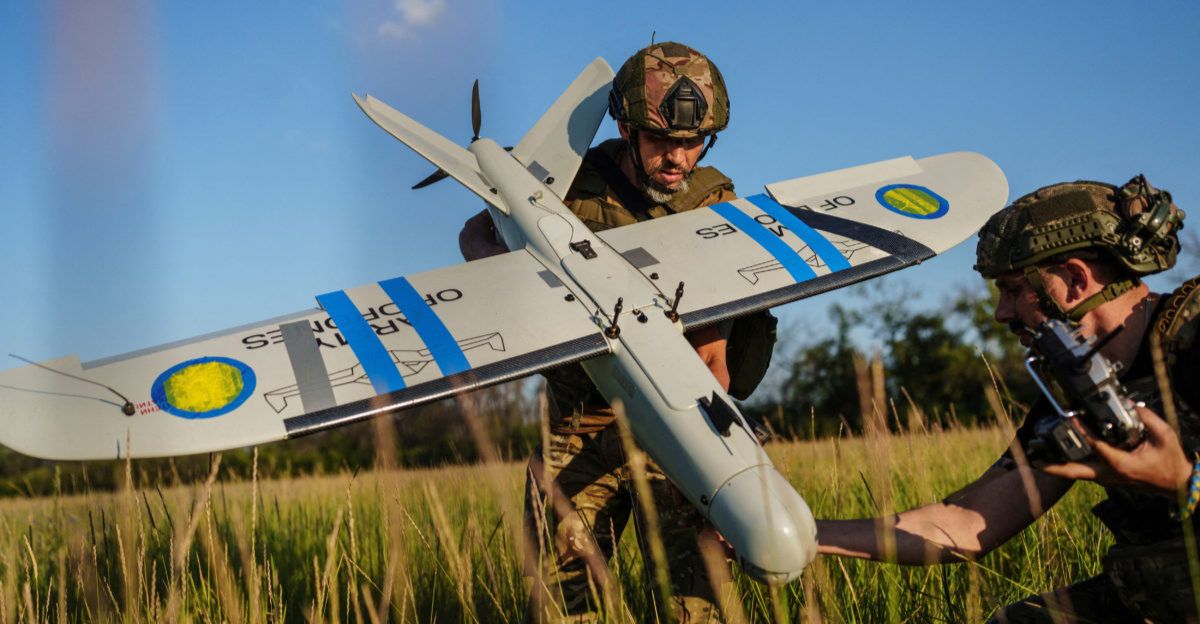
In October 2025, Ukraine activated its first operational drone wall using the Robin Radar IRIS system, a technology developed by a Dutch company with extensive input from Ukrainian military teams. The system creates a 360-degree detection field, tracking unmanned threats in real time. Its software can be updated instantly to match new Russian tactics, a vital advantage in this fast-changing drone war.
IRIS is now part of Ukraine’s wider network of layered defenses, combining radar, machine learning, and rapid-response interception. The hope is that this digital shield will buy more reaction time for cities and troops alike. Its successful rollout signals a shift from manual defense to automated vigilance across Ukraine’s skies.
Protecting Cities Under Fire
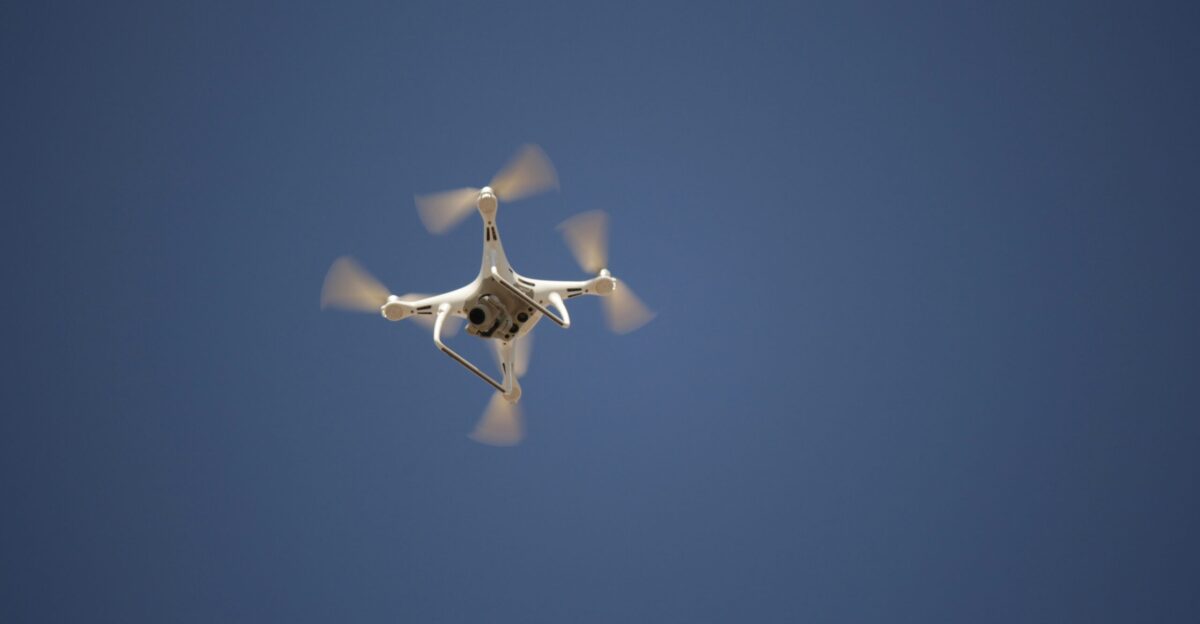
Every night, Ukrainian cities brace for drone strikes that target power stations, hospitals, and apartment blocks. The new drone wall offers a layer of protection by identifying incoming drones before they reach their targets. Its early alerts give civilian and military responders precious seconds to act. For residents, that means a better chance to reach shelters before impact.
The system also helps prevent widespread power outages that cripple daily life and emergency response operations. Beyond protecting buildings, the goal is to restore confidence and resilience among the civilian population. Even as the war continues, Ukraine’s ability to defend its urban centers shows the power of coordinated technology, and the human determination behind it.
Frontline Commanders Shape the System
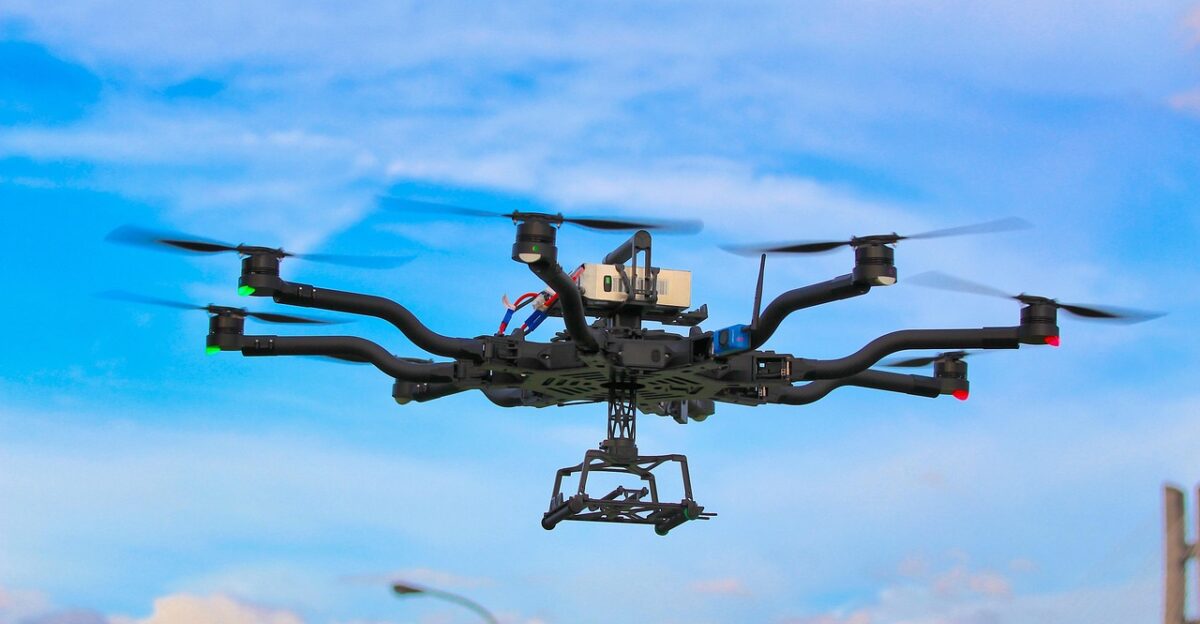
One reason the drone wall works so efficiently is that it was built with direct guidance from those on the front lines. Ukrainian commanders gave detailed feedback during field testing to ensure the system met real combat needs. This collaboration allowed constant refinements to the software and radar performance.
Unlike older systems built for static defense, Ukraine’s version is dynamic, adjusting to battlefield data in real-time. Commanders can now redirect detection resources within minutes of changes in drone activity. This synergy of technology and tactical knowledge exemplifies what modern military cooperation entails: soldiers and engineers collaborating to solve life-or-death problems side by side.
Europe Takes Notice

Ukraine’s use of the drone wall has captured wide attention across Europe. Several NATO countries, including Germany, Poland, and Romania, are planning to build similar systems along their eastern borders. The European Drone Defence Initiative (EDDI) now seeks to connect these networks for shared radar coverage and instant data exchange.
NATO officials describe Ukraine’s project as a possible blueprint for the continent’s next-generation defense model. The collaboration could reshape European security strategies, moving from traditional fighter jets to a web of smart detection systems. This continental shift shows how lessons from one war zone could strengthen the entire alliance.
Billion-Dollar Drone Boom
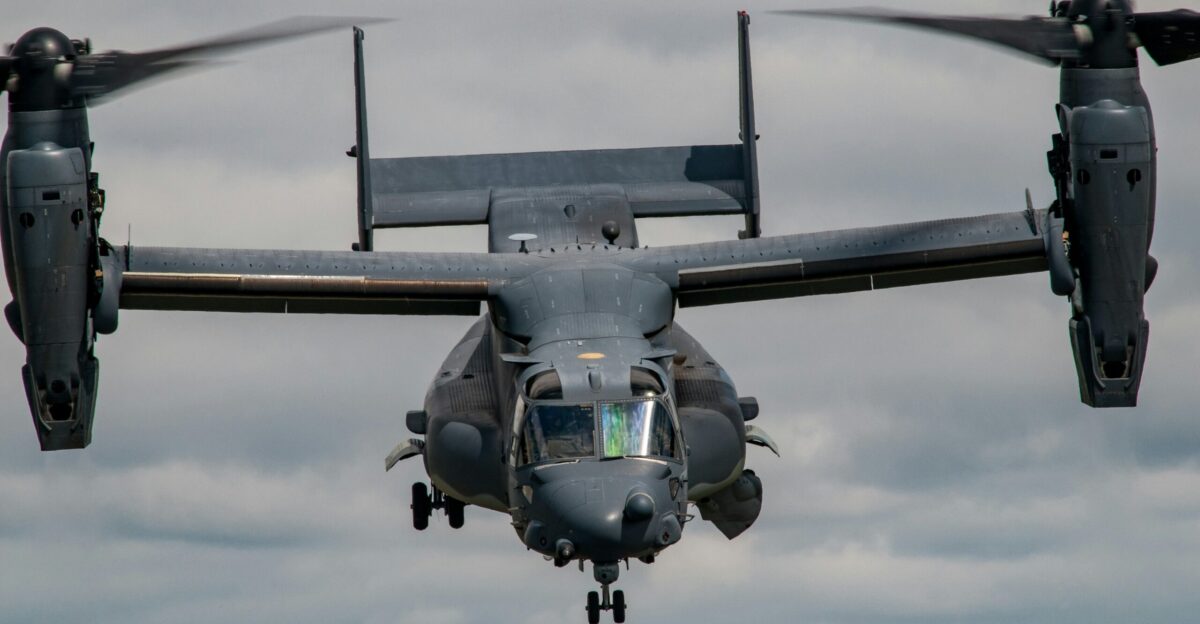
Ukraine’s domestic drone industry has exploded in scale. Output is expected to surpass four million drones annually, according to government projections. Since 2022, hundreds of new companies have entered the defense market, transforming Ukraine into one of the world’s fastest-growing drone producers.
President Volodymyr Zelenskyy has urged investors and allies to provide more funding, aiming to double production to eight million units per year. However, the challenge lies in sustaining this pace amid power shortages and limited materials. Despite these hurdles, Ukraine’s manufacturing revolution underscores how homegrown innovation can counter even the most resource-heavy adversary.
The Enemy Strikes Back
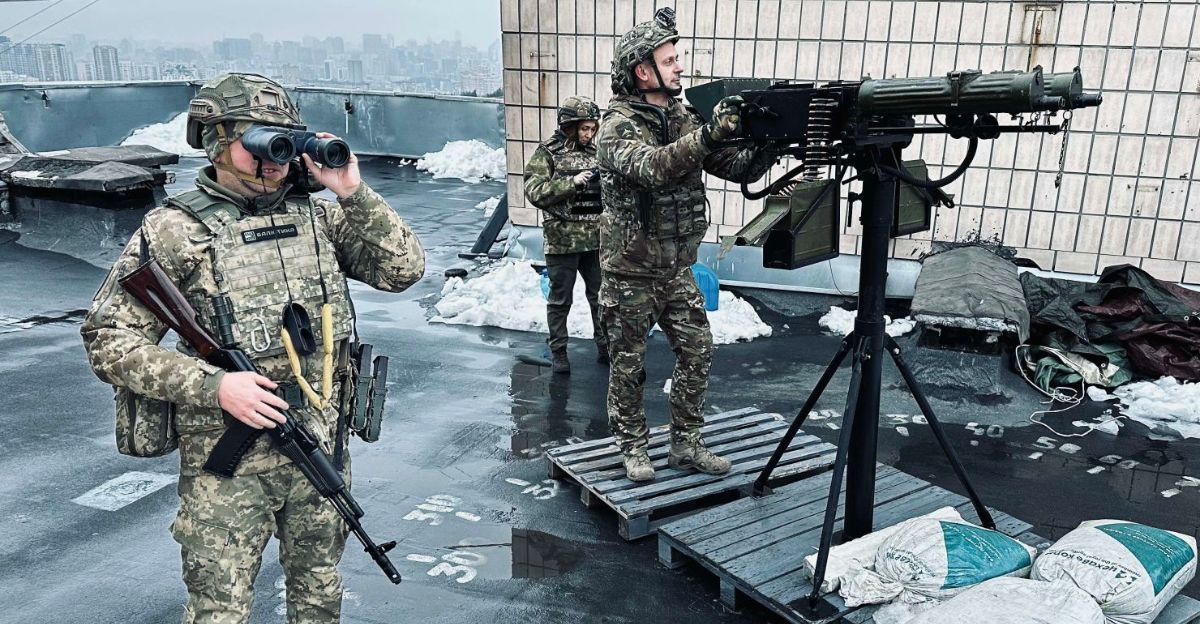
As Ukraine strengthens its defenses, Russia is also adjusting its tactics. New attacks now focus on radar stations and drone operators, the very backbone of the drone wall. These targeted strikes seek to blind Ukrainian coverage for brief moments, opening paths for larger attacks.
The result is a cycle of upgrades and retaliations. Beyond military losses, civilians often bear the brunt, as damaged defense sites leave cities vulnerable. This grim back-and-forth shows that even the smartest technology can’t stop a determined enemy from adapting.
Frustration at the Front
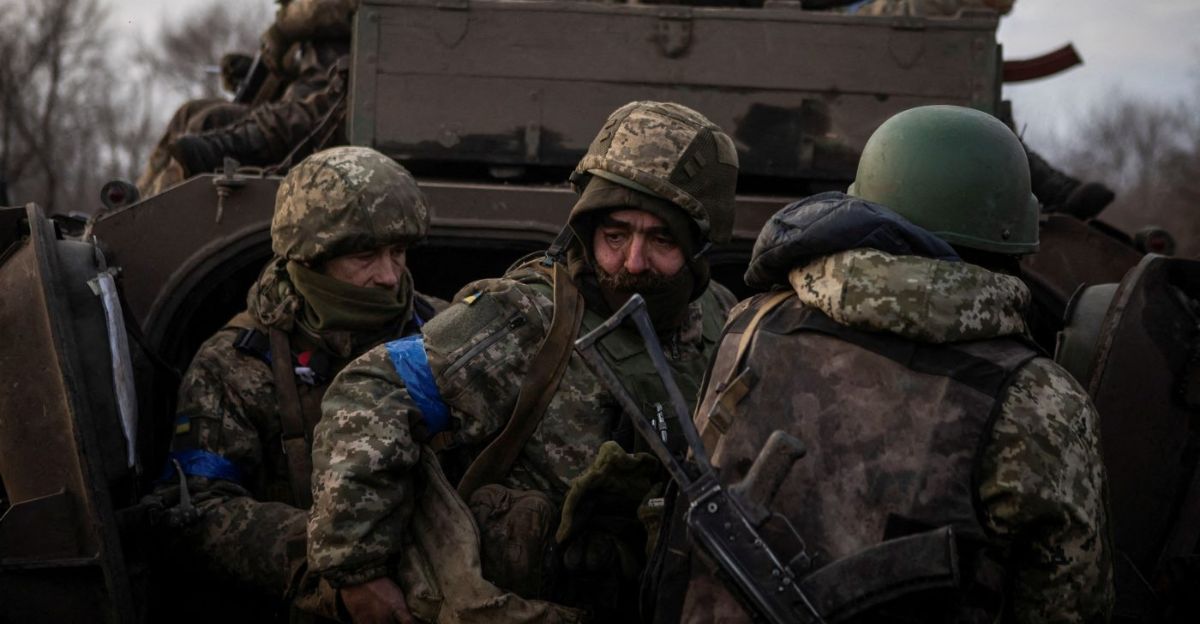
Despite technical successes, soldiers on Ukraine’s frontlines face growing frustration. Many report shortages in both drones and replacement parts, slowing their ability to keep up with Russia’s output. Commanders remind policymakers that equipment alone is not enough, steady funding and logistics are equally vital.
The pressure to innovate never stops, but sustaining complex systems amid an active war poses its own test. Engineers race to repair equipment under constant bombardment, proving that resilience is as crucial as invention. Whether the drone wall can maintain its strength depends on long-term coordination between the factory floor and the battlefield.
A New Military Branch Rises
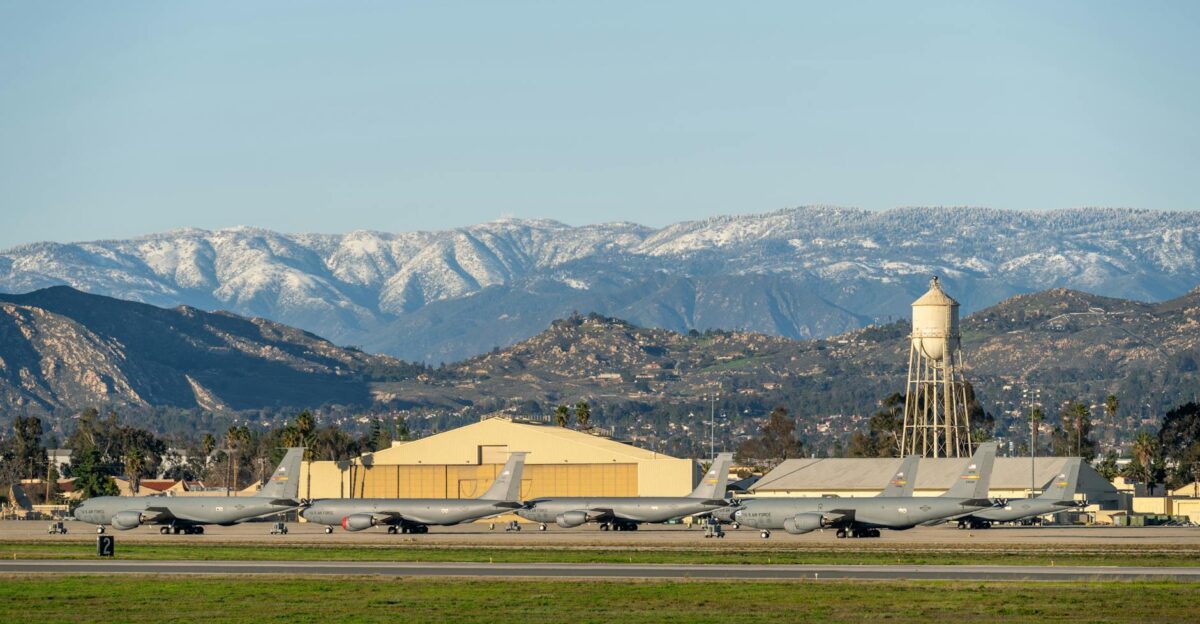
To better oversee drone operations, Ukraine formed a new military branch called the Unmanned Systems Forces in mid-2025. This specialized unit coordinates the use of drones across all combat zones, ensuring they fit smoothly into the country’s broader defense strategy.
It also manages the integration of the drone wall and future technologies such as AI-controlled swarms. The initiative highlights Ukraine’s ability to reform under pressure, transforming lessons from war into a permanent technological advantage. By formalizing drone operations, Ukraine is setting a global precedent for how future armed forces might operate.
Adapting and Upgrading Fast

Ukraine’s defense comeback plan centers on continuous improvement. The Robin Radar IRIS system, for instance, can receive software upgrades in the field, no need to return to base for maintenance. This agility allows teams to respond to Russian innovations within days. Partnerships with defense firms in Britain and France have accelerated updates and hardware upgrades.
Collaborative workspaces now link European experts and Ukrainian developers in real-time, turning the war zone into a laboratory for modern warfare technology. These efforts illustrate Ukraine’s driving goal to always stay one step ahead of the threat.
Experts Urge Caution

While the drone wall is a major advance, military experts warn that it’s not a miracle solution. Some argue that without stronger financial backing and continued Western support, the system could quickly become outdated. Russia is already deploying new drones with advanced jamming resistance.
Ukraine’s challenge will be maintaining balance, using drones alongside traditional weapons like artillery and surface-to-air missiles. If properly integrated, the drone wall could provide a decisive edge. If neglected, it risks becoming another incomplete experiment in wartime innovation.
The Future of Global Defense
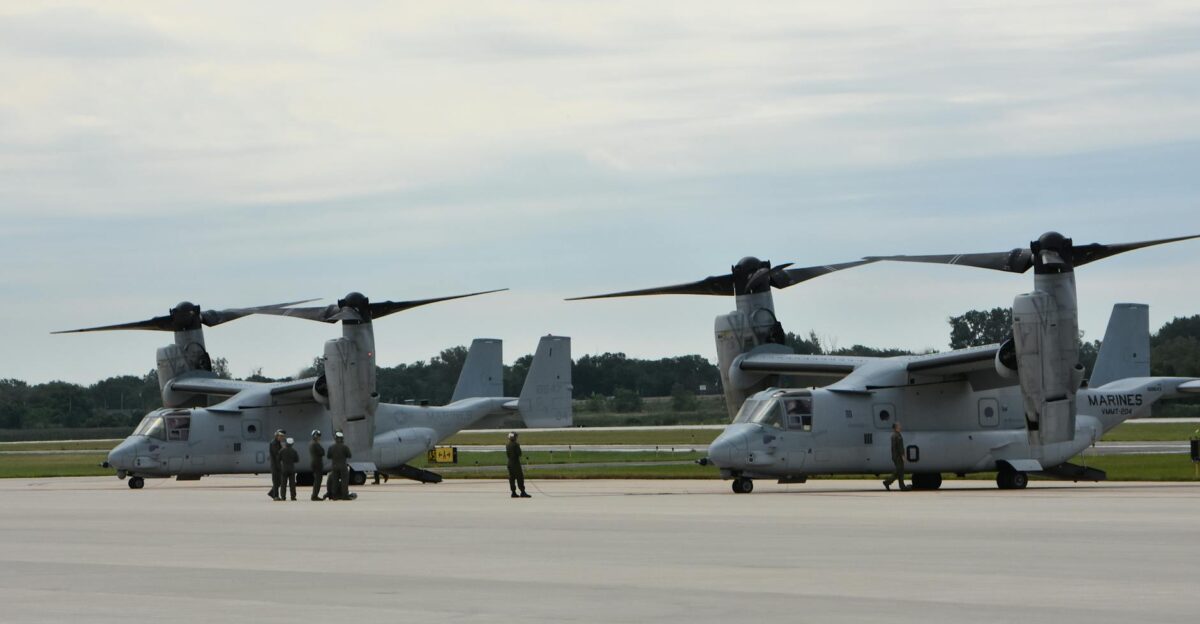
As Ukraine’s drone wall faces its toughest test, countries worldwide are watching closely. The outcome of this experiment in automated defense may shape the future of warfare. Will smart software, adaptive radar, and human-machine teamwork prove strong enough against ever-evolving drone threats?
The success or failure of this system could determine how nations defend themselves for decades to come. More importantly, it shows how innovation can thrive under fire, and how technology and courage together might redefine what it means to protect a nation.