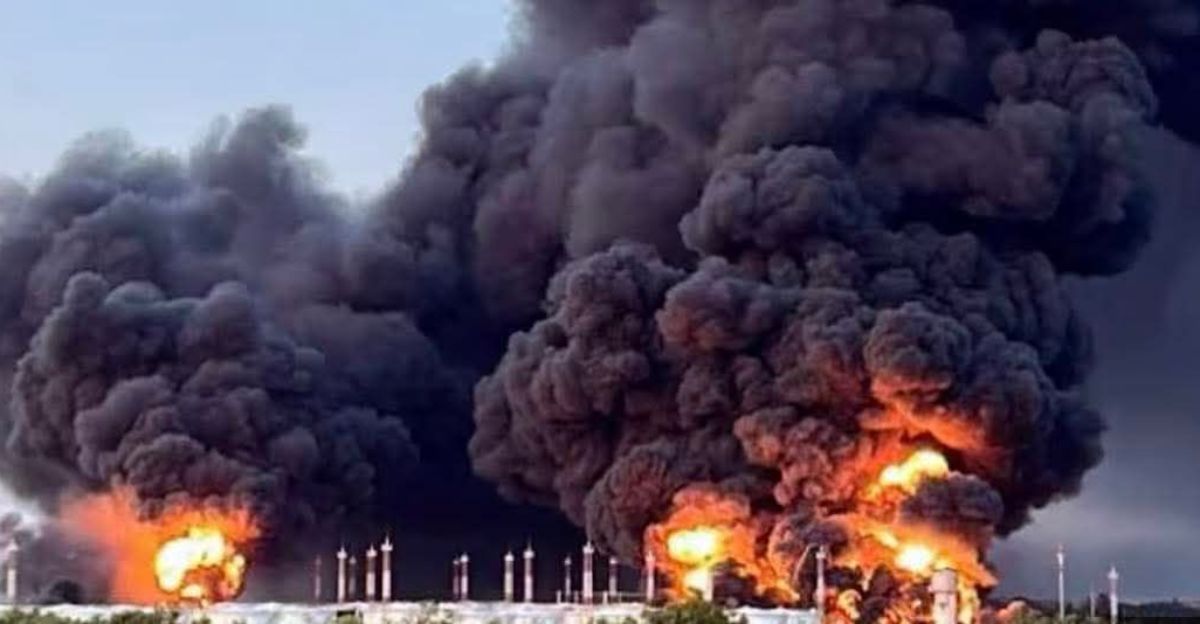
On November 11, 2025, Ukrainian drones struck deep inside Russia, igniting a major fire at the Saratov oil refinery. This event underscored a new era of long-range warfare and exposed the vulnerability of Russia’s energy infrastructure. The attack forced a near-total shutdown of a facility that processes 20,000 metric tons of crude oil daily, disrupting the supply of critical fuels to Russia’s military and civilian sectors.
Relentless Strikes on a Strategic Target
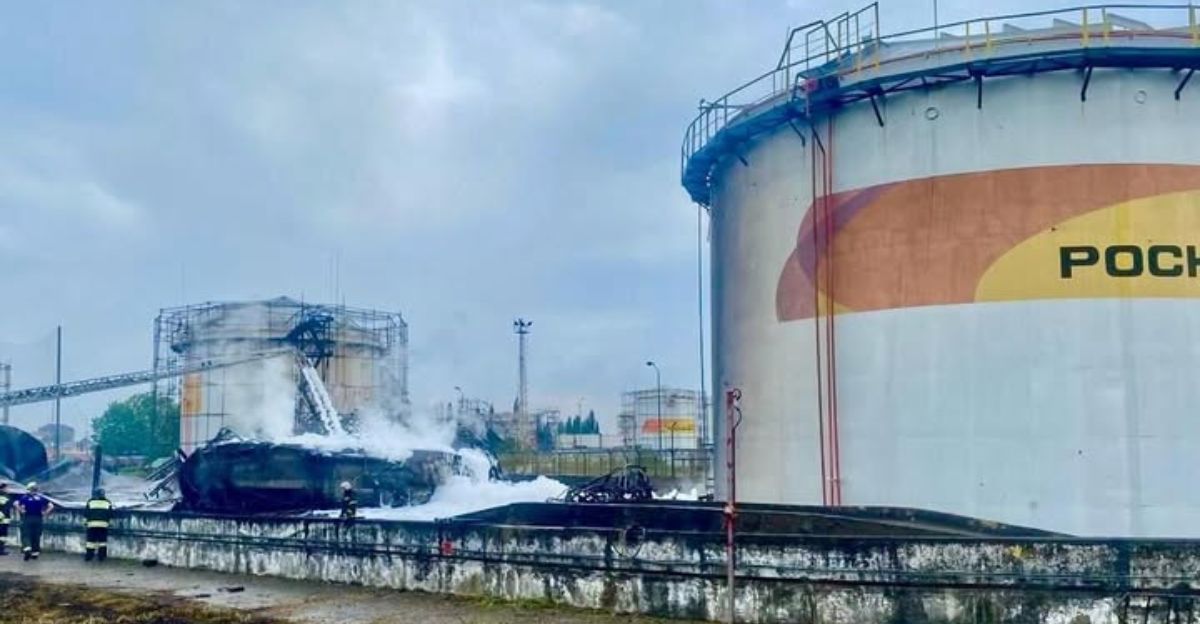
The Saratov refinery, operated by state-controlled Rosneft, is a linchpin in Russia’s war logistics, producing over 20 types of fuel, including gasoline, diesel, and heating oil. Its location—150 kilometers from Kazakhstan’s border and 600 kilometers from the front lines—once offered a sense of security. That illusion has been shattered. The November 11 drone strike marked the seventh attack on Saratov in eleven months, part of a deliberate Ukrainian campaign to degrade Russia’s fuel supply chain. Despite Russian claims of intercepting 37 drones that night, including eight over Saratov Oblast, the refinery still burned, and the local airport was forced to close, signaling the strike’s effectiveness.
Coordinated Assaults Across Multiple Fronts
The attack on Saratov was not an isolated incident. On the same night, Ukrainian forces targeted the Sea Oil Terminal in Crimea, damaging fuel tanks vital to the peninsula’s supply, while additional strikes hit Russian military warehouses and troop concentrations in occupied Donetsk. This coordinated, multi-domain offensive spanned 600 kilometers of contested airspace, demonstrating Ukraine’s growing ability to disrupt Russian logistics on several fronts simultaneously. Satellite imagery confirmed that Saratov’s CDU-6 crude distillation unit—the heart of its operations—was hit, with at least one major storage tank engulfed in flames. Early assessments suggested the refinery could remain offline until the end of the month, compounding fuel shortages for Russia’s military.
Economic and Military Fallout
Each day the Saratov refinery remains closed, Russia loses the ability to process over 13,000 metric tons of crude oil, translating into millions of dollars in lost revenue. Reuters estimated the potential monthly loss at $65–130 million, but the true impact extends beyond economics. Fuel shortages threaten to immobilize tanks, ground helicopters, and disrupt supply lines, turning economic damage into operational setbacks and, ultimately, lost territory. Crimea, cut off by damaged supply routes and fuel terminal strikes, has implemented strict gasoline rationing of 20 liters per driver as the fuel crisis deepens. The International Energy Agency reported that Ukraine’s campaign against Russian energy infrastructure had, at its peak, knocked out up to 21 percent of Russia’s refining capacity—about 1.4 million barrels per day. Since August, Ukraine has launched more than 58 attacks on Russian energy sites, with 29 targeting refineries. The sustained pressure has forced Moscow to choose between repairing damaged facilities and maintaining military operations.
Civilian Hardship and Shifting Warfare
The consequences of these strikes ripple far beyond the battlefield. Russian civilians have faced long lines at gas stations and a 10 percent spike in pump prices since the attacks intensified. Diesel shortages have hit farmers and transport companies, while local officials in Saratov reported collateral damage to homes and at least one civilian injury. The war, once distant for many Russians, now intrudes into daily life, blurring the line between military and civilian targets.
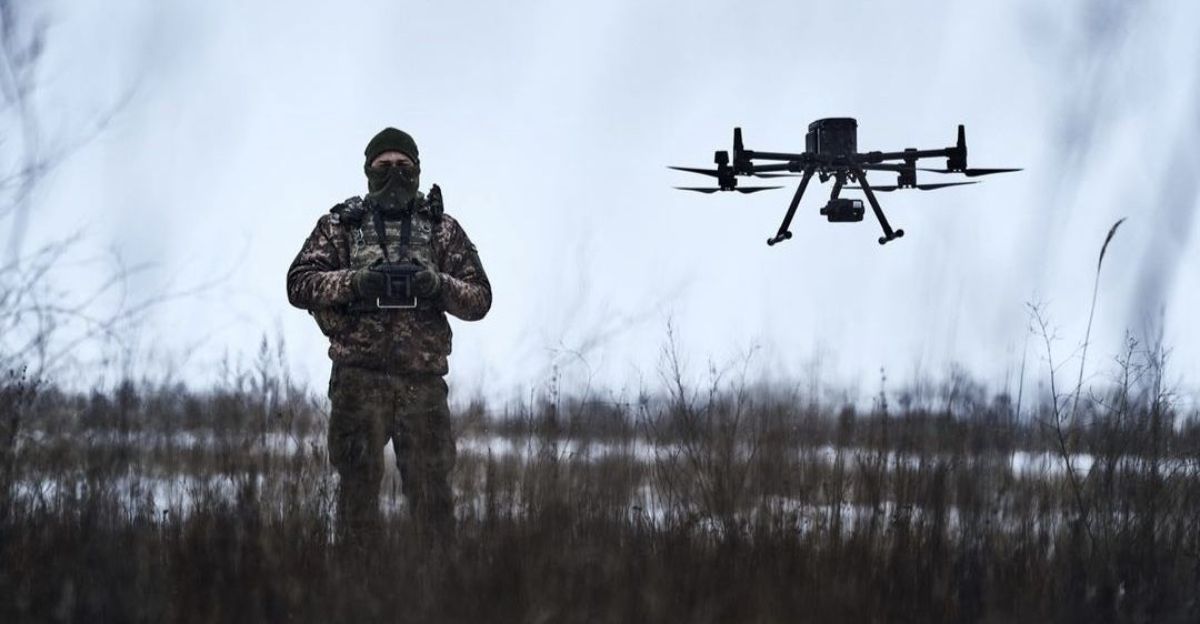
The ability of Ukrainian drones—costing as little as $500–$1,000—to penetrate 370 miles behind Russian lines and destroy infrastructure worth hundreds of millions has upended traditional military doctrine. Russia’s air defenses, while intercepting many drones, have proven unable to prevent critical strikes. The pace of Ukrainian attacks has outstripped Russia’s capacity to repair and reinforce its refineries, creating a persistent vulnerability.
Winter Looms, Global Markets React
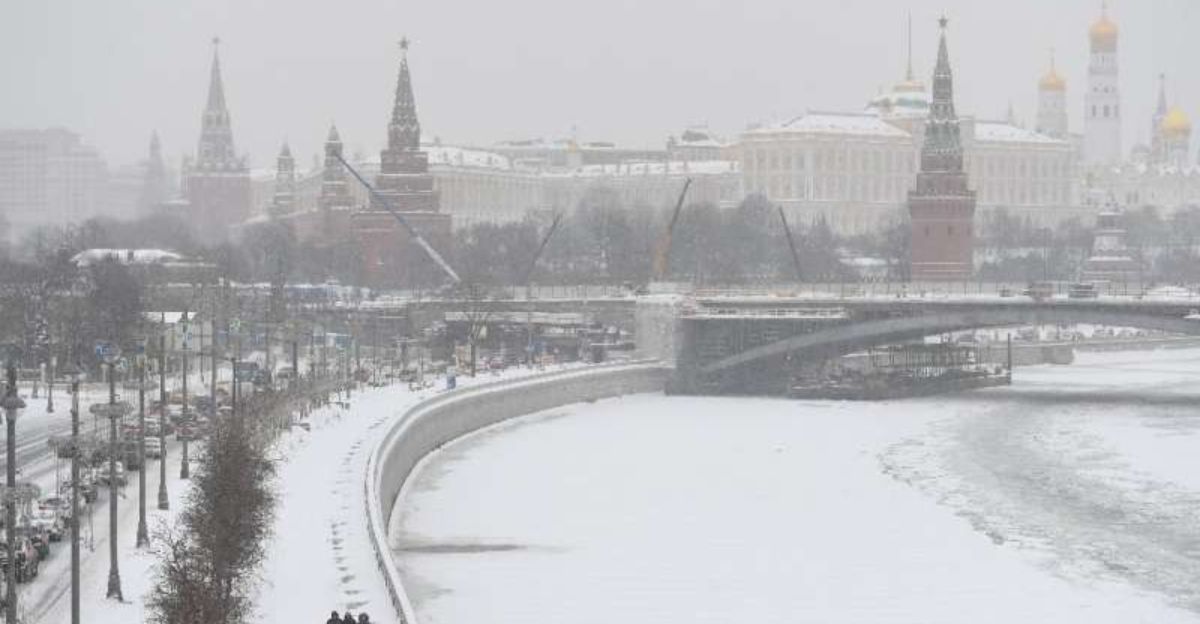
As winter approaches, the stakes rise. Fuel shortages threaten not only military operations but also civilian survival, as heating oil and diesel become essential. Russia faces a difficult choice: divert fuel from the military to prevent civilian suffering or risk unrest as temperatures drop. Meanwhile, global energy markets have felt the tremors. Oil prices rose 2 percent after the November strikes, and Russia’s oil exports fell by over 17 percent during peak disruptions, affecting supply chains from Europe to Asia.
A New Reality for Industrial Warfare
The repeated strikes on Saratov have rewritten the rules of industrial warfare. Infrastructure once considered safely out of reach is now a regular target. Ukraine’s campaign has demonstrated that with determination, coordination, and relatively inexpensive technology, even the most fortified assets can be threatened. Whether the conflict ends through negotiation or continued fighting, the vulnerability of Russia’s energy backbone will shape its strategic calculations—and may influence the future of warfare far beyond this conflict.