A Ukrainian resistance operative successfully infiltrated Russia’s Lipetsk military airfield on December 20-21, 2024, destroying two fighter jets valued at up to $100 million inside a protected hangar approximately 400 kilometers inside Russian territory.
Ukraine’s Defense Intelligence Directorate (HUR) confirmed the Su-27 and Su-30 fighters with tail numbers “12” and “82” were disabled or destroyed. The operative left the airfield “without obstruction,” according to HUR officials.
Two-Week Planning Operation
The covert sabotage operation required two weeks of meticulous planning, including detailed surveillance of patrol routes and guard rotation schedules at the premier Russian combat training center.
This reconnaissance enabled the operative to identify security gaps and plan both infiltration and exfiltration routes that avoided detection. Video evidence released by HUR shows the aircraft engulfed in flames inside their hangar, with cockpit canopies open, suggesting direct access to maximize internal damage.
Part of Coordinated 72-Hour Campaign
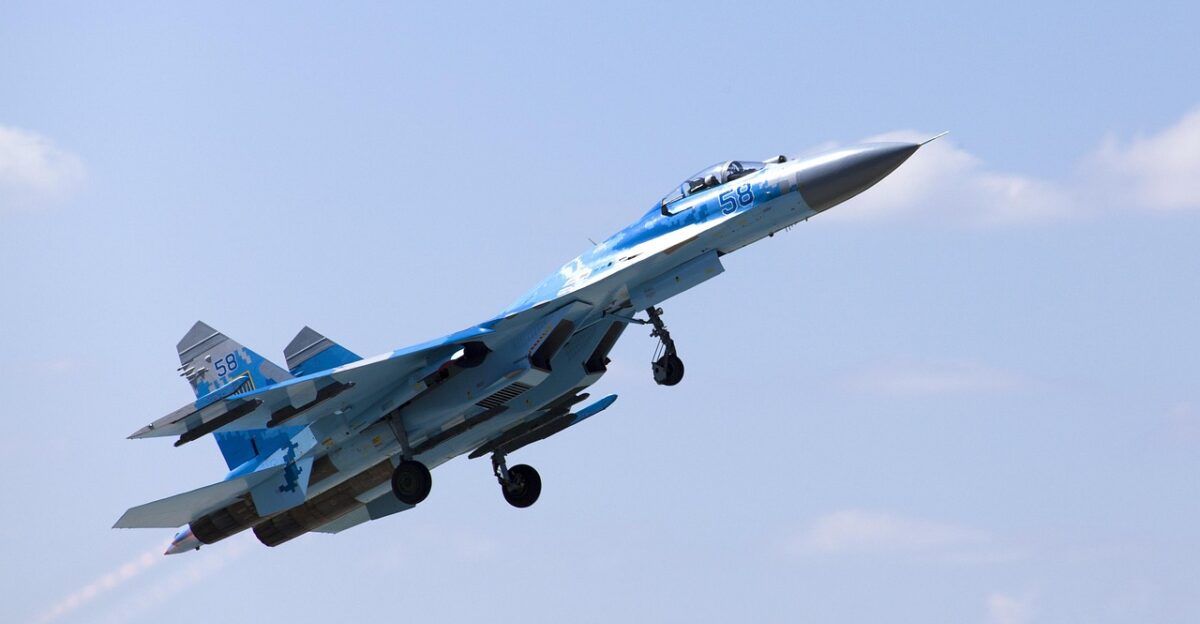
The Lipetsk strike occurred within a broader three-day campaign (December 18-21) that also targeted Belbek airfield in occupied Crimea. Ukrainian forces destroyed or damaged four additional fighter jets, including two Su-27s at Belbek—one fully armed on the taxiway preparing for combat sortie.
Combined with radar systems and air defense platforms destroyed at Belbek, the total estimated value exceeds $300-400 million in Russian military equipment.
Strategic Radar Systems Neutralized
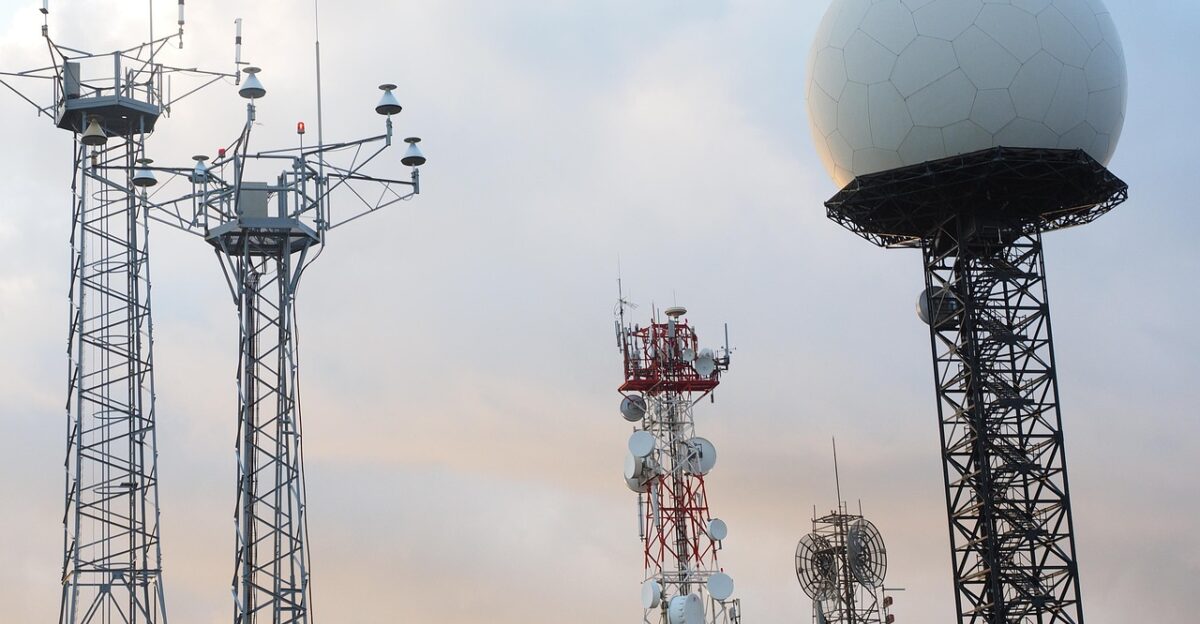
Ukraine’s Security Service (SBU) drones first struck Belbek on December 17-18, destroying two Nebo-SVU long-range surveillance radar systems valued at $60-100 million each. These strategic early-warning assets provide detection ranges of 400 kilometers for high-altitude targets.
The strikes also eliminated one S-400 fire-control radar ($30-60 million) and a Pantsir-S2 air defense system ($12-19 million), creating critical gaps in Crimea’s integrated air defense network.
MiG-31 Interceptor Destroyed
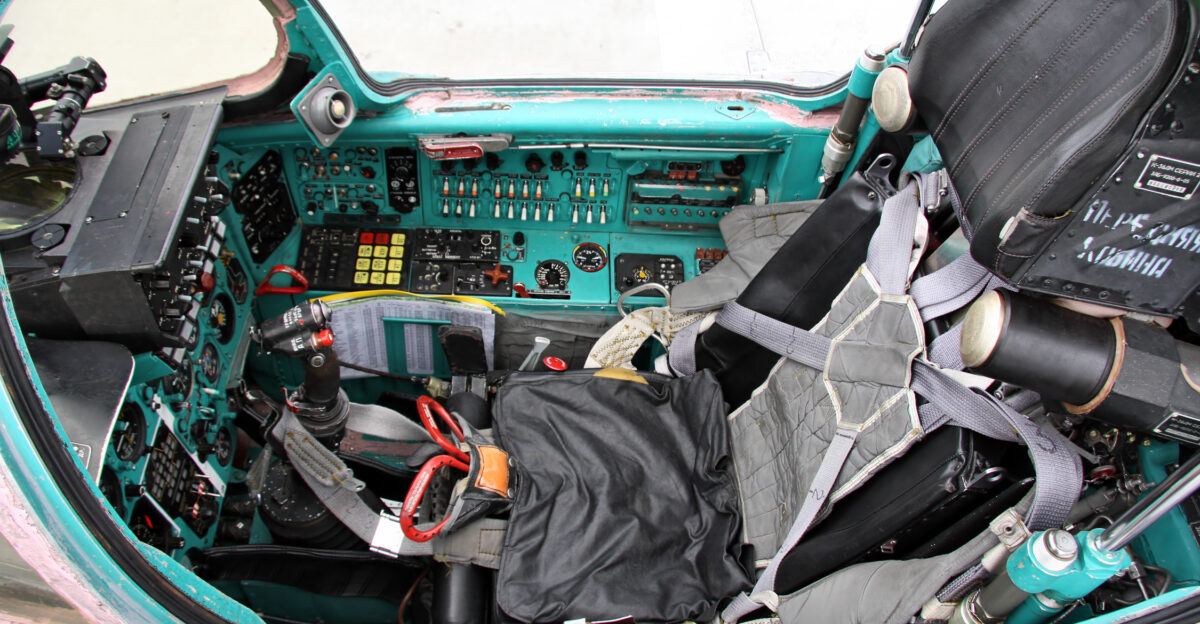
A MiG-31 interceptor with full combat load was struck during the Belbek operation, potentially configured to carry Kinzhal hypersonic missiles. The aircraft, valued at $30-50 million, was hit with cockpit canopies open during towing operations, suggesting maintenance status when targeted.
This sequenced approach—first neutralizing defensive systems, then exploiting vulnerability to target high-value aircraft—demonstrates Ukrainian operational sophistication beyond opportunistic strikes.
Lipetsk: Russia’s Premier Training Center
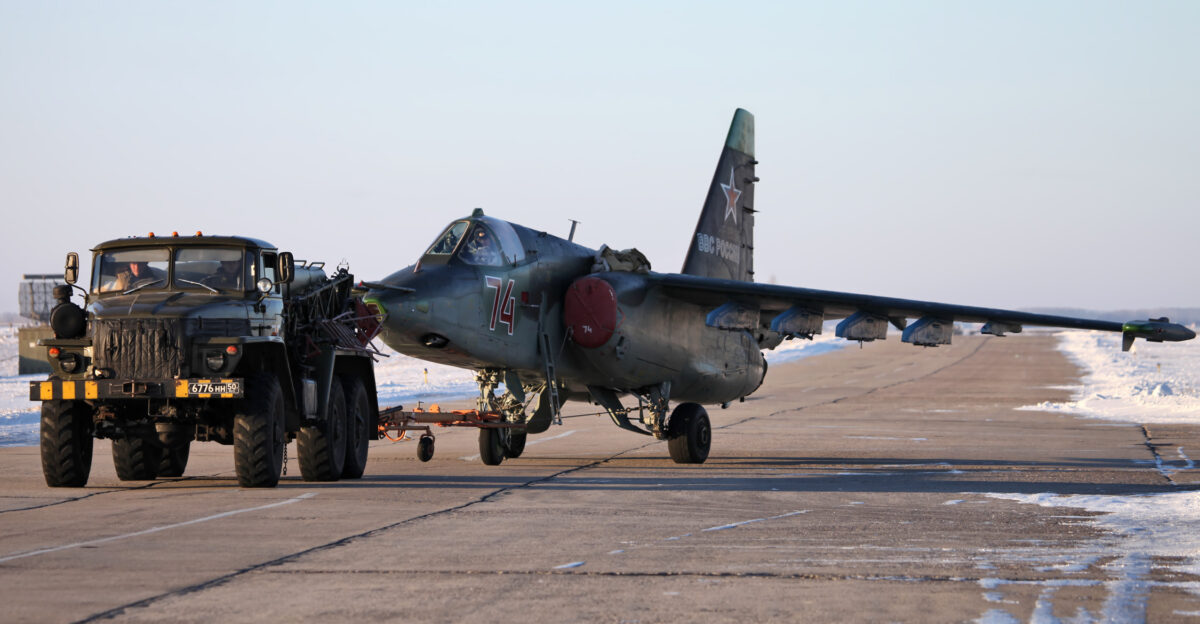
Lipetsk Air Base functions as Russia’s equivalent to the United States’ Nellis Air Force Base, serving as the premier combat training center for Russian Aerospace Forces.
The facility hosts the 4th State Centre for Aircrew Training, including the Russian Falcons aerobatic demonstration team. Since February 2022, combat-ready units have increasingly used the facility for staging and rapid deployment, transforming the rear-area installation into a forward-support node for strike operations against Ukraine.
Systemic Security Failures Revealed

The operative’s unobstructed departure represents catastrophic failures across Russia’s airbase security architecture. Russian military bloggers openly criticized the breach, with one stating: “Ukrainian intelligence agents infiltrated the Lipetsk-2 airfield, sat in the cockpits of fighter jets, then leisurely set them on fire and fled”.
Another channel called for commanders to be “sent to the infantry” for security failures protecting rear facilities.
Resistance Networks Inside Russia
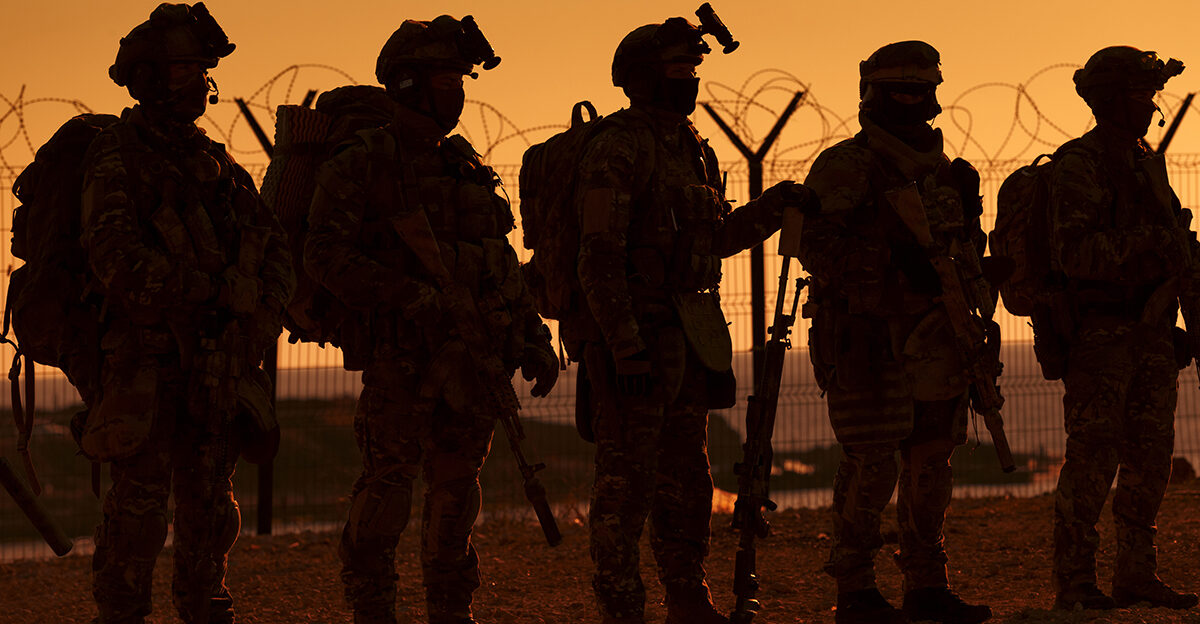
Ukraine has cultivated extensive networks of resistance operatives and sympathizers inside Russia capable of conducting sabotage, intelligence collection, and target designation.
US intelligence sources confirmed in 2023 that Ukraine’s SBU and HUR had established sabotage cells within Russia consisting of pro-Ukrainian sympathizers and trained operatives. These networks leverage ideological motivation, financial incentives, and remote recruitment through encrypted messaging platforms.
Unsustainable Aircraft Attrition
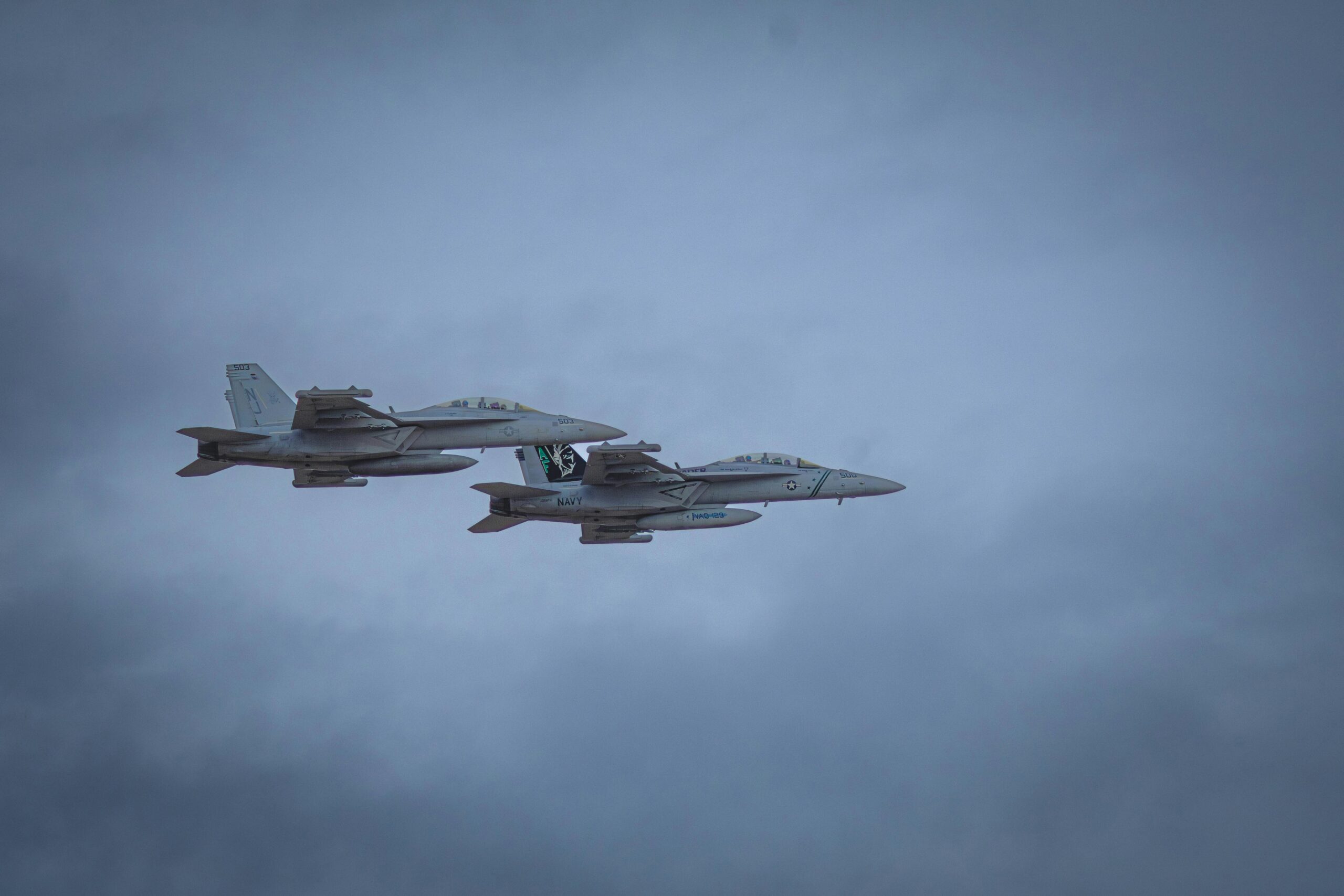
Russia’s limited aircraft production capacity amplifies the strategic impact of each successful strike. Defense industry analysis indicates Russia delivers only 20-30 fighter jets annually, barely offsetting combat and training losses.
With approximately 550 of Russia’s 1,200 tactical fighters approaching end-of-service life and Ukraine claiming 434 Russian aircraft destroyed since February 2022, every aircraft lost at Lipetsk or Belbek creates capability gaps Russia cannot close through production.
Impact on Glide Bomb Operations
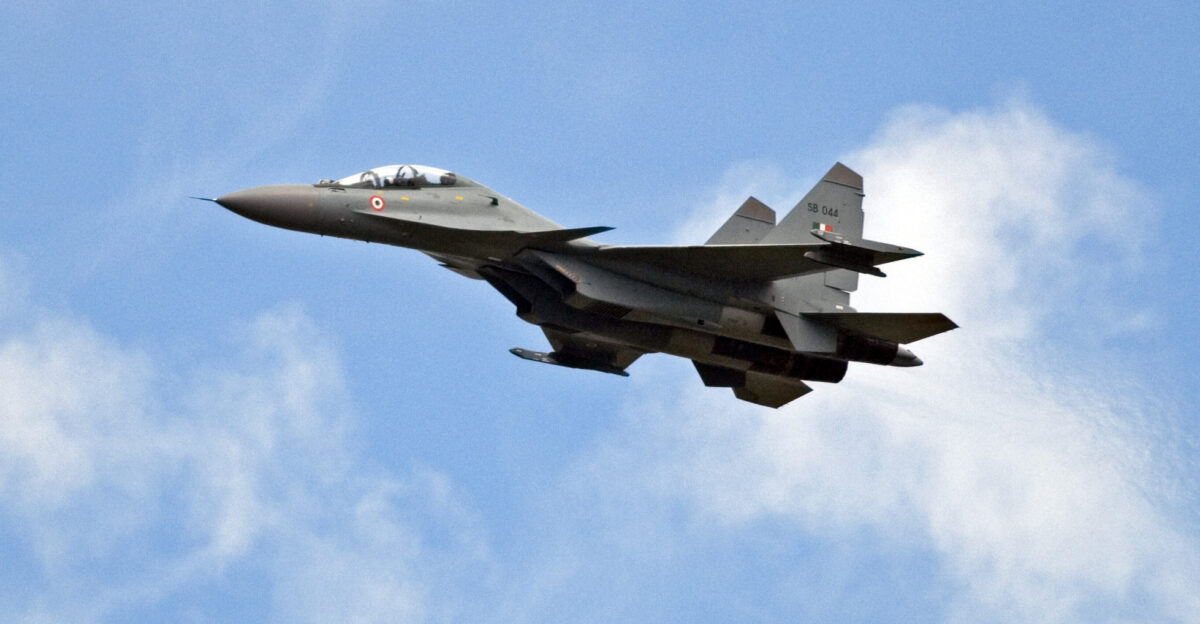
The strikes directly affect Russia’s critical glide bomb campaign, which deploys approximately 3,500 UMPK-equipped munitions monthly. Su-30 multirole fighters destroyed at Lipetsk serve dual roles: air superiority missions and ground attack sorties delivering glide bombs.
Each aircraft loss reduces Russia’s ability to sustain operational tempo, with Ukrainian sources reporting glide bomb attacks have declined approximately 50% since Western partners authorized deep strikes inside Russia.
Evolution of Ukrainian Deep-Strike Capabilities
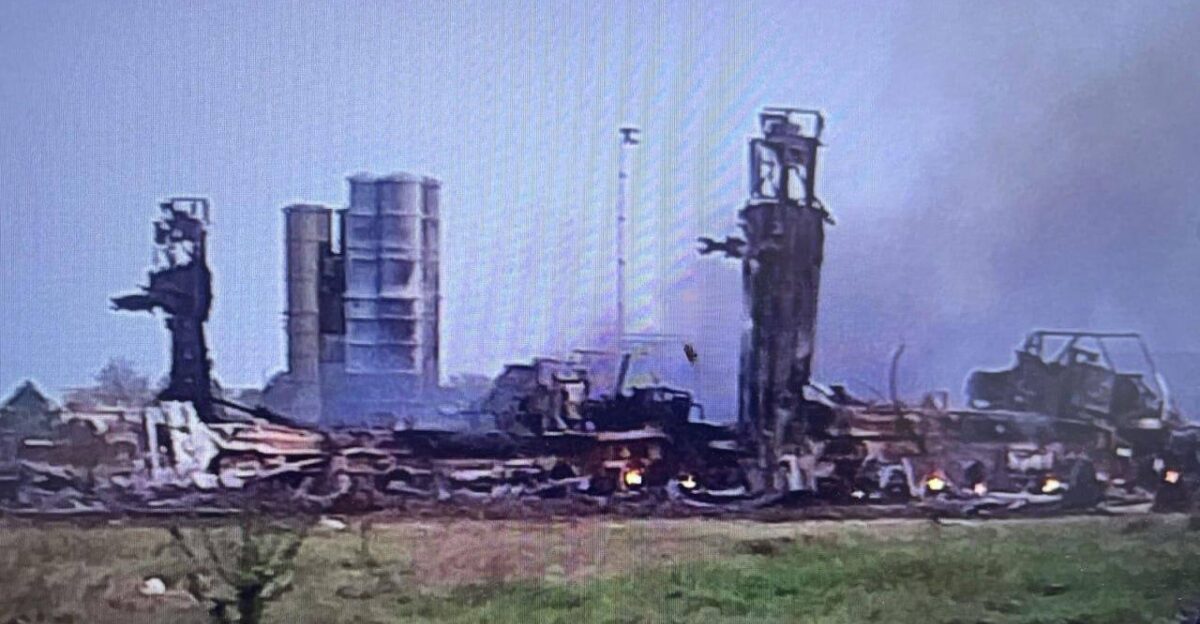
The Lipetsk-Belbek operations represent maturation from opportunistic raids to systematic campaigns. This evolution includes Operation Spiderweb (June 2025), which targeted five Russian airbases simultaneously using 117 drones smuggled into Russia over 18 months, damaging an estimated 20 aircraft.
The December campaign demonstrates Ukraine’s ability to synchronize ground infiltration with drone strikes to achieve complementary effects within compressed timeframes.
Asymmetric Warfare Economics
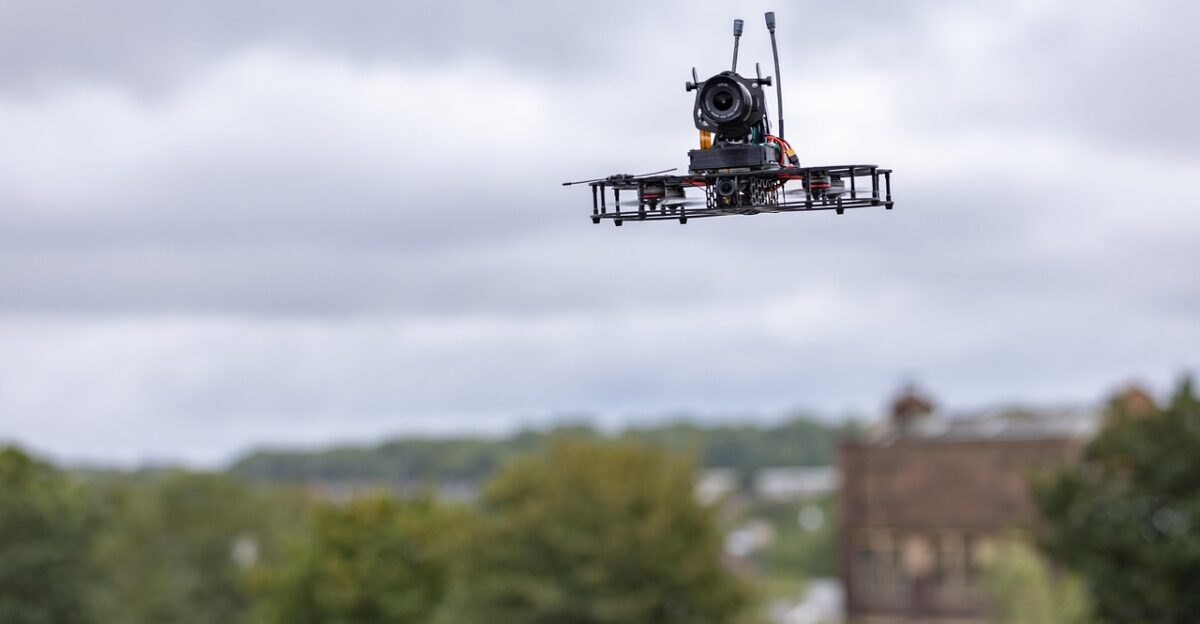
The operations exemplify Ukraine’s core asymmetric advantage: achieving strategic effects through low-cost methods imposing disproportionate costs on adversaries. A Ukrainian operative equipped with basic incendiary devices can destroy $50 million aircraft. SBU drones costing thousands eliminate $100 million radar systems.
This cost-exchange ratio—potentially 1:10,000 or greater—creates unsustainable attrition for Russia even when Ukraine’s overall success rate remains relatively low.
Morale and Institutional Dysfunction
Russian military security failures reflect deeper institutional pathologies. Defense Ministry corruption reportedly diverts 20-40% of the defense budget, creating what analysts term a “Potemkin military”.
Conscripts assigned guard duty lack ideological commitment, face poor conditions, and may be susceptible to Ukrainian recruitment or negligence. Documented cases include mass surrenders, fratricide, and self-harm schemes among Russian forces.
Strategic Communication Objectives

HUR’s decision to publicly claim the Lipetsk operation and release video documentation serves multiple objectives: boosting Ukrainian morale, exposing Russian security failures, showcasing operational competence to Western audiences, and deterring collaboration in occupied territories.
This transparency contrasts with traditional intelligence doctrine but achieves strategic communication benefits that outweigh operational security concerns.
No Rear-Area Sanctuaries

The Lipetsk infiltration demonstrates that no rear-area installation can be considered secure absent comprehensive force protection measures few militaries can sustain at scale.
Ukraine’s ability to penetrate 400 kilometers inside Russian territory, destroy protected aircraft inside hardened hangars, and exfiltrate undetected proves that institutional vulnerability, not geographic distance, determines security in modern contested environments. The operation signals Ukraine’s continued capacity for high-impact asymmetric warfare deep inside Russian territory.
Sources:
“Ukraine strikes Su-27 and Su-30 fighter jets deep inside Russia at Lipetsk airbase.” Kyiv Independent, December 21, 2024.
“Ukraine steps up attacks on Russian air bases to counter Russian strikes.” CNN, December 22, 2024.
“Russian Su-30 and Su-27 fighter jets destroyed at Lypetsk airfield.” Ukrinform, December 21, 2024.
“SBU drones strike Russian air defense systems and MiG-31 at Belbek airfield.” Ukrinform, December 17, 2024.
“Russia Delivers Just 1 of 15 Planned Jets in 2025 as Sanctions Cripple Aviation Industry.” United24 Media, August 7, 2025.
“Damaged Su-57 Emphasises the Vulnerability of Russian Airbases Near Ukraine.” Royal United Services Institute (RUSI), March 8, 2024.