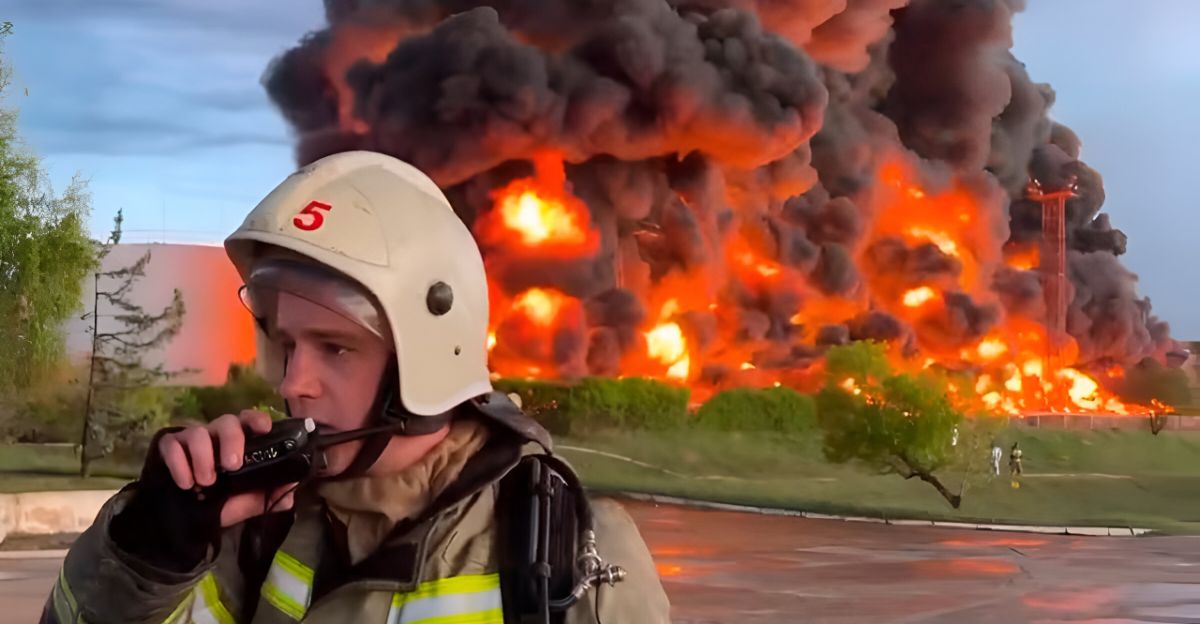
Throughout 2025, Ukraine targeted more than 160 Russian oil and energy facilities, resulting in fuel shortages in over 50 Russian regions and a shutdown of nearly 40% of Russia’s oil refining capacity.
Many areas now face up to 20% less fuel than needed.
Ukrainian drones and missiles have hit refineries, fuel depots, terminals, and power stations deep inside Russia, leaving critical infrastructure burning almost every night.
Russia responded by banning gasoline exports until the end of the year, but shortages continue to grow as winter approaches.
Moscow’s Defenses Failing
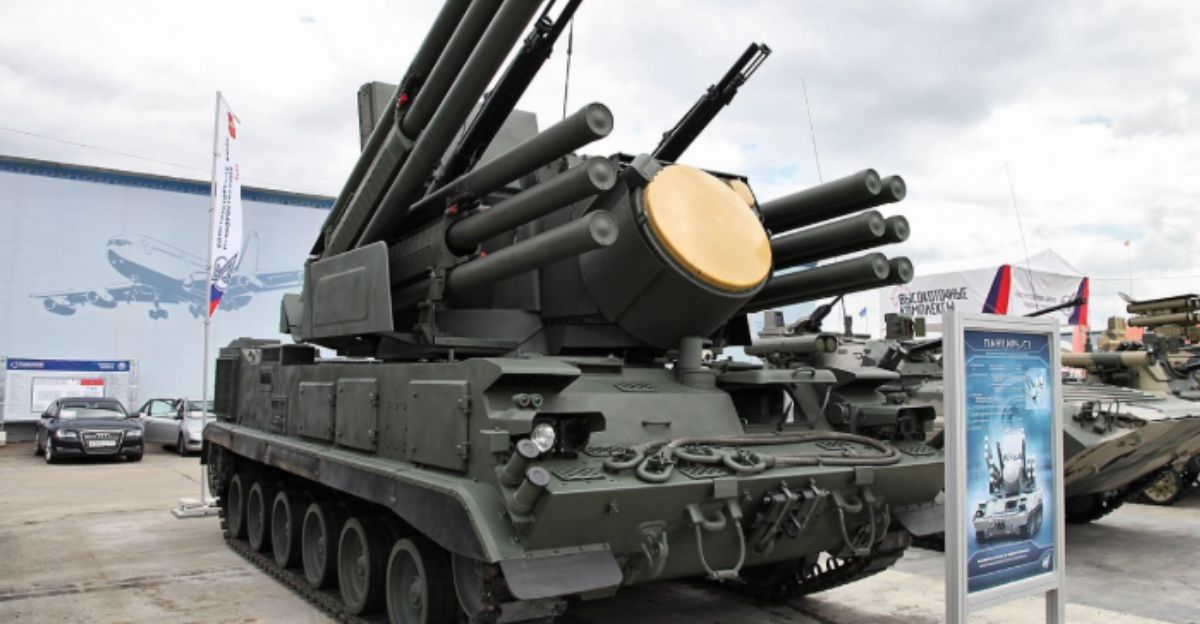
Ukraine has destroyed nearly half of Russia’s best air defense systems in 2025, while Russia’s factories can’t replace them fast enough.
Ukrainian attacks now reach as far as 700 kilometers inside Russia.
Because Russia is so big, its military must choose whether to protect the front lines or its far-off energy sites, and can’t do both.
Ukraine’s cheap drones are difficult to stop and are timed for cold nights to disrupt Russia’s winter preparations even more.
Mirror Warfare Origins

Russia started targeting Ukraine’s energy grid in October 2022, leaving millions in the dark during winter. The International Criminal Court later called these missile and drone strikes war crimes.
Ukraine began responding with its own refinery attacks in 2024, but the frequency of its strikes rapidly increased in late 2025.
Ukraine’s officials say they are now hitting the same kind of Russian sites Moscow once thought were untouchable.
Drone Revolution

Ukraine has developed homemade long-range attack drones capable of reaching almost 2,000 kilometers. At hidden workshops, teams quietly assemble and launch them at night.
Since January 2025, Ukraine has struck over 20 of Russia’s 38 primary refineries, hitting some multiple times to stop repairs.
Newer weapons like the Flamingo, Ruta, and Neptune-D missiles have allowed Ukraine to target energy sites deep inside Russia.
Triple Strike Revealed
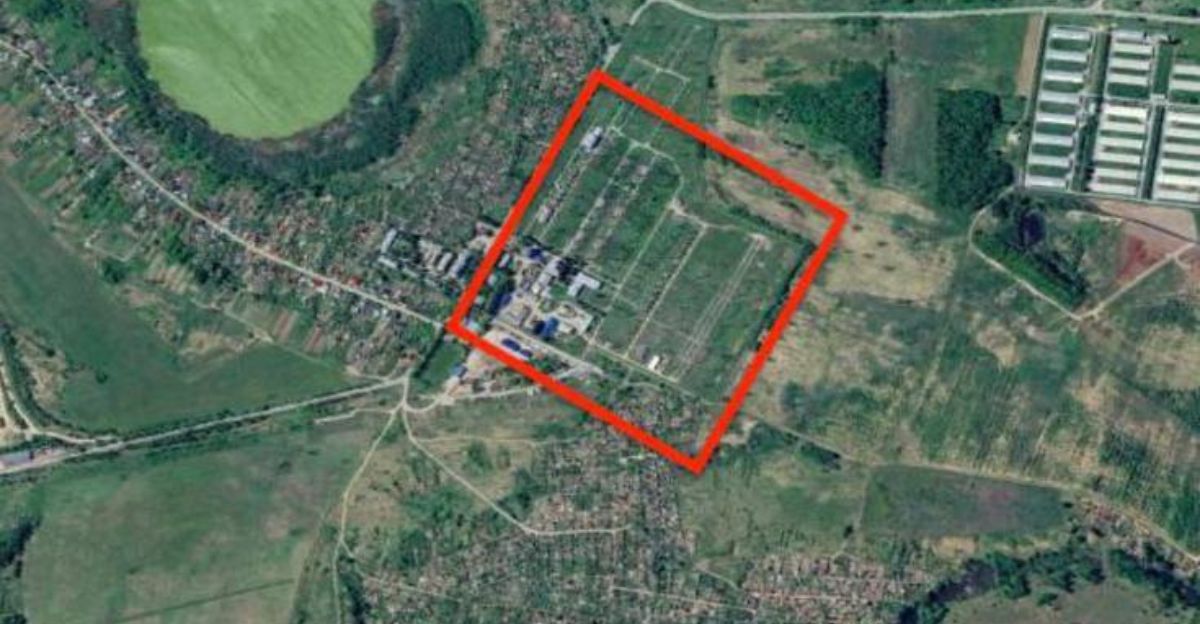
On October 31, 2025, Ukraine struck three targets inside Russia at once: a vital power substation near Moscow, a power plant in Oryol, and a major refinery in Yaroslavl.
The attacks used new long-range Neptune missiles and targeted plants that helped power Russia’s military factories.
Fires and explosions were caught on video while Russian air defenses couldn’t stop the attacks.
Moscow Goes Dark

That same night, people living near Moscow saw their power go out as Ukrainian drones neared the city. Street and metro lights failed, and some trains got stuck underground.
Moscow’s regional power grid serves over 20 million people, and the blackout forced authorities to implement backup plans, although they didn’t explain the actual reason for the power outage.
Winter Heating Crisis

Oryol, a city of 300,000 in central Russia, lost power and heating after Ukraine’s strike hit its central power plant—the source for most electricity and heat in the region.
This happened just as Russia rolled out winter heating, with nighttime temperatures already near freezing.
With power and heat cut, Oryol’s people now face a harsh winter, just as Ukraine did during earlier Russian attacks.
Neptune’s Reach
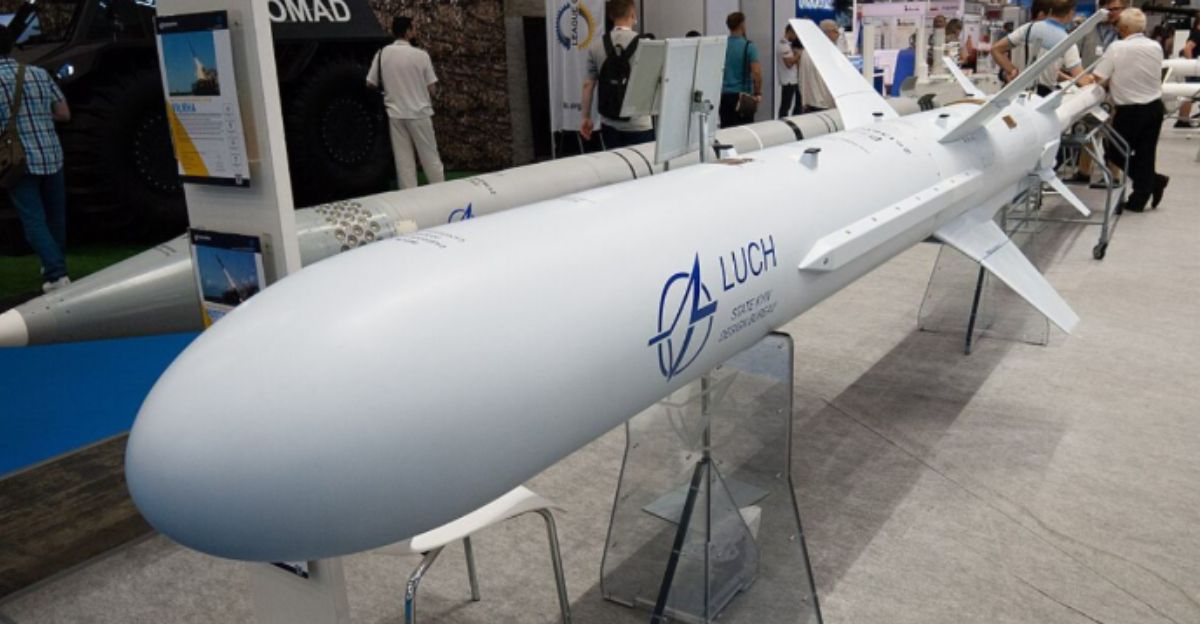
Ukraine’s Neptune cruise missile started as an anti-ship weapon but now has land-attack versions reaching 1,000 kilometers.
These mobile missiles are hard to find or stop. President Zelenskyy confirmed in 2025 that Ukraine had readied its longer-range Neptune missile variant and put it into combat use against critical Russian targets.
Ukrainian forces have already employed this new missile to hit high-value locations inside Russia, demonstrating that Ukraine’s evolving missile expertise now rivals some Western weapons systems.
Grid Vulnerabilities Exposed
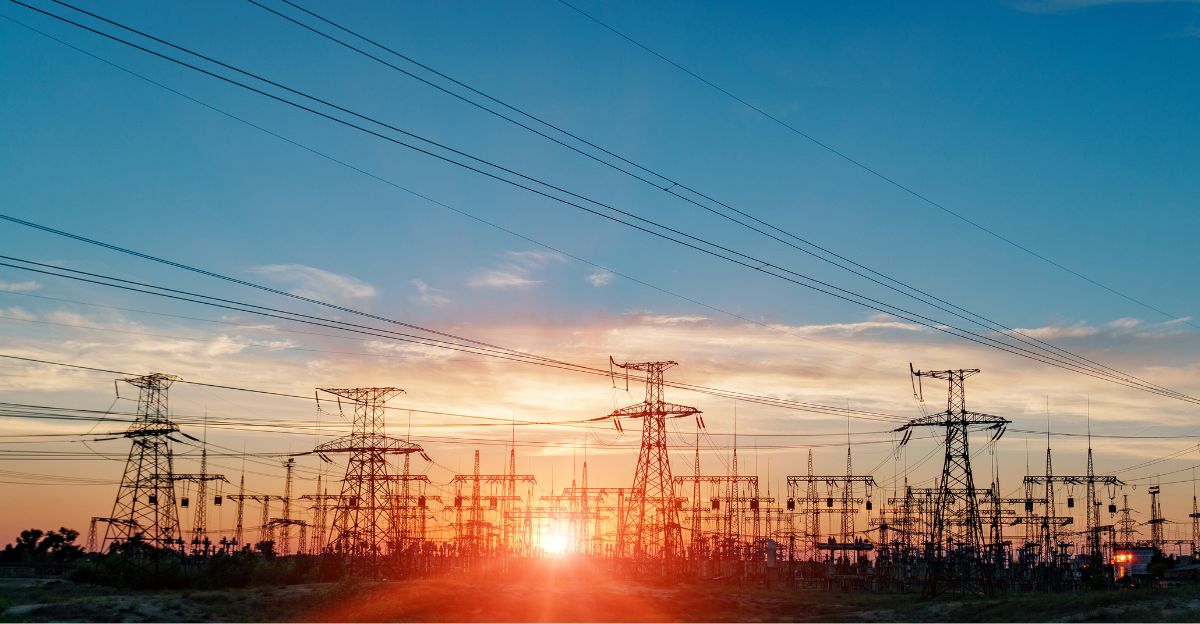
The Vladimirskaya substation near Moscow, hit in October, is one of the most important in Europe, routing power from nuclear and thermal plants to millions.
Soviet-era Russian grids focused on output, but with numerous lines and large substations, it’s almost impossible to protect them all from repeated drone attacks.
Ukraine’s strikes are revealing weaknesses in Russia’s energy infrastructure.
Air Defense Collapse
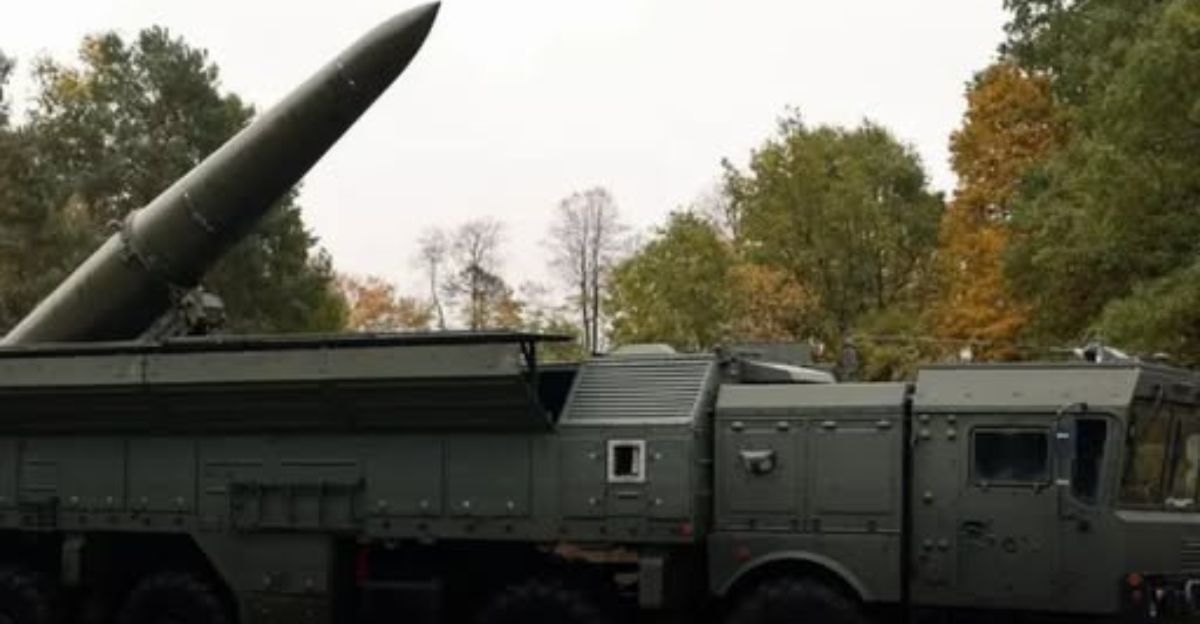
Russia’s air defense can’t keep up. It takes expensive, large missiles to shoot down Ukraine’s cheap drones, which can slip under radar.
Attacks now even reach huge refineries nearly 700 kilometers from Ukraine’s border, costing Russia far more to defend than Ukraine spends to attack.
Each Ukrainian drone is much cheaper than the defensive weapons Russia must use against them.
Moscow’s Dilemma

Russian governors are under pressure as blackouts spread, even in areas that had previously rarely felt the war’s impact.
Thieves are stealing backup generators, and many Russian regions are rationing fuel due to ongoing shortages.
The government is forced to spread its limited defense resources very thinly, unable to protect both cities and remote infrastructure fully.
Russia’s leaders now face angry citizens as the shortages and outages grow.
Refinery Repair Race
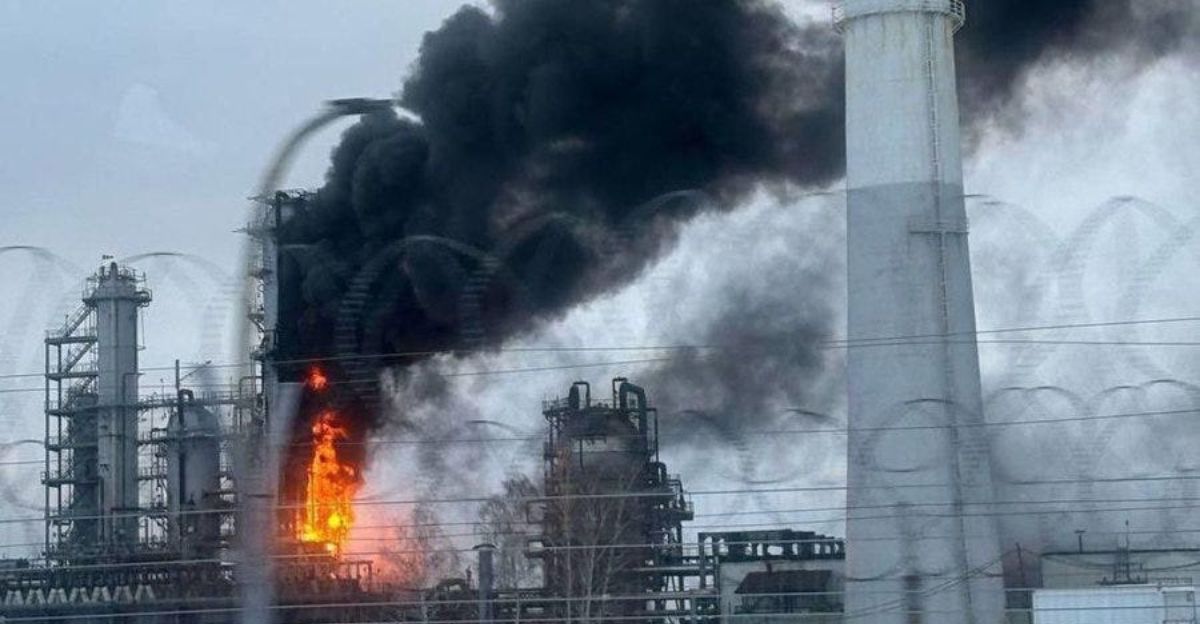
The Yaroslavl oil refinery, Russia’s fourth largest, was hit again in late October.
Even when attacked, facilities receive some repairs, and Ukraine continues to recover, making it difficult for Russia to restore fuel output fully.
Analysts say repeated strikes will cause more long-term damage, especially if repairs can’t keep pace with the increasing number of attacks this winter.
Ukraine’s Production Surge

Ukraine plans to produce at least 30,000 long-range drones this year, as well as more advanced missiles, such as Neptune-D.
These weapons are built in small, secret spots to avoid being destroyed and rolled out at night.
Officials say this homegrown defense industry has quickly developed powerful tools—faster than some Western partners—and can support other countries if needed.
Winter Forecast Uncertain

Ukraine’s drone commander says Russia will have to get used to living with blackouts like Ukrainians did.
Experts disagree on how much pain the strikes will actually cause: fuel surpluses and excess capacity can mitigate immediate damage in some regions.
However, the actual danger will arise when Russia’s winter is at its worst, from December to February, and power and heating failures threaten millions.
Strategic Stalemate

It’s still not clear if Ukraine’s repeat strikes can seriously break Russia’s energy system—or cause pain without long-term collapse.
But destroying Russia’s best air defenses and hitting deep targets means no area is truly safe anymore.
Millions now feel directly at risk, even as crews quickly restore power to most areas during the Moscow-area blackouts. Ukraine’s campaign is showing that energy warfare is a new front as tough as any battlefield.