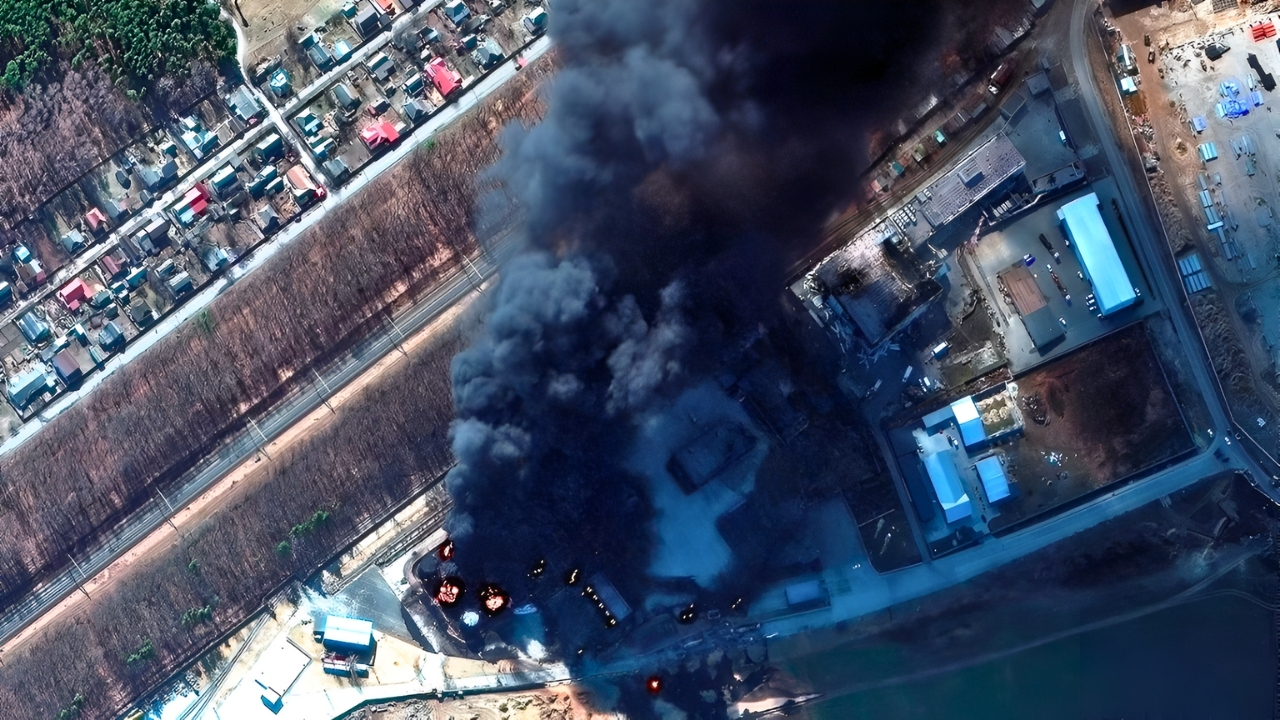
Flames flickered against the metal towers of the Ryazan refinery as alarms echoed across the complex, casting sharp red pulses over storage tanks and suspended catwalks. Thick smoke billowed upward in slow, rolling waves, illuminated by the glow of burning fuel. Emergency crews moved through the haze, their reflective jackets catching the light as scattered debris smoldered around them. It was the refinery’s second major fire in just days — and the damage was still unfolding.
What investigators found next reshaped the entire picture of Russia’s energy vulnerability.
Why Ukraine Targeted Ryazan
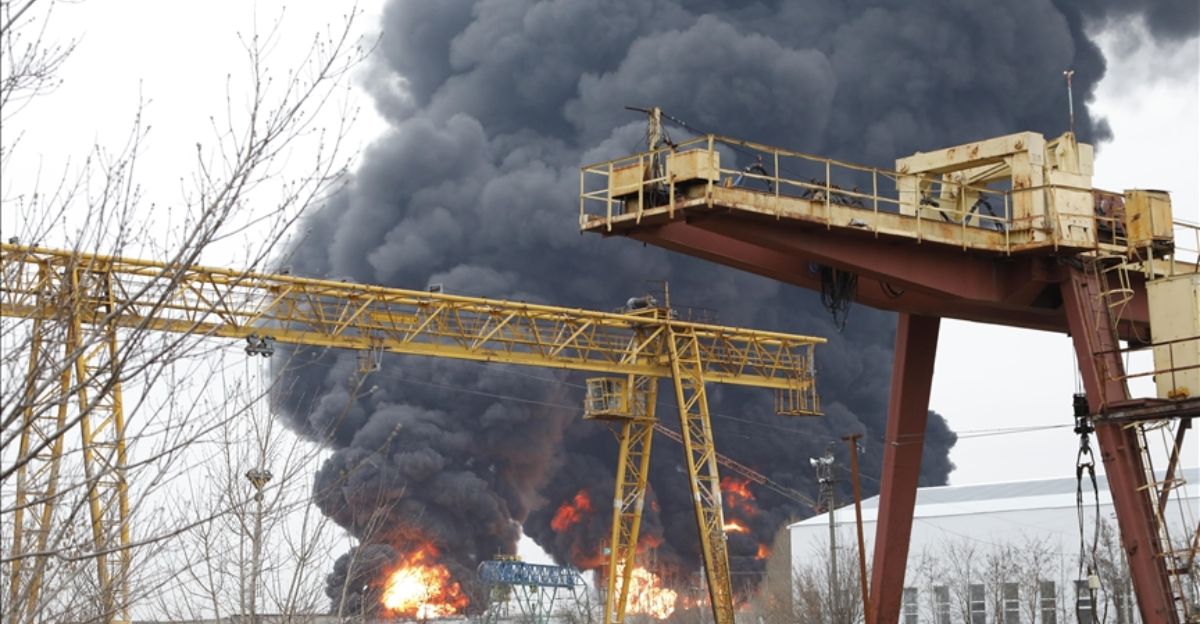
Ukraine describes the Ryazan strike as part of a deliberate campaign to dismantle Russia’s war-sustaining energy network. The refinery had already suffered major damage on November 15, when its main crude distillation unit—responsible for nearly half the plant’s output—was disabled.
By repeatedly targeting high-value refining hubs, Ukraine aims to choke off aircraft fuel production, reduce Russia’s battlefield mobility, and drain Moscow’s ability to rebuild facilities faster than they are destroyed.
Russia’s Fuel Prices Surge
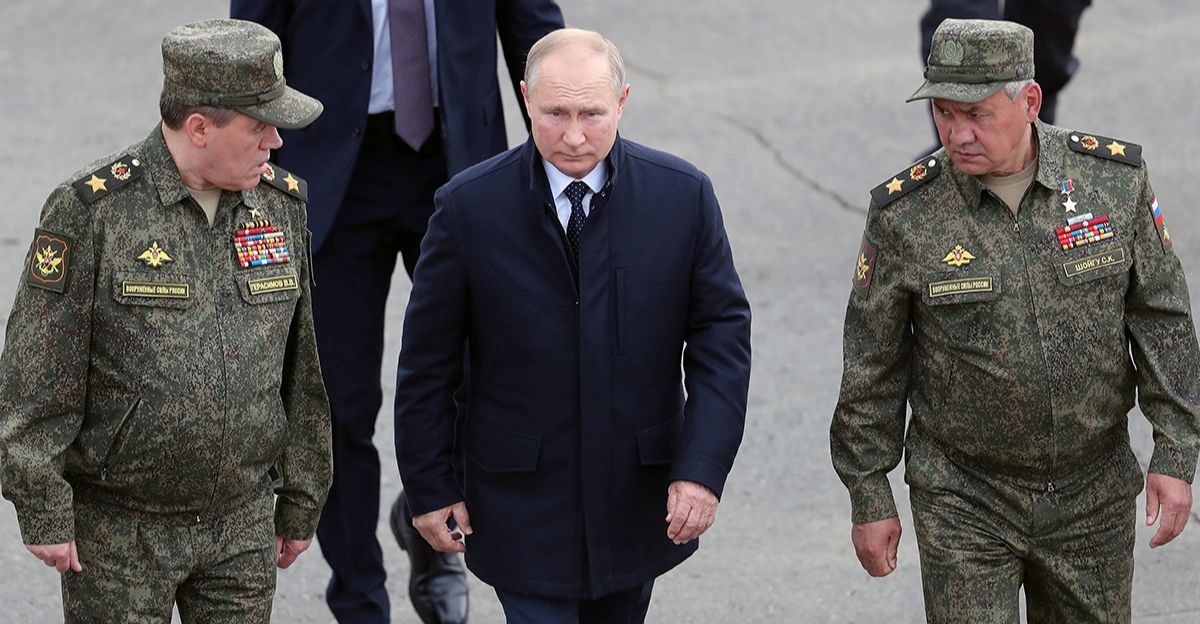
Russia is experiencing mounting domestic fuel pressure, with gasoline and diesel shortages worsening as refinery disruptions accumulate. Strikes since the summer have disabled up to 15% of Russia’s total refining capacity, contributing to regional fuel price increases of more than 10%.
With several major refineries offline—including Saratov, Samara, Volgograd, and now Ryazan—motorists face long queues at filling stations and recurring local supply deficits as the government struggles to stabilize distribution.
Rosneft Scrambles After Consecutive Hits

Rosneft, the operator of Ryazan, entered November already weakened by repeated attacks on its infrastructure. The refinery’s main distillation unit has remained down since late October, and additional November damage compounded existing shutdowns.
Engineers have been unable to restore output before new waves of drones arrive. Industry analysts warn that Russia’s repair capacity—already limited by Western sanctions on refinery equipment—cannot keep pace with the rate of Ukrainian strikes.
The Wider Refining Crisis Deepens
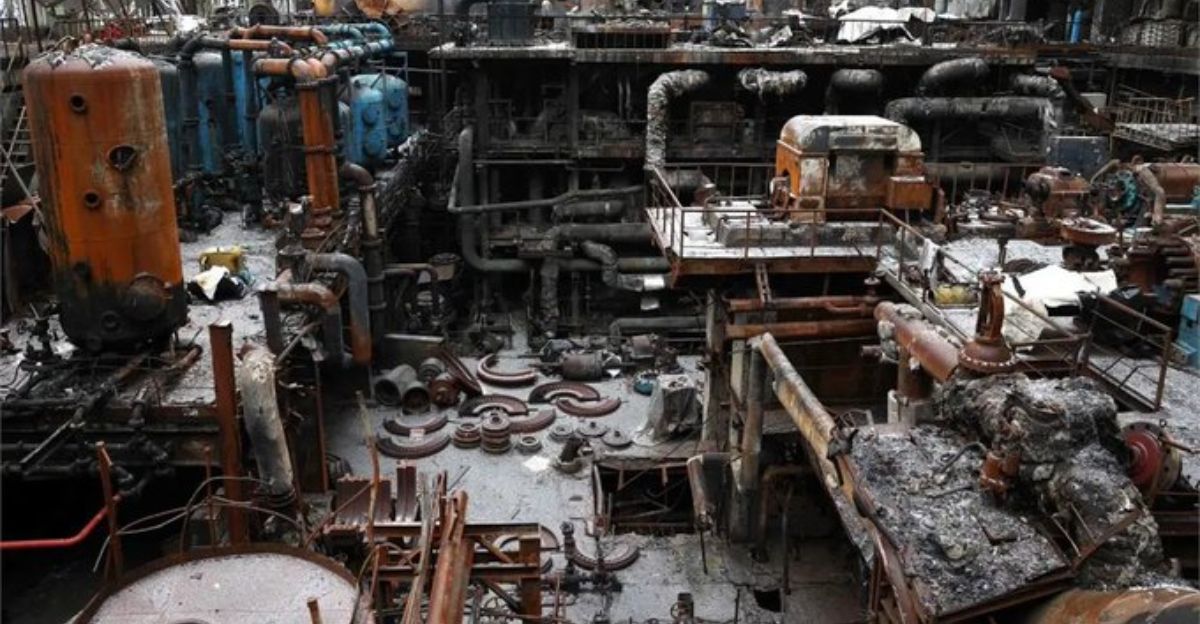
The cumulative effect of Ukrainian strikes has pushed Russia’s refining network into its most sustained disruption of the war. At least 58 attacks on energy facilities have been recorded since August, forcing crude rerouting and production cuts at multiple plants.
Russia has attempted to compensate through spare capacity and rapid patchwork repairs, but even with these efforts, the country is facing approximately 10-20% net refining capacity losses—losses expected to grow as winter approaches.
Global Trade Feels the Shockwave
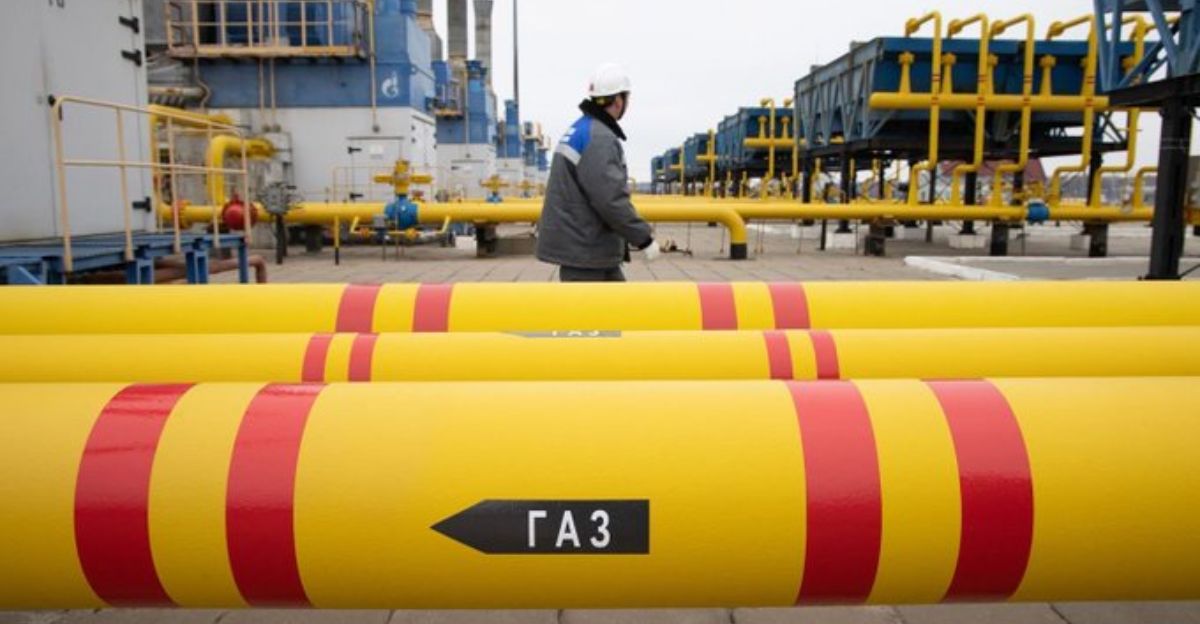
Russia’s weekly oil revenue has collapsed to roughly $1.2 billion—its lowest level since mid-2023—driven by refinery outages, lower exports, and shrinking product volumes. Last week, crude shipments fell to 3.36 million barrels per day.
With Ryazan offline until at least December 1 and repairs behind schedule, global traders are bracing for further supply fluctuations, prompting increased demand for alternative suppliers across the Middle East and the United States.
Workers and Local Residents Face Turmoil
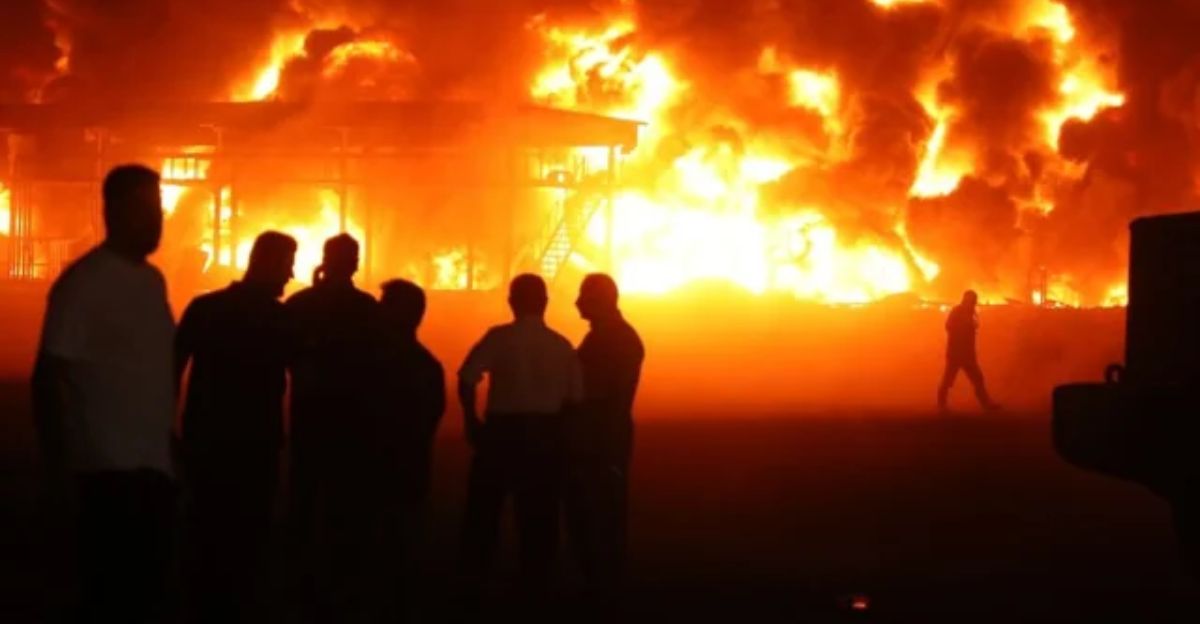
For refinery workers in Ryazan, the November 20 explosion created new uncertainty. Many had already been navigating reduced shifts after the mid-November shutdown. Overnight blasts shook nearby communities, lighting up the sky and sending smoke across industrial districts.
Emergency crews worked for hours to contain fires sparked by detonating equipment and fuel pools. The halt in operations threatens the livelihoods of thousands who depend on the refinery’s output and employment footprint.
Moscow’s Political Messaging Tightens
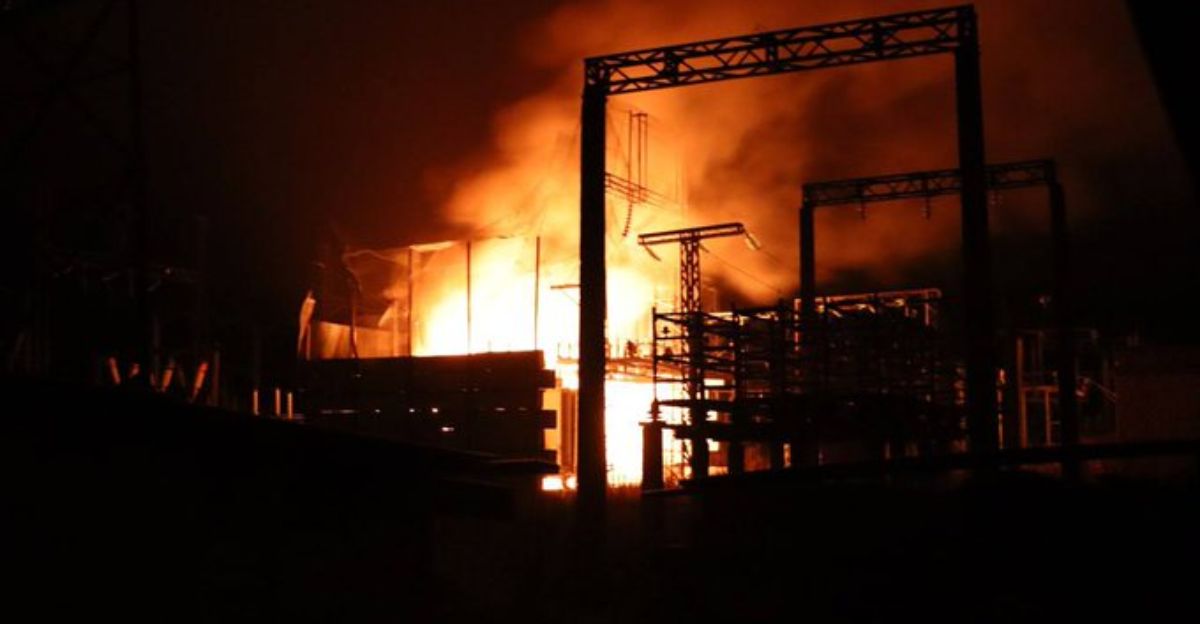
Russian officials acknowledged the Ryazan fire but insisted it was triggered by “falling drone debris” despite visible refinery damage. The Defense Ministry claimed its air defenses intercepted 25 drones over Ryazan and 64 nationwide on November 15 alone, yet multiple refineries still burned.
Moscow responded by tightening export restrictions and signaling retaliation, while Ukraine prepared for renewed Russian strikes on its already battered power and gas infrastructure.
Economic Shock: Inflation Spreads
Rising fuel costs have rippled through nearly all sectors of the Russian economy. Transportation companies report higher operating expenses, agricultural producers face increased delivery costs, and consumers are paying more for everyday goods.
Analysts warn that the combination of refinery outages, sliding export revenue, and costly repair cycles could slow Russia’s economic growth further. The cumulative effect is deepening fiscal strain heading into winter.
Everyday Life Shifts for Russians

With fuel availability fluctuating, many Russians have shifted to public transportation or limited long-distance travel. Some regions have experienced delayed supply deliveries, compounding shortages of essential goods.
Around damaged refineries, persistent smoke and emergency activity disrupted normal routines. Communities near Ryazan described nights illuminated by fires and alarms—a stark reminder of the war’s reach inside Russia.
Environmental and Cultural Debate Intensifies
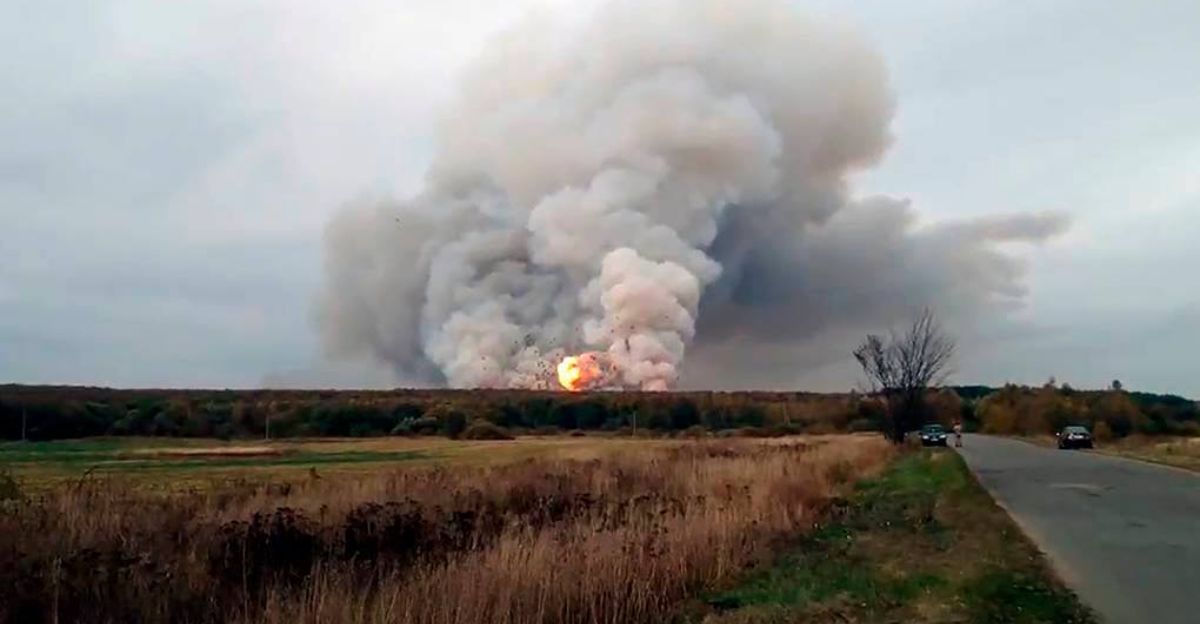
The destruction of refineries has sparked debate within Russia about environmental risk and the ethics of striking energy infrastructure. Fires at facilities like Ryazan release pollutants and threaten surrounding ecosystems.
Government outlets frame these attacks as assaults on civilian life, while critics argue Russia’s own strikes on Ukrainian power stations far outweigh the environmental impact. The war is increasingly playing out on energy infrastructure—physically, politically, and symbolically.
A New Global Security Reality
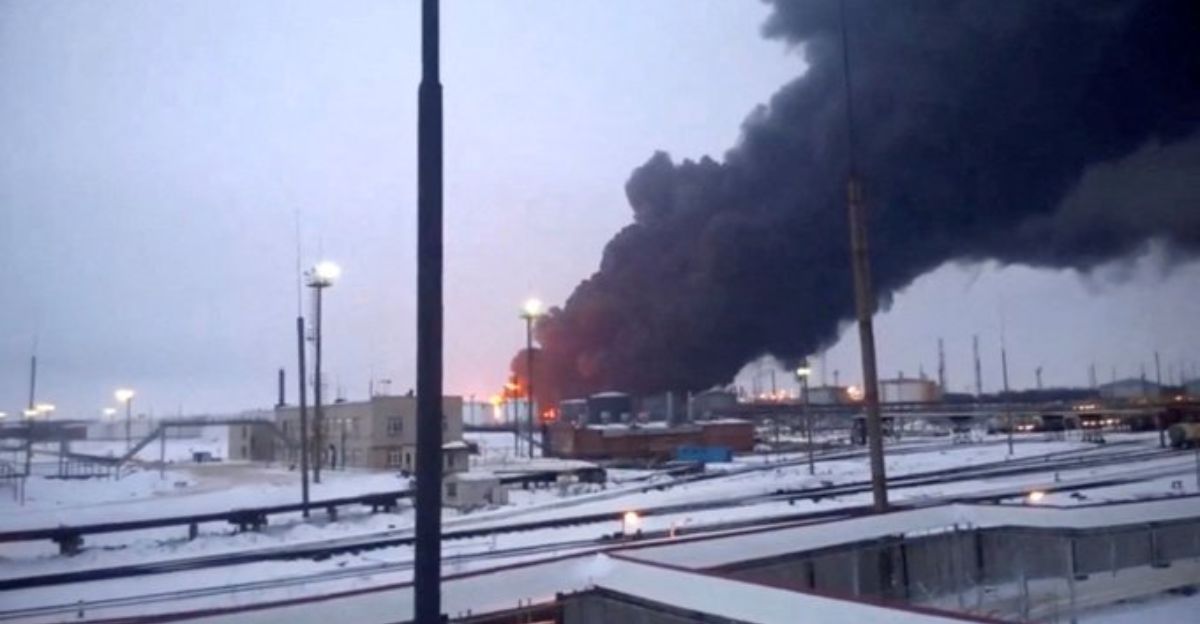
The Ryazan strike reinforced a growing global understanding: Ukrainian drones can reach deep into Russia—180 kilometers from Moscow—with increasing precision.
Analysts say the attacks have changed how governments worldwide evaluate energy security. Refineries, ports, and pipelines are now being reassessed for their vulnerability to low-cost, long-range drone swarms capable of bypassing traditional defenses.
Winners, Losers, and the New Battlefield Economy

While Russian consumers and refineries absorb the losses, alternative suppliers and Ukrainian defense tech firms are benefiting. Non-Russian exporters are filling supply gaps left by shrinking Russian shipments.
Ukrainian drone manufacturers—whose systems have repeatedly penetrated Russian air defenses—are gaining visibility and funding. The war is producing new industrial winners as legacy energy giants struggle to maintain output.
Market Volatility and Consumer Guidance
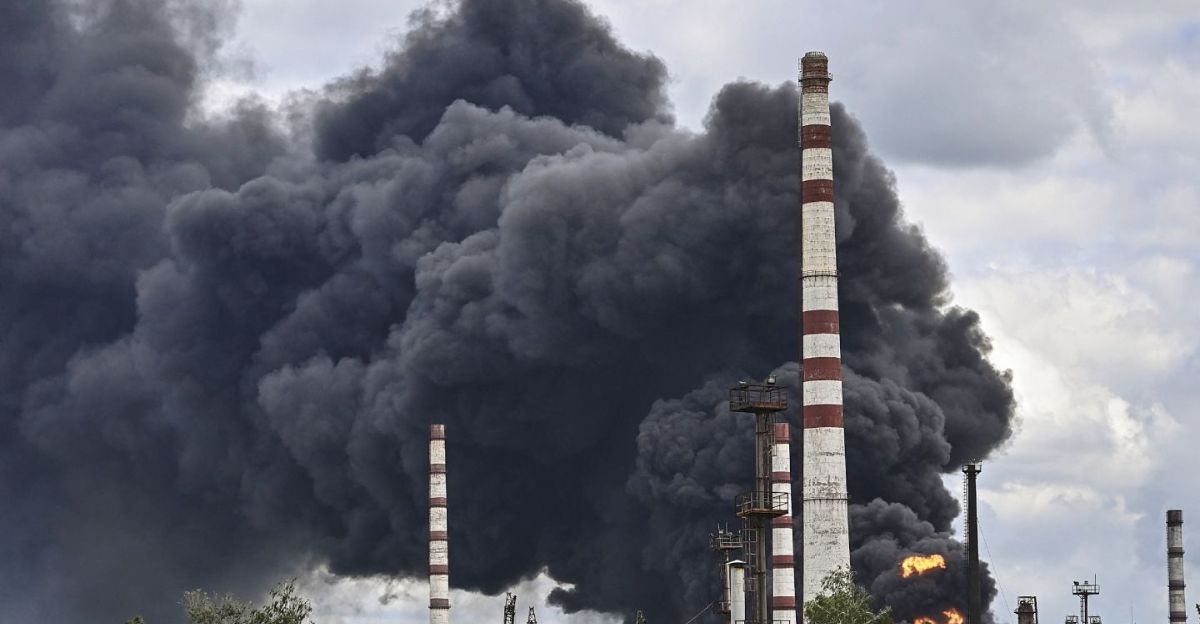
Energy markets have entered a volatile phase as traders monitor the growing list of disabled Russian refineries. With 15% of Russia’s refining capacity disrupted and winter demand rising, price swings are becoming more common.
Analysts advise consumers and investors to anticipate further instability, diversify energy sources where possible, and prepare for supply shocks driven by infrastructure risk.
What Comes Next
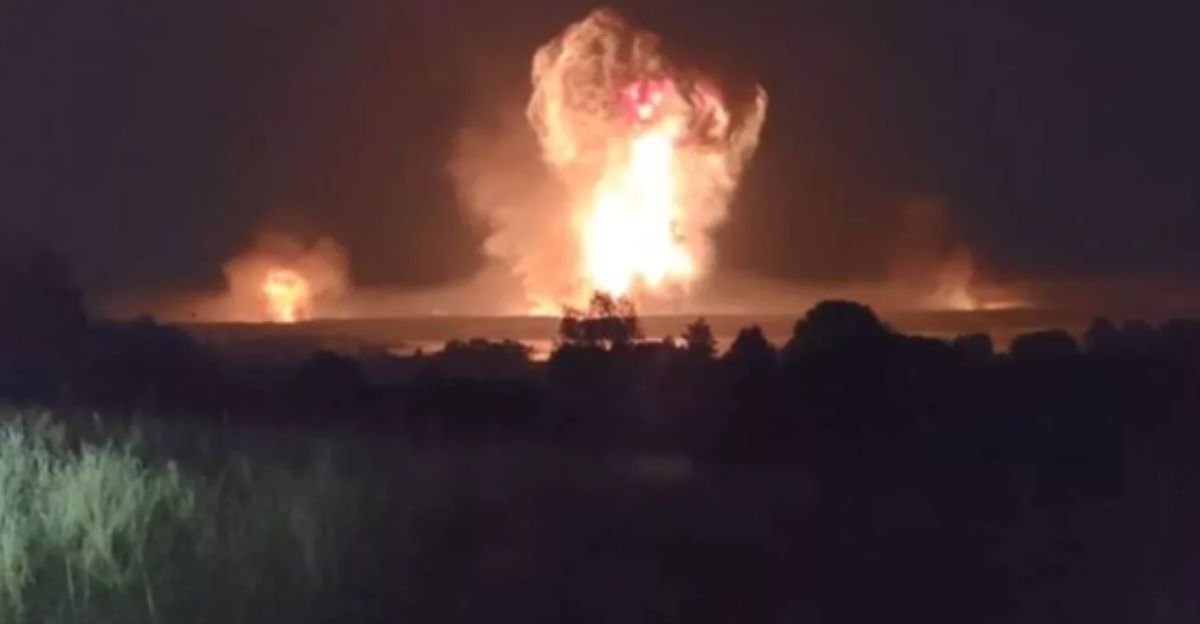
The Ryazan attack—one of several this month—shows that Ukraine’s energy-strangulation strategy is not only continuing but accelerating. With no oil product loadings expected from Ryazan until at least December 1 and repair timelines slipping, Russia faces months of suppressed output.
Ukraine’s campaign has already created the largest wartime disruption to Russian refining in modern history, and both sides now brace for deeper economic, humanitarian, and strategic consequences as winter takes hold.