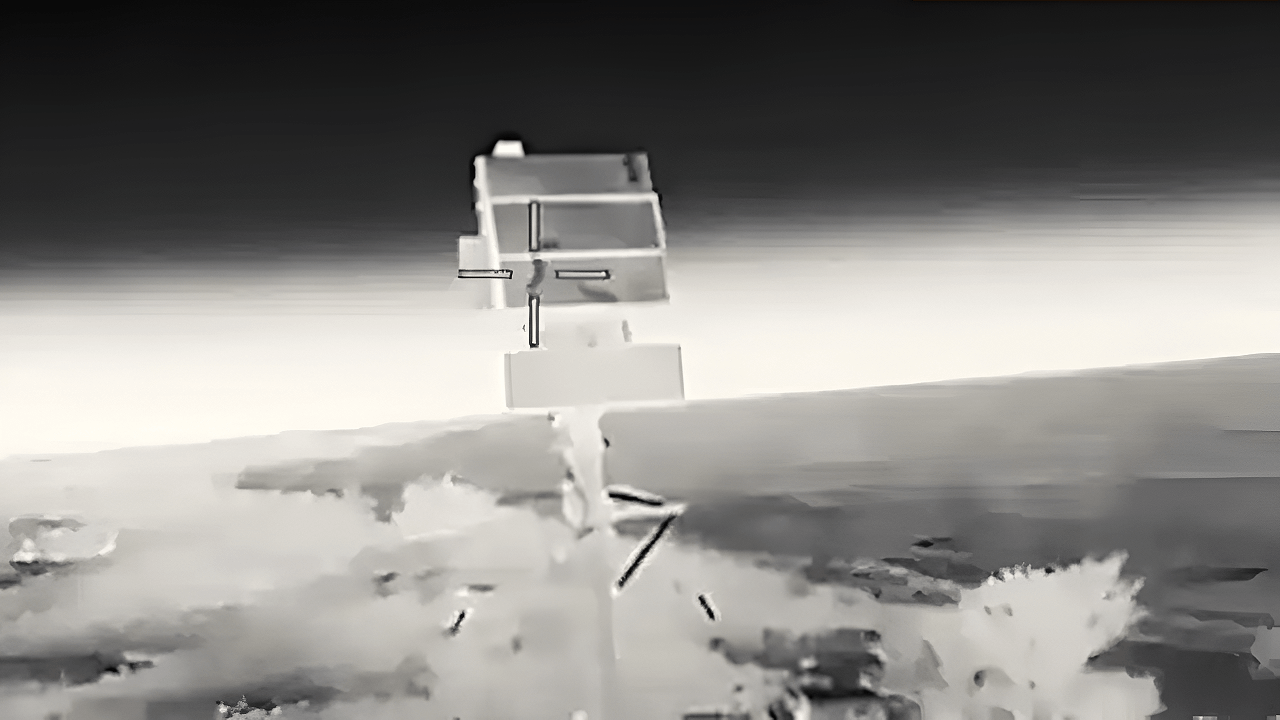
In late October 2025, a series of Ukrainian drone strikes shattered Russia’s claim of an “invincible” air defense shield in Crimea. Over five days, Ukraine’s Main Intelligence Directorate and its “Ghosts” drone unit destroyed three major Russian radar stations, including key elements of the elite S-400 “Triumf” system. The operation, which cost Ukraine less than $100,000 in drones, wiped out Russian air defense assets valued at up to $470 million. The attacks not only exposed critical vulnerabilities in Russia’s multi-layered surveillance network but also signaled a dramatic shift in the economics and tactics of modern warfare.
A Fortress Built on Technology
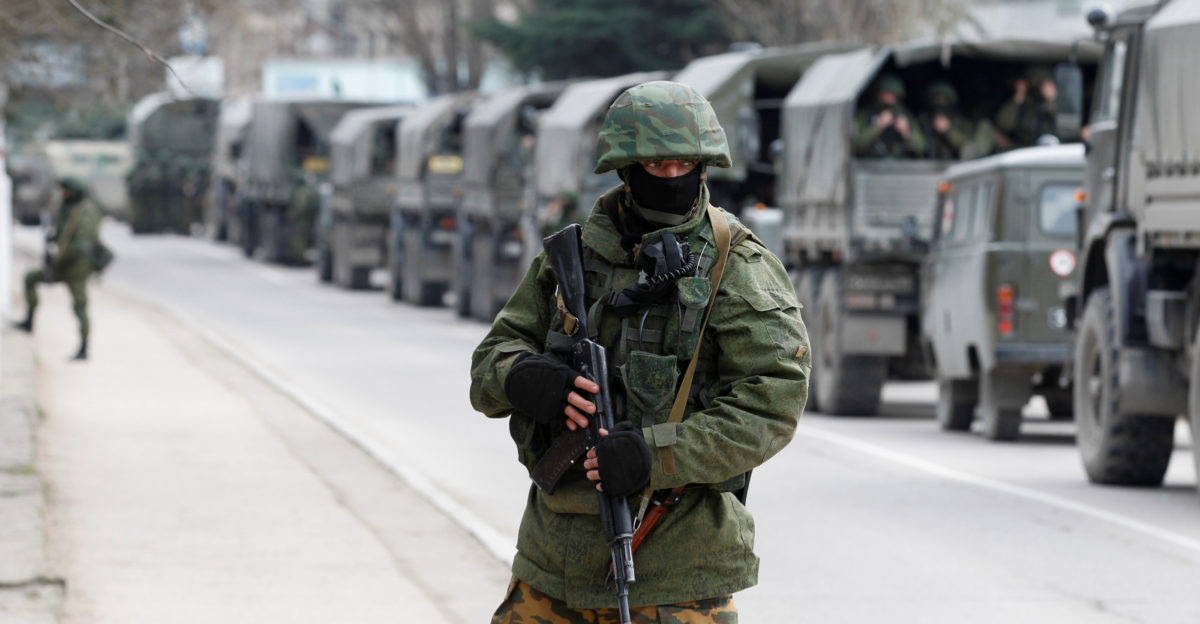
Since Russia’s annexation of Crimea in 2014, the peninsula has been fortified with some of the world’s most advanced air defense systems. The S-400 “Triumf,” deployed in Crimea and exported to countries like China, India, and Turkey, was touted as nearly impenetrable, with each battery valued between $500 million and $1.25 billion. Russia also installed Nebo-SVU and Nebo-U radar systems, designed to detect stealth aircraft such as the F-35 and provide early warning against NATO and Ukrainian strikes. Until now, these systems had largely deterred attacks, creating a sense of security for Russian forces and a formidable barrier for Ukraine.
But the October 2025 strikes marked a turning point. For the first time, Ukraine succeeded in destroying the S-400’s 96L6 radar in Crimea, along with two $100 million Nebo-SVU radars and a $45 million Buk-M3 launcher. The attacks left vast gaps in Russia’s radar coverage, undermining the very foundation of its air defense strategy.
Drone Innovation and Tactical Surprise
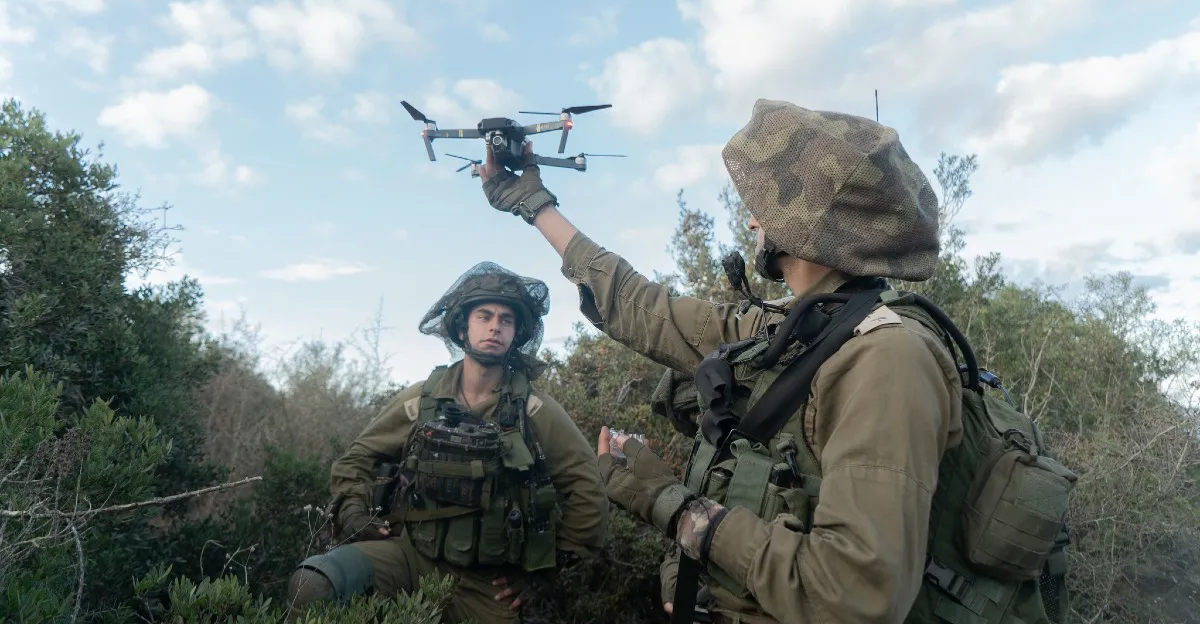
The success of Ukraine’s “Ghosts” drone unit lay in its ability to exploit the weaknesses of high-tech defenses with low-cost, agile tactics. Flying at low altitudes and using real-time intelligence, the drones evaded Russian missiles and struck before countermeasures could be deployed. “We watched the skies over Crimea change in a matter of days,” said Oleksandr, a local resident in Kherson. “Suddenly, Russian radars that had watched us for years went silent.”
Military analysts point to the cost-effectiveness of these operations as unprecedented. “This is a classic example of asymmetric warfare,” explained Dr. Anna Petrov, a defense technology expert at the University of Warsaw. “Ukraine used drones costing as little as $1,000 to destroy systems worth millions. The cost-exchange ratio—sometimes as high as 20,000 to one—forces a complete rethink of air defense doctrine.”
The strikes also created operational “blind spots” along Crimea’s northern and coastal borders, with surveillance gaps stretching up to 700 kilometers. Russian forces lost the ability to monitor or intercept aerial threats across a critical front, increasing the vulnerability of naval and missile assets in the Black Sea.
Global Implications and Shifting Doctrines
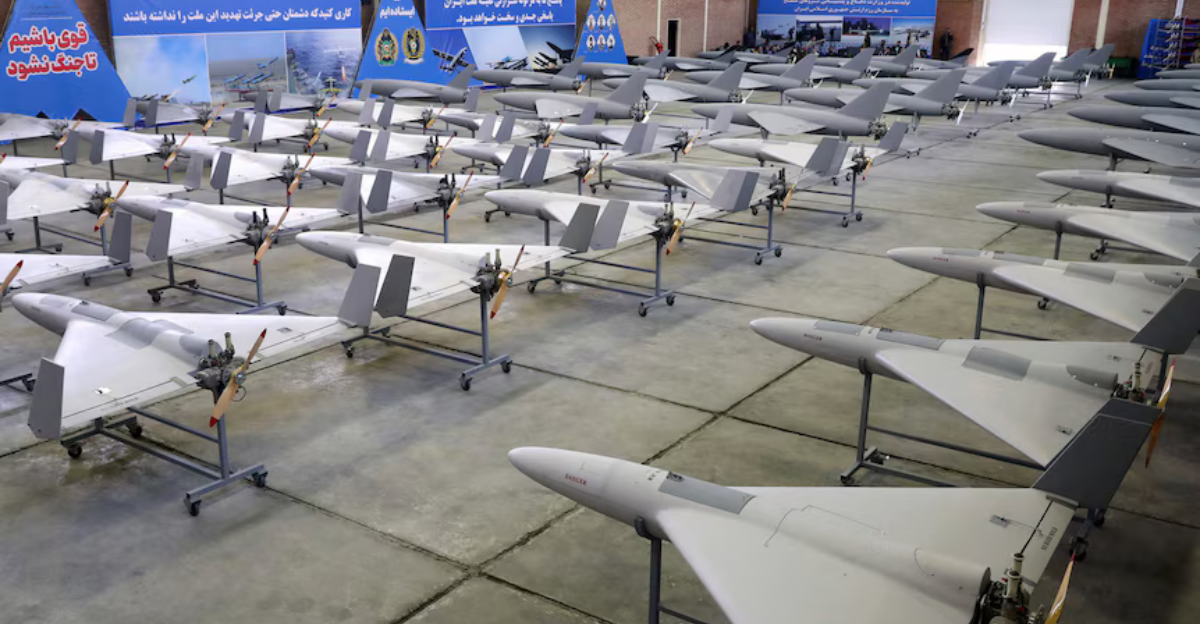
The destruction of Russia’s radar network in Crimea has reverberated far beyond the peninsula. Countries that have purchased Russian air defense systems, such as Turkey and China, are now reassessing their own security. “If these systems can be neutralized by cheap drones, it raises serious questions about their value,” said Dr. Petrov.
The Ukrainian campaign highlights a broader trend in global military strategy: the rise of inexpensive, flexible technologies over costly, static defenses. This shift echoes historical moments when new tactics rendered established weapons obsolete, such as the advent of tanks in World War I or radar in World War II. As one Ukrainian drone operator put it, “We’re showing the world that innovation and adaptability can defeat even the most expensive hardware.”
The psychological impact has been equally significant. Russian troop morale has suffered, and the Kremlin’s narrative of an “invincible” shield has been undermined. “Every time a radar goes down, it’s not just a technical loss—it’s a blow to confidence,” said a Ukrainian officer involved in the operation.
The Road Ahead: New Risks and Opportunities
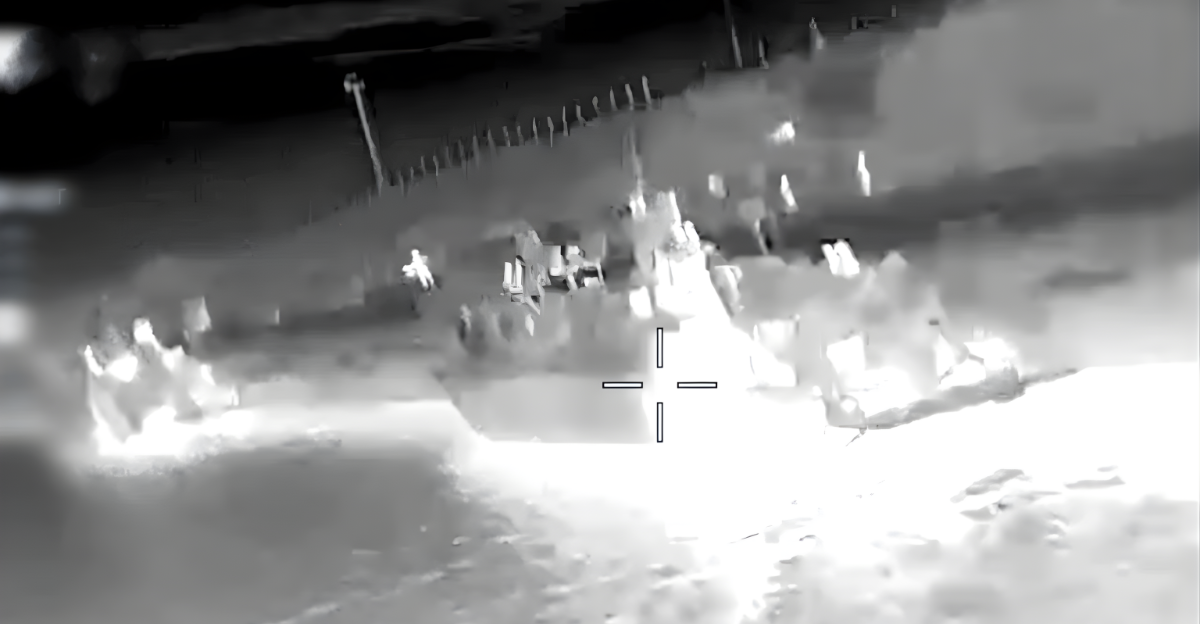
With a significant portion of Crimea’s air defense network now offline, Russia faces mounting challenges. Experts warn that continued Ukrainian strikes could render the entire radar system inoperable within weeks, leaving the peninsula exposed to further attacks. Moscow may attempt to relocate or reinforce its remaining assets, but doing so risks further losses and strains an already stretched military budget.
For Ukraine, the success of the drone campaign offers both strategic and symbolic victories. It demonstrates the power of innovation in modern conflict and provides a blueprint for other nations facing technologically superior adversaries. As the balance of power shifts, the world is watching closely.
“The myth of invincibility has been broken,” said Dr. Petrov. “What happens next will shape not only the future of Crimea, but the future of warfare itself.”