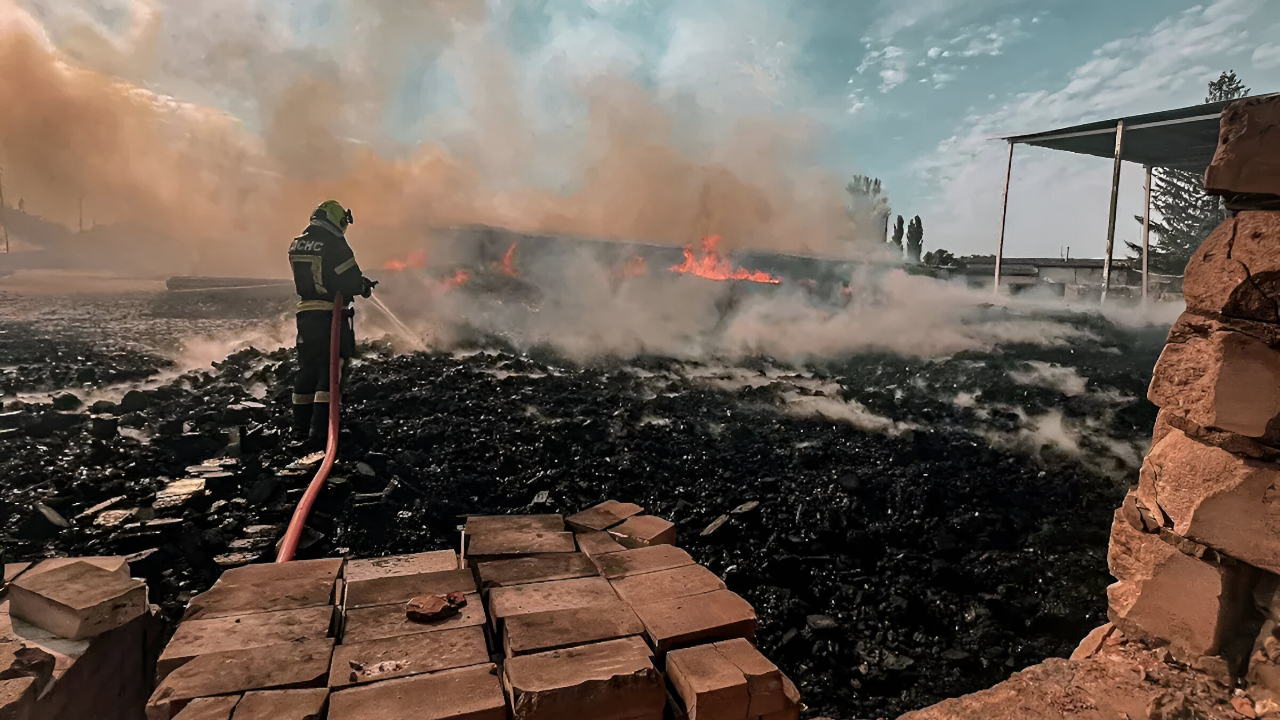
The conflict between Russian and Ukrainian forces has escalated dramatically, particularly in the realm of drone technology. Both sides now deploy thousands of uncrewed aerial vehicles every month, fundamentally altering the dynamics of warfare. Ukraine’s forces have reportedly destroyed over 19,000 Russian drones in recent operations, a staggering figure that underscores the rising stakes.
“Every drone brought down is a small victory for us,” remarked an anonymous Ukrainian soldier, emphasizing the significant role these machines play in shaping the battlefield. This shift introduces unprecedented logistical challenges as both nations race to adapt to the evolving landscape of warfare.
Disrupting Supply Chains

In September 2025, Ukraine’s military intensified its strikes against crucial Russian supply lines. Targeting key ammunition depots and drone hubs, these operations aim to disrupt Moscow’s logistics and gain a tactical edge.
A senior Ukrainian official stated, “Disrupting their supply chains is vital to our success.” As these attacks have escalated, both sides are facing mounting losses, and reports indicate that Russian reinforcements are encountering delays. The impact is felt deeply; ordinary civilians watch anxiously, aware that each strike reverberates through logistics essential for military actions. The tug-of-war over resources fuels a relentless cycle of escalation.
The Backbone of Modern Warfare
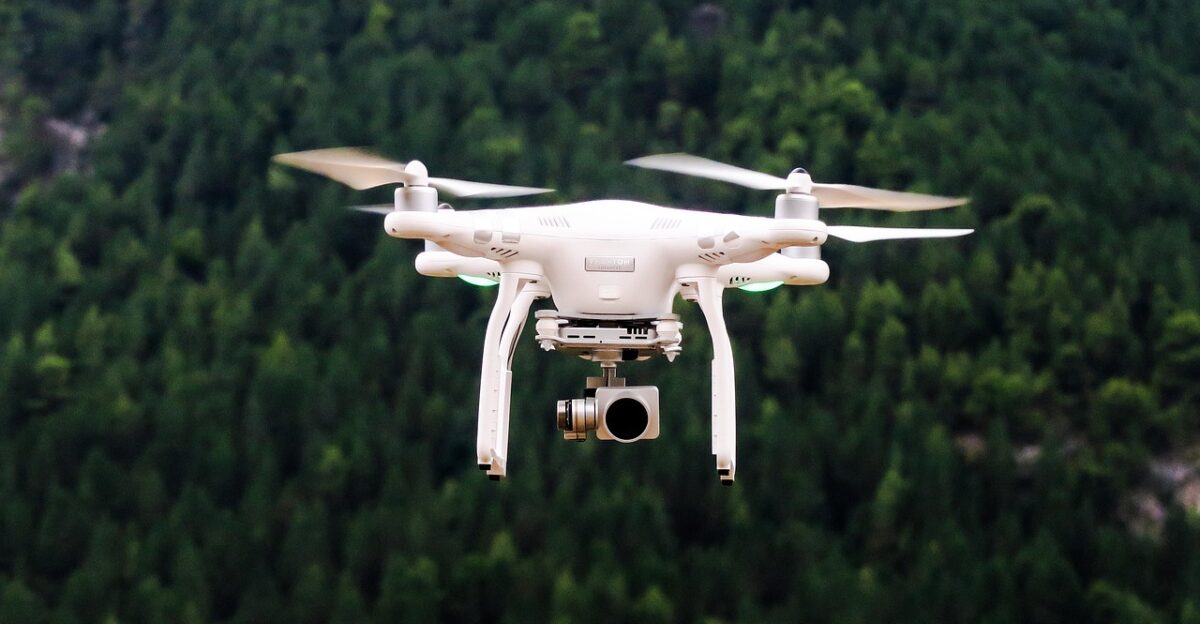
Since Russia invaded Ukraine in 2022, drone warfare has transformed the battlefield landscape. Both Russian and Ukrainian forces have invested heavily in drone technology, seeking to outmaneuver traditional artillery methods. Industry experts observe that this drawn-out conflict has spurred rapid innovations within Eastern European defense sectors, resulting in groundbreaking advancements.
“Innovation thrives in times of crisis,” said a defense analyst, underscoring how the conflict catalyzes technological development. This revolutionary approach is not merely a trend; it reshapes military strategies and how each side operates, signaling a new era of warfare.
Elevating Operational Pressure

The urgency for Ukraine to strike Russian supply depots and drone distribution sites has escalated significantly, particularly as Russian forces push deeper into eastern Ukraine. Ukrainian Ministry of Defense reports highlight that high-value targets have now retreated behind the front lines, complicating operations for special forces.
“They are not just fighting a war; they’re also playing a game of hide and seek,” remarked a military strategist. This dynamic creates a pressing operational complexity that demands not only precision but also agility in response. As the landscape shifts, every mission carries heightened stakes for both sides involved.
Depot Erased
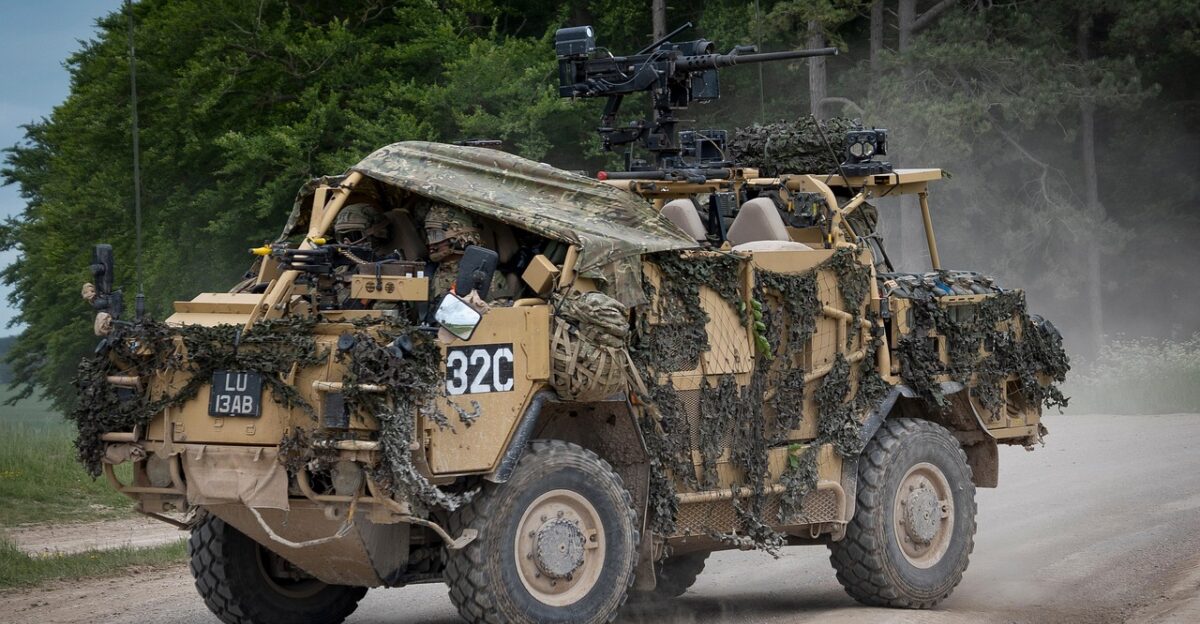
On September 21, 2025, a critical Ukrainian military operation destroyed a central Russian munitions depot in Bohdanivka, Luhansk Oblast. This decisive strike eliminated substantial stockpiles of drones, precision ammunition, and artillery intended for advancing Russian troops. “It felt like a long-awaited thunderclap,” described a resident who witnessed the explosions.
The strategic importance of this operation has far-reaching implications, effectively crippling Russian resupply efforts. The successful neutralization of such a significant cache sends a clear signal: Ukraine is committed to challenging Russian aspirations on the battlefield.
Regional Effects of Disruption

The destruction of the Bohdanivka depot has reverberated throughout the operational landscape, causing serious ramifications for Russian resupply efforts across the Donetsk and Luhansk regions. Observers have noted disturbing delays in ammunition shipments and a notable decrease in drone operations along strategic routes.
As the Russians advance toward Sloviansk and Kramatorsk, encountering logistical snags, the ripple effects of Ukraine’s successful operations become palpable. “Every delay for them is a window of opportunity for us,” reflected an anonymous Ukrainian commander, emphasizing the tactical advantages gained through such disruptions in supplies.
The Human Toll
Reports from residents in Donetsk spoke of the chaos resulting from the attack, with many witnessing “multiple explosions” as the depot was hit. A spokesperson for the Ukrainian Defense Ministry remarked, “Our forces have neutralized a significant portion of Russia’s drone fleet,” stressing the importance of these operations for civilian safety.
Civilians living near the conflict zones have become increasingly aware of the implications of military strategy, fearing for their safety. “We just want peace,” shared a farmer, highlighting the human cost of tactical decisions that weigh heavily on both sides of the conflict.
Russian Countermeasures

In response to Ukraine’s strikes, Russian defense officials have ramped up drone production and shifted assets to more secure sites in Belgorod and Krasnodar. New contracts have been signed with manufacturers in Nizhny Tagil for modified FPV drones, while operations at older plants in Dzerzhinsk are being reinforced against further Ukrainian attacks.
An unnamed Russian official stated, “We must adapt quickly to maintain our defensive capabilities.” This scramble to bolster defenses illustrates the ongoing cat-and-mouse game in drone warfare and reflects the high stakes of the conflict affecting both military infrastructures and national pride.
Macro-Level Implications
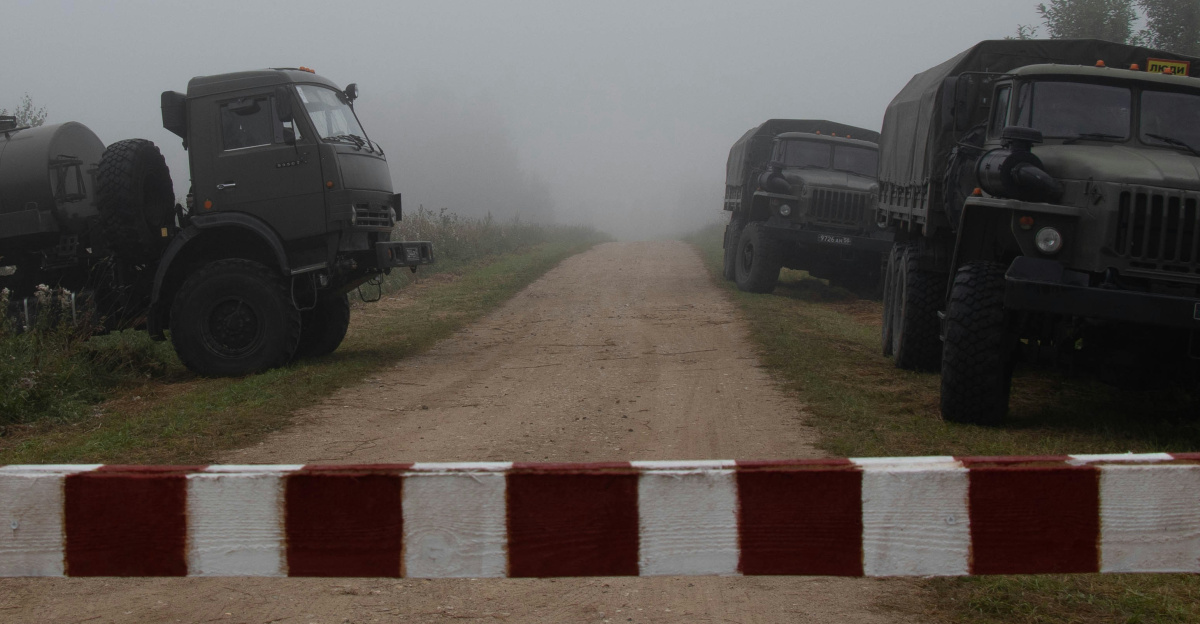
International analysts are highlighting the broader geopolitical implications of Ukraine’s drone destruction campaign, which is forcing Russia to reassess its port and rail supply routes. An increase in security forces along key transit corridors indicates a growing acknowledgment of vulnerabilities.
“This is about more than just military tactics; it’s reshaping regional alliances and logistics,” explained a geopolitical analyst. As Ukraine continues its strategy, it raises questions about how the conflict will influence not just military capabilities but also regional stability in Eastern Europe. The shifting landscape is poised to create a ripple effect far beyond the battlefield.
A Vulnerable Heartland
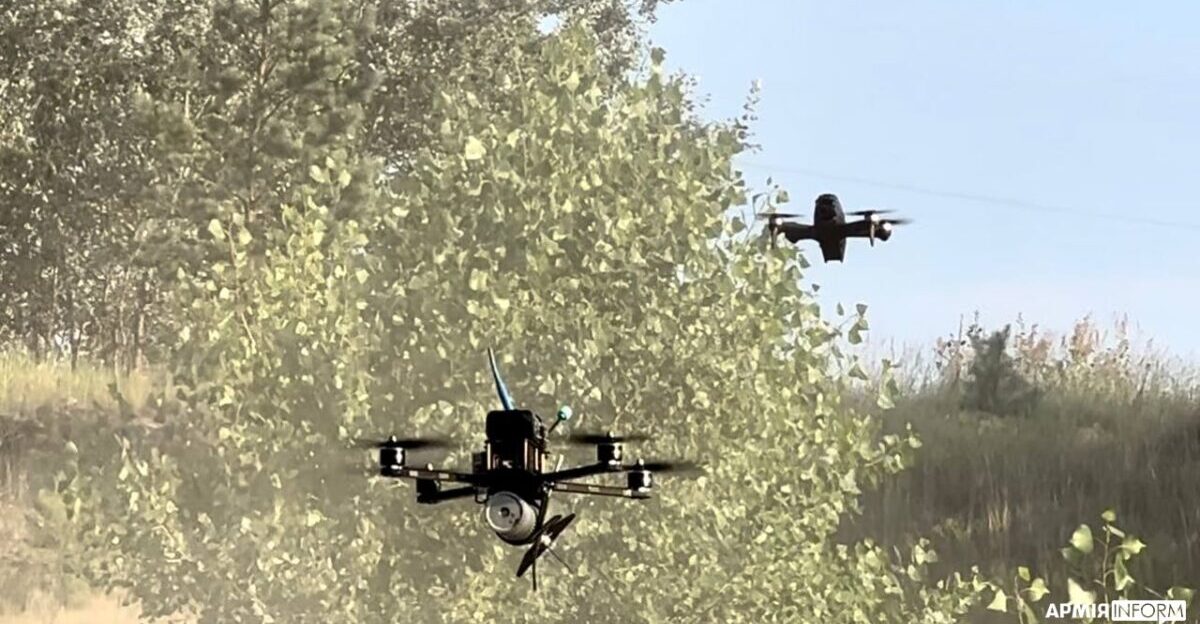
In a move that underscores the escalating intensity of the conflict, Ukrainian drones struck Russia’s Sverdlov explosives plant in Nizhny Novgorod, leading to significant explosions and fires. This facility is a central producer of RDX and HMX, critical to munitions manufacturing. “The attacks showed that we are not untouchable,” lamented a worker at the plant.
The incident has exposed vulnerabilities deep within Russia’s industrial infrastructure, adding to the growing concerns over supply chain security within military sectors. Such setbacks amplify the stakes of the ongoing war, with repercussions extending into both countries’ domestic industries.
Rising Internal Tensions
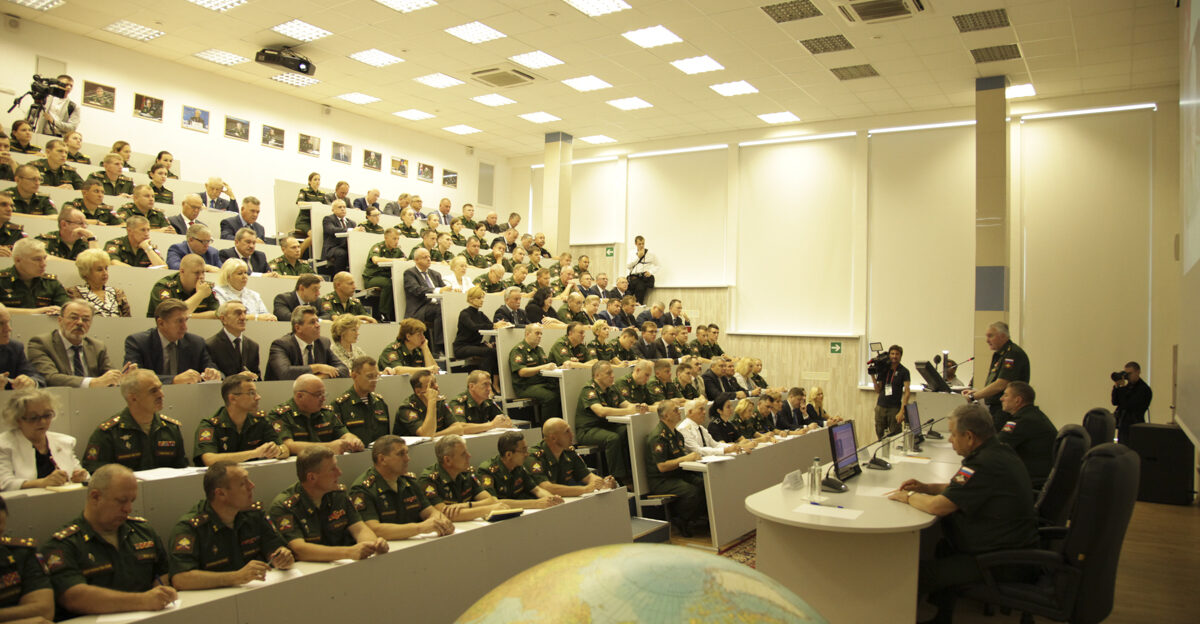
Amidst repeated Ukrainian strikes, Russian commanders are expressing mounting frustration over intelligence lapses and the need for improved electronic countermeasures. Reports suggest ongoing debates within Russia’s Ministry of Defense about whether to consolidate ammunition stockpiles for security or disperse them to avoid significant losses.
“The decisions we make now will define how this war unfolds,” remarked an insider from the Russian military. This internal discord exposes vulnerabilities in operational cohesion, revealing the pressure exerted by Ukraine’s aggressive strategy as both sides navigate a precarious and evolving battlefield.
A Leadership Response
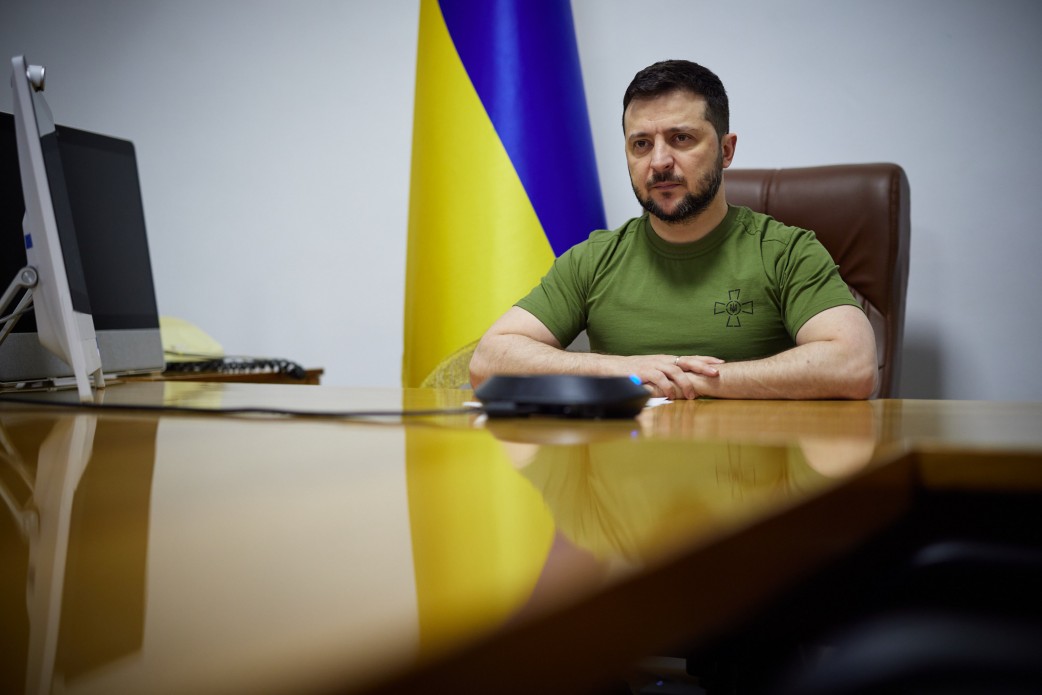
President Volodymyr Zelenskyy publicly commended his military forces for their precise operations, emphasizing the vital contributions of Ukraine’s Security Service in these sustained strikes. Meanwhile, Russian regional governors, including Gleb Nikitin of Nizhny Novgorod, have acknowledged the escalating attacks but maintained that critical infrastructure remains largely intact.
“We will adapt and protect our people,” claimed Nikitin. This juxtaposition of reassurances and challenges reflects the complex landscape of morale and military resilience as each side attempts to solidify its narrative while facing the stark realities of an ongoing war.
Adapting Strategy
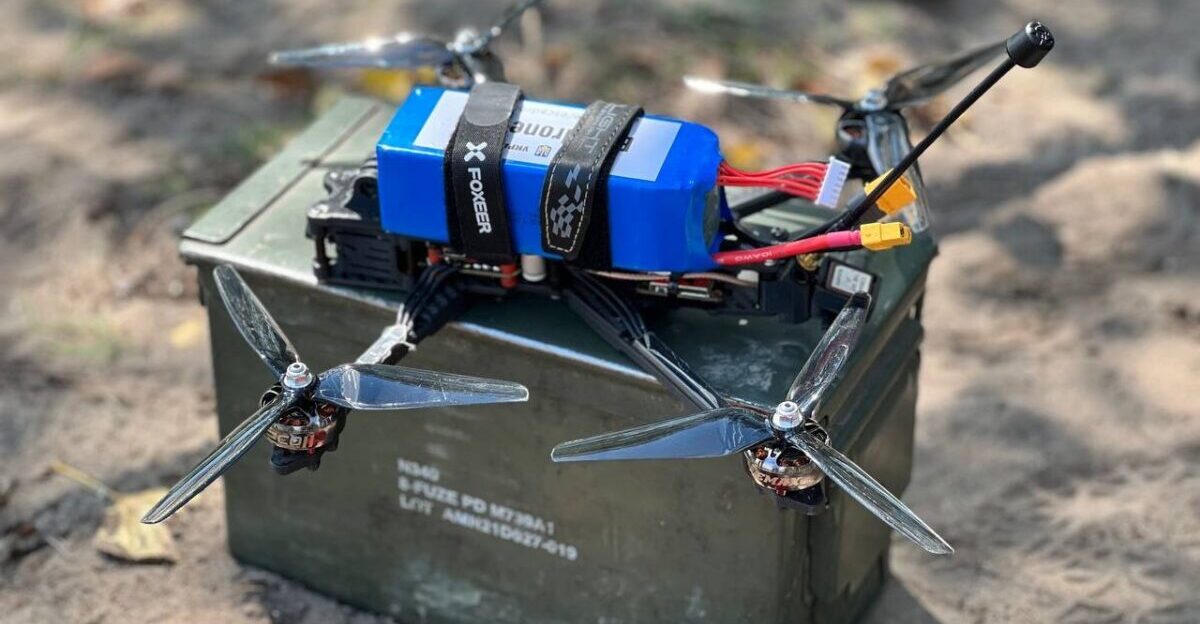
Ukraine has announced the strategic codification of additional drone models for military applications, including the advanced Hromylo FPV system, which presents a significant leap in capability. Defense manufacturers in Ukraine are swiftly adapting production lines, taking cues from front-line feedback and the evolving threats to supply chains.
“We’re in a constant race against time,” noted a factory manager as he discussed the urgency to enhance capabilities. This flexibility reflects a proactive approach to change, underscoring the importance of innovation and adaptation in an environment driven by technology and the need for combat.
A Cautious Outlook
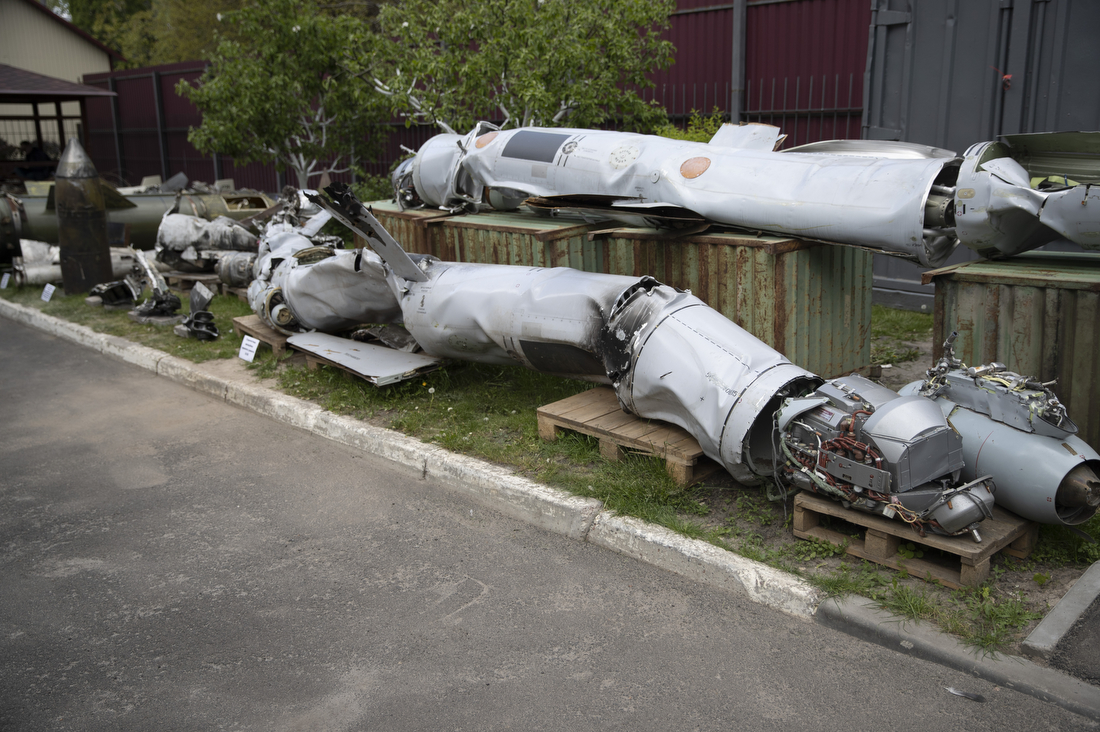
Despite the impressive claims emerging from both sides regarding drone destruction, some Western military analysts caution that figures, like the assertion of 19,000 Ukrainian drone victories, may be challenging to verify independently.
The Kyiv Independent reported, “Both parties can sometimes inflate numbers for propaganda.” This highlights complications in maintaining wartime transparency, creating skepticism and confusion about the actual state of losses. As graphic narratives emerge from the battlefield, the challenge remains in discerning factual reality amid the chaos, an ongoing struggle for credibility in the midst of conflict.
Escalation of Tactics
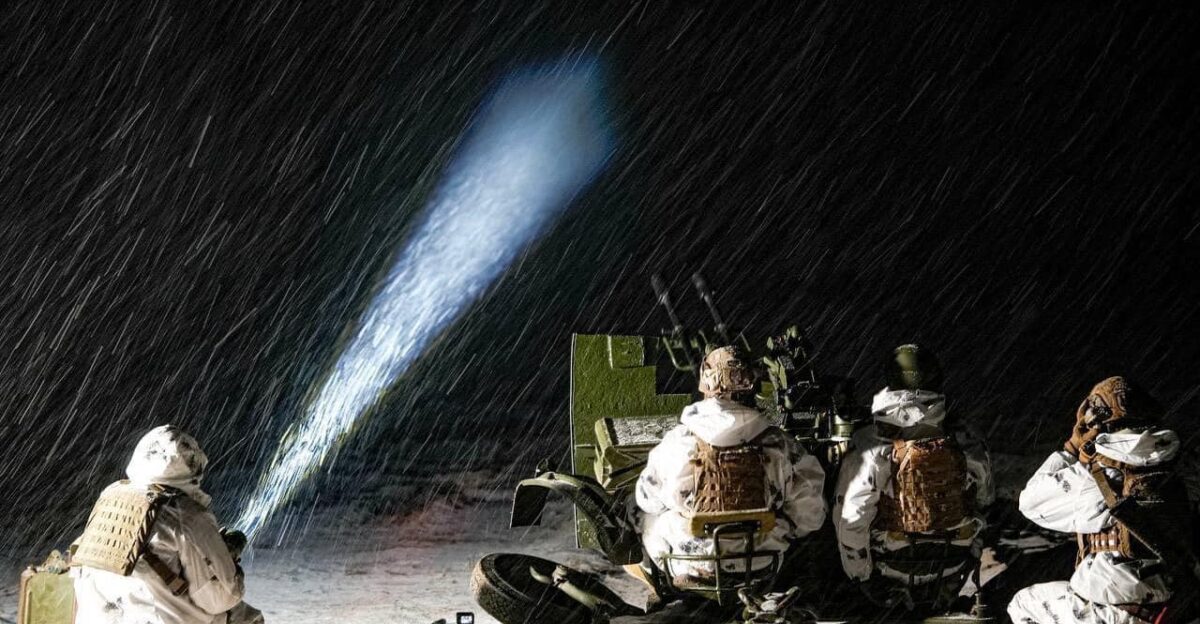
As the war persists, both sides continue to evolve their tactics to adapt to the dominating presence of drones. Ukrainian forces are developing more sophisticated counter-drone technologies to offset Russian advances, creating a new arms race in aerial warfare.
“The battlefield is not just combat; it’s about intelligence and countermeasures,” shared a military strategist. This shift underscores the need to innovate and respond to evolving threats, emphasizing that success in warfare is often determined not just by strength, but also by strategic foresight and adaptability.
Civilian Impact
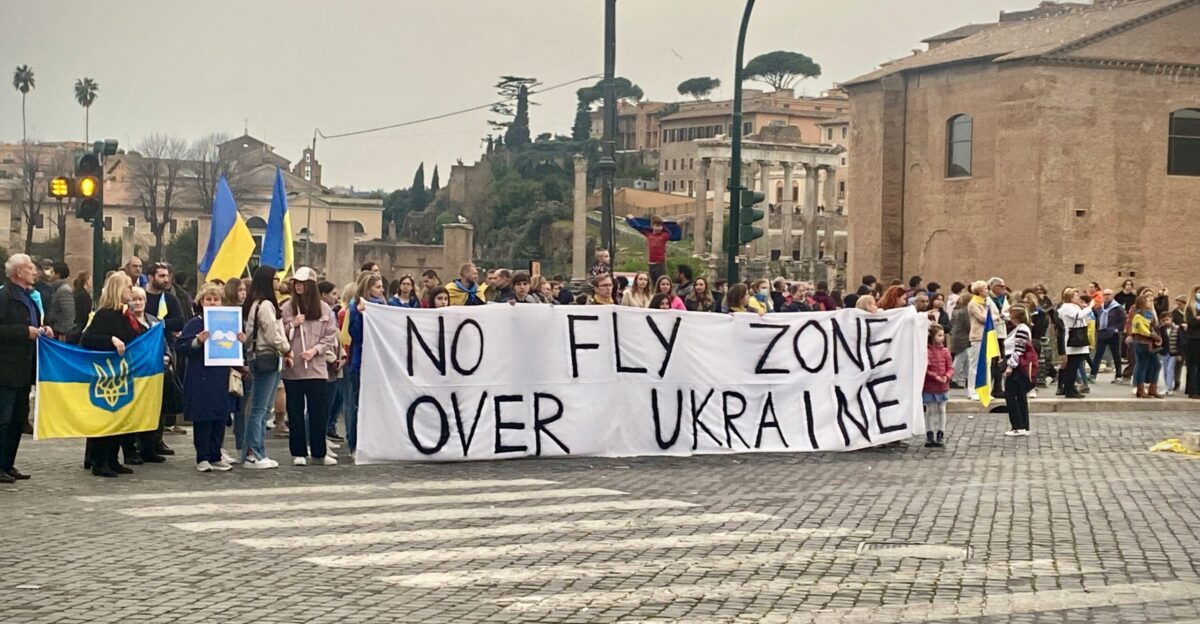
The escalation of drone warfare has significant implications for civilian safety and living conditions in both eastern Ukraine and Russia. Many innocent lives are caught in the crossfire as fighting intensifies, leading to renewed humanitarian concerns. “Every meal shared now feels shadowed by a constant fear,” reflected a displaced Ukrainian farmer.
The fabric of everyday life unravels under the weight of conflict, where daily routines are disrupted, and a sense of normalcy fades. This human cost remains a poignant reminder of the war’s far-reaching consequences beyond the battlefield.
Regional Alliances Shift
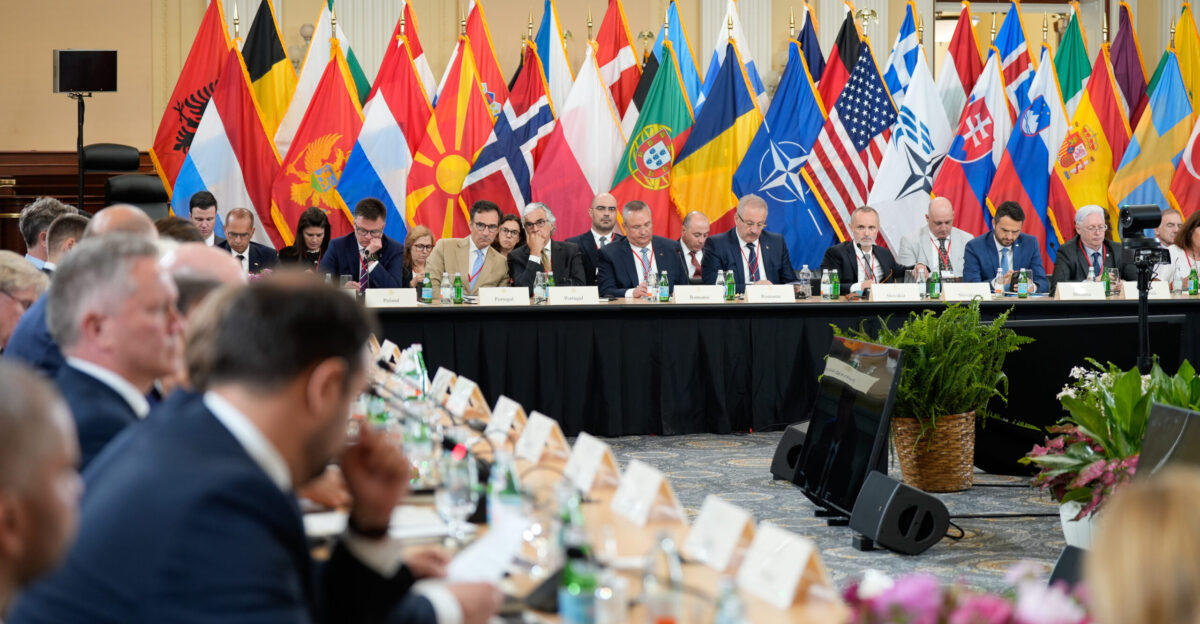
As the conflict’s intensity continues, regional alliances are shifting to respond to the evolving power dynamics. Neighboring countries are reassessing their defense strategies and regional cooperation in light of the escalating drone warfare. “It’s not just about Ukraine and Russia anymore; the stakes involve us all,” stated a diplomatic envoy from Poland.
This reassessment creates new opportunities for alliances and partnerships that could shift the balance of power and influence in Eastern Europe, suggesting a realignment in military postures in response to shared threats.
Humanity’s Resilience
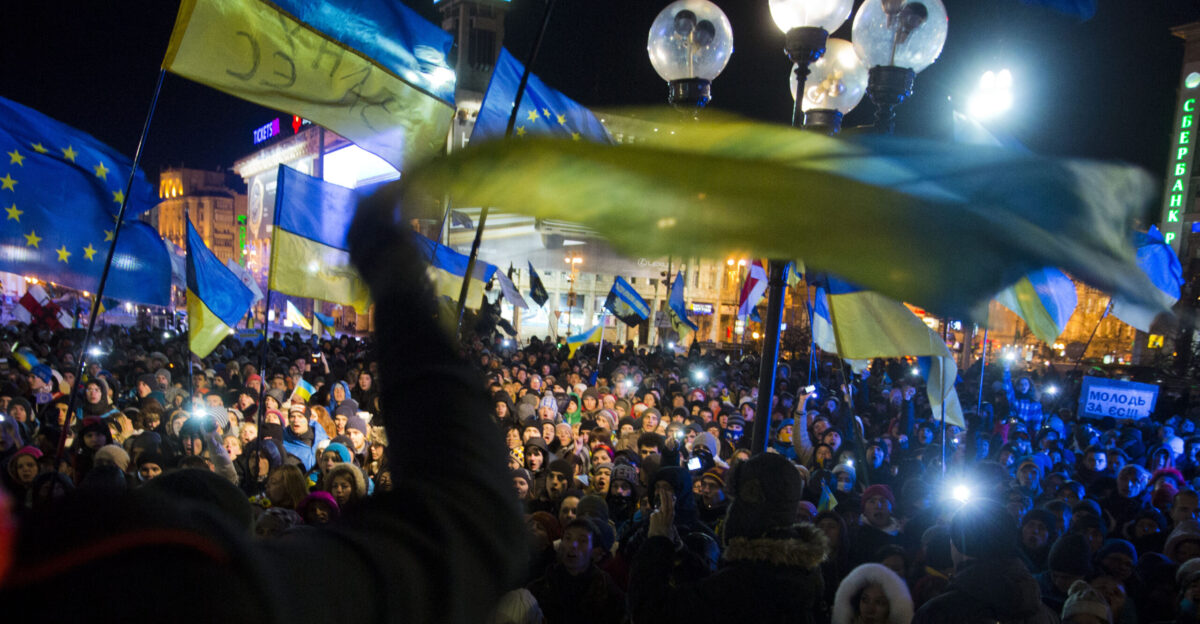
While the horrors of war continue to unfold, stories of resilience and determination among civilians stand firm. Community initiatives have emerged, helping those displaced by conflict to rebuild their lives amidst adversity, showcasing the human spirit’s unwavering resilience.
“We find strength in each other,” a local volunteer organizing relief efforts shared. This resilience serves as an essential counterpoint to the devastation of war, illustrating that, despite the conflict raging on, the human desire for hope and connection remains intact.
The Cost of War
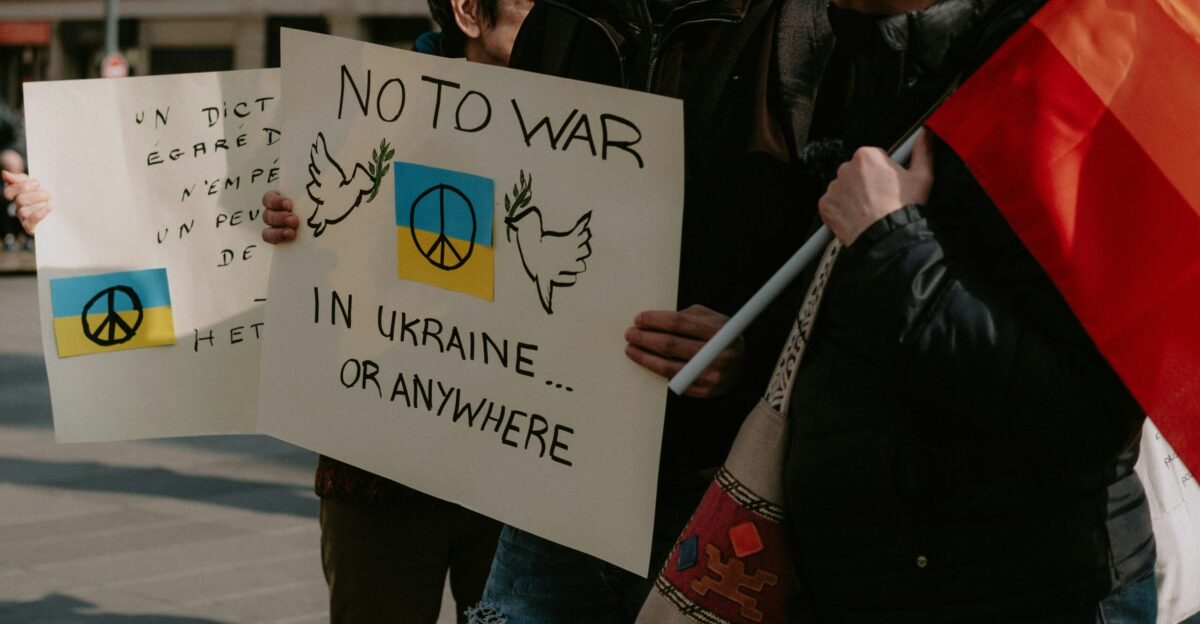
Ultimately, the ongoing war highlights the staggering costs associated with military conflicts not only in terms of resources but also in the toll on human lives. The devastation felt among communities across Ukraine and Russia serves as a grave reminder of the sacrifices made.
“Too many lives have been lost; we yearn to return to peace,” lamented a bereaved family member. Acknowledging this cost forces a collective reflection on the actual price of ongoing hostilities and the future that lies ahead for both nations.
Paving a Path Forward
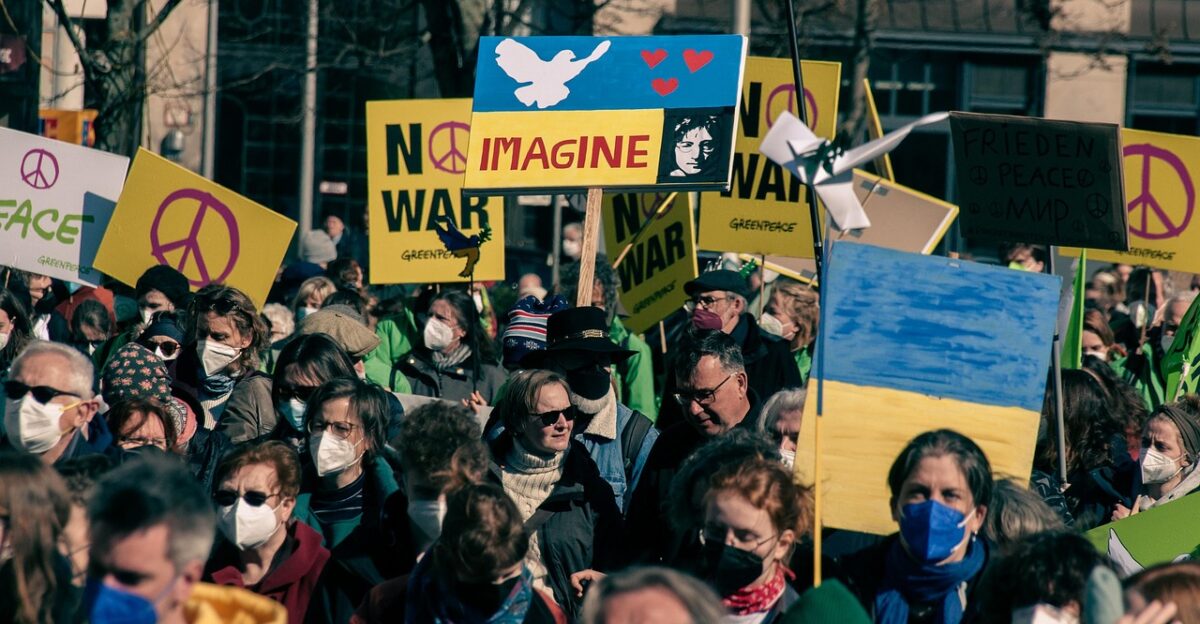
As the conflict persists, the need for innovative solutions and diplomatic efforts becomes increasingly vital. The international community remains hopeful for a diplomatic resolution, exploring ways to foster dialogue and peace amid the chaos. “We must ultimately remember that dialogue is our only way forward,” expressed a peace activist.
Acknowledging the need for cooperation and understanding, this goal becomes crucial as nations consider a future post-conflict, hoping to replace destruction with the promise of rebuilding and reconciliation. The path to peace, though fraught, remains a necessity for future generations.