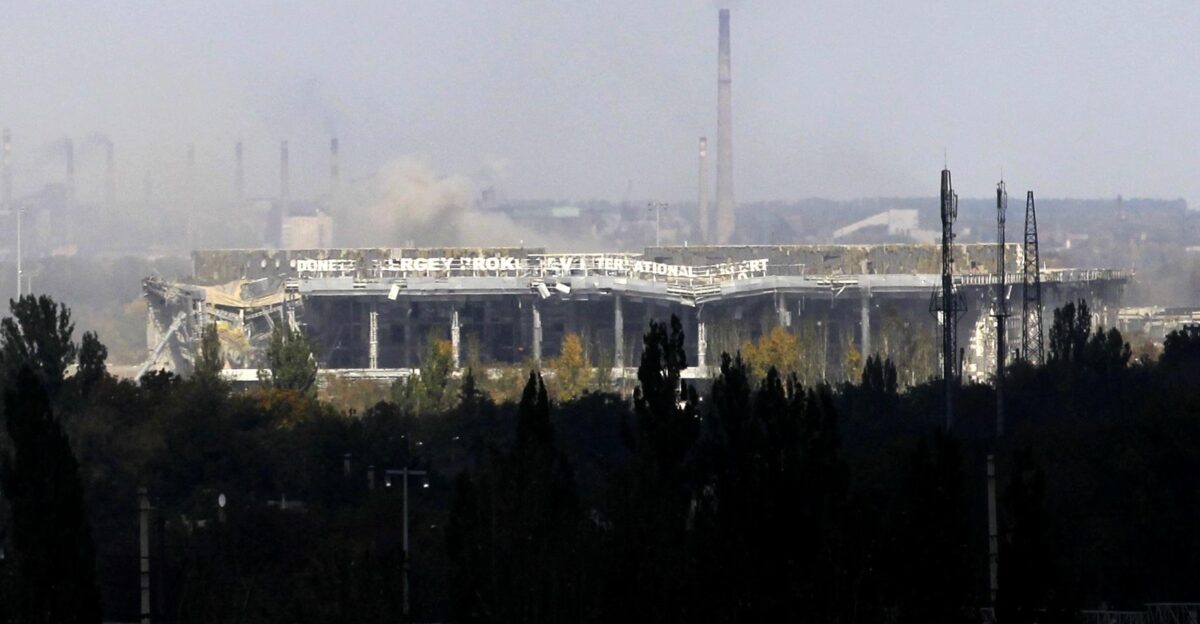
A series of powerful explosions lit up the night sky over Donetsk in early November 2025, signaling a dramatic escalation in Ukraine’s campaign against Russian military infrastructure. Ukrainian forces launched a coordinated strike on a former airport now repurposed by Russia as a major drone operations center. The attack, which reportedly destroyed hundreds of drones and warheads, marks a significant shift in tactics as both sides brace for the challenges of winter warfare.
Destruction at a Symbolic Site
Donetsk International Airport, once a gleaming symbol of Ukraine’s modernization for the 2012 European Football Championship, has become a stark emblem of the ongoing conflict. Captured by Russian-backed forces in 2014 after months of fierce fighting, the airport was left in ruins by early 2015. In recent years, Russia rebuilt the site into a fortified drone launch and storage facility, complete with new pads and defensive structures. Ukrainian intelligence tracked these developments for months, gathering evidence and planning a precise strike. When the attack came, it reportedly destroyed around 1,000 drones and 1,500 warheads, though independent verification of these figures remains limited. Satellite images after the strike revealed extensive damage to Russian storage sites, and Ukrainian officials claimed that over 90% of their munitions hit their intended targets.
The Drone Arms Race Intensifies
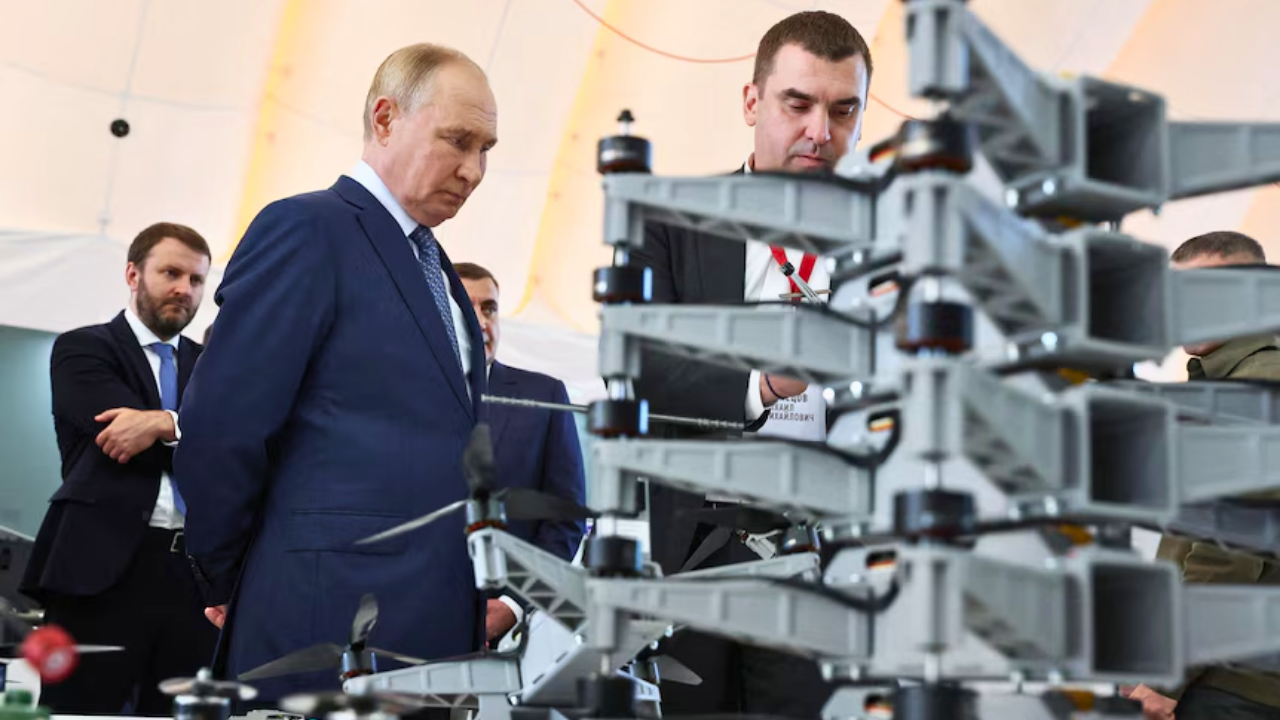
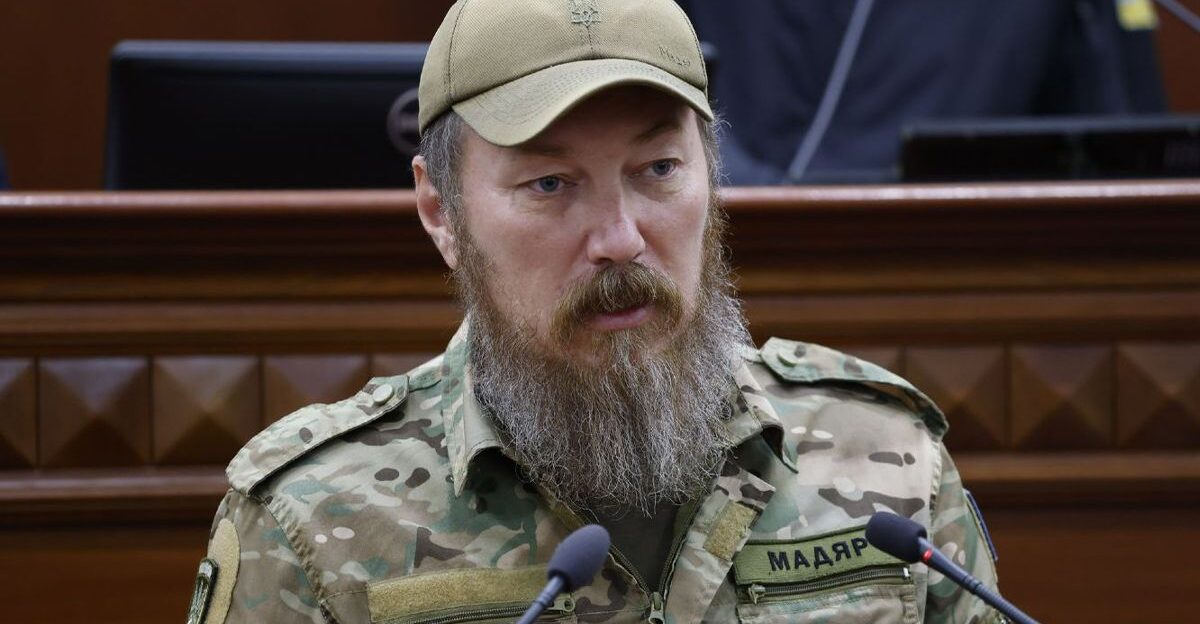
The Donetsk airport strike comes amid a dramatic surge in drone warfare on both sides. Since the start of 2025, Russia has launched more than 44,000 Shahed-type drones, with domestic factories now producing up to 2,700 drones each month. These mass attacks, sometimes involving hundreds of drones at once, have tested Ukraine’s air defenses and forced both militaries to adapt rapidly. Ukraine, for its part, has invested heavily in drone production and innovation, aiming to double its output after manufacturing two million drones last year. The country’s drone forces, led by commander Robert “Madyar” Brovdi, have become a key asset, conducting deep strikes and sharing battlefield updates that have drawn attention from NATO officials.
Energy Infrastructure Under Fire
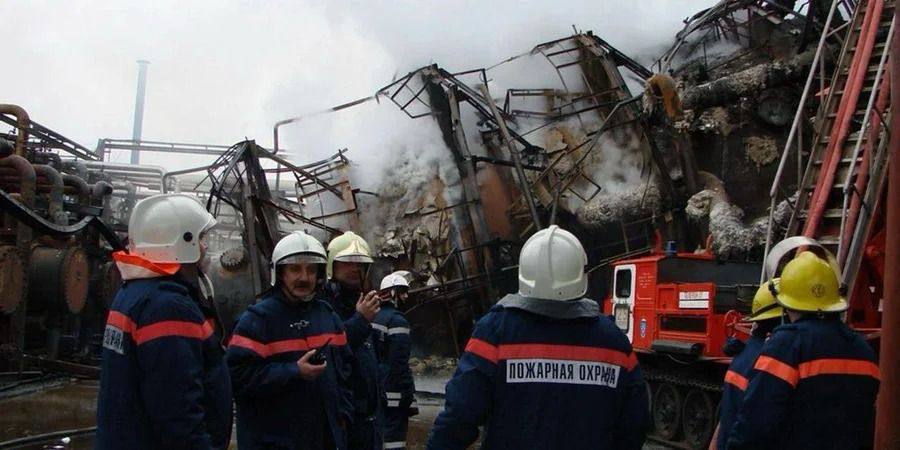
Ukraine’s campaign has expanded beyond military targets to include strikes on Russian energy infrastructure. In November, Ukrainian drones hit the Volgograd oil refinery—one of Russia’s largest—temporarily halting production and disrupting fuel supplies for the Russian military. Official reports confirmed significant damage and at least one fatality. These attacks are part of a broader Ukrainian strategy that has targeted nearly half of Russia’s major refineries in 2025, contributing to fuel shortages and long lines at gas stations across Russia. The resulting drop in Russian oil exports has benefited foreign oil companies, which have seen profits rise as global supply tightens.
Strategic Calculations and Limitations
Despite headlines suggesting Ukraine’s strikes have wiped out months of Russian drone production, the reality is more nuanced. With Russia’s current manufacturing capacity, the destruction of 1,000 drones represents less than two weeks’ output. Russian drone factories continue to expand, and the country’s ability to replenish its arsenal remains robust. Meanwhile, Ukraine’s ability to strike deep into Russian-held territory demonstrates improved intelligence and operational reach, but also highlights gaps in Russian defenses and intelligence. Both sides are racing to develop smarter, more resilient drone technologies, with Russia deploying drones that are harder to jam and Ukraine countering with AI-enabled systems capable of tracking and destroying enemy drones.
Winter’s Looming Test
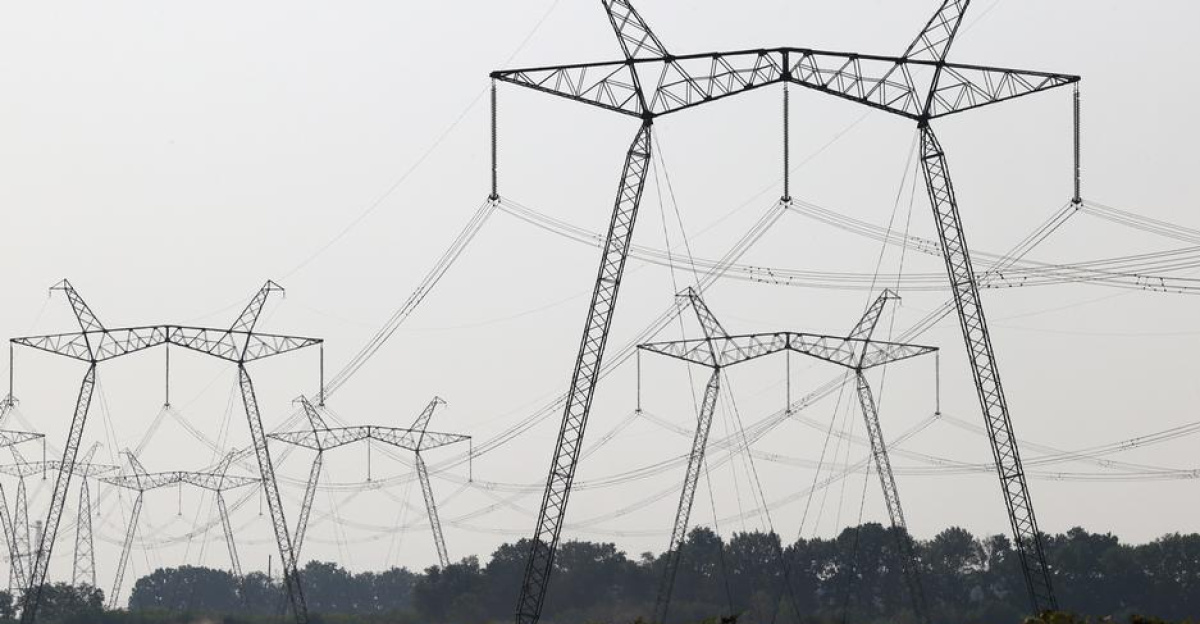
As winter approaches, the conflict is entering a critical phase. In retaliation for Ukraine’s strikes, Russia has unleashed waves of drones and missiles against Ukrainian cities, killing civilians and damaging power plants. Widespread outages have left many Ukrainians without electricity or heat, raising fears of a humanitarian crisis as temperatures drop. The coming months will test each side’s ability to maintain supply chains, energy production, and public morale. While Ukraine’s deep strikes have disrupted Russian operations and showcased new capabilities, Russia’s industrial base and continued drone production ensure that the conflict remains far from resolution. The outcome may hinge on which nation can better withstand the pressures of a protracted winter war, keeping its factories running and its population resilient as the battle for control grinds on.