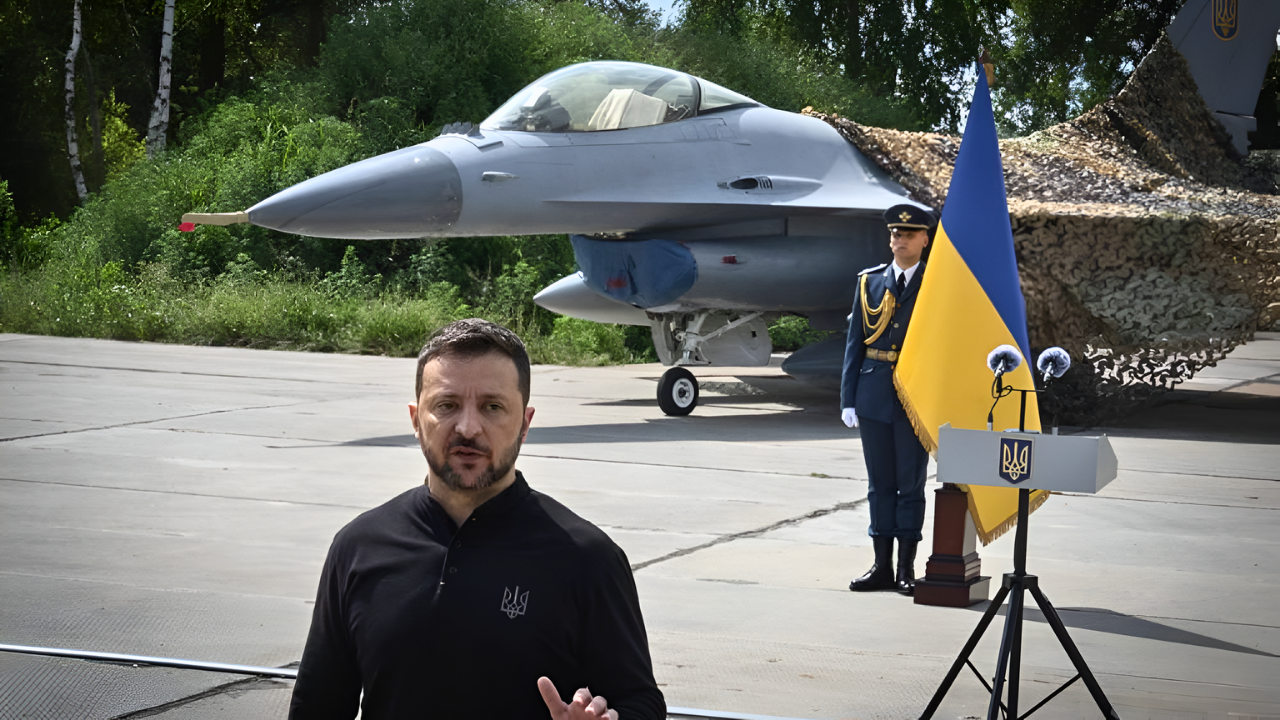
When NATO countries began delivering F-16 fighter jets to Ukraine in mid-2024, skeptics questioned whether hastily trained pilots could operate America’s most complex combat aircraft under relentless Russian assault.
Ukraine’s air force, then equipped primarily with aging Soviet-era jets, faced overwhelming odds: Russia commanded roughly 1,500 combat aircraft, while Ukraine had fewer than 100 operational fighters. The stakes were existential. Yet within months, a transformation began quietly taking shape over Ukrainian skies, reshaping calculations about which side held advantage in the air war.
Against the Odds
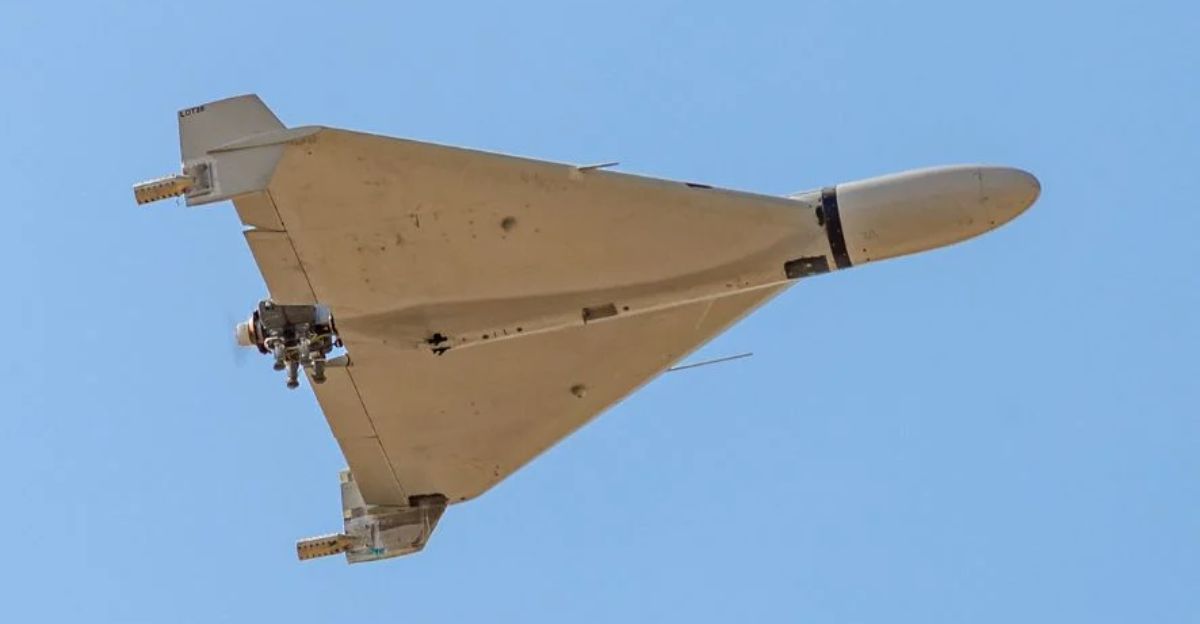
Russia launched drone and missile barrages with industrial precision throughout 2024 and 2025, testing Ukrainian defenses nightly. In July 2025 alone, Russia deployed 6,295 Shahed-type drones, setting a monthly record; yet, Ukraine’s overall air defense interception rate climbed to 89%, up from 86% in June.
Multiple defense layers, including fighter jets, surface-to-air missiles, and interceptor drones, worked in concert to provide a comprehensive defense. The cumulative pressure on Russian logistics mounted visibly: each strike required careful ammunition accounting. How much actual destruction could Ukraine’s limited airpower inflict on Russia’s vast arsenal?
Racing the Clock
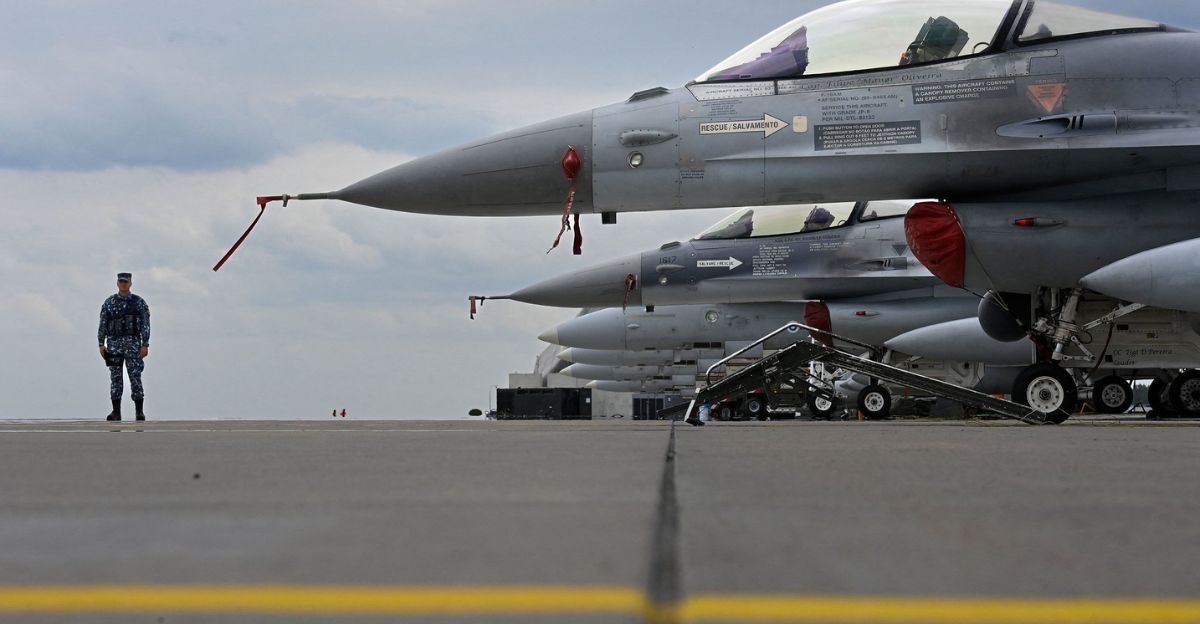
F-16 pilot training commenced in October 2023 at U.S. bases and subsequently expanded to allied nations by early 2024. Ukrainian pilots underwent compressed 18-month programs, roughly a year faster than their RAF equivalents, which covered English-language instruction, simulator training, and combat tactics.
By July 2025, the Czech Republic alone was training up to eight Ukrainian pilots annually. European bases in the UK and France processed Ukrainian cohorts in parallel. This rapid deployment timeline and capability building squeezed, yet pilots emerged combat-ready. The gamble was whether speed could substitute for experience.
Tactical Innovation
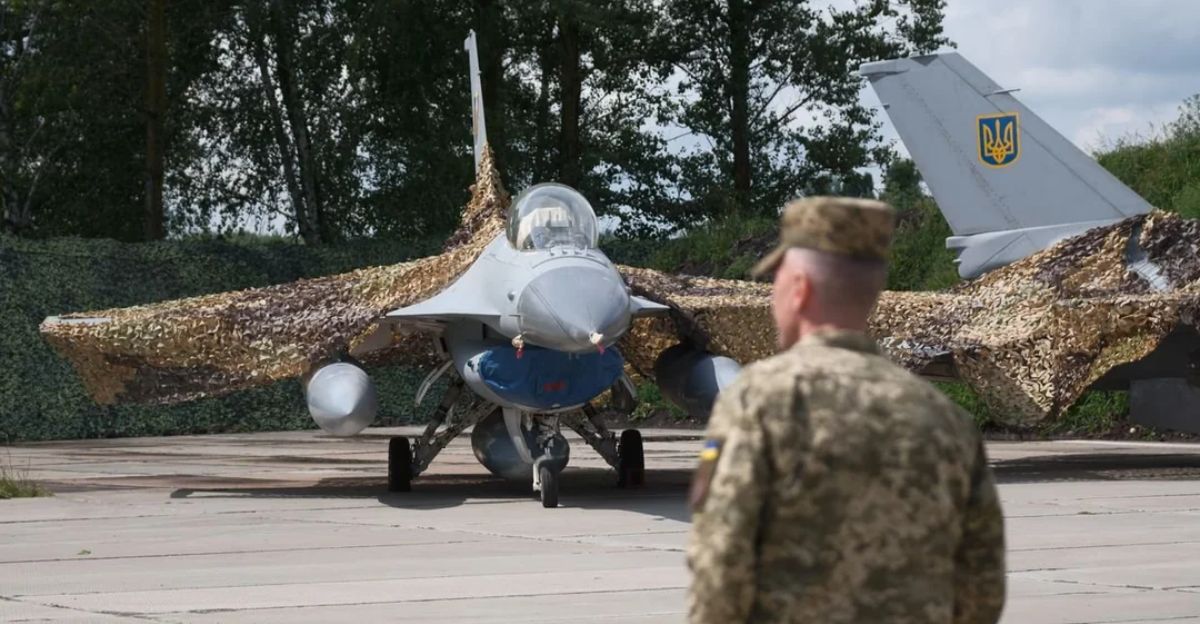
By autumn 2024, Ukrainian pilots and ground crews were already experimenting with tactics suited to resource constraints. F-16s flew roughly 80% of all Ukrainian Air Force sorties by October 2025, demonstrating both the aircraft’s reliability and the intensity of pilot workload. Dispersal procedures became routine, scrambling jets from bases under fire within minutes.
Ukrainian pilots also developed partnerships with electronic warfare teams and drone coordinators to maximize limited numbers. One Mirage-2000 pilot reported the Magic-2 missile achieved near-perfect 98% hit rates against drones and cruise missiles. Innovation began substituting for numbers.
The Milestone Revealed
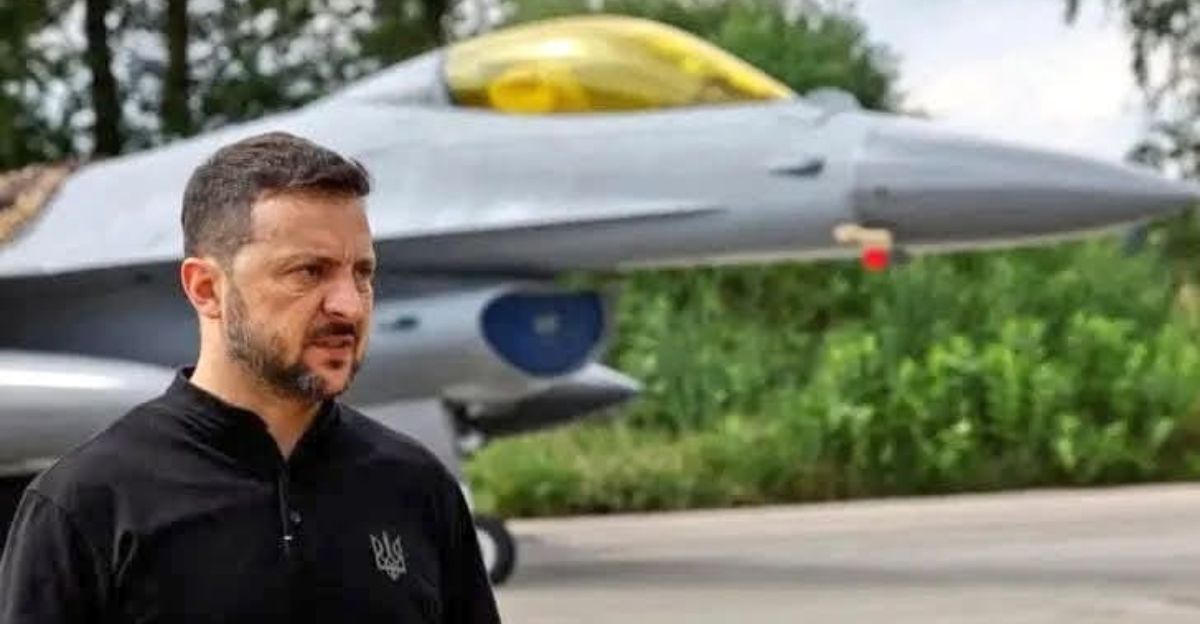
On November 18–19, 2025, the Ukrainian Air Force announced a significant achievement: F-16 fighters had intercepted over 1,300 Russian missiles and drones since their first deployment in August 2024. This figure represented the single largest air-defense kill count attributed to Western-supplied fighters in any modern conflict.
The F-16 fleet, numbering roughly 10–15 operational aircraft, had intercepted an average of approximately 87 targets per month. The milestone crystallized what Ukrainian officials had long claimed: Western technology, combined with Ukrainian skill, could challenge Russian air superiority despite numerical disadvantage.
The November Crisis
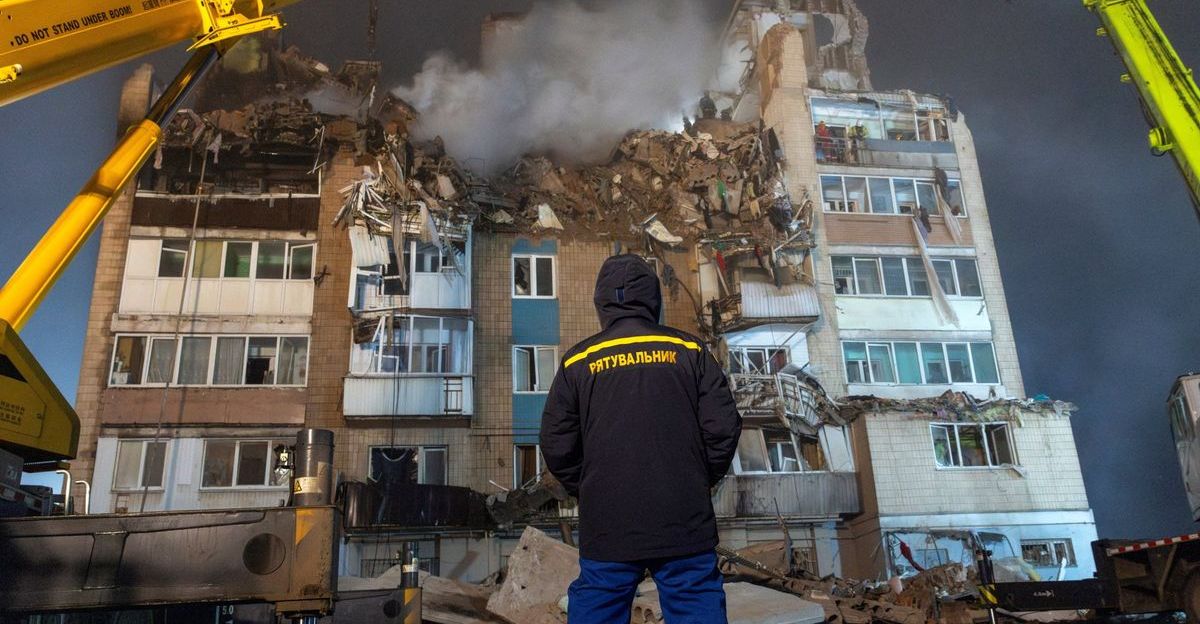
On November 19, 2025, Russia launched a massive coordinated attack involving 476 drones and 48 missiles targeting western Ukraine. The assault struck Ternopil, a regional capital 300 kilometers from front lines and long considered relatively safe. Ukrainian F-16s and newly deployed French Mirage-2000 fighters intercepted at least ten Russian cruise missiles during the barrage.
Despite successful intercepts, the attack penetrated defenses: 25 civilians were killed, including three children, when impacts struck residential areas. The incident exposed a hard truth: even high interception rates cannot stop every threat to civilian populations. Air defense, however effective, remains incomplete.
The Human Cost
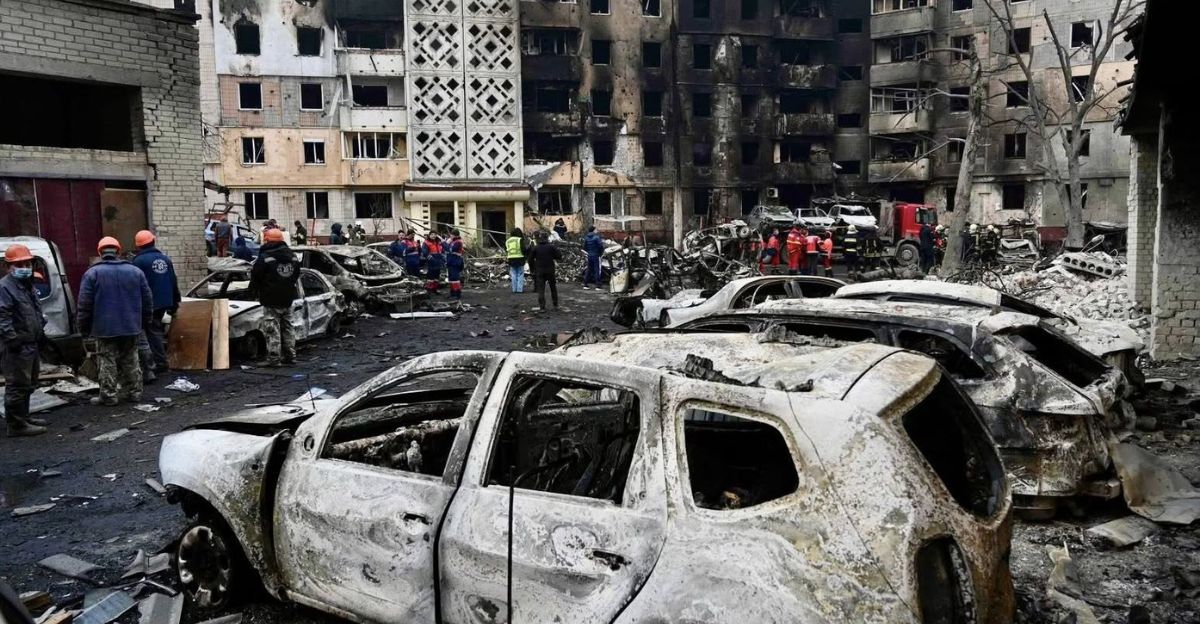
Civilian testimony from Ternopil described the relentless attacks and narrow escapes. Local officials documented damage across medical facilities, residential blocks, and infrastructure. Survivors spoke of sirens sounding hourly, underground shelters becoming second homes. Yet citizens credited F-16s and air defense systems for preventing far worse casualties.
Estimates suggested that without interception efforts, multiple times more civilians would have died. The psychological toll of living under nightly bombardment despite visible air defense shaped the conflict’s emotional landscape. The effectiveness in preventing mass casualties did not translate to a sense of safety.
The Equipment Asymmetry
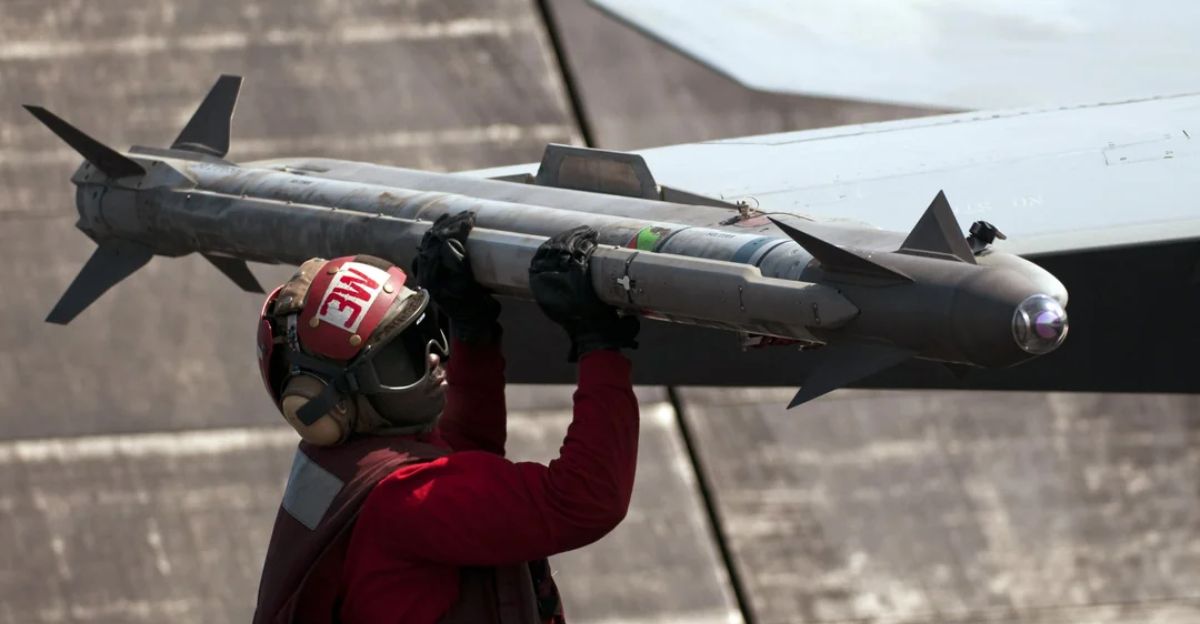
Each Air Force interception required careful cost accounting. A U.S. AIM-9X Sidewinder missile costs approximately $250,000; a Russian Shahed drone costs roughly $50,000 to $70,000 in current production. Cost-asymmetry metrics heavily favored Russia’s attritional strategy.
However, Ukraine’s new FPV interceptor drones, modified from first-person-view aircraft, cost only a few thousand dollars each and have achieved proven results. By autumn 2025, Ukraine had deployed tens of thousands of these custom interceptors alongside traditional air defense. Tactical innovations began inverting the financial calculus. Cost-effectiveness, not just kill counts, became a strategic variable.
Broader Air War Shift
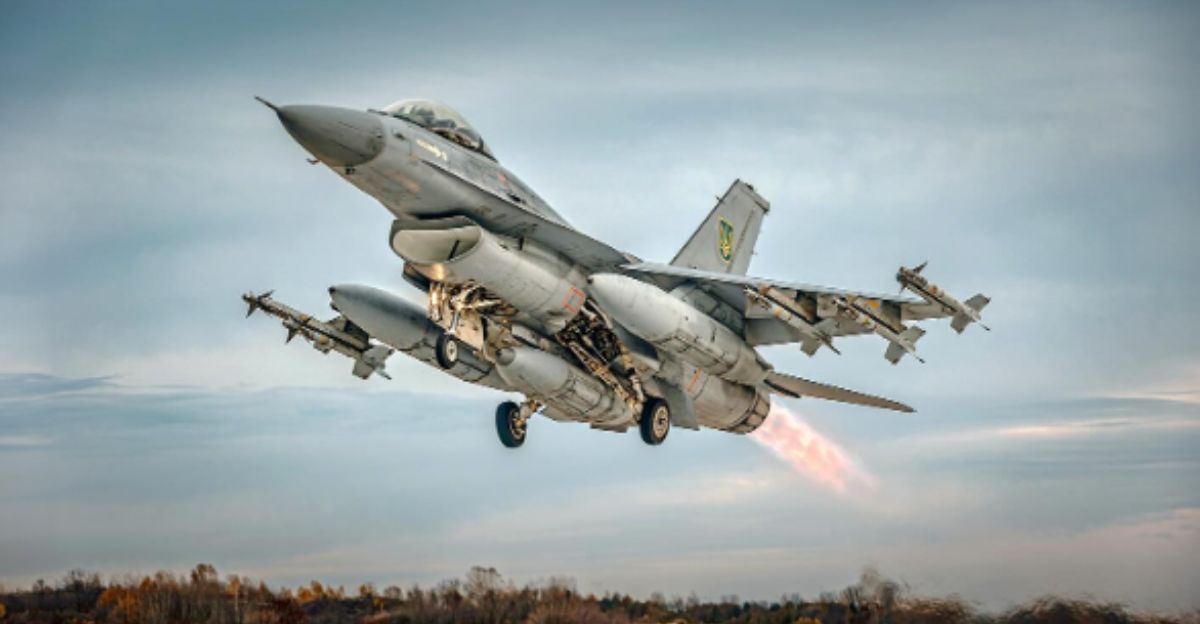
Ukraine’s entire air defense establishment destroyed 9,707 aerial targets during November 2025 alone, according to the Ukrainian Armed Forces. F-16s, constituting roughly 14% of this total (1,300 ÷ 9,707), represented a disproportionately high-value asset. The broader air defense network integrated Patriot batteries, S-300 missiles, and electronic warfare systems.
However, F-16 operations symbolized NATO’s commitment and technological transfer, which were politically significant beyond the raw kill counts. Russian strategic calculations visibly shifted: fewer large-scale missile attacks were attempted after late November 2025, though drone operations continued at high tempo. Air superiority remained contested, not Russian-dominated.
The Single-Mission Record
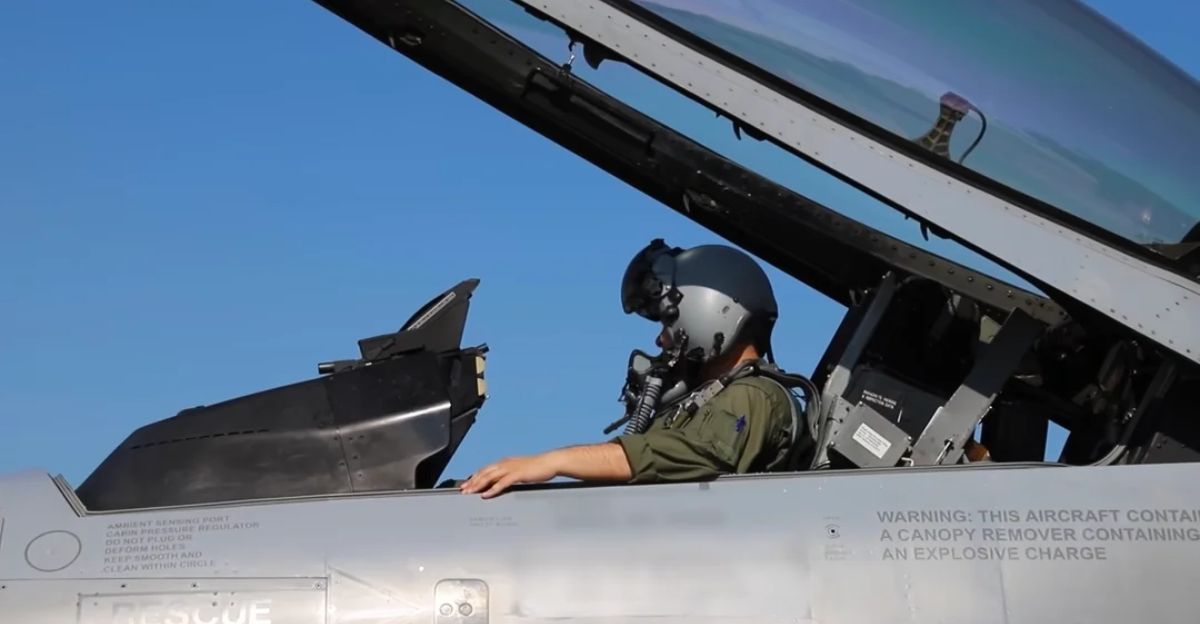
Beyond cumulative totals, one event on December 13, 2024, significantly impacted pilot psychology. A Ukrainian F-16 pilot, later identified by callsign, shot down six Russian cruise missiles, including two using the fighter’s cannon, in a single combat mission. Multiple international sources confirmed the achievement as unprecedented in the history of F-16 combat.
The pilot demonstrated exceptional marksmanship and tactical awareness under extreme pressure. This individual success became a symbol of Ukrainian capability and training effectiveness. It suggested that sustained air combat sorties were building genuine expertise, not merely surviving through numbers or luck. Narrative mattered alongside statistics.
Pilot Fatigue and Burnout
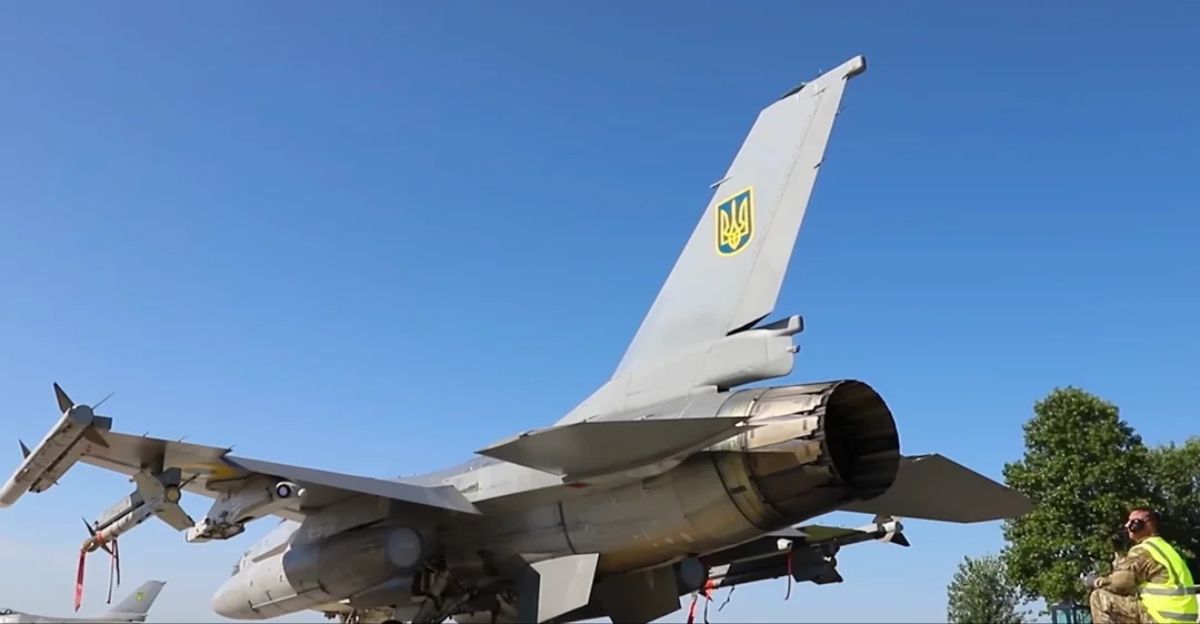
Flying 80% of Ukrainian Air Force sorties by October 2025 imposed severe operational strain on the small F-16 pilot cohort. Rotations through bases under fire, minimal rest periods, and the psychological stress of defending cities created attrition pressures that exceeded combat losses. Ukrainian officials acknowledged the urgent need for additional trained pilots to rotate crews and prevent errors caused by exhaustion.
NATO partners increased their training capacity throughout autumn 2025; however, demand outpaced supply. One Air Force source told Air and Space Forces Magazine that pilot recruitment and retention represented the primary constraint on operational tempo. Capability existed; sustainable operations did not.
Allied Pilot Transfer
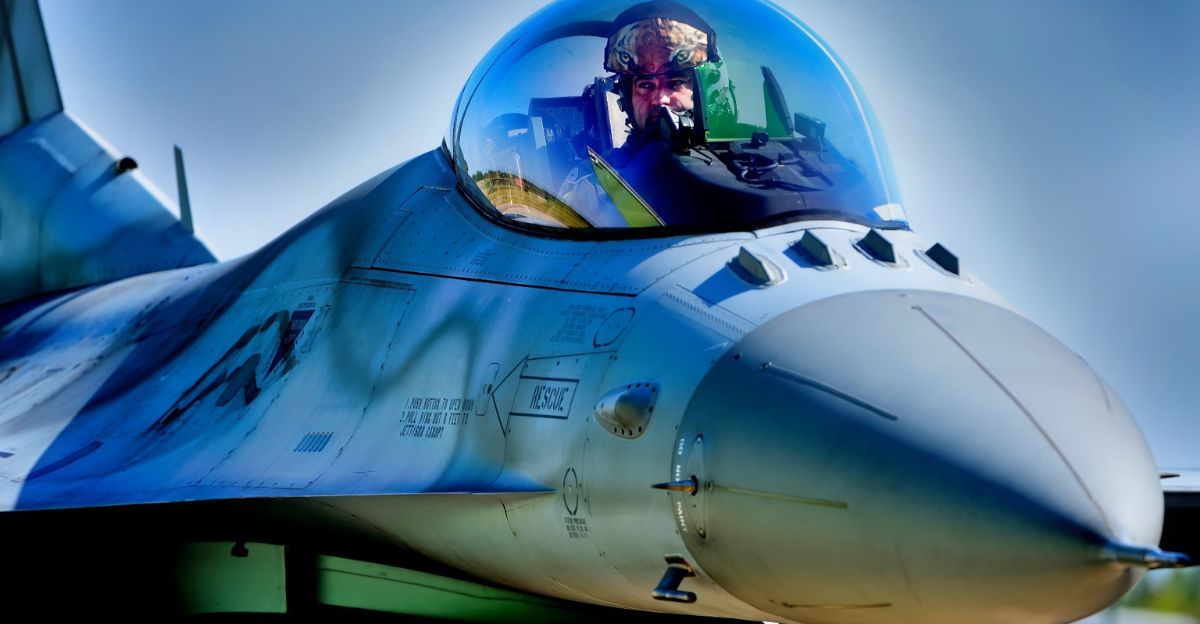
To relieve pressure, NATO began rotating allied pilots to Ukraine for combat rotations. British, Polish, and Canadian pilots volunteered for temporary assignments flying escort missions and air defense patrols alongside Ukrainian counterparts. While political sensitivities limited direct combat engagement reporting, these allied contributions expanded Ukrainian operational capacity without enlarging the permanent Ukrainian pilot pool.
The arrangement tested NATO policy on direct participation; officials carefully calibrated public statements to avoid escalation narratives. Behind the scenes, allied air forces treated Ukrainian combat operations as a training ground for their own pilots facing potential Russian confrontation.
Strategic Limitations
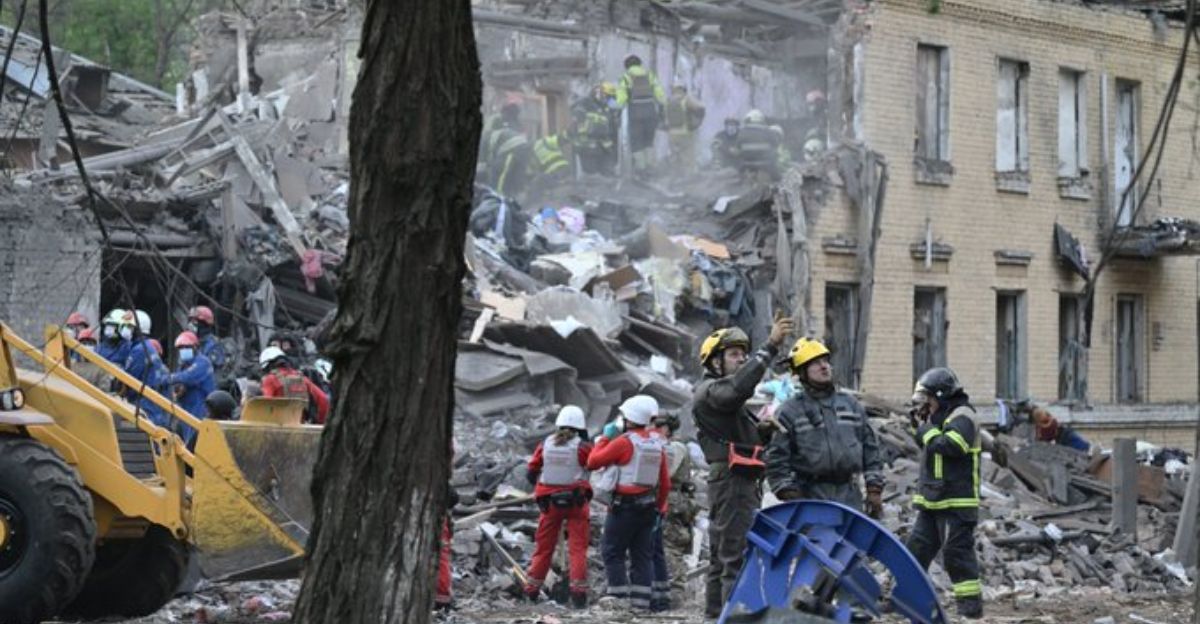
Despite 1,300 intercepts and high monthly percentages, F-16s could not prevent all attacks. Russian missiles still reached targets, killing civilians and destroying infrastructure. Electronic warfare advances enabled Russia to saturate defenses with coordinated attacks on occasion. Ukraine’s small F-16 fleet remained insufficient for achieving actual air superiority, a condition that requires sustained fighter patrols across vast airspace.
Maintenance demands for complex Western aircraft consumed scarce technician time and spare parts. Ukraine’s Chief Air Force Officer acknowledged in late 2025 that F-16s remained a force multiplier, not a game-changer. The conflict continued to grind on; air defense improved the odds but did not resolve the fundamental asymmetry.
Requesting Advanced Jets
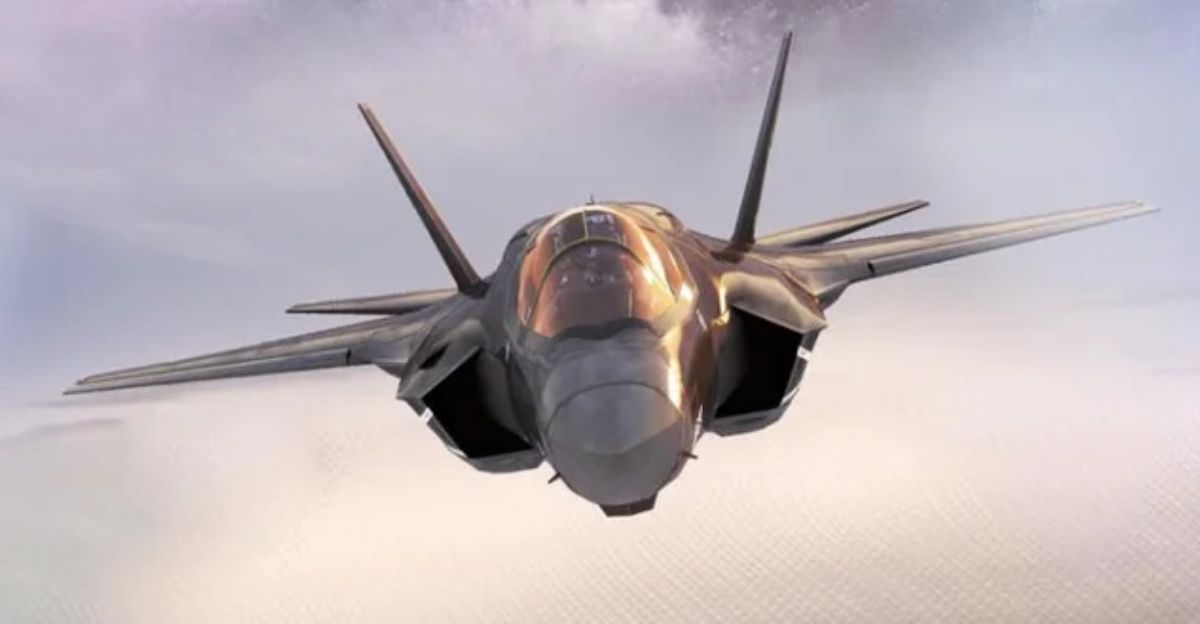
By November 2025, Ukrainian officials were requesting the latest F-16 Block 70 variants and discussing future fighter acquisitions, including the F-35 stealth aircraft. Mirage-2000 pilots expressed limitations of 1970s-era technology in confronting modern Russian systems. NATO allies are committed to ongoing support, but they face political pressures regarding escalation.
Defense planners debated whether next-generation aircraft would arrive quickly enough to influence the conflict’s trajectory. Some experts suggested incremental improvements to better missiles, and enhanced electronic warfare might prove more feasible than entirely new platforms. Ukraine’s aviation modernization, once unthinkable, was now a strategic negotiation.
The Question Unresolved
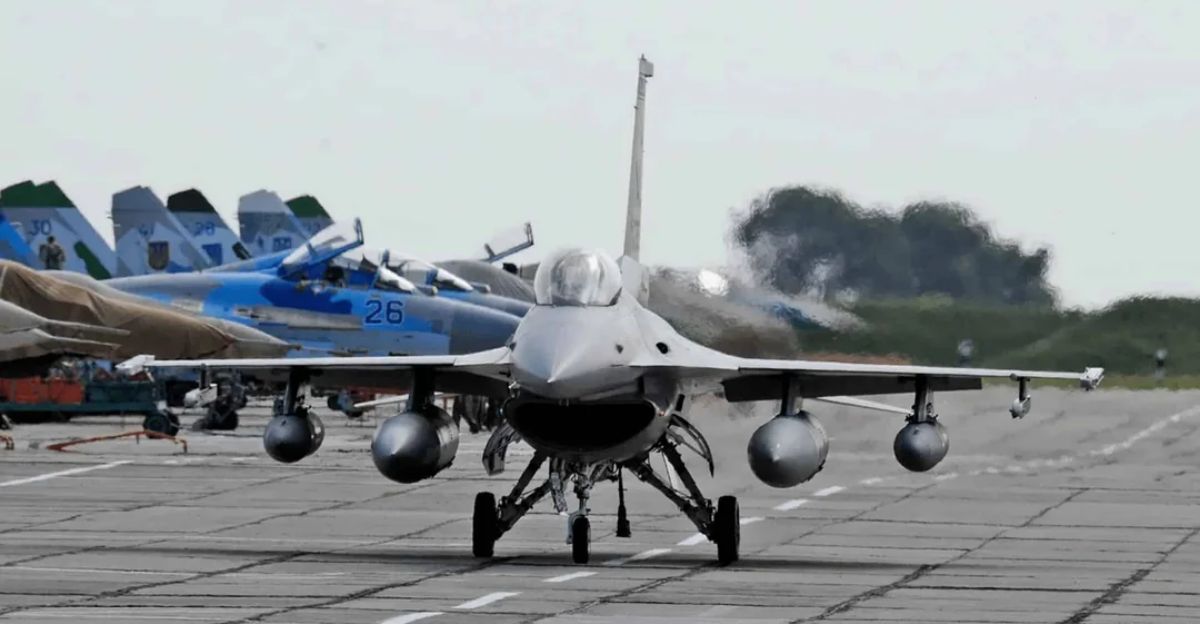
The 1,300-intercept milestone represented genuine achievement yet left fundamental questions unanswered. Could Ukraine sustain air operations indefinitely without additional equipment and personnel? Would allied commitment remain constant through political cycles? Could Ukrainian pilots continue flying 80% of sorties without unacceptable burnout rates? The milestone captured a moment of capability realized through NATO investment and Ukrainian sacrifice, yet proved insufficient to end the air war.
The apparent contradiction of high success rates coexisting with the inability to prevent civilian casualties defined the conflict’s tragic reality. Ukrainian skies remained contested, rather than being controlled.
Sources
United24media Ukraine’s F-16s Shoot Down Over 1300 Russian Missiles and Drones
Aerospace Global News Ukraine credits F-16 fleet with neutralising 1300 airborne threats
Air & Space Forces Magazine Ukraine’s F-16 Force: Innovation, Impact, and Resolve
Kyiv Independent In historic record, Ukrainian F-16 pilot downs 6 cruise missiles in single mission
Forbes Russia Ramps Up Shahed Attacks, But Interceptors Are Taking Them Down
Defence Industry Europe Ukraine reports F-16 combat record: 1,300 air interceptions