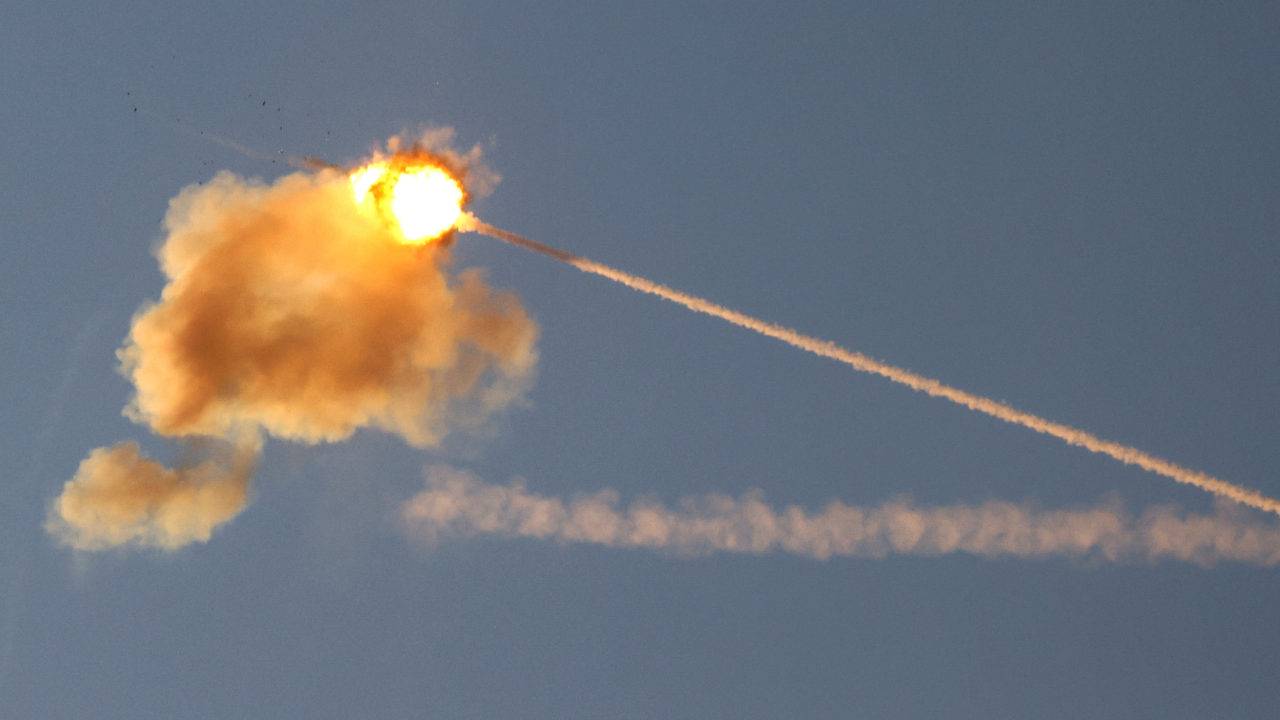
Ukraine’s air defenses confronted their severest trial on the night of January 20, 2026, as Russian forces launched one of the conflict’s largest barrages. Ballistic missiles, cruise missiles, and hundreds of strike drones converged in a calculated push to saturate interceptors and expose vulnerabilities over Kyiv.
Russian strikes have escalated since autumn 2025, systematically targeting Ukraine’s power plants, water facilities, and transport links. Even a 1 to 9 percent penetration rate inflicts outsized harm, forcing energy crews into nonstop repairs amid fresh assaults that strain national resilience and cause widespread outages.
Patriot Systems Under Pressure
Delivered by the United States in 2022, Patriot systems anchor Ukraine’s multilayered defenses against aircraft, cruise missiles, and ballistic threats. Earlier operations in 2024 and 2025 proved effective against slower cruise missiles and drones, though ballistic intercepts posed greater challenges due to extreme speeds. The January 20 barrage marked a pivotal evaluation under peak duress.
Ukrainian forces downed 14 of 18 ballistic missiles aimed at Kyiv—an impressive 78 percent success rate. The assault also included one Zircon hypersonic missile that struck infrastructure in Vinnytsia, testing Ukraine’s ability to withstand next-generation threats.
Kyiv Under Fire and Damage Nationwide
Kyiv, home to about 3 million people, bore the main impact. Four ballistic missiles that broke through defenses caused fires, structural harm, and casualties. Debris and direct hits triggered power blackouts across several districts, while water systems, already battered from prior raids, required urgent restoration.
Nationwide, repeated strikes damaged power generation and transmission networks, cutting capacity by as much as 15 percent. Winter heating needs deepened the crisis, leaving civilians, hospitals, and troops scrambling amid subzero conditions.
A War of Endurance and Resources
Despite strong interception rates, Ukraine still faced 18 hits that night across the country. Air Force officials emphasized that even minor leakage—10 to 20 percent—means continuous strikes somewhere. Each success consumes vast ammunition stocks: thousands of interceptors and drone-killing rounds depleted in a single night.
Western-supplied Patriot and Stinger munitions are expensive and cannot match the pace of daily attacks. The United States, NATO partners, and regional allies pledge more aid and systems, but production lags global demand. Meanwhile, radar systems, launchers, and crews show fatigue after months of nonstop alerts and bombardments.
The Uncertain Road Ahead
Analysts now question whether Ukraine’s defense model—finite stocks, overworked crews, and costly Western interceptors—can last through 2027 without major shifts. Options include cheaper local systems, expanded domestic production, or intensified diplomacy, though the latter remains politically fraught.
The January 20 assault revealed both Ukraine’s resilience and the attritional edge of Russia’s industrial momentum. As barrages continue, Ukraine and its partners face a pressing test: turning tactical success into sustained strategic survival.
Sources:
Ukrinform – Patriot intercepts 14 of 18 ballistic missiles – Ihnat
RBC-Ukraine – Night Russian attack: Patriot systems shoot down 14 of 18 ballistic missiles
UA.News – Shortage of air defence missiles complicates protection of Kyiv
Institute for the Study of War – Russian Offensive Campaign Assessment, January 20, 2026
U.S. Army Redstone Arsenal – Patriot Missile System History
Army-Technology – Patriot Missile Long-Range Air-Defence System, USA