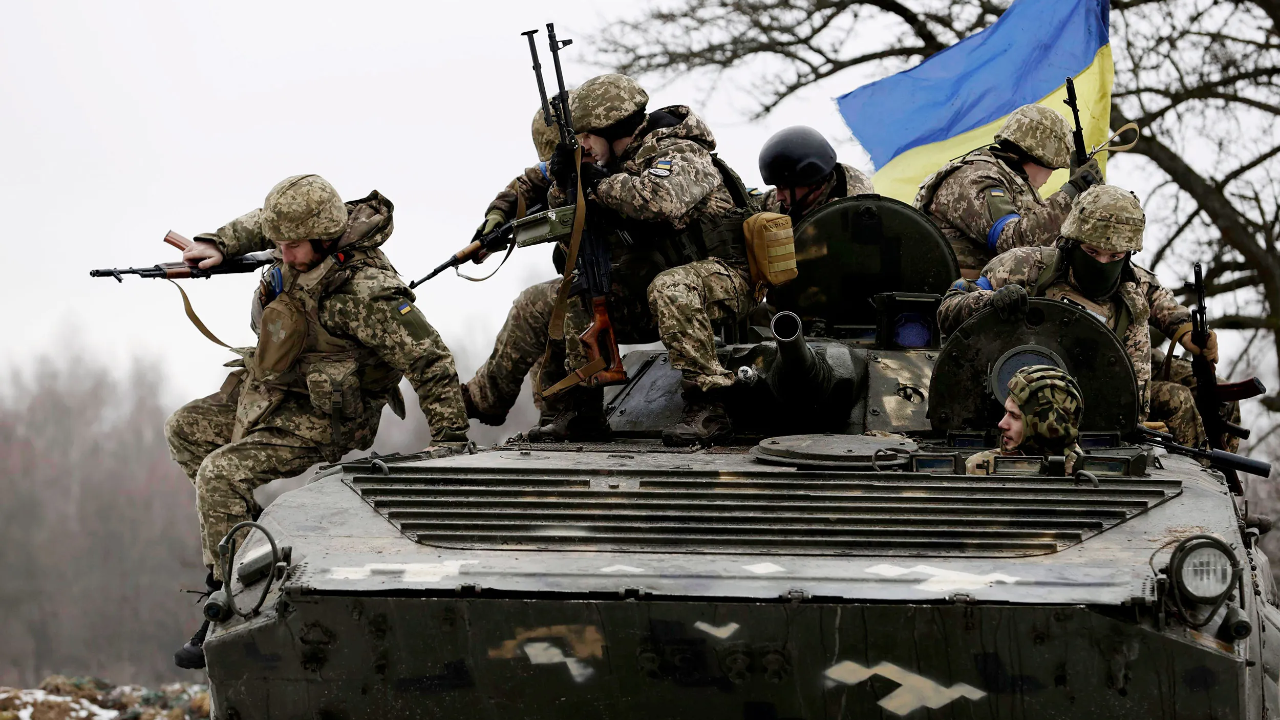
In early September 2022, Ukrainian forces executed a military operation that fundamentally altered the trajectory of the ongoing conflict. The offensive in Kharkiv Oblast represented one of the most significant breakthroughs since Russia’s full-scale invasion, according to the Institute for the Study of War. Ukrainian troops advanced 18 kilometers into Russian-held territory on the first day alone, shattering defensive lines that had remained entrenched for months and catching Russian military command off guard.
Strategic Deception and Rapid Collapse
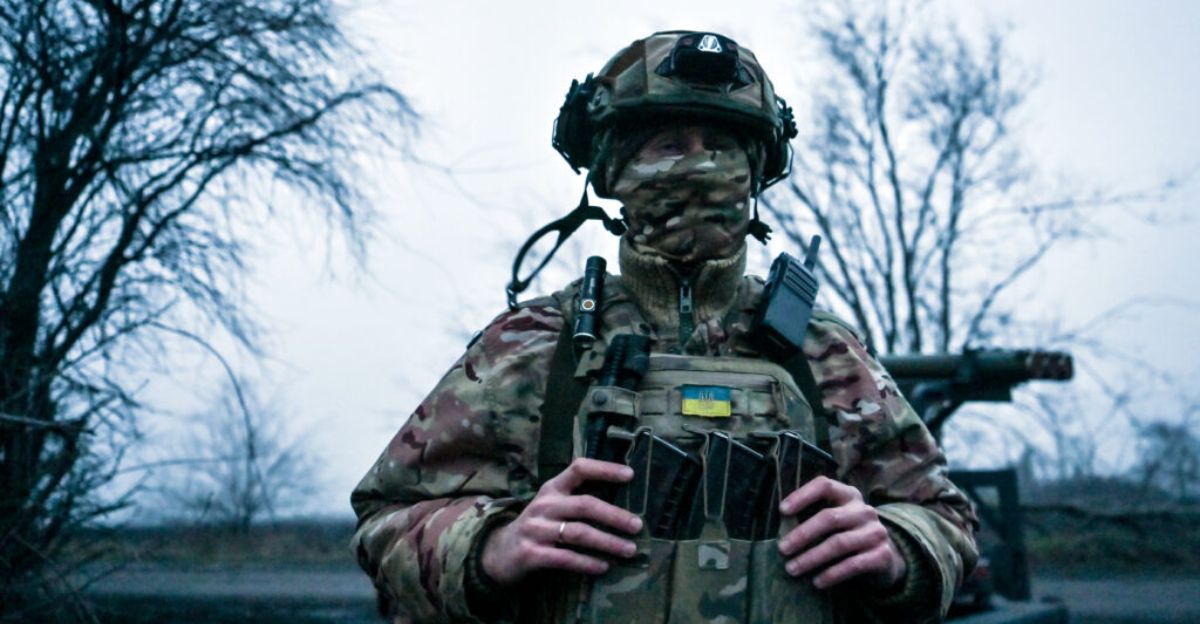
The operation’s success hinged on sophisticated misdirection. In the weeks preceding the offensive, Ukrainian forces redirected Russian attention toward a purported assault near Zaporizhzhia in southern Ukraine, effectively drawing elite units away from Kharkiv. When the actual offensive commenced on September 6 at 3:30 a.m., following extensive artillery bombardments, Russian Commander General Alexander Lapin’s defensive line was noticeably weakened and understaffed.
What began as a localized breakthrough rapidly transformed into a regional collapse of Russian defenses. By September 7, Ukrainian forces had captured over 400 square kilometers. Recognizing the disarray in Russian ranks, commanders deployed additional mechanized units to exploit the window before Moscow could regroup. Russian logistics proved unable to respond effectively, as many units were either too distant or already engaged elsewhere along the front lines.
Tactical Brilliance Over Numerical Advantage
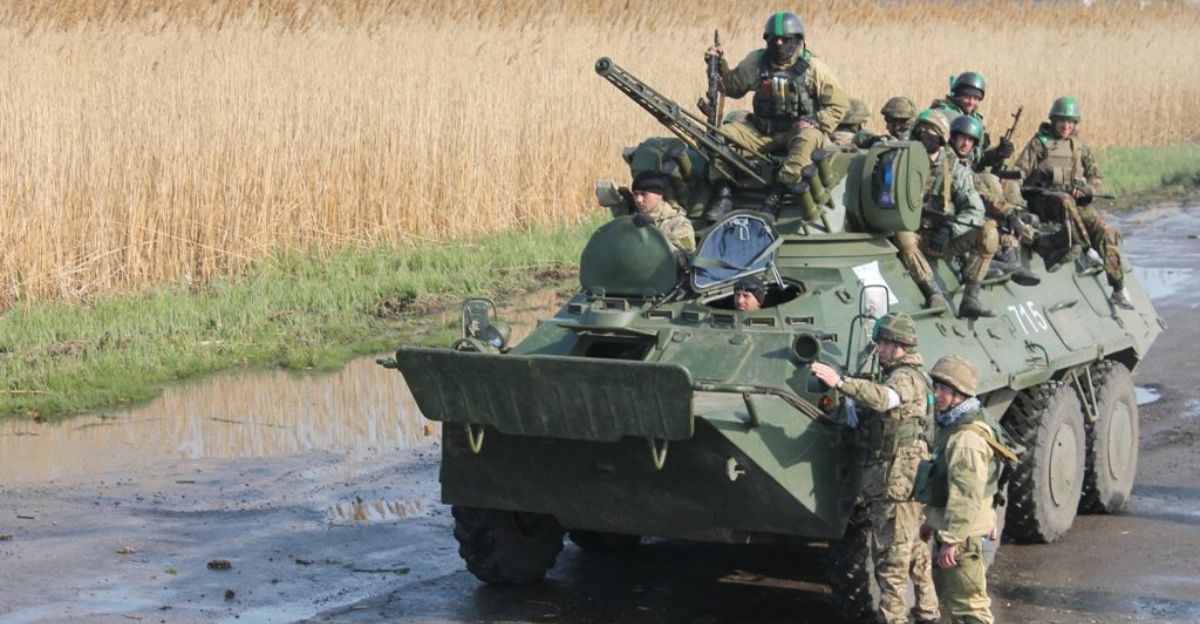
Despite being outnumbered in personnel and equipment, Ukrainian forces leveraged speed, deception, and concentrated firepower in ways Moscow could not match. The 25th Airborne Brigade, supported by mechanized infantry, strategically exploited a narrow segment of weakened Russian defenses, defying conventional military wisdom about force ratios. This approach demonstrated a fundamental principle of warfare: that initiative and speed can prevail against numerical superiority.
Between September 6 and 8, the tempo of Ukrainian advances accelerated dramatically, with forces pushing between 20 and 25 kilometers deep into Russian territory, and spearheads reaching up to 30 kilometers in some locations. This extraordinary breakthrough surpassed Ukrainian military expectations as commanders encountered abandoned Russian positions and undefended logistics nodes. Russian counterattacks proved disorganized and ineffective, revealing the extent of strategic miscalculation.
Liberation and Territorial Gains
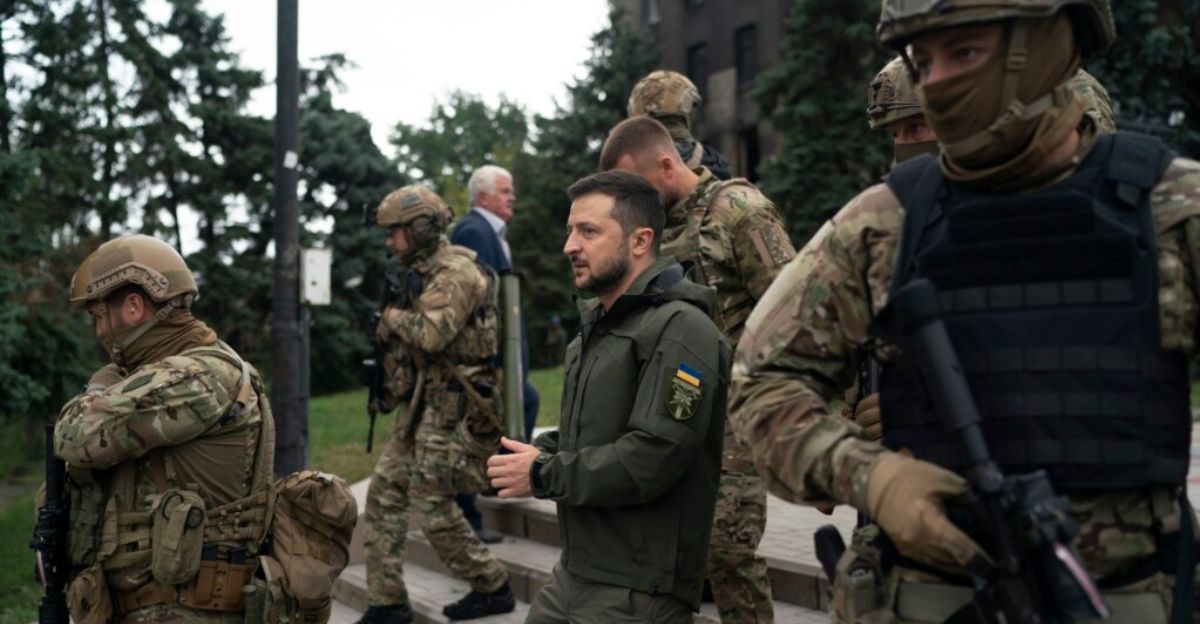
By September 8, the city of Balakliia, home to 27,000 residents, was liberated after six months of occupation. The momentum culminated on September 10 with the recapture of Izium, a vital railway hub with a population of 46,000. Over 3,000 square kilometers of territory—larger than Luxembourg—changed hands within a week. More than fifty villages were freed from Russian control, allowing civilians to emerge from hiding in basements and bunkers.
Retreating Russian forces left behind heavy weaponry and evidence of occupation atrocities. Ukraine captured or destroyed approximately 590 pieces of Russian military equipment between September 6 and 11, drastically enhancing Ukrainian military capabilities while exacerbating logistical difficulties for Russian troops struggling to replenish supplies.
Broader Implications and Shifting Momentum
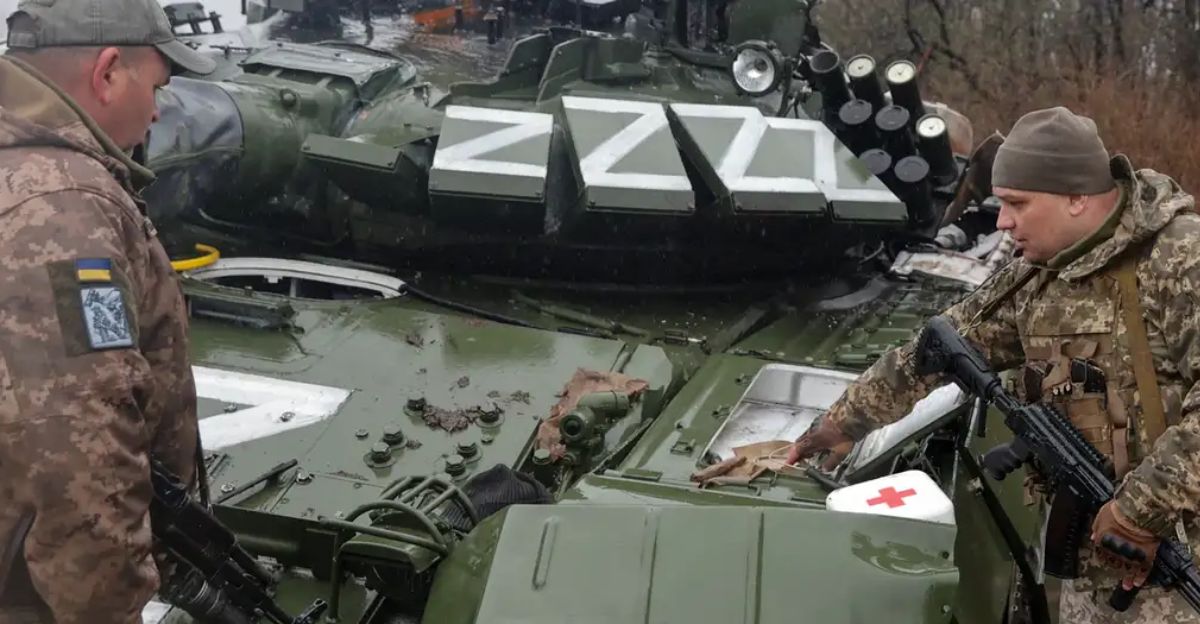
The Ukrainian successes revitalized civilian morale and reinvigorated international confidence in Ukraine’s military effectiveness. NATO allies reassessed their military commitment, with increased intelligence sharing and defense cooperation. Several countries accelerated military aid deliveries, interpreting Ukraine’s achievements as evidence of their capacity to defend sovereignty.
However, the conditions that enabled this breakthrough—concentrated reserves, superior positioning, and operational momentum—would not persist. By 2024, the strategic landscape had shifted dramatically toward grinding attrition. Ukrainian forces faced an 8-to-1 personnel disadvantage in some sectors, fundamentally different from the tactical conditions of September 2022. Ukraine’s conscription-eligible pool had shrunk from 8.7 million in early 2022 to approximately 5 million by late 2024, necessitating a reduction in draft age from 27 to 25 in April 2024.
The Kharkiv counteroffensive symbolized Ukrainian resilience and strategic ingenuity, yet the road ahead remained fraught with uncertainty. Russia adapted its command structure, fortified defensive positions with deeper trench systems, and concentrated reserves closer to potential breakthrough sectors. The determination showcased in September 2022 fundamentally altered the conflict’s narrative, yet the longer-term strategic challenge of sustaining Ukrainian defense without the advantages of maneuver warfare remained the critical question facing Ukrainian planners and their international allies.
Sources
Institute for the Study of War, September 7, 2022; Wikipedia – 2022 Kharkiv counteroffensive
Institute for the Study of War, Russian Offensive Campaign Assessment, September 7, 2022
Al Jazeera, “Ukraine troops ‘outnumbered Russia’s 8 times’ in counterattack,” September 12, 2022; BBC News, “Ukraine counter-offensive: Russian forces retreat,” September 9, 2022
UK Ministry of Defense Intelligence Update, September 10, 2022; Business Insider, “Russian troops fleeing Ukraine’s counteroffensive — some abandoned high-value weaponry,” September 2022
BBC News – “Ukraine counter-offensive: Russian forces retreat,” September 9, 2022
Euronews – “Ukraine crisis counteroffensive,” September 9, 2022