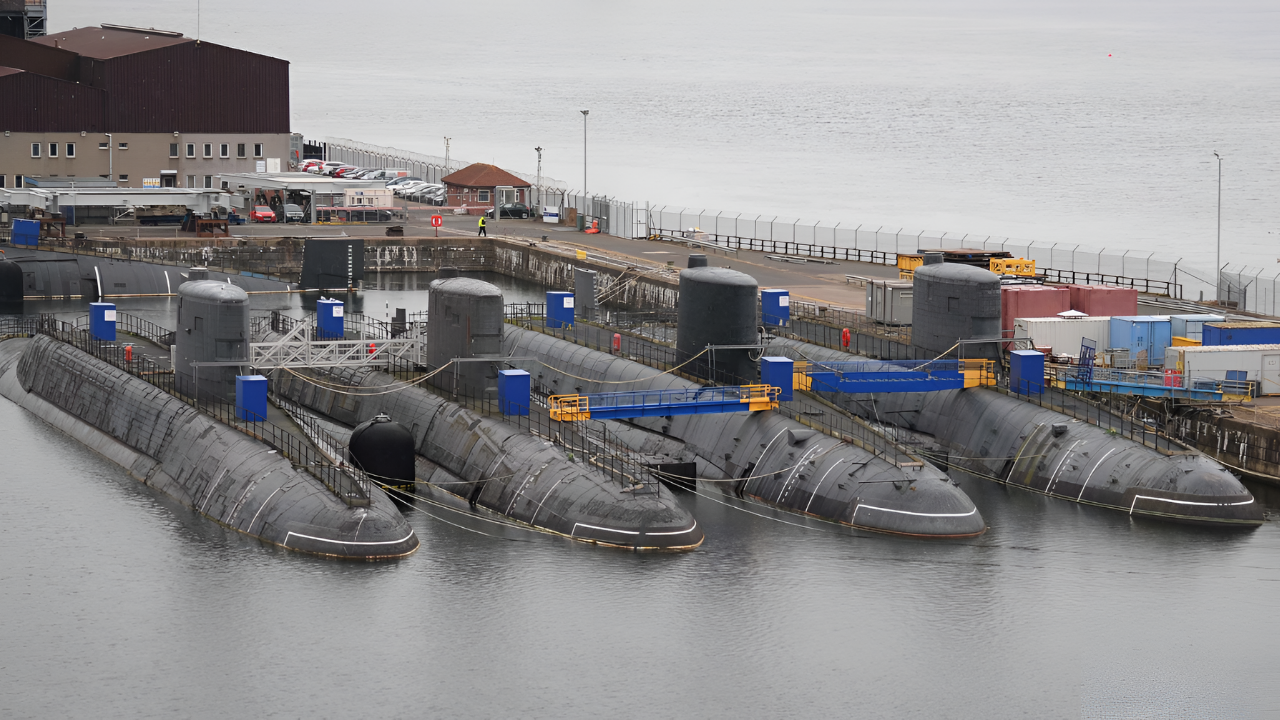
Britain’s nuclear submarine fleet is under severe strain. During the Cold War, deployments lasted about 70 days, but today they stretch to around 200 days, exhausting crews. Four key Astute-class subs, HMS Artful, Audacious, Astute, and Anson, are stuck in port due to huge maintenance delays. This leaves the fleet short-handed and readiness in doubt.
What’s causing these breakdowns? Unprecedented failures threaten national security as global tensions rise, forcing submariners to push limits while boats sit idle. The human and operational toll is mounting fast.
Stakes Are Sky-High
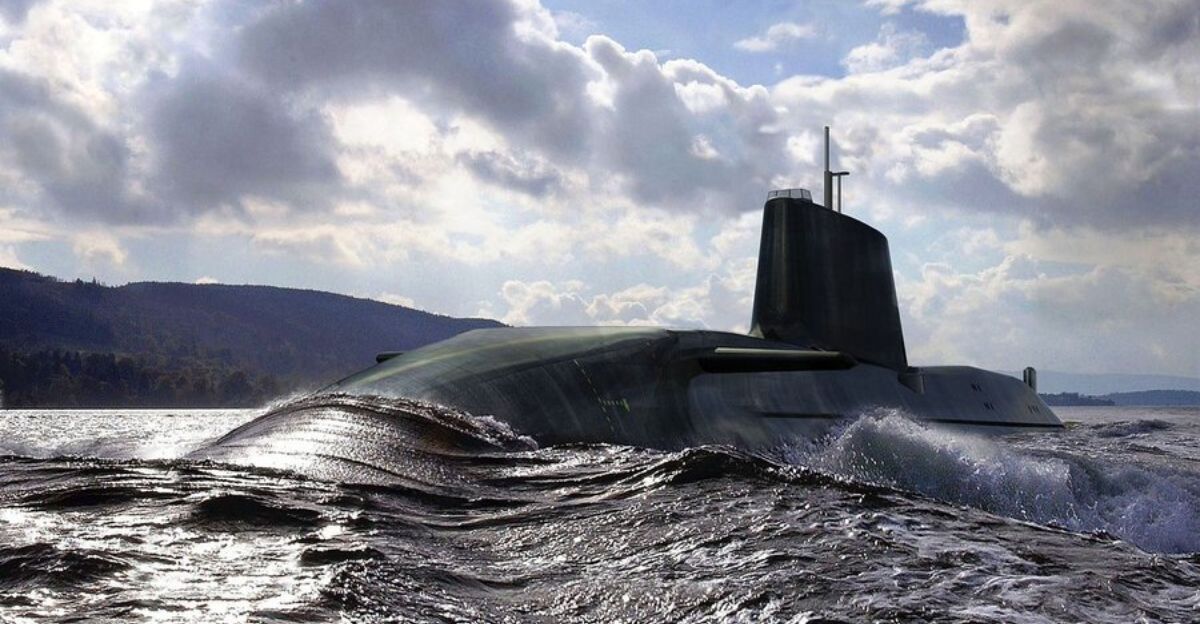
Delays hit every major UK submarine program, shaking the Continuous At Sea Deterrent, the nation’s nonstop nuclear patrol guarantee. The government promises £15 billion this term for homegrown nuclear warheads, the biggest investment since the Cold War. Yet deep-rooted problems persist.
Astute-class deliveries keep slipping, endangering security amid threats from Russia and China. UK Ministry of Defence figures from 2023 confirm the £15B warhead pledge supports 9,000 jobs at Atomic Weapons Establishment, but without reliable subs, it’s a risky bet. The clock is ticking as adversaries watch.
A Storied Nuclear Legacy
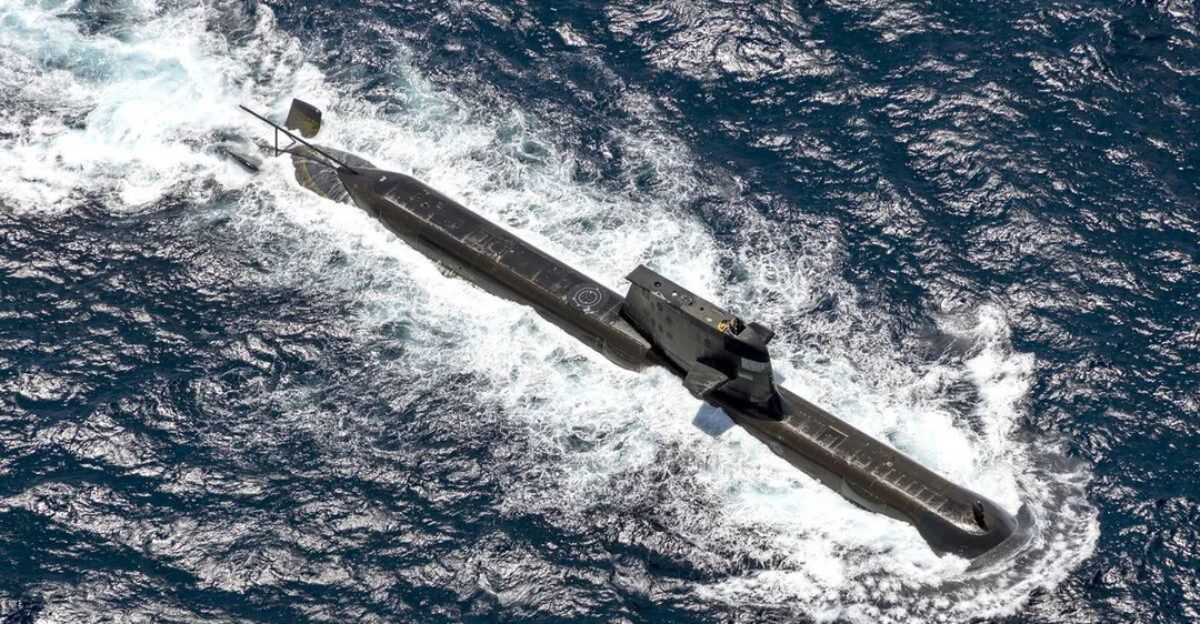
The UK’s nuclear shield dates back to the 1960s, built on close U.S. ties for missiles and tech. Vanguard-class subs have kept Continuous At Sea Deterrence alive for decades, but they’re aging out. The Dreadnought-class replacement, greenlit in 2016, promises service by the early 2030s and sustains thousands of jobs.
Construction kicked off that year at BAE Systems. As the UK Ministry of Defence states in its nuclear-deterrent factsheets, this program ensures credible deterrence into the 2060s. Yet cracks showed early, with delays signalling bigger troubles.
Pressure Points Everywhere
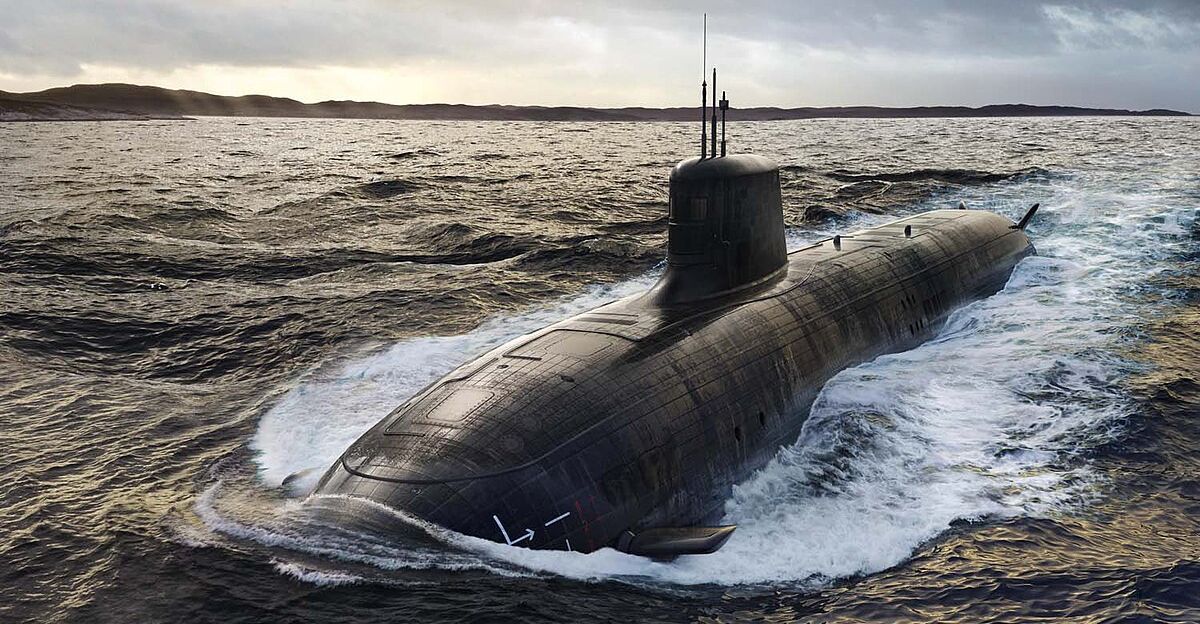
Troubles pile up as Dreadnought-class builds lag, Astute-class overruns balloon, and key upgrades like the Submarine Waterfront Infrastructure Future (SWIF) hit “Red” status which is all government-speak for major failure. Reactor production at Core Production Capability also rates Red, with costs jumping to £5.93 billion.
Devonport’s maintenance yard can’t keep pace, leaving subs sidelined as Russia’s threats grow. The Nuclear Information Service’s 2025 report flags these as “systemic risks to fleet availability.” Tensions simmer in shipyards and boardrooms while workers scramble, deadlines slip, and national defense hangs by a thread. How long before cracks become chasms?
Expert Sounds Alarm
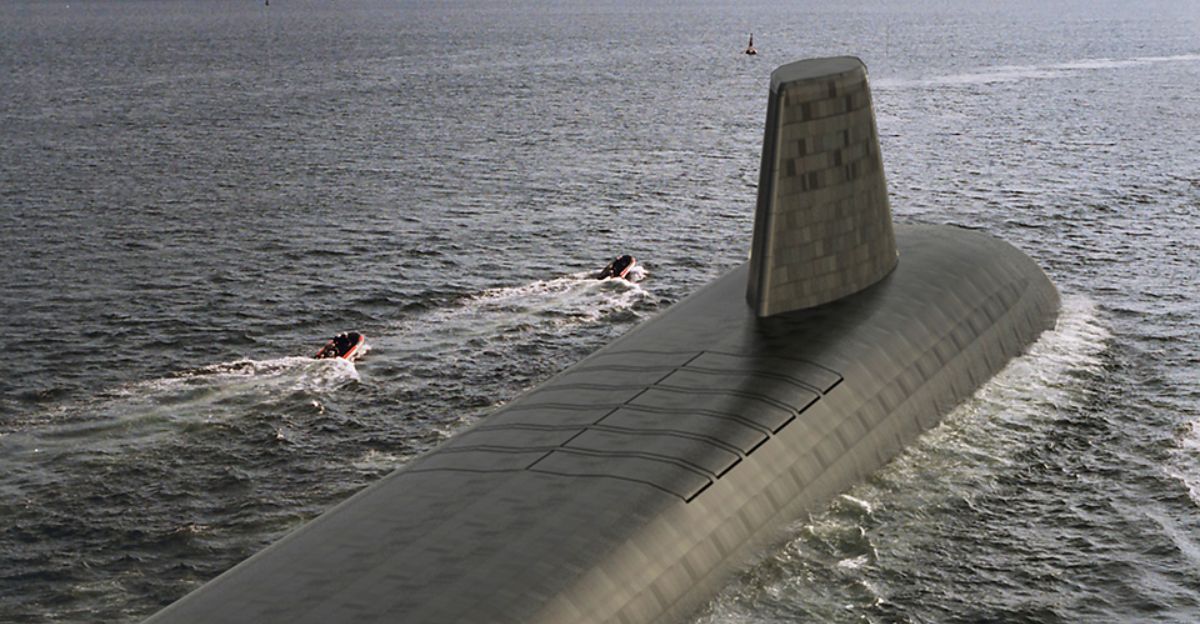
Rear Admiral Philip Mathias, who once led MOD nuclear policy, dropped a bombshell on December 6, 2025 when the said, “The UK is no longer capable of managing a nuclear submarine programme.” Speaking to the Daily Express, he slammed failures in Dreadnought, Astute, and SSN-AUKUS projects as a leadership crisis in the nuclear sub era.
He even called for scrapping AUKUS commitments. This verdict from an insider shakes Westminster. Mathias’s words echo industry frustrations, urging a hard rethink. As threats mount globally, his warning spotlights a stark choice to either fix the rot or risk deterrence collapse.
Deterrent Losing Edge
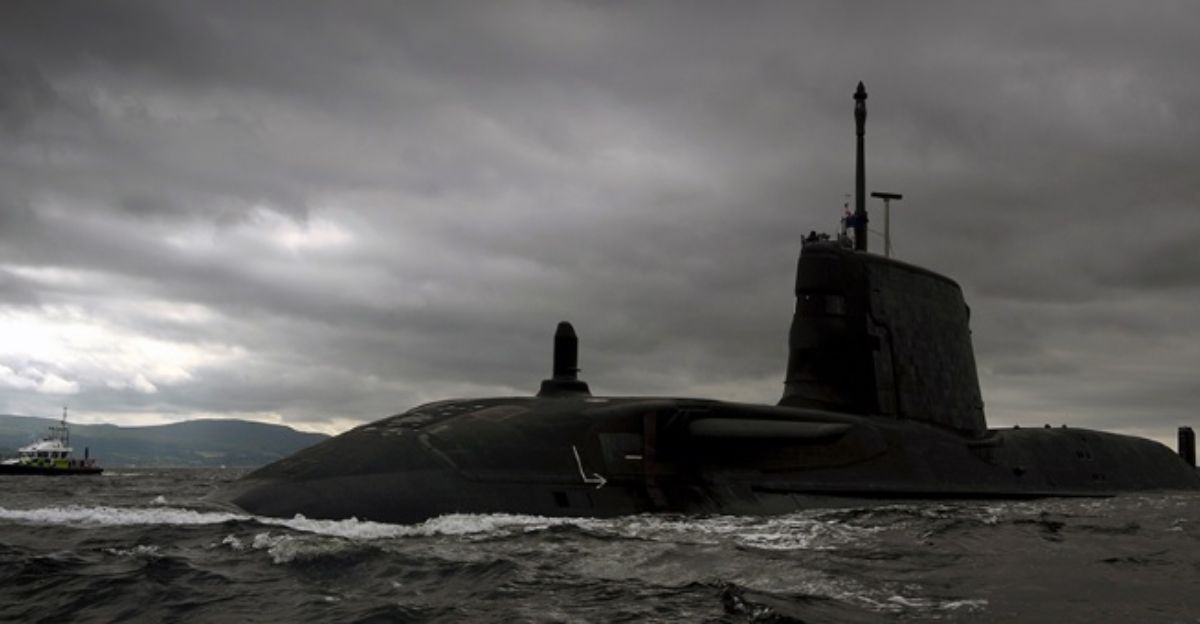
Shortages erode the UK’s nuclear deterrent as fewer subs mean longer patrols, breaking the continuous promise. Without boats reliably at sea, foes like Russia might test Britain’s resolve. This weakens NATO partners in Europe facing aggression.
Extended missions strain everything from fuel to focus. Allies from Norway to the U.S. feel the ripple because UK lapses mean shared risks grow. How far does this vulnerability spread?
Crews on the Brink
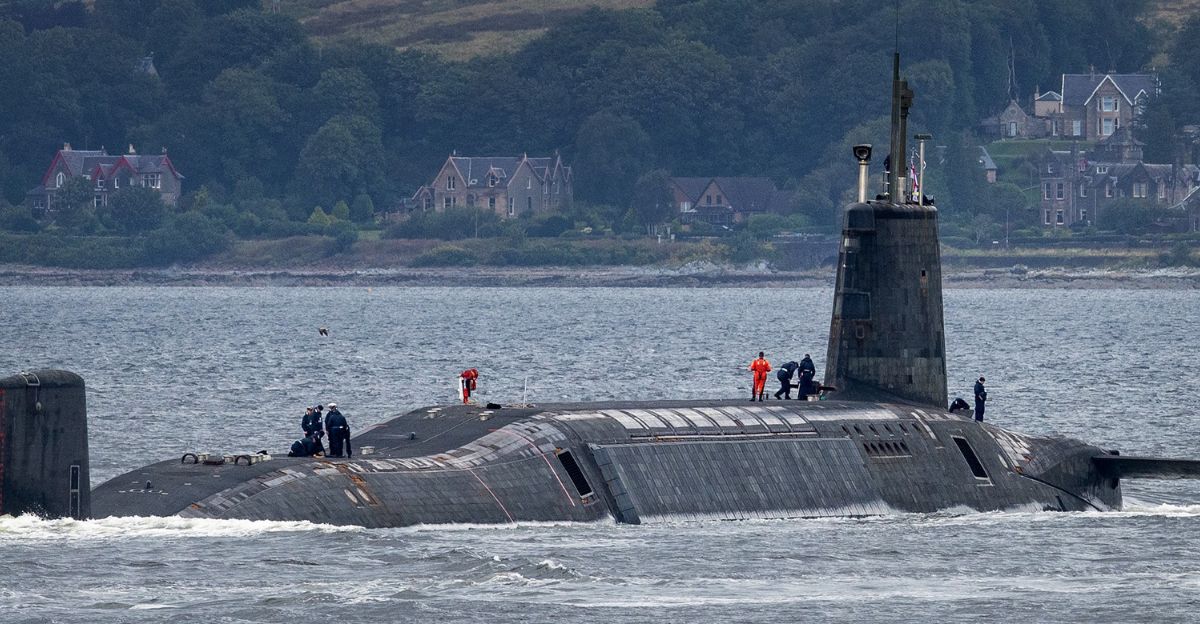
Submariners face grueling 200-day sea tours, triple Cold War lengths, sparking exhaustion, family strains, and quitting spikes. Four Astute boats (Artful, Audacious, Astute, Anson) rust in port, worsening the squeeze. Morale dips as burnout looms.
Rear Admiral Mathias highlighted this human cost in his Daily Express critique, tying it to program failures. These sailors guard the realm, yet systemic delays betray them. The Navy’s elite force, forged in silence and pressure, now battles invisible enemies, backlog and overstretch.
AUKUS Pact Stumbles
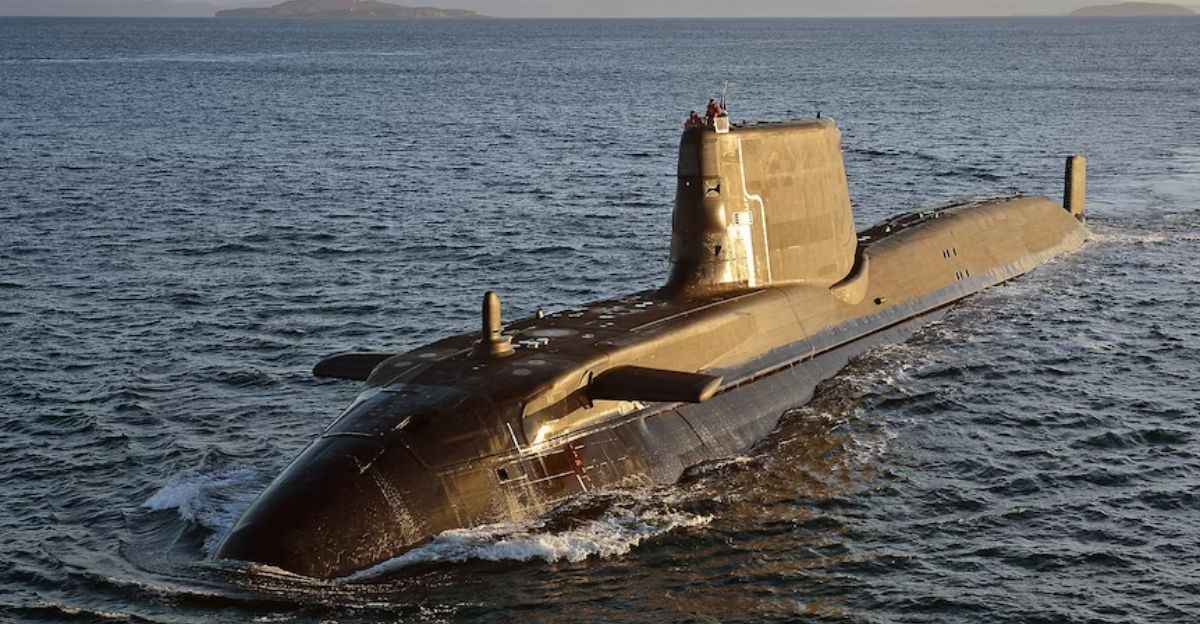
The 2021 AUKUS security pact united the UK, US, and Australia to build advanced SSN-AUKUS nuclear-powered submarines, countering China’s rise in the Indo-Pacific. Britain pledged to design and build 12 of these stealthy vessels at BAE Systems Barrow, but chronic delays in its own Astute and Dreadnought programs cast serious doubt.
UK designs fall short on timelines and capabilities needed for the trio’s ambitious goals, straining supply chains and partner trust. Australia’s July 2025 Geelong accord presses ahead with US Virginia-class subs as a backup, per the Australian Strategic Policy Institute, while UK Ministry of Defence AUKUS updates from 2021 highlight mounting tensions. Without deeper US support, can Britain deliver?
Costs Out of Control
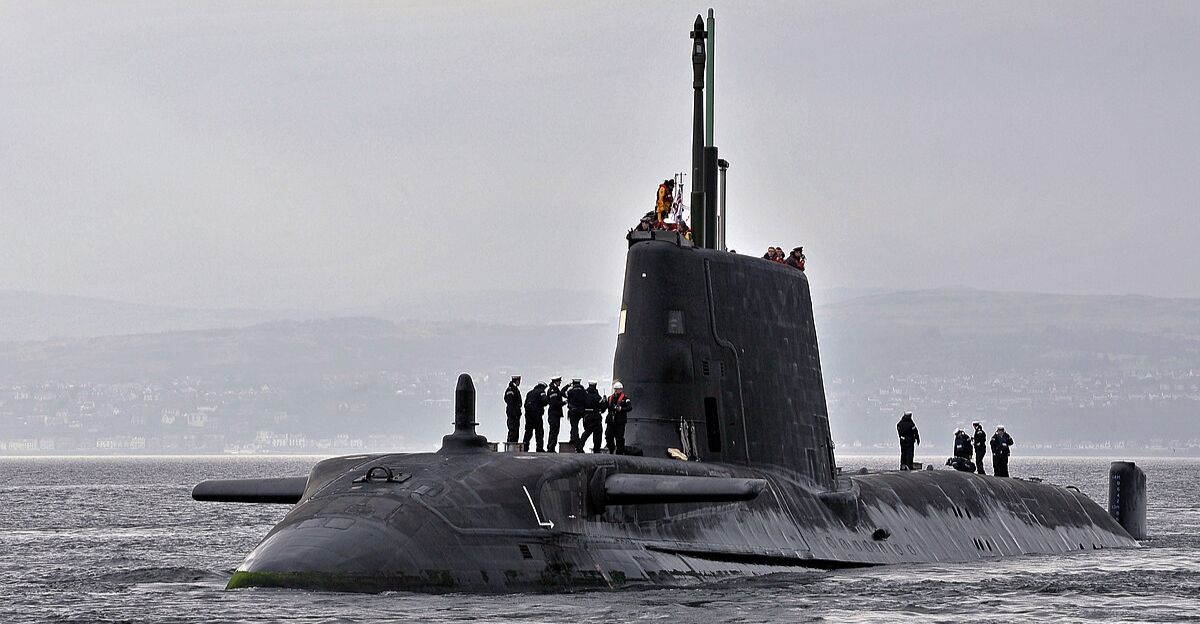
Nuclear submarine programs in the UK are hemorrhaging cash at alarming rates. The Dreadnought-class replacement for the aging Vanguard fleet has ballooned from initial estimates of £25 billion to over £31 billion, including contingencies for endless delays.
Core Production Capability for reactors has surged 46% to £5.93 billion, earning a dreaded “Red” rating from overseers. Meanwhile, the government’s £15 billion pledge for sovereign nuclear warheads, the largest since the Cold War, aims to secure 9,000 jobs at the Atomic Weapons Establishment.
Maintenance Mess Traps Fleet
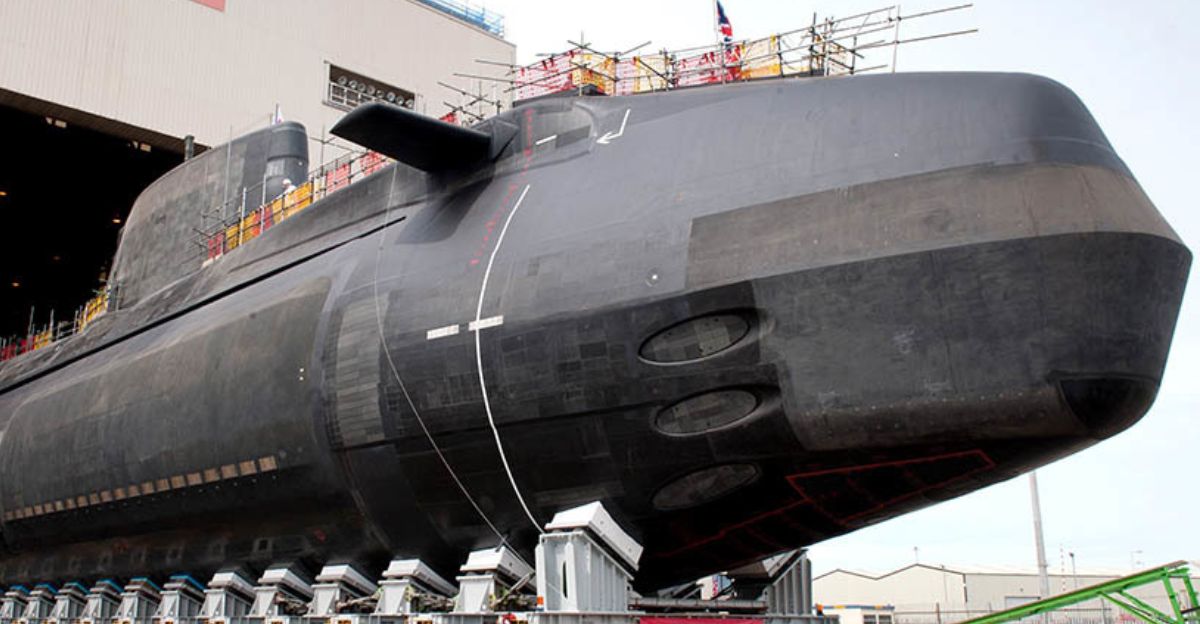
The UK’s submarine fleet is paralyzed by a massive maintenance backlog, with four Astute-class vessels trapped in Devonport docks, unable to deploy. This has driven fleet availability to historic lows, where only a fraction of boats can respond at a moment’s notice. The Office for Nuclear Regulation (ONR) reported just two subs docked in 2025 against 2024 targets, while Submarine Waterfront Infrastructure Future (SWIF) upgrades lag critically.
Daily Express coverage on December 6, 2025, labels it a “maintenance meltdown,” rendering the £15 billion warhead investment pointless without seaworthy platforms. Nuclear Information Service’s 2025 analysis warns of systemic decay, with skilled workers overwhelmed and parts shortages compounding delays.
Leadership Under Fire
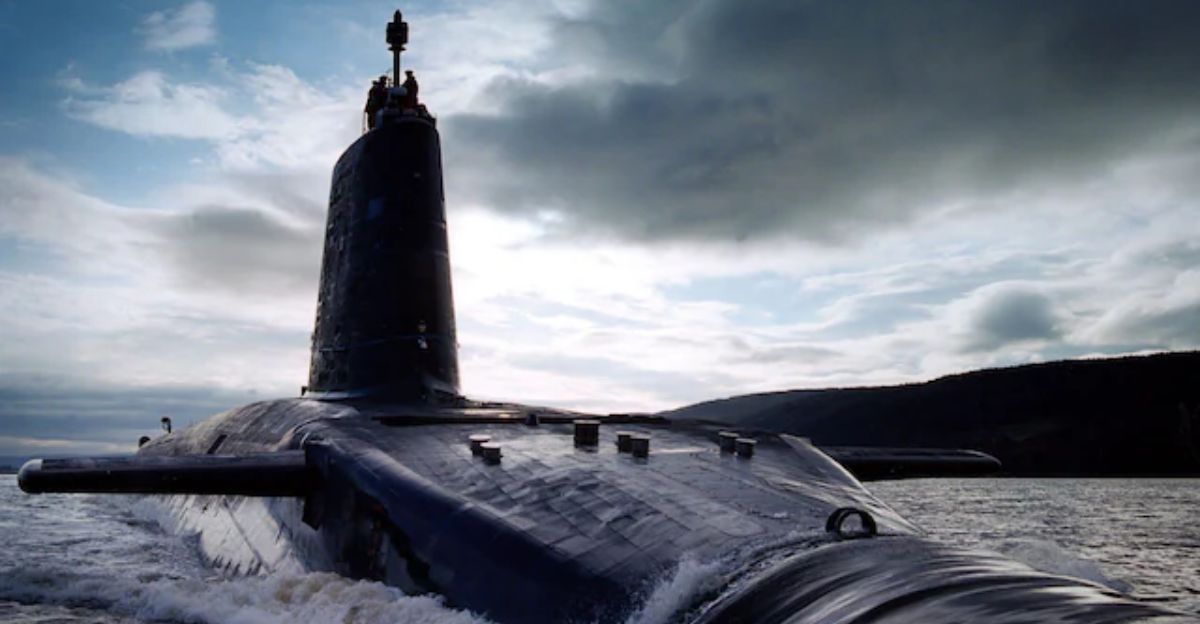
Rear Admiral Philip Mathias pointed to Red-rated disasters like the Core Production Capability (CPC) for reactors and Submarine Waterfront Infrastructure Future (SWIF) upgrades, signaling systemic breakdowns across the nuclear enterprise. From shipyard workers at BAE Barrow facing job insecurity to submariners enduring endless delays, frustration boils over while thousands of livelihoods and national security hang in the balance.
Internal memos and stakeholder outcry reveal rifts: government expansion plans clash with harsh realities of overruns and idle fleets. As Mathias warned, “This is a leadership crisis in the nuclear submarine age,” demanding accountability now. Who steps up in the empty briefing rooms? Tensions peak as calls grow for heads to roll and radical fixes.
Government Pledges Big
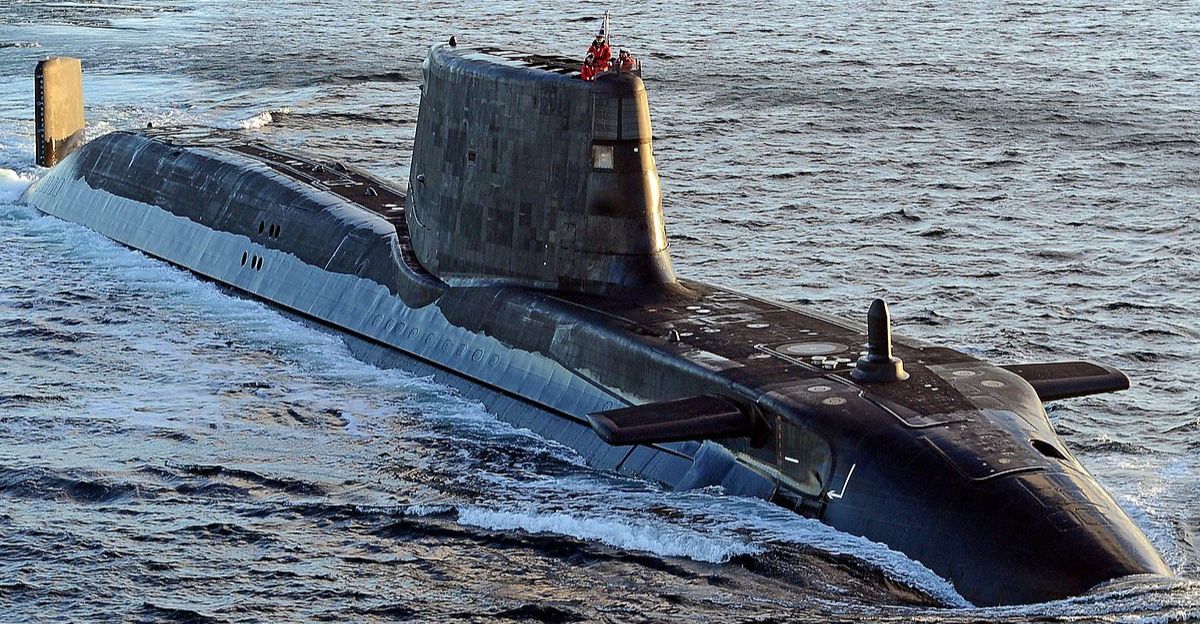
The UK’s leadership is doubling down on its submarine ambitions through the Strategic Defence Review, committing to build 12 SSN-AUKUS boats to replace seven aging Astutes starting in the late 2030s. This bold plan signals resolve amid crises, with a £9 billion contract awarded to Rolls-Royce in 2025 for advanced reactors to power the fleet.
Barrow-in-Furness earned “Royal Port” status, boosting morale and investment. King Charles III commissioned HMS Agamemnon, the third Dreadnought-class sub, on September 22, 2025, as reported by gov.uk. Yet skeptics like Rear Admiral Philip Mathias question timelines, citing Red-rated projects elsewhere. Can these pledges overcome backlogs and restore credibility, or do they mask deeper woes?
Ramp-Up in Motion
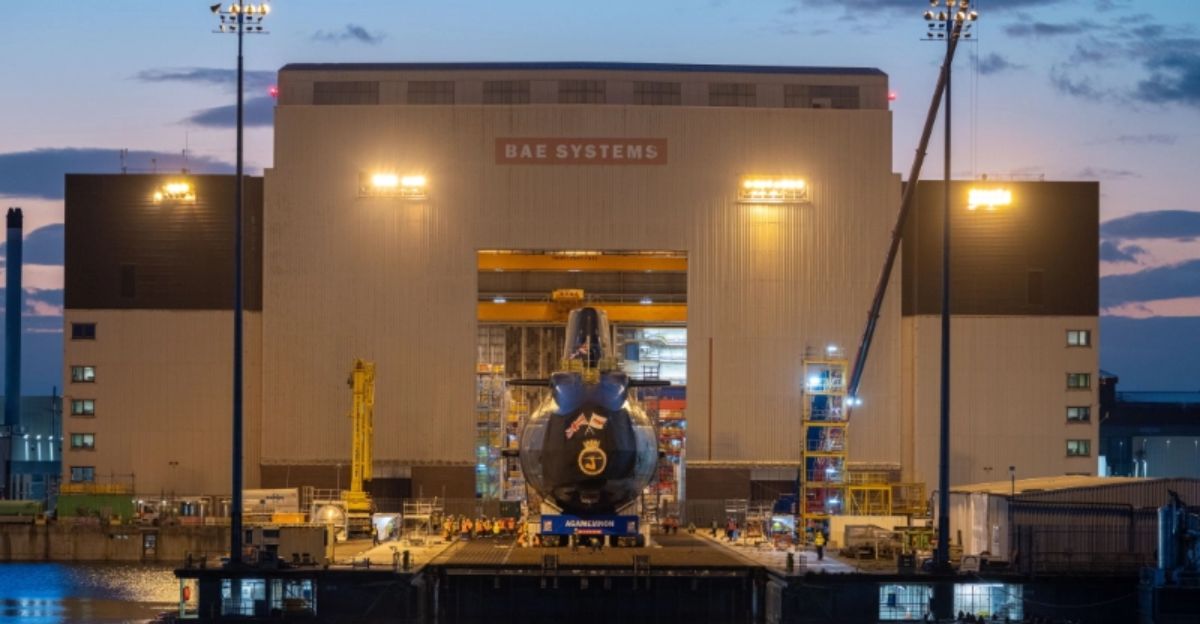
The UK is pushing hard to revive its submarine industry with ambitious expansion plans. At BAE Systems’ Barrow shipyard, the goal is to build one SSN-AUKUS submarine every 18 months, ramping up from current lags. This includes training 30,000 apprentices and 14,000 graduates to flood the sector with skilled workers.
A £6 billion boost from the Spending Review, plus the £200 million “Plan for Barrow” fund, targets sustaining 65,000 defense nuclear jobs by 2030. Dreadnought-class progress continues, with the fourth boat, HMS Agincourt, cutting steel amid fanfare. UK Ministry of Defence announcements and gov.uk updates highlight these moves as key to the Strategic Defence Review, aiming for self-reliance. Yet experts question if yards can scale amid backlogs.
Skeptics Not Convinced
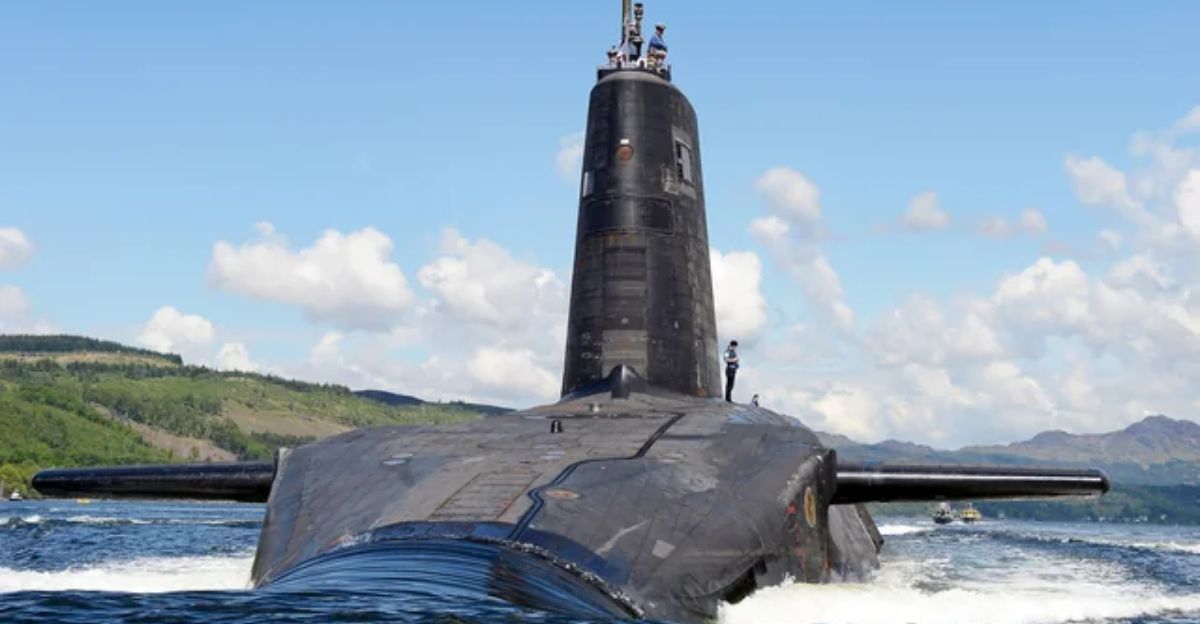
Doubts cloud the UK’s submarine revival as experts like Rear Admiral Philip Mathias question if bold plans can overcome deep flaws. The Nuclear Information Service’s 2025 analysis exposes a web of secrecy shrouding Red-rated disasters like SWIF and Core Production Capability, signaling chronic instability across the nuclear enterprise.
Can shipyards scale to one SSN-AUKUS every 18 months without more U.S. crutches? Recovery seems viable on paper, but persistent Red flags and leadership critiques paint a precarious path.
What’s Next for UK Subs?
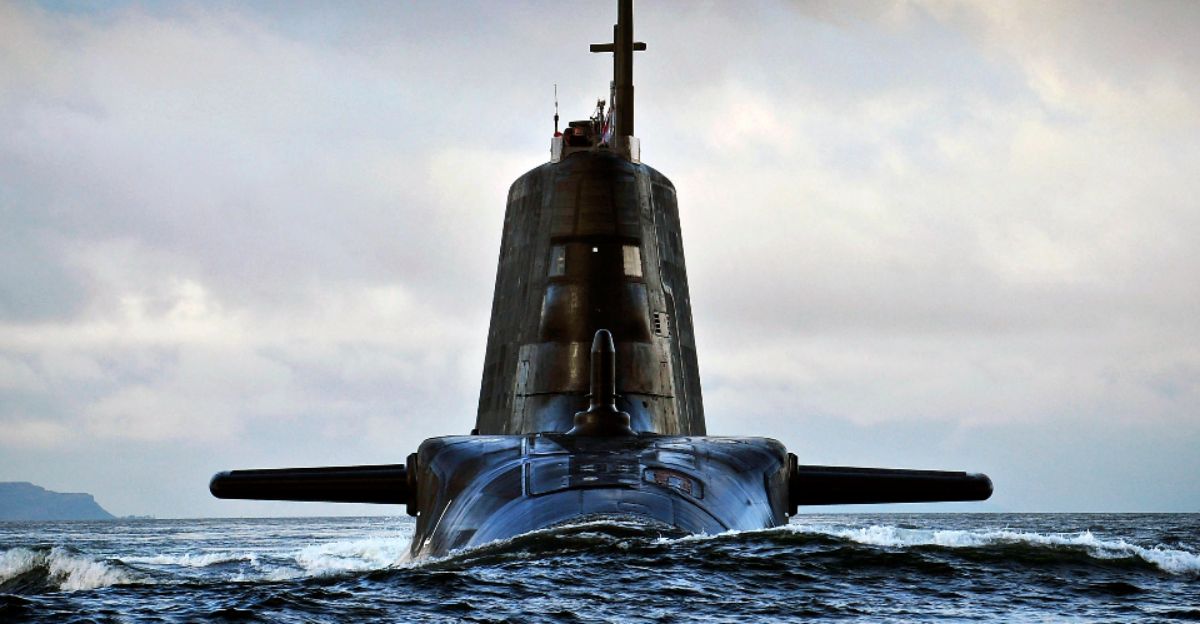
Recovery hinges on fixing Red-rated infrastructure like SWIF and Core Production Capability, now at £5.93 billion. Experts from the Nuclear Information Service highlight secrecy-fueled precarity as viable rebound could secure deterrence into the 2060s, but persistent delays invite collapse as global tensions mount. Leadership must own the fixes, or face a hollowed fleet.
Sources:
Daily Express – Sub Crisis Looms
UK Ministry of Defence – £15B Warhead Investment
UK Ministry of Defence – nuclear-deterrent collection
Nuclear Information Service – Nuclear Submarine Programme
UK Ministry of Defence – AUKUS collection
gov.uk – submarine commissioning event