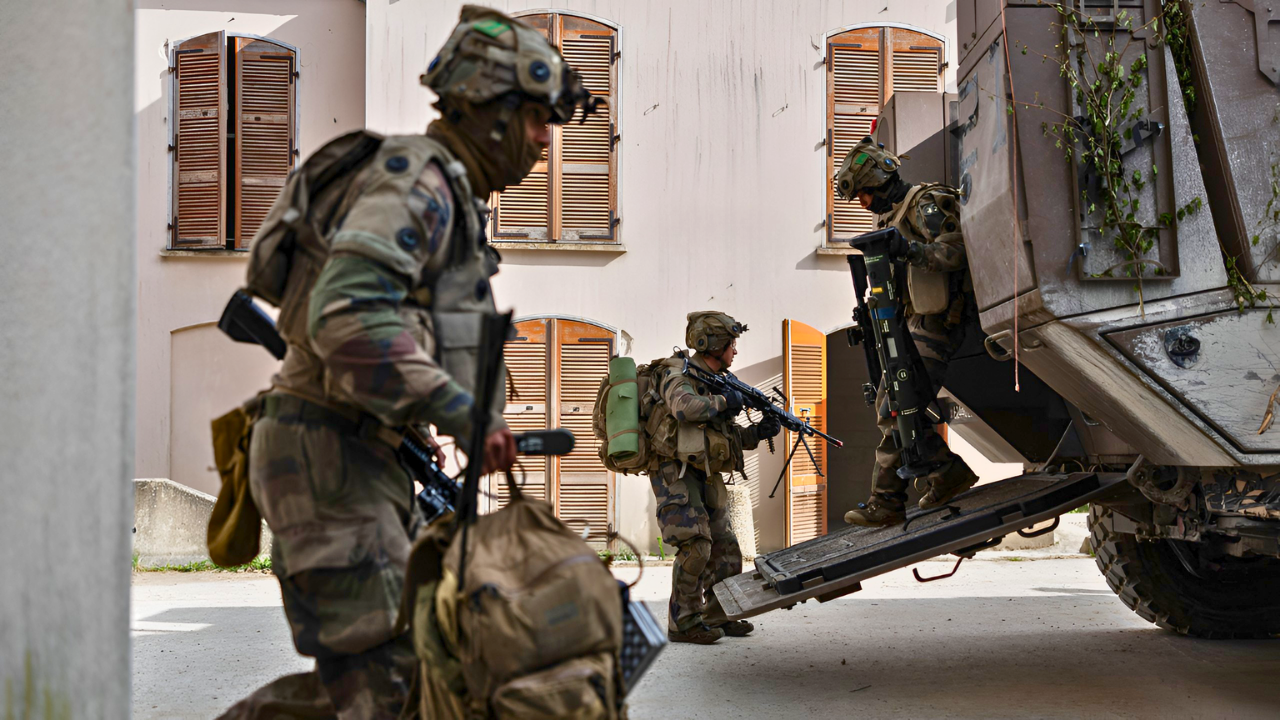
When the leaders of the UK and France met Ukraine’s president in Paris, they did more than repeat old promises of support. They backed a new phase of Western involvement that could, for the first time, place British and French soldiers on Ukrainian soil, but only if the guns fall silent under a ceasefire or peace deal.
Officials say the Paris declaration is meant to “set stable conditions for an enduring peace and Ukrainian sovereignty” and gives a legal basis for foreign troops to operate inside Ukraine after a deal is signed. Moscow reacted with alarm, warning that any Western soldiers in Ukraine would be treated as enemies, not neutral peacekeepers, raising fears this step could bring NATO countries and Russia closer to a direct clash.
Rising Stakes After Four Years of War
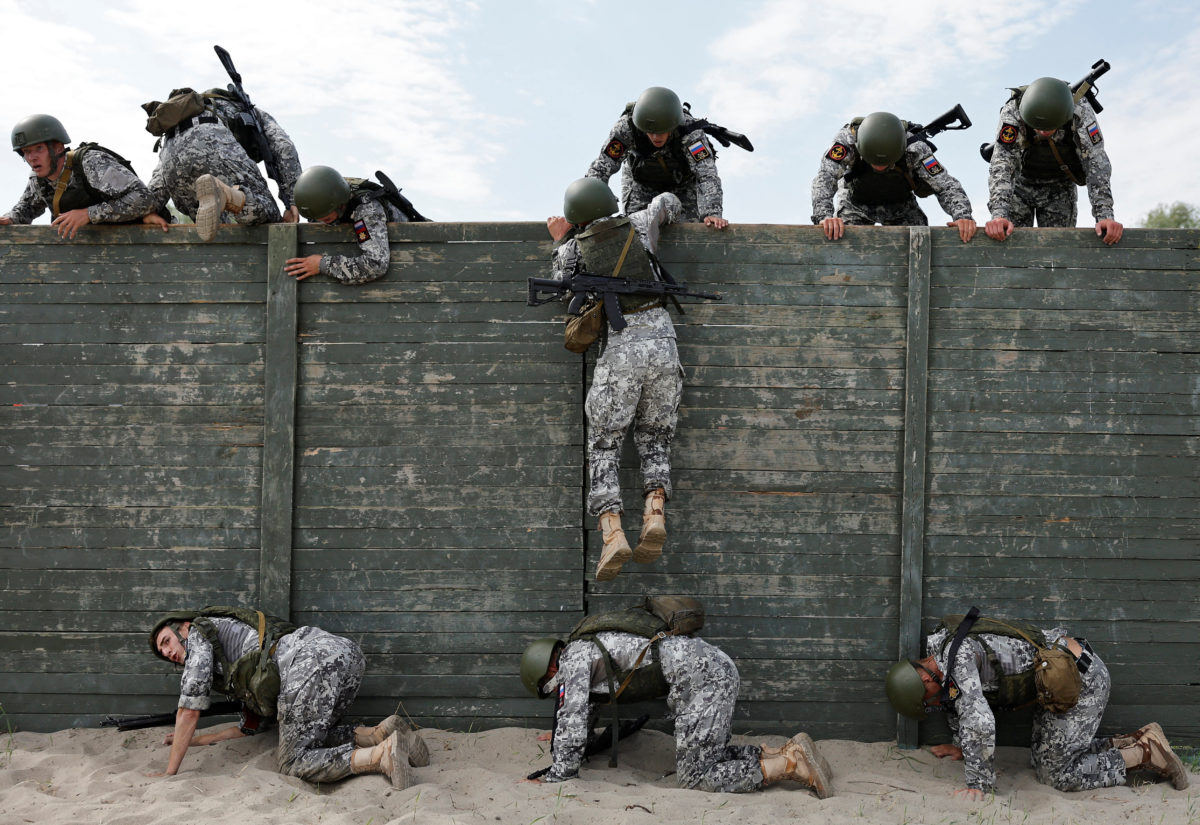
Russia’s full‑scale invasion of Ukraine began in February 2022, and nearly four years later the war has killed large numbers of soldiers and civilians while wrecking Ukraine’s economy, power grid, and cities. European and U.S. officials fear that any badly designed ceasefire could simply give Russia time to regroup, rebuild its forces, and attack again when conditions suit the Kremlin.
That concern now drives European capitals to consider long‑term security guarantees that go far beyond sending weapons or ammunition. These plans include a structured foreign military presence inside Ukraine to deter new attacks, an idea that Moscow strongly rejects and labels as proof the West wants to “militarize” Ukraine rather than truly end the conflict.
From Idea to Plan
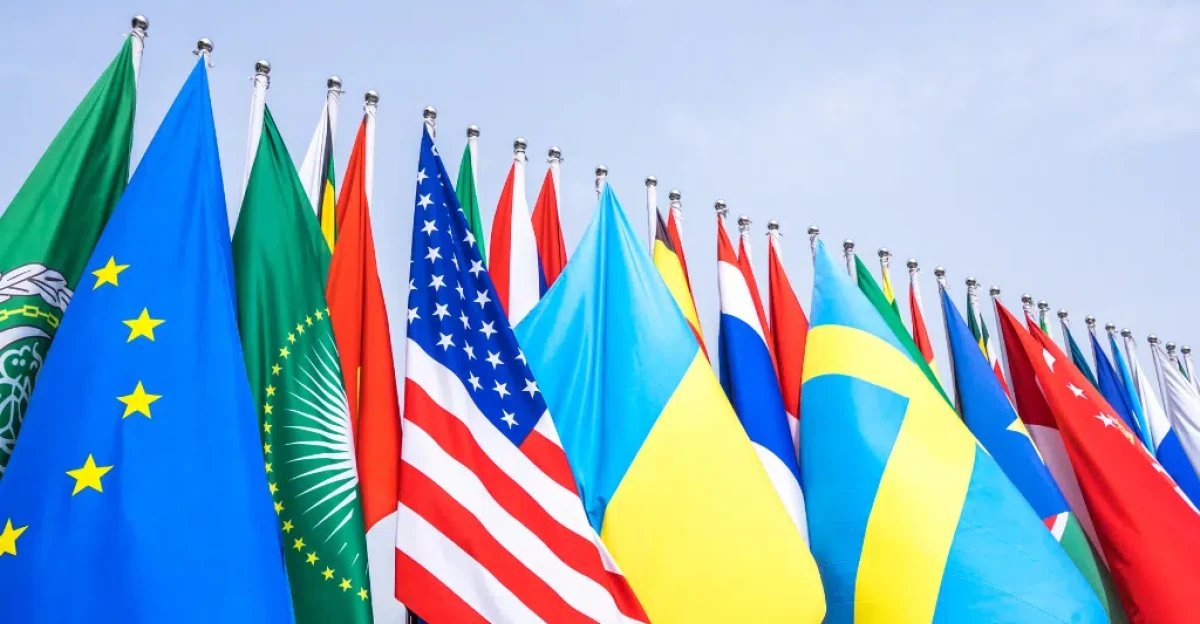
The Paris summit gathered representatives from dozens of countries under what officials call a “Coalition of the Willing” for Ukraine, with many leaders attending in person at the Élysée Palace. Since 2025, this coalition has evolved from a loose concept into a concrete effort to design a post‑ceasefire “reassurance force” to deter future Russian attacks.
UK Prime Minister Keir Starmer and French President Emmanuel Macron say Europe must “take the lead” and ensure that Ukraine is never left alone again, arguing that European states have a direct security stake in the outcome. The coalition’s blueprint now centers on a multinational force, new legal frameworks, and long‑term funding to anchor Ukraine in a safer, more predictable security system.
Mounting Pressure on Leaders and Publics
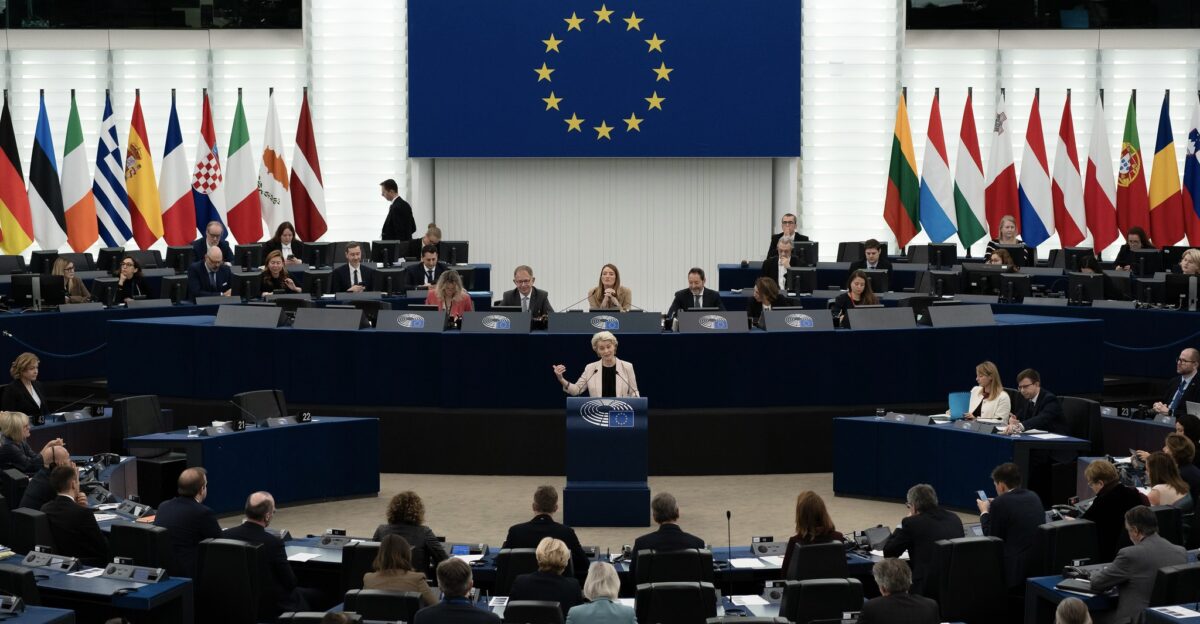
While Ukraine demands real protection, not just words, European leaders must balance strategic promises with political risk at home. President Volodymyr Zelenskyy insists Ukraine will not accept any peace that freezes Russian territorial gains or lets Moscow quietly prepare for another assault, warning that “Ukraine will not trade its land for an illusion of peace.”
At the same time, governments in Europe face voters worried about defense spending, potential troop deployments, and the danger of escalation with a nuclear‑armed Russia. Some countries, like Italy, have already said they will not send ground troops, while others, including Germany, stress that any deployments need parliamentary approval and would likely be limited to neighboring NATO states, underlining how politically sensitive this project is.
The Paris Declaration
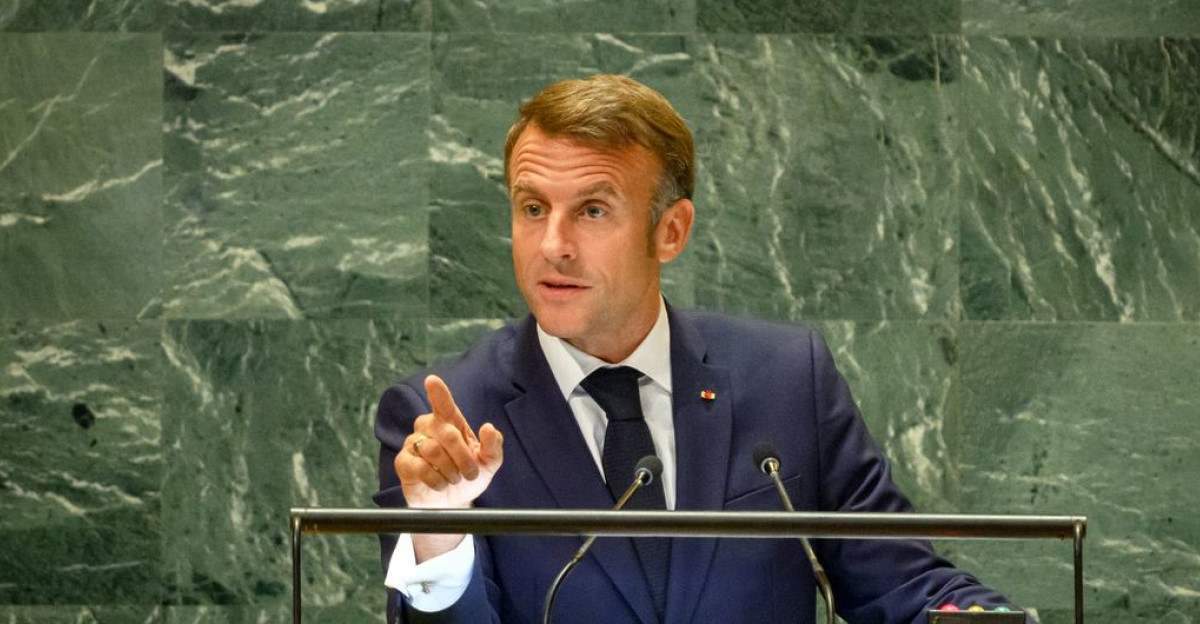
On 6 January 2026, the UK, France, and Ukraine signed a Declaration of Intent in Paris that lays out the framework for a future Multinational Force, Ukraine, known as MNF‑U. The document says Britain and France will take the lead in forming this force, which would deploy inside Ukraine only after a ceasefire or peace agreement is in place.
Macron has said France could send “thousands” of troops, while the UK has begun allocating funds to prepare for a possible deployment that would match French contributions. Starmer said the declaration “creates a legal basis for operations of partner countries’ troops on Ukrainian territory” once peace is achieved, marking a sharp shift from years of avoiding any Western soldiers on the ground.
Hubs Across Ukraine, Not on the Front
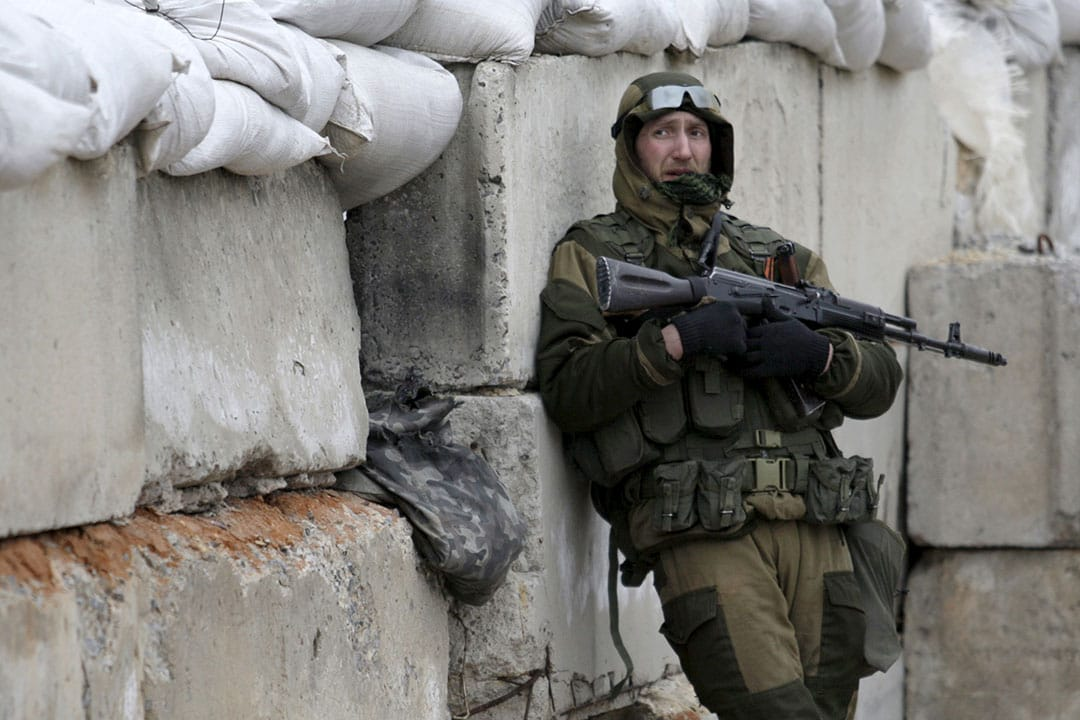
Under the Paris plan, British‑ and French‑led units would establish a network of military hubs across Ukrainian territory, built to store weapons, repair equipment, and coordinate logistics. These hubs are designed to support, not replace, Ukrainian front‑line forces and to help monitor compliance with any ceasefire.
The declaration envisions a joint command arrangement, with a major headquarters in Paris and a coordination center in Kyiv, blending European planning with Ukrainian leadership. Officials say these locations would be away from active front lines, but Russian warnings that all such units and sites will be legitimate targets underline how exposed these future bases could be if the peace ever breaks down.
Ukraine’s Army First
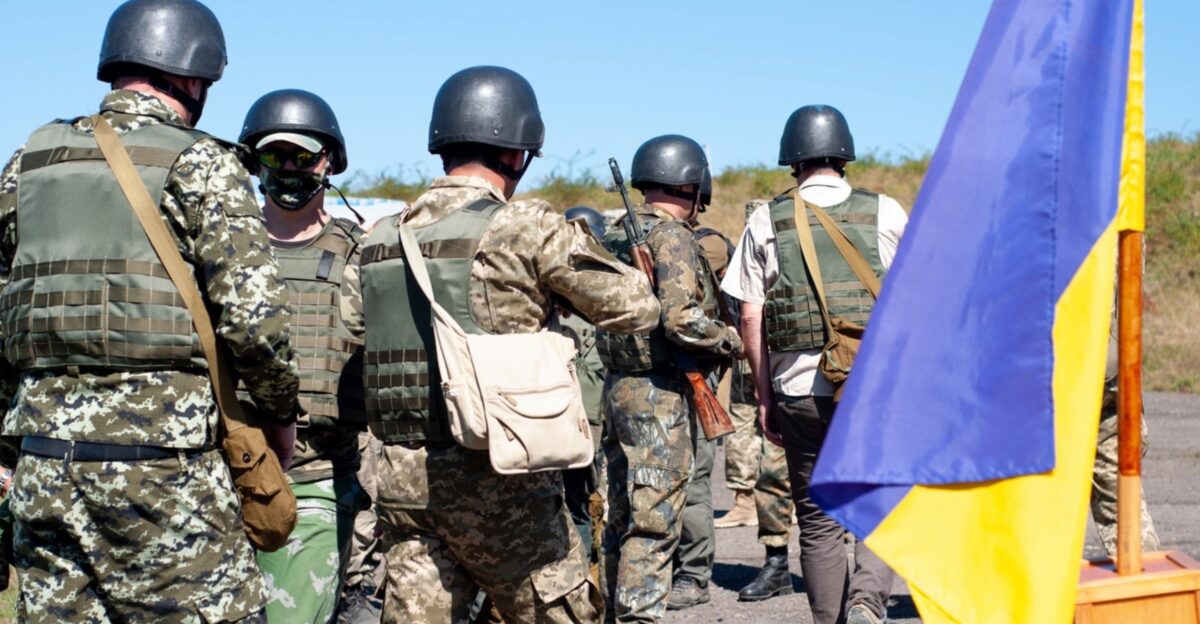
At the heart of the security architecture is Ukraine’s own military, now often described in NATO discussions as an “800,000‑strong” armed force that will remain the country’s main shield even after any peace deal. NATO Secretary General Mark Rutte has said the first layer of guarantees is “Ukraine’s Armed Forces, which must be in excellent condition and capable of defending the country even after the war.”
Western troops, under current plans, would focus on training, equipping, and backing Ukrainian units rather than carrying out direct combat missions themselves. For exhausted Ukrainian soldiers and civilians, the idea of embedded, long‑term Western support offers hope that any future peace will be durable, not just a pause before the next offensive.
Legal Shield for Foreign Troops
Because Ukraine is not a NATO member, foreign soldiers cannot simply arrive under the alliance’s usual rules. The Paris documents say Kyiv intends to base the status of British, French, and other MNF‑U forces on existing NATO legal frameworks: the 1951 NATO Status of Forces Agreement and the 1995 Partnership for Peace SOFA.
These agreements define how foreign troops are treated under local law, who has criminal jurisdiction, and what rights visiting forces have to move, train, and operate. By anchoring MNF‑U in these familiar legal models, Ukraine and its partners hope to show that the mission is both legitimate and long‑term, even as Russia denounces the plan as foreign “intervention” that threatens its own security.
Billions Already on the Line
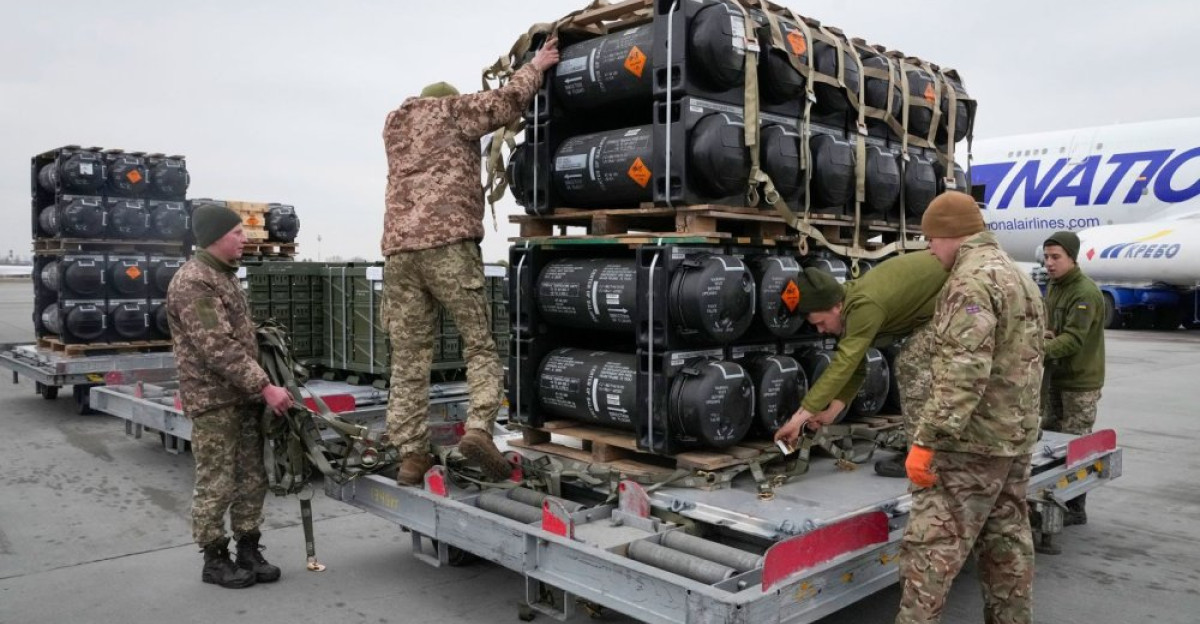
The planned deployment builds on years of rising Western aid to Ukraine, led in Europe by the UK and France. UK government figures show London has committed roughly £21.8 billion in support since 2022, including around £13 billion in military assistance and a pledge to sustain £3 billion a year in military aid until at least 2030–31.
France has supplied weapons, training, and air‑defense systems, and Macron now links these efforts to the prospect of French soldiers helping to anchor a long‑term security presence under MNF‑U. Together, London and Paris have taken a leading role in designing the coalition, pairing financial commitments with what one UK outlet called the possibility of “boots on the ground, and planes in the air” after a ceasefire.
Russia Draws a Red Line
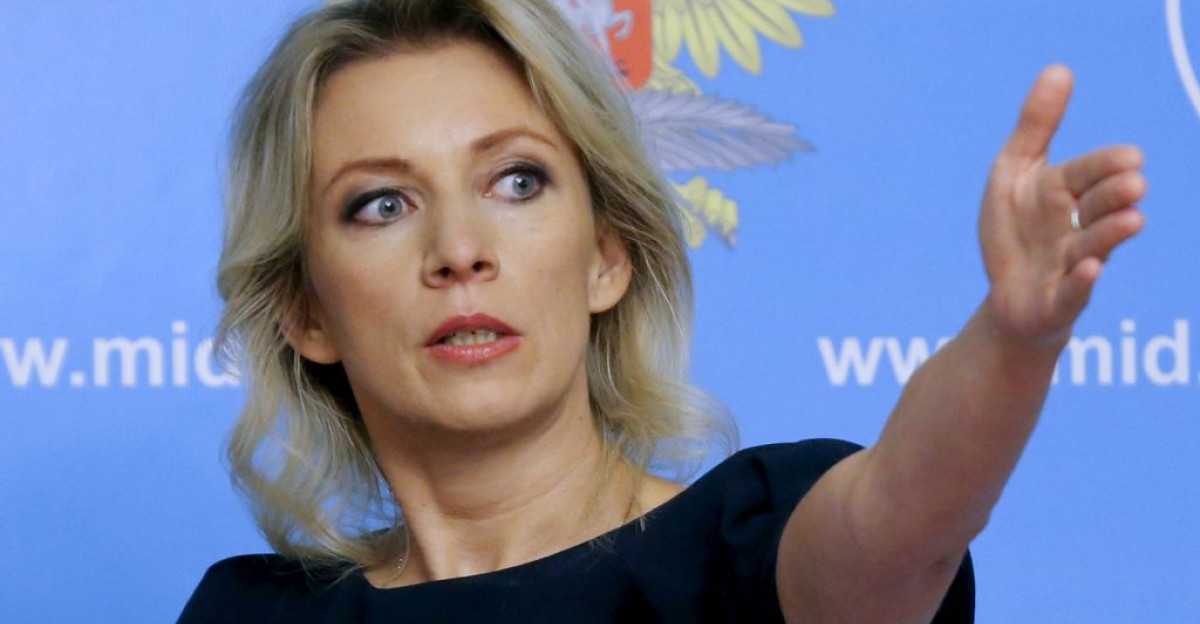
Russia has responded to the Paris declaration with stark warnings. On 8 January 2026, Foreign Ministry spokeswoman Maria Zakharova said that “any military units and facilities deployed by Western countries on Ukrainian territory will be regarded as legitimate targets of the Russian Armed Forces,” calling the coalition an axis of war.
She argued that the plan is far from a peaceful settlement and instead aims at continuing the militarization of Ukraine and expanding the conflict. President Vladimir Putin and other Russian officials have repeatedly claimed that Western security guarantees amount to direct participation in the war, insisting that Moscow will reserve the right to strike any foreign bases or troops it sees as threatening Russia’s security.
Allies Divided on Ground Troops
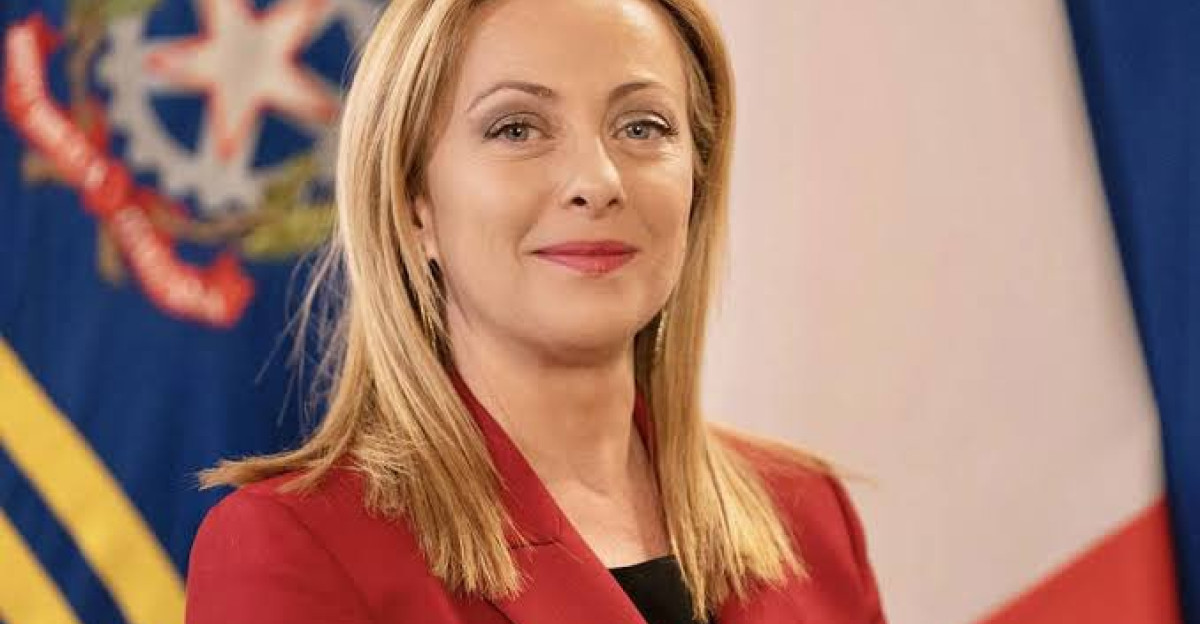
Behind the show of unity in Paris, Europe remains split over sending soldiers into Ukraine itself. Italy’s Prime Minister Giorgia Meloni has ruled out deploying Italian troops under MNF‑U, reflecting strong domestic resistance to putting Italian soldiers in direct danger.
Germany’s leadership stresses that any move to send German forces would need Bundestag approval and would likely be limited to operations in neighboring countries, not inside Ukraine, at least for now. Other partners, such as Sweden, Turkey, and Belgium. lean toward contributing fighter jets, air‑defense units, demining teams, or naval assets instead of ground contingents, exposing very different levels of risk tolerance within the same coalition.
United States Stays at Arm’s Length
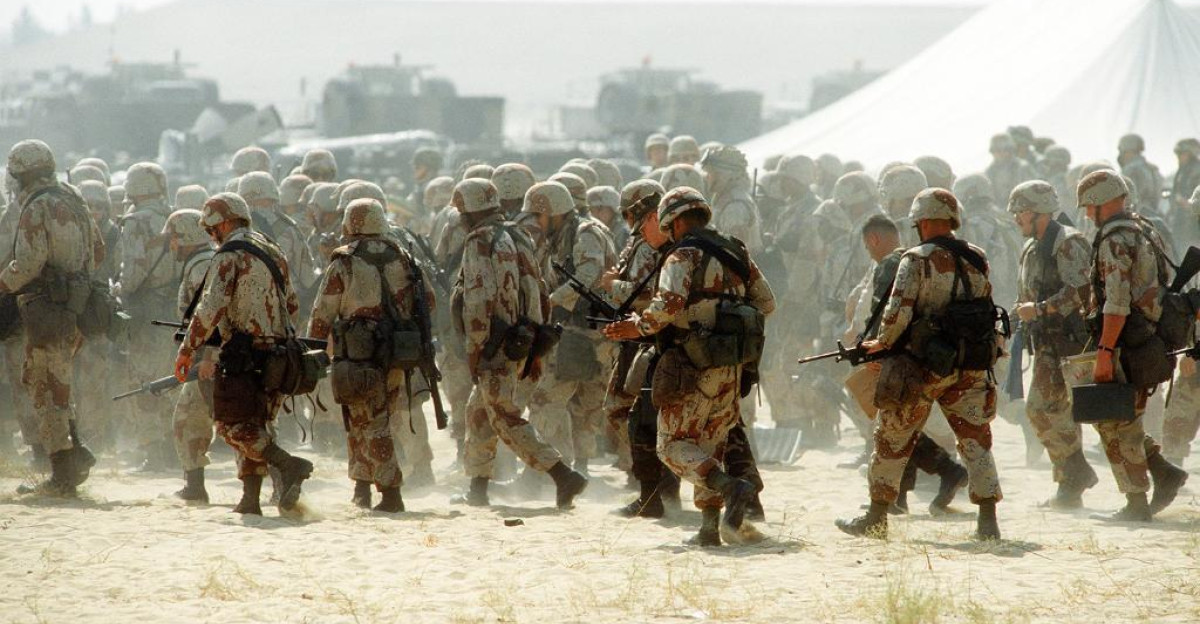
The United States supports the idea of strong security guarantees for Ukraine but is keeping its distance from any plan that involves U.S. ground troops under MNF‑U. Washington’s special envoy for the talks has said that ceasefire monitoring protocols are largely drafted and that the U.S. is ready to lead verification efforts “without sending American soldiers into Ukraine.”
U.S. officials argue that Europe must now assume “primary responsibility” for the reassurance force, while America will continue to provide intelligence, long‑range weapons, financial support, and diplomatic pressure on Russia.
NATO’s Bet on Deterrence, Not Direct War
NATO as an alliance is not formally sending troops to Ukraine, but its secretary general, Mark Rutte, has made clear how closely the alliance’s future is tied to Ukraine’s security. Rutte says the main goal of security guarantees is to ensure Ukraine is “never attacked again after a ceasefire or a peace agreement,” warning that another Russian assault would have “enormous consequences for NATO.”
He describes a layered approach: a strong Ukrainian army, long‑term commitments from the U.S. and Europe, and continued NATO deterrence on the alliance’s eastern flank. Yet by keeping MNF‑U outside formal NATO structures, member states hope to avoid triggering a direct NATO–Russia confrontation while still signaling that any future aggression would come at a much higher cost to Moscow.
A Fragile Path to Peace
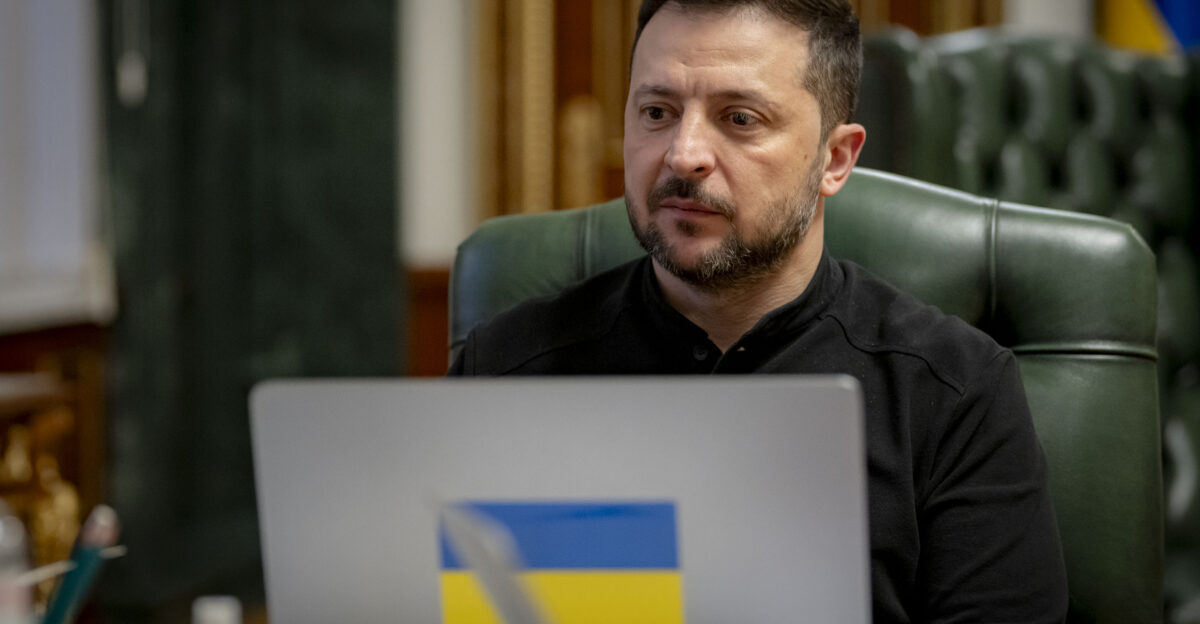
For now, everything hinges on a ceasefire or peace agreement that does not yet exist. President Zelenskyy has praised the Paris declaration as historic but stresses that Ukraine “will not cede its territories” and remains wary of any deal that simply locks in Russian occupation.
He says countries have “determined what forces are needed” and which partners will lead parts of the guarantees, but details on exact troop numbers, financing, and monitoring mechanisms are still being negotiated.
Escalation Risk in a New Security Era
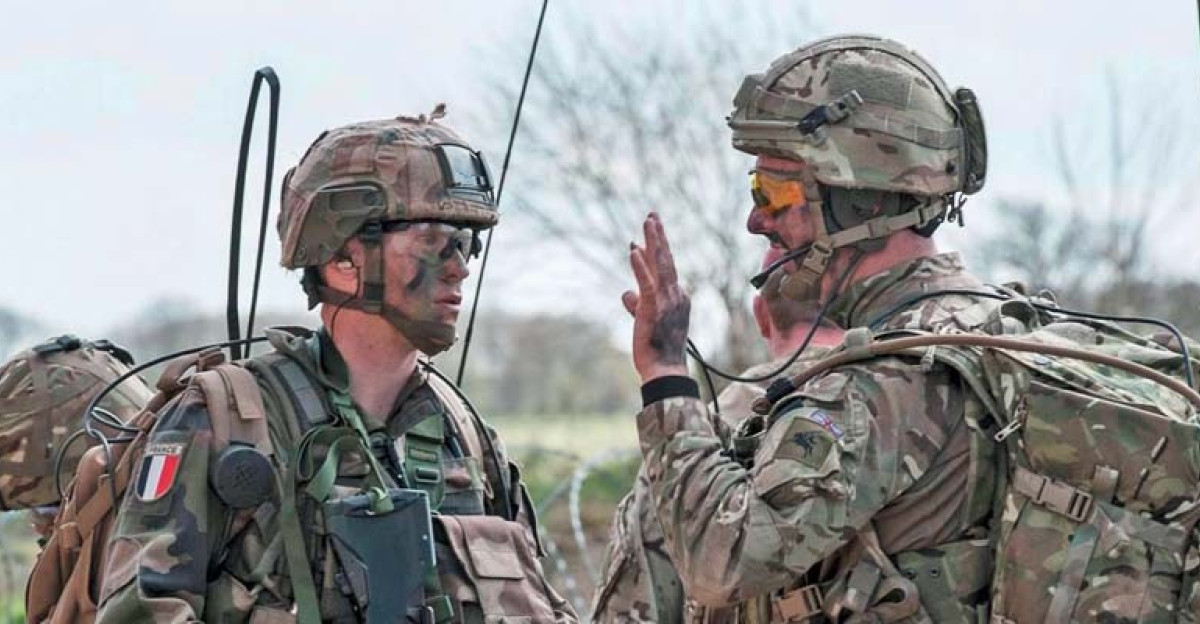
If European troops eventually deploy to Ukrainian bases under MNF‑U, they will operate in a tense and uncertain environment. On one side are explicit Russian threats that any Western units or facilities will be “legitimate combat targets,” suggesting that even a peace deal may not remove the danger of sudden escalation.
On the other side, supporters argue that a visible Western presence could lock in a just peace and deter the Kremlin from ever trying to re‑invade. Critics warn the plan may instead harden a militarized frontier between Russia and the West, turning Ukraine into a heavily armed buffer state.
Sources:
Reuters, US backs security guarantees for Ukraine at summit of Kyiv’s allies in Paris, 6 January 2026
DW, Ukraine: Allies endorse ‘robust’ security guarantees, 6 January 2026
Anadolu Agency, UK, France, Ukraine issue details of declaration on multinational force deployment, 6 January 2026
UK Government, Declaration of intent between the United Kingdom of Great Britain and Northern Ireland and Ukraine, 6 January 2026
Xinhua / China Daily, Ukraine, France, UK sign declaration of intent on multinational forces deployment, 6 January 2026