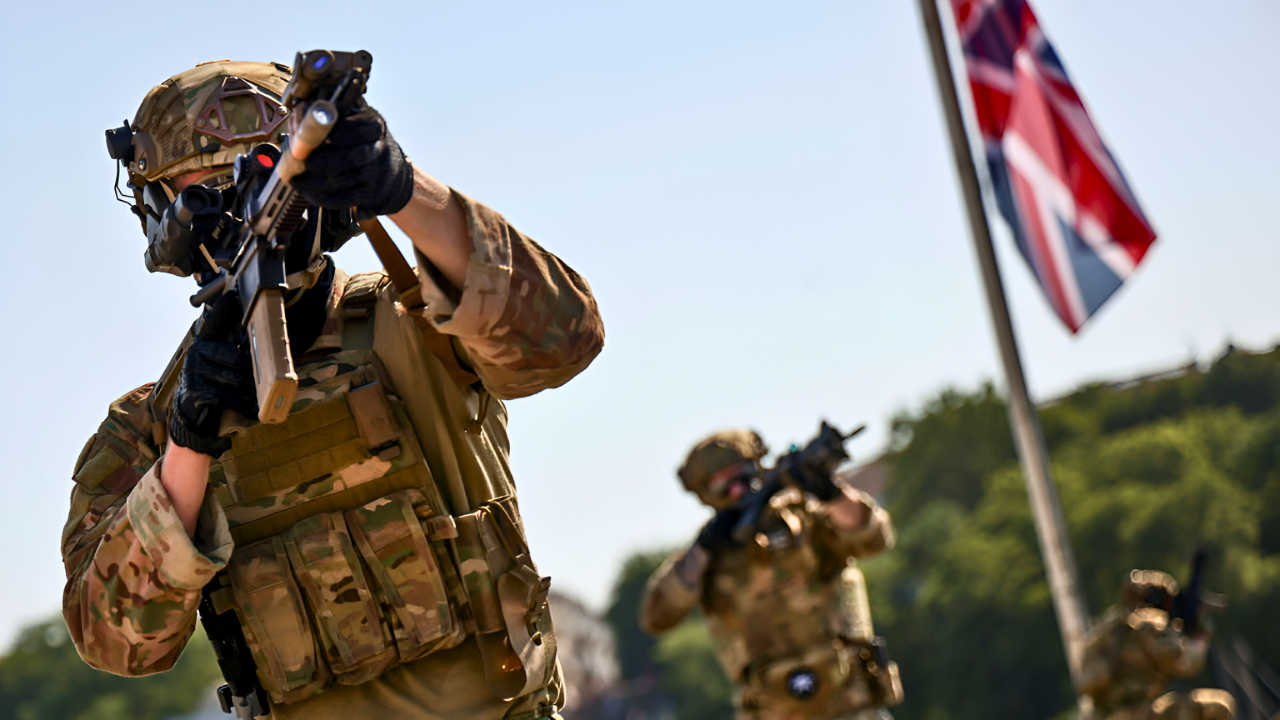
The calm of a typical day in Belgium shatters as British forces arrive on the ground, preparing for a war that’s already here. Russian drones buzz through the sky, targeting critical infrastructure. This is no longer a matter of defense—it’s an all-out counterattack against a rising hybrid threat.
NATO has just shifted into high gear, deploying personnel to protect European skies from an unseen enemy. But what’s coming next?
The Escalation of Hybrid Threats
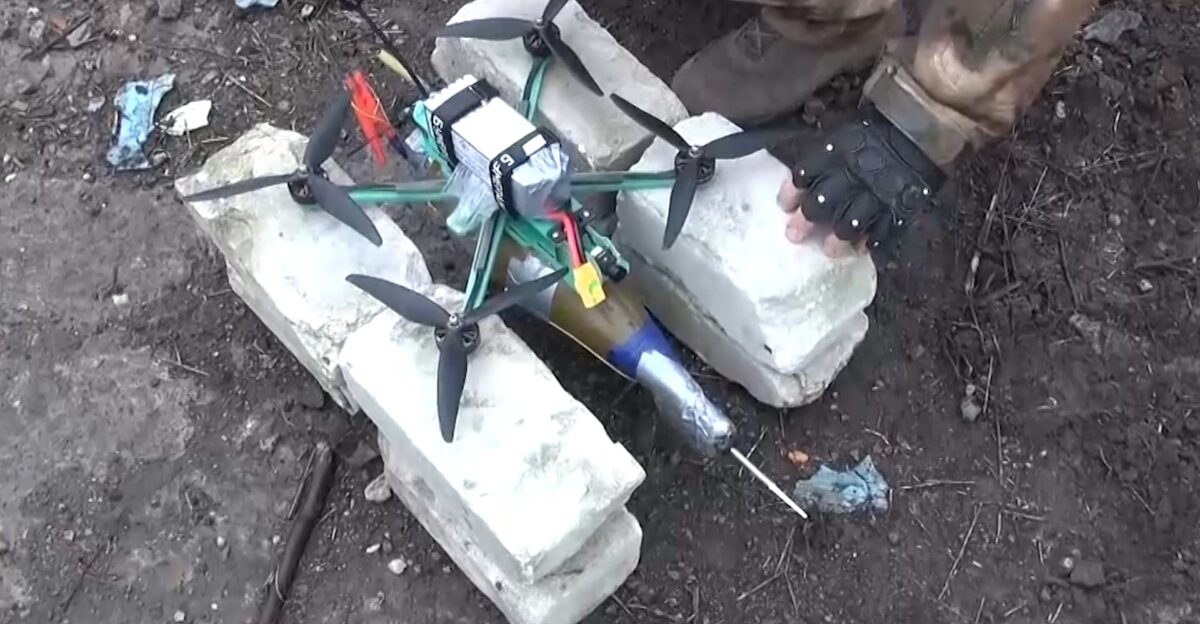
Russia’s hybrid warfare campaign is intensifying, with drones, cyberattacks, and sabotage now the tools of choice. The war in Ukraine, combined with rising geopolitical tensions, has pushed hybrid tactics to the forefront. These actions skirt the boundaries of open warfare, aiming to destabilize NATO and the EU without triggering a full-scale response.
Europe is on alert as the scale of the threat expands.
Drone Disruptions at Belgian Airports
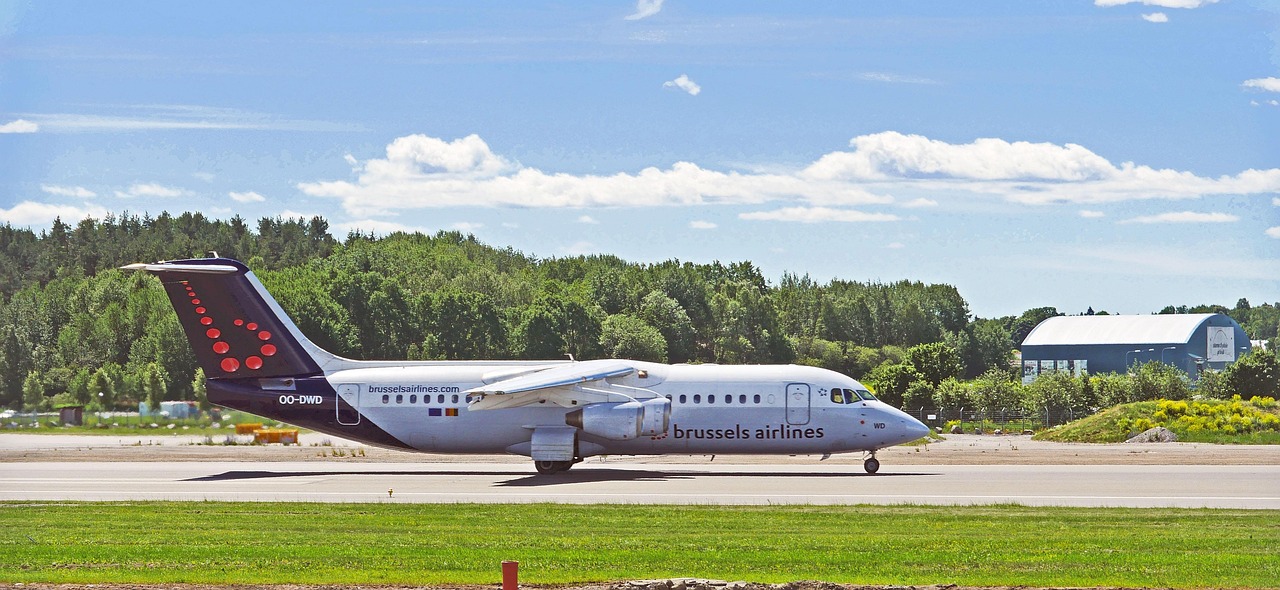
Belgium’s airspace is suddenly the front line. Major airports like Brussels and Liège face forced shutdowns as drones swarm, grounding flights and stranding thousands of passengers. The disruption doesn’t just hit the travel industry—it exposes Europe’s vulnerability to these unseen invaders.
With costs mounting, it’s clear that this is more than a tactical skirmish; it’s a new phase in warfare.
The Scope of Airport Disruptions

At Brussels Airport, temporary closures force around 3,000 passengers into uncertainty, with airlines scrambling to reroute flights. Meanwhile, Liège sees significant disruption to air traffic, affecting both civilian and military operations.
These incursions have shaken Belgium’s once secure airspace, highlighting the fragility of modern transport infrastructure in the face of emerging threats.
Governments Mobilize: A New Security Era

In response to the growing threat, governments across Europe are investing heavily in countermeasures. New drone detection systems and emergency protocols are being rolled out to protect critical infrastructure. NATO is coordinating closely with national governments to ensure that European cities aren’t left defenseless.
It’s clear: security measures will need to evolve quickly to keep pace with this new form of warfare.
The Rise of Counter-Drone Technology

In the UK’s corner, the ORCUS system—part of the advanced anti-drone technology deployed to Belgium—is a game-changer. Capable of rapid detection and neutralization, the ORCUS system represents the cutting edge of defense against drones. NATO forces across Europe are now incorporating this technology to safeguard airports, military bases, and other strategic sites from drone incursions.
This technology could be a key player in securing Europe’s skies from further hybrid threats.
ORCUS System Capabilities Unveiled

The ORCUS system is a variant of Leonardo’s Falcon Shield and offers a 360-degree defense, providing real-time detection and electronic jamming capabilities. It’s designed to neutralize unauthorized drone threats before they can cause harm.
As drone warfare becomes more sophisticated, this advanced technology is crucial in defending Europe’s infrastructure from these aerial invaders.
A Coordinated NATO Response
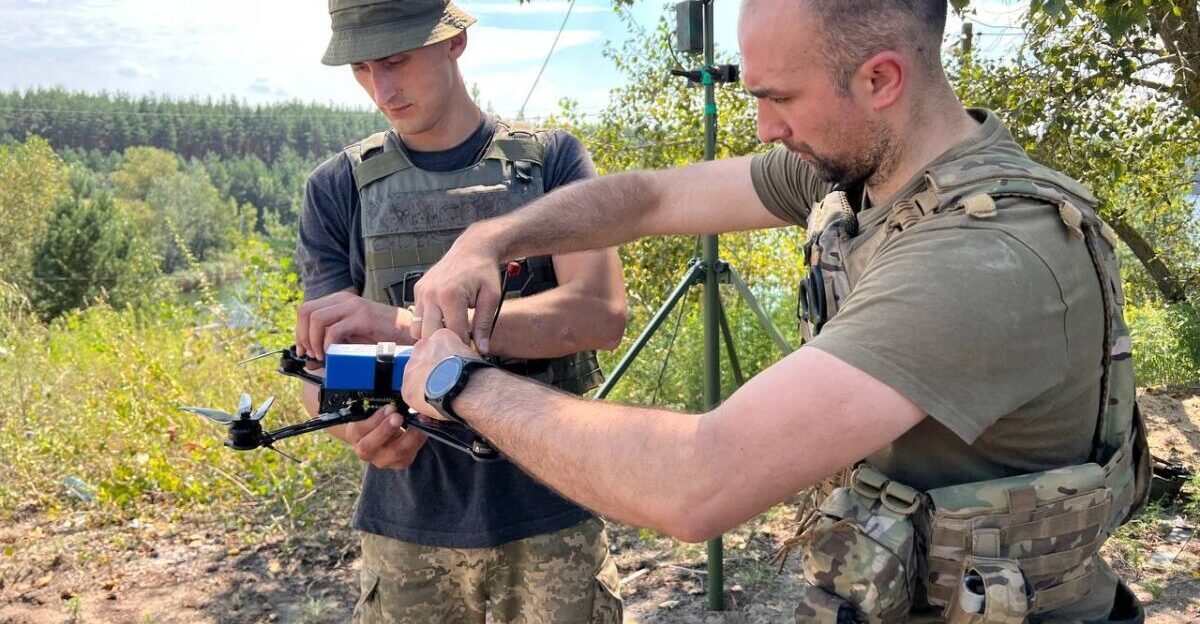
In a unified effort, France and Germany have joined forces, sending their own counter-drone teams to Belgium. The hybrid threat is not limited to one country—it’s a collective European challenge.
This multi-nation response underscores NATO’s commitment to protecting its member states from unconventional attacks, working together to confront a new kind of warfare.
The Global Impact on Air Infrastructure

Beyond Belgium, hybrid threats are wreaking havoc on international air infrastructure. Air traffic across Europe is increasingly disrupted by drone activity, forcing authorities to adjust their security protocols. From flight cancellations to increased operational costs, the effect is widespread,
calling for global cooperation in safeguarding aviation networks.
NATO’s Unified Front Against Hybrid Warfare
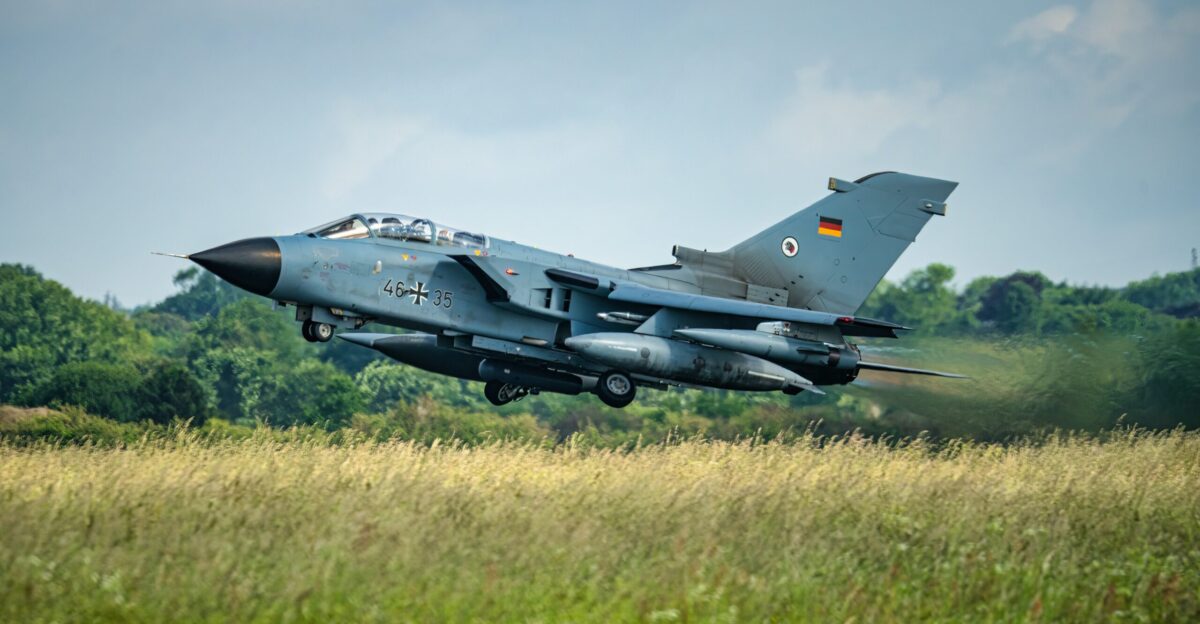
In response to the escalating threat, NATO leaders are coming together to share intelligence and activate emergency countermeasures. Their collective defense strategy includes enhanced monitoring systems, stricter regulations, and bolstered security measures aimed at neutralizing drone incursions before they can cripple vital infrastructure.
The unified front is NATO’s answer to an unprecedented hybrid threat.
Belgium’s National Airspace Security Center
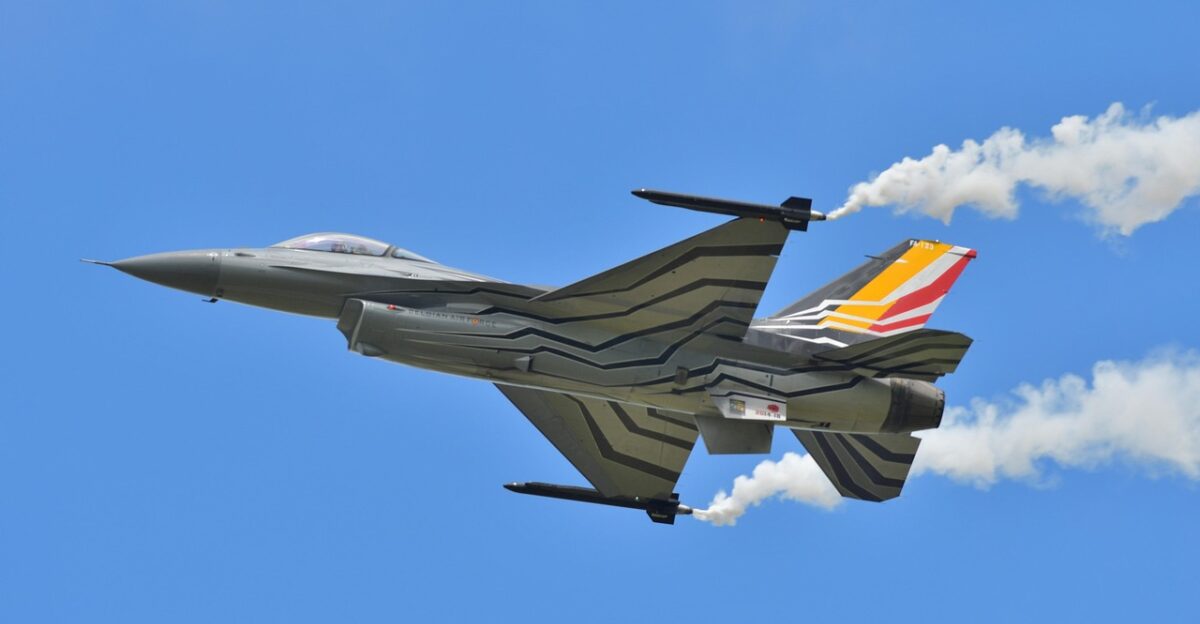
Belgium is taking action on a national scale with the creation of a National Airspace Security Center. This new facility will centralize counter-drone efforts, improving coordination and response capabilities across the country.
Scheduled to begin operations in January 2026, the center will be the country’s first line of defense against aerial threats.
EU Parliament Demands Unified Action
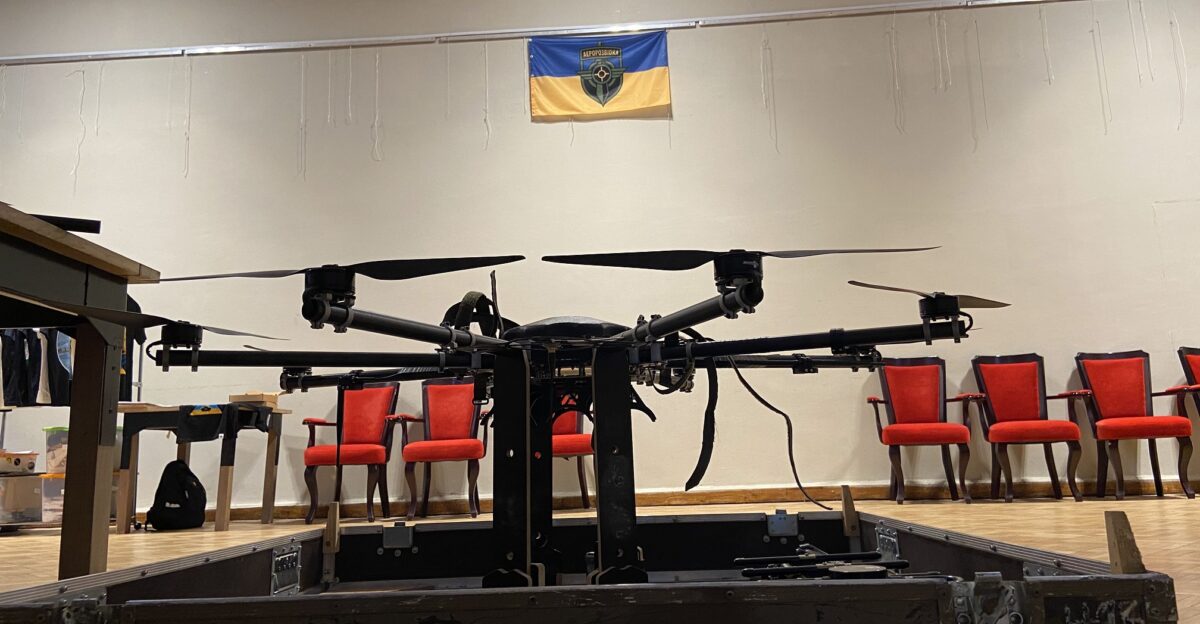
The European Parliament has urged for a unified EU response to Russia’s hybrid attacks. Members are pushing for coordinated defense initiatives and a stronger commitment to protecting Europe’s infrastructure.
The escalating threat of drone warfare has spurred the EU to take proactive steps to ensure that the continent remains secure.
Operational and Economic Costs of Hybrid Threats
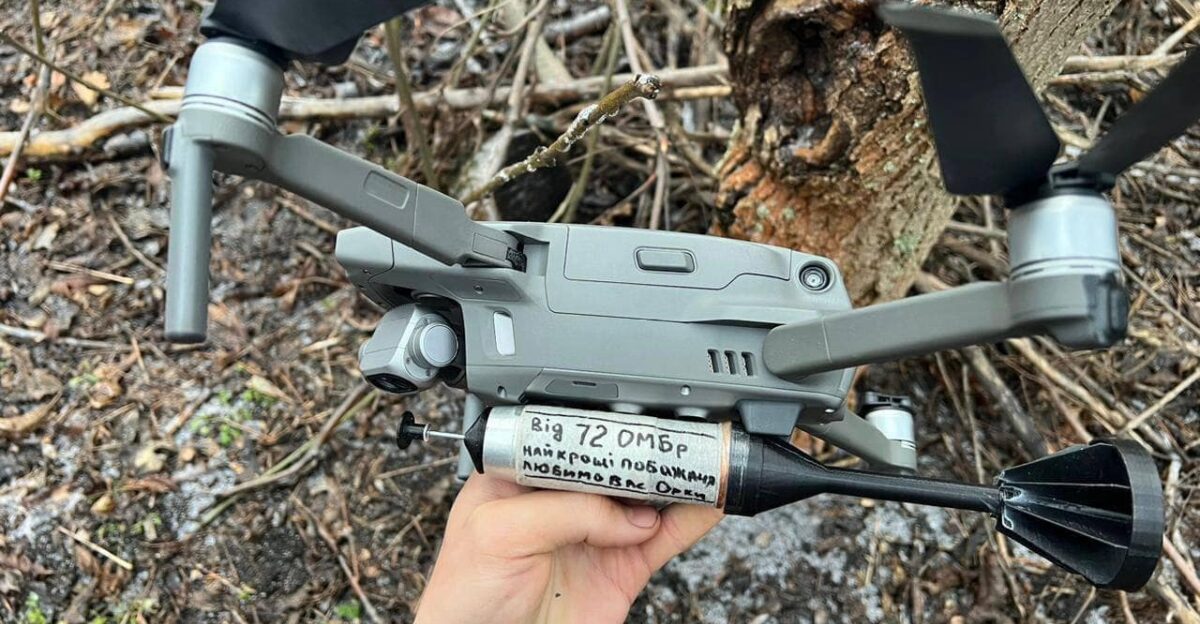
The rising threat of hybrid warfare is not just a security concern—it’s an economic one. Governments and businesses are grappling with the costs of disrupted operations and increased spending on security. The European economy is facing significant strain as the price of defense measures rises.
It’s clear that the impact of hybrid threats is both operational and financial.
Russia’s Expanding Hybrid Warfare Campaign
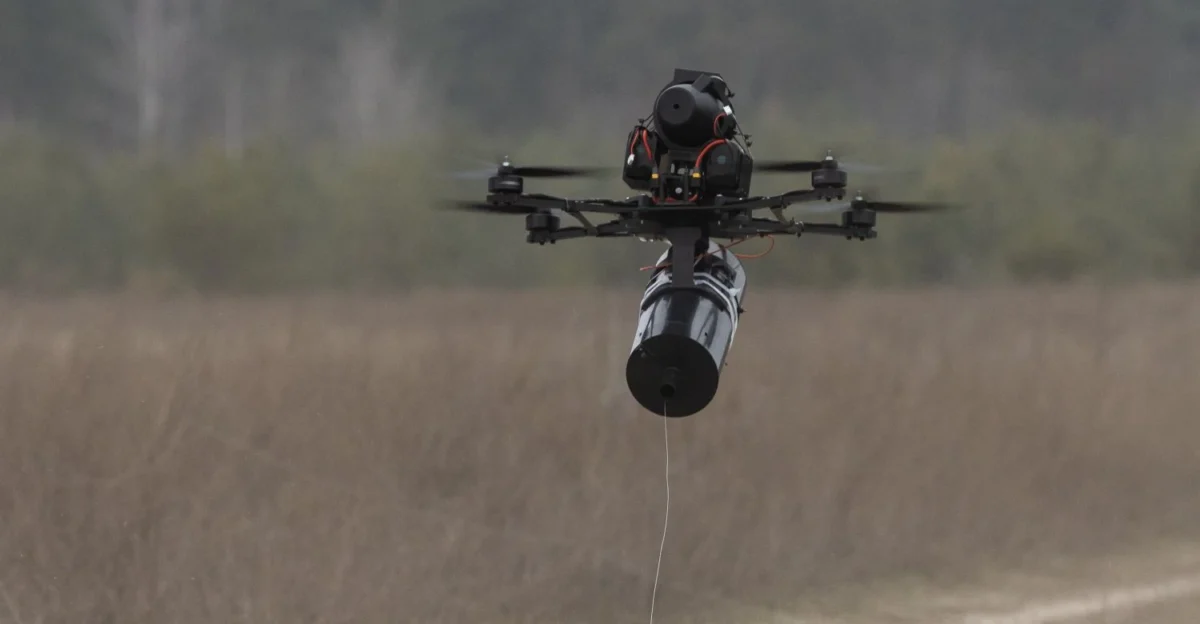
This is just one part of Russia’s broader strategy of hybrid warfare, a tactic that has already shown its power on NATO’s eastern flank. With drones, cyberattacks, and disinformation, Russia aims to destabilize Europe’s defenses and undermine the cohesion of NATO.
These tactics are reshaping the future of international conflict.
The Future of European Security

As the UK’s deployment in Belgium marks a turning point in European defense, it’s clear that hybrid threats require a multi-layered, coordinated response. NATO and EU countries must continue to evolve, developing new technologies and strategies to combat these unconventional tactics.
The battlefield of the future is shifting—will Europe be ready?