
The quiet routine of Belgium was abruptly interrupted as British troops landed, signaling a new phase in European security. Russian drones suspected of involvement swept across the sky, targeting vital infrastructure and forcing NATO to respond with unprecedented urgency. This was not a drill—Europe found itself on the front lines of a rapidly evolving hybrid war, where the boundaries between peace and conflict blur and the stakes for stability grow higher by the day.
Hybrid Warfare Intensifies Across Europe
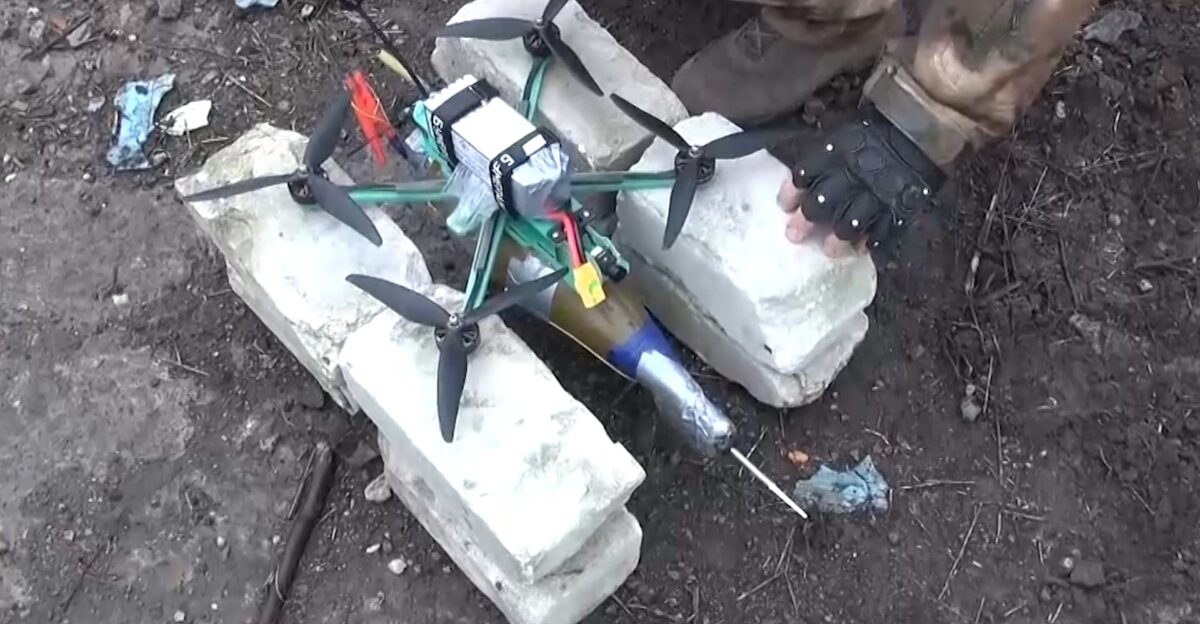
Russia’s campaign of hybrid warfare has escalated, blending drone attacks, cyber intrusions, and sabotage to destabilize NATO and the European Union. The ongoing war in Ukraine and mounting geopolitical tensions have made these tactics central to Russia’s strategy. Unlike conventional warfare, hybrid attacks are designed to disrupt and intimidate without provoking a full-scale military response. European governments now face a threat that is both persistent and difficult to predict, as the scope and sophistication of these operations continue to expand.
Belgium’s airports have become a focal point for this new kind of conflict. Major hubs such as Brussels and Liège have experienced forced shutdowns as swarms of drones entered their airspace, grounding flights and stranding travelers. The disruptions have exposed vulnerabilities in Europe’s transportation infrastructure, highlighting how hybrid tactics can inflict widespread operational and economic damage with minimal warning.
Airspace Disruptions and Infrastructure Vulnerability

At Brussels Airport, temporary closures left approximately 400-500 passengers in limbo, with airlines scrambling to reroute flights and manage the fallout. Liège Airport, a key node for both civilian and military operations, also suffered significant interruptions. These incidents have shaken confidence in the security of Belgium’s airspace and underscored the fragility of modern transport systems when confronted by emerging threats.
The economic impact is substantial. Flight cancellations and delays ripple through the travel industry, affecting logistics, commerce, and national security. As costs mount, it becomes clear that these disruptions are not isolated events but part of a broader pattern of escalating Russian hybrid warfare across Europe. The challenge for governments and businesses is to adapt quickly, investing in new technologies and protocols to defend against increasingly sophisticated attacks.
Governments Respond with New Security Measures

In response to the escalating threat, European governments are mobilizing resources to protect critical infrastructure. Advanced drone detection systems and emergency protocols are being deployed at airports and other strategic sites. NATO has intensified coordination with national authorities, ensuring that member states are not left vulnerable to unconventional attacks.
A key development is the deployment of the UK’s ORCUS system in Belgium. This advanced anti-drone technology, based on Leonardo’s Falcon Shield, offers rapid detection and electronic jamming capabilities, providing a 360-degree defense against unauthorized drones. ORCUS is now being integrated into NATO’s broader security architecture, safeguarding airports, military bases, and other high-value targets across Europe.
France and Germany have also sent counter-drone teams to Belgium, reflecting the collective nature of the challenge. The hybrid threat is not confined to one country; it demands a unified response from all NATO members. This coordinated effort demonstrates the alliance’s commitment to adapting its defense strategies to confront new forms of warfare.
The Broader Impact on International Aviation

The repercussions of hybrid warfare extend beyond Belgium. Drone activity has disrupted air traffic across Europe, forcing authorities to revise security protocols and invest in new technologies. Flight cancellations, increased operational costs, and heightened security measures are now common as governments seek to protect aviation networks from further incursions.
Belgium is taking a proactive approach by establishing a National Airspace Security Center, scheduled to begin operations in January 2026. This facility will centralize counter-drone efforts, improving coordination and response capabilities nationwide. The European Parliament has also called for a unified EU response, urging member states to strengthen defense initiatives and safeguard critical infrastructure against hybrid attacks.
The operational and financial costs of these threats are mounting. Governments and businesses must contend with disrupted operations and rising expenditures on security. The European economy faces significant strain as the price of defense measures increases, underscoring the far-reaching consequences of hybrid warfare.
Looking Ahead: The Stakes for European Security
Russia’s escalating hybrid campaign is reshaping the future of international conflict. By leveraging drones, cyberattacks, and disinformation, Moscow aims to destabilize Europe’s defenses and challenge NATO’s cohesion. The deployment of British forces and advanced technology in Belgium marks a turning point, signaling that hybrid threats require a multi-layered, coordinated response.
As NATO and EU countries continue to evolve their strategies, the battlefield itself is changing. The challenge ahead is to develop resilient systems and innovative technologies capable of countering unconventional tactics. The stakes are high: Europe’s ability to adapt will determine whether it can secure its skies and infrastructure against the next wave of hybrid threats.