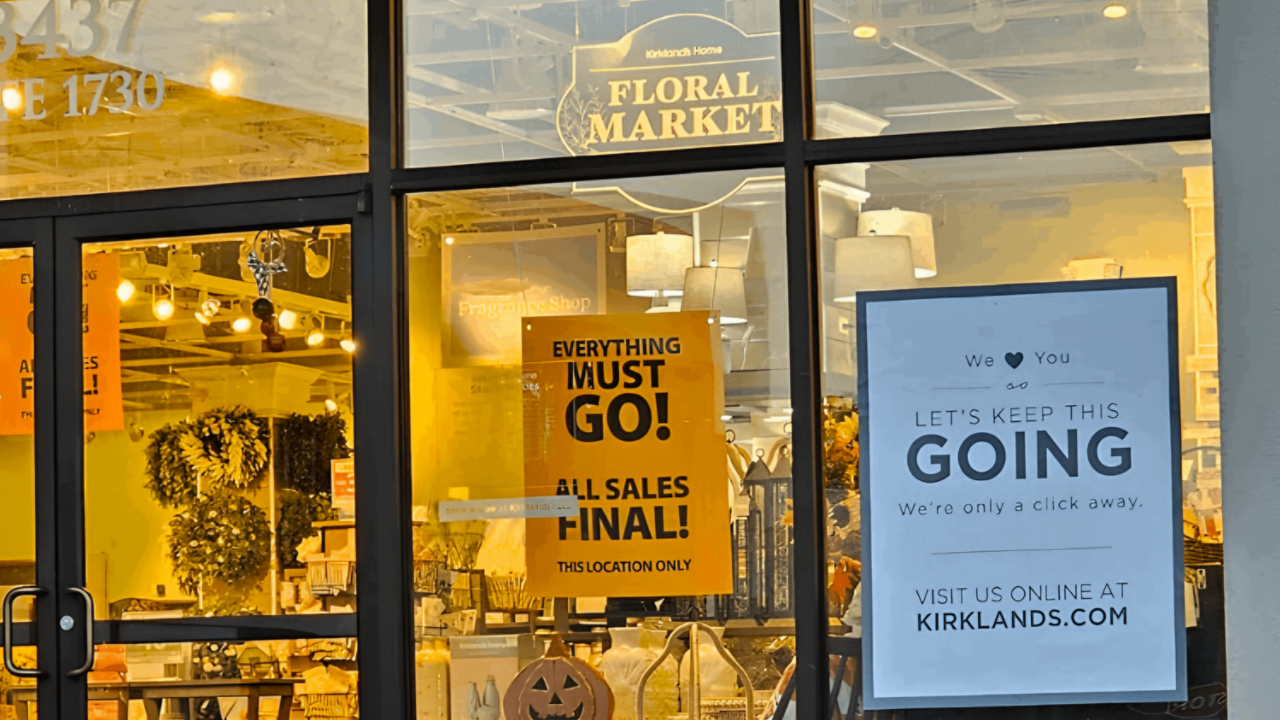
In a move that marks a turning point for the home décor retail landscape, The Brand House Collective announced on September 16, 2025, that 25 Kirkland’s Home stores will close by January 2026.
The decision, driven by expiring leases at underperforming locations, is part of a sweeping transformation under CEO Amy Sullivan. With approximately 310 stores nationwide, Kirkland’s Home’s contraction will reshape shopping options for communities across states like Arizona, California, Florida, and New Jersey.
The closures reflect a broader strategy to streamline operations, optimize real estate, and position the company for long-term growth.
Strategic Shifts and Store Conversions
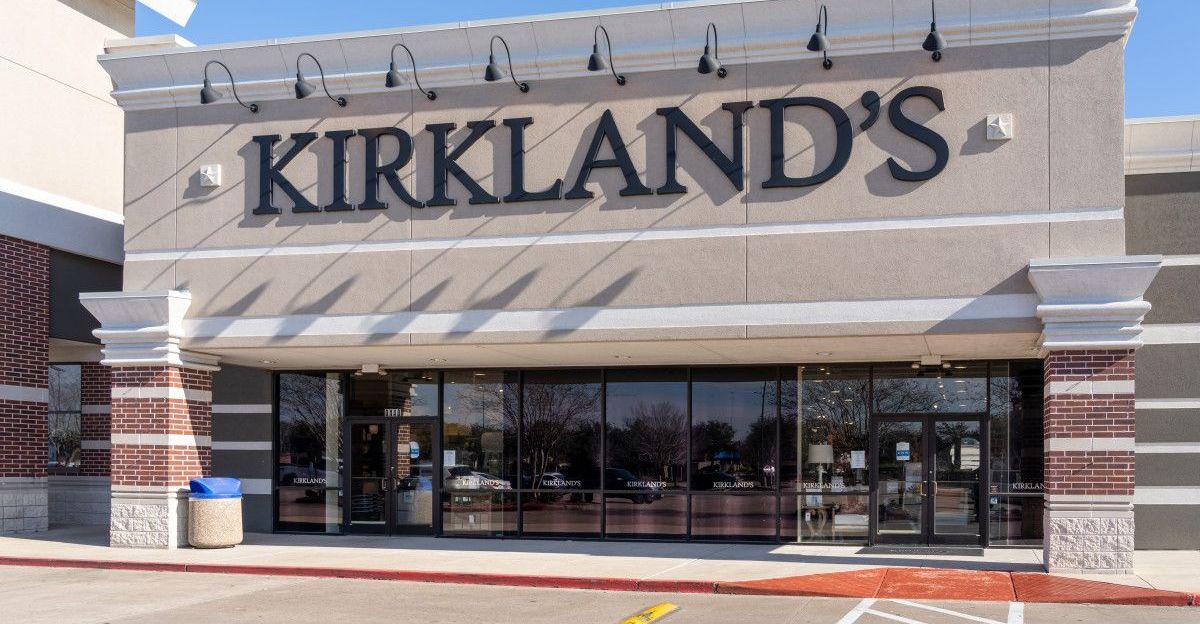
The Brand House Collective, formerly known as Kirkland’s Inc., completed a major rebranding in July 2025 following shareholder approval, signaling a new era for the company.
Central to its strategy is the conversion of 250 to 275 Kirkland’s Home locations into Bed Bath & Beyond Home stores over the next two years.
The first of these conversions opened in Nashville on August 8, 2025, highlighting the company’s commitment to leveraging Bed Bath & Beyond’s more substantial market presence. This multi-brand approach aims to consolidate resources, enhance profitability, and capitalize on established brand recognition.
The closures and conversions are the result of a comprehensive review of store performance and real estate assets. By focusing on locations with the most significant potential and reducing excess inventory, The Brand House Collective seeks to create a more agile and sustainable retail operation.
The company’s leadership views these changes as essential steps toward maintaining competitiveness in a rapidly evolving market.
Impact on Communities and the Retail Workforce
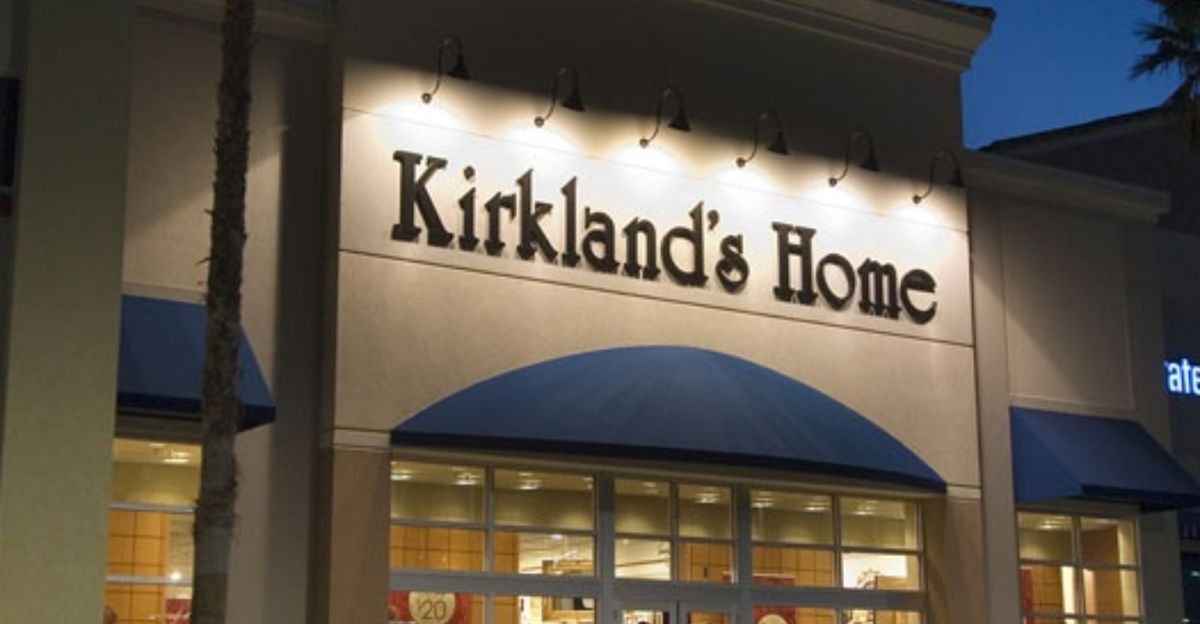
The closure of 25 Kirkland’s Home stores will leave noticeable gaps in local home décor shopping options. Customers who once relied on these stores for affordable furnishings will need to seek alternatives, often at greater distances or through competing retailers.
The affected communities will experience a shift in retail accessibility, with independent stores, national chains, and online platforms poised to absorb displaced shoppers.
Job losses are an inevitable consequence of the closures, though The Brand House Collective has not released official employment figures. Displaced workers will face the task of finding new opportunities in an increasingly competitive job market.
Competitive Landscape and Market Dynamics

As Kirkland’s Home exits select markets, competitors are positioned to capture market share. Established home décor retailers and a growing array of online platforms are well-positioned to attract customers seeking new sources for home furnishings.
The closures may also drive increased foot traffic to independent retailers in affected areas, creating opportunities for local businesses to expand their customer base.
The retail shake-up is expected to intensify competition, with brands ramping up marketing efforts and promotional activities to win over former Kirkland’s customers. The evolving landscape underscores the importance of adaptability and innovation as retailers vie for consumer loyalty in a sector increasingly shaped by digital shopping and omnichannel strategies.
California’s Exclusion and Real Estate Implications

A notable aspect of The Brand House Collective’s strategy is the decision not to open new Bed Bath & Beyond stores in California. Executive Chairman Marcus Lemonis cited the state’s regulatory environment and high business costs as key factors, leaving California’s 39 million residents without new brick-and-mortar locations for the brand. This move has sparked debate over business regulations and the future of retail expansion in the state.
The transition of closed Kirkland’s Home properties will have ripple effects in local real estate markets. Some locations will attract new tenants, while others may remain vacant as landlords seek replacements. The conversion of remaining stores into Bed Bath & Beyond outlets reflects a broader trend in retail: optimizing physical footprints to align with performance metrics and shifting consumer preferences.
Transformation and Uncertainty
The Brand House Collective’s multi-brand strategy extends beyond Kirkland’s, encompassing Bed Bath & Beyond, Overstock, and buybuy BABY.
By consolidating operations and leveraging established brands, the company aims to strengthen its position in the home goods market and achieve operational efficiencies.
CEO Amy Sullivan’s leadership has been central to this transformation, with her salary increased to $700,000 effective August 2025.
As the company moves forward with store closures and conversions, the stakes are high. The success of this strategic pivot will depend on the ability to execute the multi-brand approach, adapt to changing consumer habits, and navigate the challenges of a dynamic retail environment.
The coming months will be critical in determining whether The Brand House Collective can achieve its goals of profitability and market leadership amid ongoing industry upheaval.