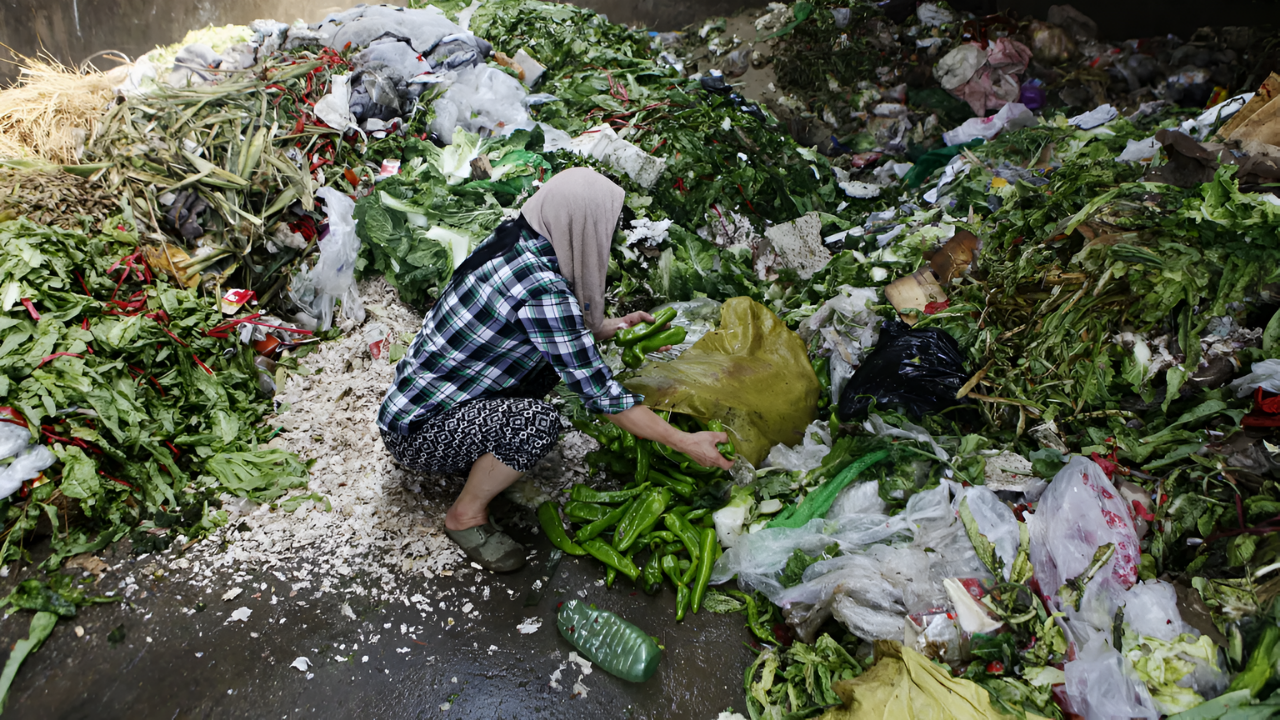
In the United States, millions of pounds of edible food are destroyed every day while families struggle to afford basic groceries, a contradiction thrown into sharp relief when federal nutrition aid abruptly stopped in November 2025.
The nationwide halt of SNAP, the Supplemental Nutrition Assistance Program, exposed how fragile the country’s food safety net is, even as data show the nation produces far more food than it uses. At the same time, stories from food pantries, federal workers and grandparents caring for children illustrated how quickly an administrative decision can turn into a personal crisis.
Shutdown Shock and a Sudden Loss of Aid
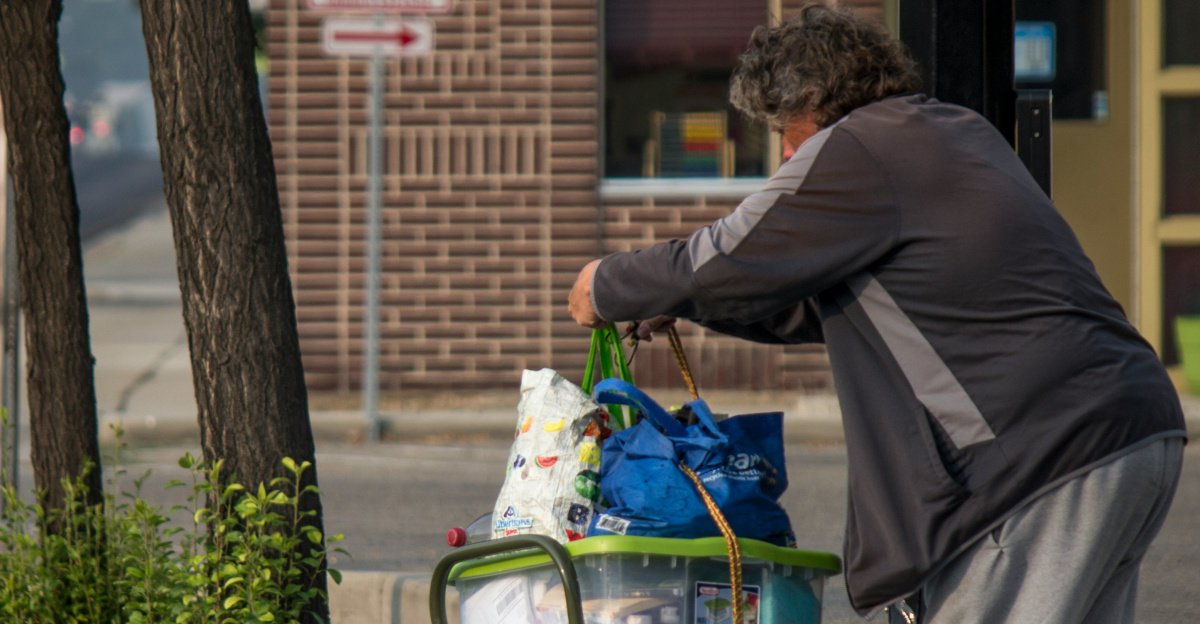
On November 1, 2025, SNAP payments for 42 million low-income Americans did not arrive for the first time in the program’s six-decade history. There was no backup plan and no partial payout. The stoppage came as the federal government shutdown entered its second month, cutting off a primary source of food assistance for millions of households.
A federal district judge, John McConnell, ordered emergency funds released by November 3, directing the administration to tap tariff revenue to restore full benefits. The administration appealed, arguing that such an order violated the separation of powers. Within days, the Supreme Court stepped in, and Justice Ketanji Brown Jackson granted an administrative stay that froze McConnell’s order and left states unable to guarantee full benefits. For recipients, the legal fight translated into a simple reality: one month’s expected food money vanished, and the timing of any restoration grew uncertain.
Food Banks Overwhelmed as Hunger Rises
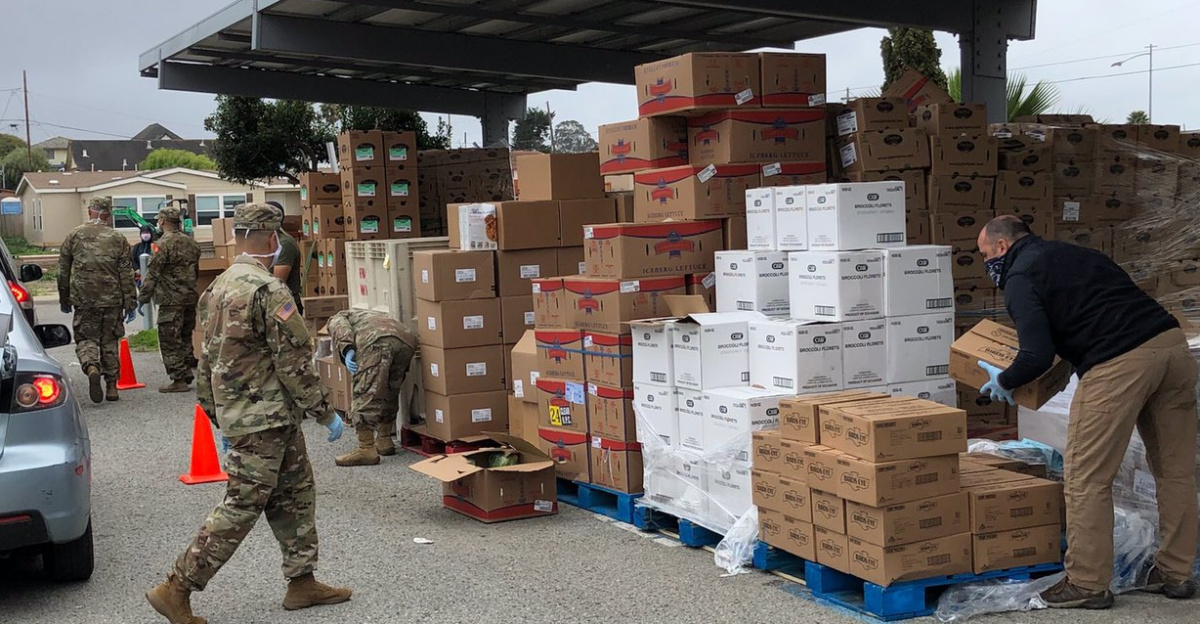
The shutdown hit a country where hunger had already been increasing. Feeding America estimated that 47 million people were food insecure nationwide in 2024, about one in seven residents unsure where their next meal might come from. In the Washington, D.C., region, a Capital Area Food Bank and NORC at the University of Chicago study found that 36 percent of households faced food insecurity in 2025.
The economic aftershocks of a government reduction-in-force compounded the strain. After thousands of federal jobs were eliminated, 41 percent of affected federal and contractor households were food insecure by May 2025, more than double the rate among comparable households that kept their jobs. Two-thirds of those facing job losses reported severe food insecurity, including skipping meals and rationing staples.
Local food banks saw demand surge as SNAP payments stopped. People who had never asked for help before arrived early, seeking food or information about when benefits might resume. Some reported cutting back on medications to pay for groceries. Others, with no savings or credit left, relied entirely on pantries. The disruption also reached older adults like 63-year-old Willy Hilaire in the Bronx, who was homeless and caring for two grandchildren. In November 2025, he described going without food himself so the children could eat, saying his priority was to give them whatever he had.
The Scale of Surplus and Waste
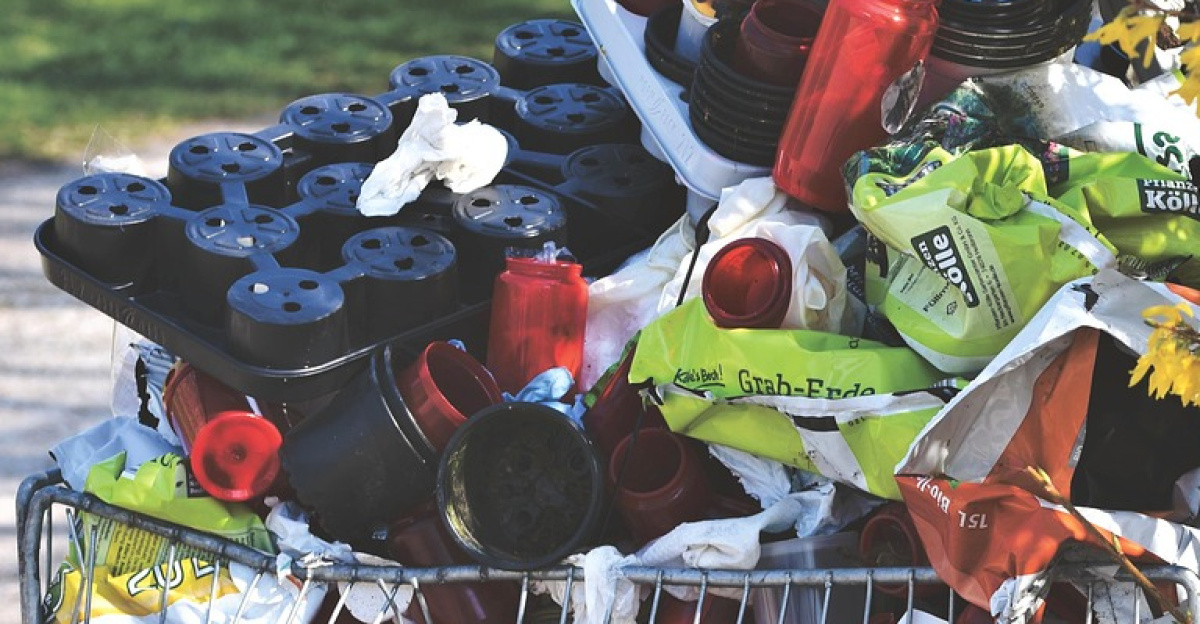
Against this backdrop of need, national data on surplus food and waste reveal a stark contrast. ReFED’s 2024 report calculated that in 2023 the United States generated $382 billion worth of surplus food—food that was produced but never eaten. Consumers spent an additional $261 billion on groceries and meals that ultimately went into the trash, part of nearly 74 million tons of food wasted in a single year.
Government estimates indicate that globally about 40 percent of all food is wasted. In the U.S., food waste accounts for about 30 to 40 percent of the food supply and 22 percent of landfill material. On average, each American discards roughly 975 pounds of food annually. The Environmental Protection Agency has reported that household waste alone costs the typical U.S. household about $728 a year in uneaten food. Across a population of around 335 million, that amounts to roughly $244 billion in discarded household food, separate from losses at farms, warehouses, and restaurants.
ReFED’s breakdown of where waste occurs shows how systemic the problem is: about 30.4 percent of waste stems from trimmings and byproducts, 23.6 percent from excess inventory that is never sold, and 19.7 percent from crops left unharvested. Smaller but significant portions come from confusion over date labels, concerns about safety, and rejected purchases. Meanwhile, consumer waste—food bought and then abandoned at home—adds another layer of loss.
Who Wastes, and Who Goes Without

Research consistently finds that lower-income households waste less food than wealthier ones. Families living close to the margin often stretch ingredients as far as possible, repurposing leftovers and planning meals carefully. By contrast, higher-income households are more likely to discard large portions of their groceries, with studies suggesting that affluent families may throw away roughly 40 percent of what they buy.
The SNAP program is designed to bridge this gap between income and basic needs. On average, participating households receive about $350 per month, with total monthly benefits of roughly $8.2 billion. When November benefits were halted during the shutdown, nearly $9 billion in expected assistance did not go out. Federal contingency funds of around $5.3 billion existed, but initial allocations fell short of covering the full loss.
Programs to rescue excess food highlight both the potential solutions and the limits of the current system. The app-based marketplace Too Good to Go, which links consumers with discounted surplus from restaurants and stores, reports diverting the equivalent of about eight meals every second—an estimated 252 million meals per year—from disposal. At the local level, policies such as Vermont’s organic waste ban have led to measurable reductions in food sent to landfills; between 2018 and 2023, the state recorded a 13 percent decline in landfill food scraps. In 2024, 54 participating cities around the country diverted about 35,000 tons of food through composting and donation programs.
An Unfinished Debate Over Food and Policy
The convergence of a SNAP funding lapse, persistent food insecurity, and vast food waste has sharpened a national debate over how the United States manages both hunger and surplus. In June 2024, the Biden administration released a National Strategy for Reducing Food Loss and Waste, setting a goal of cutting such loss in half by 2030. Advocates for stronger nutrition programs argue that connecting surplus food with people who need it is as much a logistical and political challenge as a technical one.
As court battles over SNAP continued into the winter, the federal government offered partial benefit payments while judges pressed for full funding. Food pantries reported sustained high demand and warned that supplies would be tested if uncertainty persisted into the coldest months. At the same time, estimates suggested that the country continued to discard about $32 billion in food every month, nearly $1 billion per day.
The choices ahead involve more than adjusting budgets or introducing new apps. They center on whether a country capable of generating hundreds of billions of dollars in surplus food each year is willing to build systems that reliably get it to those who are hungry. The outcome of that debate will shape not only how future crises unfold, but also how Americans understand the role of food in public life.
Sources:
ReFED Food Waste Report (2024): $382 billion surplus food (2023), $261 billion consumer waste, 73.9 million tons wasted annually
USDA SNAP Data (2025): 42 million recipients, $350 per household monthly, first funding lapse in 60-year program history
EPA & FDA Food Loss and Waste Estimates: 40% global food waste, 30-40% U.S. food supply wasted, 22% of landfill waste composition
Federal Court Filings (November 2025): Judge John McConnell emergency orders, Justice Ketanji Brown Jackson administrative stay, Trump administration separation-of-powers appeals
Capital Area Food Bank/NORC at University of Chicago (2025): 36% food insecurity Washington region, 41% federal job-loss households, severe food insecurity data
Feeding America National Foodbank Network (2024): 47 million Americans food insecure nationally