Two Venezuelan Air Force F‑16s buzzed the USS Jason Dunham in international waters just days after the U.S. sank a suspected drug boat nearby.
Washington condemned the flyovers as “highly provocative,” saying the jets interfered with American counter-narcotics patrols.
The incident highlighted soaring tensions: an American strike on a Venezuelan‐flagged vessel had just killed 11 people, and Caracas was now flexing its military. Even a U.S. destroyer in open sea came under unexpected Venezuelan shadowing, underscoring how the Caribbean confrontation had suddenly gone kinetic.
Cartel Strike Campaign
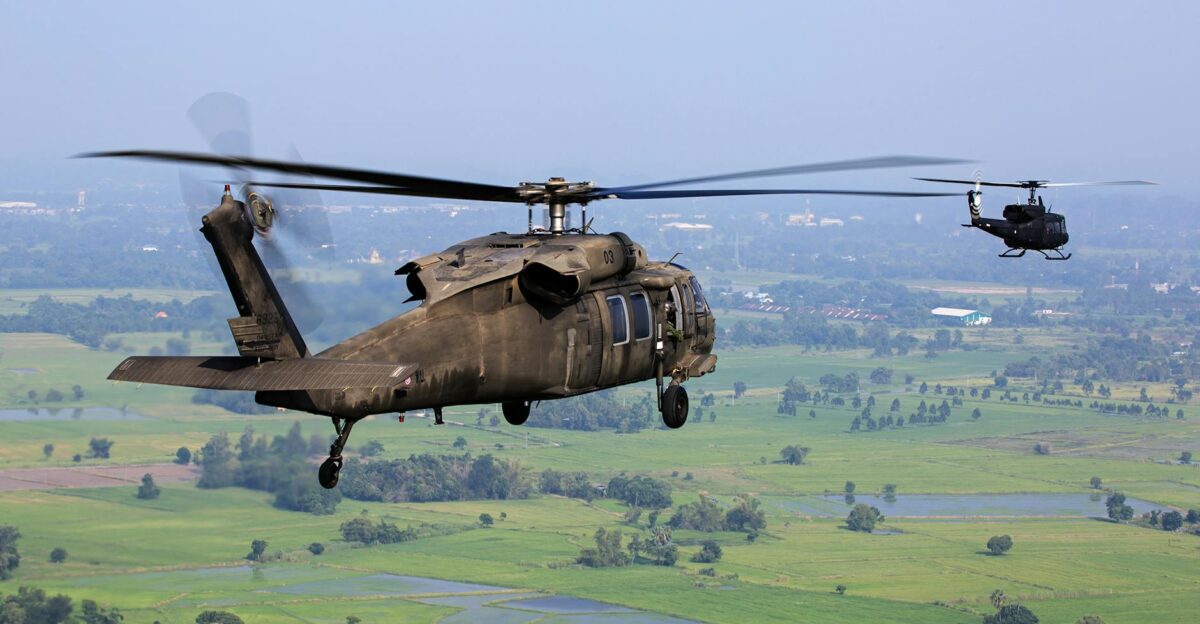
Meanwhile, the Trump administration announced a full‑throttle military offensive against Latin American drug cartels. On Sept. 2, Defense Secretary Pete Hegseth told Fox News the operation involved “assets in the air, assets in the water…this is a deadly serious mission” that “won’t stop…with just this strike”.
This signaled a radical shift: for decades, U.S. interdictions were law-enforcement missions, but now the government was treating traffickers like wartime enemies.
Secretary of State Marco Rubio put it bluntly: “What will stop them is when you blow them up,” he said, casting narcotics runners as combat targets rather than suspects to prosecute.
Prison Origins
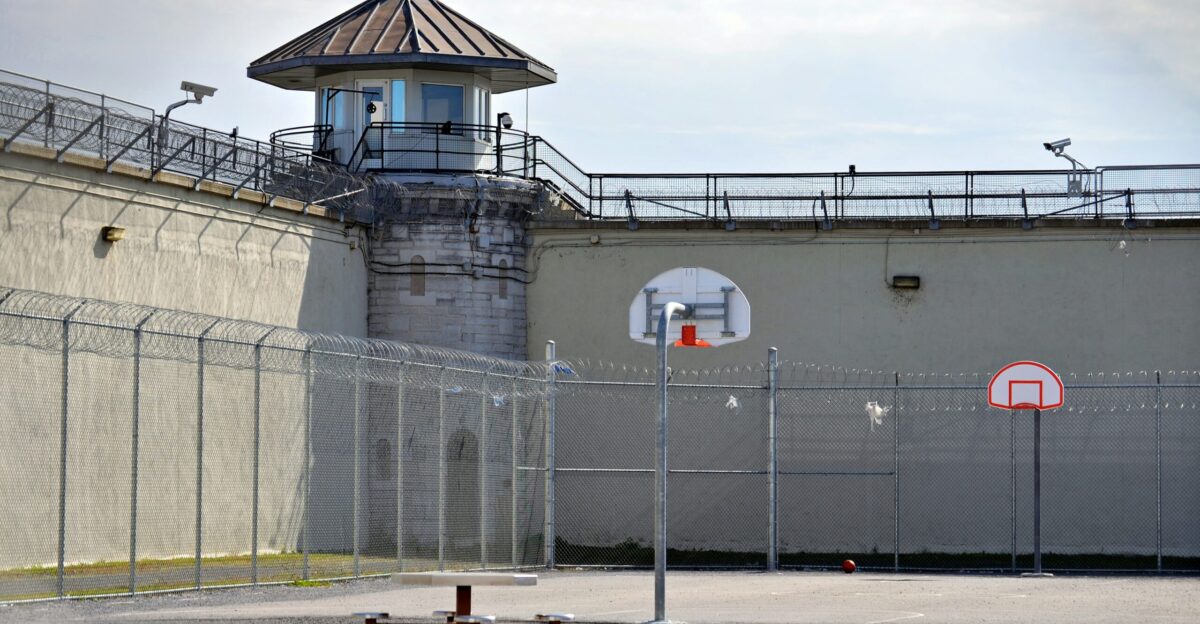
Tren de Aragua, the gang at the center of the crisis, began in Venezuela’s Tocorón prison. By the mid-2010s, inmate leaders under Héctor “Niño” Guerrero had turned Tocorón into a city-sized stronghold. Inmates built a swimming pool, a zoo and restaurants inside the compound.
Guerrero operated the prison as if it were his empire, collecting extortion fees and even hosting barbecues on the yard. When security forces finally stormed Tocorón in September 2023, 11,000 troops retook the facility – but Guerrero slipped away.
The fear he inspired on the outside was palpable. One former store owner, Manuel Marquez, recalled how gang members “tied [my son] up and took everything… That’s how things work here” under Tren de Aragua.
Regional Spread
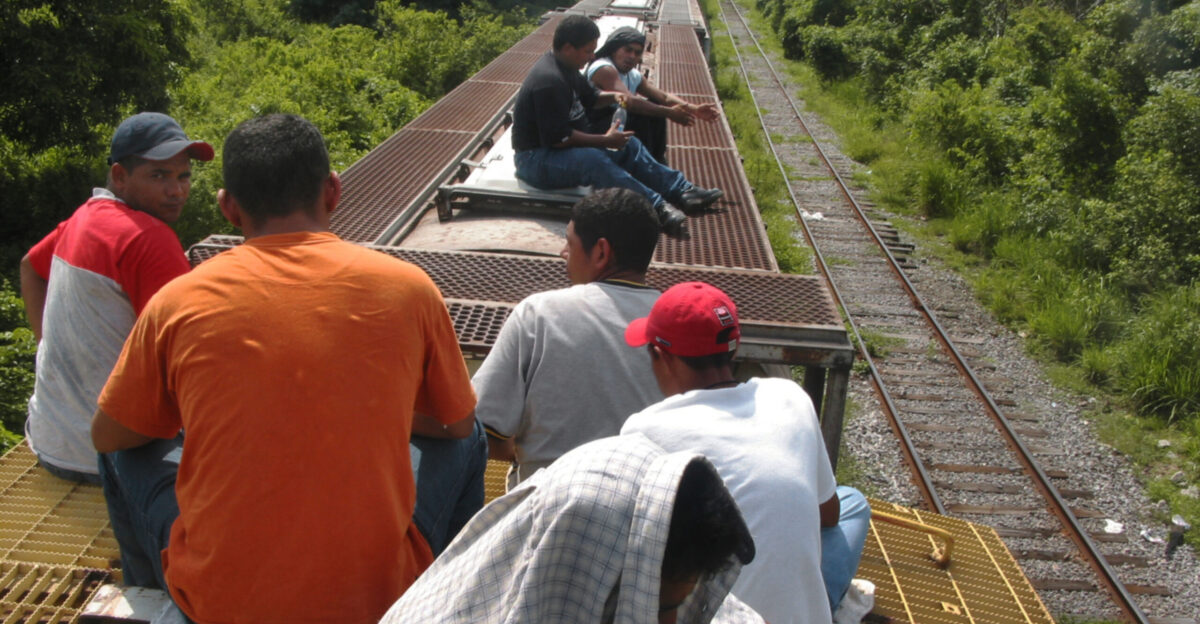
With Guerrero free, Tren de Aragua spread along Venezuelan exodus routes into neighboring countries. By 2025, it had cells in Colombia, Peru, Chile, Ecuador and even Brazil. Gang affiliates quickly adopted local rackets: kidnapping migrants in Peru, extorting farmers in Colombia, smuggling cocaine through Brazil.
Analysts call TdA a “far‑reaching criminal organization” spanning an Andean crime corridor.
Ordinary people in these countries say TdA’s reach has felt real. In Venezuela’s home state of Aragua, a dentist described how gang extortionists knew her name, her children’s schools and even threatened their lives over the phone. In Chile and Peru, migrants report TdA agents extorting them along jungle trails.
Deadly Strike
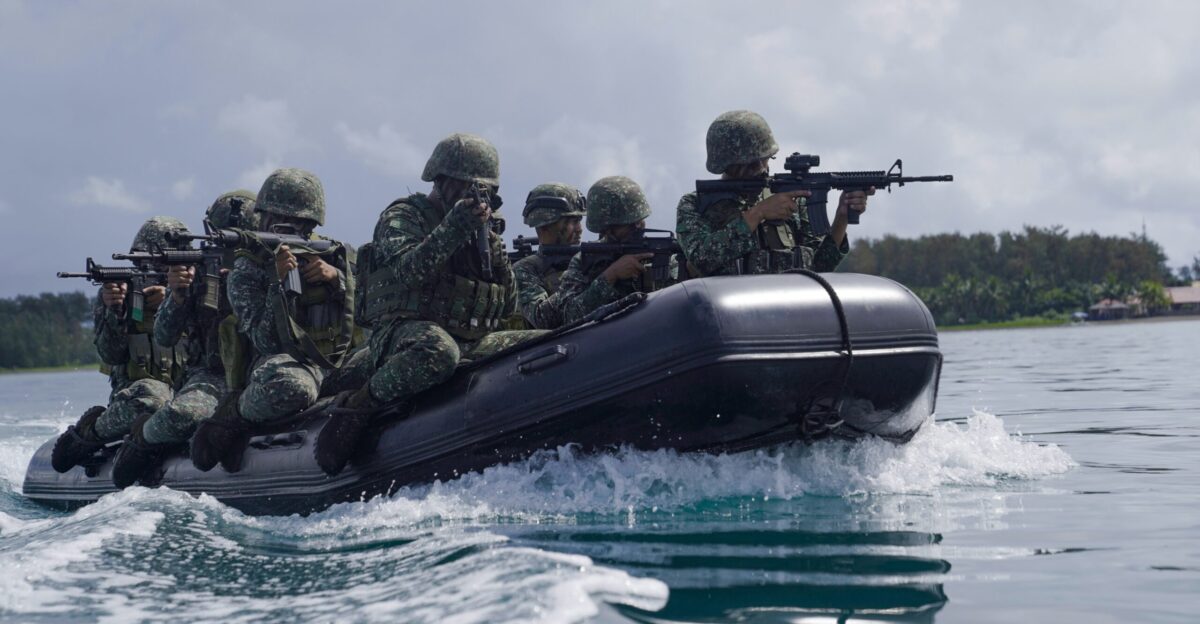
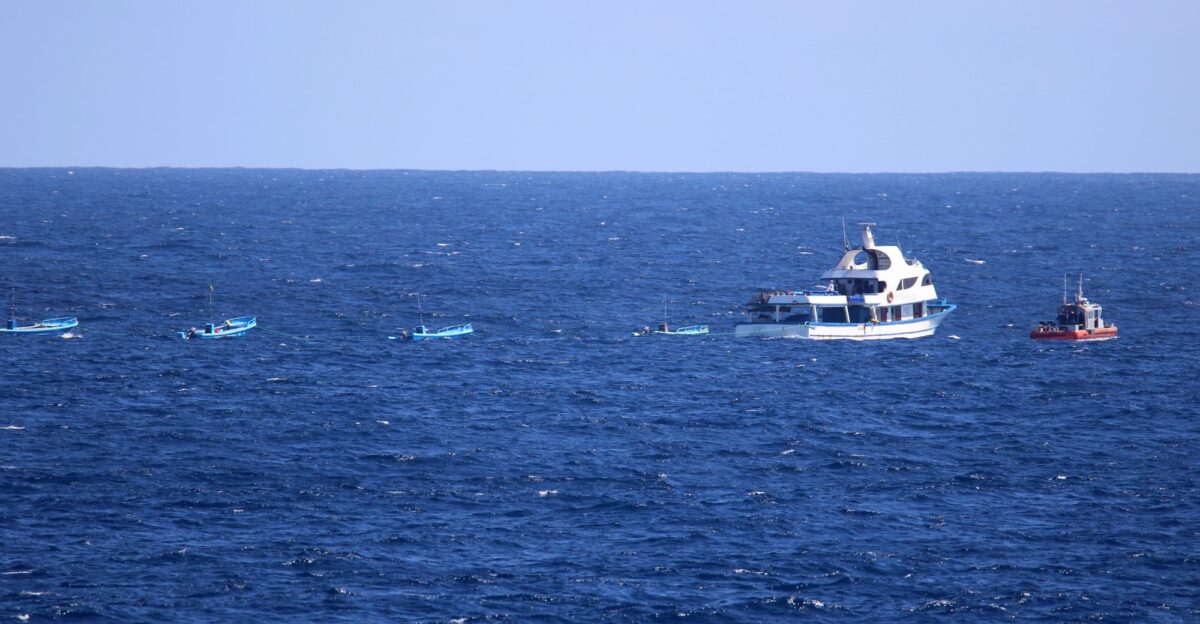
On Sept. 2, U.S. forces on patrol in the southern Caribbean destroyed a small fast boat alleged to be carrying drugs, killing 11 people on board. President Trump posted night‑vision footage of the strike from the White House, declaring the victims were “positively identified” Tren de Aragua narcoterrorists en route to U.S. shores.
He warned, “Please let this serve as notice to anybody even thinking about bringing drugs into the United States”. The State Department had officially labeled TdA a foreign terrorist organization earlier in 2025.
Venezuelan officials immediately questioned the story. One fisherman in Chichiriviche on the Venezuelan coast shrugged off the killing: “Nothing has changed for us, everyone is chill,” he told CNN, noting local boats continued to fish.
Caribbean Impact
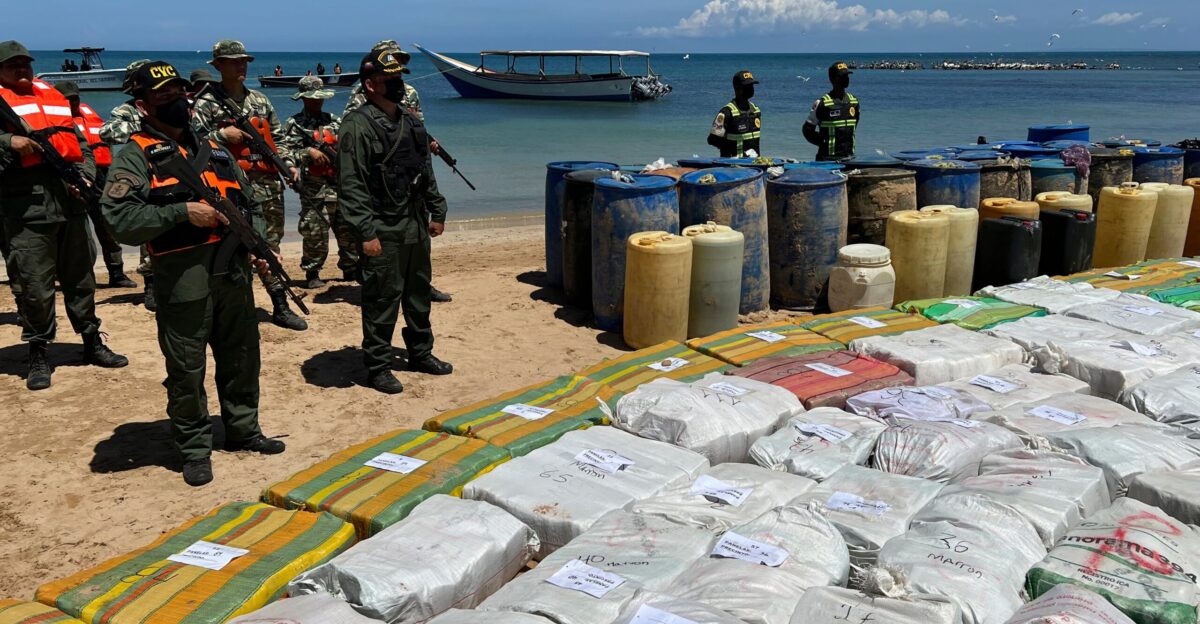
U.S. officials say the strike aimed to close off a new smuggling route. As anti‑drug forces squeezed Pacific pathways, traffickers began rerouting loads into and through Venezuelan waters toward the Caribbean.
Analysts now view Venezuela as an emerging “transit corridor” for Colombian cocaine reaching the Eastern Caribbean. Venezuelan authorities proudly reported seizing a record 52.7 tons of narcotics by August 2025 (about half of what they estimated transited their territory).
Local reports agree that the Caribbean near Venezuela has seen more drug boat traffic. One U.S. Coast Guard intelligence estimate (later leaked to the press) put Venezuelan‑landed cocaine at 5% of the region’s total – a sharp rise.
Human Cost
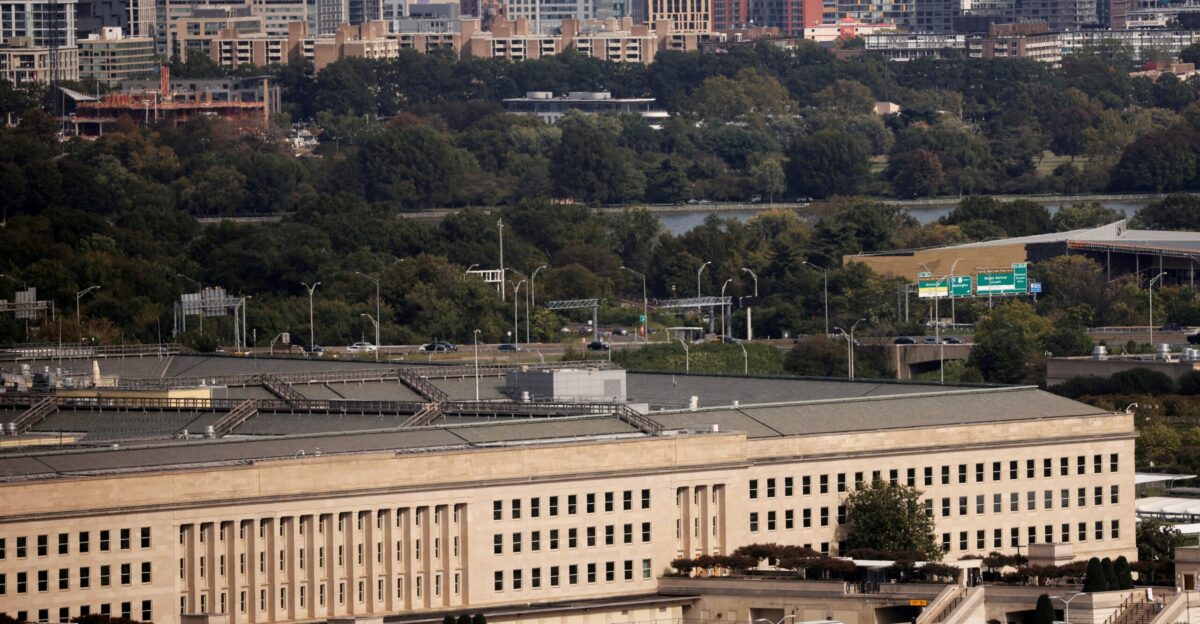
Human rights advocates immediately decried the strike’s brutality. Adam Isacson of the Washington Office on Latin America noted there was “zero evidence of self‑defense here” and called it “a massacre of civilians at sea,” pointing out that carrying drugs alone isn’t punishable by death under international law.
Venezuelan migrants in Colombia and Trinidad, already traumatized by cartel violence, expressed outrage. “Using military forces to kill alleged drug traffickers is an act of murder, not war,” warned Wells Dixon of the Center for Constitutional Rights.
Families of the victims, many long invisible to U.S. media, echoed the horror: a human rights lawyer said relatives described the killings as “extra‑judicial assassinations” – summary executions without any arrest or trial.
Legal Questions
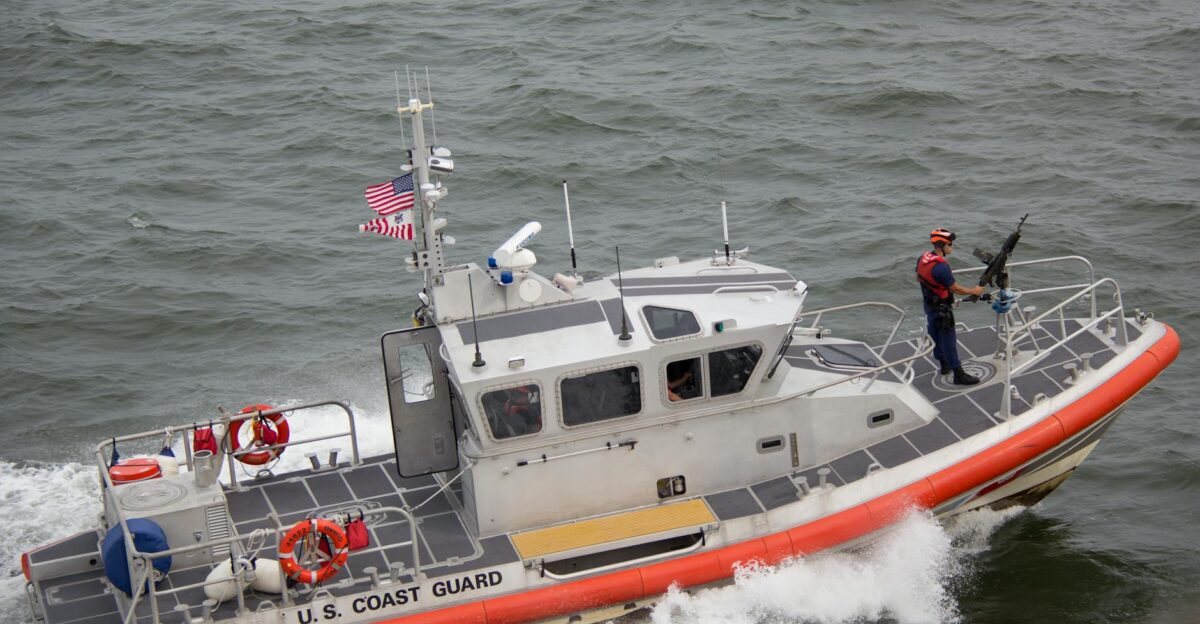
Maritime law experts say the strike breached long‑standing rules at sea. Under U.N. drug‑trafficking treaties and customary law, naval forces are expected to stop, board and search suspect vessels – not destroy them with missiles.
Juan Gonzalez, a former White House adviser, warned on social media that authorizing any vessel sinking “is a slippery slope…without checks, the U.S. risks killing fishermen, migrants or other civilians,” all in the name of weed‑burning assertions.
Vincent Warren of the Center for Constitutional Rights bluntly called the killings “a clear violation of international law.” Amnesty International agreed: if confirmed, the strike would “constitute a clear violation of the right to life under international human rights law,” it stated.
Naval Buildup
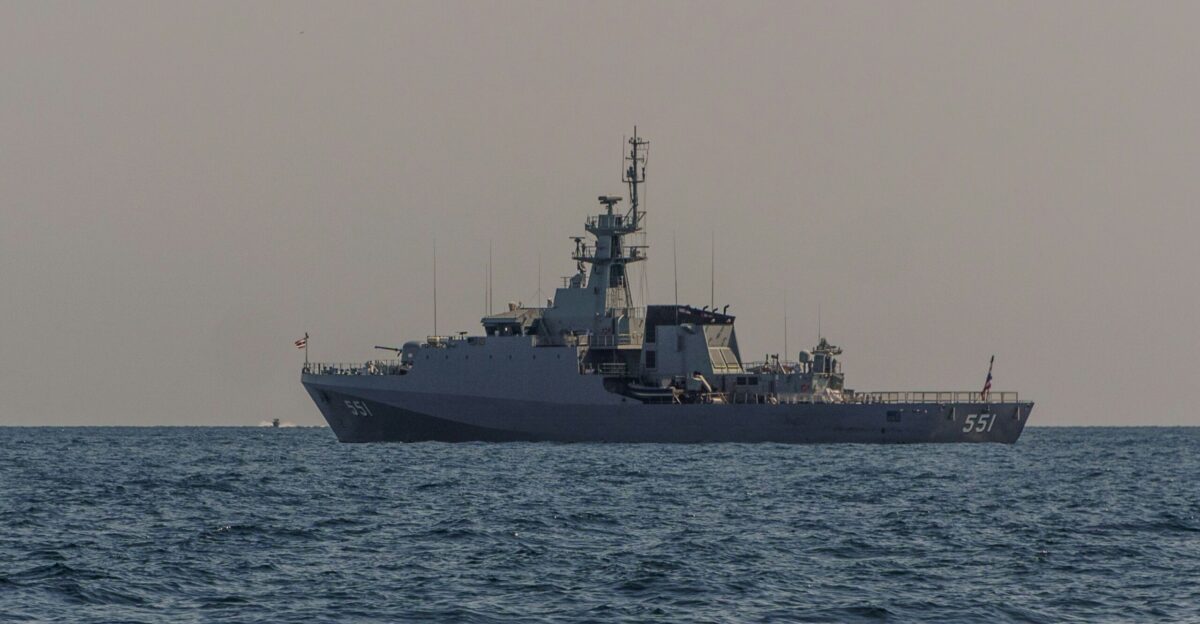
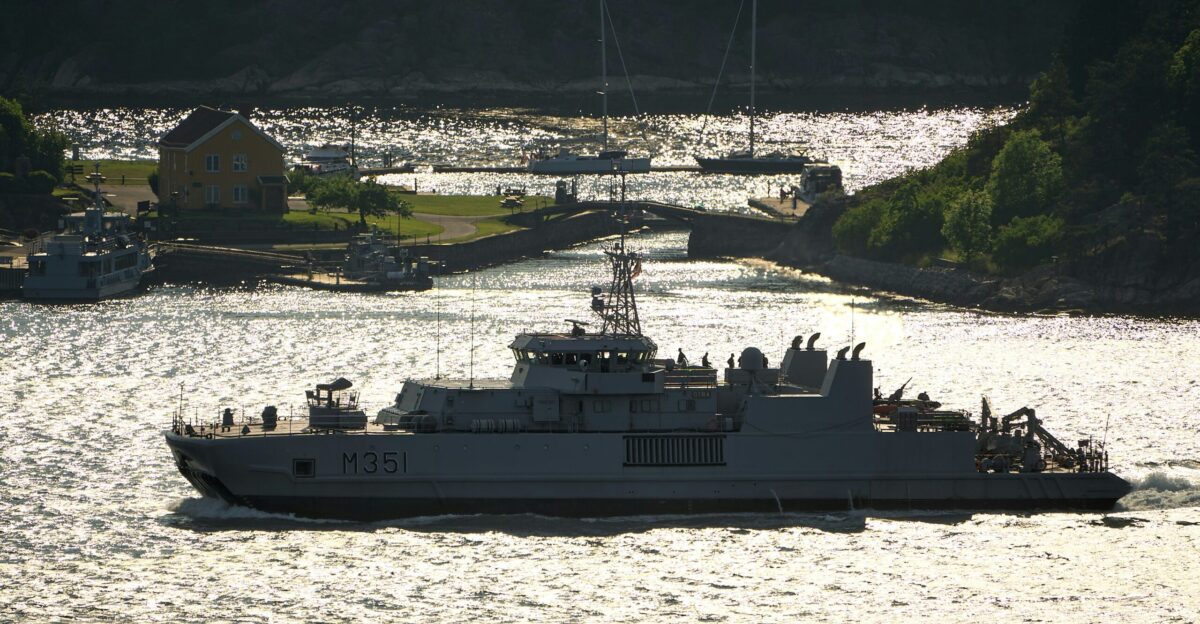
The boat strike was followed by the largest U.S. naval deployment in the Caribbean in decades. Within 48 hours, three destroyers and an amphibious assault group carrying roughly 4,500 U.S. sailors and Marines moved into position off Venezuela.
The task force includes a guided-missile cruiser and at least one attack submarine in the mix. (The USS Sampson – hull #102 – is pictured here alongside commercial docks in Panama City. The warship arrived as dozens of Venezuelan‑flagged fishing vessels remained at sea.)
Republican and opposition Venezuelan figures applauded this show of force. María Corina Machado, a Venezuelan opposition leader in exile, said: “Finally, we’re seeing the right approach” against narcoterrorists.
Congressional Oversight
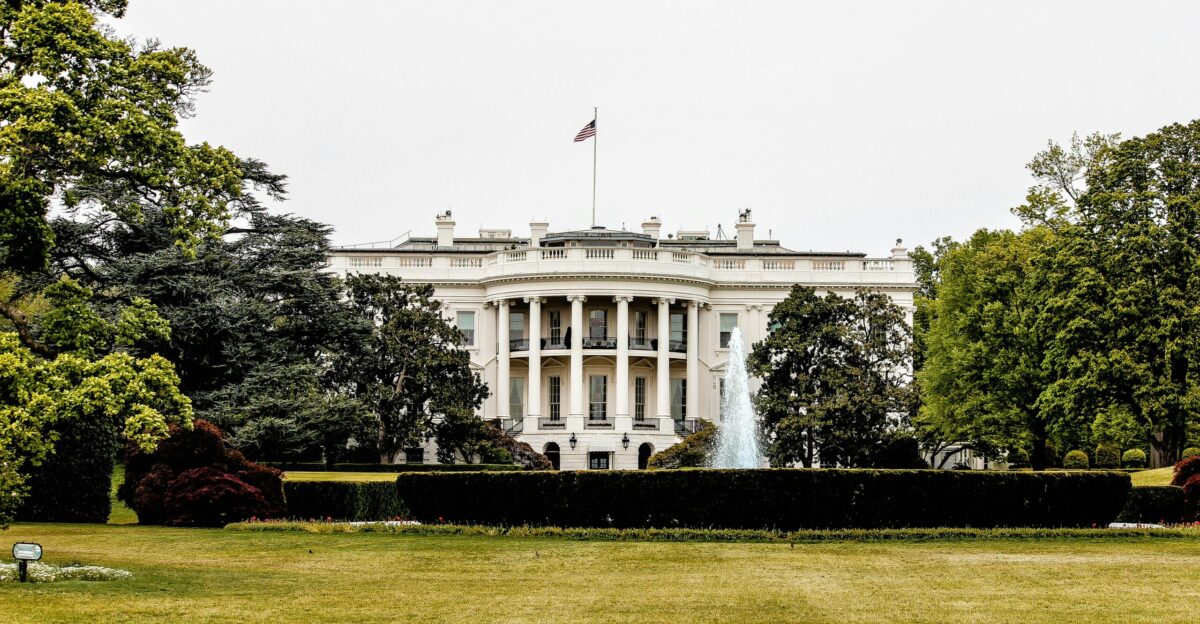
The White House is now facing heated questions on Capitol Hill. By law (the War Powers Resolution), the president must notify Congress within 48 hours of deploying U.S. forces and seek authorization for any sustained action.
But Rep. Ilhan Omar (D–MN) pointed out bluntly, “Congress has not declared war on Venezuela, or Tren de Aragua,” calling Tuesday’s strike “lawless,” given that an FTO designation does not waive constitutional war powers. Top lawmakers demanded briefings: Senate Foreign Relations Chair Ben Cardin warned the action could spark a constitutional clash if it continues unreviewed.
The administration has so far provided few details of its legal justification, beyond citing an extreme threat.
Venezuelan Response
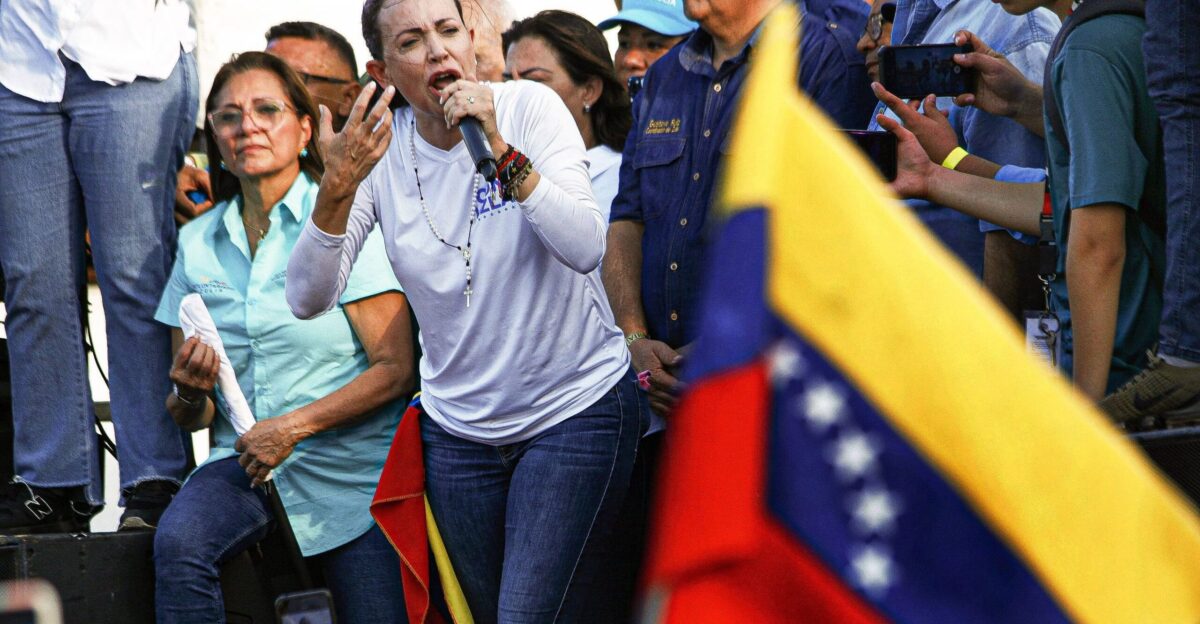
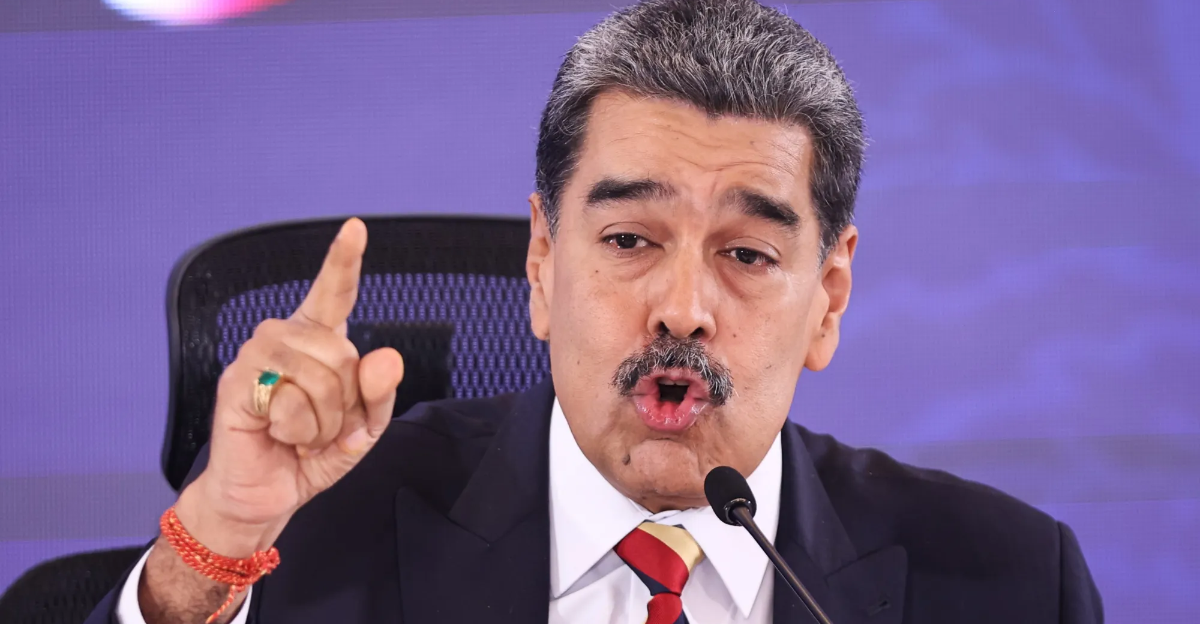
In Caracas, President Nicolás Maduro reacted with defiant theatrics. He vowed to mobilize “millions” of civilian militia to defend Venezuelan sovereignty, warning that “no empire will touch the sacred soil of Venezuela”. His defense minister even declared, “We are not fakes nor drug traffickers, and we will defend the dignity of beloved Venezuela.”
The Venezuelan government dismissed the U.S. strike video as a “cartoonish” AI fake; U.S. officials scoffed. Secretary Hegseth countered, “I can tell you that was definitely not artificial intelligence. I watched it live,” insisting the footage was real.
Despite Maduro’s martial rhetoric, ordinary Venezuelans seem largely unfazed. Fishermen in the coastal village of Chichiriviche told CNN they were “chill” and would keep working on the sea despite the drone of warships.
Policy Shift
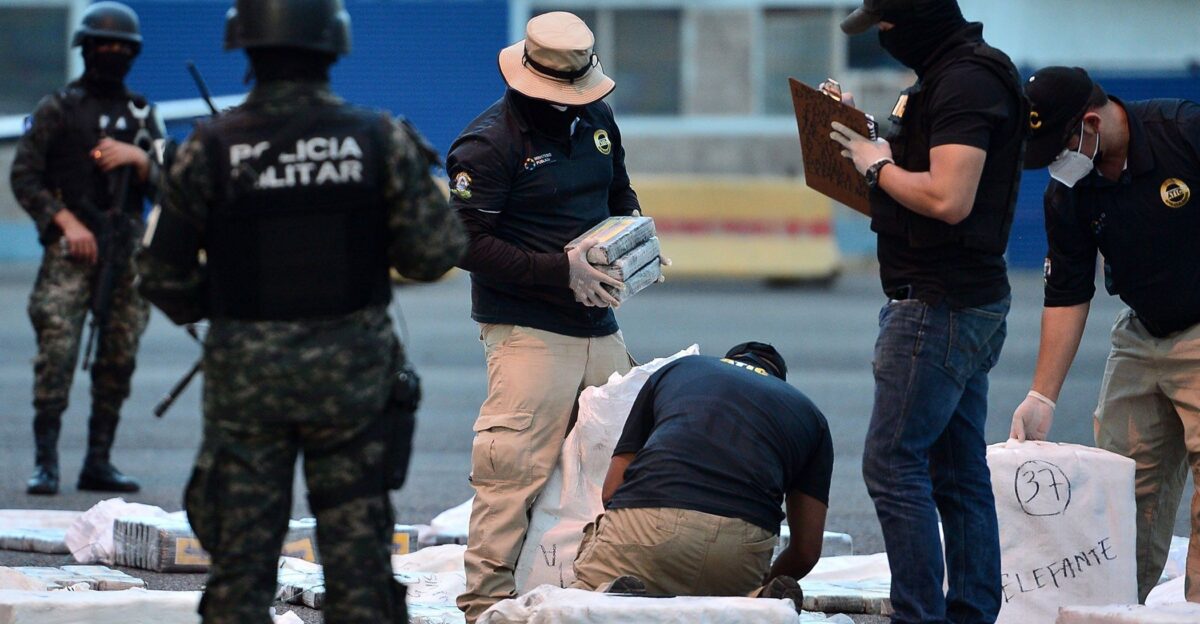
Analysts note that the Trump administration’s approach marks an abrupt policy shift. Where previous U.S. drug strategy emphasized capture-and-arrest (cooperating with foreign police), Trump’s team has embraced lethal force. Secretary Rubio’s quip – “blow them up” – epitomizes this new mindset.
In briefings, the Pentagon has even talked about renaming anti-narcotics efforts as a “Department of War” on cartels. As one State Department official admitted, the old focus on training local law enforcement has given way to shadowy military options.
This hardline turn worries veterans of past drug wars: one former ambassador said that using cruise missiles instead of court orders is a fundamental departure from U.S. law-enforcement traditions.
Recovery Strategy
Behind the scenes, the administration is weaving the drug fight into a broader strategy against Maduro’s regime. Officials hope that destabilizing Venezuela’s illicit networks will weaken Maduro himself. The U.S. has amplified economic pressure – for example, doubling the $25 million bounty on Maduro’s head to $50 million this summer.
This bounty is now part of counter-narcotics rhetoric. Secretary Hegseth was asked on Fox News if regime change was the goal; he called it “a presidential decision,” but added cryptically that the military is “prepared with every asset that the American military has”.
In public statements, Hegseth and others say only that U.S. forces will continue targeting ships tied to crime. But diplomats note that coupling the strike with sanctions and the $50M reward suggests the U.S. is trying to pressure Maduro by squeezing his patronage networks.
Expert Skepticism
Legal scholars and rights groups say these operations risk undermining international norms. Many warn that the strike flouts the United Nations Convention on the Law of the Sea, which emphasizes cooperation and consent for maritime interdiction.
Washington’s notion of shooting to kill suspected traffickers at sea was unheard of before. The Center for Constitutional Rights called the attack “a clear violation of international law,” and U.N. experts noted that killing drug suspects in international waters without a threat to life sets a dangerous example.
One professor of international law noted that if the U.S. goes unchallenged, other navies may follow suit – accelerating a global erosion of due process on the oceans.
Future Operations
Pentagon officials have signaled that more strikes will follow. Hegseth told Fox News the boat attack was just the start, warning, “it’s a new day… The United States is not going to tolerate drug-running in our hemisphere.
His colleagues on TV echoed that anyone caught trafficking will face “the same fate” as those killed. 4,500 U.S. service members remain at sea, and remotely piloted drones are now on quick reaction alert.
But risks abound: the Venezuelan Air Force has flown over U.S. ships – raising the specter that one mistake could spark a broader clash. In other words, this crusade in the Caribbean could easily misfire into a full-blown military incident.
Political Implications
Washington’s actions have ignited a domestic debate over presidential war powers. Critics argue that Trump’s naval campaign sidesteps Congress and revives a perennial struggle over who controls U.S. military force. By ordering strikes without clear authorization, the president is stretching executive authority beyond its usual limits.
Some Democratic and Republican lawmakers worry this sets a troubling precedent: that a president can wage “war on drugs” abroad as he sees fit, without legislative oversight.
One congressional lawyer warned that letting this slide could tempt future presidents to launch covert killings whenever they wish.
International Fallout
U.S. partners in Latin America have voiced concern about the Caribbean operation. Mexico’s government cautiously urged de-escalation and underscored the need for cooperation, while Colombia’s foreign ministry noted it had not been consulted.
Brazil, traditionally averse to intervention, restated its commitment to the non‑intervention principle. The strike also sent shock waves through regional anti-drug alliances.
For decades, the U.S. worked in lockstep with Latin nations on joint interdictions; now some officials fear unity could fracture. As one Latin American diplomat put it, unilateral force outside legal frameworks could “undermine the cooperation we’ve built up” and strain alliances that rely on trust.
Maritime Law
Lethal strikes on the high seas challenge a century of international law. Traditionally, any ship suspected of smuggling must be detained under strict rules: boarding, inspection, and due process. The Caribbean blast skipped all that. Legal experts warn that without consequences, other states might imitate the tactic.
The 1982 Law of the Sea and the 1988 UN drug treaty both emphasize cooperation, not bombardment. In practice, navies have long used non‑lethal methods: firing warning shots, detaining crew or turning cases over to courts.
Amnesty International insisted the U.S. must demonstrate that lethal force was “strictly unavoidable” each time it strikes in law enforcement roles.
Cultural Shift
Beyond policy, the incident reflects a cultural change in how violence is portrayed. The president publicly giddily posted the strike video, which one pundit likened to a “video game or movie clip” of extrajudicial killing. Human rights advocates warn that this normalizes summary executions.
Instead of handcuffs and courts, we see missiles and live-streamed carnage. Political analysts note that by labeling drug traffickers “terrorists” and destroying their boats, the administration has blurred the line between crime‑fighting and warfare.
Journalist interviews around the region suggest people are unsettled: one op-ed writer observed that this rhetoric turns complex social problems into simplistic shoot‑to‑kill narratives, eroding public understanding that suspects usually deserve a day in court.
Dangerous Precedent
For many international observers, the Caribbean strike is a dangerous new precedent. It extends U.S. military reach far beyond the post‑9/11 war on terror to any group the president brands “narco‑terrorist.” If others follow Washington’s lead, any nation could justify attacking non-military targets simply by alleging crime ties.
Human rights lawyers fear a future where a misidentified vessel could be obliterated without any accountability. The U.S. has long championed the rule of law on the seas; critics warn that if this strike goes without repercussion, it may have effectively abandoned those principles.
Ultimately, the boat attack may be remembered as the day America quietly rewrote the rules of maritime policing – with outcomes that could reverberate across the oceans for years to come.