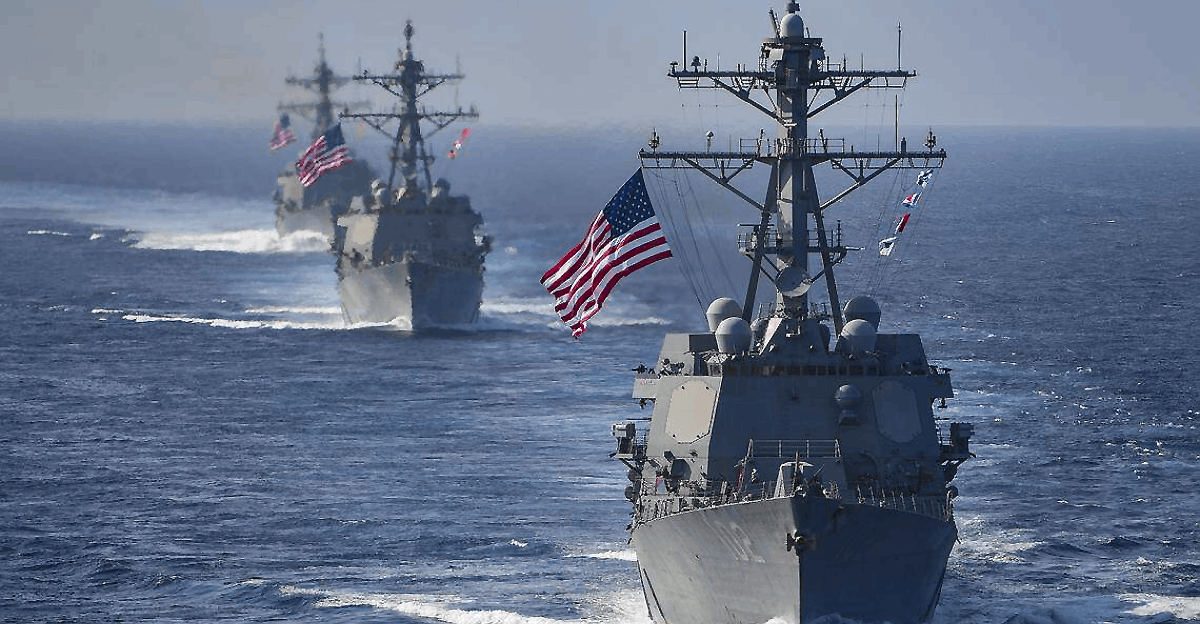
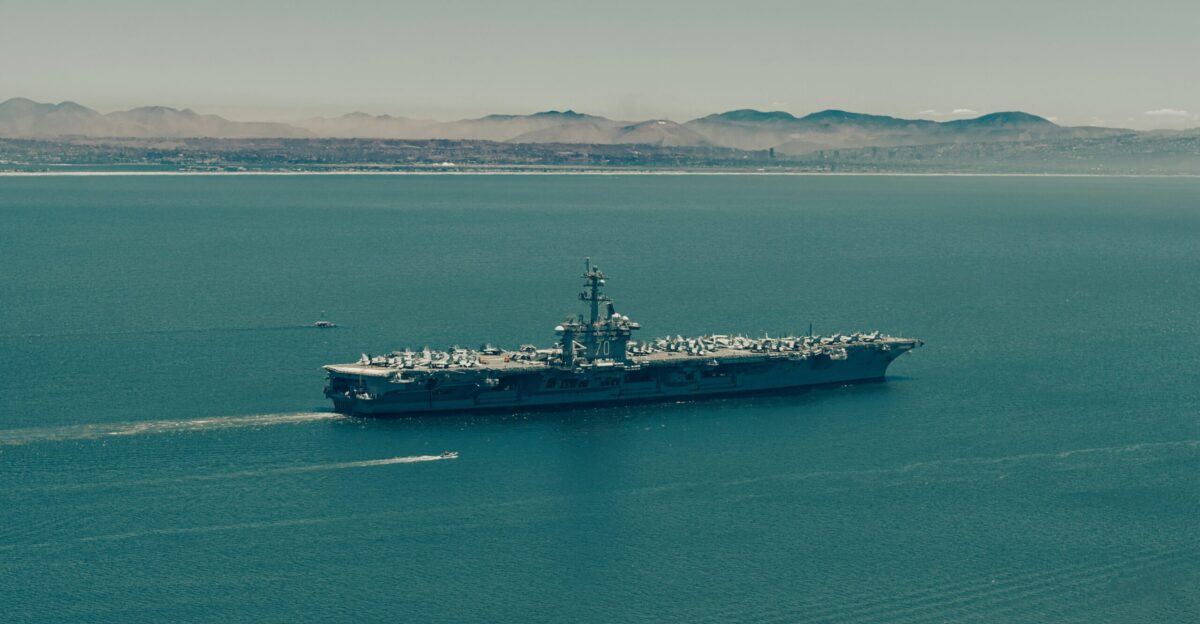
The Trump administration has deployed eight warships, carrying 4,500 personnel, near Venezuela, marking the largest U.S. military presence in the Caribbean since 1965.
This fleet targets drug cartels and includes destroyers, assault ships, and a nuclear submarine equipped with over 1,200 missiles.
Escalating Tensions
Venezuelan President Nicolas Maduro views the naval force as a means of preparing against potential attempts to overthrow his government, rather than for drug fighting.
He described the situation as “the biggest threat our continent has seen in the last 100 years” and has mobilized millions of militia members in response.
Historical Context
U.S.-Venezuela relations worsened during Trump’s presidency due to oil sanctions and the refusal to recognize Maduro’s elections.
The current administration has labeled Venezuelan gangs as terrorist groups and raised the bounty on Maduro’s capture to $50 million.
Regional Pressure
The southern Caribbean has become a key route for drug trafficking from Latin America to North America and Europe.
The Trump administration has aimed at the “Cartel of the Suns,” allegedly linked to Venezuelan President Maduro, though no public evidence directly ties him to drug trafficking.
Deadly Strike
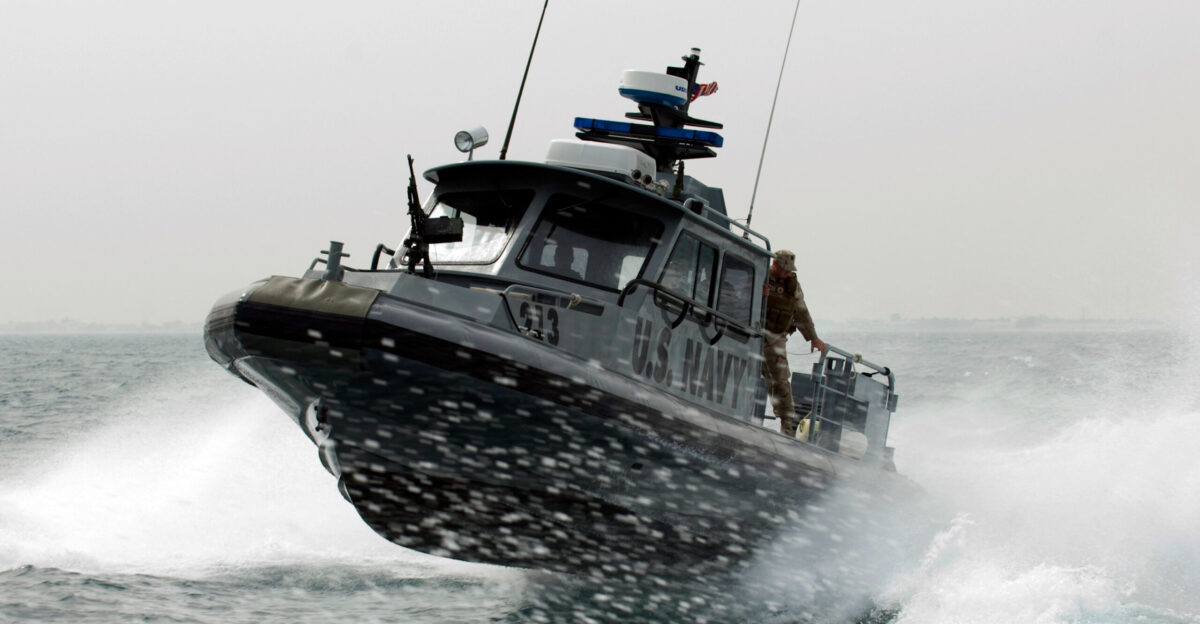
On September 2, U.S. forces destroyed a Venezuelan speedboat in international waters, killing 11 people, said by President Trump to be linked to the Tren de Aragua gang.
He released video footage of the strike, while Venezuelan officials questioned its authenticity and condemned it as extrajudicial murder.
Regional Impact
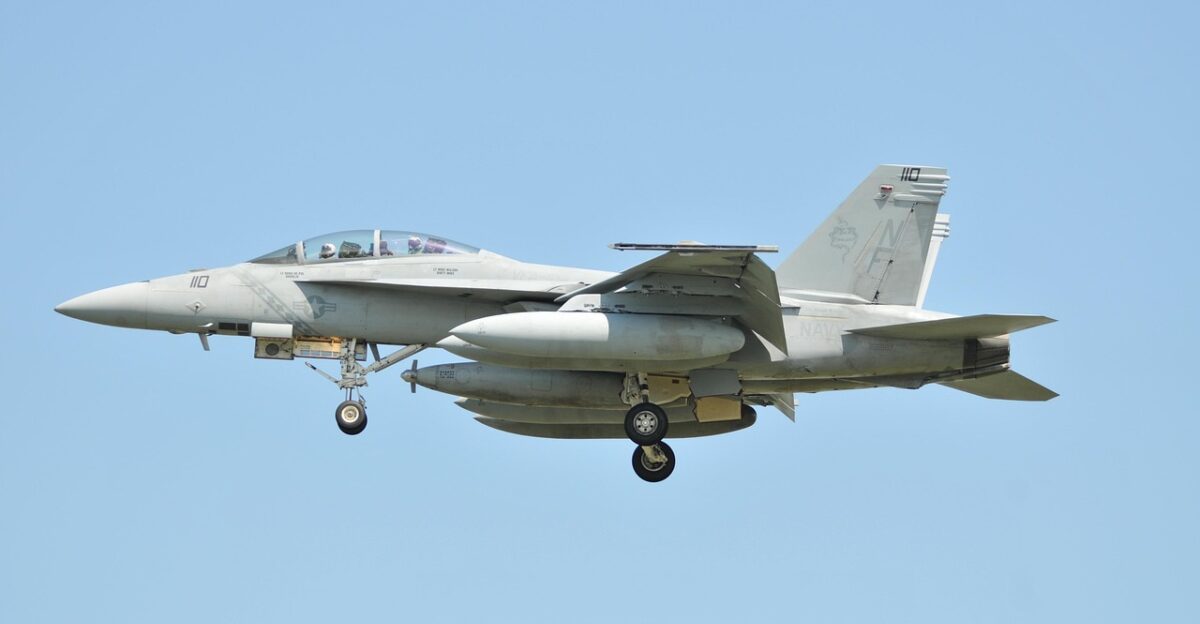
The recent Caribbean strike has alarmed Latin American governments, who are concerned about U.S. military interventions.
Defense experts question its legality under international law, and regional leaders worry about the growing U.S. military presence in nearby waters.
Response
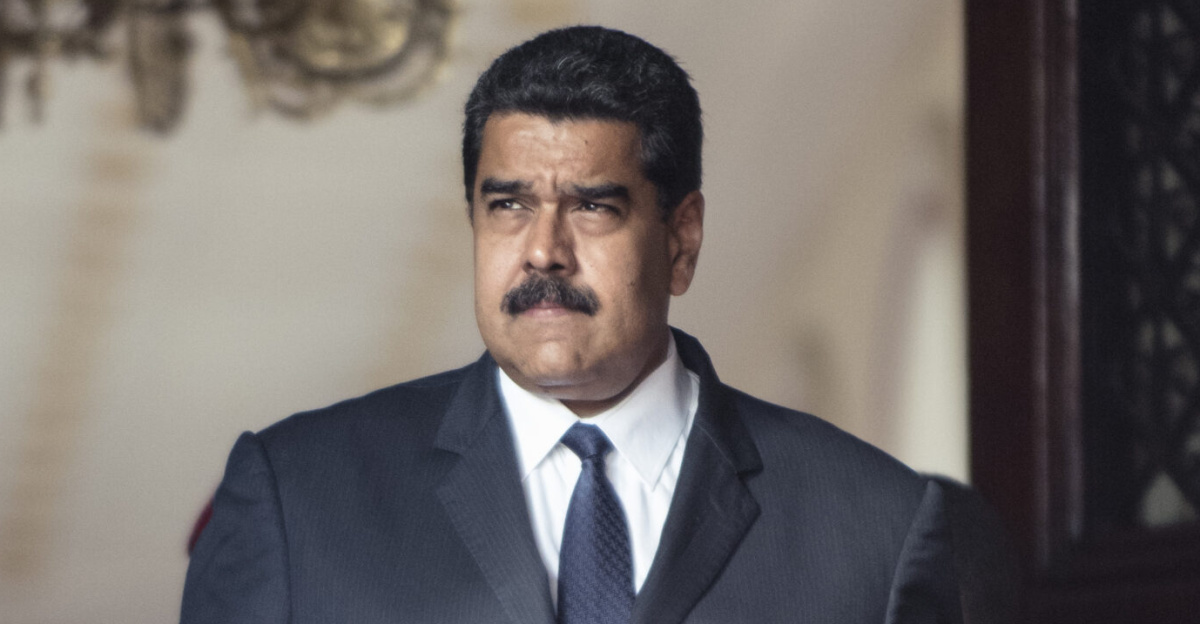
In a televised address, Venezuelan President Nicolás Maduro told reporters, “Venezuela has always been willing to talk, to engage in dialogue, but we demand respect.”
Opposition leader María Corina Machado supported Washington’s stance, stating on Fox News that officials had taken “the right approach” in confronting Maduro.
Military Hardware
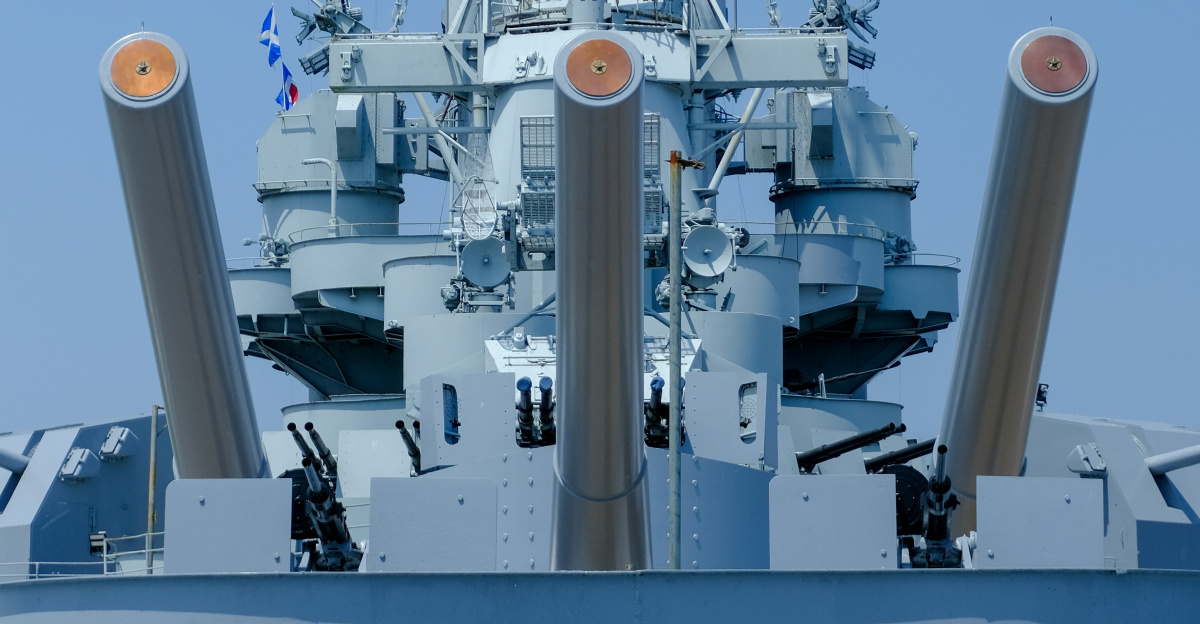
The USS Gravely, USS Jason Dunham, and USS Sampson form a destroyer group equipped with Tomahawk cruise missiles that can strike targets over 1,000 miles away.
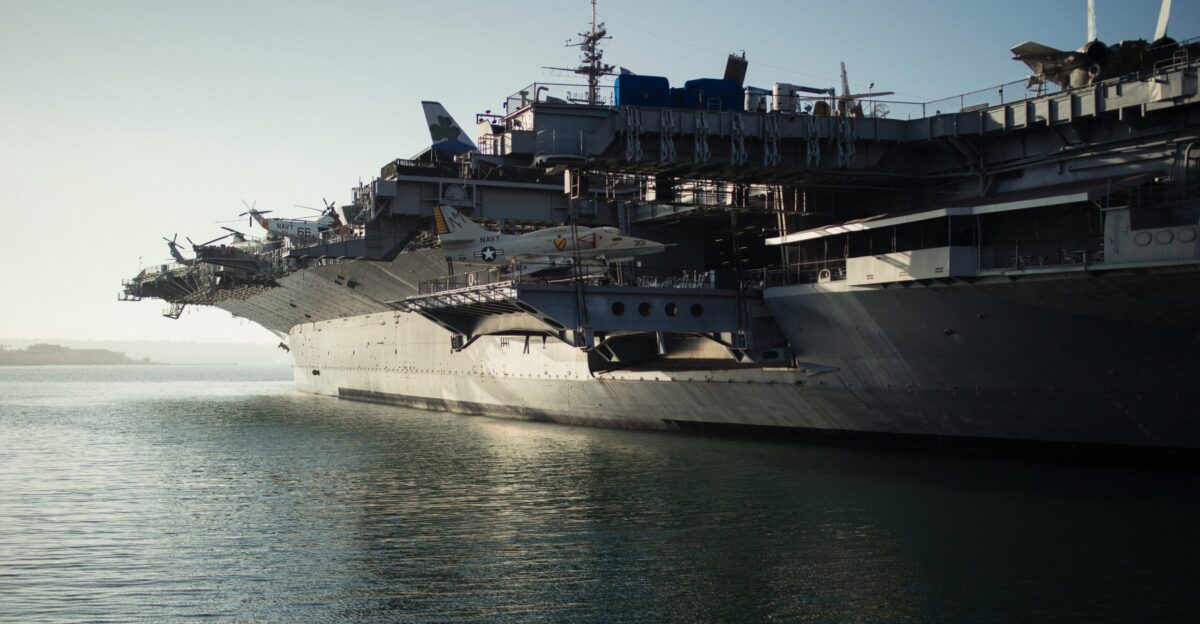
The USS Iwo Jima is transporting 2,500 Marines from the 22nd Expeditionary Unit, providing rapid-response capabilities for military operations.
Strategic Analysis
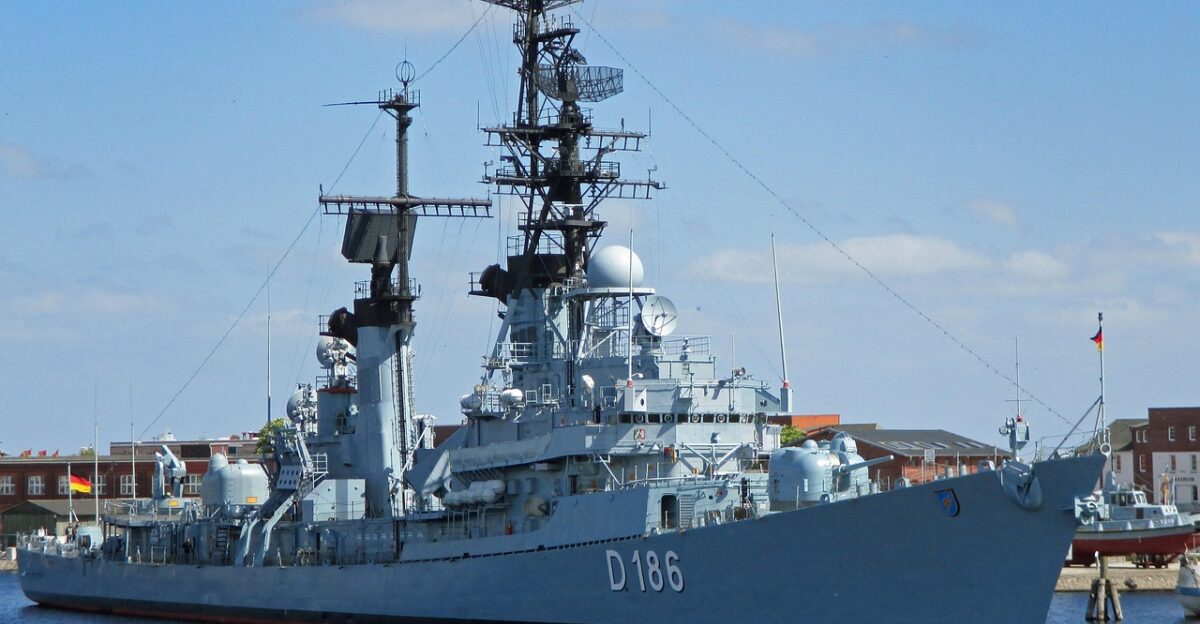
Temple University historian Alan McPherson noted that the recent military deployment resembles “gunboat diplomacy” from over a century ago.
Military analysts suggest the flotilla’s size exceeds what is required for drug operations, indicating potential broader goals like pressuring Maduro’s government or encouraging military uprisings.
Air Confrontation
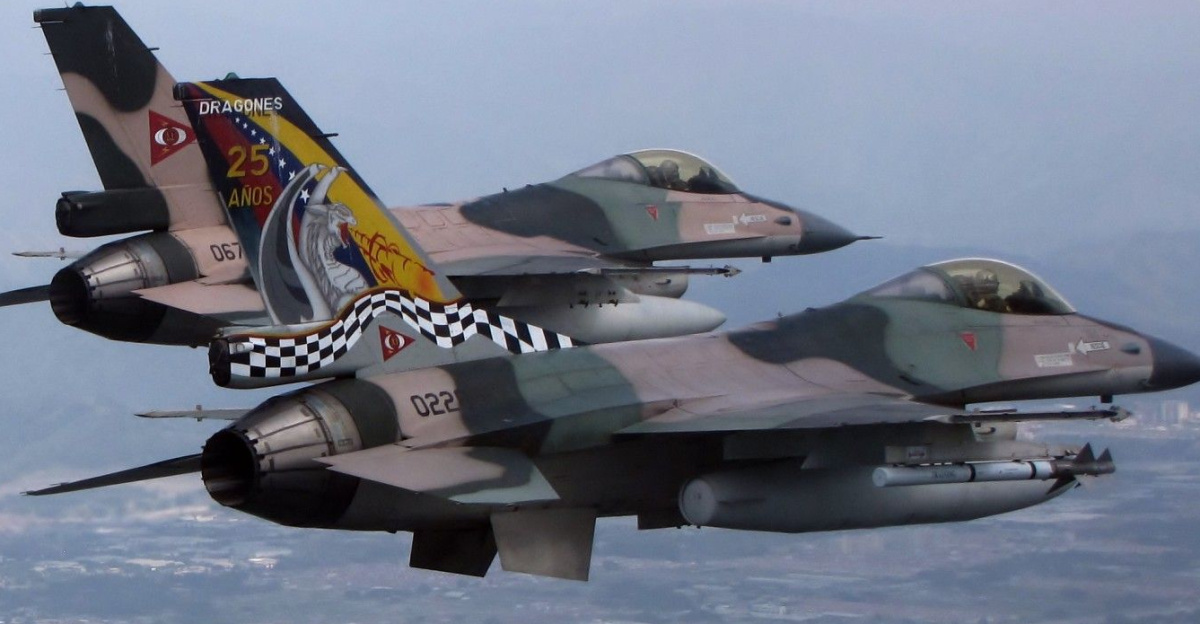
On September 4, two Venezuelan F-16 jets flew over the USS Jason Dunham, prompting Pentagon warnings about interference with anti-drug operations.
This incident marks a troubling escalation from naval positioning to direct military confrontation between American and Venezuelan forces.
Internal Divisions
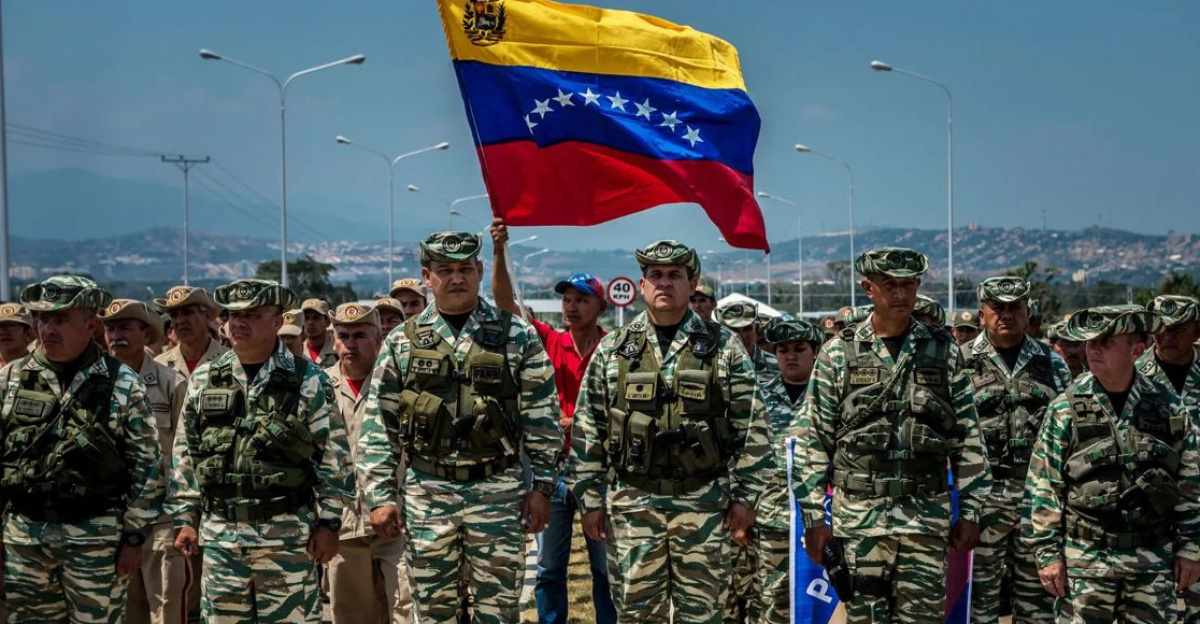
Venezuelan military officials privately express concerns about Maduro’s confrontational response to overwhelming U.S. firepower, sources report.
Some commanders question whether mobilizing militia forces against superior American naval capabilities represents sound strategy or dangerous brinksmanship that could trigger wider conflict.
Leadership Shift
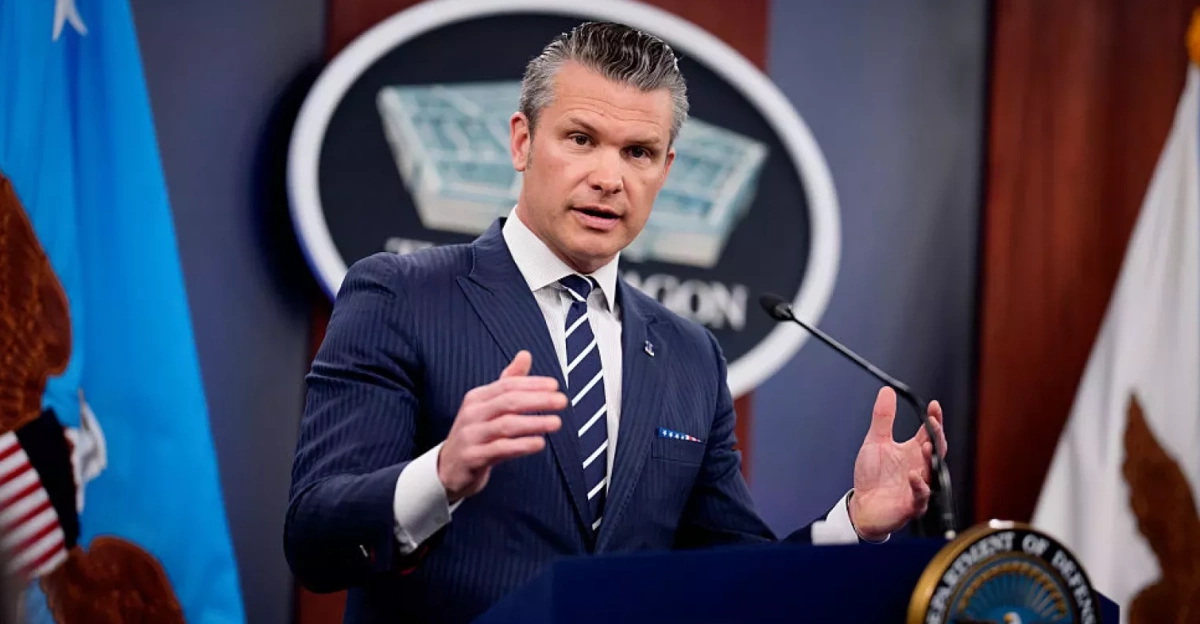
Defense Secretary Pete Hegseth warned military operations “won’t stop with just this strike” while appearing on Fox News.
He stated that “anyone else trafficking in those waters who we know is a designated narco-terrorist will face the same fate.”
Counter Strategy
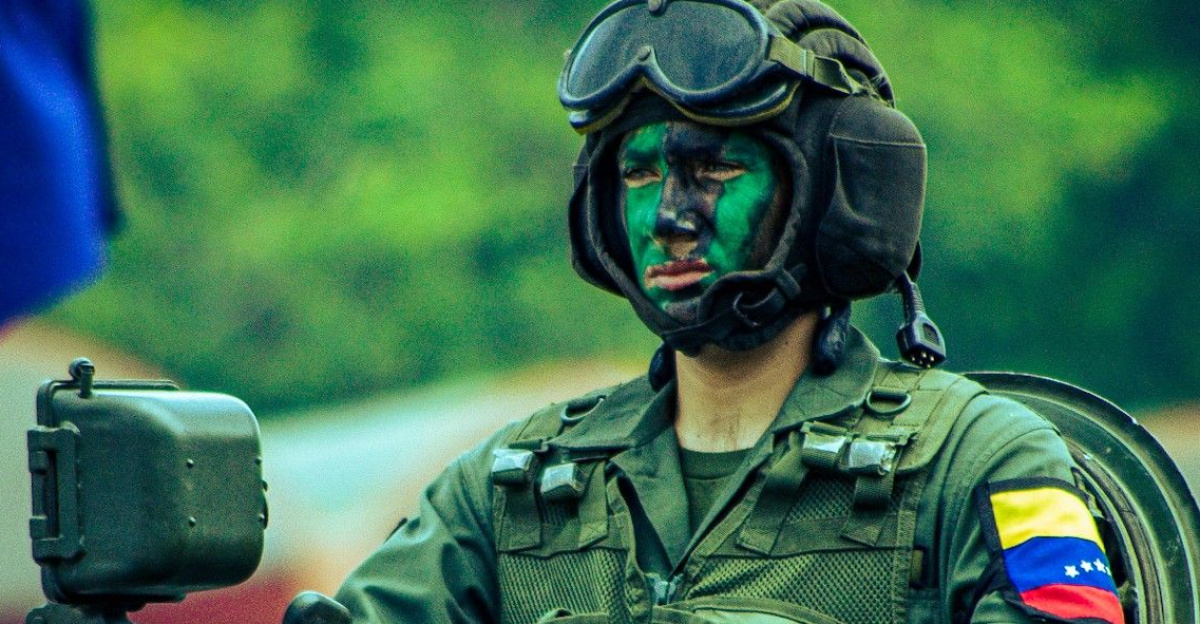
Venezuela deployed 25,000 additional troops to the border and coastal regions, officially for anti-drug efforts but widely seen as defensive positioning.
Maduro announced that Christmas celebrations would be moved to October, claiming authority to defend “the right to happiness” amid mounting external military pressures.
Expert Skepticism
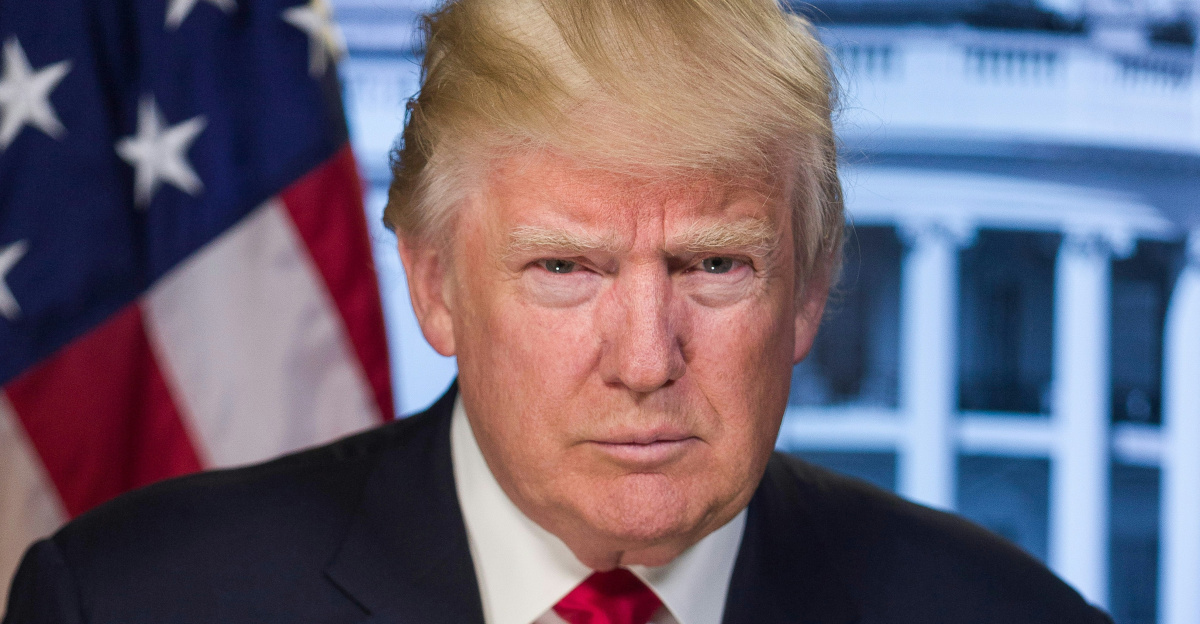
Foreign policy specialists question whether military pressure will achieve Trump’s stated goals of reducing drug flows or removing Maduro from power.
Previous “maximum pressure” campaigns failed to dislodge the Venezuelan leader, who survived U.S. sanctions, coup attempts, and assassination plots during his decade-long rule.
Future Questions
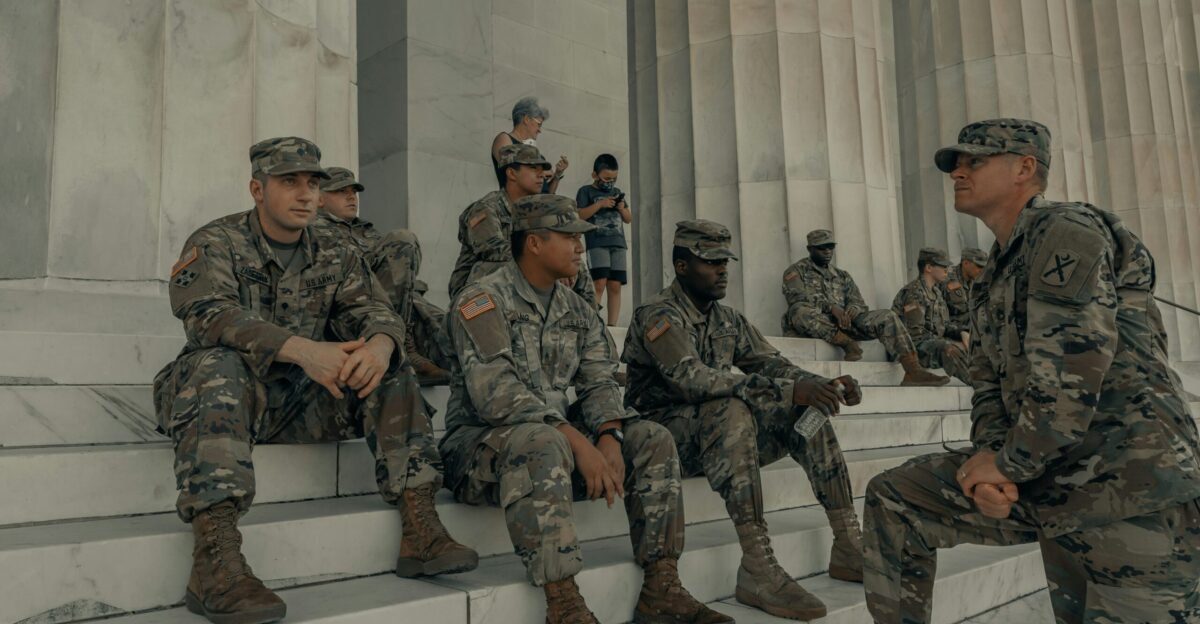
Will the Caribbean become the stage for direct U.S.-Venezuela military confrontation, with potential ripple effects throughout Latin America?
The answer may depend on whether either side miscalculates in this dangerous game of brinkmanship unfolding in international waters.
Congressional Response
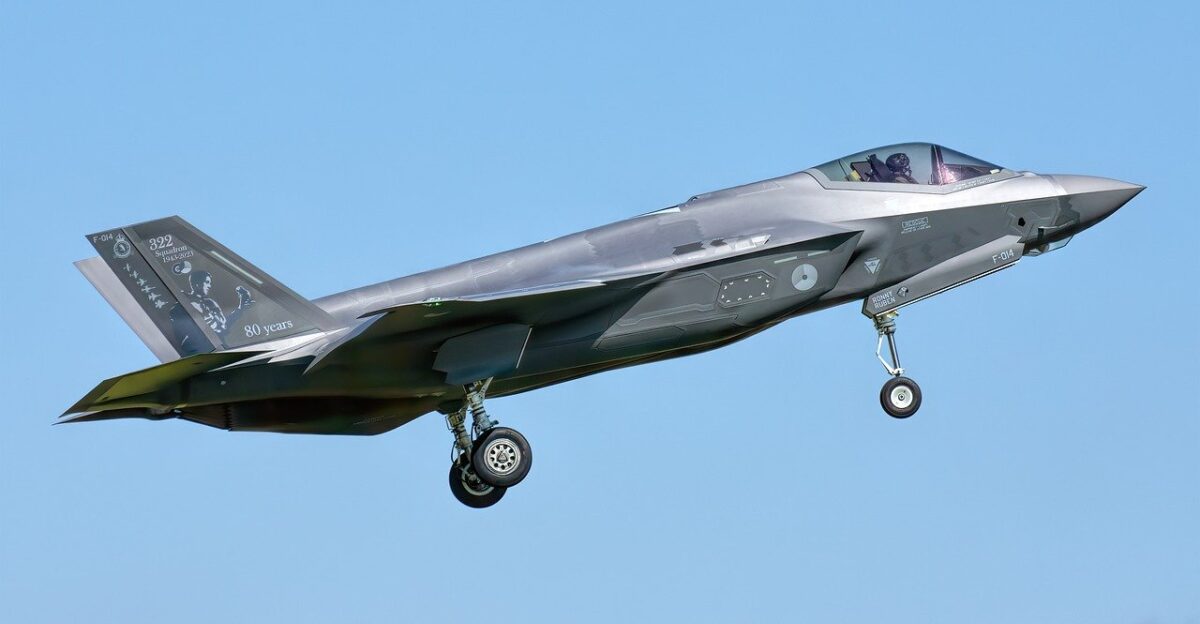
Trump deployed 10 F-35 stealth fighters to Puerto Rico without explicit Congressional authorization, raising constitutional questions about undeclared military action.
The president’s warning that Venezuelan aircraft will be “shot down” if they endanger U.S. vessels further escalates legal and political stakes.
International Ripples
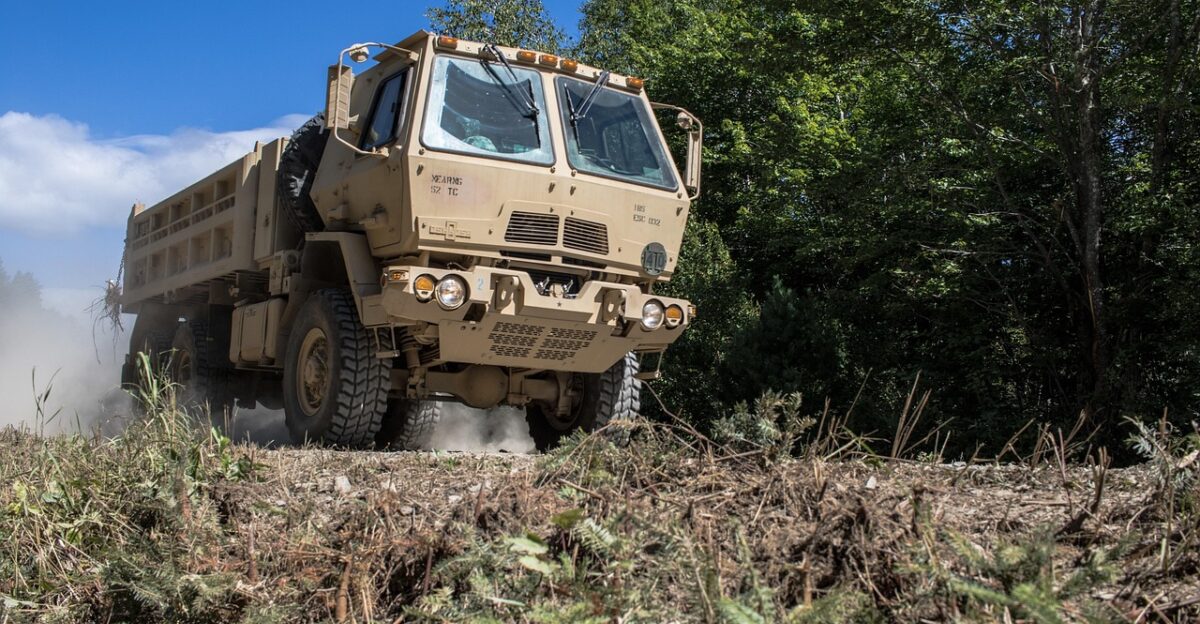
European allies quietly express concern about unilateral U.S. military action in Latin America, diplomatic sources reveal.
Meanwhile, China and Russia may exploit regional tensions to expand their Caribbean influence while regional powers fear being forced to choose sides.
Legal Questions
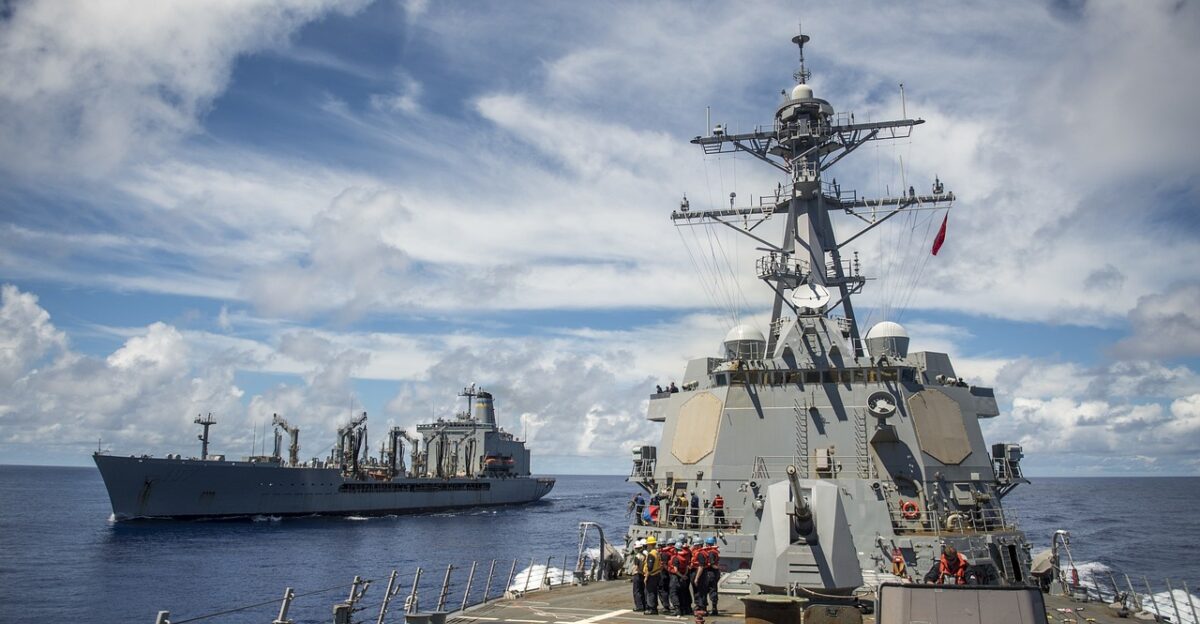
International law experts debate whether the September 2 boat strike constituted lawful counter-terrorism or extrajudicial killing under maritime law.
The operation occurred in international waters without prior warning or surrender opportunity, potentially violating human rights conventions governing the use of lethal force.
Cultural Impact
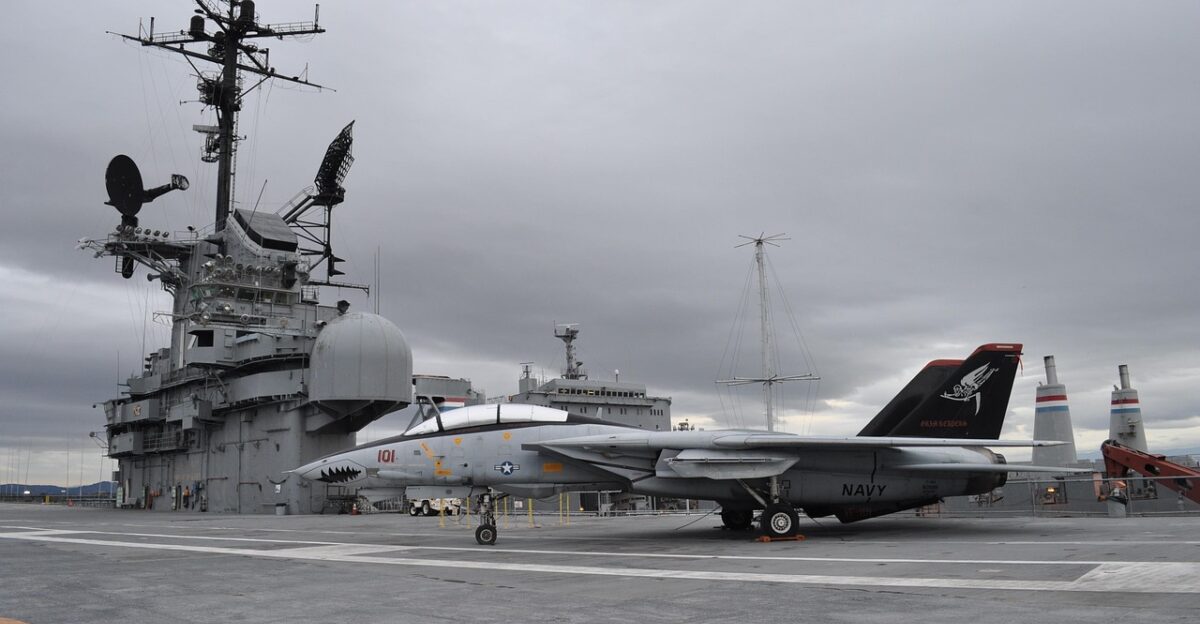
Venezuelan state media portrays the crisis as David-versus-Goliath resistance against American imperialism, while U.S. officials frame operations as combating narco-terrorism.
The competing narratives reflect deeper cultural and ideological divisions, shaping how each side justifies potential military escalation toward its populations.
Broader Implications
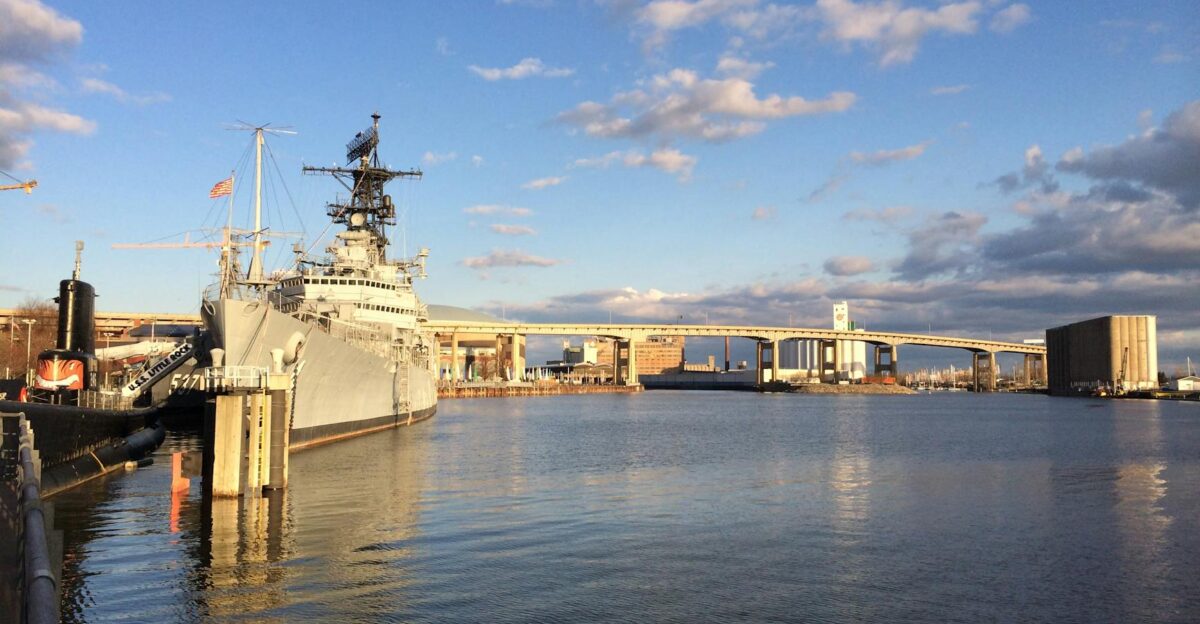
The Caribbean standoff represents a test case for Trump’s willingness to use military force against Latin American governments, potentially reshaping regional power dynamics.
Whether tensions de-escalate through diplomacy or explode into wider conflict may determine the future of Western Hemisphere relations for decades.