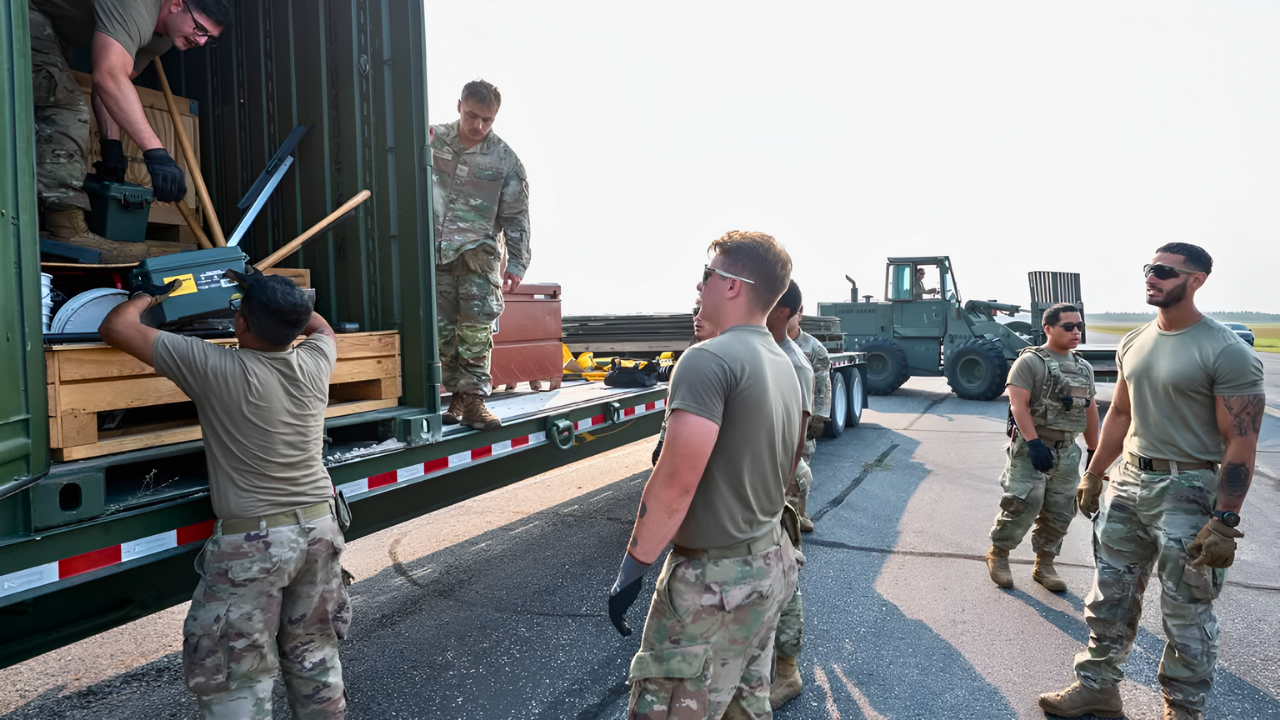
In September 2025, the U.S. military reactivated Roosevelt Roads Naval Station in Ceiba, Puerto Rico — closed since 2004.
F-35B stealth fighters, helicopters, and transport aircraft landed on its 11,000-foot runway, marking the first major US military activity there in over two decades.The revival transforms Puerto Rico into a forward staging hub in the Caribbean — within striking range of Venezuela.
Scale of the Buildup: A Major Presence
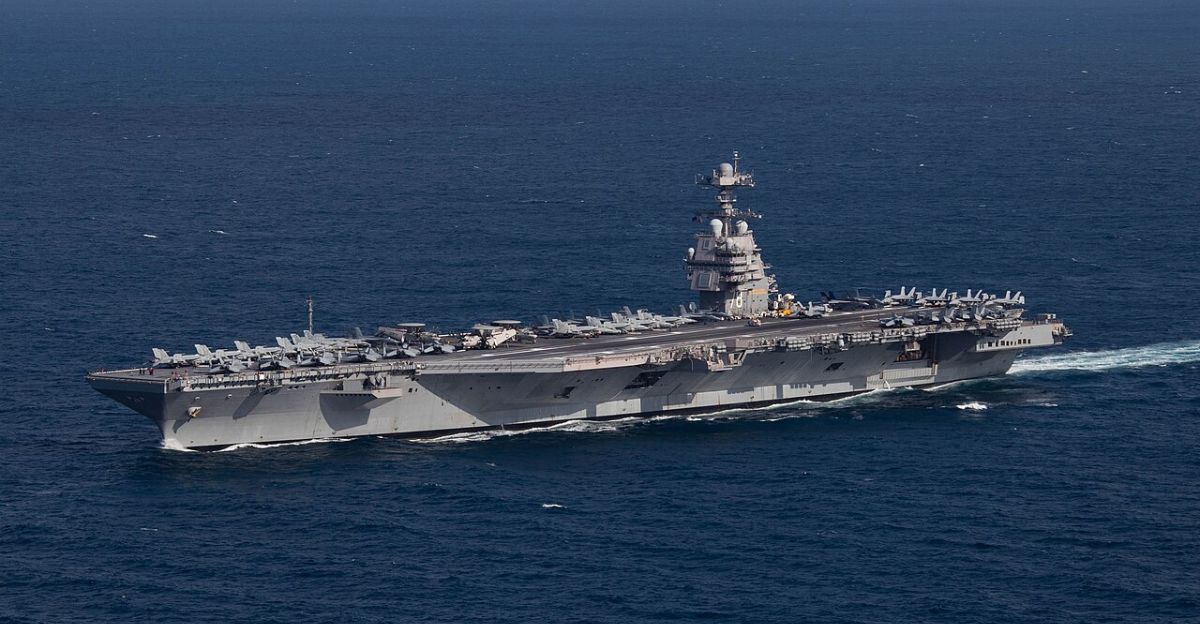
The current deployment includes thousands of U.S. troops, dozens of naval vessels, and advanced combat aircraft — the largest American military presence near Venezuela in decades.
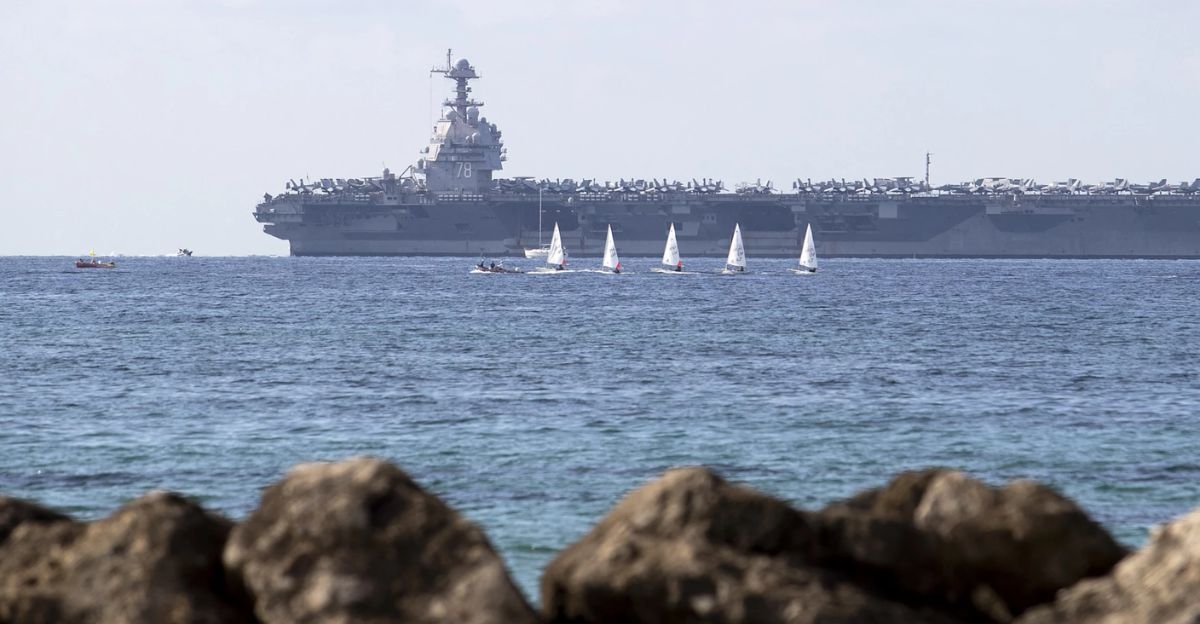
The strike group anchored by USS Gerald R. Ford — the U.S. Navy’s newest and most powerful aircraft carrier — significantly ramps up capabilities in the region.
The concentration of air, sea, and ground assets signals more than a routine counternarcotics operation.
Strategic Geography: Why Puerto Rico Matters
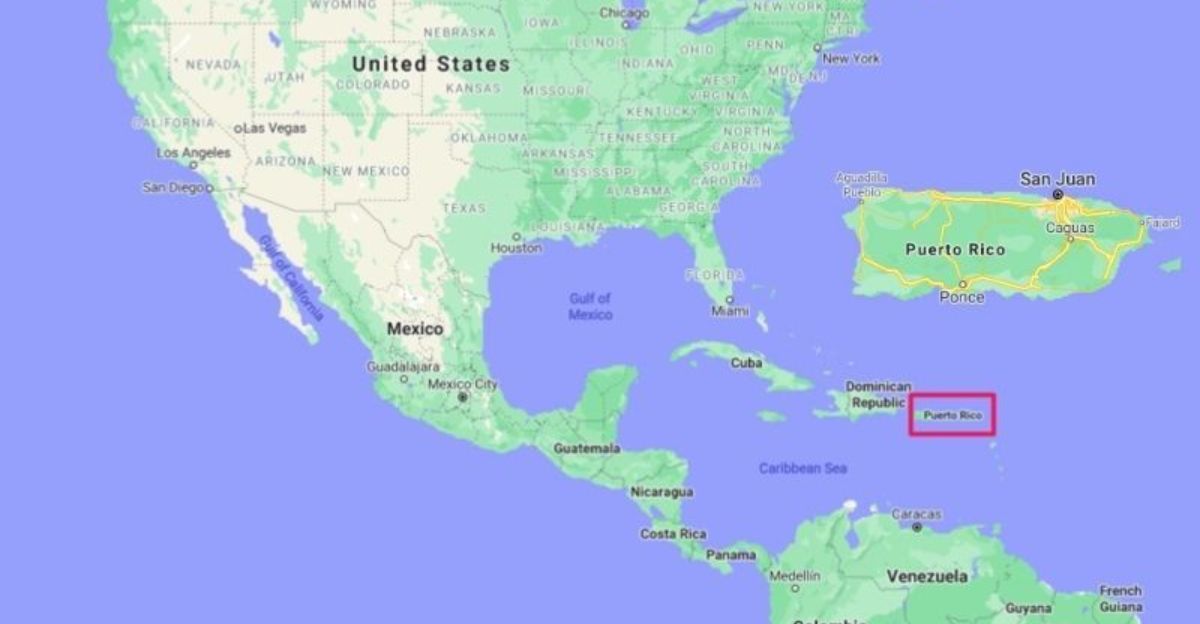
On a great-circle route, Puerto Rico sits only about 500–550 miles from Caracas — roughly an hour and a half for fast jets. This proximity gives U.S. forces a quick-response staging point opposite Venezuela’s northern coast.
With Roosevelt Roads operational, Puerto Rico becomes a key node linking Caribbean air and maritime approaches, giving Washington a clear strategic advantage.This geography helps explain why observers describe the island as a “forward shield” for U.S. interests in the hemisphere.
Official Justification: Counter-Narcotics & Regional Security
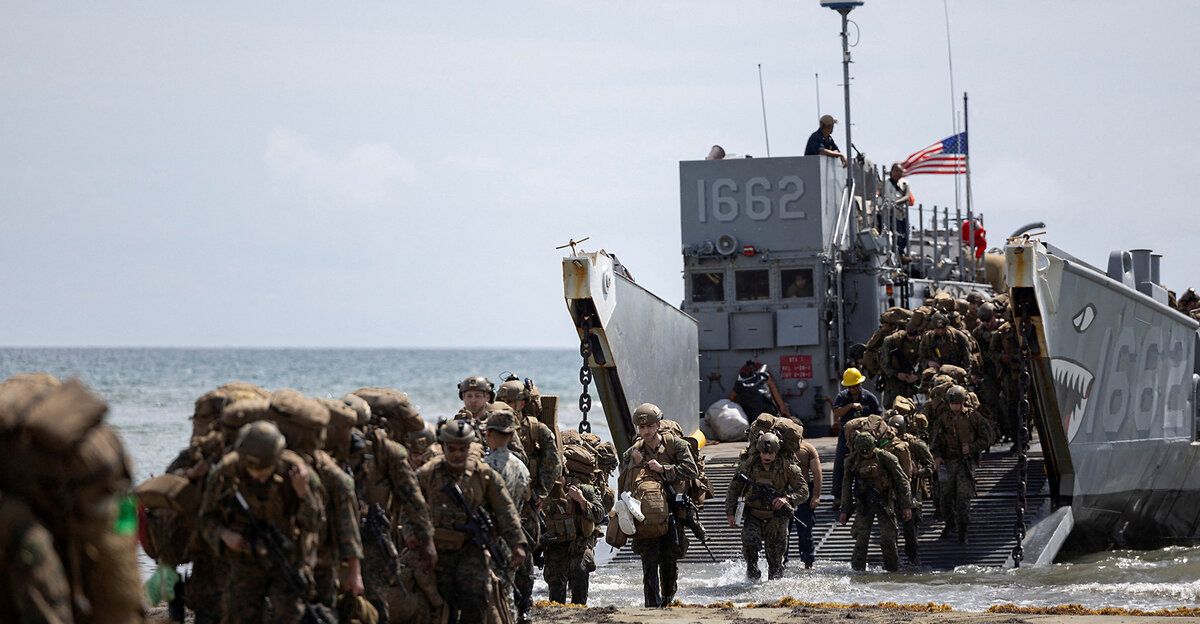
U.S. authorities frame the deployment as part of an expanded counter-drug mission in the Caribbean, aiming to disrupt smuggling routes allegedly supported by traffickers linked to Venezuela.
Pentagon officials have cited intelligence that cartel operations were increasingly receiving logistical and maritime support from Venezuelan forces — prompting a broader military response. Still, the size and nature of the forces involved — carrier strike group, stealth jets, amphibious capabilities — exceed typical interdiction missions.
What Assets Are Deployed
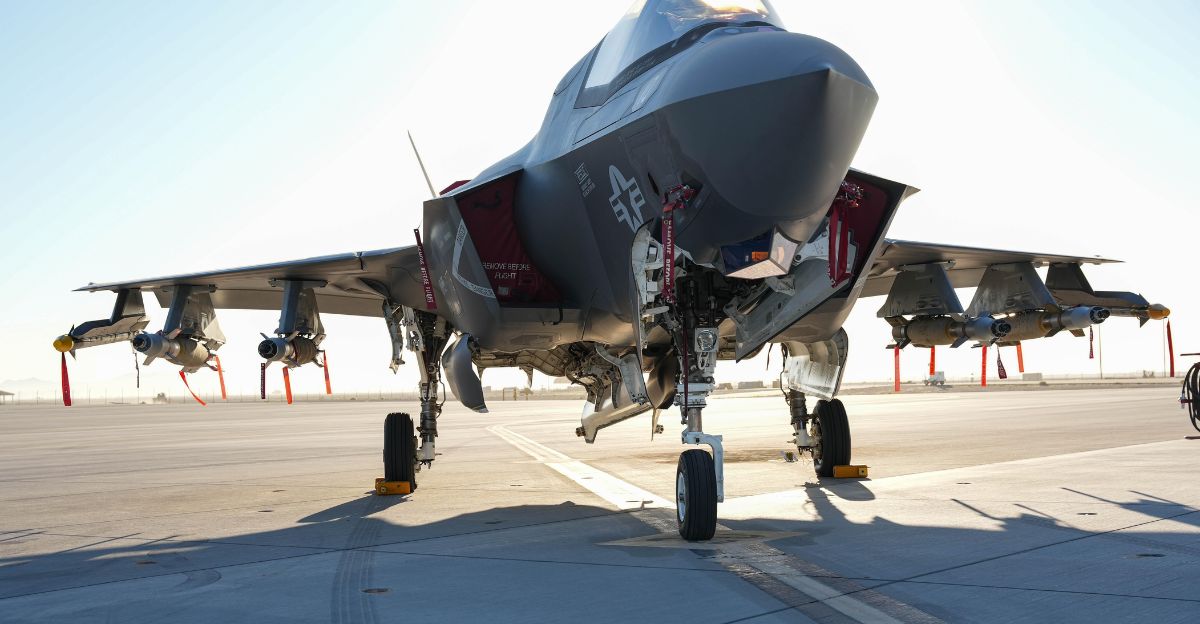
Assets now active in the Caribbean include F-35B fighters, MQ-9 drones, P-8 maritime patrol planes, amphibious ships, and the USS Gerald R. Ford carrier strike group.
Helicopters and transport aircraft support rapid logistics and mobility from Roosevelt Roads, enabling sustained operations across sea and air corridors.
This diverse force mix offers long-range surveillance, strike capability, rapid deployment, and maritime control — a broad toolkit for both interdiction and deterrence.
Economic and Social Effects in Puerto Rico
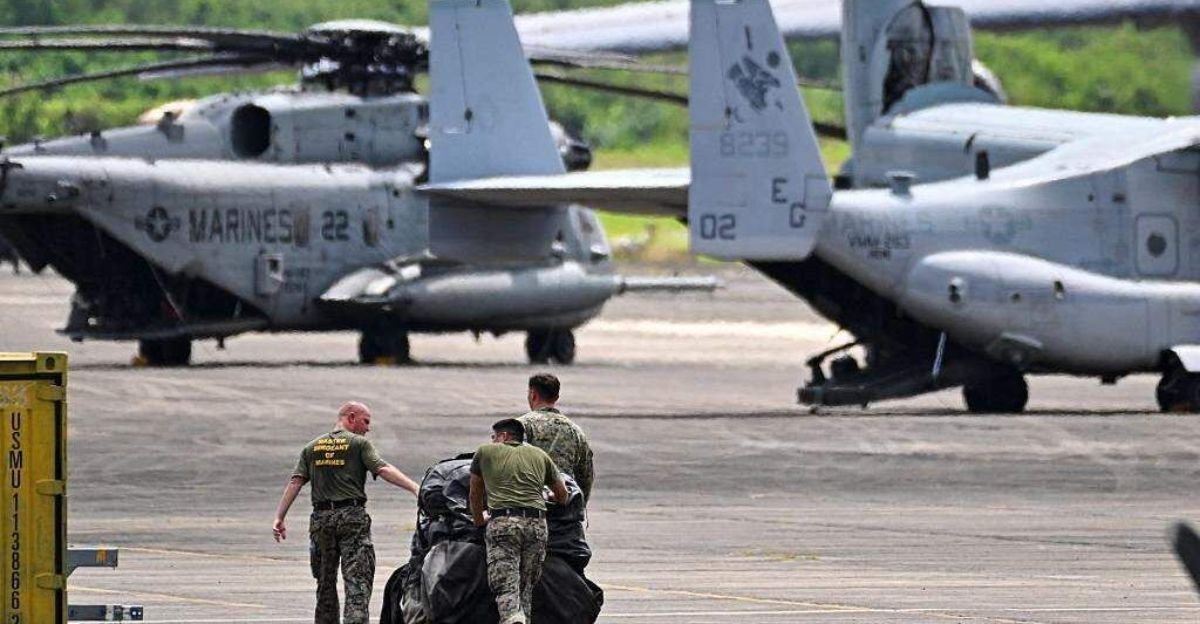
The base’s reactivation has sparked a mix of concern and cautious optimism among residents near Ceiba. Some recall environmental and social controversies from previous U.S. military exercises.
Others see potential benefits: local businesses, construction contractors, and service providers may gain from the influx of personnel and base activity. Still, many remain anxious about possible escalation — not knowing whether the buildup is temporary or a prelude to deeper conflict.
Local Economy: Boom or Risk?

Hotels, logistics firms, and contractors in eastern Puerto Rico may experience increased demand from base operations and troop rotations.
Historically, military bases in Puerto Rico generated steady revenue for nearby towns; the renewed presence could reproduce similar economic stimulation.
Yet long-term uncertainty remains — the scale and posture of the deployment suggest possible geopolitical volatility rather than a stable economic boon.
Airspace, Shipping, and Regional Routes Affected
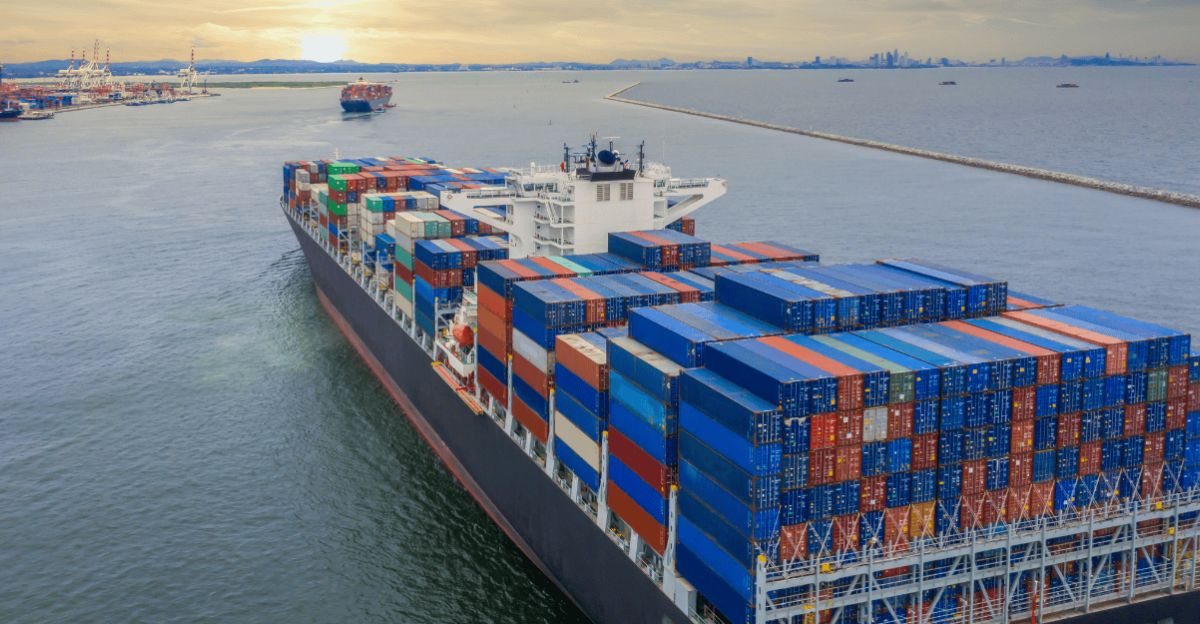
Since the buildup began, civilian aviation and maritime shipping routes are being adjusted to accommodate expanded U.S. military air and sea corridors through the Caribbean.
Notices to air missions (NOTAMs) in some zones near Ceiba suggest restricted airspace and increased security protocols linked to U.S. operations.These changes may lead to rerouting, schedule adjustments, and heightened regulatory scrutiny for commercial flights and shipping vessels.
Regional Dynamics: Caribbean Neighbors on Edge
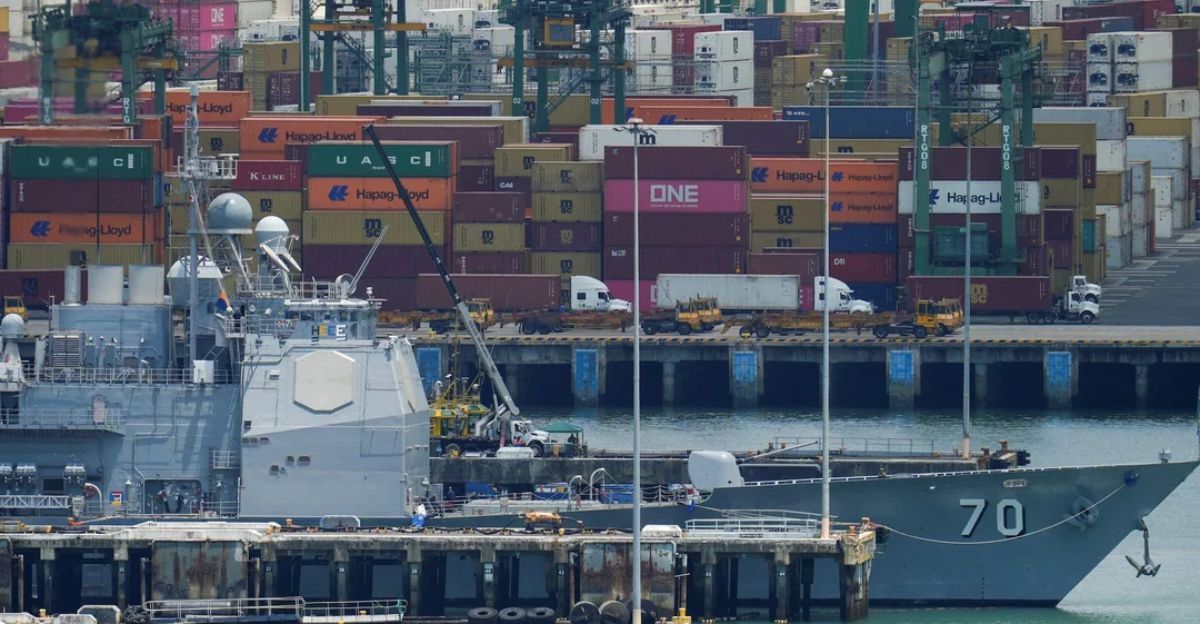
Caribbean and nearby nations find themselves between an expanding U.S. military presence and a visibly mobilizing Venezuelan defense posture.
Some regional governments publicly support counternarcotics cooperation; others worry that the buildup signals a broader U.S. projection of power — potentially destabilizing the region.
Venezuelan Response: Military Mobilization
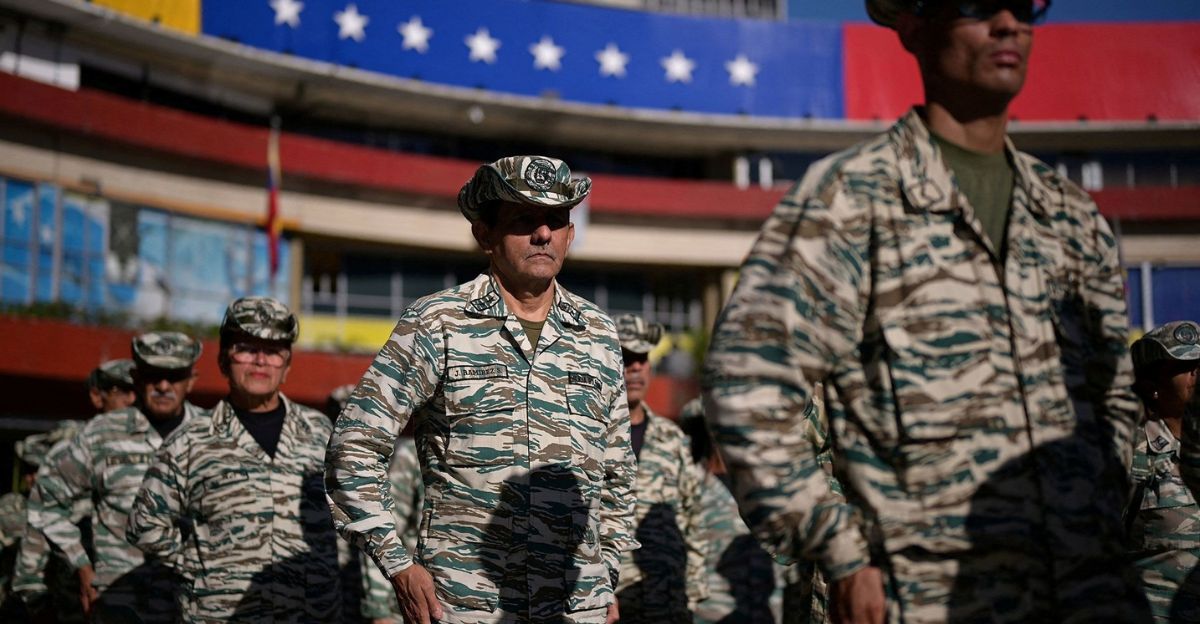
In response to the U.S. carrier strike group deployment, Venezuela announced a nationwide military exercise deploying nearly 200,000 troops across land, sea, and air.
Officials cited “threats” from U.S. naval presence as the reason, framing the exercise as defensive. Venezuela’s mobilization underscores how the U.S. buildup is being perceived as a tangible threat — not only to Caracas but to national sovereignty.
Strategic Significance of the Carrier: USS Gerald R. Ford
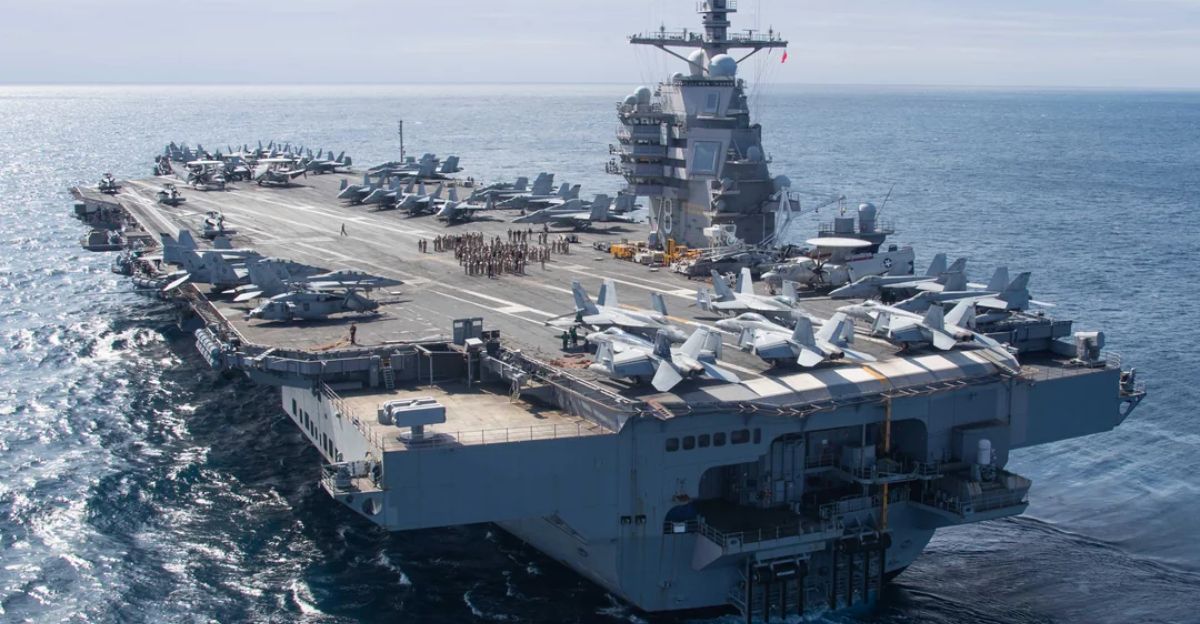
The USS Gerald R. Ford strike group — with its destroyers, support vessels, and dozens of aircraft — dramatically increases U.S. firepower in the Caribbean.
With carriers, jets, drones, and maritime patrol assets working in tandem, the U.S. force posture extends from Puerto Rico across sea lanes near Venezuela. The strike group’s capability to project rapid force — including air and naval strikes — signals a readiness that goes beyond counternarcotics.
Dual Messaging: Drugs or Deterrence?
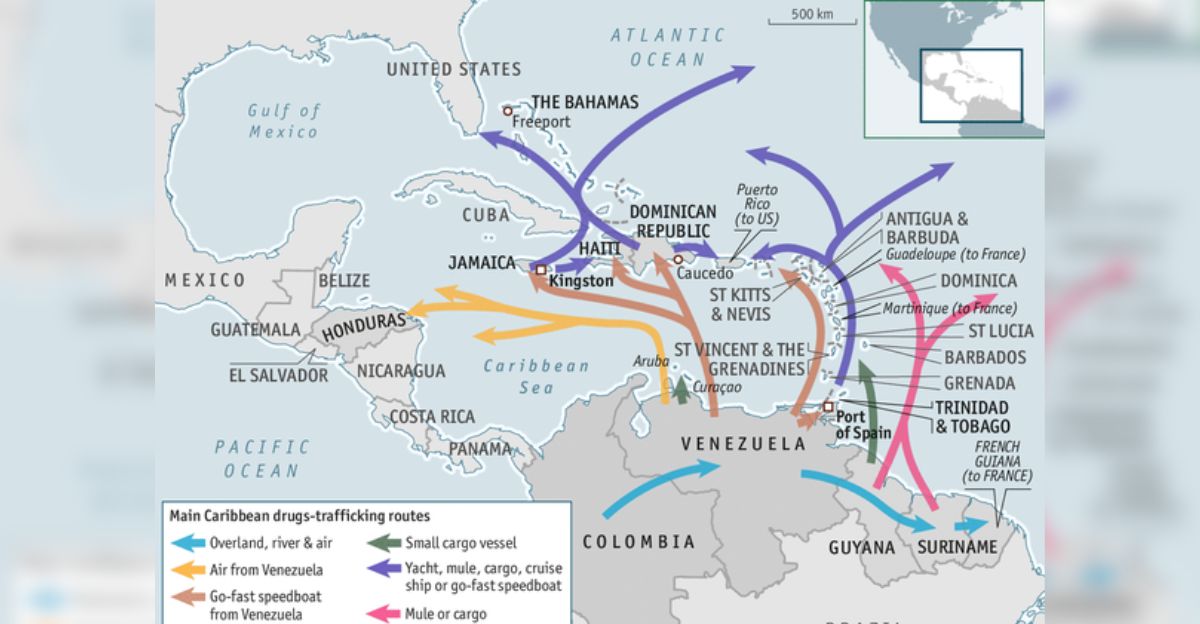
Officially, the operations are cast as part of a counternarcotics effort aimed at disrupting drug-smuggling routes in the Caribbean.
Yet analysts and regional observers suggest the buildup functions equally — if not primarily — as a deterrent posture toward Venezuela and a pressure tool against its government.Such ambiguity offers political cover for Washington while maximizing strategic leverage over Caracas.
Risk of Escalation and Unintended Conflict
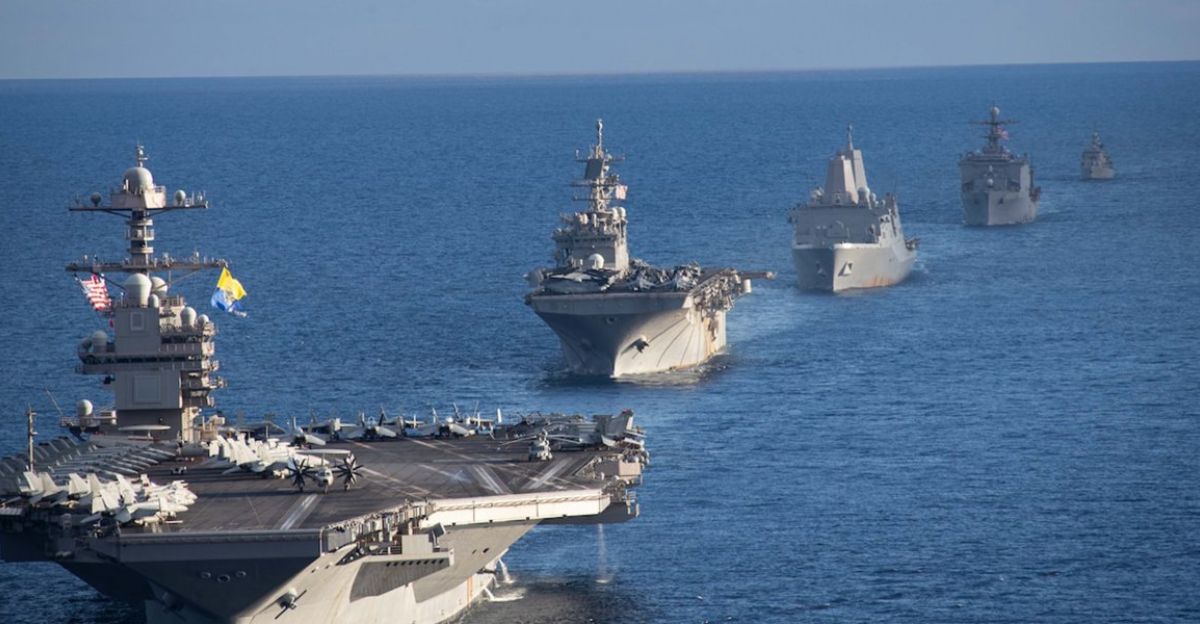
With naval, air, and amphibious forces poised near Venezuela, the risk of accidental clashes or miscalculation has grown.
Venezuelan mobilization — 200,000 troops nationwide — raises the stakes; any provocative move could trigger a severe response.What began as counternarcotics now resembles a high-stakes geopolitical standoff — with Puerto Rico at the center.
Implications for Maritime Trade and Energy Routes
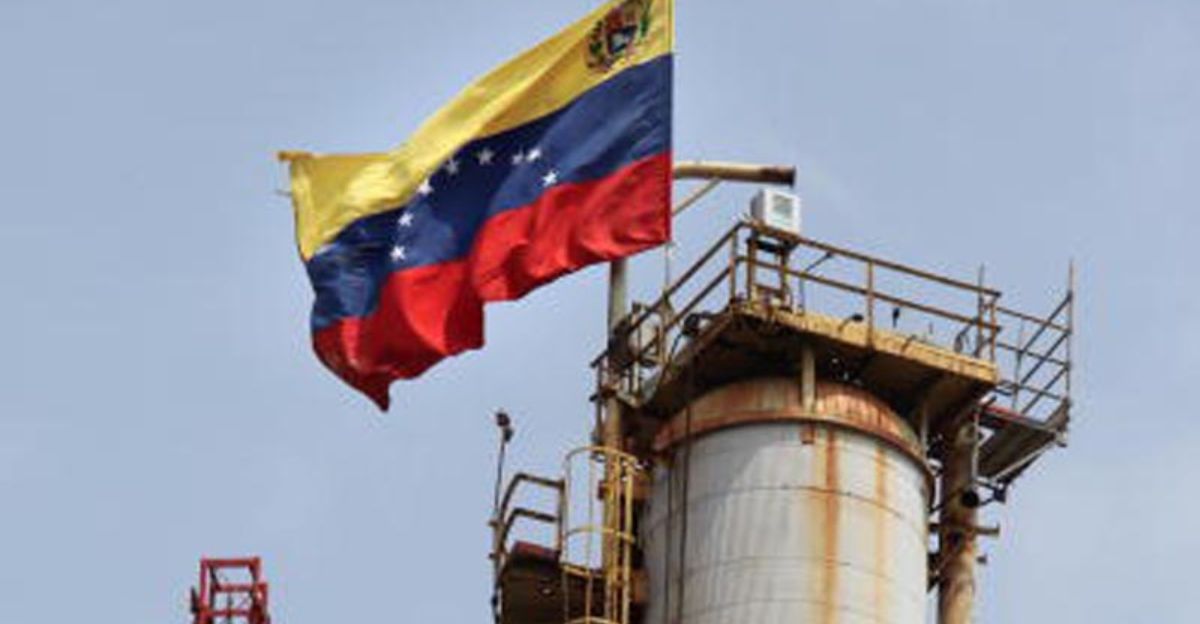
The Caribbean sea lanes and Atlantic approaches through which Venezuelan oil and trade pass are now under direct U.S. naval oversight and surveillance.
Any conflict or sustained military pressure could disrupt tanker routing, raise insurance costs, and unsettle regional energy markets.
The buildup may therefore have ripple effects beyond security — affecting global trade and energy flows.
Impact on Local Communities & Environment
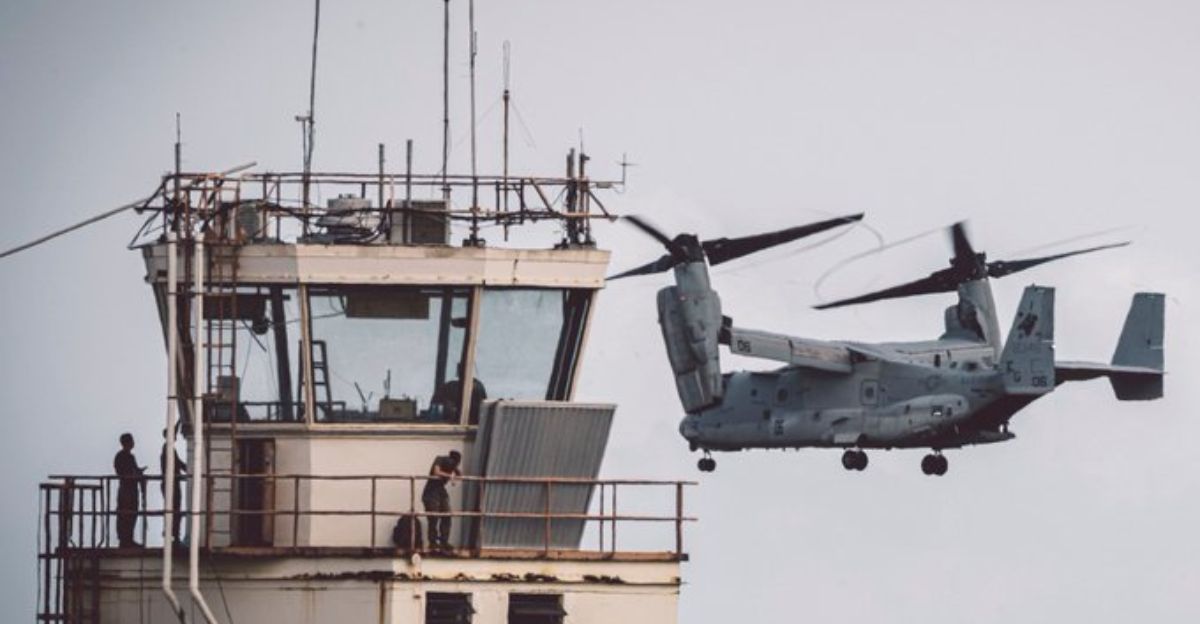
Residents in Puerto Rico’s east — near Ceiba and surrounding towns — have voiced concerns over noise pollution, stigma of militarization, and potential environmental harm.
Past experiences with U.S. military exercises in the region — especially around nearby islands — fuel unease among communities wary of foreign military presence.At the same time, some locals hope for economic benefits: jobs, infrastructure upgrades, and increased business from servicing U.S. personnel.
Broader Regional Fallout: Diplomacy Under Strain
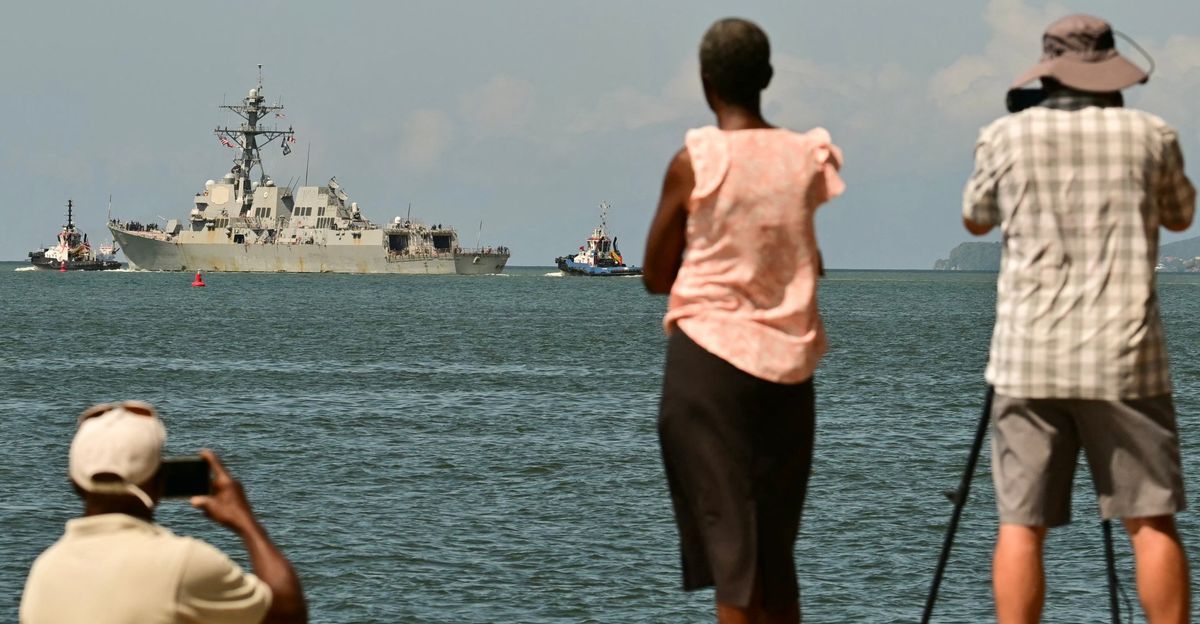
The U.S. buildup has strained relations with Latin American and Caribbean governments that question the counternarcotics rationale and fear destabilization.
Some allies remain publicly cautious; others privately see the operations as provocative, undermining regional trust and diplomatic norms.
What This Means for the U.S. Strategy
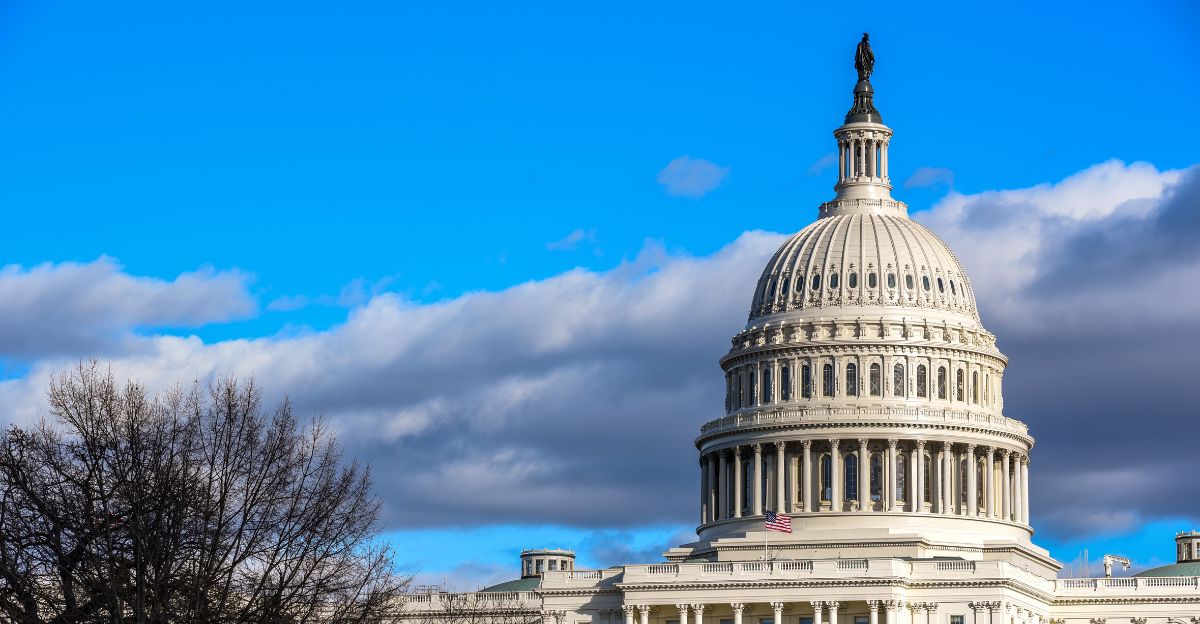
For Washington, the Caribbean deployment marks a shift from limited interdiction to a forward-leaning strategic posture.
With assets positioned in Puerto Rico and across the Caribbean, the U.S. gains a ready-made platform for rapid response — from sea and air — to any crisis involving Venezuela.
This posture both projects power and sends a message: the U.S. is willing to use force — or the threat of force — to protect hemispheric interests.
Potential Economic and Political Outcomes
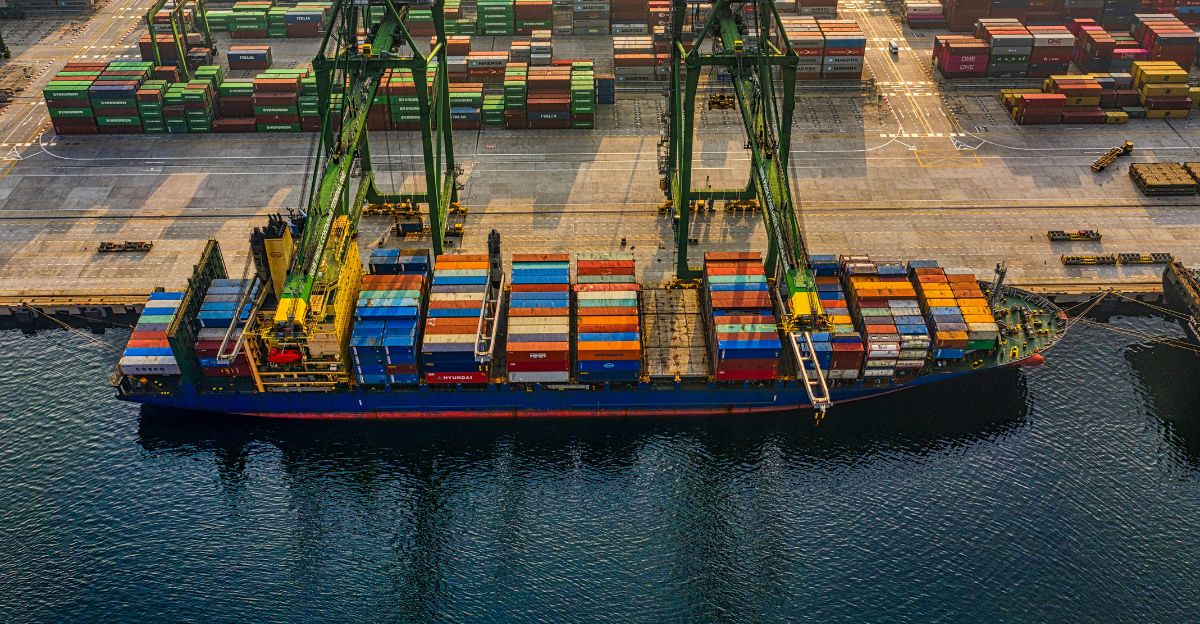
If tensions deepen, shipping delays or disruptions could shake regional trade, energy supply and insurance markets.
Conversely, Puerto Rico’s local economy might see short-term gains from military spending, base upkeep, and contracted services.Politically, Caracas may respond with further militarization — or seek alliances with non-Western powers — complicating U.S.-led diplomacy.
Uncertain Future: Between Escalation and Diplomacy
At this moment, multiple scenarios remain possible: continuation of counternarcotics operations, escalation toward confrontation, or back-channel diplomacy under pressure.
The presence of U.S. forces so close to Venezuela — aided by a reactivated base and carrier group deployment — keeps options open for Washington.
For the region and for Puerto Rico, that uncertainty brings both opportunity and risk.
Puerto Rico’s Renewed Role in Global Geopolitics
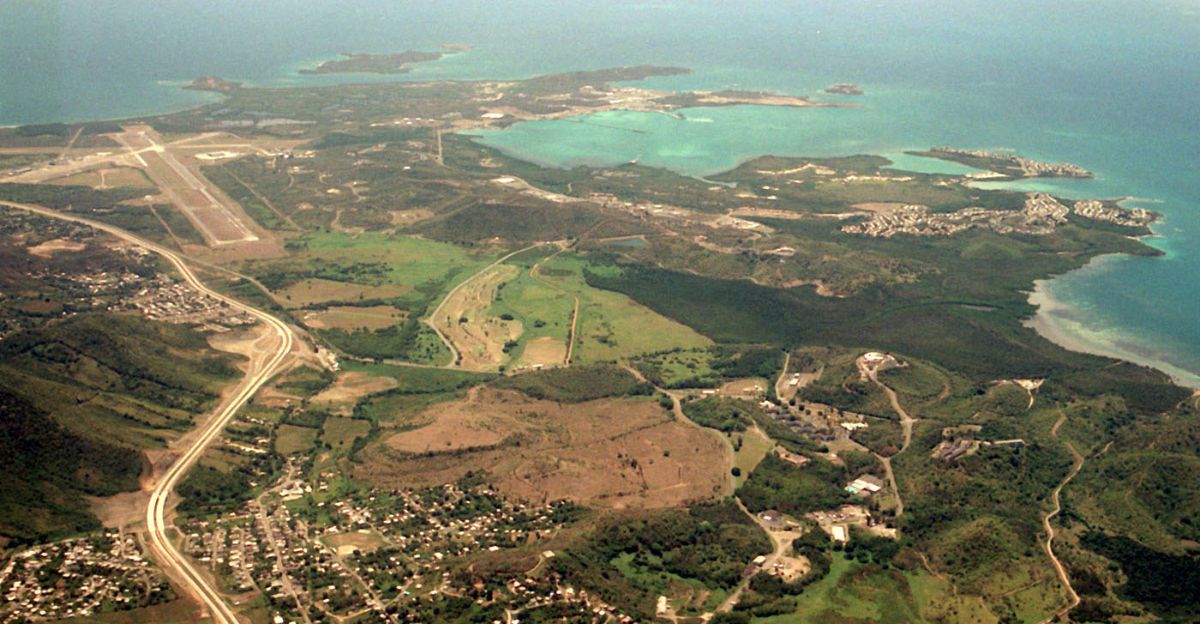
With the reopening of Roosevelt Roads, Puerto Rico has re-emerged as a key strategic outpost — linking U.S. military might to Caribbean and Atlantic access routes.
What plays out in Washington and Caracas will echo across islands, coasts, trade lanes, and human lives: from local businesses and communities to hemispheric stability and global markets.
The Caribbean is no longer a backdrop — it is fast becoming a frontline in a renewed U.S.–Venezuela standoff.
Sources:
Military.com, 3 Nov 2025
RAND Corporation, 2018
U.S. State Department, 2023
SOUTHCOM Posture Statement, 2020
CFR, 2025
U.S. Army, 2023