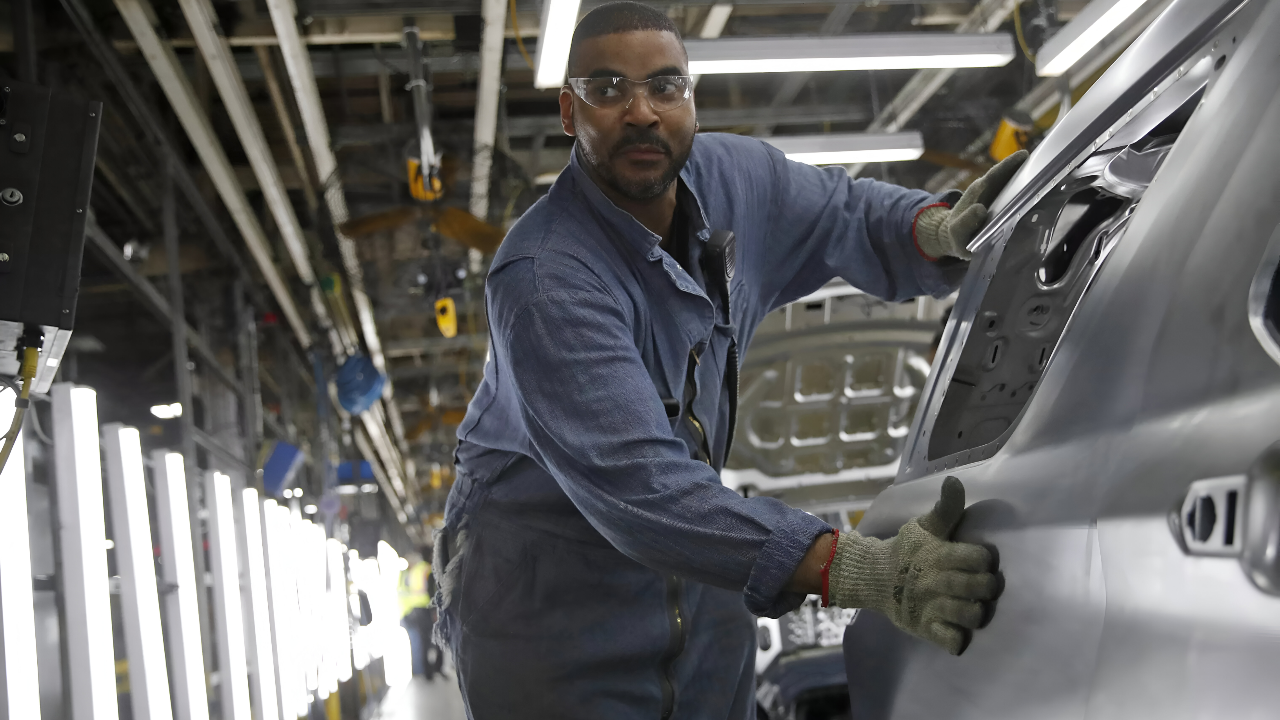
On September 28, 2025, the sudden collapse of First Brands Group sent shockwaves through Wall Street. With $5 billion in annual revenue, the company’s Chapter 11 filing in Houston was nothing short of a financial disaster. Despite its reach across major retailers like AutoZone, Walmart, and Amazon, it had just $14 million in cash left. As the news spread, it became clear that this wasn’t just another corporate bankruptcy—it was a deep financial unraveling that exposed hidden risks across global supply chains.
What triggered this dramatic downfall, and how did a company of this size, with iconic brands like Fram air filters and Raybestos brake linings, find itself on the brink of collapse? The answer lies in a web of debt, acquisitions, and shifting economic forces. But that’s just the beginning.
Why It Happened: Debt-Fueled Acquisitions and Hidden Liabilities
Between 2018 and 2025, First Brands acquired over 20 companies, accumulating $11.6 billion in debt. The company relied heavily on loans and opaque supply-chain financing to fund acquisitions.
Debt exploded due to risky financial engineering, and minimal oversight allowed deteriorating fundamentals to remain hidden. The failure of First Brands highlights the dangers of aggressive expansion without proper financial controls.
Direct Consumer Impact: Auto Parts Shortages at Retail
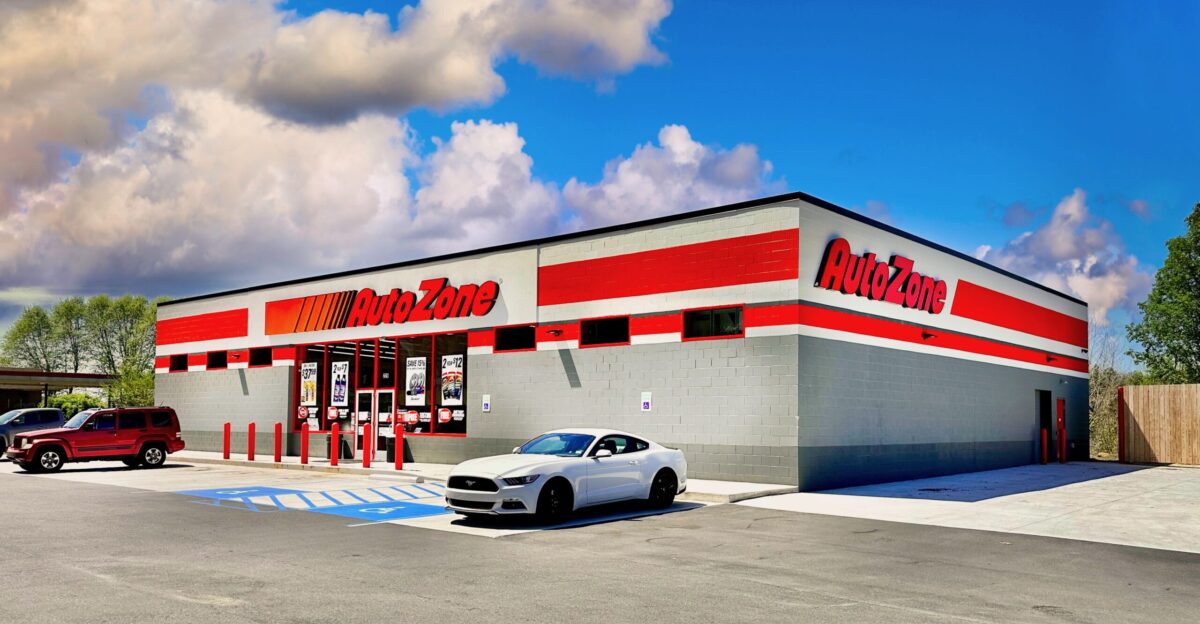
As First Brands’ bankruptcy unfolded, major retailers like AutoZone, NAPA, O’Reilly, Walmart, and Amazon experienced product shortages. Items like Trico wipers, Fram filters, and AutoLite spark plugs were quickly pulled from shelves.
Retailers scrambled to find alternatives, but this shortage resulted in an 8–12% price increase for competing brands, disrupting both DIY mechanics and professional repair shops.
Corporate Scramble: Retailers and Distributors Activate Contingencies
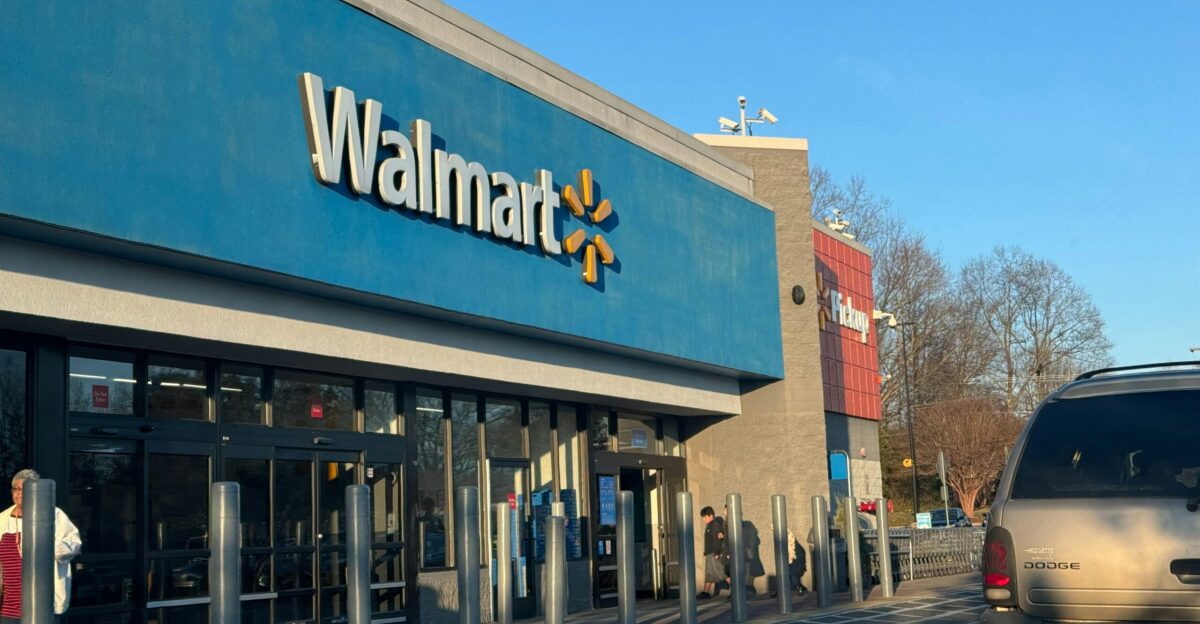
Retail giants such as Walmart and AutoZone activated emergency procurement strategies to cope with the crisis.
Competitors like Dorman Products and Standard Motor Products saw demand surge, but their own supply chains, strained by tariff-driven costs, struggled to meet this new need. Smaller retailers faced delays as larger companies prioritized their shipments, increasing costs for everyone in the supply chain.
Substitute Markets Surge: Competitors Gain Unexpected Windfall
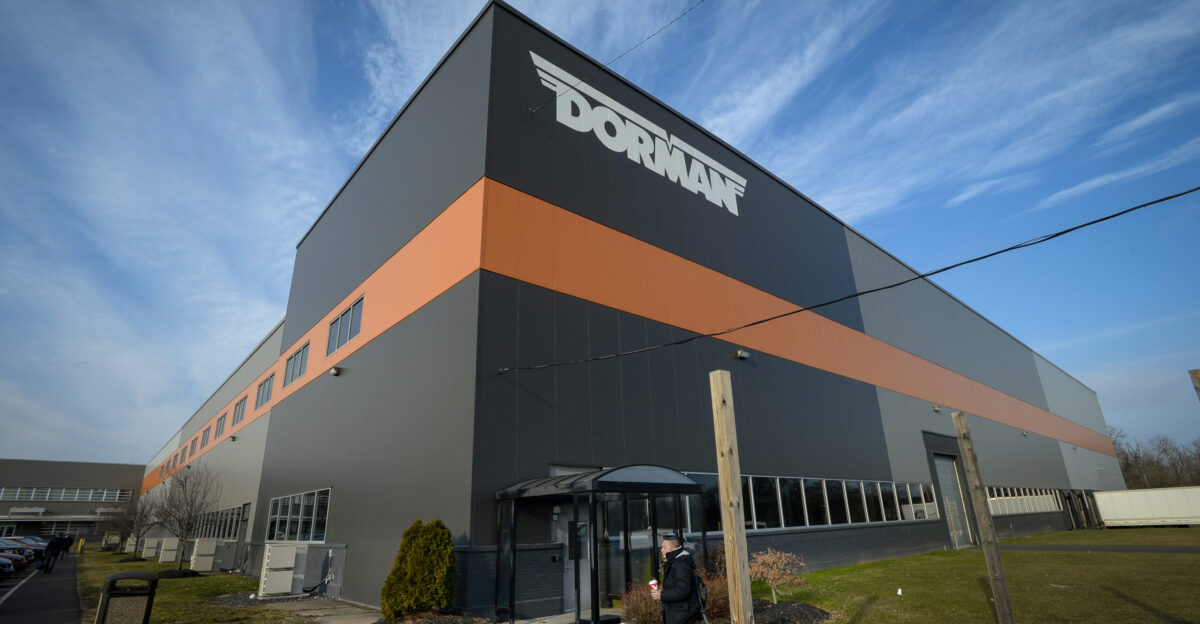
In the wake of First Brands’ collapse, competitors like Dorman Products, Standard Motor Products, and Dayco saw a dramatic surge in stock prices—ranging from 15–22%.
However, the increased demand forced these companies to ramp up production, and they too struggled with their already strained supply chains. This created bottlenecks, pushing product prices higher and delaying shipments through October.
International Trade Disruption: Global Supply Chains Fracture
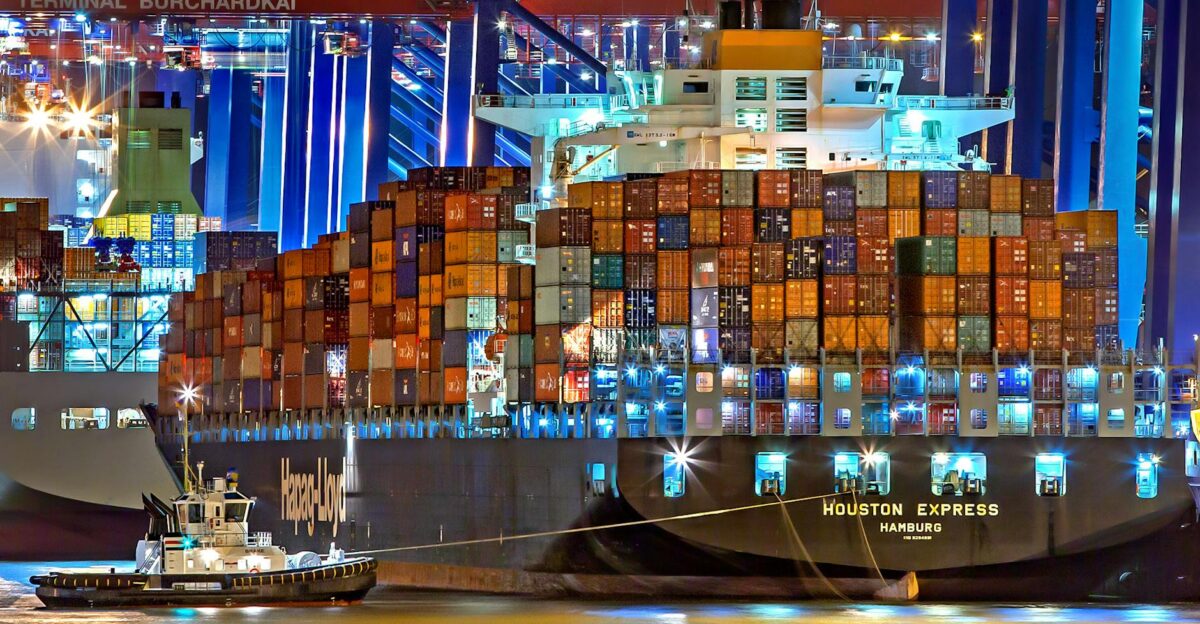
First Brands’ downfall sent shockwaves across global supply chains. European and Asian distributors, reliant on the company’s parts, faced $340 million in payment delays.
These disruptions forced European retailers to source from higher-priced North American competitors. As a result, global consumers saw price hikes, particularly in the EU and Asia-Pacific regions, as international supply chains became strained.
Human Cost: Workers and Creditors Face Uncertainty
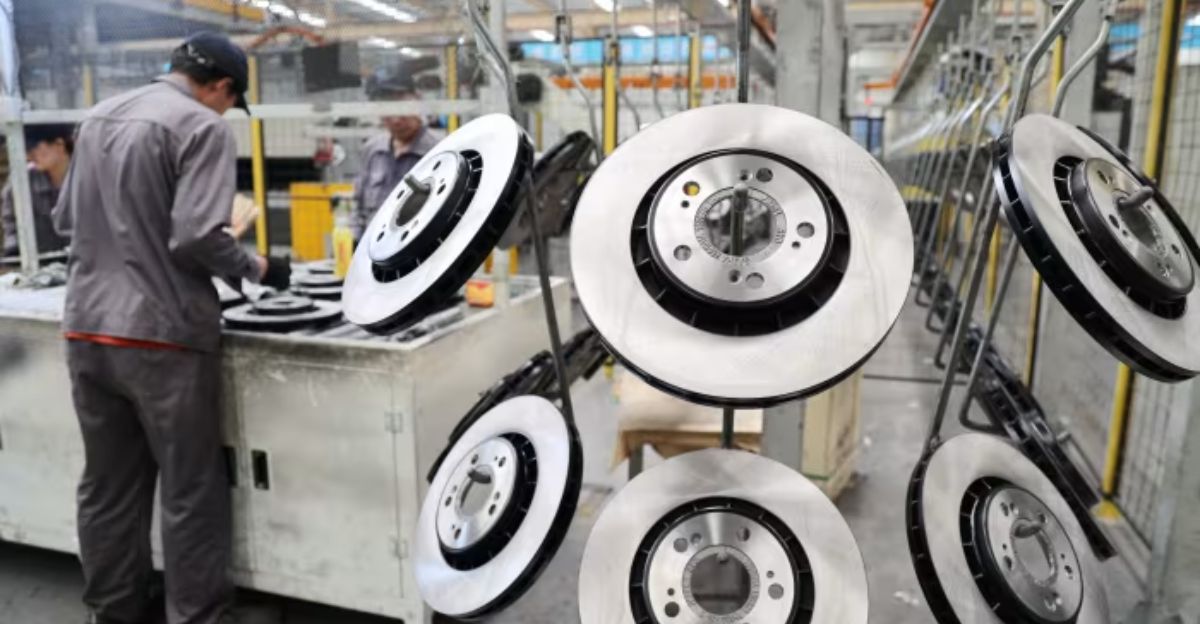
First Brands employed 8,500 workers across 24 subsidiaries. Layoffs began immediately as creditors pushed for workforce reductions.
Employees faced unpaid wages and uncertain severance packages, while creditors, including Jefferies Financial Group and Raistone Capital, were exposed to potential losses exceeding $2 billion. This triggered internal investigations and forced corporate reckonings within the company and its financial partners.
Political Alarm: Federal Prosecutors Launch Fraud Investigation

Federal prosecutors in Houston launched an investigation into First Brands’ founder, Patrick James, over allegations of fraudulent activities, including using fake invoices and double-pledging assets to secure billions in loans.
The investigation expanded to explore the disappearance of $2.3 billion in off-balance-sheet funds, raising questions about the company’s financial management and potential criminal wrongdoing.
Inflation Pressure: Interest Costs and Refinancing Cascades

First Brands’ financial woes were compounded by high-interest costs, with an annual interest burden of $900 million, or 18% of revenue.
A failed refinancing attempt in July 2025, which sought to restructure $6.2 billion in debt, led to plummeting debt prices and triggered margin calls. This collapse exacerbated stress in the leveraged lending markets, amplifying systemic issues in private credit.
Retailer Adaptation: Inventory Strategies Shift Dramatically
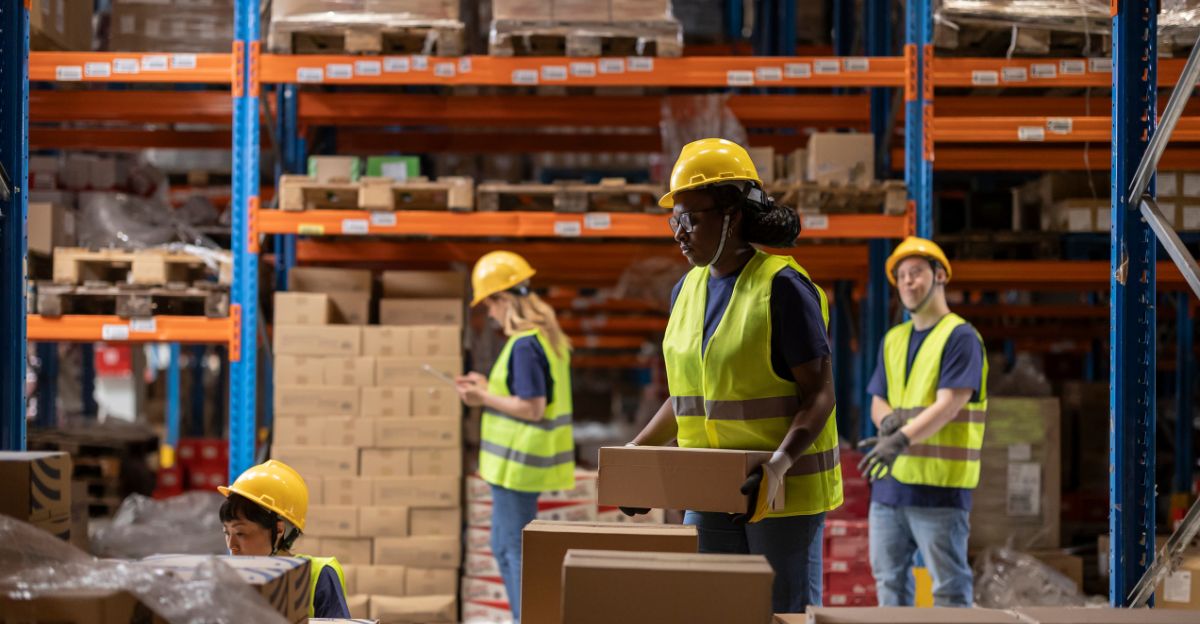
In response to the crisis, major retailers, including AutoZone and NAPA, shifted their inventory strategies to reduce reliance on single-source manufacturers like First Brands.
These companies accelerated the development of private-label products and negotiated longer payment terms with competitors, signaling a shift toward more resilient supply chain models designed to mitigate future disruptions.
Hospitality and Service Sectors Feel Ripples
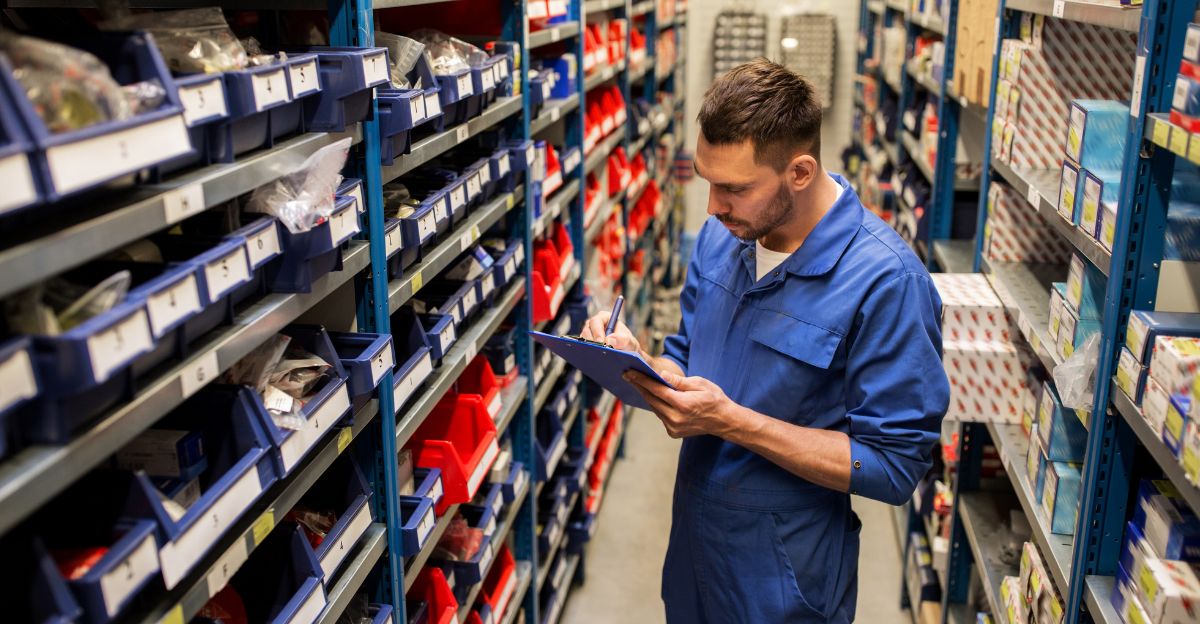
The auto parts shortage created a ripple effect in the hospitality and service sectors. Independent auto repair shops, already struggling with higher parts costs, had to raise labor rates by 8–10%.
This increased maintenance costs, pricing out budget-conscious consumers. Larger chains like Firestone absorbed the cost increase temporarily but signaled price hikes for 2026, impacting both consumers and ride-sharing platforms.
Knock-On Industries: Leather, Chemicals, and Logistics Affected
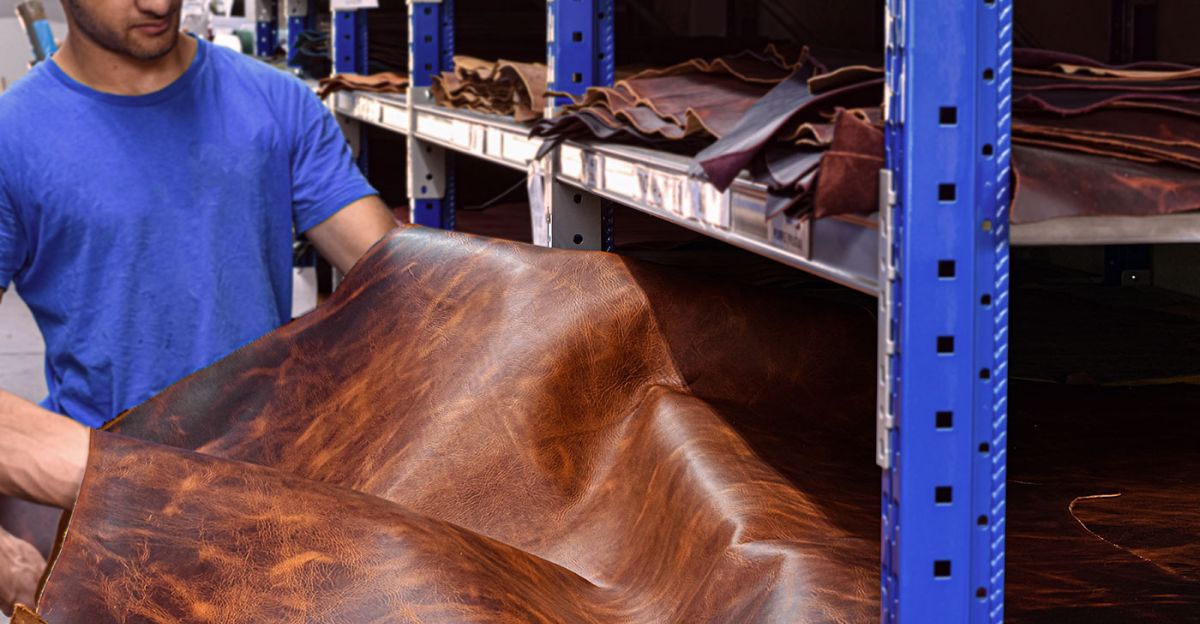
First Brands’ bankruptcy also disrupted industries connected to auto parts manufacturing, including leather, chemicals, and logistics. Leather suppliers saw canceled orders for seat covers, while chemical manufacturers faced lower demand for brake fluid and coolants.
Logistics providers, including freight companies, saw a 18% drop in freight volumes, further squeezing the supply chain and causing broader economic impacts.
Global Consumer Impact: Prices Rise Across Continents

The global impact of First Brands’ collapse extended far beyond the U.S. European and Asian consumers faced higher auto maintenance costs as retailers sourced replacement parts from more expensive suppliers.
In the UK, prices increased by 9%, while Japanese consumers saw an 8% rise in service costs. In emerging markets, the absence of affordable First Brands parts forced consumers to turn to lower-quality alternatives.
Health and Lifestyle Shifts: Deferred Maintenance and Safety Risks

Higher parts prices led to deferred vehicle maintenance, raising safety concerns. Industry data revealed a 22% decline in brake service appointments, while emergency roadside assistance calls increased by 14%.
Mechanics reported more cars arriving with worn-out components, increasing the likelihood of accidents. Public health officials warned that these deferred maintenance issues could lead to a rise in traffic fatalities.
Cultural and Environmental Debate: Sustainability Questions Emerge
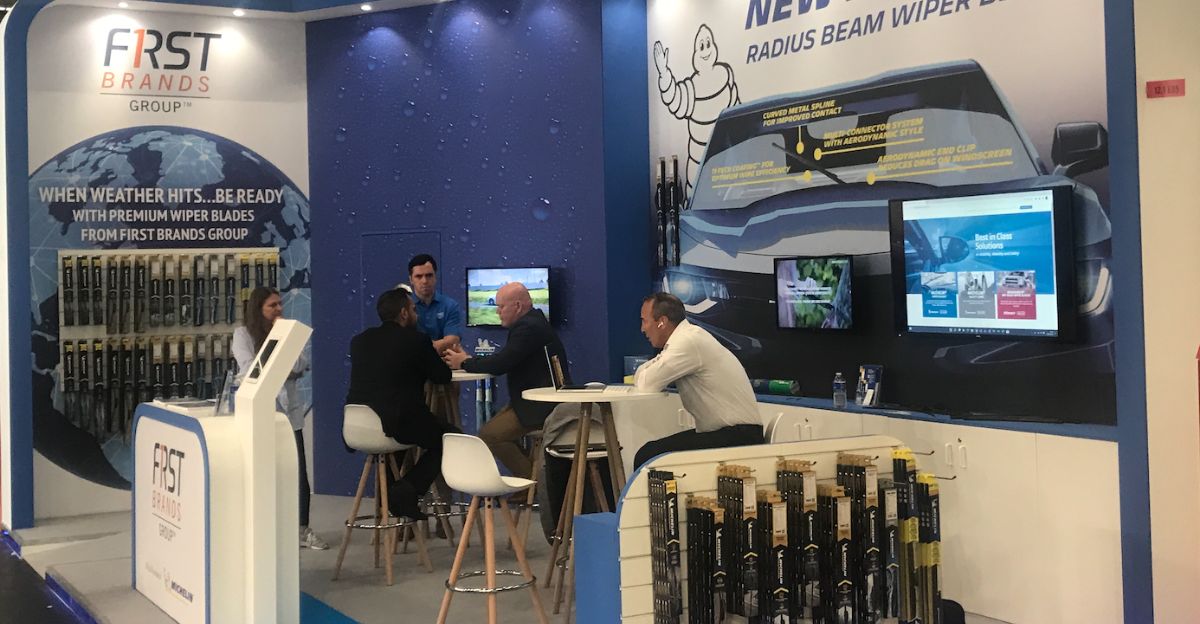
The collapse of First Brands sparked a wider debate on supply chain sustainability and corporate governance. Environmental advocates criticized the company’s lack of transparency, while others questioned whether regulatory failures allowed mismanagement to continue unchecked.
The crisis became a key case study in business ethics, highlighting the risks of opaque financing and aggressive corporate acquisitions without proper oversight.
Unexpected Winners and Losers: Market Realignment
In the wake of First Brands’ collapse, companies like Dorman Products and Standard Motor Products benefited, with stock prices rising by 15–22%. However, the fallout was severe for Jefferies Financial Group and other lenders holding First Brands’ debt.
Surprisingly, Chinese manufacturers gained market share as American retailers shifted their sourcing strategies to diversify their supply chains and reduce dependency on domestic manufacturers.
Financial Market Speculation: Private Credit Under Scrutiny

The fallout from First Brands’ bankruptcy prompted a reassessment of private credit markets. Investors began questioning the stability of other leveraged companies, triggering a 12% drop in leveraged loan indices.
Credit rating agencies came under fire for missing warning signs, and distressed investors began acquiring First Brands’ debt at steep discounts, betting on potential recovery through restructuring.
Consumer Advice: Navigating Higher Costs and Supply Gaps

With the auto parts crisis, consumers are advised to stockpile essential items like filters, spark plugs, and wipers. Shopping around at multiple retailers can help compare prices as competition remains high.
Consumers should also consider extended warranties on vehicles to protect against future maintenance costs. Supporting local repair shops by scheduling preventive maintenance now can help mitigate further price hikes.
Looking Ahead: Restructuring and Market Recovery Timeline
On November 6, 2025, First Brands secured $1.1 billion in debtor-in-possession financing to continue operations through the restructuring process.
The company is expected to finalize its restructuring or sale plan by mid-2026, with parts supply expected to normalize by Q3 2026. However, the ongoing criminal investigation into founder Patrick James may delay recovery and complicate asset liquidation.
One Company’s Collapse Reveals Systemic Fragility
First Brands’ collapse underscores how aggressive financial strategies and lack of oversight can destabilize entire industries. The ripple effects—from rising consumer costs to trade disruptions—reveal the fragility of modern supply chains.
As the crisis unfolds, it serves as a cautionary tale of how opaque financial engineering and aggressive leverage can push companies—and economies—toward collapse.
Sources:
U.S. Bankruptcy Court for the Southern District of Texas, Case No. 25-90399; First Brands Group Chapter 11 Petition and Declaration of Charles M. Moore (Sept. 28-Nov. 3, 2025)
Reuters; AP News; Bloomberg reporting on First Brands bankruptcy, Jefferies exposure, and Patrick James fraud investigation (Sept. 28-Nov. 27, 2025)
Trump Administration Executive Orders on Auto Tariffs (March-April 2025) and First Brands Corporate Filings documenting $220 million tariff-related costs
Financial Times; Benzinga reporting on Jim Chanos private credit market analysis and Enron comparison; AIMA/Federal Reserve research on private credit market interconnections and systemic risk (October-November 2025)