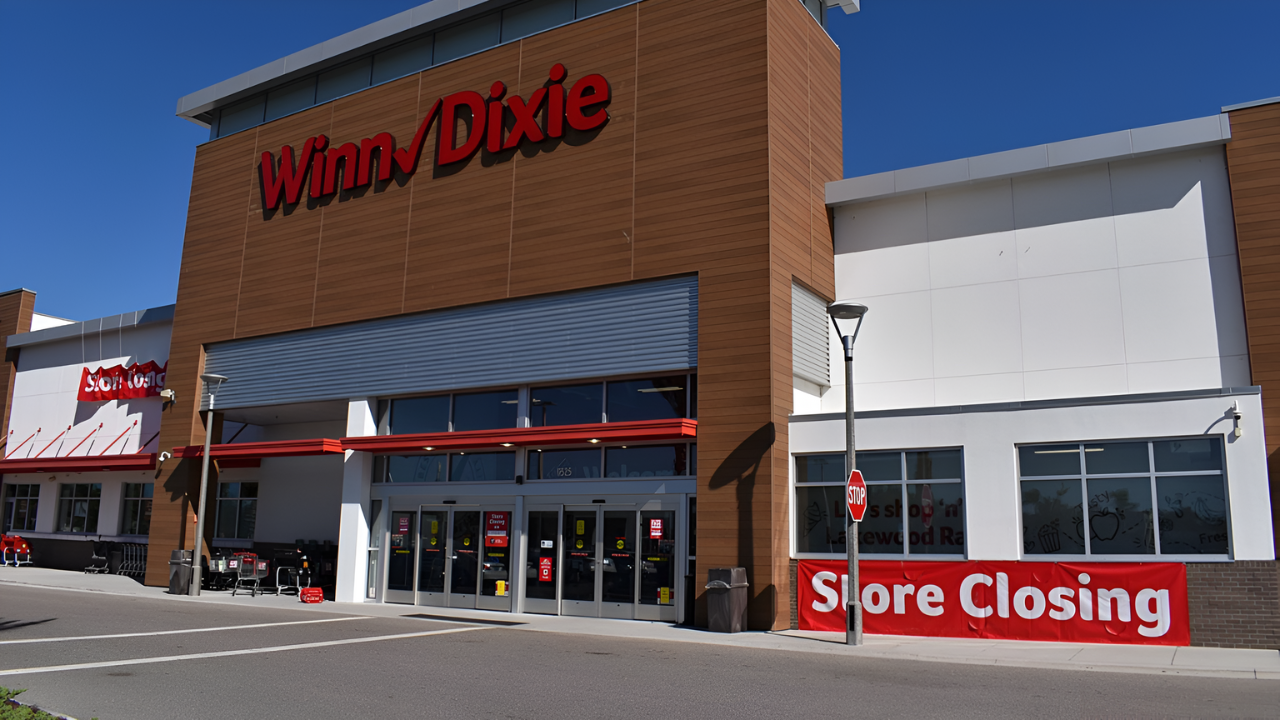
In a move that signals a dramatic shift in the Southern grocery landscape, Winn-Dixie—a name synonymous with neighborhood shopping for nearly a century—has begun closing stores across Alabama, Georgia, Louisiana, and Mississippi. By early 2026, 40 locations under the Winn-Dixie and Harveys Supermarket banners will shutter, marking the company’s largest retrenchment in decades. The closures follow a turbulent period of ownership changes and intensifying competition, leaving communities to grapple with the loss of a trusted staple.
A Century of Community Ties
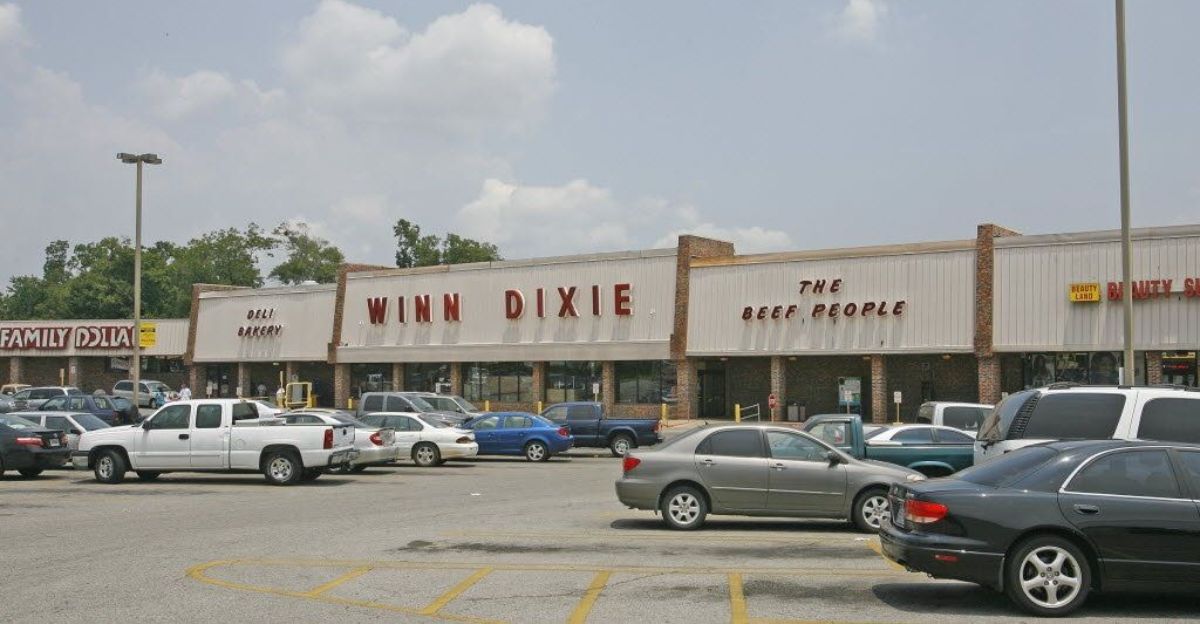
Founded in 1925 in Miami, Florida, from the modest Rockmoor Grocery, Winn-Dixie grew into a fixture of Southern life. For generations, its stores were more than just places to buy groceries—they were gathering spots and community anchors. The company’s deep roots make its retreat especially poignant for longtime customers and employees. Social media has been flooded with reactions from residents mourning the loss, with many describing how Winn-Dixie stores served as essential parts of their daily routines and neighborhood identity.
Mounting Pressures and Industry Upheaval
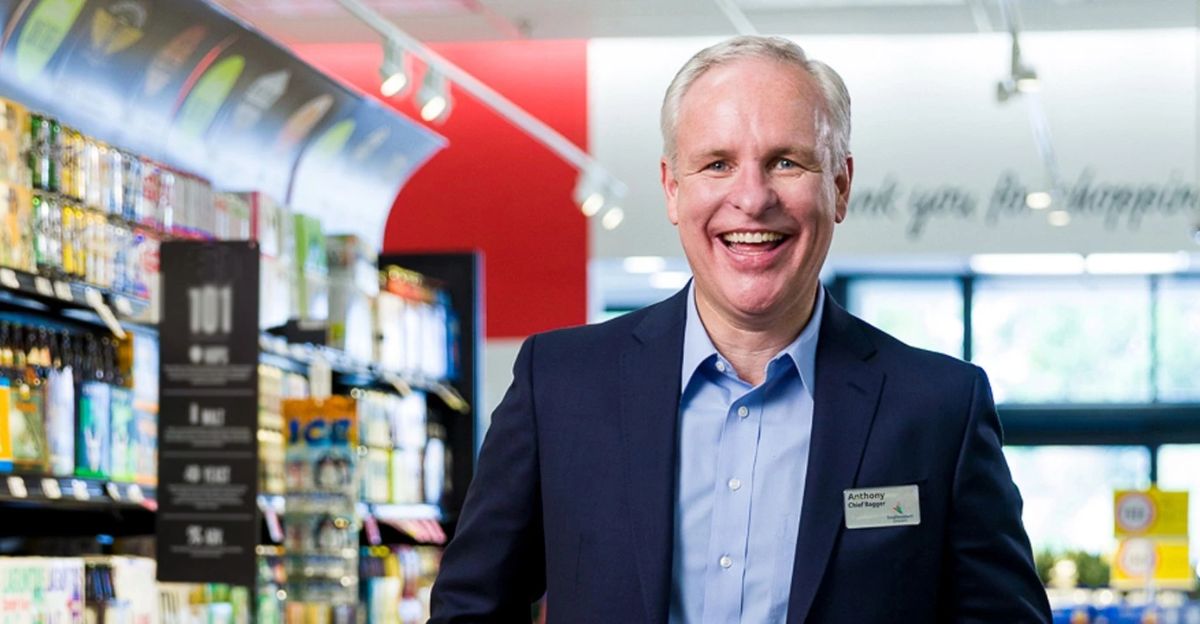
The grocery industry has undergone a rapid transformation, with discount chains like Aldi and the surge of online shopping reshaping consumer habits. Winn-Dixie’s traditional business model, once a reliable formula, struggled to keep pace. The company’s challenges were compounded by a whirlwind of ownership changes: Aldi US acquired Winn-Dixie in 2024, only to sell it back to private investors led by CEO Anthony Hucker in 2025. Each transition brought uncertainty for workers and customers, culminating in the current wave of closures.
Communities Face Uncertain Futures
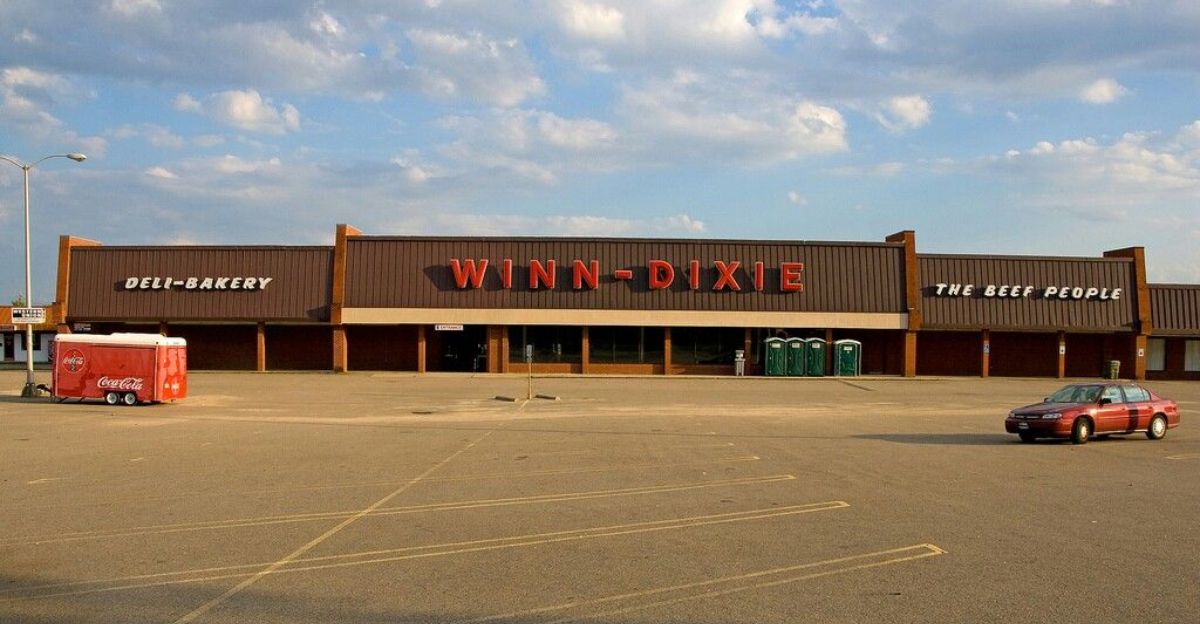
The impact of Winn-Dixie’s exit is felt most acutely in Alabama, where 18 stores are closing, including locations in Birmingham and Montgomery. Residents in affected areas now face longer drives for groceries and uncertainty about what, if anything, will replace the departing stores. Online forums and community groups have expressed frustration about the loss of convenient shopping options and concerns about food accessibility, particularly in areas with limited alternative grocery stores.
In Louisiana, 12 Winn-Dixie locations are set to close, affecting cities like Baton Rouge and New Orleans. The closures represent more than the loss of a grocery store—they mark the end of a decades-long presence in these communities, where Winn-Dixie supported local events and charities. Some employees will be transferred to stores operated by the acquiring chains, but many face layoffs and an uncertain job market. The company has stated it will work with buyers to maintain staffing levels where possible and provide severance for those unable to secure positions.
As Winn-Dixie withdraws, competitors such as Piggly Wiggly, Food City, and Super 1 Foods are moving quickly to acquire vacated locations. While this ensures that some communities will retain grocery options, it also intensifies competition among regional chains. The Southern grocery market, once dominated by a handful of familiar names, is now a battleground for market share.
A Strategic Refocus on Core Markets
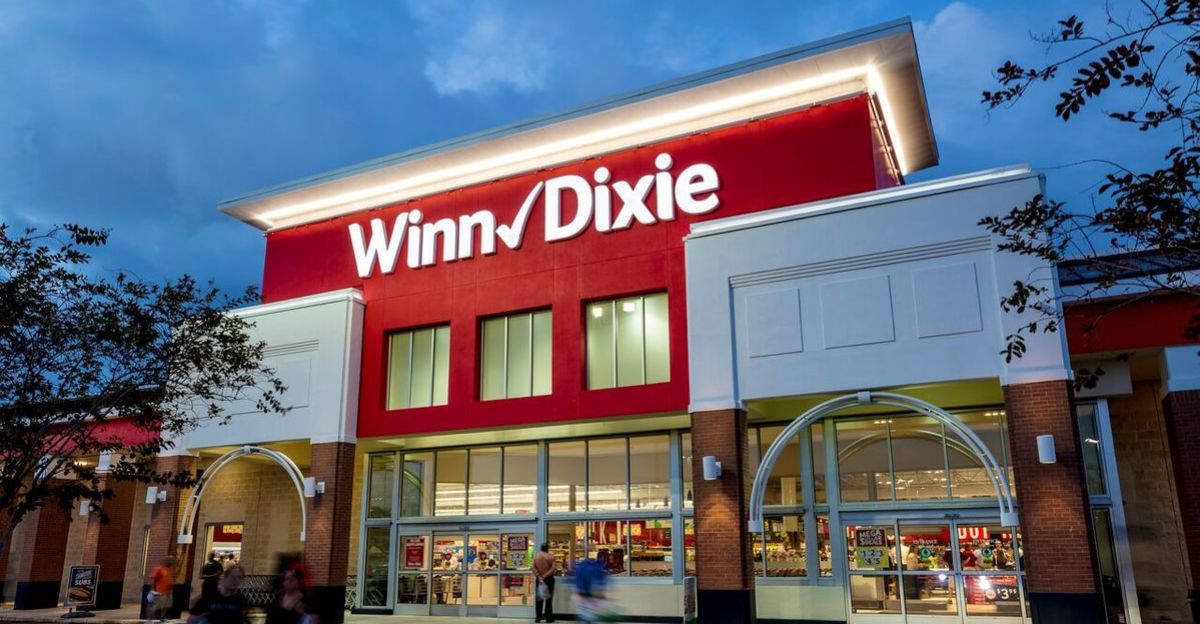
Winn-Dixie’s restructuring will leave it with about 130 grocery stores and 140 liquor stores, concentrated primarily in Florida with limited presence in southern Georgia. The company is doubling down on its home turf, acquiring Hitchcock’s Markets in northern Florida and planning to rebrand them as Winn-Dixie locations by 2025. CEO Anthony Hucker is steering the company toward modernization, expanding private-label offerings, and investing in online delivery services.
This strategy reflects a broader trend in the grocery industry, where regional chains facing pressure from discount competitors are retrenching to focus on their strongest markets. Such strategic withdrawals aim to improve operational efficiency and financial sustainability by concentrating resources where companies have the deepest customer loyalty and market presence.
Looking Ahead: The Future of Southern Grocery Shopping
Retail experts caution that while focusing on core markets may stabilize Winn-Dixie in the short term, it limits the company’s potential for growth. The closures mark the end of an era for many Southern communities, raising questions about the future of regional grocery chains in a consolidating industry. For customers and employees, the loss is deeply personal, touching on both economic and social ties.
As Winn-Dixie closes the chapter on its first century, the stakes are high—not just for the company, but for the communities it has served for generations. Whether this retreat signals a new beginning or the slow fade of a Southern icon remains to be seen, but the transformation underway will shape the region’s grocery landscape for years to come.