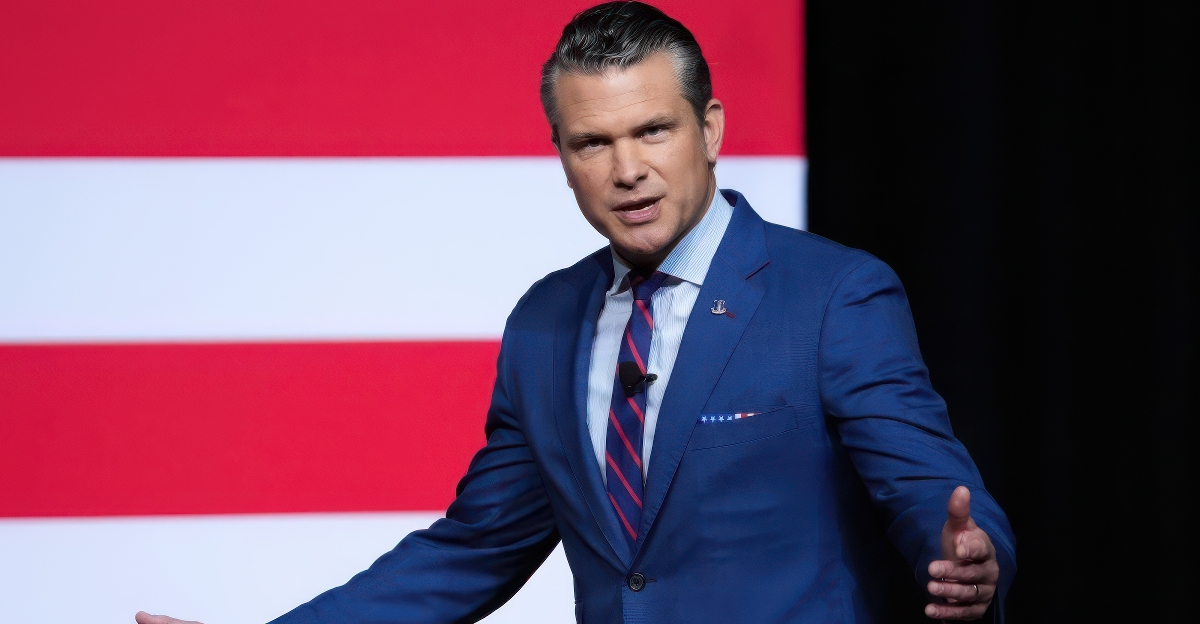
On October 5, 2025, Defense Secretary Pete Hegseth officially announced that he had received “full authorization” to target vessels in the Caribbean that were suspected of engaging in drug trafficking.
This announcement marks a notable increase in U.S. military involvement in the region near Venezuela. Recent operations have already led to multiple fatalities, indicating the seriousness of the situation.
The Fox News Declaration
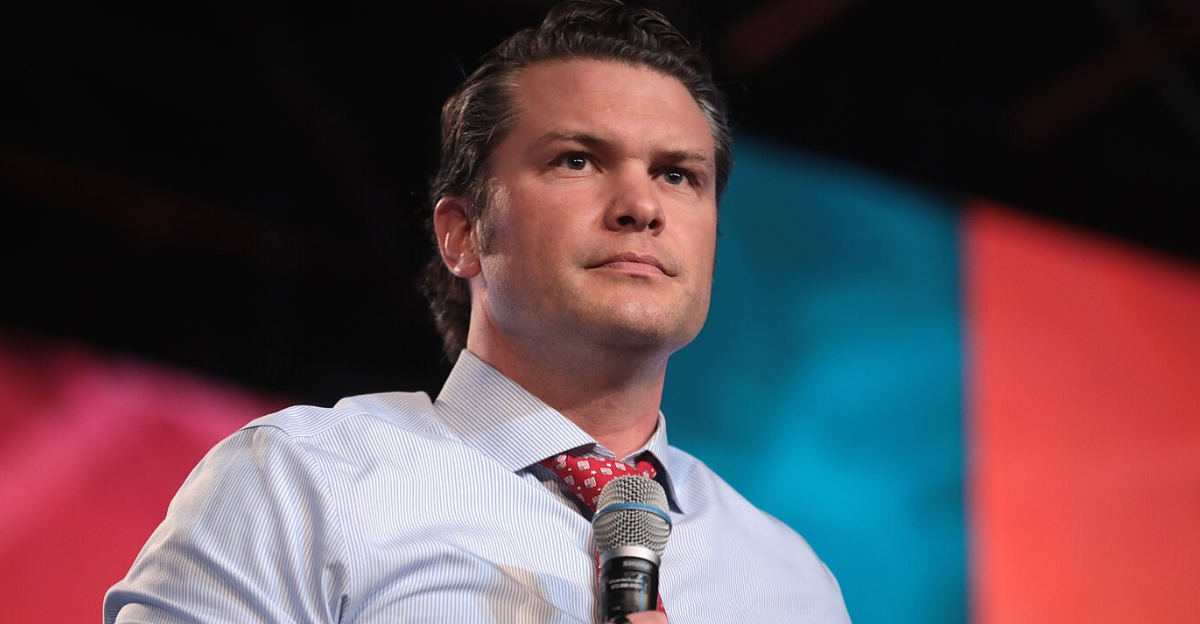
On Fox News “The Sunday Briefing,” Hegseth stated: “We have full authorization” and confirmed that targeted groups had been “designated as foreign terrorist organizations.”
This public statement came after the October 3 strike that killed four individuals aboard a targeted vessel off Venezuela’s coast.
Hegseth’s Confirmation Journey
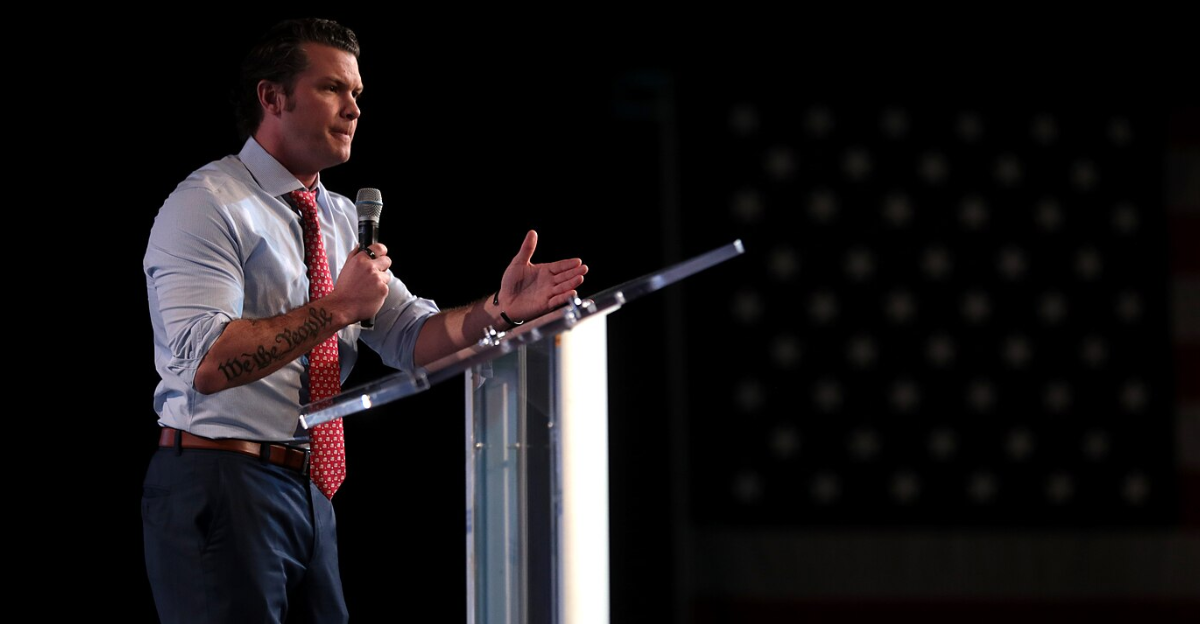
Pete Hegseth, who previously served as an Army National Guard officer and gained recognition as a television personality, officially became the 29th Secretary of Defense on January 25, 2025.
His confirmation by the Senate was notably contentious, ultimately requiring a tie-breaking vote from Vice President JD Vance to secure his appointment.
October 3 Strike Details
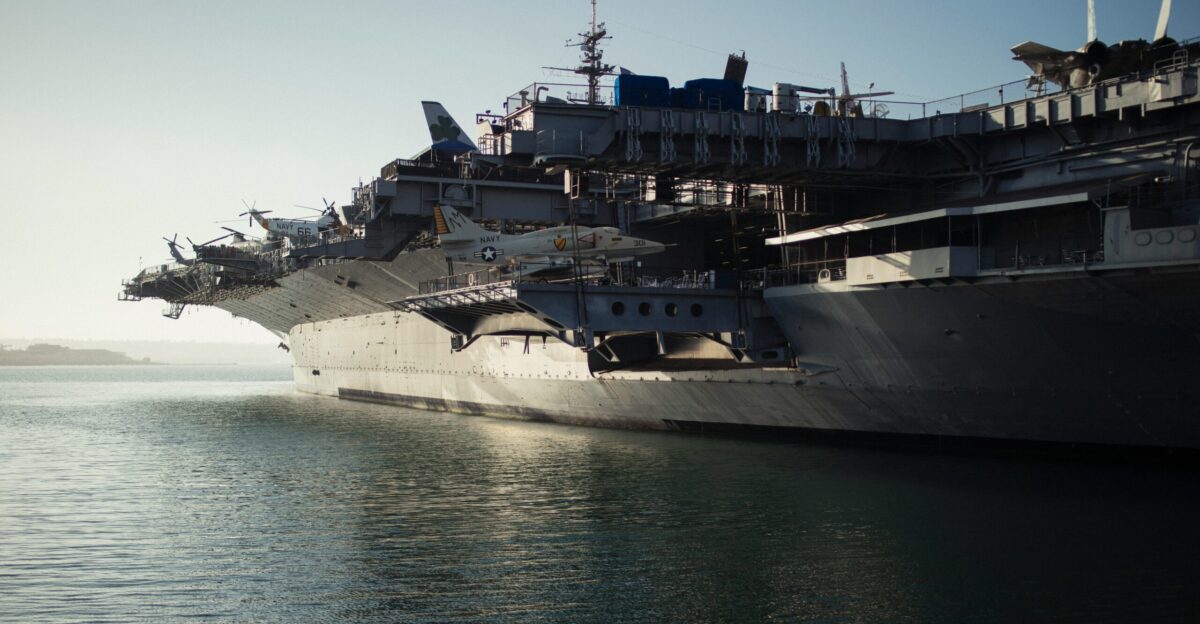
On October 3, 2025, a military operation near Venezuelan waters resulted in the deaths of four individuals aboard a vessel, described by Hegseth as “narco-terrorists.”
He asserted that the operation’s legality was upheld under international law for actions in international waters.
Terror Organization Classification
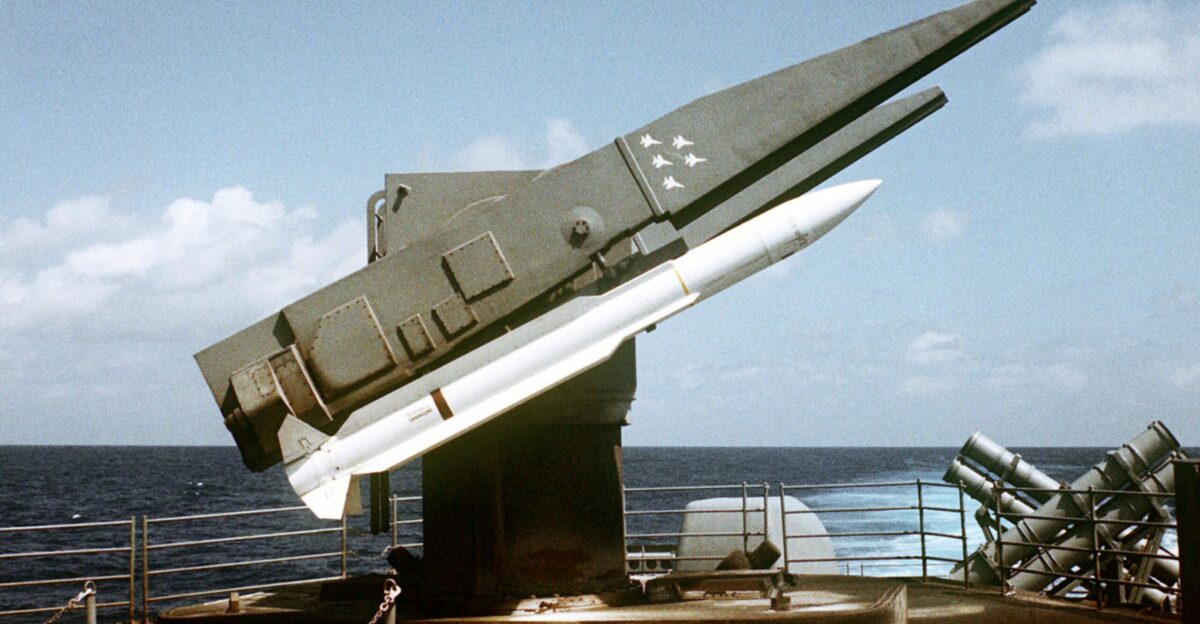
Hegseth disclosed that specific vessels have been categorized as connected to “designated foreign terrorist organizations.”
This classification permits broader military engagement under U.S. law, allowing for military actions that can circumvent conventional law enforcement procedures and facilitate direct military strikes.
Trump’s “Armed Conflict” Declaration
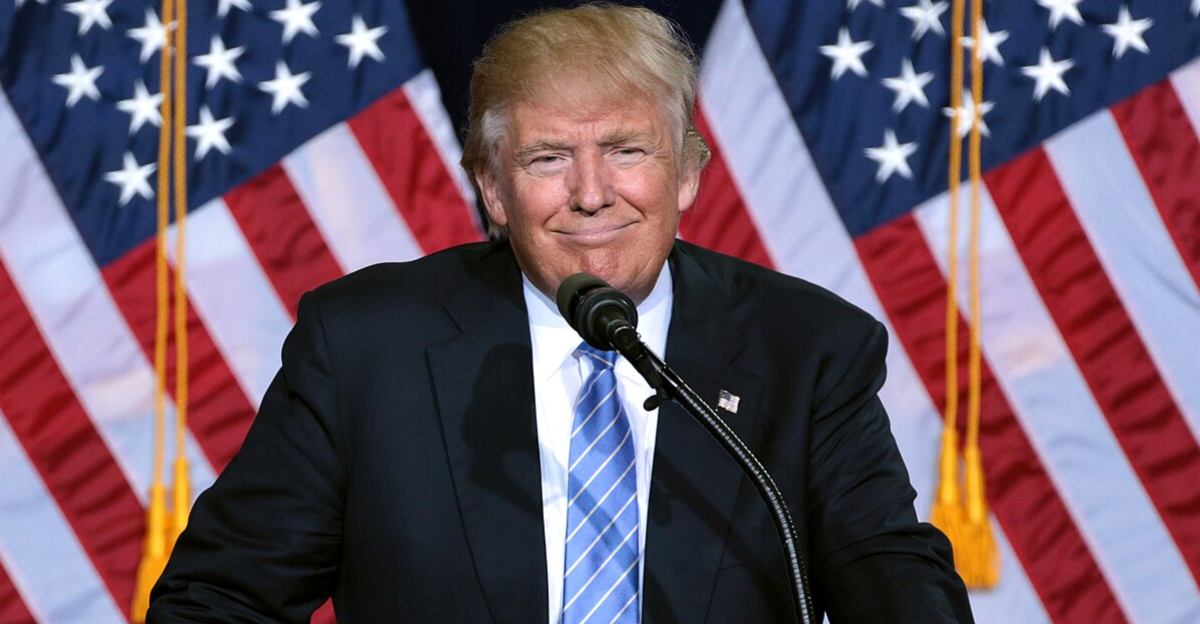
On October 2, 2025, President Trump officially informed Congress that the United States is engaged in a “non-international armed conflict” with drug cartels, designating these groups as “unlawful combatants.”
This classification grants legal grounds for conducting military strikes against the cartels without the need for traditional war authorization from Congress.
Series of Caribbean Strikes
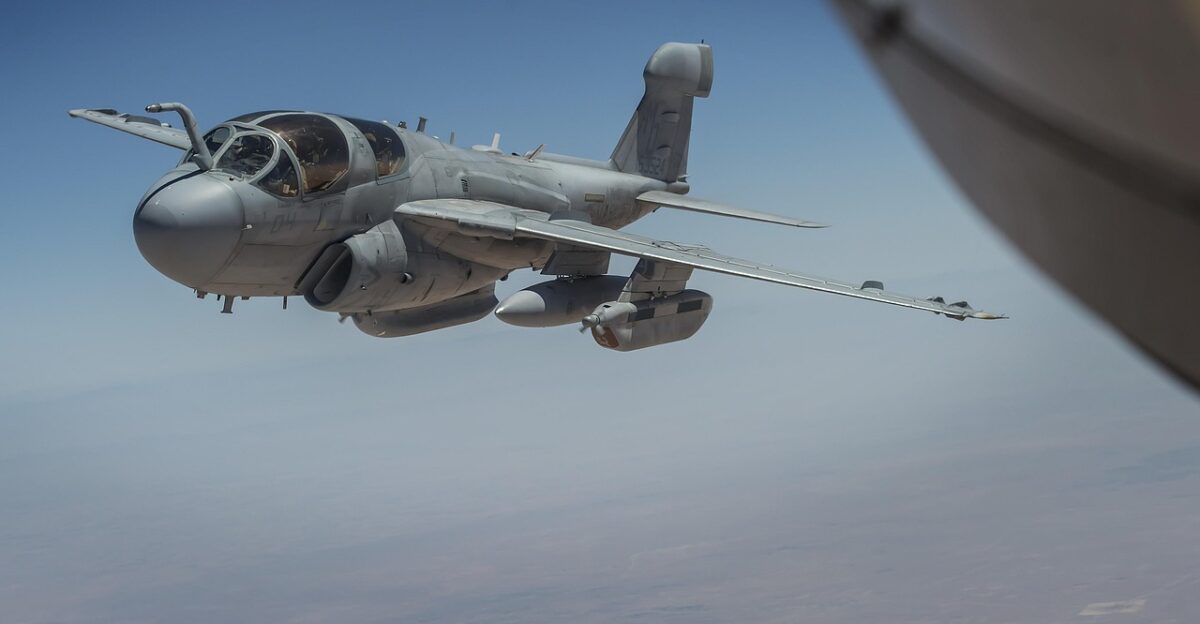
On October 3, the U.S. conducted its fourth publicly confirmed military strike in the Caribbean since September 2025. The prior strikes occurred on September 2, 15, and 19, resulting in a total of 17 fatalities.
The administration has stated that all targeted vessels were associated with drug trafficking operations connected to terrorist organizations.
Venezuelan Government Response
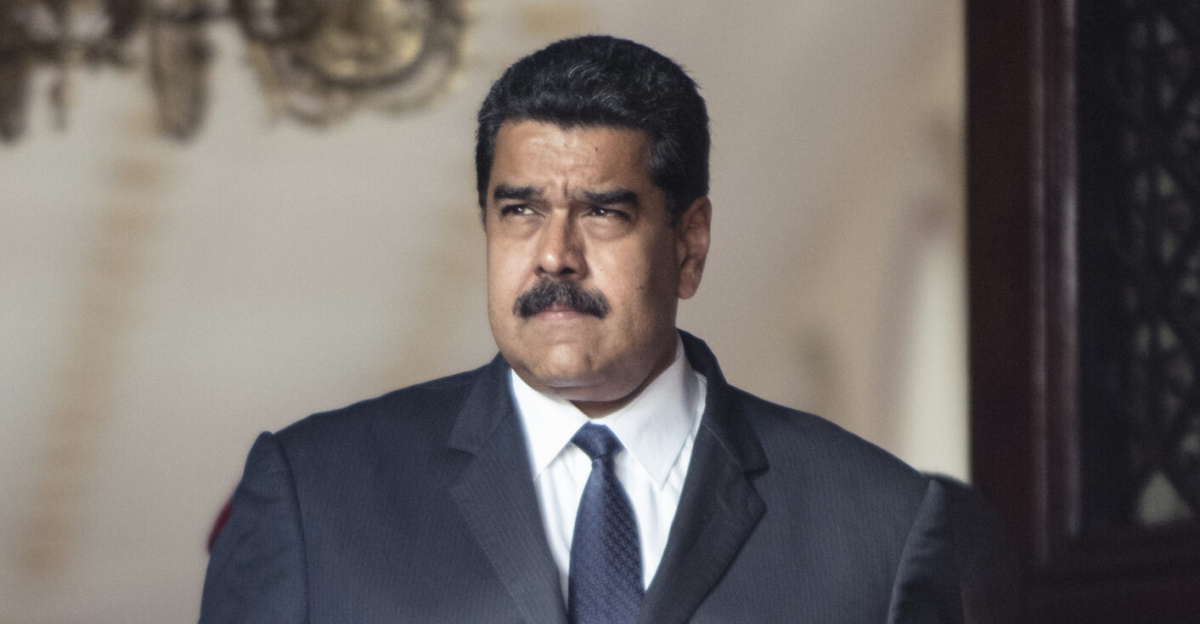
Venezuelan authorities have criticized recent U.S. strikes, labeling them as violations of international maritime law.
In response, President Nicolás Maduro has indicated the possibility of declaring a state of emergency to safeguard the nation from potential military actions by the U.S.. This move heightens existing regional tensions.
Legal Basis Questioned
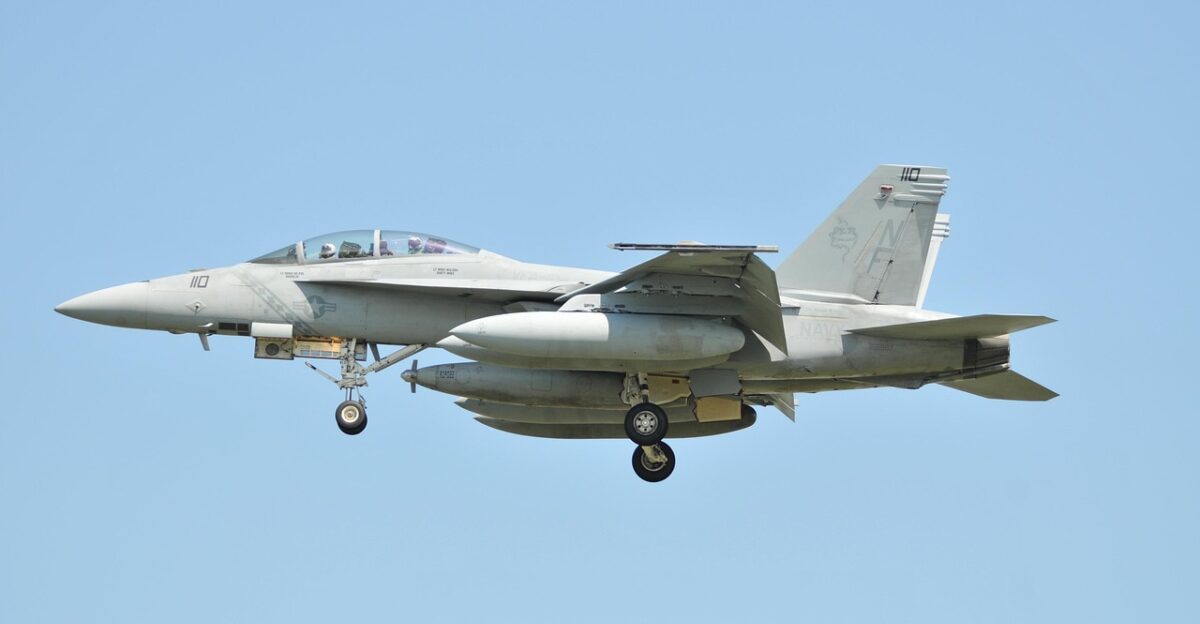
Legal experts and critics have raised concerns regarding the legal basis for the strikes, pointing out that drug interdiction is generally the responsibility of the U.S. Coast Guard rather than military forces.
Some analysts have described these attacks as potential breaches of international law, drawing parallels to extrajudicial killings.
Intelligence Claims
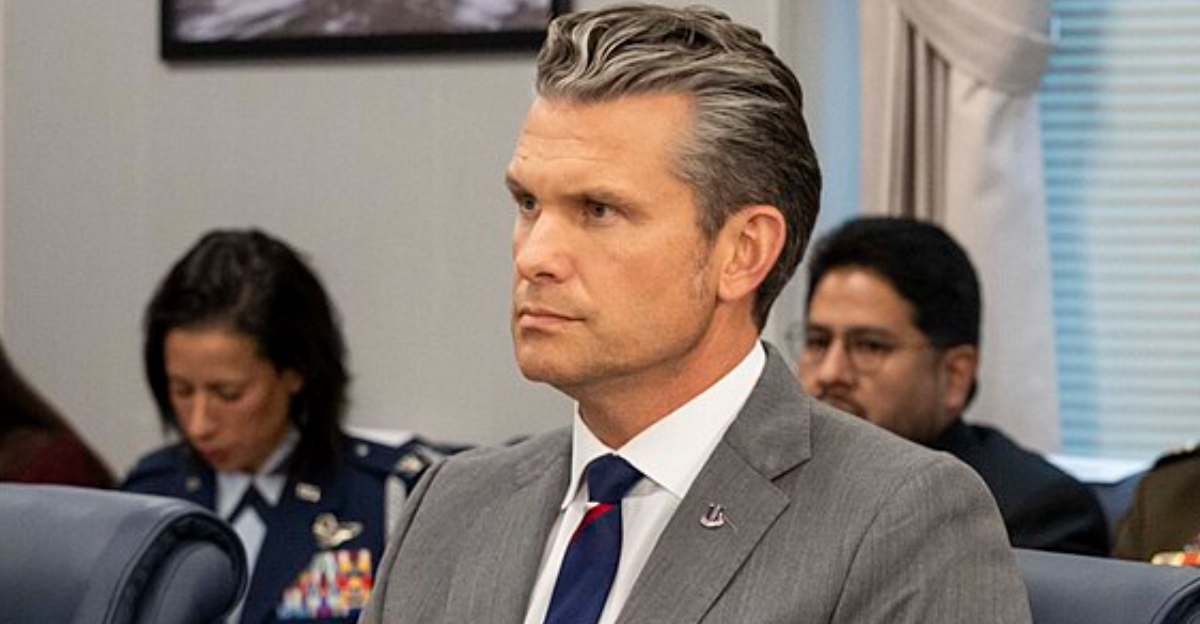
Neither Defense Secretary Hegseth nor President Trump has publicly shared evidence to support the claims that the boats in question were carrying drugs or that the individuals killed had confirmed ties to terrorist organizations.
The administration asserts that these vessels were deemed legitimate military targets, based on intelligence assessments.
Traditional Coast Guard Operations
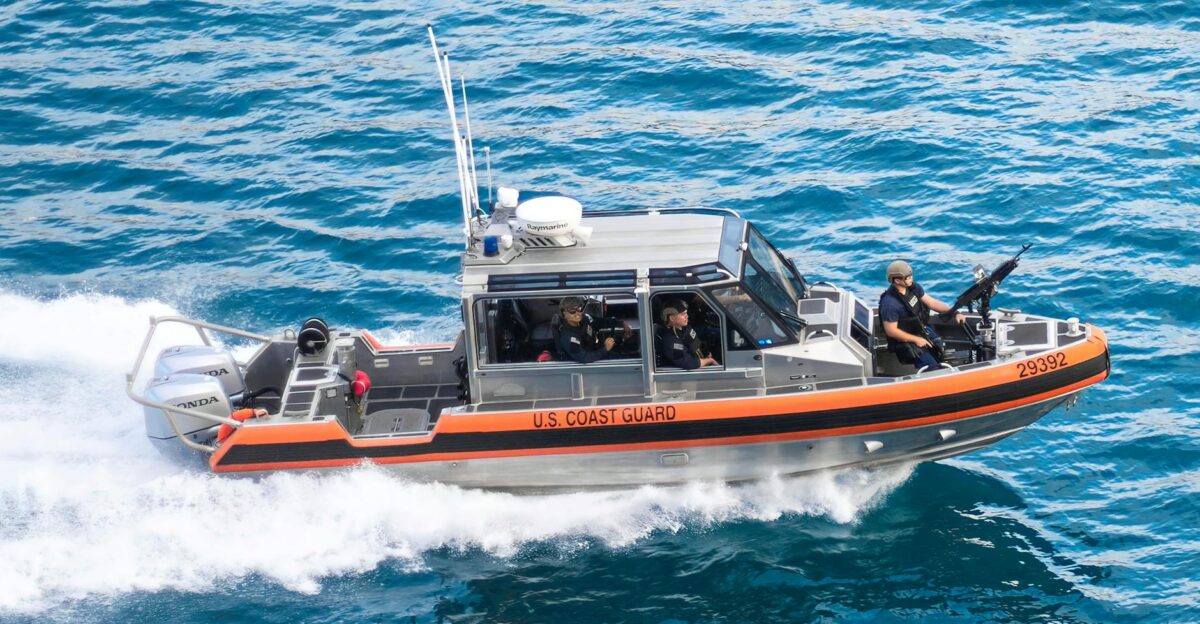
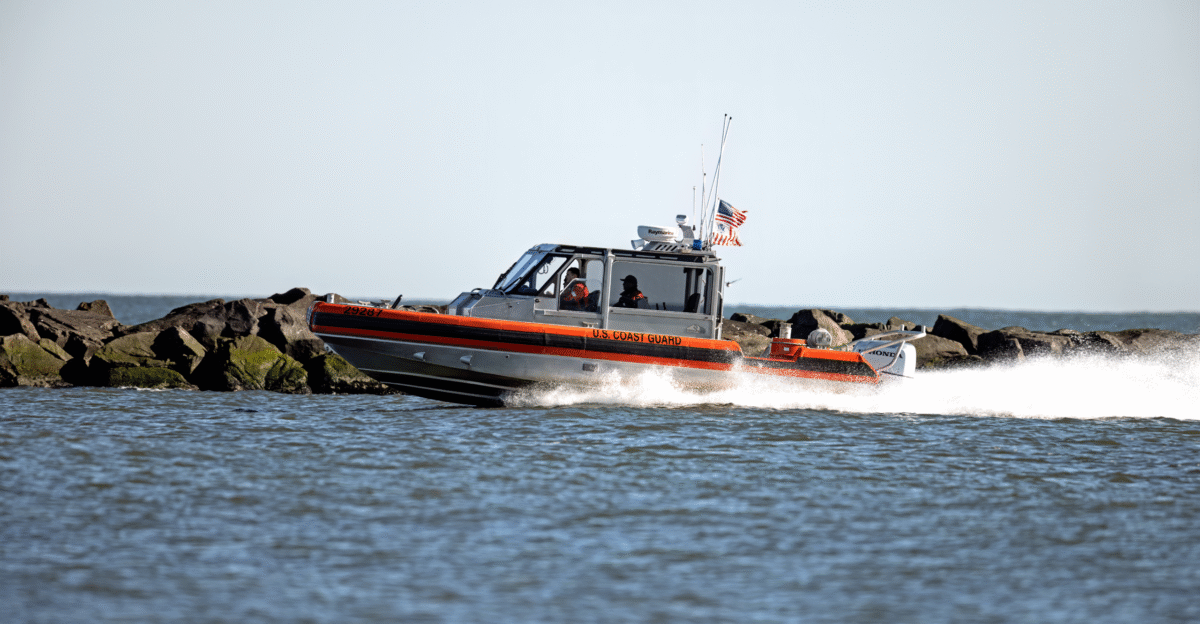
The U.S. Coast Guard has historically handled maritime drug interdiction through warning, disabling, and boarding procedures.
Recent Coast Guard operations, including a record 76,140-pound drug seizure offload in August 2025, demonstrate traditional law enforcement approaches to Caribbean drug trafficking.
Quantico Leadership Meeting

Hegseth addressed senior military officials at Marine Corps Base Quantico on September 30, 2025, outlining new operational directives.
The meeting established protocols for anti-narcoterrorism operations and streamlined command authority structures.
Congressional Notification Requirements
The Trump administration’s October 2 notification to Congress complied with the National Defense Authorization Act’s requirements for reporting military strikes.
The memo classified September 15 strike victims as “unlawful combatants,” using terminology previously applied to Al Qaeda and ISIS members.
Strategic Assessment
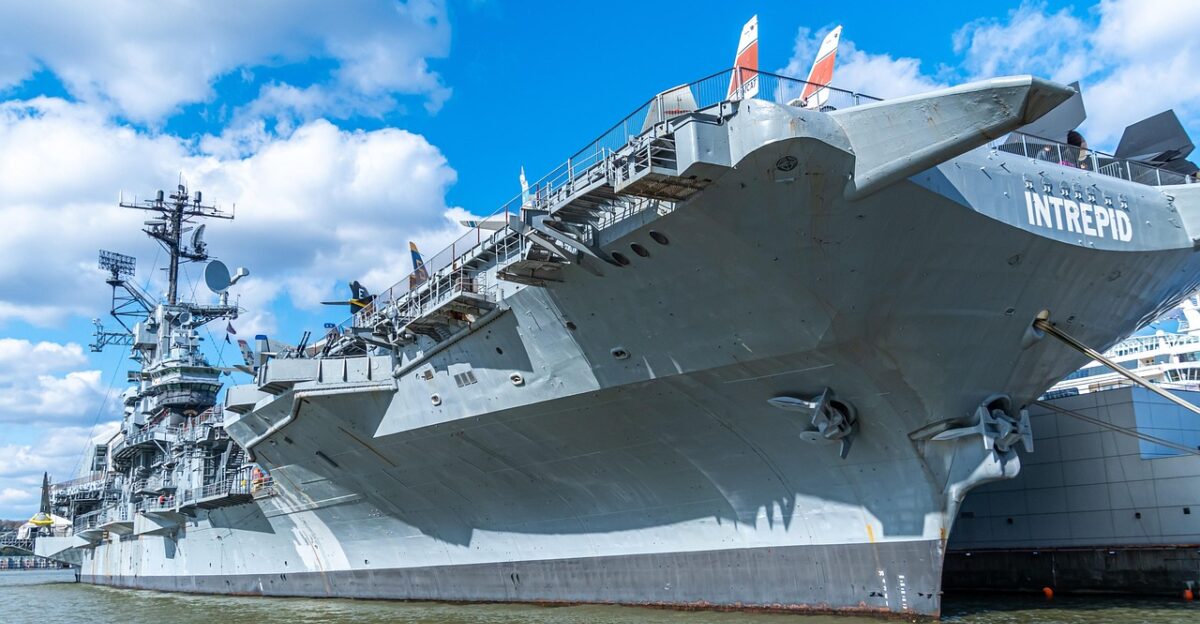
Defense analysts suggest current U.S. military deployments in the Caribbean are insufficient for major ground operations but adequate for continued maritime strikes.
Experts estimate nearly 50,000 troops would be required for any potential Venezuelan invasion.
International Waters Operations
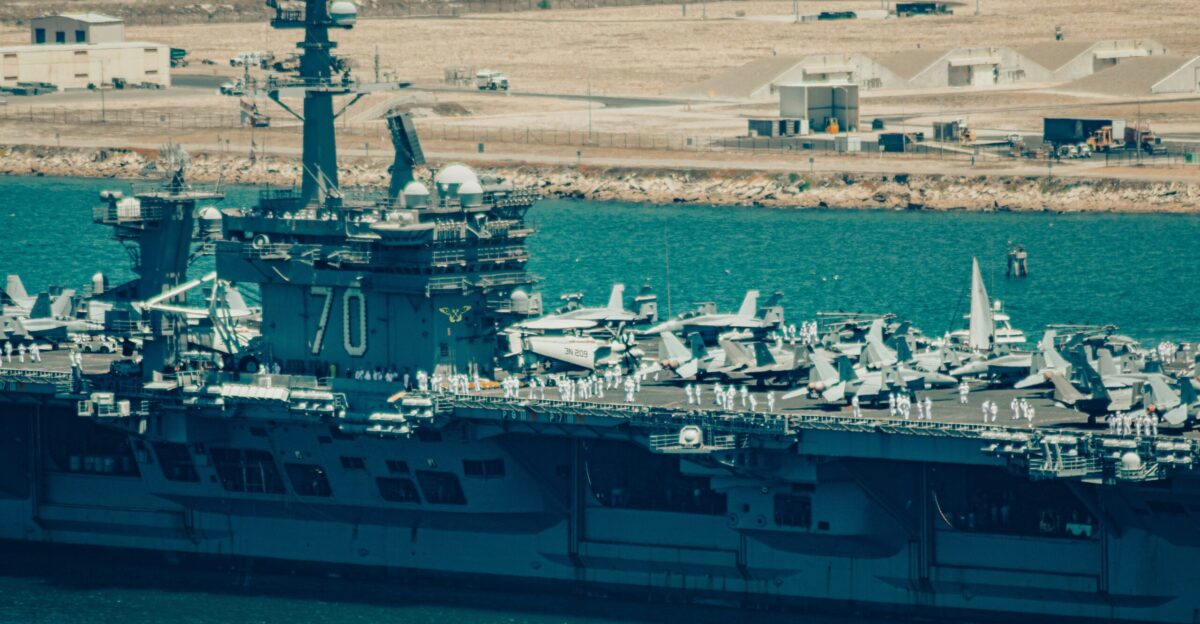
All reported strikes have occurred in international waters off Venezuela’s coast, avoiding direct territorial violations while maintaining legal distance from Venezuelan sovereignty.
This positioning allows continued operations while minimizing direct diplomatic confrontation.
White House Defense
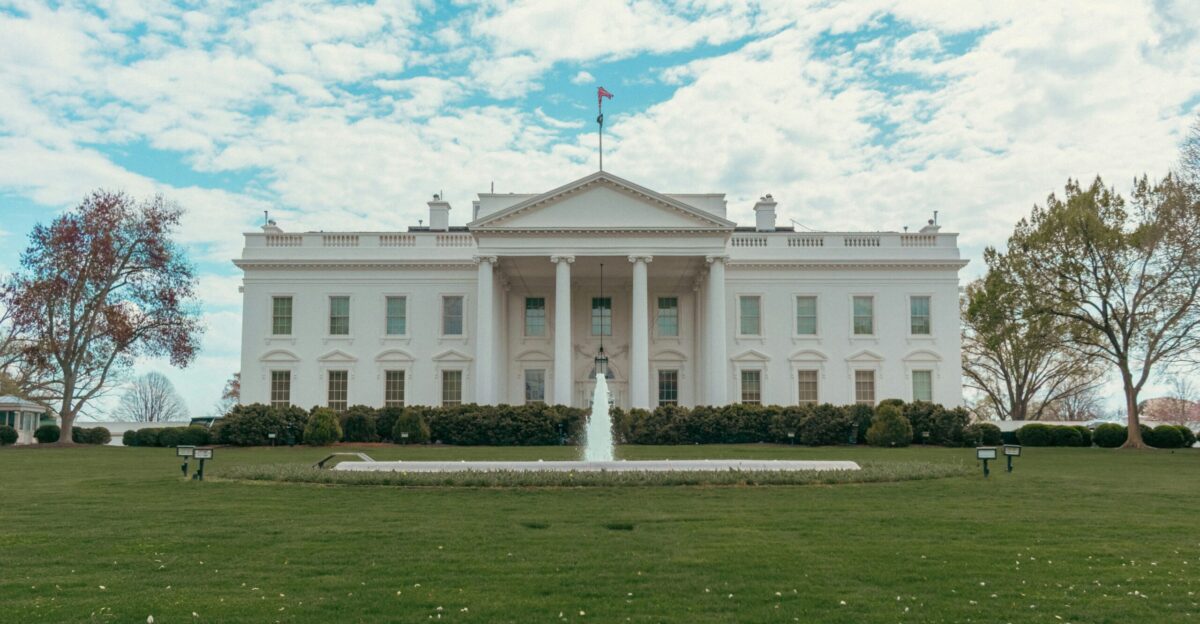
White House spokesperson Anna Kelly defended the military actions, stating Trump “acted in line with the law of armed conflict to protect our country from those trying to bring deadly poison to our shores.”
The administration frames operations as fulfilling campaign promises to combat cartels.
Regional Security Implications
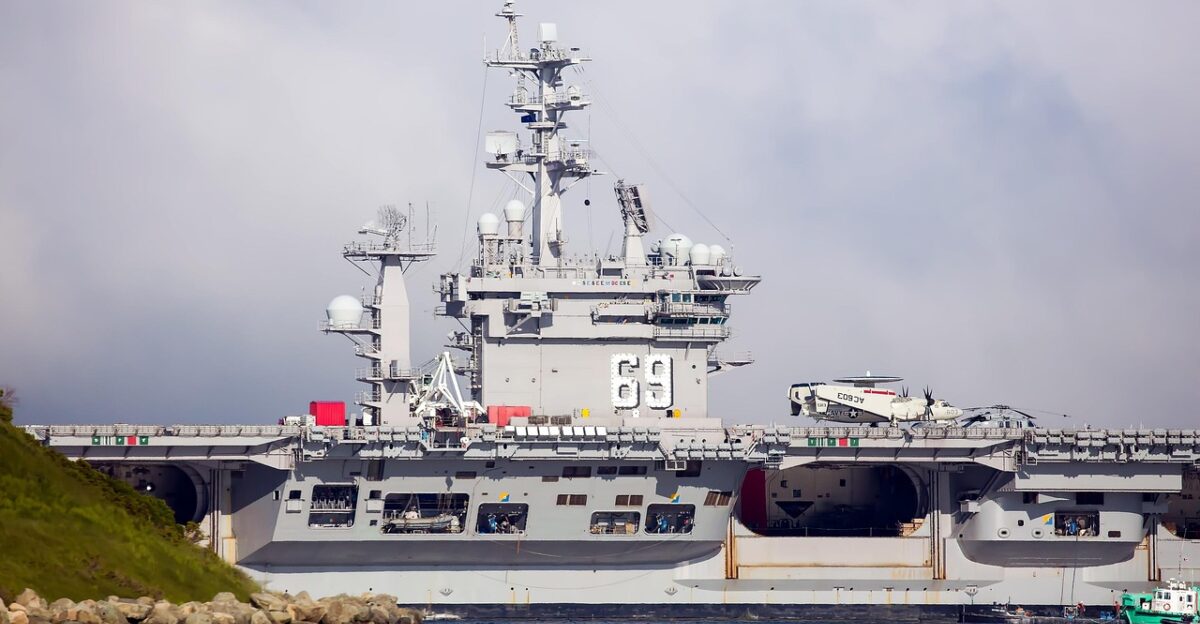
The strikes represent the first publicly acknowledged U.S. airstrikes in Central or South America since the 1989 Panama invasion.
Operations have heightened tensions throughout the Caribbean region and raised questions about U.S. unilateral military action.
Designated Terrorist Organizations
The Trump administration has designated several drug cartels as terrorist organizations, including Venezuela’s Tren de Aragua, Mexico’s Sinaloa Cartel, and El Salvador’s MS-13.
This classification enables military action under counterterrorism authorities rather than law enforcement procedures.
Evidence and Transparency
Neither President Trump nor Secretary Hegseth has provided public evidence substantiating claims that targeted vessels contained drugs or that those killed were definitively terrorist operatives.
The identities of the strike victims remain undisclosed, raising questions about accountability.
Future Operations

Hegseth declared: “If you’re in our hemisphere, if you’re in the Caribbean, if you’re north of Venezuela and you want to traffic drugs to the United States, you are a legitimate target of the United States military.”
Trump indicated the U.S. military buildup has halted Caribbean drug trafficking and hinted at potential “phase 2” operations.