
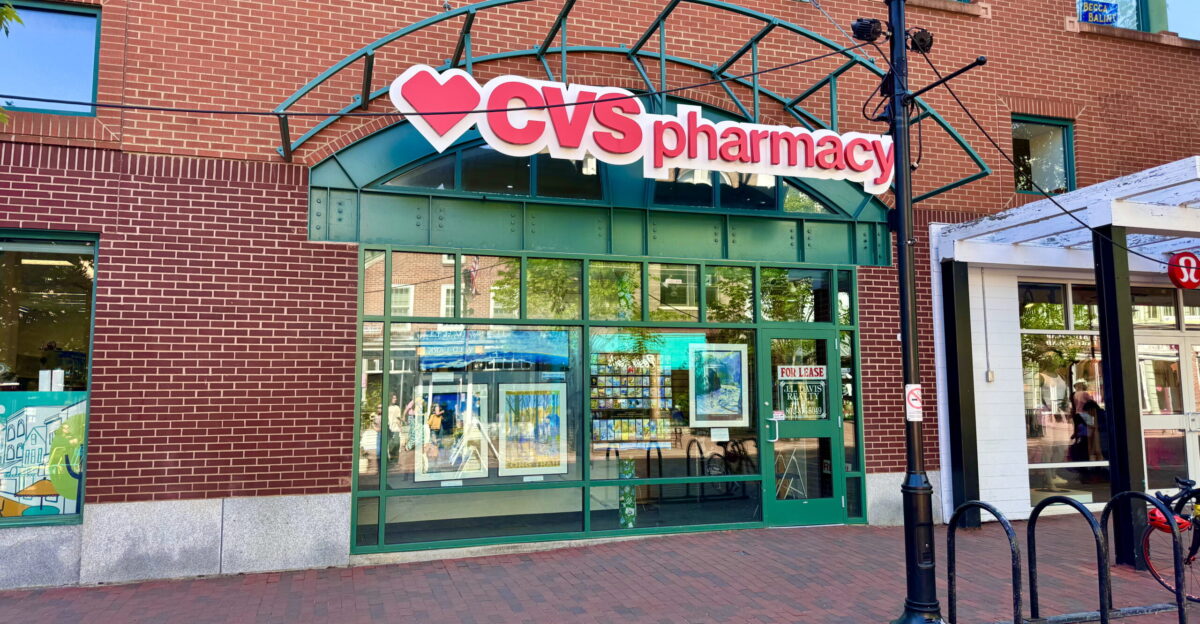
In 2025, CVS Health announced the permanent closure of 270 stores nationwide, a significant move in a multi-year restructuring plan initiated in November 2021.
This decision marks one of the largest single-year reductions in the company’s history, affecting numerous communities across America. As a result, many residents will need to find alternative locations to fill their prescriptions, highlighting the impact of these closures on local access to pharmacy services.
When Giants Fall

The American pharmacy landscape is changing, with CVS leading a wave of closures affecting the industry. Walgreens plans to close 1,200 locations by 2027, while Rite Aid, after 63 years, filed for bankruptcy twice and closed all its stores by October 2025.
These three major chains have significantly reduced the number of locations, limiting access to medications and healthcare services for many Americans.
The Economics of Closing Doors

The economic reasons behind “Store Closing” signs often follow a common trend. Pharmacy benefit managers have been reducing the reimbursements pharmacies receive for filling prescriptions. At the same time, more consumers are turning to online purchases, resulting in fewer customers at physical stores.
Despite the decline in foot traffic, these pharmacies still face high fixed costs like rent and staff salaries, leading to potential financial losses when remaining open daily.
California Feels the Pain

In 2025, CVS is set to close numerous locations across California, affecting both urban areas like San Francisco and suburban communities in San Bernardino. Los Angeles County residents have already received notifications about these closures.
This trend is also evident in Wisconsin, New York, and Illinois, leading to longer drives for families to access pharmacies. Consequently, many neighborhoods may become “pharmacy deserts,” where residents have to travel significant distances to obtain medications.
The Desert Expands

Recent research reveals that about 15.8 million Americans live over 10 miles from their nearest pharmacy, creating “pharmacy deserts.” While this issue mainly impacts rural areas, CVS closures are now affecting urban and suburban neighborhoods.
Vulnerable populations—such as seniors without transportation, families without reliable internet, and individuals with chronic conditions—face significant challenges when their local pharmacies are no longer available.
The Digital Takeover

As physical pharmacies close, more Americans are turning to their smartphones for prescriptions. Amazon Pharmacy now delivers medications within hours in many cities, and mail-order services offer 90-day supplies at discounted rates.
CVS has noted that digital prescriptions are increasingly vital to its business. However, this trend may disadvantage the elderly and those in rural areas, who may struggle with accessing these digital options.
Jobs Disappear with the Stores

Pharmacy closures have serious repercussions for many individuals. Pharmacists risk job transfers or unemployment after years of building patient relationships, while pharmacy technicians lose stable middle-class positions.
Store employees, familiar faces in their communities, must seek new jobs. Although CVS plans to offer transfers for some employees, the closure of 270 locations will likely lead to thousands of job losses.
The End of an Era

In October 2025, Rite Aid, a longstanding American pharmacy chain, permanently closed after failing to recover from two bankruptcy filings.
This collapse resulted in tens of thousands of job losses and left millions of customers seeking new pharmacies. The empty Rite Aid storefronts nationwide illustrate the ongoing challenges in the retail pharmacy industry.
CVS Bets on Healthcare

CVS is shifting its focus by opening 100 HealthHUB sites between 2022 and 2024.
These clinics emphasize medical care over retail shopping, offering services such as primary care visits, chronic disease management, and wellness screenings. The company aims to meet the growing demand for healthcare services among consumers.
Walgreens’ Drastic Downsizing
In October 2024, Walgreens CEO Tim Wentworth announced plans to close 1,200 stores by 2027, marking a reduction of one in every four locations.
He cited unsustainable operating costs and declining customer traffic as drivers of this decision. The downsizing is expected to eliminate thousands of jobs and significantly alter Walgreens’ presence in American communities.
Economic Ripple Effects

When pharmacies close, the economic impact extends beyond the healthcare sector. Commercial properties lose anchor tenants, which reduces overall foot traffic and negatively impacts neighboring businesses.
Communities experience job losses across the healthcare and retail sectors. Local governments lose sales tax revenue from prescription and retail transactions. Property values in affected areas often decline as residents lose convenient access to healthcare services.
Independent Pharmacies Fill Gaps

While corporate chains retreat, independent pharmacies often serve markets that larger companies abandon. These smaller operations typically focus on specialized services such as medication counseling, compounding, and delivery programs for homebound patients.
Independent pharmacists frequently establish operations in underserved areas where large chains have deemed operations to be not sufficiently profitable.
Washington Targets the Middlemen

The pharmacy crisis has attracted bipartisan attention in Congress. Lawmakers are considering legislation to reform pharmacy benefit managers—the companies that control prescription drug pricing and pharmacy reimbursements.
The Federal Trade Commission has launched investigations into whether these middlemen use their market power unfairly. Proposed reforms include requiring transparent pricing and eliminating fee structures that critics say contribute to pharmacy closures.
No End in Sight

Industry experts expect more closures throughout 2025. The economic pressures that forced CVS, Walgreens, and Rite Aid to shut stores haven’t eased. Digital prescriptions continue growing while foot traffic at physical locations declines.
Operational costs continue to rise while reimbursements remain under pressure. Analysts predict the traditional corner pharmacy will become increasingly rare, concentrated mainly in profitable suburban markets.
A New Healthcare Map

America’s healthcare landscape is undergoing significant changes. Urban areas increasingly rely on digital pharmacy services and delivery options. Rural communities may depend on mobile pharmacy services or expanded telehealth programs.
The elderly and those without reliable internet access face the greatest challenges adapting to these changes. Policymakers are developing new approaches to ensure that essential medications remain accessible to all Americans, regardless of their location or level of technological comfort.