
Early this month, what looked like a routine economic update revealed a sudden break in the labor market. Private sector employers reported 32,000 jobs lost in a single month, marking the sharpest decline in nearly 2 years. Beneath that headline, small businesses erased 120,000 roles while large firms added 90,000, exposing a structural divide.
This split is reshaping decisions in Washington as policymakers face a pivotal moment. Here is how the situation unfolded and why it matters.
What Is Really Going On
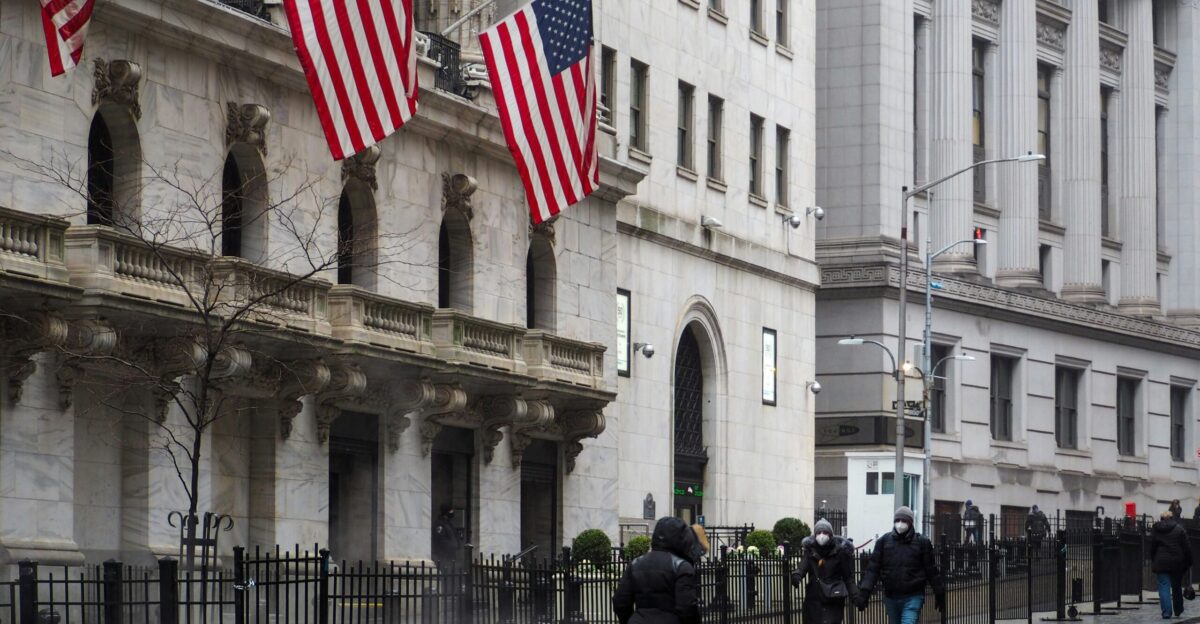
The November report showed the first clear sign that the labor market had shifted from slowing growth to actual contraction. A single monthly loss might be dismissed as noise, but the scale and distribution made it impossible to ignore.
Beneath the surface, employers of different sizes moved in opposite directions. That divergence set the stage for the story that follows.
The Shocking Numbers

Private employers cut 32,000 positions last month, the most significant drop since early 2023. It became the fourth negative result within six months, revealing a pattern that had been hidden by October’s upward revision. Forecasts of more than 40,000 new jobs created a sense of stability that quickly evaporated.
The 72,000 swing between expectations and reality alarmed policymakers. It suggested that conditions might be deteriorating faster than anticipated, prompting a closer examination of the details.
The Small Business Catastrophe

Small businesses with fewer than 50 workers cut 120,000 jobs in November. Micro firms accounted for 46,000 losses, and firms with 20 to 49 employees cut 74,000 more. These were not temporary layoffs. These were survival decisions from long-established employers.
Meanwhile, large organizations added 39,000 jobs and mid-size firms added 51,000. The 210,000-job divergence raised a critical question about who is struggling and why.
Small Firms Have Felt The Pinch
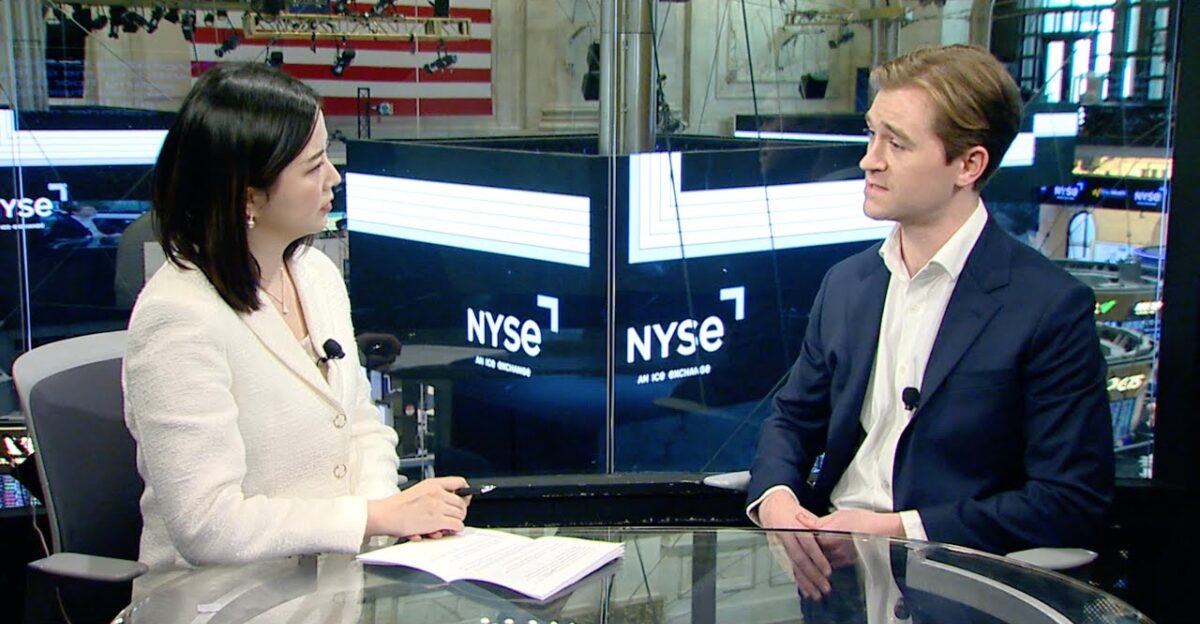
Matthew Martin of Oxford Economics stated, “Small firms, those with less than 50 employees, have felt the pinch of policy uncertainty, rising input costs and high interest rates the most” on December 3. His comment clarified how multiple pressures landed simultaneously on smaller firms.
Sean Higgins of the Competitive Enterprise Institute added on December 4, “There is a lot of economic uncertainty right now due to tariffs and other things.” His remark pointed toward an even deeper dynamic.
The Northeast’s Historic Collapse

The Northeast lost 100,000 positions in November, a number that exceeded the nationwide total. The South shed 43,000 jobs while the Midwest gained 45,000, and the West added 67,000. This created a geographic divide where part of the country contracted sharply.
These regional differences prompted economists to examine why certain hubs were disproportionately affected. That distribution offered clues about the underlying stress.
Industries Under Siege

Professional and business services cut 26,000 jobs, while information services removed 20,000 positions. Manufacturing eliminated 18,00,0, and construction lost 9,000. These major sectors anchor several regional economies, thereby intensifying their impact in places like the Northeast.
Education and health services added 33,000 jobs, and leisure and hospitality gained 13,000. This lopsided outcome raised questions about the pressures that targeted specific fields.
What Economists Expected
FactSet anticipated growth above 40,000 jobs, while Reuters predicted an increase of nearly 10,000. Instead, employers cut 32,000. This gap between forecast and reality became a warning sign, not just a miss. Markets quickly reassessed expectations.
A data shock of that size matters because it influences both public confidence and Federal Reserve deliberations. Stakeholders suddenly needed to evaluate whether the slump was accelerating.
Wage Growth Slows Too

Job-stayers saw annual pay growth slip to 4.4 percent from 4.5 percent. Job-changers experienced a larger drop from 6.7 percent to 6.3 percent. Slowing wages combined with job losses signal weakening labor demand across the economy.
Household finances come under pressure when workers have fewer opportunities and slower pay gains. That shift can influence spending at the exact moment employers hope for stability.
Uncertainty Matters More Than Tariffs

Sean Higgins explained on December 4, “Businesses do not like tariffs, but they do not like uncertainty even more.” Many small employers cannot plan confidently because their costs may change within a few months.
As long as firms cannot estimate input costs, cautious hiring becomes rational. This caution can already be tracked in the data, suggesting wider effects if uncertainty persists.
The NFIB Profit Decline

A net negative 25 percent of small business owners reported positive profit trends in November. A net negative 13 percent reported higher nominal sales. These readings signaled weakening health at a moment when stability was most crucial.
The NFIB uncertainty index fell to 88 yet remained far above its historical average of 68. Elevated anxiety shaped employer decisions and encouraged more defensive strategies.
The Government Shutdown’s Shadow
The 43-day federal shutdown resulted in the cancellation of the October employment report. November’s official report was delayed until after the Federal Reserve meeting. That left the ADP report as the primary available snapshot of the labor market.
When decision-makers rely on one dataset, its influence becomes unusually strong. That heightened the significance of November’s numbers just as the economy weakened.
A Four-Month Pattern

June posted a loss of nearly 33,000. August dropped around 3,000. September fell by 32,000. November’s 32,000 decline matched that figure. Four consecutive negative months marked the most persistent weakness since the 2020 downturn.
October’s revision had masked the trend. Once removed, the trajectory suggested a labor market tipping away from expansion, raising concerns about momentum.
Consumers Pull Back
71% of consumers planned to reduce or stop discretionary spending between August and October. Only 24 percent intended to spend normally, while 13 percent halted all nonessential purchases.
McKinsey reported that half of shoppers expect to delay purchases in categories like electronics and dining. That shift puts additional pressure on small businesses already cutting jobs.
Tariffs Hit Small Firms Hard
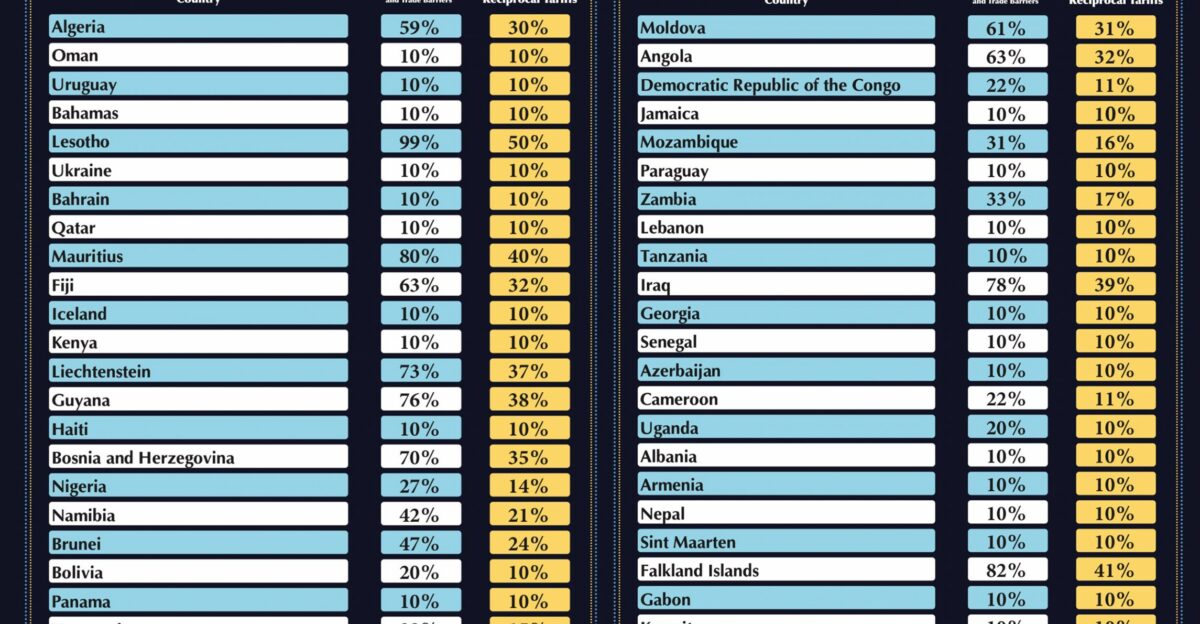
Sean Higgins explained, “The assumption with most tariffs is finished products. The problem is that a lot of times it is raw materials.” Many small manufacturers rely on a limited number of suppliers and have little leverage.
Large manufacturers can diversify and negotiate. Smaller ones cannot. Rising material costs leave them with few choices beyond reducing payroll.
The Federal Reserve’s Dilemma

Market expectations for a rate cut rose to as high as 89 percent after the report. Many economists projected a 25-basis-point cut. Yet internal divisions persisted as inflation remained near 3 percent.
Cutting rates risks fueling inflation, while pausing risks a deeper economic slowdown. This created one of the most complicated decisions of the year.
We Never Saw It Coming

Peter Hansen of the National Federation of Independent Businesses stated on December 4, 2025, “It is not just a business that is uncertain about its future. It is a business selling to people who are a little uncertain.” His point captured a consumer-driven dimension.
Uncertainty now flows in both directions. That dynamic invites questions about how quickly weakness could spread if confidence continues to erode.
The Micro Firm Breakdown

Micro employers cut 46,000 roles in November, and firms with 20 to 49 workers removed 74,000. The losses centered in mature small businesses rather than startups, suggesting pressure on long-standing establishments.
With roughly 20 to 25 million Americans working for small employers, this single month represented 0.5 to 0.6 percent of that segment. Continuation at that pace would be severe.
What Economists See Ahead

Deloitte expects modestly negative job growth through early 2026 and projects unemployment rising from 4.2% to 4.5%. An alternate scenario includes a recession starting late next year.
PNC Economics predicts weaker growth, but not a recession, although it warns that employers could turn suddenly if tariff-driven uncertainty intensifies. The divergence suggests genuine unpredictability.
The Impact On Households

The 120,000 job cuts equate to annualized income losses of between $ 4.8 billion and $ 6 billion, based on median pay levels. With roughly 2.5 people per household, about 300,000 individuals felt immediate strain.
Families in affected regions quickly adjusted their spending or tapped into their savings. Those community-level effects raise deeper concerns about how long the shock may last.
The December Decision

The Federal Reserve meets this month to choose whether to reduce borrowing costs. A cut could ease pressure on small businesses. A pause could intensify job reductions already visible in recent data.
The labor market has entered a turning point after nearly two years of steady growth. The coming weeks may determine whether this slide deepens or stabilizes.
Sources:
ADP National Employment Report, December 3, 2025
U.S. Bureau of Labor Statistics (BLS) Employment Situation Reports and schedules,
Federal Reserve Open Market Committee (FOMC)
National Federation of Independent Businesses (NFIB) Small Business Optimism Index,
Reuters Survey of Economists on December Fed Rate Expectations, December 4, 2025
Federal Reserve Bank of New York and CME FedWatch Tool data on rate cut probabilities,
Federal Reserve policy guidance and commentary from FOMC members
University of Michigan Survey of Consumers on tariffs and spending expectations, August–October 2025
McKinsey ConsumerWise Research on Consumer Sentiment and Spending Intentions, December 4, 2025