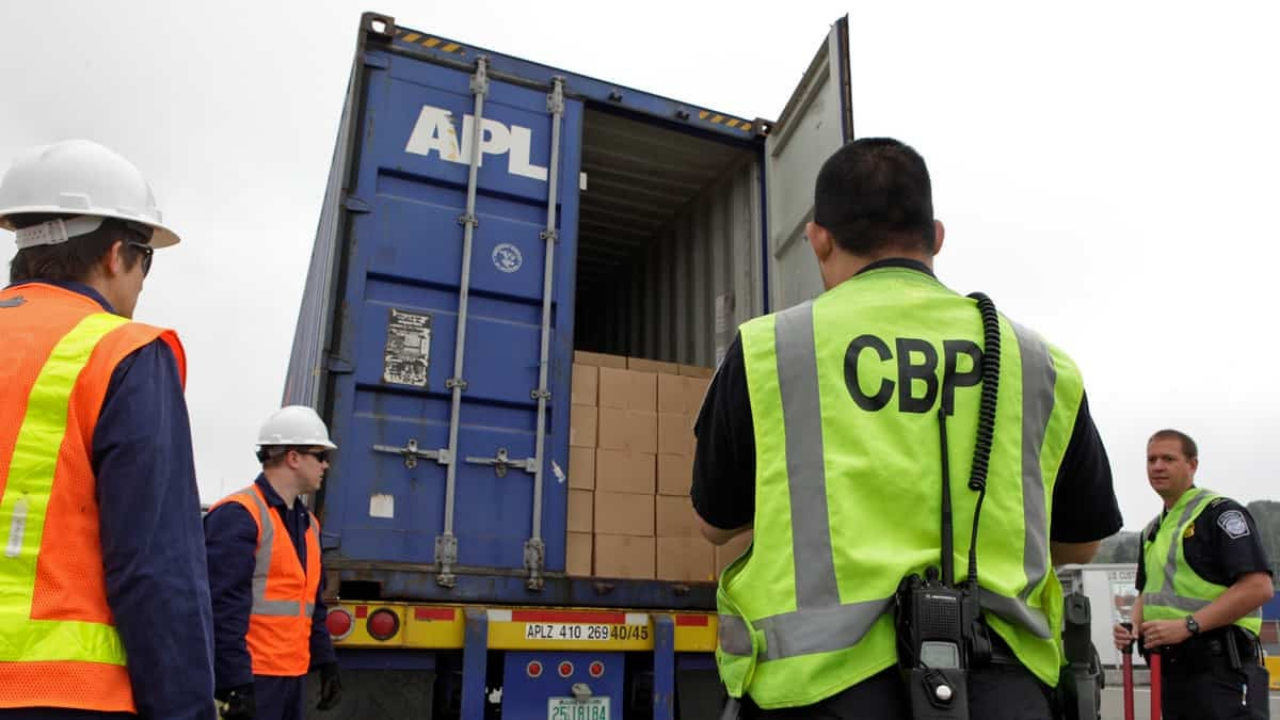
U.S. container ports are experiencing a significant slowdown, as a projected 17.9% drop in December 2025 imports signals the weakest month since March 2023. After a summer rush where retailers frontloaded inventory to beat potential tariff increases, the holiday season is seeing a dramatic pullback in shipping volume. While store shelves remain well-stocked from earlier imports, the current decline raises questions about future trade patterns and economic impacts.
As a forecasted $1 trillion in retail sales looms for the 2025 holiday season, the disconnect between strong consumer spending projections and slowing import volumes highlights the complexity of today’s trade environment.
The Root Cause: Tariff Shifts and Legal Uncertainty
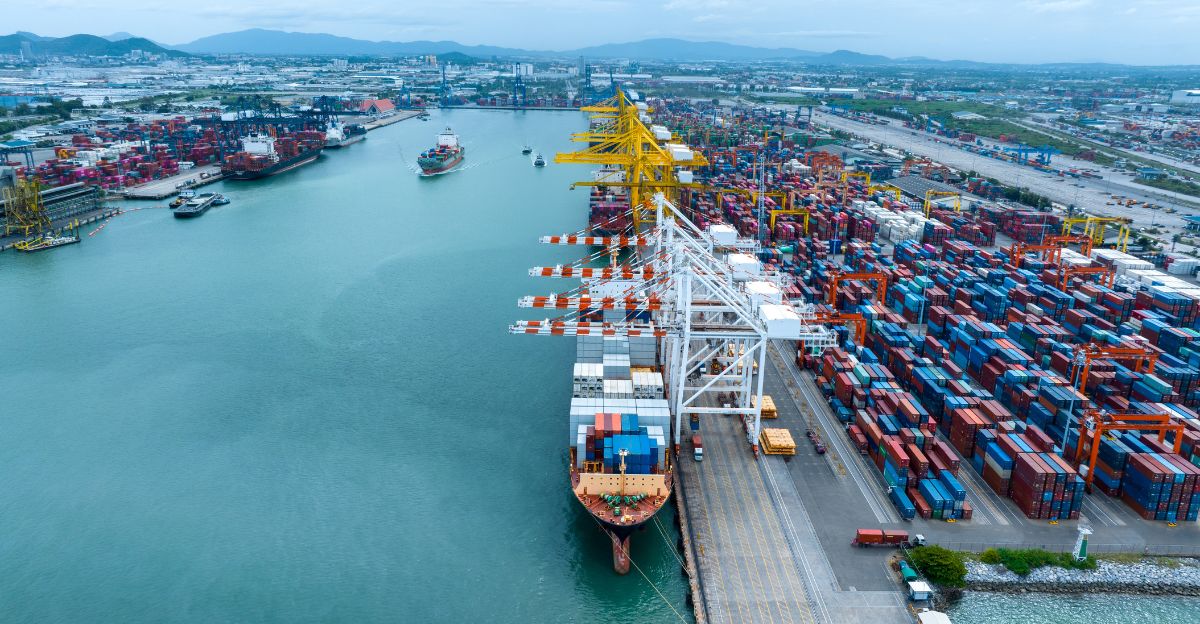
Several factors contribute to the port slowdown, including unexpected tariff fluctuations and reciprocal trade policies. The Supreme Court heard oral arguments in November 2025 over the legality of tariffs imposed under the International Emergency Economic Powers Act (IEEPA).
This combination of unstable policies and shifting trade rules is leaving importers uncertain, creating a ripple effect throughout global supply chains.
The Consumer Impact: Price Pressures Despite Strong Sales

Holiday shoppers are navigating a complex retail landscape as tariff-related concerns and earlier supply chain adjustments affect the market. Despite a forecasted $1 trillion in retail sales, the pullback in imports following the summer rush creates an unusual dynamic.
While shelves are currently well-stocked due to frontloading strategies, consumers face potential price pressures as retailers manage costs associated with tariff uncertainty.
Retailers Scramble: Adapting to the Disruption

Retailers adapted to supply chain uncertainty by pulling forward imports earlier in 2025 and diversifying their suppliers.
Some are consolidating distribution centers or renegotiating contracts to manage increasing costs and uncertainty. Businesses are evolving their strategies to cope with a landscape full of volatility and ever-changing regulations.
Shifting Focus: Substitutes and New Markets

As traditional import patterns shift, retailers are increasingly exploring alternative sourcing options. Emerging markets are offering flexibility in these uncertain times.
E-commerce platforms and less-than-container-load (LCL) shipping are gaining traction, providing retailers with agile solutions to diversify their supply chains.
The Global Shift: Rerouted Trade Flows

International trade flows are being forced to adapt. A reduction in U.S. tariffs on fentanyl-related goods from 20% to 10% (effective November 10, 2025) and ongoing negotiations over reciprocal tariffs are causing carriers to rethink logistics.
The unpredictability of tariff policies is reshaping trade lanes and increasing the complexity of global shipping, leading to higher costs.
Job Loss Risks: Port Workers and Retail Employees

With U.S. ports projecting a 17.9% decline in imports in December, employment concerns across the supply chain are mounting.
The retail sector, which supports over 55 million jobs, has already seen significant layoffs in 2025, with 88,664 job cuts announced through October—a 145% increase from 2024. As import volumes decline, retail employees and port workers face uncertainty about job security heading into 2026.
The Political Storm: Tariffs Under Review

As tariff policies evolve, U.S. and Chinese officials are adjusting their strategies. The Supreme Court’s review of tariff legality in November 2025 could alter the trade landscape dramatically.
The outcome of this review will have far-reaching consequences for businesses and trade practices, with potential shifts affecting billions of dollars in duties.
Inflation Concerns: Rising Costs Across Sectors

With tariffs raising the cost of imported goods, inflation concerns persist. Retailers face pressure to manage costs while maintaining competitive pricing.
The uncertainty surrounding trade policies is creating challenges for businesses as they navigate cost pressures across the supply chain.
Retailer Strategies: Navigating Price and Logistics Shifts

Retailers are investing in new supply chain technologies to stay flexible amid tariff volatility. Consolidating warehouses and adjusting pricing strategies are part of their approach to mitigating rising costs.
Those who adapt quickly to the evolving environment are positioning themselves to navigate the turbulence while maintaining customer satisfaction.
The Restaurant and Hospitality Sector’s Response

Restaurants and hospitality businesses are not immune to the disruptions.
With concerns about ingredient costs and supply consistency, many are exploring alternative suppliers or adjusting their operations to ensure they can continue operating smoothly during the peak holiday season.
The Broader Industry Effects: Packaging, Trucking, and Warehousing

The impact of changing import patterns extends to related industries, including packaging, trucking, and warehousing.
Supply chain stakeholders are facing challenges in managing logistics as trade volumes fluctuate. Meanwhile, the demand for efficient distribution strategies continues to grow, and sustainability is becoming a key focus.
Global Impact: Consumers Navigate Uncertainty

Globally, consumers and businesses are experiencing the effects of supply chain adjustments and tariff policy changes.
The ripple effect from shifting U.S. import patterns is spreading worldwide, with businesses adapting their strategies to manage cost pressures and supply chain complexity.
Consumer Behavior Shifts Amid Supply Chain Changes

The evolving supply chain landscape is influencing consumer behavior.
Shoppers are showing increased flexibility in their purchasing decisions, with many prioritizing essential purchases and remaining open to alternative brands and products during the holiday season.
A Debate on Sustainability: Rethinking Global Supply Chains
The ongoing disruptions are sparking conversations about the sustainability and resilience of global supply chains.
Some advocate for nearshoring or reshoring manufacturing to reduce dependence on distant suppliers, while others highlight the trade-offs involved in rerouting shipping patterns. The future of global trade continues to evolve as these debates intensify.
Who Benefits? Winners and Losers in Shifting Trade

While many industries face challenges, some sectors are finding opportunities. Domestic manufacturers and alternative suppliers are seeing increased interest as businesses diversify their sourcing.
On the other hand, traditional trade intermediaries and some port operators are navigating reduced volumes as global trade patterns shift.
Financial Markets React: Increased Attention

The volatility in global trade is drawing attention from financial markets. Investors are monitoring developments in shipping, retail, and logistics sectors, while currency and commodity markets respond to changing trade dynamics.
Analysts continue to assess the long-term implications of tariff policy changes.
Navigating the Turbulence: Tips for Consumers

With supply chains adjusting to new realities, consumers who shop early and compare options may find the best deals.
Flexibility remains valuable—being open to different brands and having realistic expectations about product availability can help shoppers navigate the holiday season successfully.
Looking Ahead: The Future of U.S. Ports and Trade
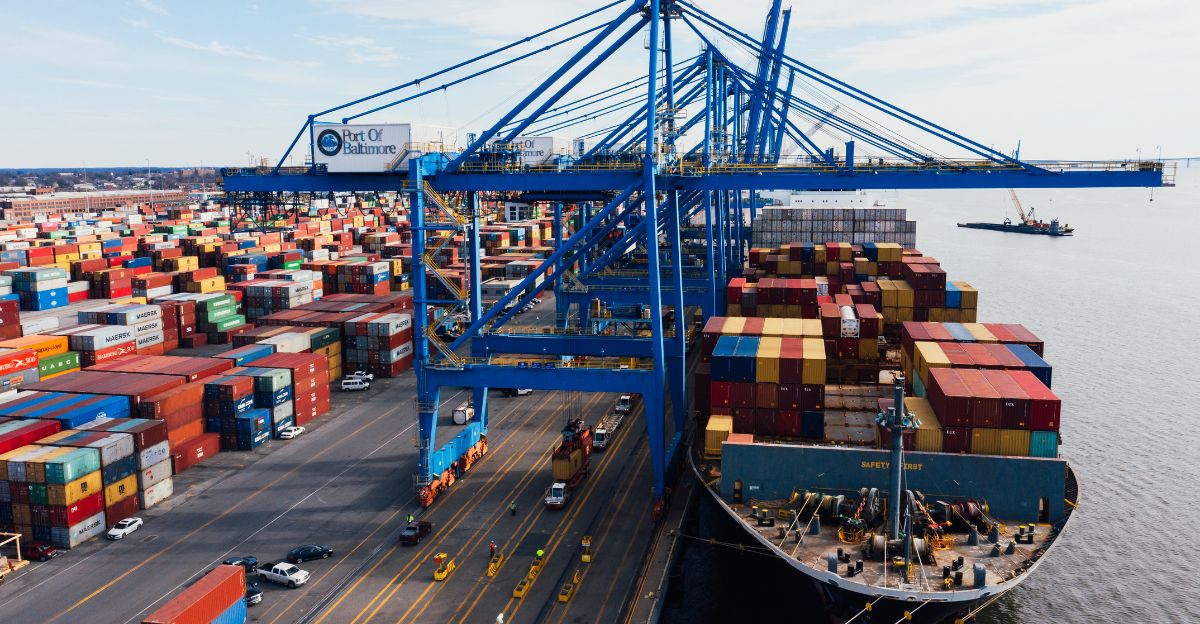
As trade volumes face headwinds heading into early 2026, experts anticipate continued adjustment periods. The outcome of the Supreme Court’s tariff review will play a crucial role in shaping the future of trade policy.
Both businesses and consumers should prepare for potential continued volatility as the trade landscape undergoes transformation.
The New Normal: Adapting to a Shifting Trade Environment
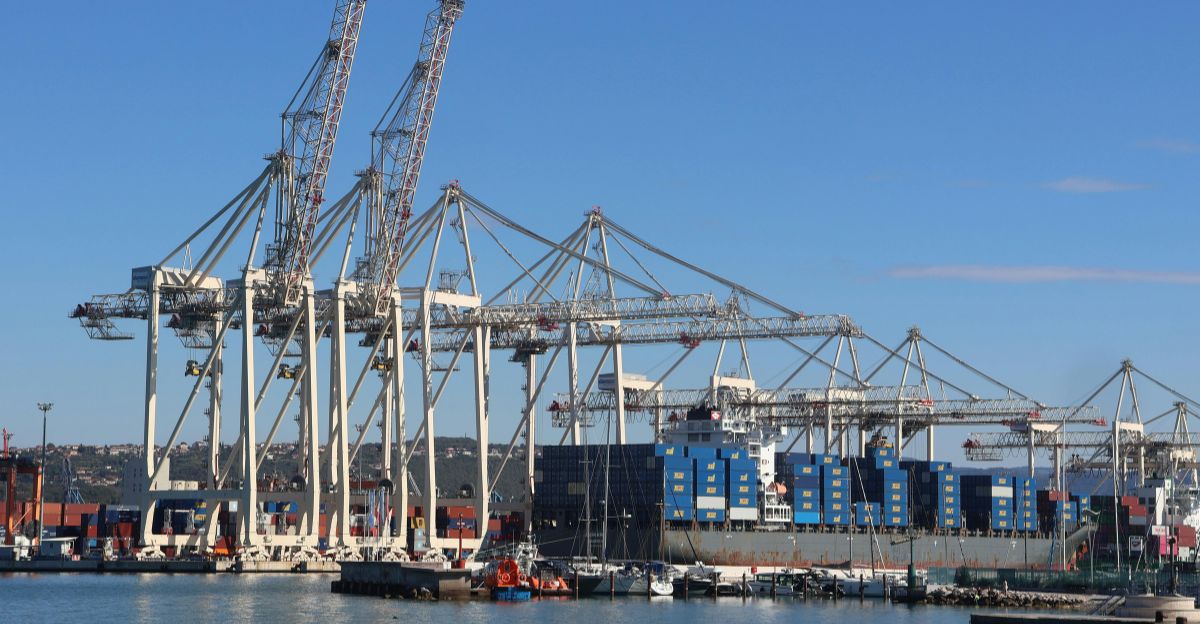
The slowdown at U.S. ports represents more than a temporary dip—it signals evolving patterns in global trade.
As industries adapt to new realities and policy uncertainties, resilience and flexibility will be key. Businesses and supply chain stakeholders are closely watching developments as America’s trade landscape continues to navigate this period of adjustment and change.