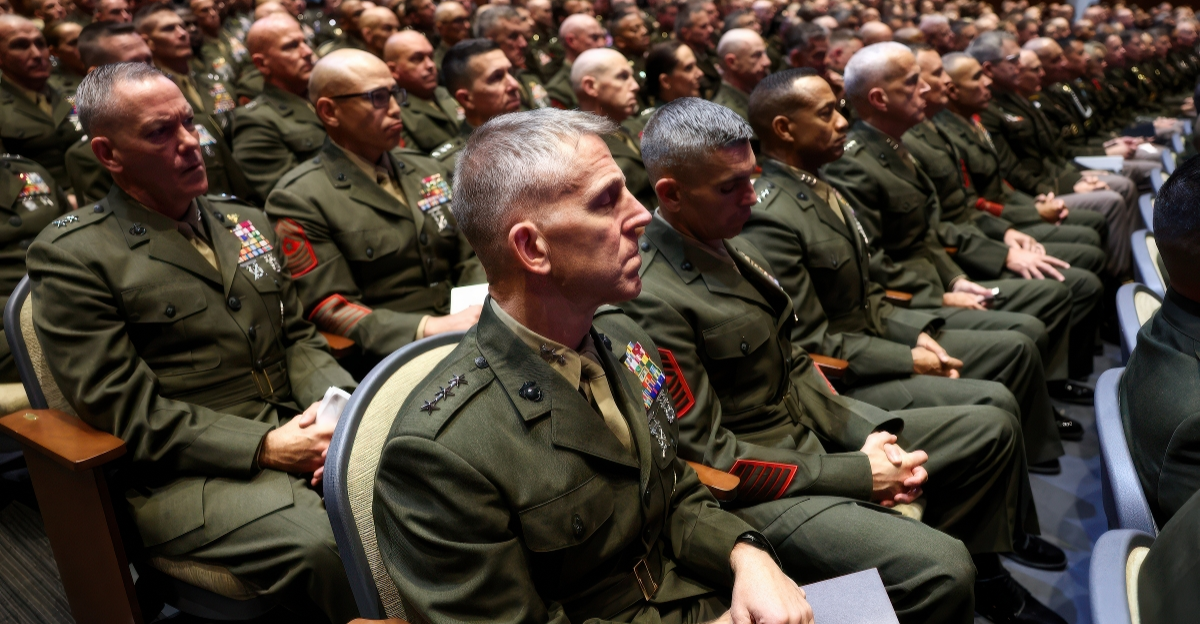
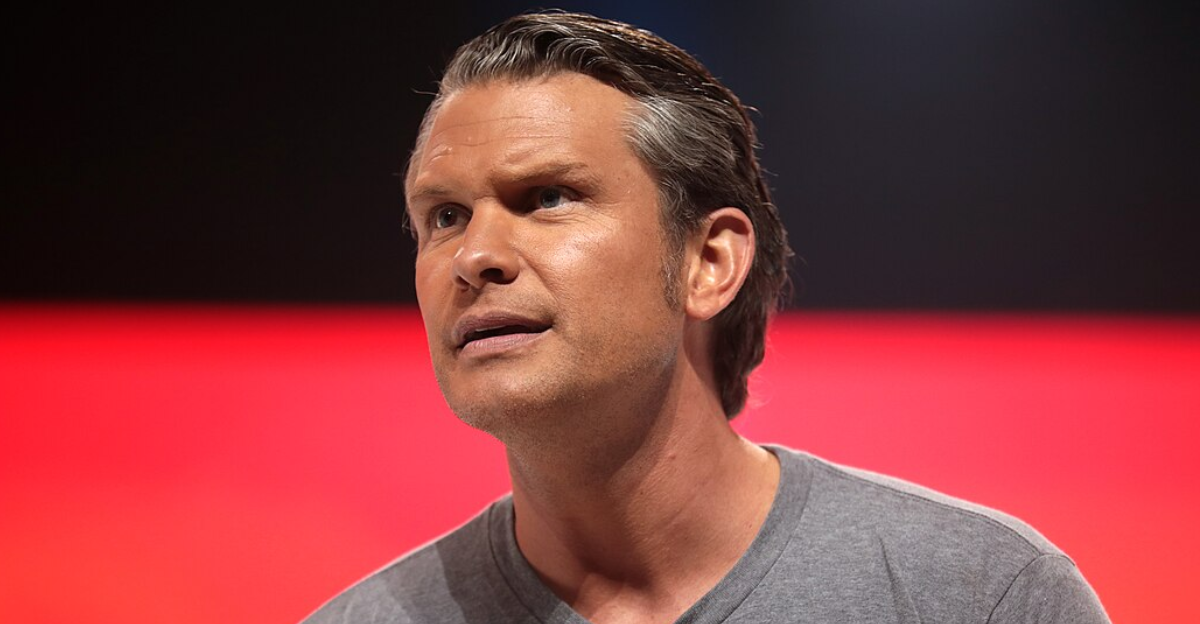
On September 30, 2025, Marine Corps Base Quantico hosted over 800 US generals and admirals for an address by Secretary of Defense Pete Hegseth.
Intended to inspire military leadership, the presentation instead sparked controversy and criticism from both active and retired military leaders.
Veterans and Generals Unite in Criticism
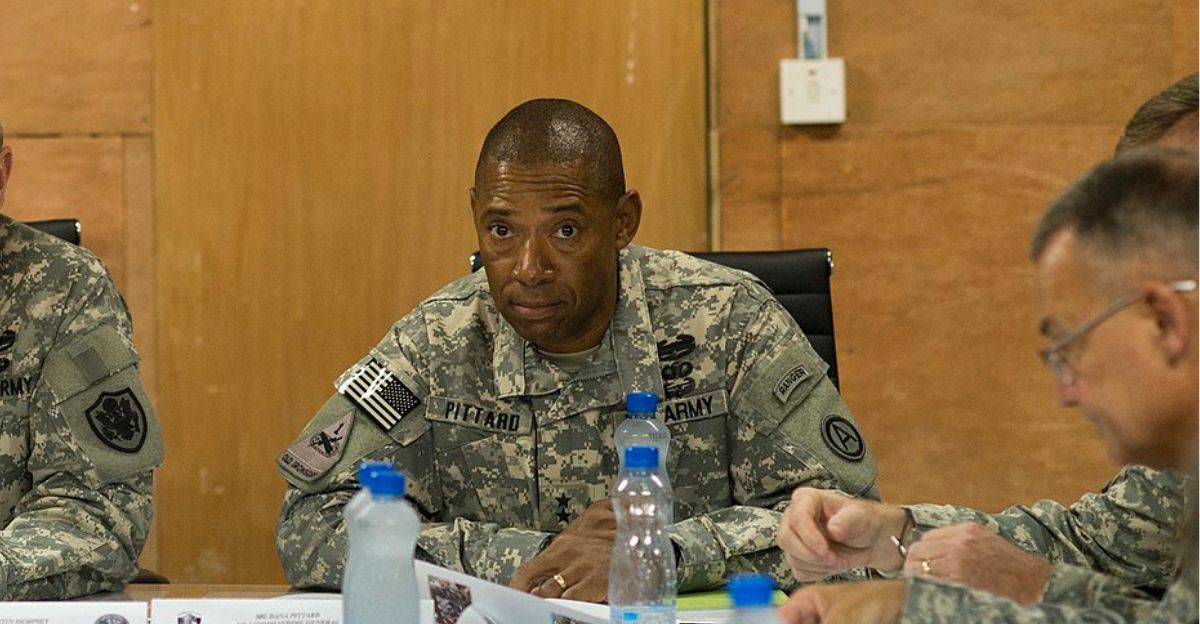
Veterans groups and retired generals mounted a coordinated response condemning Hegseth’s remarks. Retired Army General Dana Pittard called the address “insulting,” rejecting assertions that senior officers of color benefited from quota systems.
“He talked about the previous commander in chief, president Biden, and then talked about the ‘enemy within’. That is a dangerous slippery slope to refer to that in relation to the leaders of the US military. Very dangerous,” Pittard told The Guardian.
The Hour-Long Address
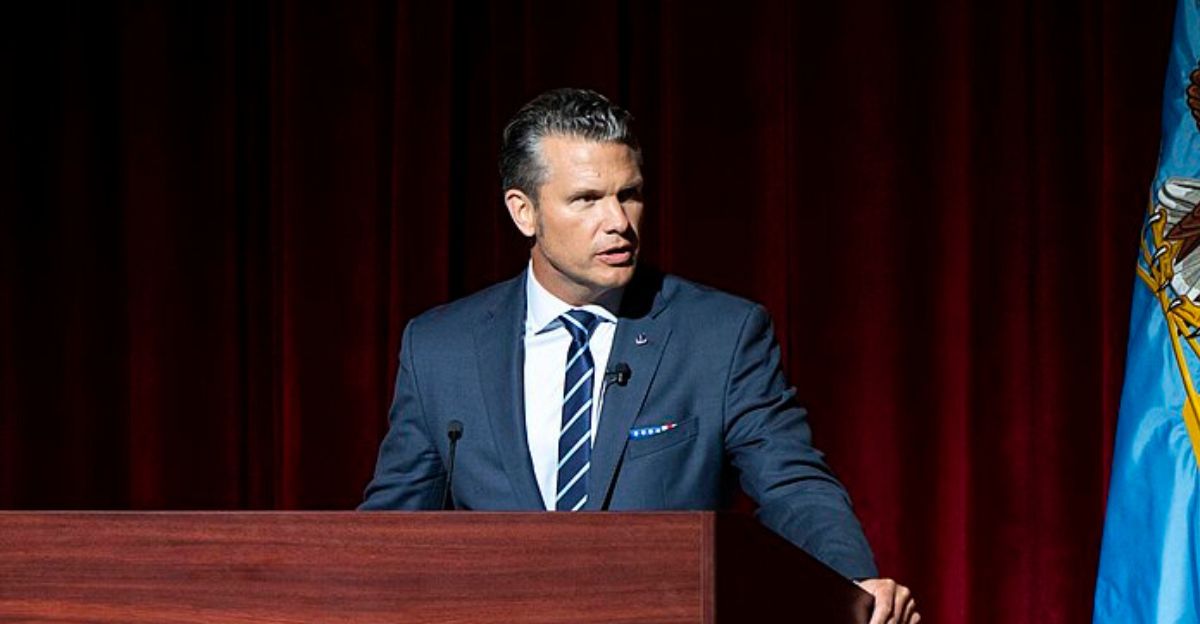
On September 30, 2025, Hegseth delivered a “TED talk-style” presentation lasting over an hour, where he called for an end to “woke” culture in the military and proposed reforms to promote a “warrior ethos.”
His direct remarks included urging officers who disagreed to “honorably resign.”
Breaking Military Tradition
The Quantico gathering marked a notable break from military tradition due to its size and partisan atmosphere. Military leaders from around the world were summoned on short notice.
During Hegseth’s speech, attendees remained mostly silent, offering only brief applause afterward.
Physical Fitness Standards Controversy
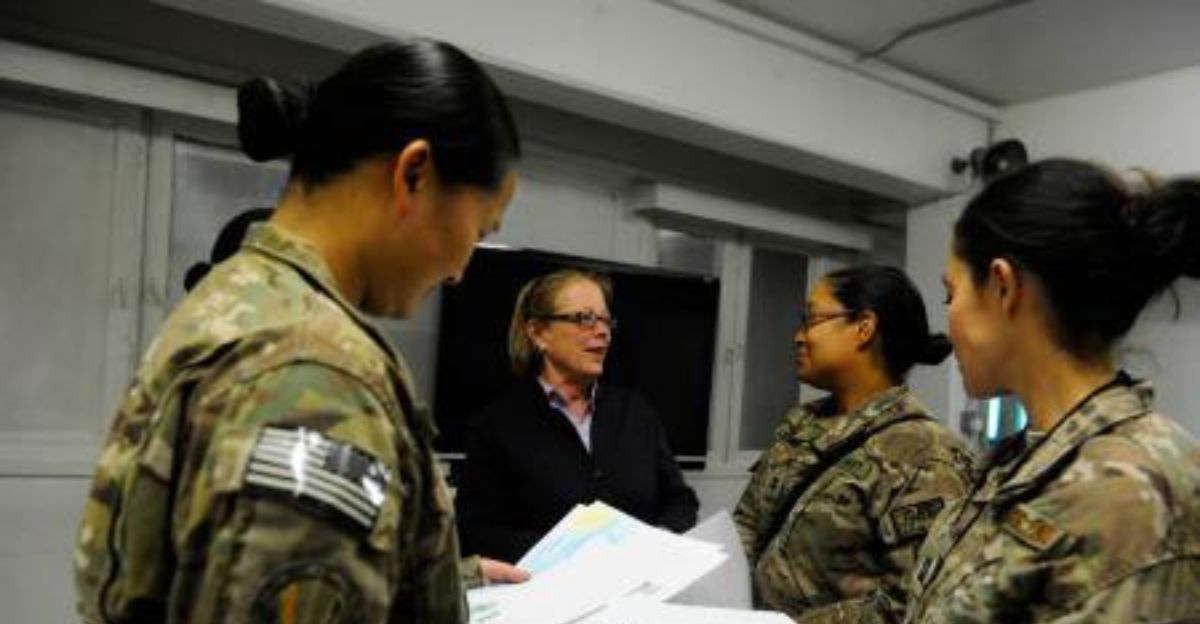
Hegseth has emphasized the importance of physical fitness standards for women in combat roles, stating that they should meet what he refers to as “male-level” standards.
“If women can make it, excellent. If not, it is what it is,” Hegseth said during the address. This announcement sparked immediate controversy among female veterans and military advocates.
Women Veterans Push Back
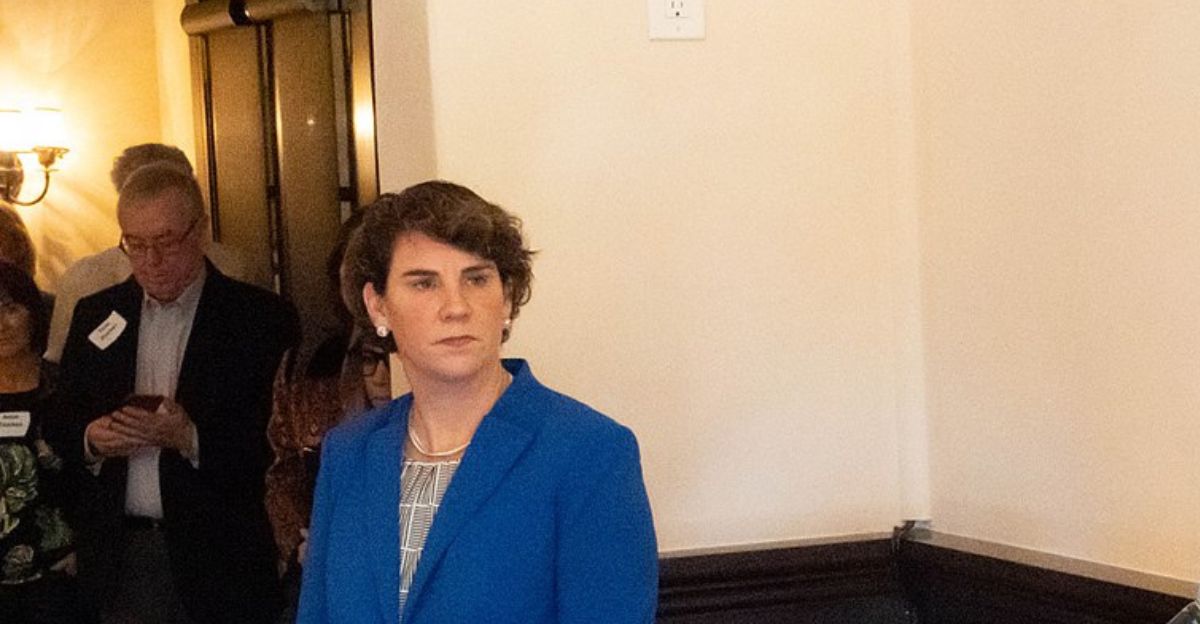
Female veterans organized a coordinated response to Hegseth’s announcement. Marine veteran Amy McGrath publicly challenged the assertions regarding separate standards by sharing her perspective on Instagram.
“He claimed the military needs to ‘return to the male standard’ in combat jobs (of 1990!), but here’s the truth: there has never been a separate male and female standard. When women entered combat roles, one standard was set, and we’ve been meeting it ever since.”
Security and Logistics Concerns
Defense officials raised serious concerns about the security implications of concentrating over 800 generals and admirals in one location.
Veterans advocacy organization Common Defense noted that “a bad cold could have threatened our entire chain of command.” The gathering occurred just before a potential government shutdown, raising questions about priorities and resource allocation.
Trump’s Participation
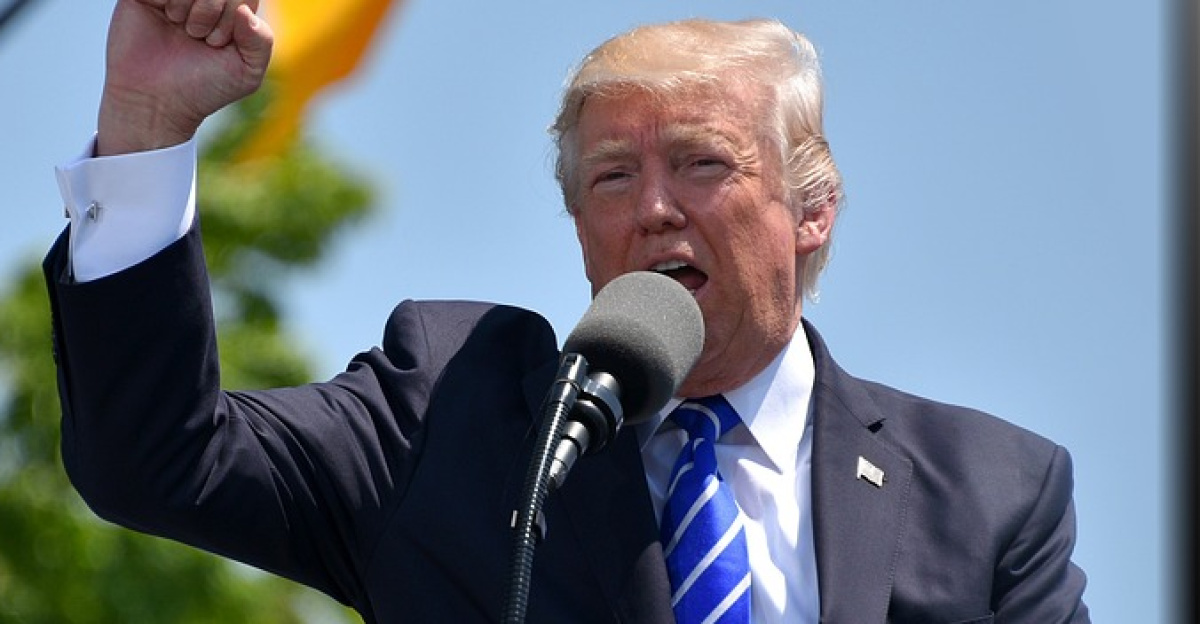
In a recent address, President Trump proposed using American cities as “training grounds” for military forces, emphasizing the need to address what he termed the “enemy within.”
He argued that domestic threats warrant the same level of military attention as foreign adversaries. The military audience remained largely silent during his politically charged comments.
Congressional Response
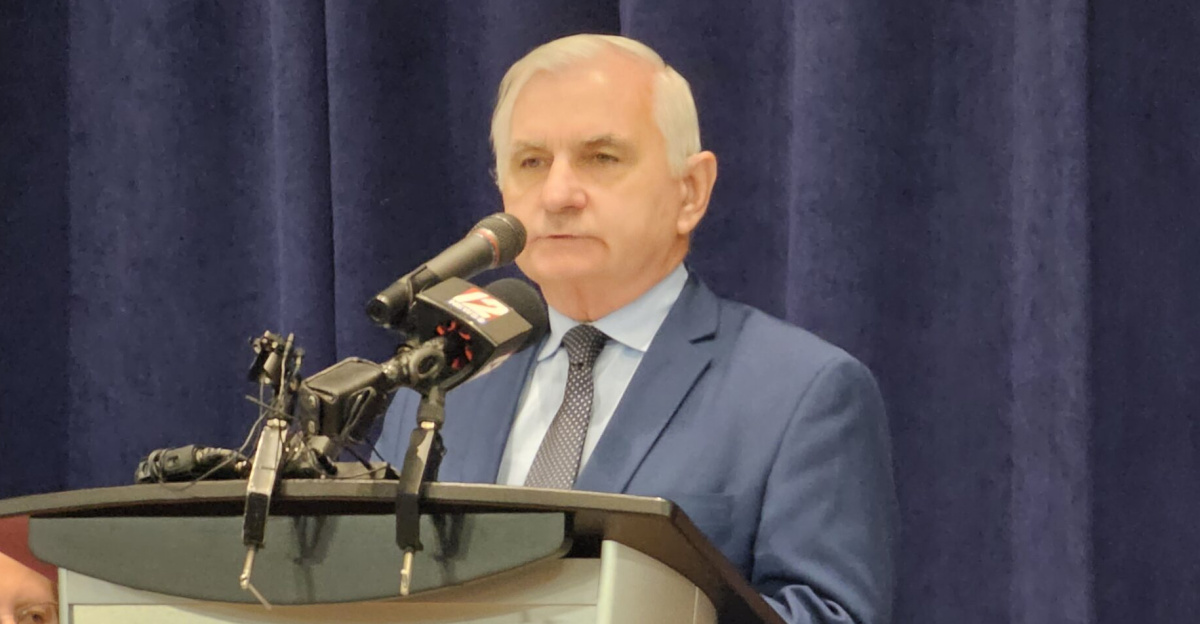
Lawmakers on Capitol Hill raised concerns about the unprecedented gathering.
Senator Jack Reed, the ranking Democrat on the Senate Armed Services Committee, criticized it as “an expensive, dangerous dereliction of leadership” and condemned Hegseth’s ultimatum to officers as “profoundly dangerous.”
Policy Changes Announced
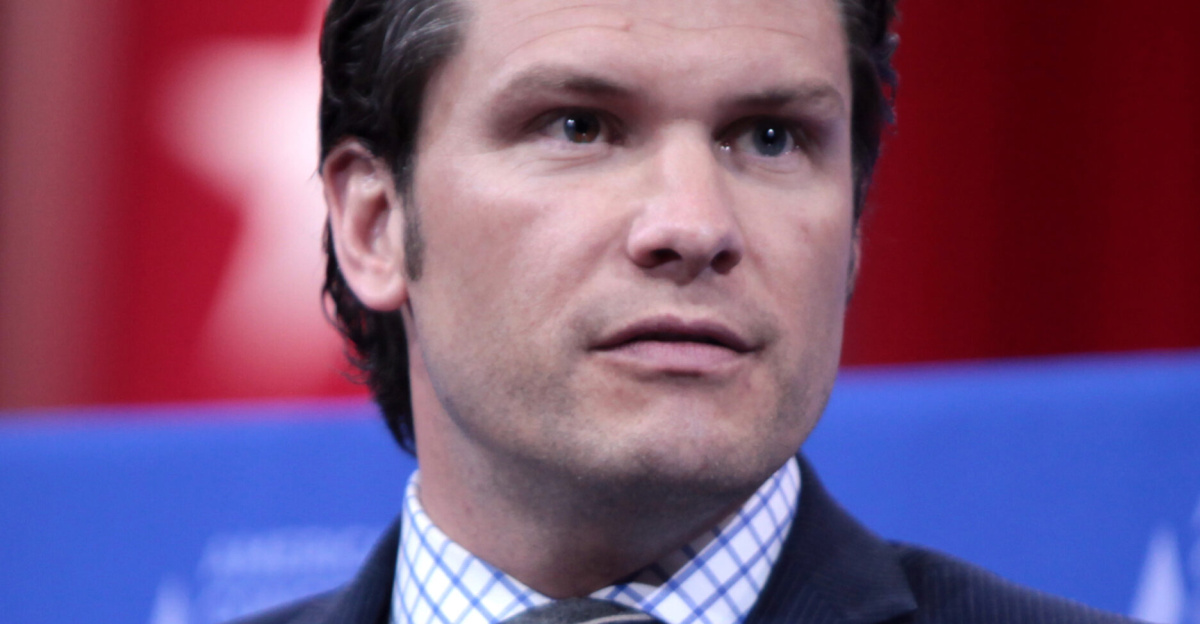
In his recent address, Hegseth outlined a series of immediate policy changes aimed at enhancing the military’s operational effectiveness. These changes include the implementation of daily physical training requirements for all service members, irrespective of their rank.
Additionally, there will be standardized fitness benchmarks for combat roles and stricter grooming standards. Hegseth also announced plans to review inspector general processes and to eliminate considerations related to race and diversity in promotion decisions.
Republican Support for Hegseth’s Message
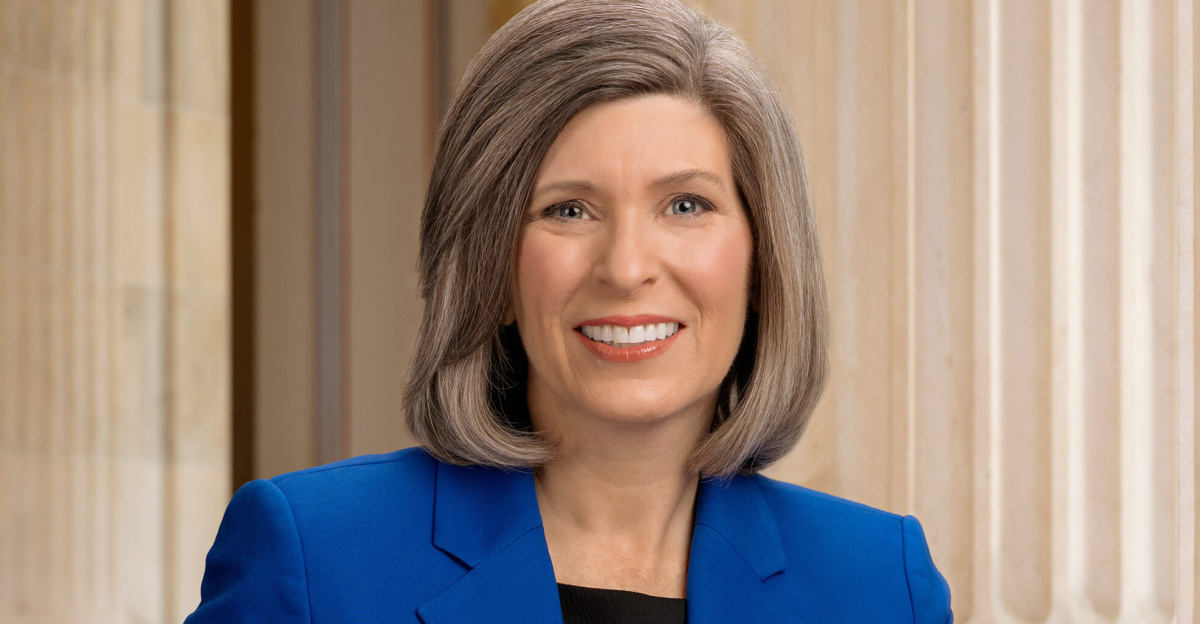
Senator Joni Ernst (R-Iowa), an Iraq War veteran and combat veteran who serves on the Senate Armed Services Committee, expressed support for Hegseth’s remarks about military standards.
“I think what he was espousing was appropriate,” Ernst told reporters, specifically endorsing his position that women should be expected to meet uniform standards for combat roles. “I’m not concerned about that. There should be a uniform set of standards for combat arms,” Ernst said.
More Support
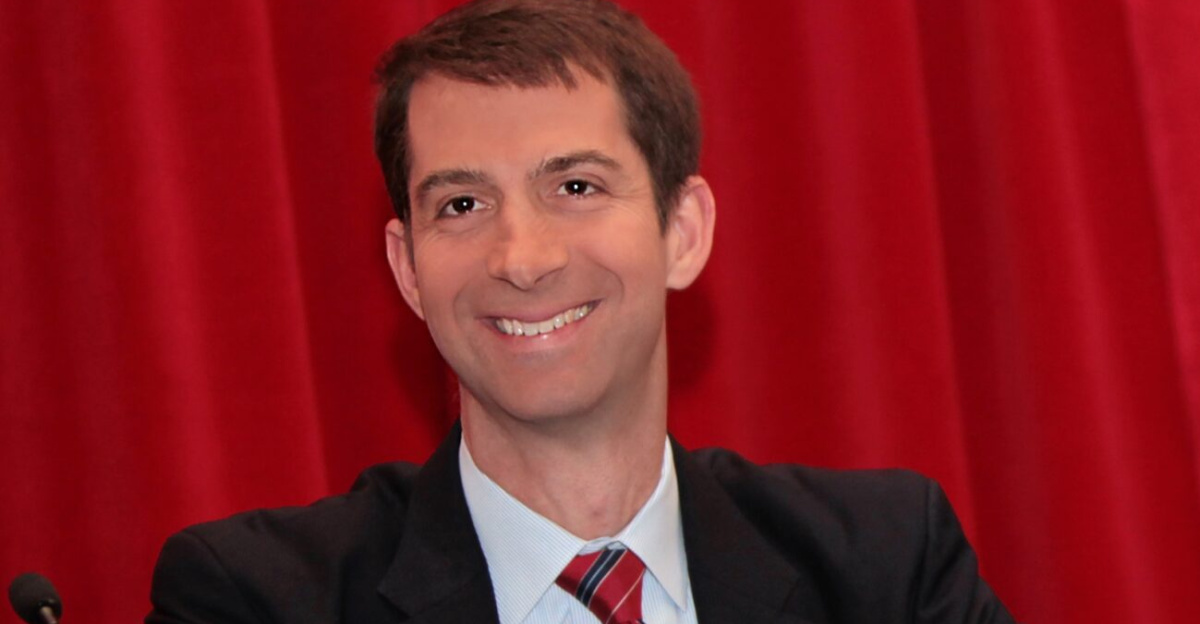
Senator Tom Cotton (R-Ark.), a former infantry officer and Armed Services Committee member, praised both Hegseth and Trump’s speeches, stating they outlined a “bright future” for the US military.
“By eliminating politics from fitness standards and combat readiness, our military can be reoriented to deter conflicts and win them if necessary,” Cotton wrote on social media. Republican Congressman August Pfluger described Hegseth’s speech as “inspiring” and encouraged every American to watch it.
Veterans Advocacy Response
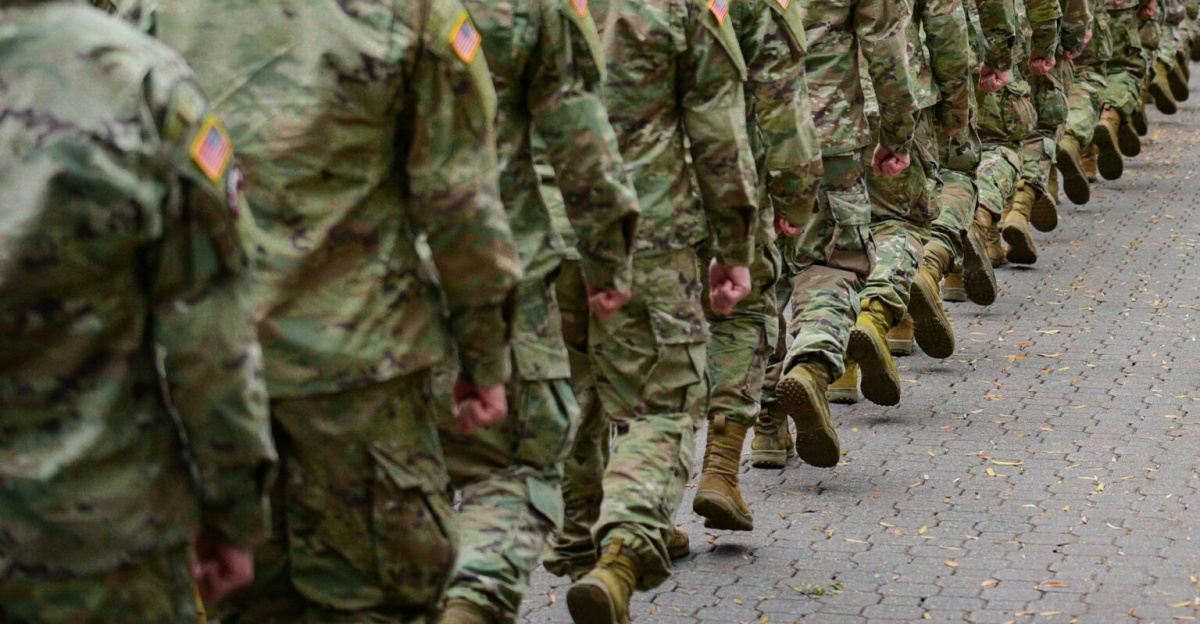
Naveed Shah, a veteran and policy director for Common Defense veterans advocacy organization, questioned whether military leaders with 20-30+ years of service needed “Pete Hegseth to tell them about warrior ethos.”
Shah described the gathering as potentially dangerous, noting the security risks of assembling the entire chain of command in one location.
Military Culture Concerns
Former Navy cryptological technician Tamara Stevens told The Guardian she found Hegseth’s discussion of “lethality” most alarming and questioned his qualifications for leadership.
Stevens criticized suggestions that service members “don’t belong in polite society” and expressed concerns about the overall tone and messaging of the discussion.
International Implications
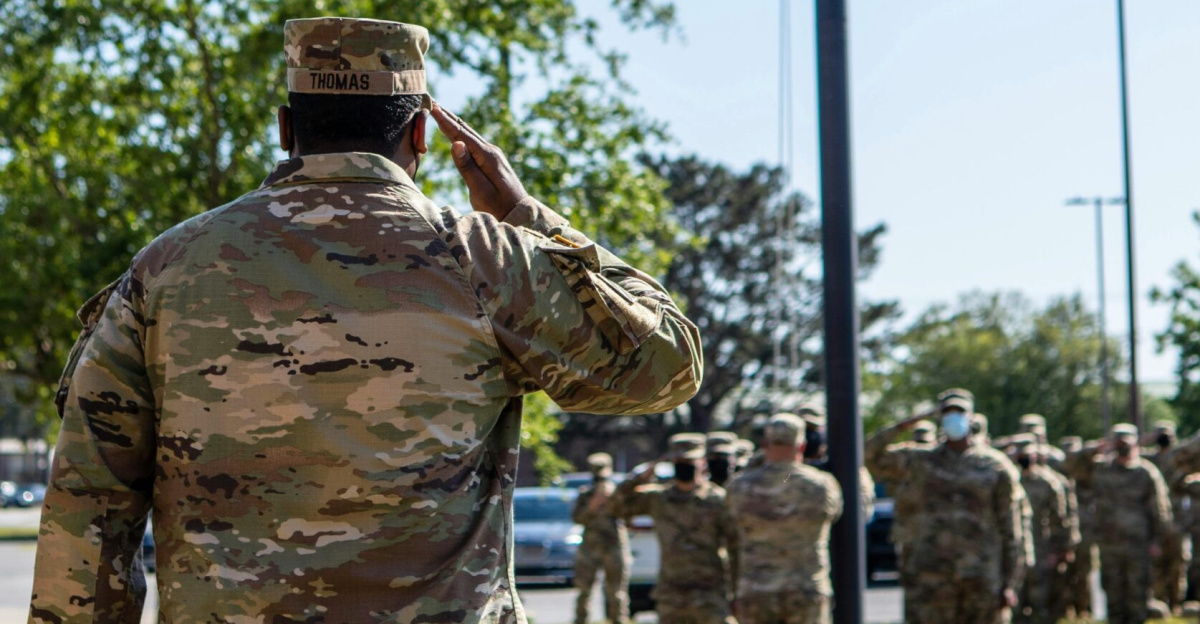
The unprecedented nature of the gathering raised eyebrows among international allies.
Military historians have drawn comparisons to practices in non-democratic systems, where militaries serve partisan rather than national interests. The event’s political tone contrasted sharply with traditional American military professionalism.
Immediate Implementation
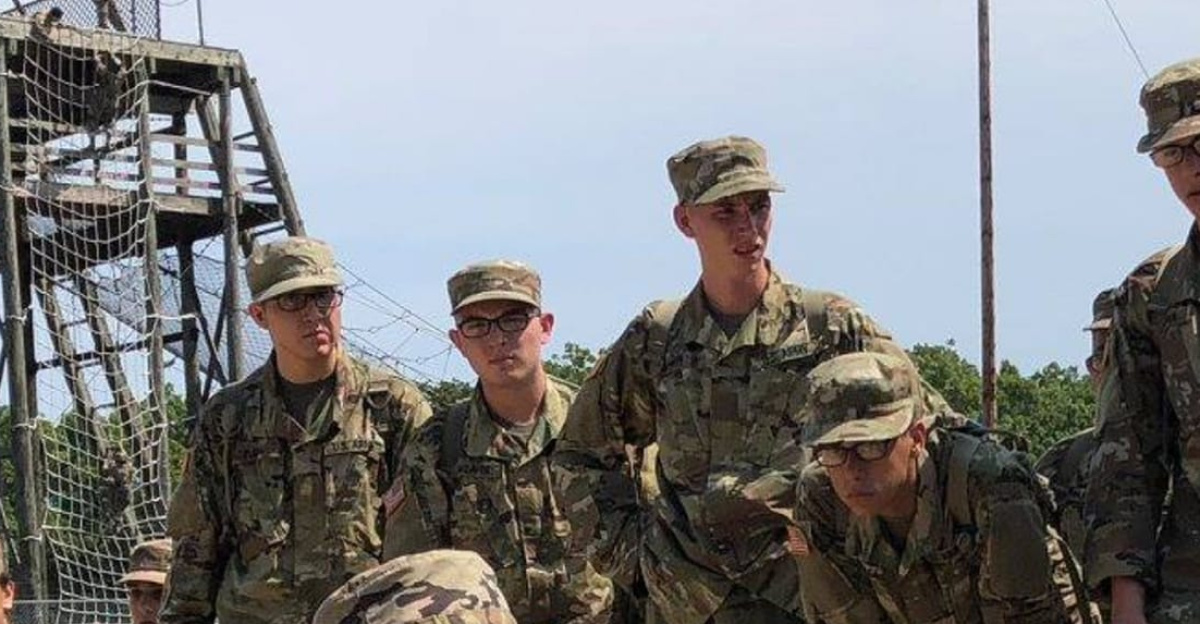
Following the address, new directives were issued across military installations nationwide. The changes included revised physical fitness standards, updated grooming requirements, and new personnel management guidance.
Several memorandums were signed within hours of the presentations, indicating rapid policy implementation.
Service Member Reactions
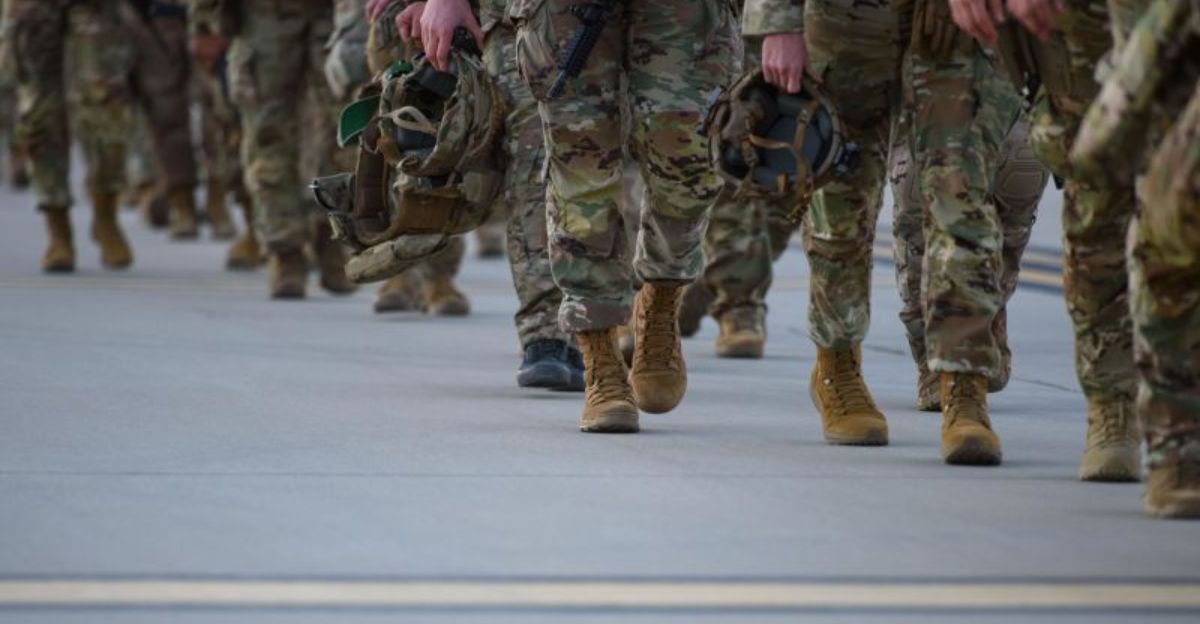
Service members expressed divided reactions through military forums and social media.
Some welcomed emphasis on fitness standards and military readiness, while others voiced concerns about the partisan tone and its impact on military culture. The mixed response highlighted divisions within the military community.
Cost and Resource Questions
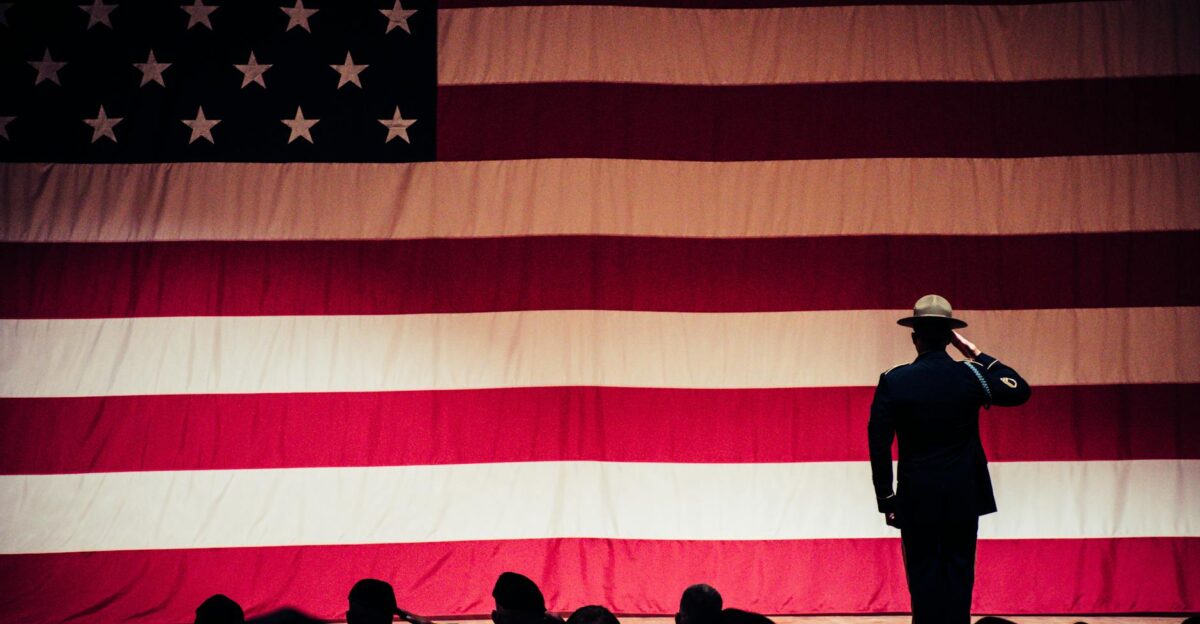
The logistical costs of flying military leaders from around the world to Virginia for the meeting were estimated to reach millions of dollars.
Critics questioned the expense and timing, particularly given the proximity to a potential government shutdown and other pressing military priorities.
Historical Context
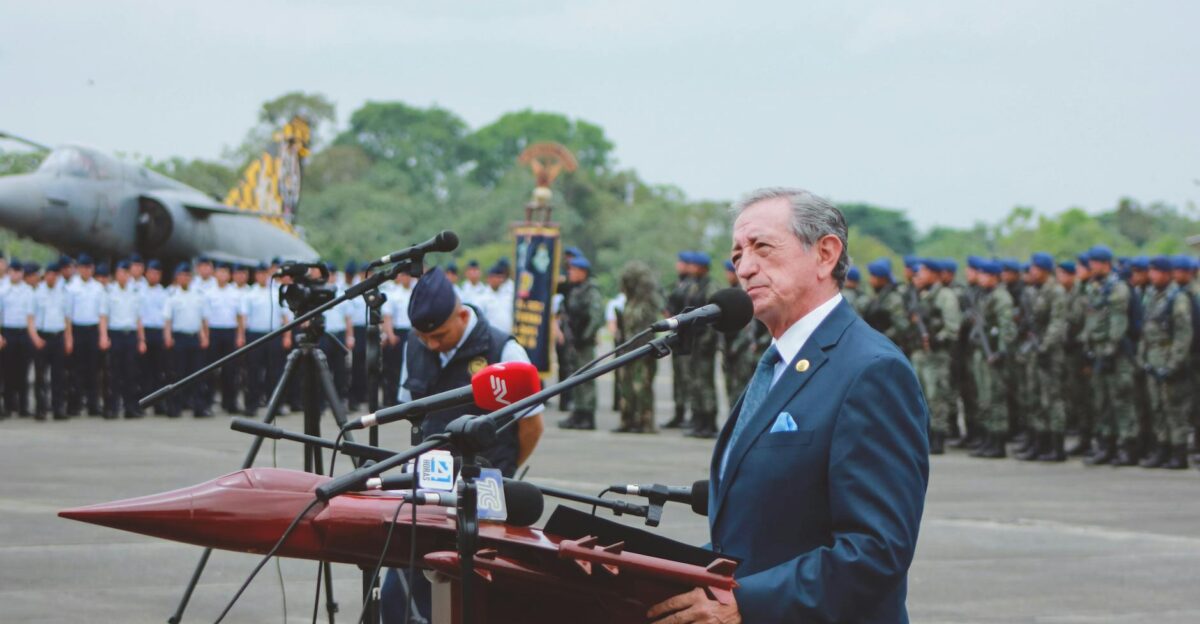
The gathering represented what many experts consider a significant departure from American military tradition and professional norms.
The explicit political messaging to senior military leadership was unprecedented in modern US military history, raising concerns about civil-military relations.
Ongoing Fallout
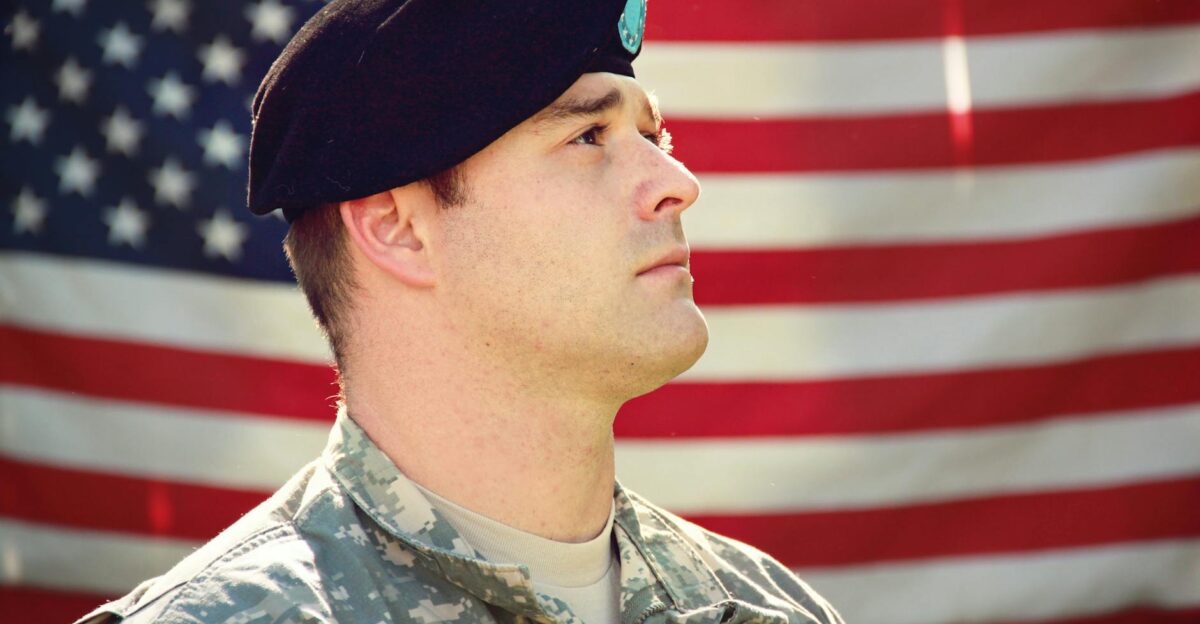
Military professional organizations continue reviewing the implications of the Quantico gathering for military ethics and civil-military relations.
The controversy has sparked broader discussions about the appropriate relationship between military leadership and political administration.
Long-term Impact Assessment
The September 30 gathering at Quantico may mark a turning point in American civil-military relations.
As implementation of announced policies continues across military installations, the long-term effects on military culture, professionalism, and institutional independence remain to be seen. The unprecedented nature of the event continues to generate debate among military professionals, veterans, and defense experts.