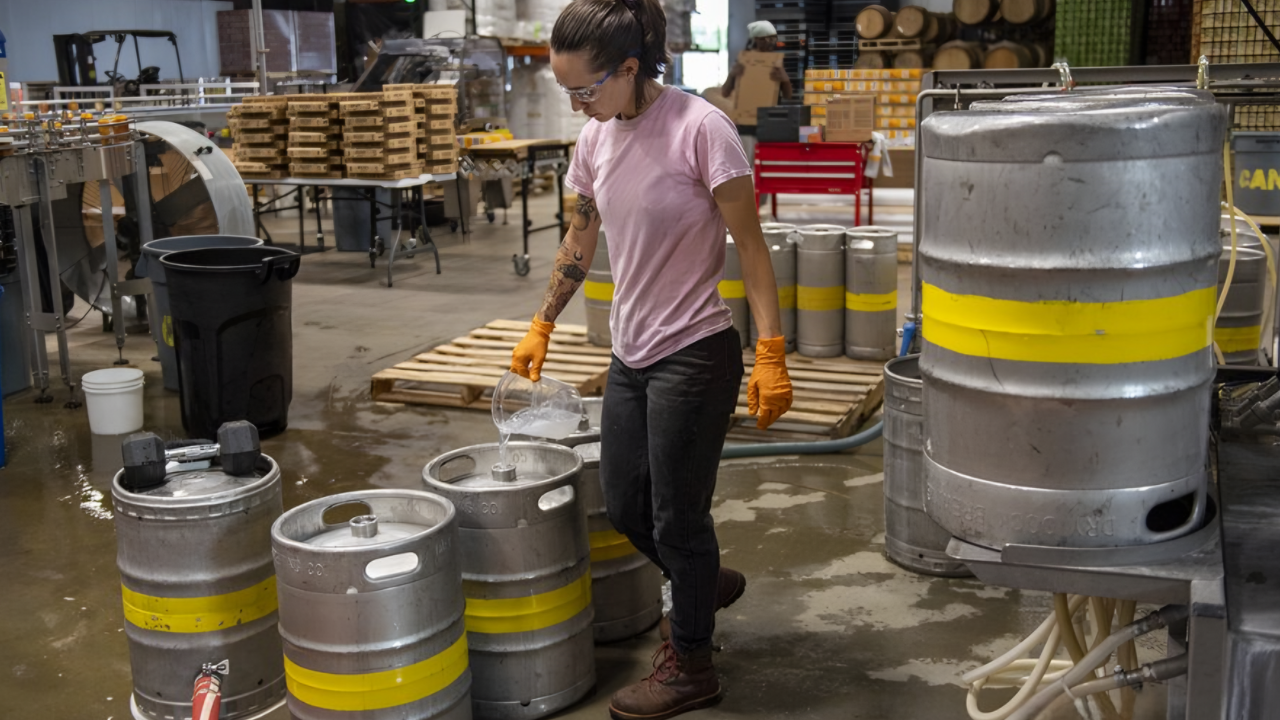
At 8:00 on a November morning, phones across Oregon lit up. The scheduling app showed impossible words: operations ceasing immediately, all facilities closing. Nearly 300 workers received the message simultaneously—from brewers in Newport to bartenders in Portland.
No meeting. No phone call. Just a polite, gut-punching announcement ending careers in three sentences. The holiday season was three weeks away.
Doors That Wouldn’t Open
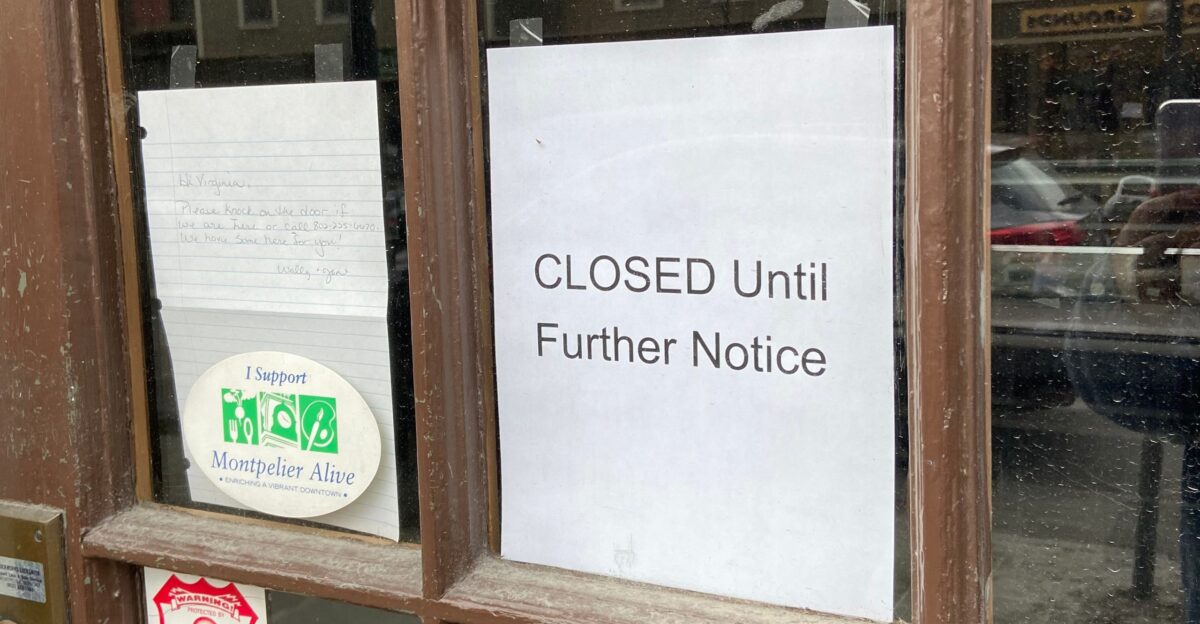
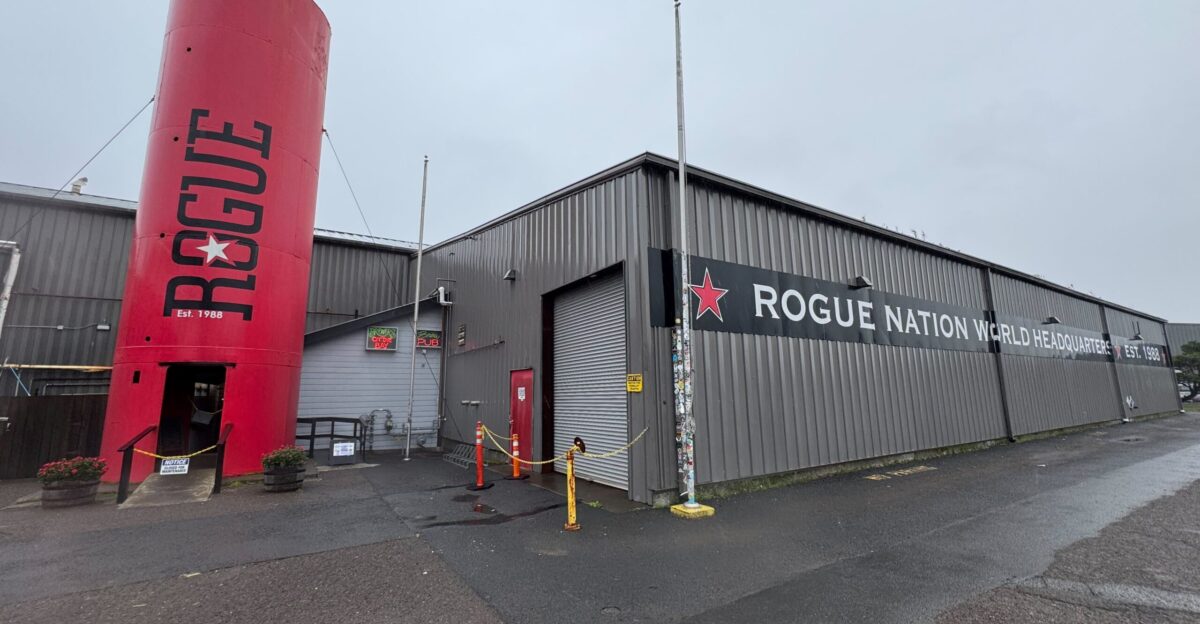
By mid-morning, “Closed Until Further Notice” signs covered doors statewide. The massive 47,000-square-foot waterfront facility in Newport sat silent. Pubs in Astoria, Salem, and Portland stood empty. Confused patrons posted photos on social media.
Employees gathered in the parking lots, comparing notes and trying to understand. Sales had dropped, sure. But total collapse without warning? Workers found themselves locked out overnight.
The Hidden Debt Crisis

Behind locked doors, catastrophe had built in silence. The company owed $545,000 in unpaid rent to the Port of Newport, as well as $30,000 in back taxes. Port officials revealed that they’d worked on payment plans for months, watching arrears accumulate.
In October, commissioners quietly approved leasing the distillery space to a seafood processor—preparation for the inevitable. How does a company shipping worldwide collapse by over $575,000?
Built by Nike’s Inner Circle
This wasn’t a struggling startup. The brewery that died on November 14, 2025, was founded in 1988 by three Nike executives driven by ambition. Jack Joyce, who’d run Nike’s Air Jordan project, left with fraternity brother Bob Woodell and Rob Strasser.
They opened in Ashland with a 10-barrel system, quickly gaining traction in Oregon’s emerging craft beer scene. Within a year, they expanded to Newport’s waterfront in 1989, establishing the iconic coastal location where it remained for 36 years.
Rogue Ales Shipped Dead Guy to Japan
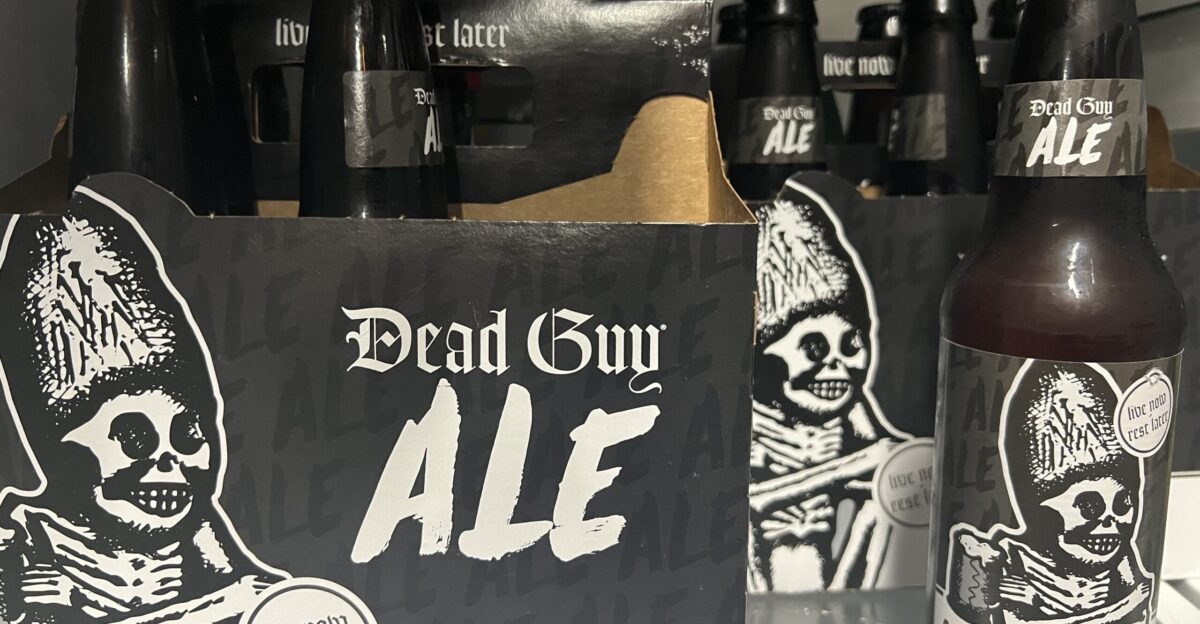
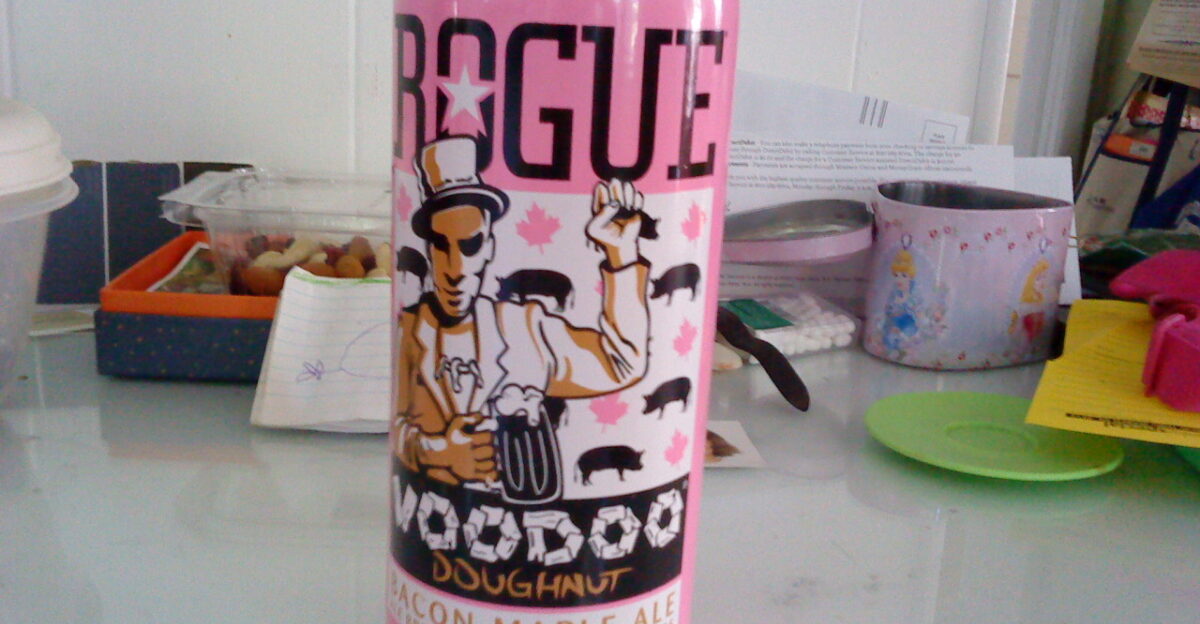
For 37 years, Rogue Ales & Spirits traveled further than most craft breweries dreamed. It became the first U.S. craft beer producer to export to Japan over 20 years ago, building networks spanning all 50 states and more than 50 countries.
Flagship Dead Guy Ale—a honey-colored Maibock with caramel notes—converted countless lager drinkers. The website listed 13 beer varieties when operations stopped.
A Coastal Town Loses Its Anchor
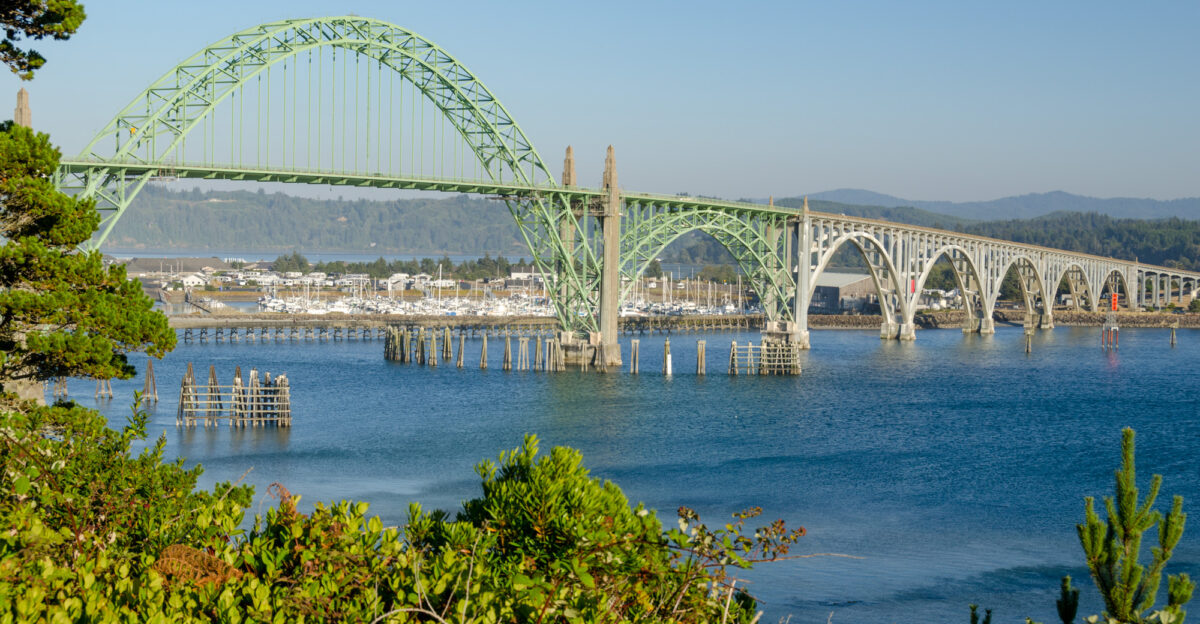
Paula Miranda, Port of Newport’s Executive Director, captured it: Rogue represented one of Newport’s largest employers. In a city of 10,500 residents, losing 60 production workers, plus dozens at brewpubs, means that 1% of the population is directly affected.
The Bayfront location anchored tourism for decades. Now the 4,800-square-foot distillery space houses West Coast Seafood’s crab processing operation instead.
West Coast Wave Won’t Stop
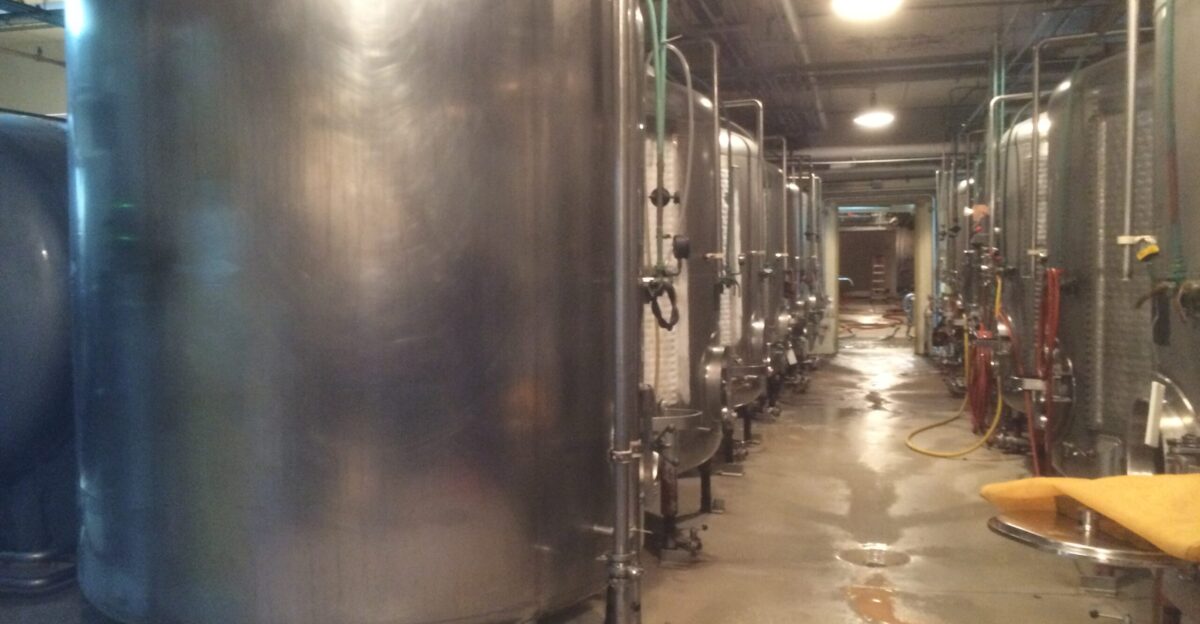
Rogue’s collapse follows a devastating pattern. San Francisco’s Anchor Brewing, founded in 1896, ceased sales in June 2023 before filing for bankruptcy. Sapporo had purchased Anchor for $85 million in 2017, but was unable to stop operating losses totaling $30 million across three years.
Then 21st Amendment announced closure after 25 years, citing 20% annual sales declines since 2021. Three iconic breweries—gone in two years.
The Pandemic Shadow That Never Lifted

Industry experts attribute the crisis to the lingering effects of COVID-19. When taprooms closed in 2020, breweries lost highest-margin revenue overnight. Craft beer sales fell 9% that year—the first decline in over a decade.
Miranda said Rogue had struggled since the COVID-19 pandemic, unable to recover. Rising costs for shipping, materials, labor, and taxes hit draft-dependent breweries particularly hard.
When Closures Outnumber Openings
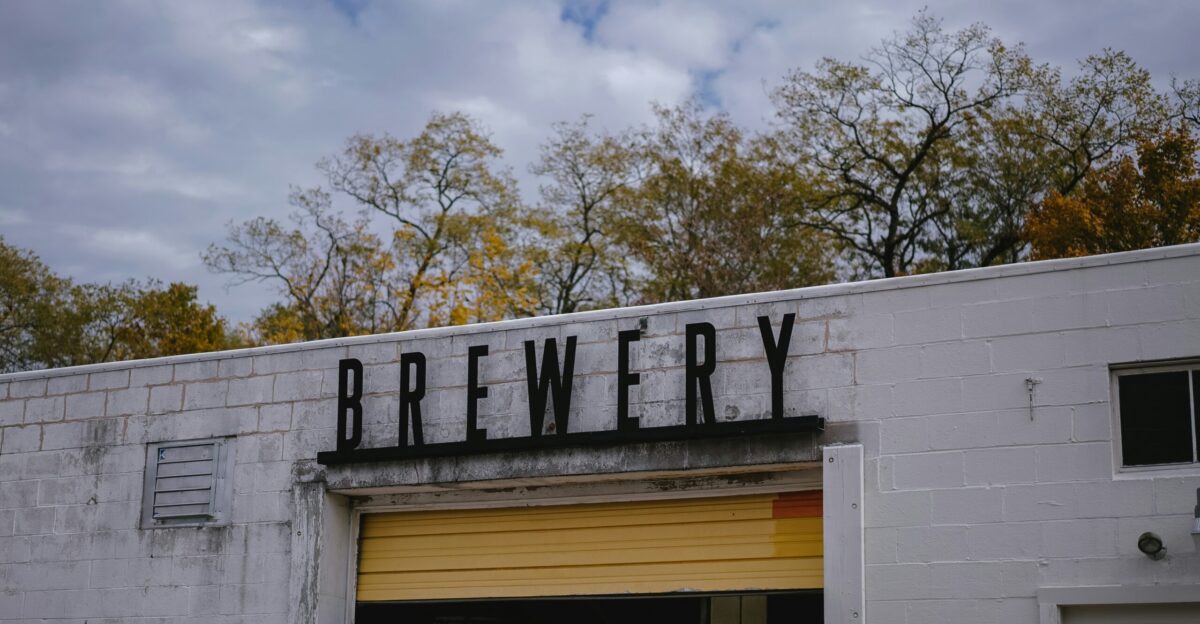
The Brewers Association reported 399 brewery closures in 2024 versus just 335 new startups—first time closures exceeded openings since 2005. As of June 2025, 9,269 craft breweries operated nationwide, representing a 1% decrease. Production dropped 5% year-over-year.
Over 250 breweries shut down from January through June 2025. Oregon has lost nearly 75 breweries since the pandemic began. Rogue’s sales dropped 18% in 2024.
Market Became Too Crowded
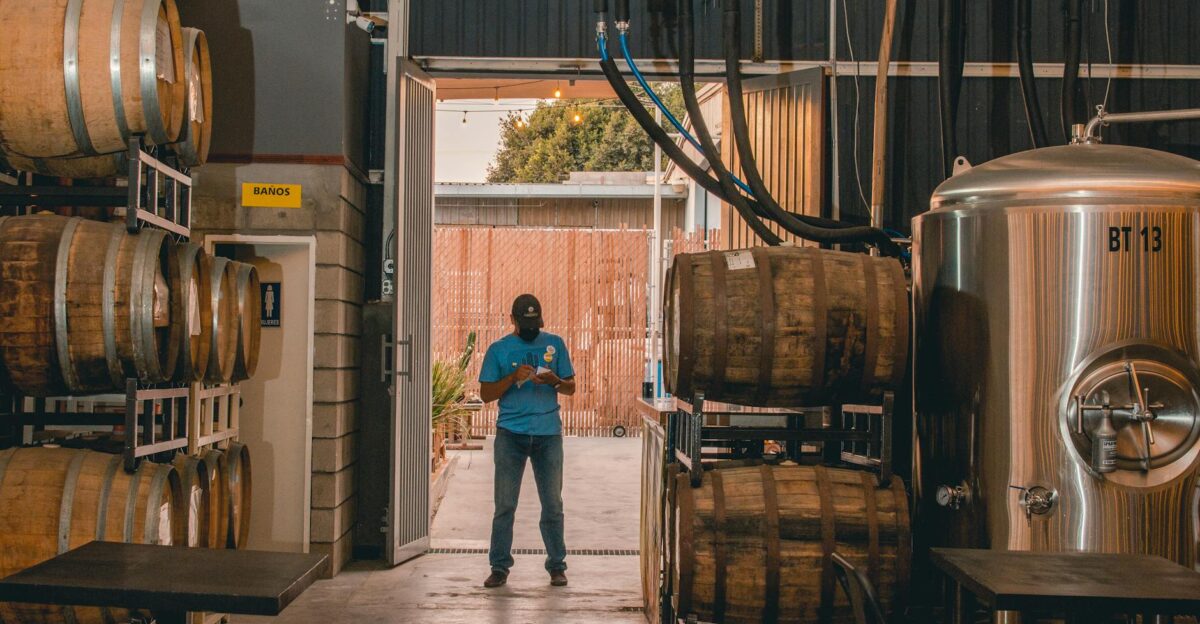
The U.S. now hosts over 9,000 breweries, creating devastating market saturation. Business analysts describe Rogue as a mid-tier craft brewer whose national distribution model collapsed under economic pressure. Unlike breweries shifting to hyperlocal taproom models, Rogue maintained nationwide sales while competing against local breweries everywhere.
Diversification into spirits, CBD beverages, and THC seltzers may have drained resources without producing revenue.
Cash Flow Problem That Kills

Brewery financial experts say the reason is brutally simple: companies run out of cash. Problems arise from accounts receivable, inventory, and capital expenses—all of which tie up money before it is collected. Many operators love beer but lack financial planning skills.
Rogue’s $545,000 debt seems small to have triggered a total shutdown of a 37-year-old company, suggesting that reserves were depleted long before the final collapse.
The Bankruptcy That Never Came
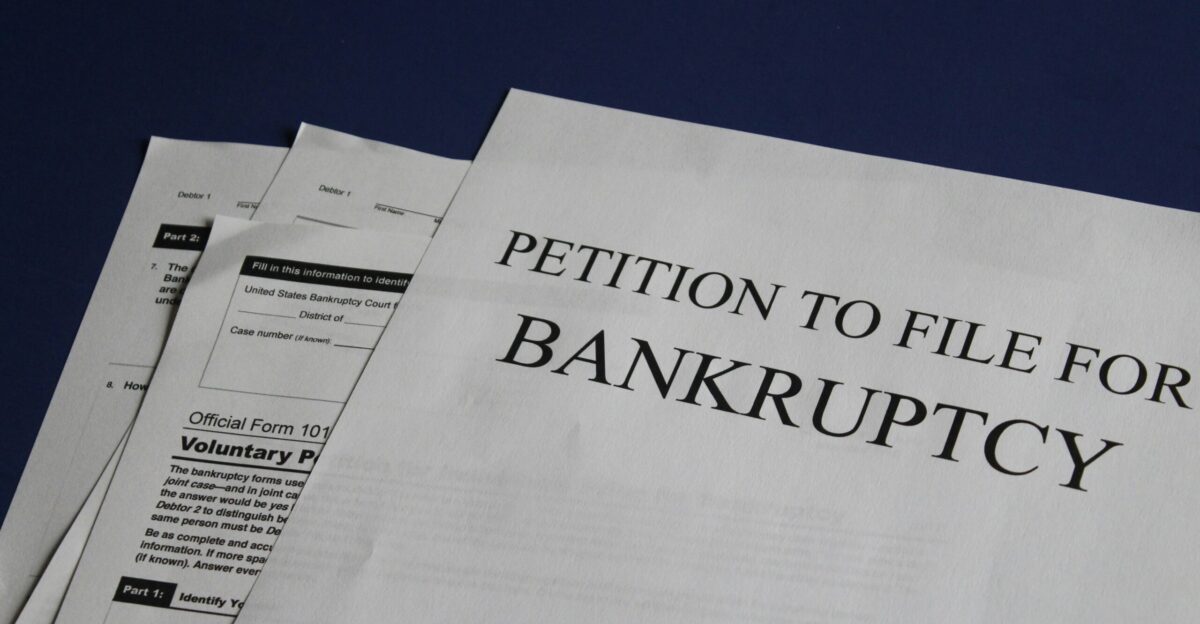
Most distressed companies file Chapter 11 bankruptcy to restructure. Rogue simply vanished. The lack of filing leaves creditors and employees in a state of limbo. Founder Jeff Schultz revealed in an email that the board found no path to profitability, deciding that shutting down maximized stakeholder payments.
That suggests something more terminal than cash flow problems—a fundamental conclusion that the business model failed beyond repair.
Consumers Stopped Drinking Beer
Beer consumption reached its lowest level in 20 years in 2024, with shipments falling below 200 million barrels for the first time since 1999. Total volumes were down 5.9% through May 2025. Meanwhile, non-alcoholic beer sales surged 33.7% year-over-year as health-conscious consumers moderate their intake.
Ready-to-drink beverages captured younger demographics. An existential threat: customers simply drinking less alcohol overall.
Industry Headwinds Intensify
Craft breweries face mounting costs for hops, grain, packaging, labor, and energy—all without economies of scale that protect larger competitors. Ongoing supply chain disruptions impact ingredient availability and increase transportation expenses. Smaller breweries that produce in limited batches can’t negotiate volume discounts, leaving them disproportionately vulnerable to price fluctuations.
The inability to raise prices without losing price-sensitive customers creates a financial vise, crushing undercapitalized operations already struggling to stay afloat.
Competition from Big Beer Returns
Large brewers adapted by acquiring successful craft brands and launching pseudo-craft lines that confuse consumers. AB InBev’s purchase of brands like Goose Island, Elysian, and Wicked Weed gave them craft credibility while maintaining distribution muscle.
Constellation Brands’ acquisition of Ballast Point demonstrated that major players are willing to invest billions. Meanwhile, thousands of small breweries compete for shrinking tap handles and shelf space against better-funded competitors.
Export Markets Collapse Overnight
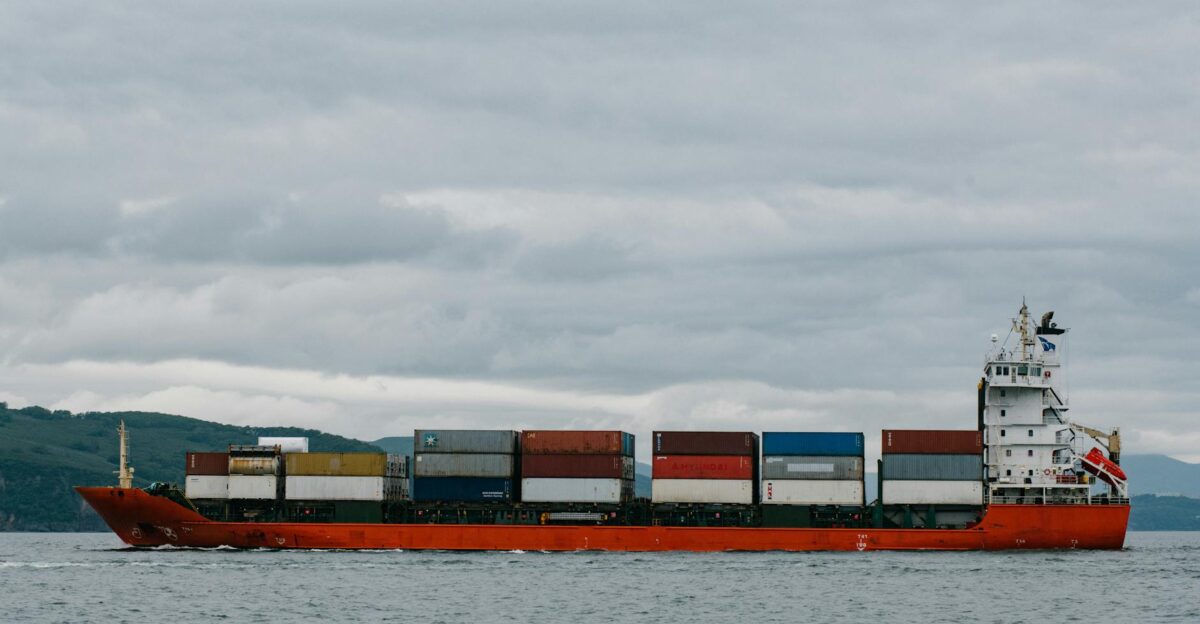
Rogue’s international distribution network, built over decades across 50 countries, vanished instantly. Distributors in Japan, Canada, China, and Europe who’d carried Dead Guy Ale for years suddenly faced supply gaps. T
he company’s November 14 shutdown gave zero notice to international partners, leaving containers mid-shipment and orders unfulfilled. No one knows what happens to existing inventory stuck in overseas warehouses.
Employees Blindsided by Closure
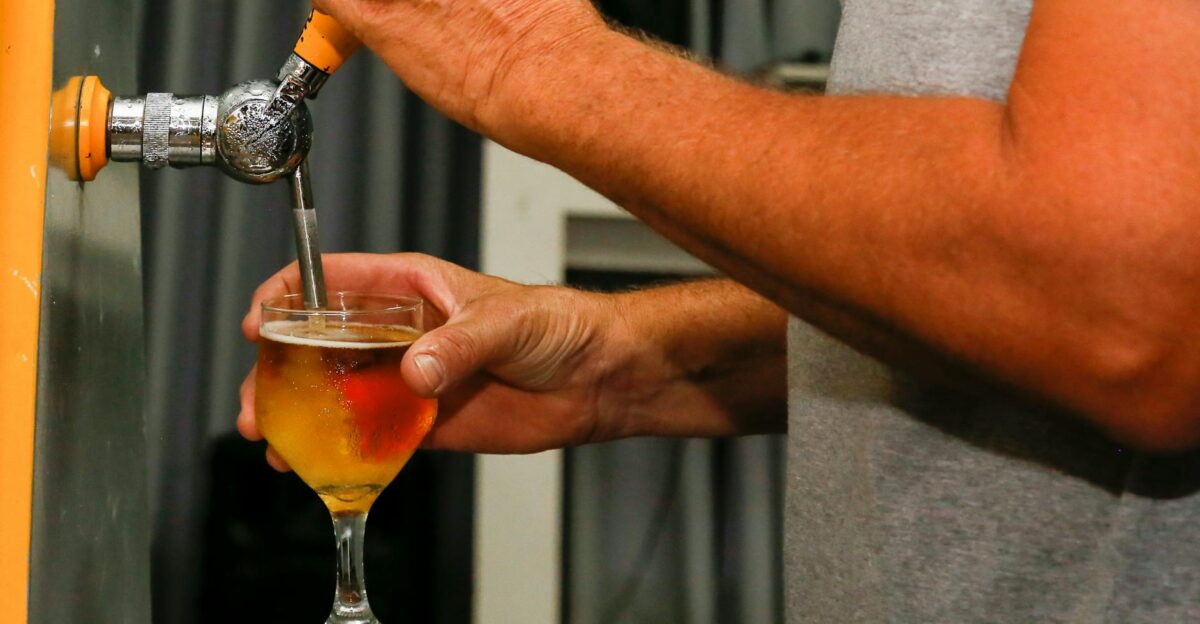
Workers described feeling gutted by the sudden announcement. Some had brewed beer at Rogue for 10, 15, even 20 years. Bartenders who’d poured pints nightly found themselves unemployed without severance. Oregon state officials launched rapid response efforts offering employment services and retraining programs.
For families relying on those paychecks, support programs don’t replace lost income during the upcoming holiday season.
Newport Searches for Economic Answers
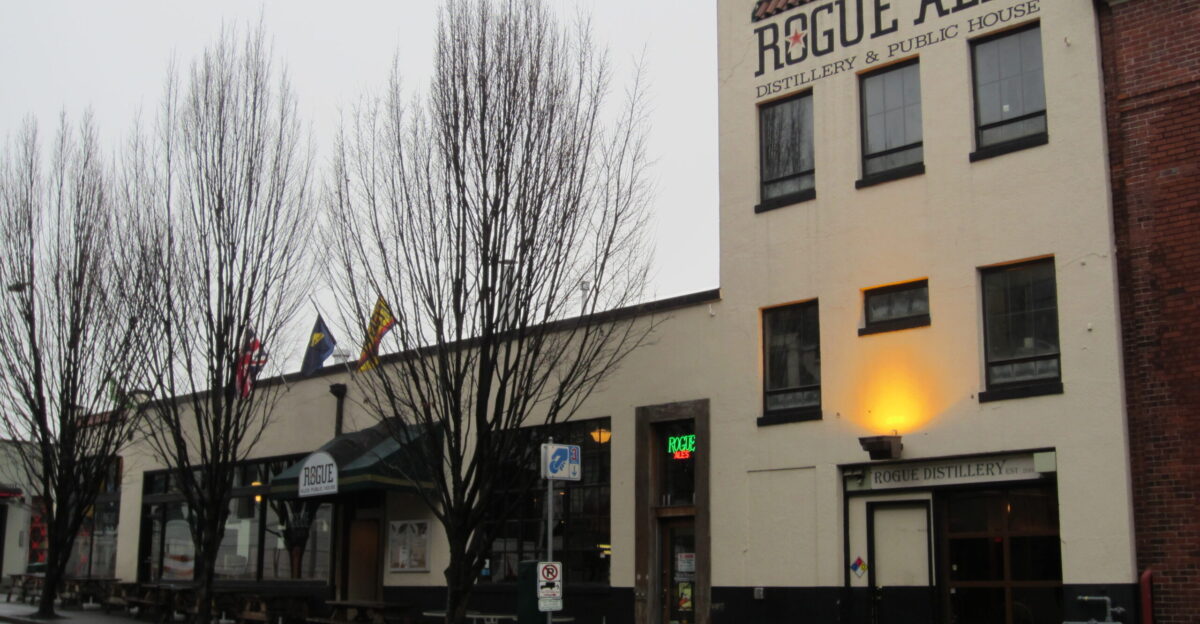
The Port of Newport moves forward, but questions linger about economic diversification. Rogue’s closure highlights the vulnerability of a community that heavily depends on a single large employer. Tourism officials worry about the Bayfront’s appeal without the brewery as an anchor.
West Coast Seafood’s lease helps fill revenue gaps, but seafood processing creates different jobs requiring different skills. Former brewery workers face uncertain transitions in a coastal economy with limited alternatives.
What the Data Shows

Craft beer’s share of the overall U.S. beer market peaked around 2020 at roughly 13% by volume before declining. The pandemic accelerated consolidation and closures that were already underway, as market saturation reached a critical mass.
Bart Watson noted that while closure rates seem high, they’re relatively low compared to broader hospitality sector failures. The industry experienced unprecedented growth from 1,500 breweries in 2008 to nearly 10,000 by 2024—correction was inevitable.
Lessons from America’s Brewing Contraction
The 2025 crisis offers stark lessons. Market saturation proves that “build it and they will come” fails when every neighborhood hosts multiple taprooms. Hyperlocal models, which focus on direct-to-consumer sales, prove more resilient than distribution-focused operations.
Financial discipline—adequate capitalization, cash flow monitoring, realistic projections—separates survivors from casualties. For Rogue’s 300 former employees, these lessons arrived too late. A 37-year craft beer pioneer becomes another statistic.