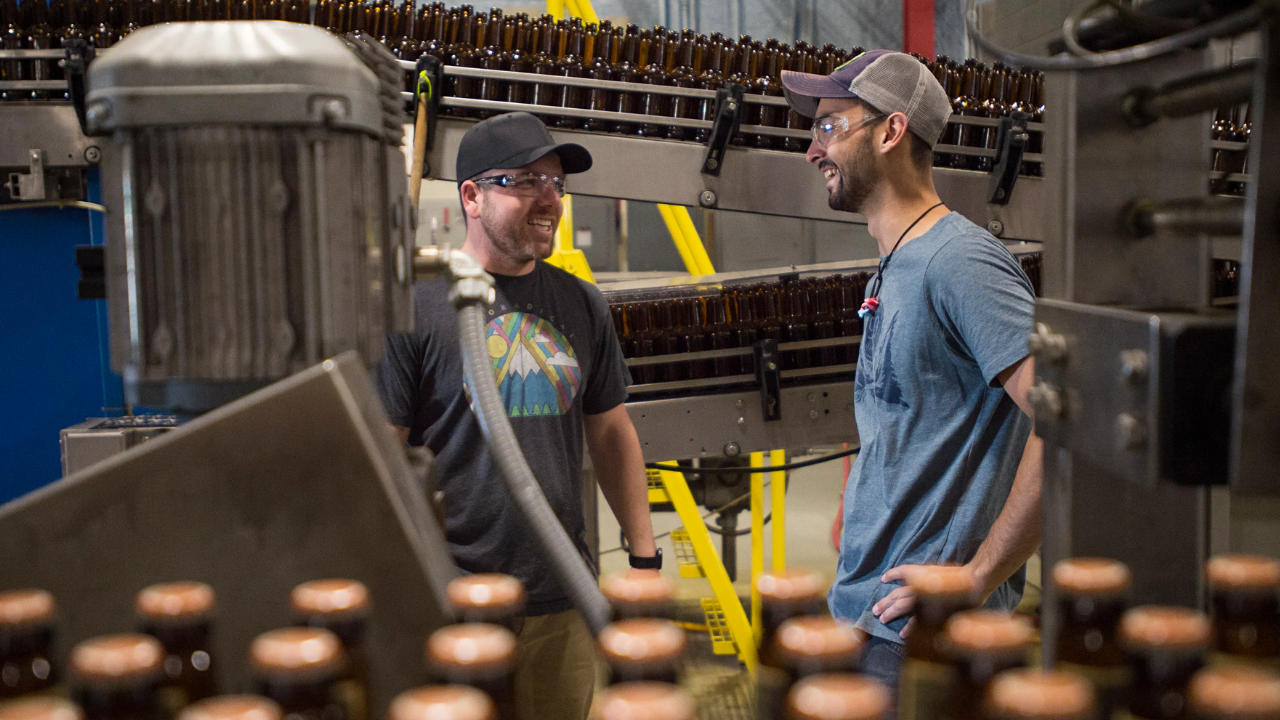
At 8 a.m. on a November morning, nearly 300 employees of Rogue Ales & Spirits across Oregon received a brief, unexpected message: all operations were ceasing immediately, and every facility was closing. There were no meetings or phone calls—just a sudden end to decades-long careers, three weeks before the holiday season. By midday, “Closed Until Further Notice” signs appeared on doors from Newport to Portland, leaving workers and patrons stunned as the state’s iconic craft brewery vanished overnight.
Debt and Decline Behind Closed Doors
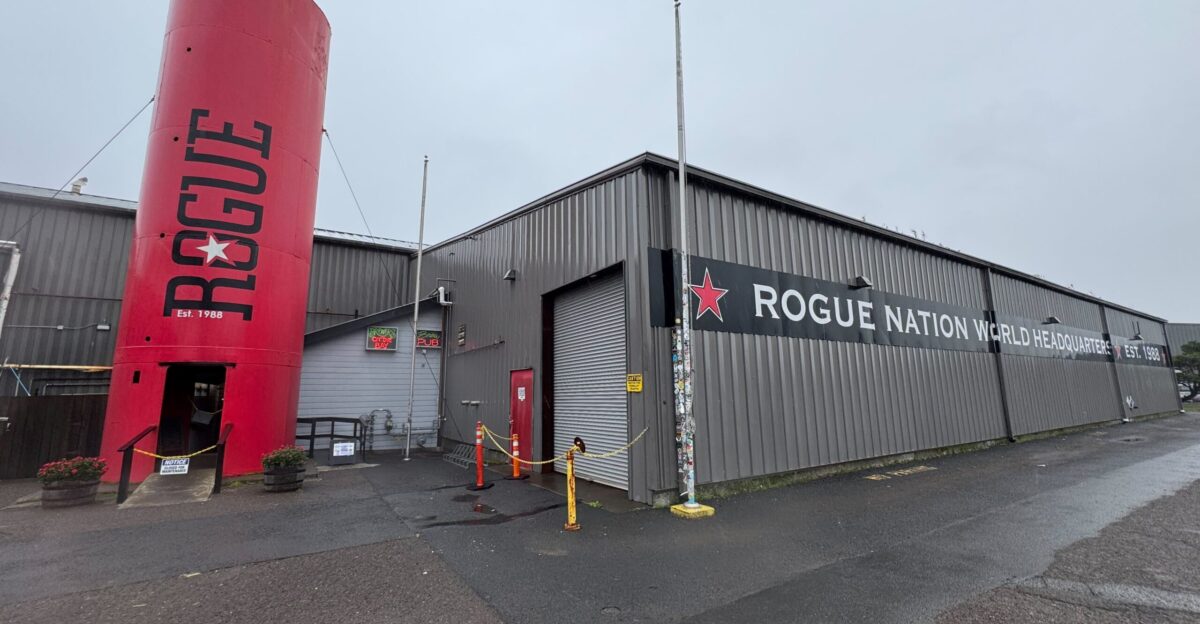
Rogue’s abrupt closure was the result of mounting, hidden financial troubles. The company owed $545,000 in unpaid rent to the Port of Newport and an additional $30,000 in back taxes. Port officials had attempted to negotiate payment plans for months, but the arrears continued to accumulate. In October, the port quietly approved a new lease for Rogue’s distillery space, anticipating the brewery’s collapse. Despite its global reach, Rogue’s debts—over $575,000—proved insurmountable, signaling deeper issues than a simple cash shortfall.
Founded in 1988 by three former Nike executives, Rogue quickly became a fixture in Oregon’s craft beer scene. The brewery expanded from a small Ashland operation to a 47,000-square-foot waterfront facility in Newport, shipping its flagship Dead Guy Ale and other varieties to all 50 states and more than 50 countries. For 37 years, Rogue was a symbol of Oregon’s brewing innovation and a major employer in Newport, where its closure directly affected about 1% of the city’s population.
A Brewing Industry in Crisis

Rogue’s downfall is part of a broader crisis sweeping the American craft beer industry. The pandemic’s impact lingers: when taprooms closed in 2020, breweries lost their most profitable sales channels. Craft beer sales dropped 9% that year—the first decline in over a decade. Recovery proved elusive, with rising costs for shipping, ingredients, labor, and taxes squeezing margins, particularly for breweries that relied heavily on draft sales.
The industry’s contraction is stark. In 2024, for the first time since 2005, more U.S. breweries closed than opened. The Brewers Association reported 399 closures versus 335 new startups, resulting in a 5% year-over-year decline in total production. Oregon alone has lost nearly 75 breweries since the pandemic began, and Rogue’s own sales fell 18% in 2024. Market saturation has intensified competition, with over 9,000 breweries nationwide vying for limited shelf space and tap handles.
Business Model Pressures and Market Shifts
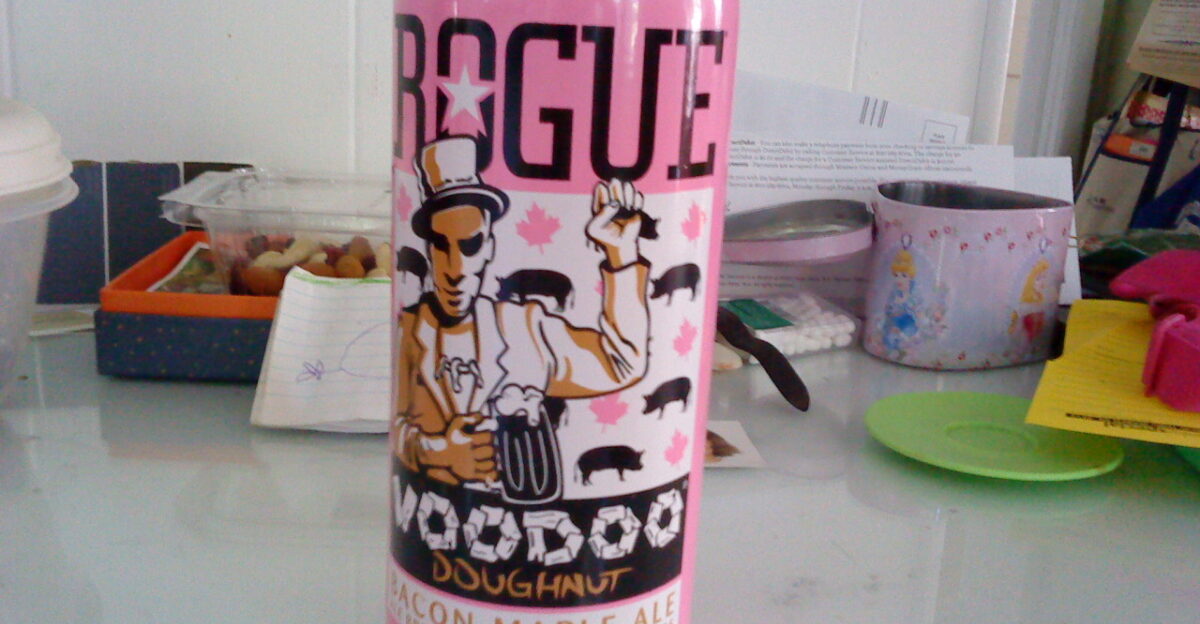
Rogue’s national distribution model, once a strength, became a liability as consumer preferences shifted. While many breweries pivoted to hyperlocal taproom models, Rogue maintained a broad reach, competing against both local and national brands. Efforts to diversify into spirits and cannabis-infused beverages may have stretched resources thin without delivering needed revenue.
Financial experts point to a simple but unforgiving reality: breweries often fail because they run out of cash. Inventory, accounts receivable, and capital expenses can tie up funds, and many operators lack the financial planning skills to weather downturns. Rogue’s debts, while significant, suggest reserves were depleted long before the final shutdown. Unlike most companies in distress, Rogue did not file for bankruptcy, leaving creditors and employees in a state of limbo. The board concluded that there was no path to profitability and opted for immediate closure.
Changing Tastes and Intensifying Competition
The challenges facing Rogue reflect broader changes in American drinking habits. Beer consumption in the U.S. fell to its lowest level in 20 years in 2024, with shipments dropping below 200 million barrels for the first time since 1999. Non-alcoholic beer sales surged as health-conscious consumers moderated their intake, and ready-to-drink beverages attracted younger drinkers. Meanwhile, large brewers adapted by acquiring craft brands and launching their own “pseudo-craft” lines, intensifying competition for smaller players.
Community Impact and the Road Ahead
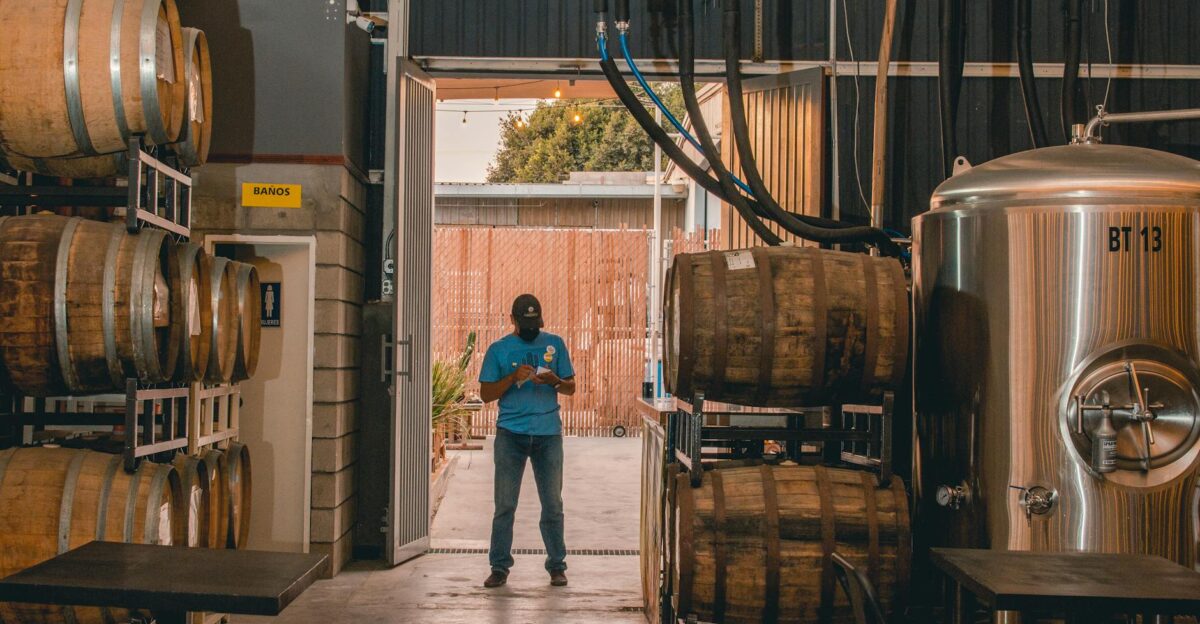
For Newport and other Oregon communities, Rogue’s closure is more than a business story—it’s an economic and social blow. The brewery anchored tourism and provided stable jobs in a coastal town with limited alternatives. The Port of Newport has since leased Rogue’s former distillery space to a seafood processor, but the transition brings different jobs and new challenges for displaced workers.
The data shows craft beer’s share of the U.S. market peaked around 2020 before declining, as the pandemic accelerated a correction in an oversaturated industry. While closure rates remain lower than in other hospitality sectors, the era of rapid brewery growth has ended. The lessons are clear: financial discipline, adaptability, and a focus on local markets are now essential for survival.
As Rogue’s 300 former employees seek new opportunities, the company’s sudden end stands as a cautionary tale for an industry at a crossroads—where resilience, innovation, and prudent management will determine who endures in the years ahead.