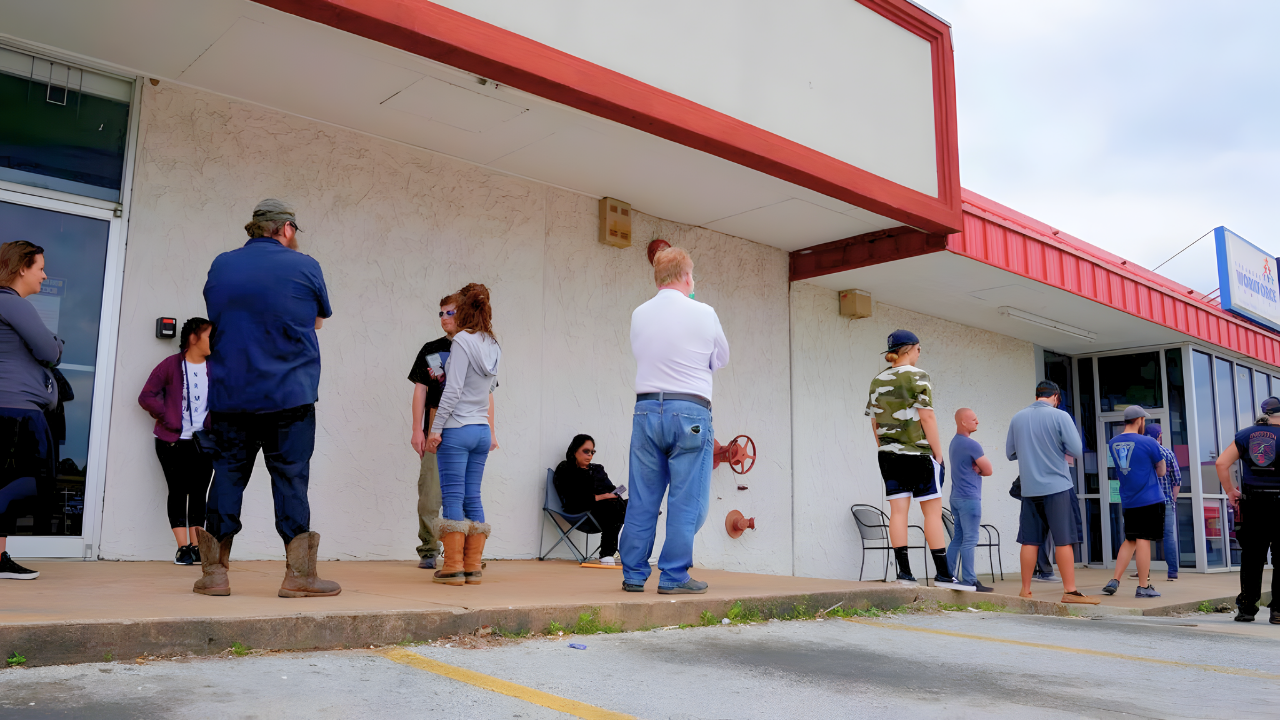
The notice that arrived in Columbus in early December 2025 turned months of rumor into a hard deadline. In a filing under the federal Worker Adjustment and Retraining Notification (WARN) Act, Cooper Standard Automotive confirmed it would permanently close its auto parts plant in New Lexington, Ohio, beginning layoffs in February 2026 and finishing a full shutdown by July 1, 2027. The move will erase 228 jobs at a facility that has anchored Perry County’s manufacturing base for nearly six decades, signaling a profound shift for a town long defined by a single industrial employer.
Economic Shock in a Fragile Region

Perry County is already classified among Ohio’s more economically strained rural areas, with few large industrial operations and limited alternative employers offering comparable wages and benefits. The plant’s closure is expected to remove a major source of payroll from the local economy, threatening to reduce spending at small retailers and restaurants and putting pressure on school districts and municipal budgets that depend on income and property taxes.
Because many workers have deep family roots in the area, officials and residents are bracing for effects that could last years. Without another sizable factory nearby, displaced employees may face stark choices: commuting long distances to other plants, enrolling in retraining programs later in their careers, or relocating out of the county. Each option carries costs for households and for a region already wrestling with population loss and constrained job growth.
A Long-Running Plant in a Global Company
The New Lexington facility began operations in the mid-1960s and will have logged roughly 59 years of production by the time it closes in 2027. Over that period, the plant became a cornerstone of Perry County’s identity, with multiple generations from the same families working on its lines. For many residents, the factory represented a path to stable, unionized work without a four-year degree.
Its owner, Cooper Standard Automotive, is a major global supplier to the auto industry. Founded in 1960 and based in Northville, Michigan, the company has operations in about 20 countries and a workforce of roughly 22,000 people. It specializes in sealing systems, fluid handling products, and other rubber and plastic components used by leading vehicle manufacturers. Decisions made at its corporate headquarters can therefore reverberate across a wide manufacturing footprint, including small communities like New Lexington.
Inside the WARN Notice
The WARN notice filed with Ohio’s Office of Workforce Development on December 8, 2025, spells out the pace and scale of the shutdown. Cooper Standard plans to begin layoffs around February 6, 2026, and to wind down operations through mid-2027, when the facility is slated to cease production entirely. In total, 228 positions will be eliminated.
According to the filing, the job cuts will affect 193 hourly employees and 36 salaried staff, including electricians, machine operators, engineers, and supervisors. Many of the hourly workers are represented by United Auto Workers Local 1686, which has been formally notified. Federal law requires at least 60 days’ advance warning of mass layoffs or plant closures, but for affected employees the notice marks the beginning of an extended period of uncertainty about their next steps.
Union Protections and Limited Alternatives
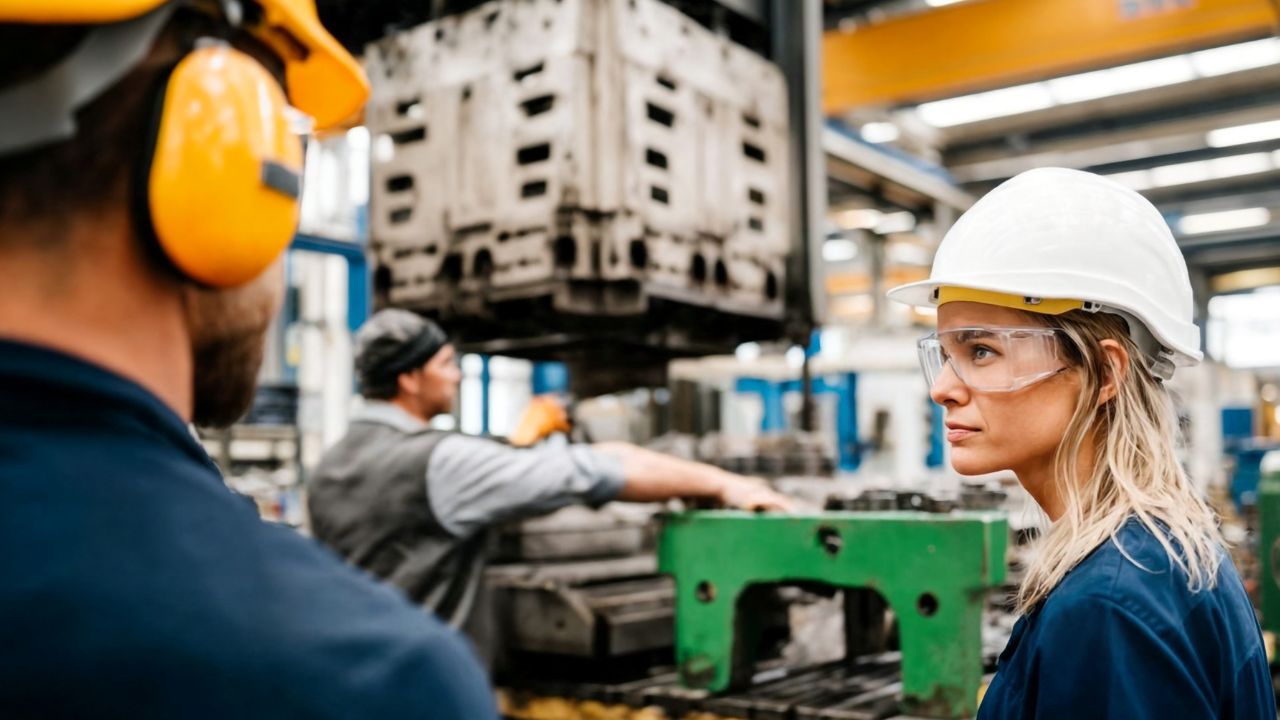
Under the existing collective bargaining agreement, eligible UAW members may use “bumping rights” to extend their employment, allowing senior workers to displace less-senior colleagues in certain roles. Cooper Standard also indicated that some employees, both hourly and salaried, could be offered transfers to other company locations.
These provisions may soften the initial impact for a subset of the workforce, but they do not alter the basic outcome: the New Lexington plant will close. Transfer options may require families to move far from Perry County, while bumping rights only shift the timing of layoffs within a shrinking operation. For workers with mortgages, school-age children, or caregiving responsibilities, relocation is often a last resort rather than a straightforward solution.
Industry Pressures and Company Strategy
The decision to shutter New Lexington comes as auto parts suppliers navigate a period of sustained turbulence. Companies across the sector have been contending with supply-chain disruptions, higher raw materials costs, inflationary pressures, labor shortages, and changing demand patterns tied to electric vehicles and new vehicle platforms. In 2025, large suppliers such as Marelli and First Brands Group sought Chapter 11 bankruptcy protection, highlighting the strain on parts makers.
Cooper Standard has not filed for bankruptcy, but the company’s notice to Ohio officials states that it has been “continually analyzing plant utilization” as part of a broader effort to optimize its manufacturing footprint. Business and operational considerations, rather than a single triggering event, were cited as reasons for the New Lexington closure. Industry analysts note that automakers are pushing suppliers for lower prices and more specialized parts, prompting consolidation and “footprint rationalization” as companies concentrate production in fewer, more modern facilities.
For communities like New Lexington, those strategic calculations can be difficult to reconcile with the plant’s long service history. Locals question whether upgrades or retooling could have preserved operations, even at a reduced scale. Yet as Cooper Standard shifts capacity across its network in North America, Europe, and Asia, a rural Ohio factory has limited leverage in the face of global competition and cost pressures.
Uncertain Path Ahead for Perry County

As layoffs begin in early 2026 and the final shutdown approaches in mid-2027, local leaders are expected to seek state and federal assistance, including rapid-response teams, workforce training, and possible redevelopment incentives for the site. However, such programs typically cushion, rather than reverse, the economic blow from losing a major manufacturer.
The plant’s future use may depend on environmental assessments and potential cleanup before new tenants can be recruited. Communities that have successfully repurposed similar facilities often pivot to logistics, light industry, or emerging sectors such as clean energy, but those transitions can take years and require coordinated investment.
For Perry County, the closure marks more than the loss of a major payroll. It reflects a broader shift away from the mid-20th-century model in which a single factory could sustain a town for generations. As Cooper Standard consolidates its global operations and the automotive supply chain continues to evolve, New Lexington’s experience offers an early view of the challenges facing other small industrial communities in Ohio and across the United States. Whether local efforts and outside support can generate new opportunities on the site of a 59-year manufacturing mainstay will help determine the county’s economic and demographic trajectory in the years ahead.
Sources:
“Cooper Standard WARN Notice – New Lexington Plant Closure.” Ohio Department of Job and Family Services, 8 Dec 2025.
“Cooper Standard to close Ohio plant, lay off 228 employees by July 2027.” Fox28 Columbus / ABC6 On Your Side, 17 Dec 2025.
“Cooper Standard files WARN notice for closure of New Lexington plant.” Rubber World, 6 Jan 2026.
“65-year-old auto parts company shuts plant, dumps 100s of workers.” The Street, 31 Dec 2025.