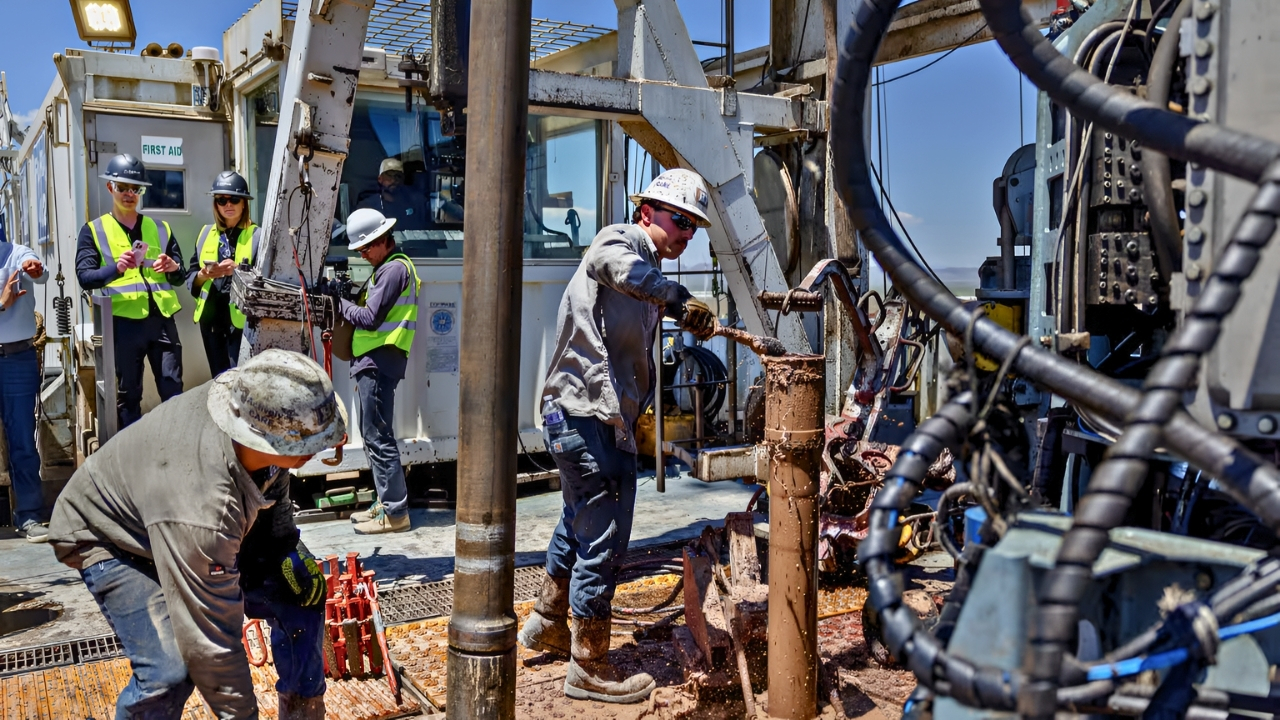
Utah’s new geothermal project could reshape U.S. power generation.
Fervo Energy, based in Houston, has won federal approval to build an enhanced-geothermal complex in Beaver County, utilizing oil-industry drilling methods.
The project targets 2 gigawatts of clean, continuous power—matching several large nuclear reactors. Supporters see this as geothermal going mainstream. The real story just begins.
Hidden powerhouse
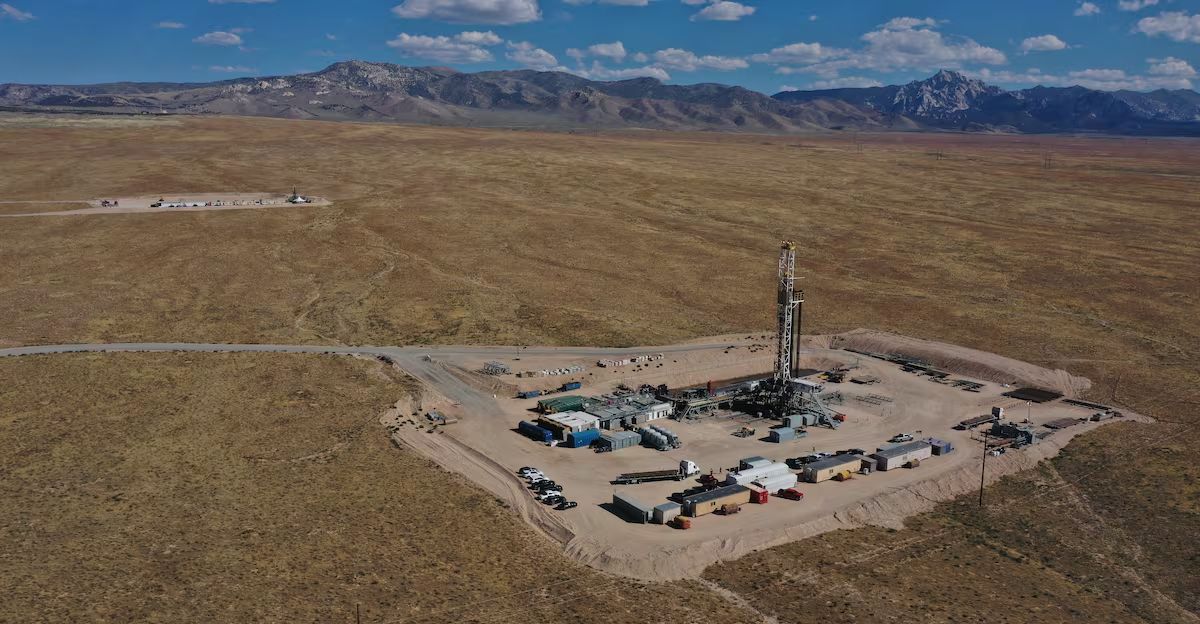
Beaver County’s desert terrain hides hot rock at relatively shallow depths, making it an ideal location for geothermal energy development.
Fervo’s Cape Station will cover 631 acres, including 148 acres of public land managed by the Bureau of Land Management.
The location offers strong heat and grid access. Empty scrubland could soon power a major energy hub.
From oilfield tech to clean heat
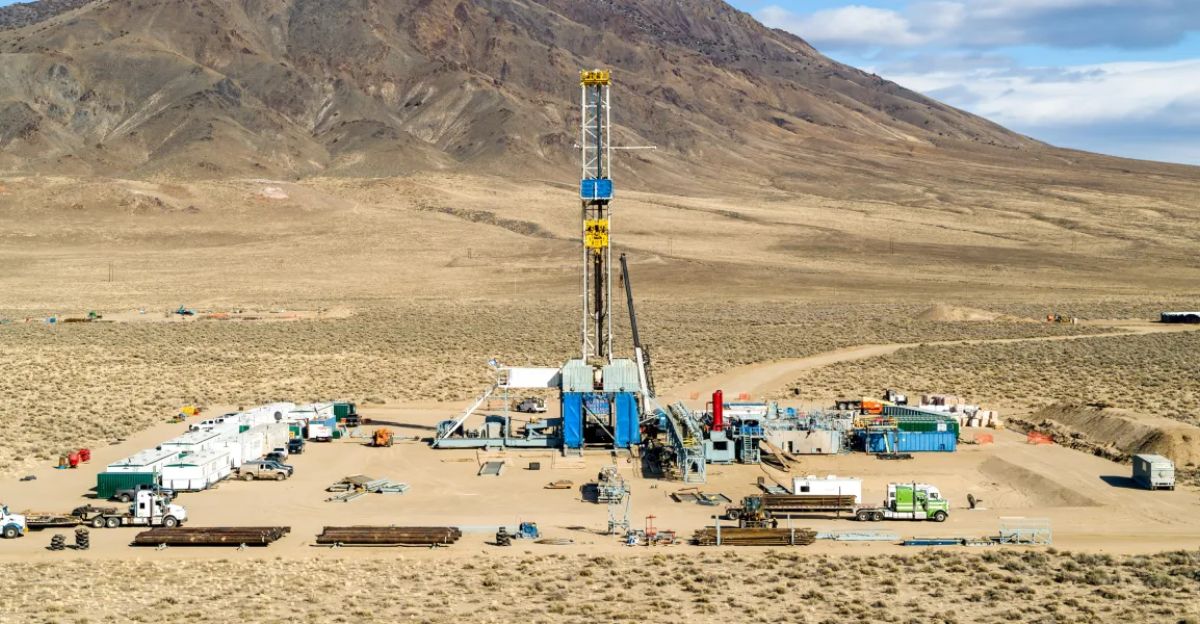
Most hot rock doesn’t naturally flow water or steam. Fervo adapts horizontal drilling and fracturing techniques from oil and gas to create pathways for heat collection.
Test wells are already showing record flow rates and significant output potential.
If this scales in Utah, similar resources across the American West and worldwide could be unlocked.
Regulatory green light
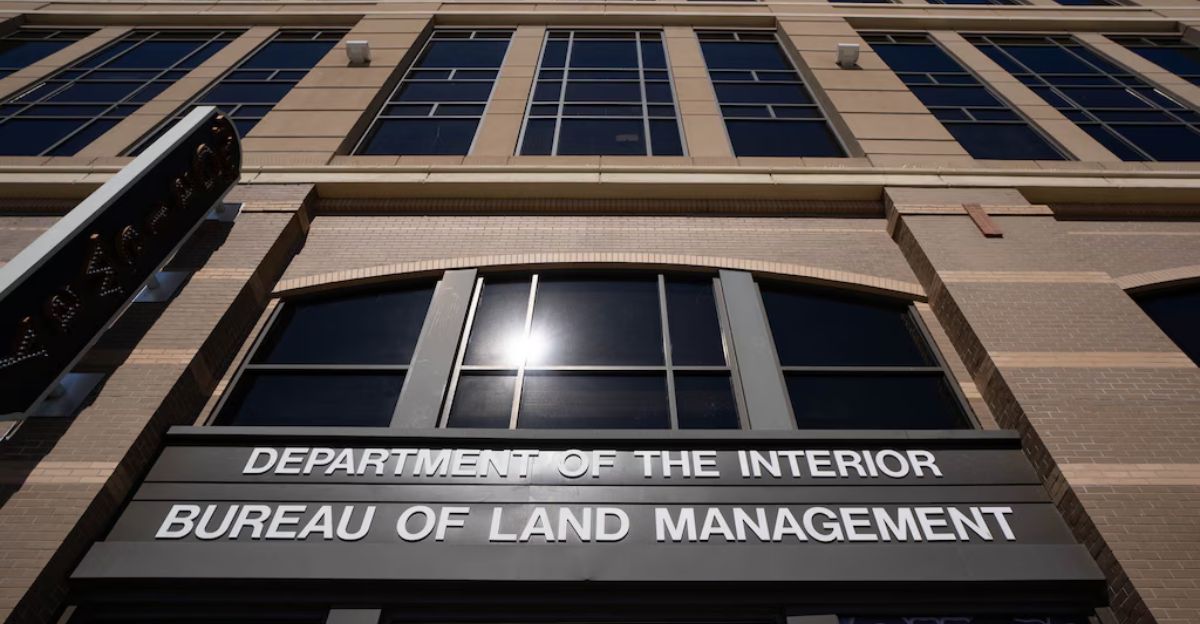
In October 2024, Interior’s Bureau of Land Management approved Fervo’s Cape Geothermal Power Project. BLM’s Cedar City Field Office found no major environmental concerns, opening a standard appeal period.
Simultaneously, the Interior Department proposed streamlined permitting for small-scale geothermal exploration on public lands.
Together, these moves signaled that geothermal energy was climbing Washington’s clean-energy priority list.
Record-scale ambition
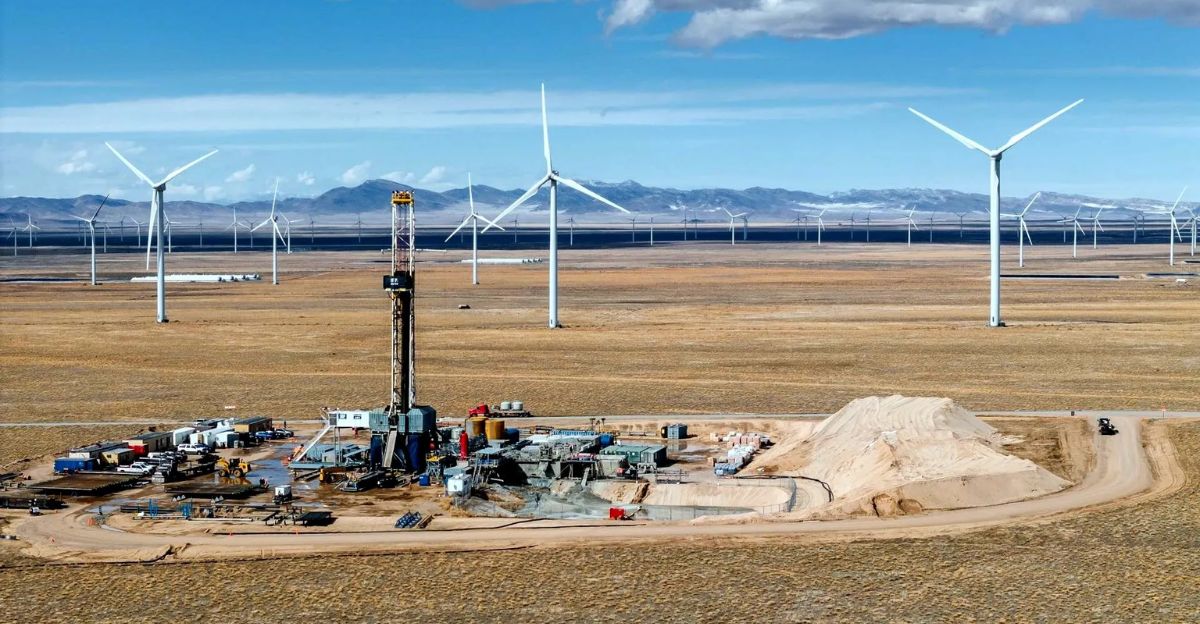
Federal and industry sources describe Cape Station as a potential 2-gigawatt complex rivaling California’s Geysers, the world’s largest geothermal field.
Interior and energy outlets call it “the world’s largest” next-generation geothermal. At full capacity, it would equal half the current U.S. geothermal output alone.
This unprecedented size and firm power represent both the project’s appeal and its biggest challenge.
Power for millions
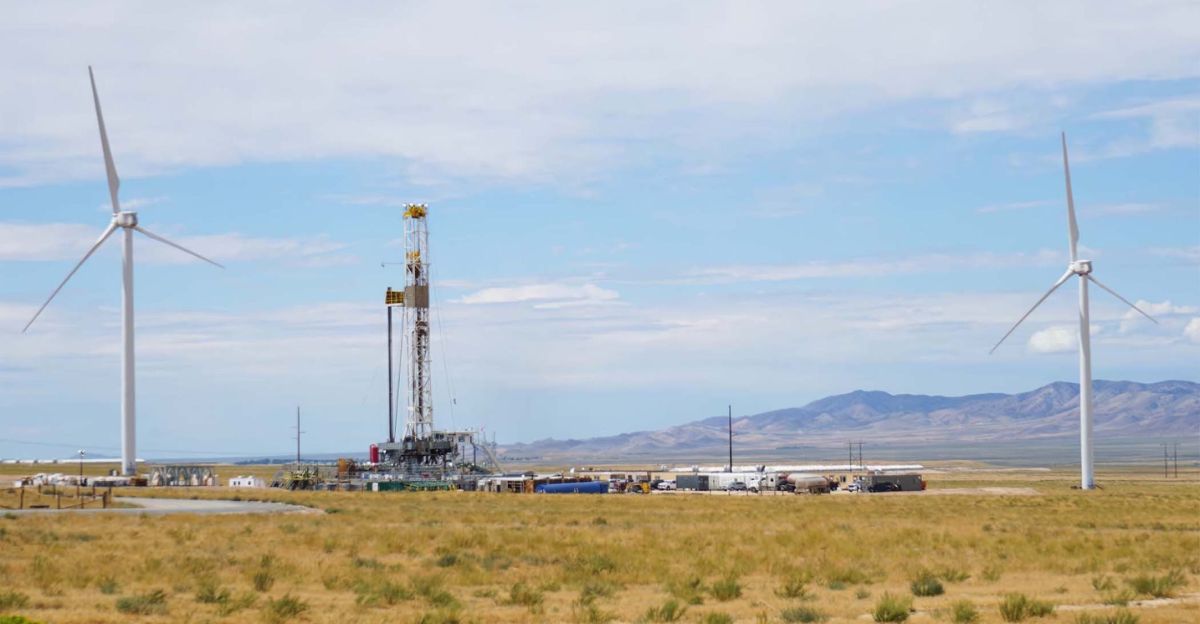
Media outlets frame Cape Station’s 2-gigawatt capacity as sufficient to power 2 million homes.
This reflects standard conversions, dividing plant capacity by average household use—not a customer promise.
Still, this figure demonstrates the project’s potential to meet substantial Western demand during peak heat or cold periods. Many readers remember this number the most.
Local jobs, local stakes
Beaver County views Cape Station as an economic opportunity. Local groups project hundreds of construction jobs and several dozen permanent positions once the plants are operational.
Fervo hires locally and invests in long-term operations.
Geothermal plants create fewer jobs than some other industries, but they offer a rare, decades-long stability for rural counties struggling with employment.
Western grid implications
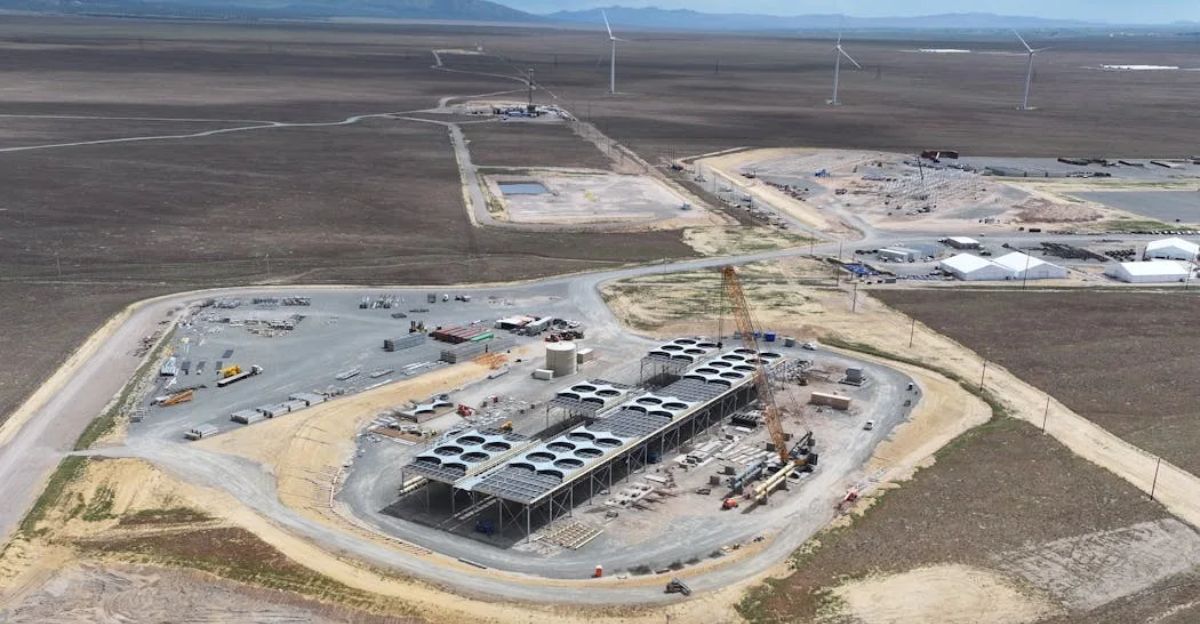
A full 2-gigawatt geothermal project matters beyond Utah’s borders. Western grids struggle to balance variable solar and wind energy with peak demand, especially during heatwaves.
Firm geothermal power running 24/7 could cut reliance on gas plants and imported electricity.
Fervo signed power contracts with Southern California Edison, showing utility interest in this output.
Regulatory ripple effects
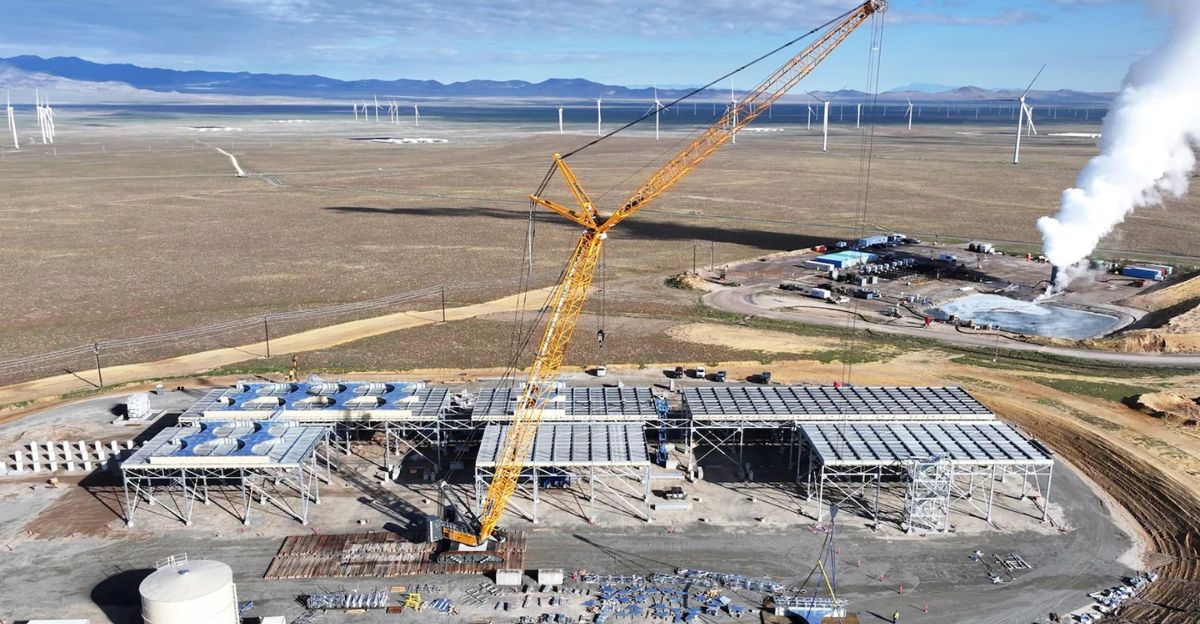
The Utah approval catalyzed broader action. Interior paired Cape Station’s approval with initiatives to accelerate geothermal leasing on public lands.
A major lease sale generated near-record revenue, covering over 200,000 acres and demonstrating strong developer interest.
Officials argue that geothermal energy delivers critical 24/7 clean power in support of America’s 2035 carbon-free electricity goal. The Utah project could become a template.
Quiet mini-nuclear
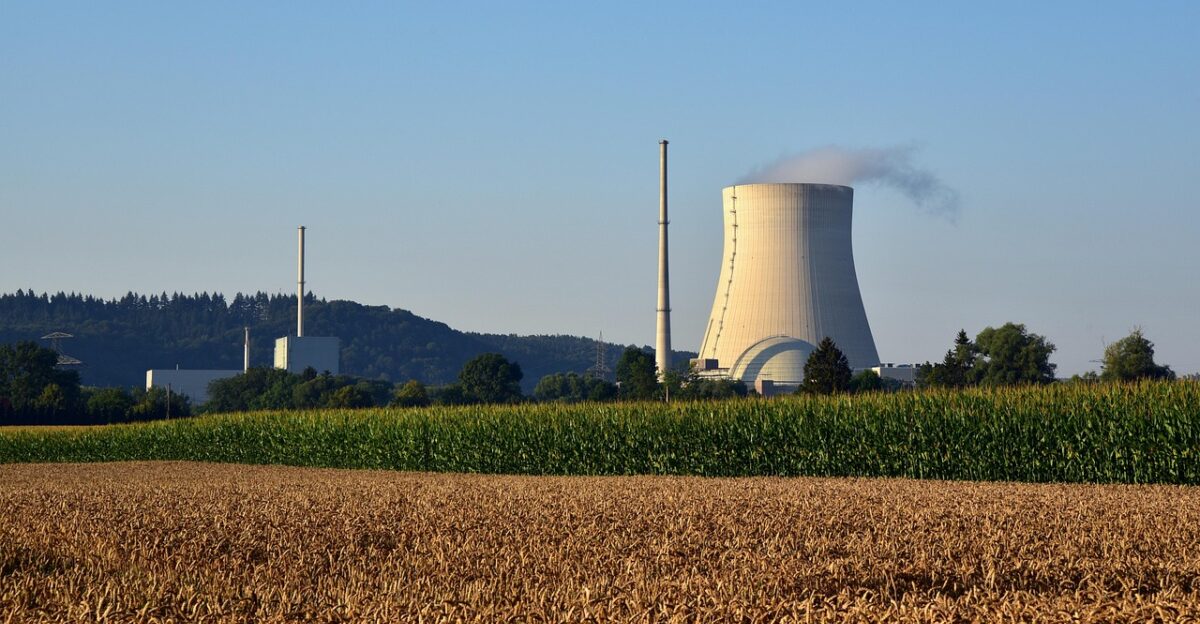
Energy experts compare firm geothermal power to nuclear plants because both operate continuously and help stabilize grids.
A 2-gigawatt complex matches two large modern reactors, with different risk and waste profiles. Enhanced geothermal offers “nuclear-like” reliability without fuel-price swings, advocates say.
If Cape Station reaches its goal, it will become a real test of whether advanced geothermal can replace gas plants reliably.
Phased path, not instant build
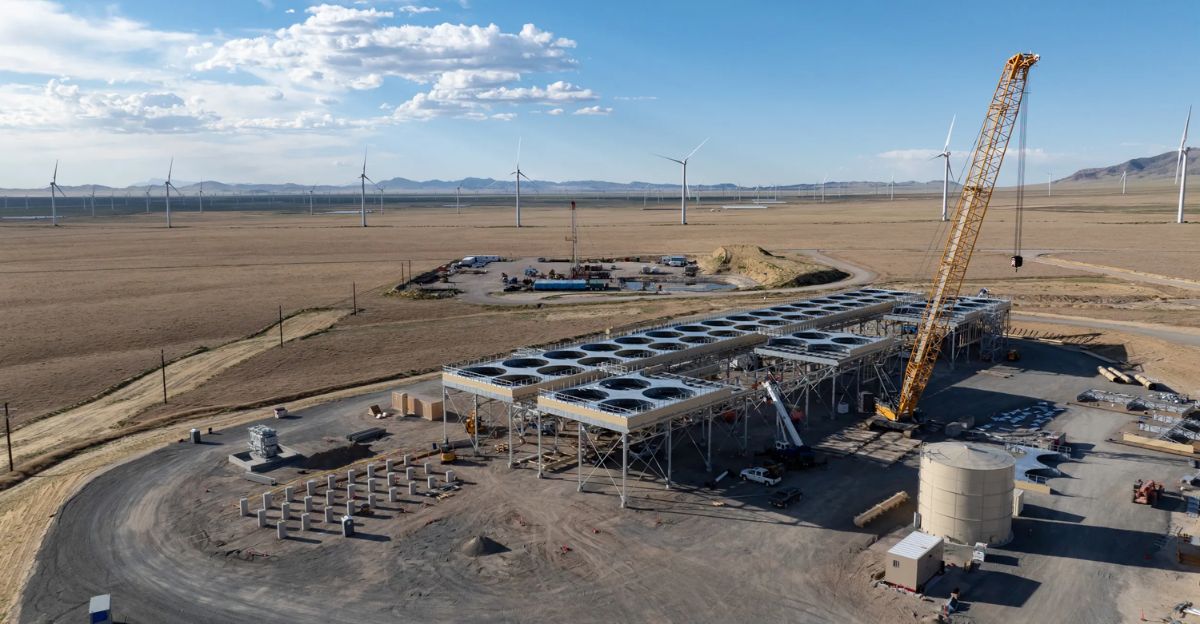
Headline numbers mask reality: Cape Station won’t reach 2 gigawatts overnight.
Early phases are expected to deliver 70–100 megawatts by the mid-2020s; later phases are anticipated to add hundreds more. Southern California Edison contracts cover 320 megawatts of power.
Each phase depends on well performance, financing, and grid demand. The project’s actual trajectory will unfold over a decade.
Technical risks and unknowns
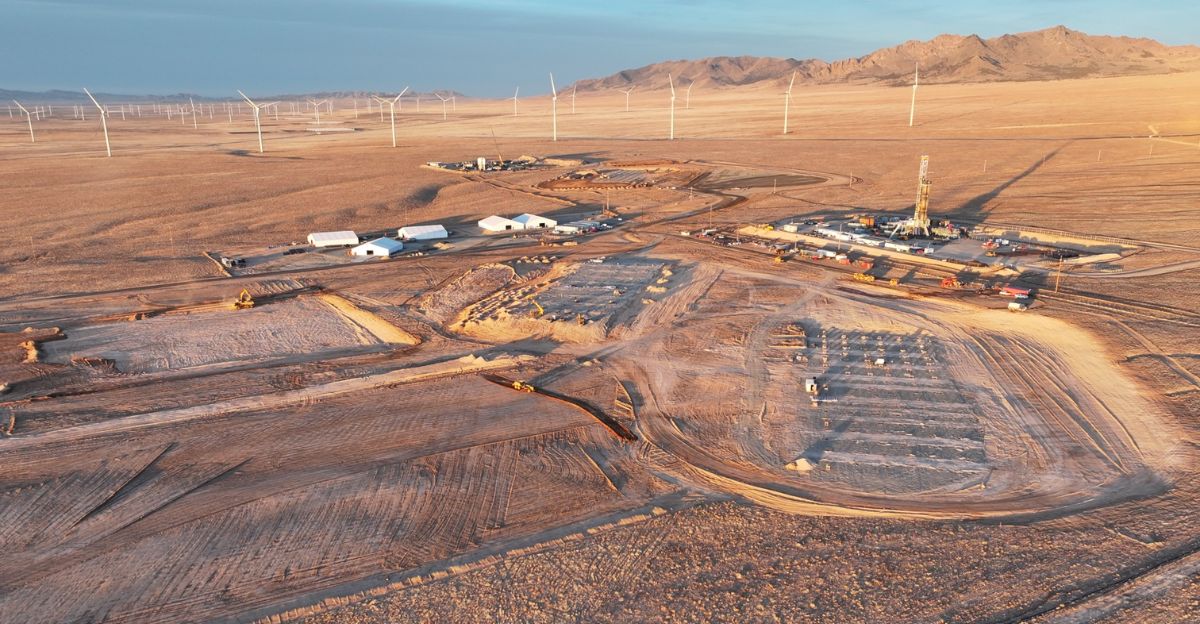
Enhanced geothermal is still maturing commercially. Creating and managing artificial fractures raises concerns about long-term performance, potential earthquakes, and ongoing maintenance.
Fervo’s test well showed record flows producing over 10 megawatts from one well pair—impressive but unproven across hundreds of wells.
Regulators will monitor environmental impacts closely as drilling ramps up. Technical performance will determine success.
Environmental review and safeguards
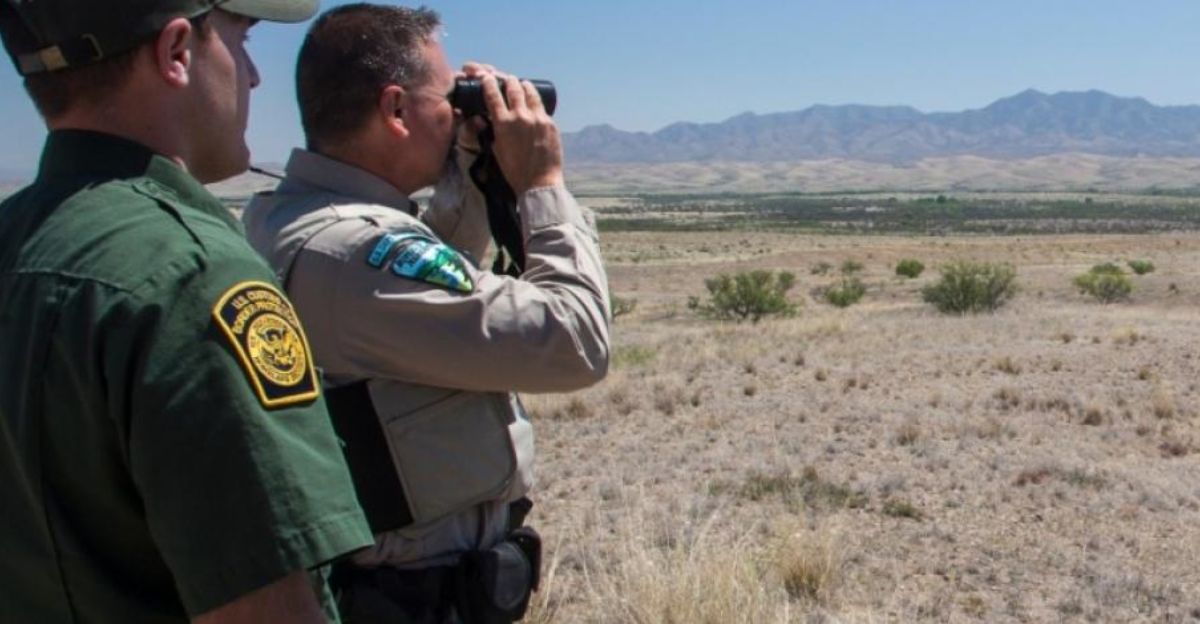
Before approval, the BLM conducted an environmental review and found that no significant impacts would occur if operators followed the mitigation plans.
Documents outline water-use management, surface restoration, and wildlife protection.
Critics worry about groundwater and earthquakes, but Utah’s review concluded these risks fit within acceptable limits. Monitoring data or community concerns might trigger reassessment as construction advances.
Financing and investor confidence

Cape Station needs major funding. In 2025, Fervo announced over $200 million in new financing to accelerate its work in Utah.
Investors bet that enhanced geothermal delivers stable, long-term revenue linked to power contracts. Federal approvals and early commercial deals strengthen this case.
Cost overruns or underperforming wells could test investor patience. Cape Station demonstrates whether enhanced geothermal energy is financially viable.
What if it falls short?
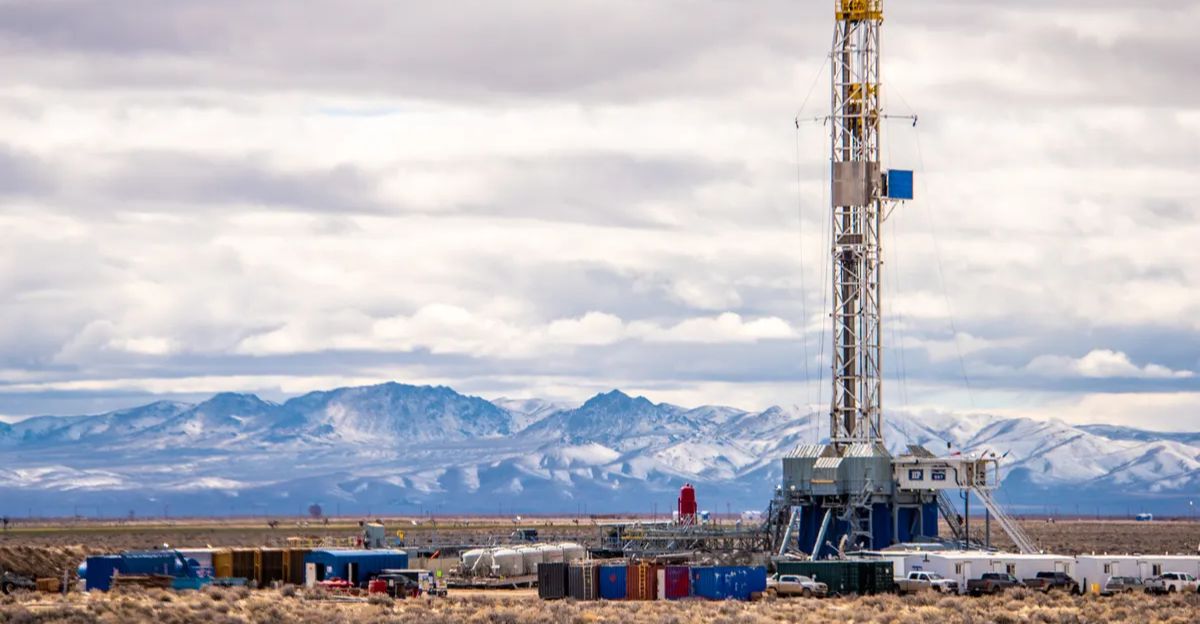
If Cape Station reaches only a fraction of 2 gigawatts, it might still succeed by traditional geothermal standards. Even hundreds of megawatts of clean power matter for Western grids.
But missing headline targets could dampen copycat projects and policy support.
Developers must strike a balance between ambitious goals and realistic timelines. Fervo’s transparency about progress will shape trust.
New scrutiny
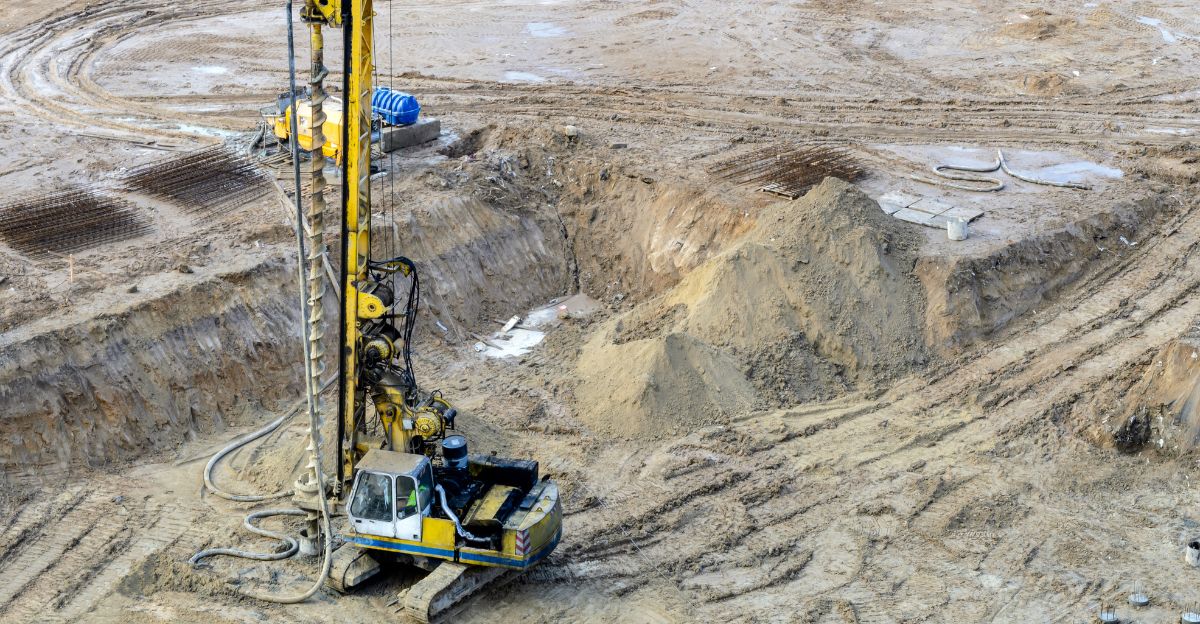
As Cape Station advances, geothermal policy shifts. Environmental groups question the Interior Department’s streamlined drilling permits, arguing that even small sites can cause localized harm.
Utah regulators oversee the processing of water, construction, and transmission permits.
Future lawsuits would test the robustness of the initial environmental review. Currently, the project benefits from federal support for clean energy.
Industry ripple effects
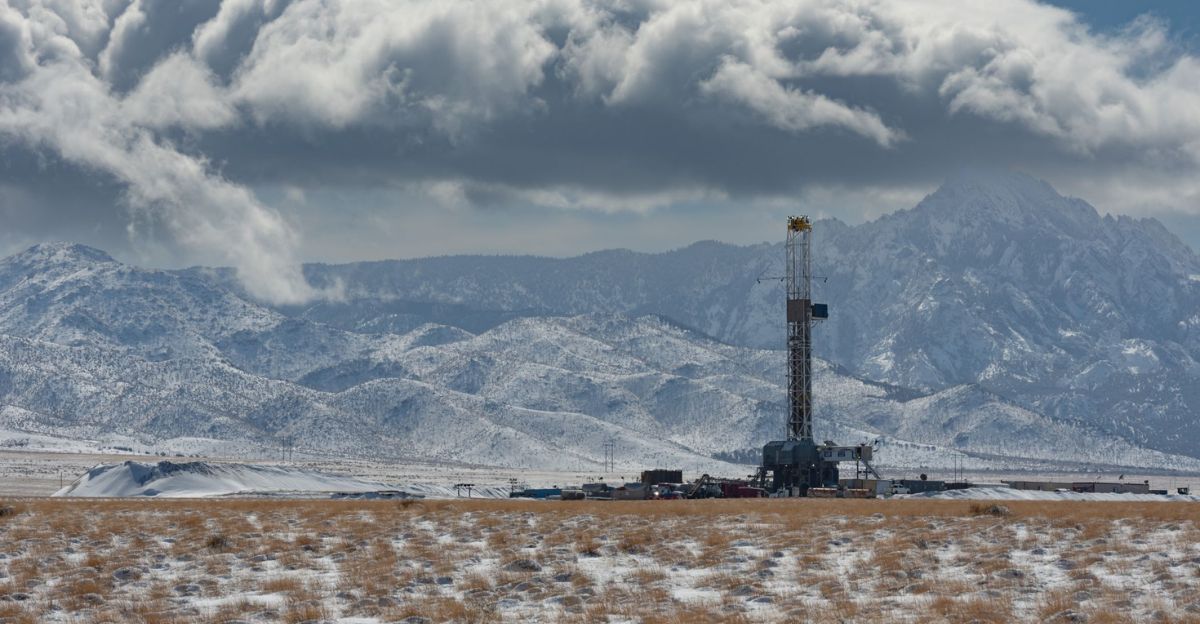
Cape Station matters beyond geothermal. Oilfield service firms see new markets as fossil work plateaus. Utilities weigh whether enhanced geothermal replaces planned gas capacity.
Transmission planners consider new routes if clusters of geothermal projects emerge in the western United States.
Utah’s success could inspire similar projects in Nevada, California, or globally in comparable geology and oil infrastructure regions.
Hype, hope, and skepticism

“World’s largest” geothermal powering two million homes spreads fast on social media without a timeline or risk nuance.
Enthusiasts claim that geothermal energy “solves” the clean energy problem; skeptics doubt that engineered reservoirs perform as promised.
Experts warn enhanced geothermal is promising but emerging—capacity headlines don’t guarantee output. Distinguishing marketing from measurable progress matters.
Lessons from The Geysers
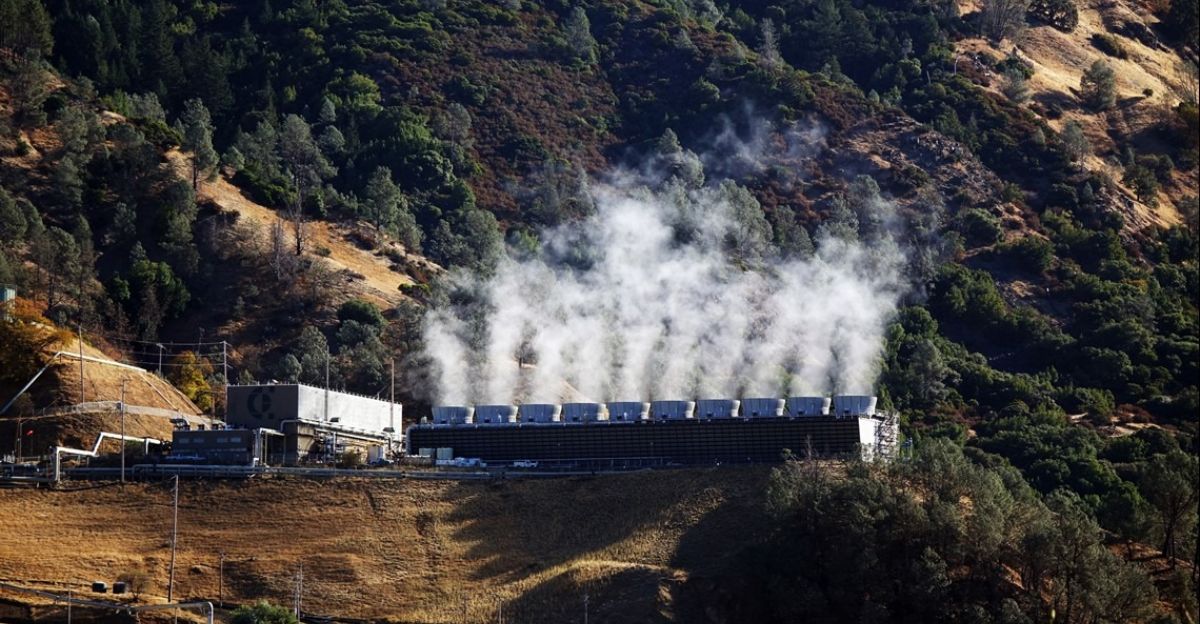
California’s Geysers, the world’s largest geothermal field, reached approximately 2 gigawatts in the 1980s, but output declined as the reservoirs cooled.
That history reveals geothermal’s durability and its limitations. Cape Station backers say enhanced techniques and monitoring prevent similar drops.
Yet The Geysers proves that even world-class geothermal projects adapt over decades.
Takeaway
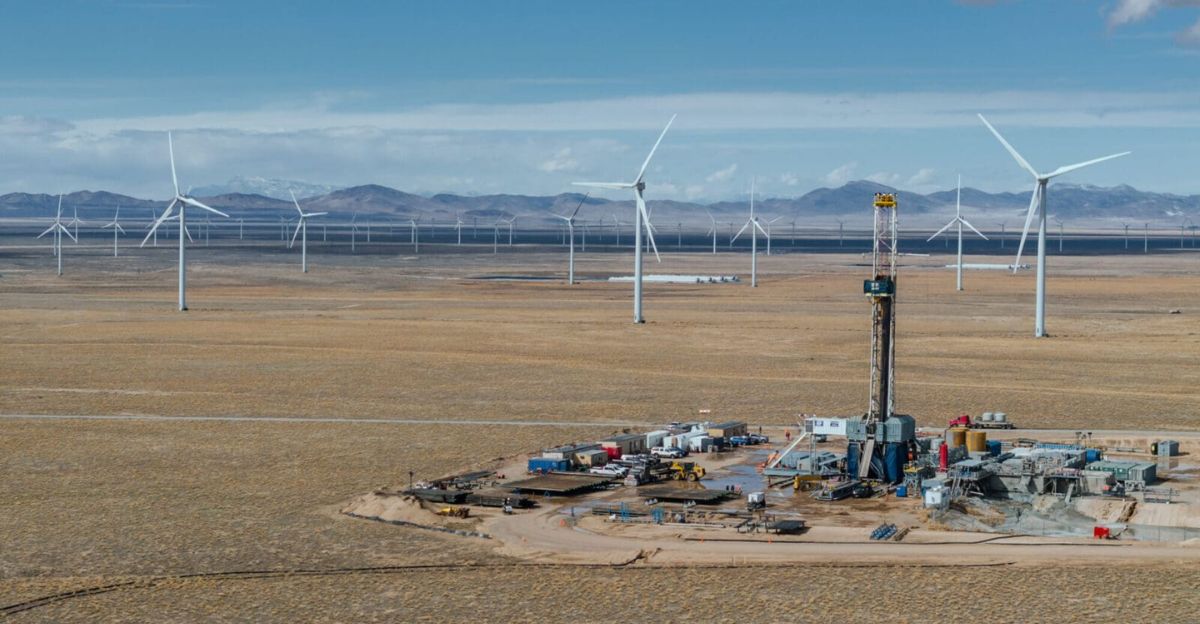
Cape Station tests whether engineered geothermal delivers nuclear-scale, round-the-clock clean power at scale.
Federal regulators cleared the way; investors fund phased construction; utilities signed purchase contracts. The 2-gigawatt and 2-million-homes figures represent ambitious goals, not guarantees.
Over the next decade, actual performance will shape whether enhanced geothermal becomes the backbone of clean energy or remains a niche technology.
Sources:
- ENR, 12 Feb 2025
- Interesting Engineering, 17 Oct 2024
- ESG Today, 10 Jun 2025
- Wikipedia: Geothermal power stations in the U.S., accessed 2024
- Reddit Futurology thread, 18 Oct 2024
- Utility Dive, 20 Oct 2024