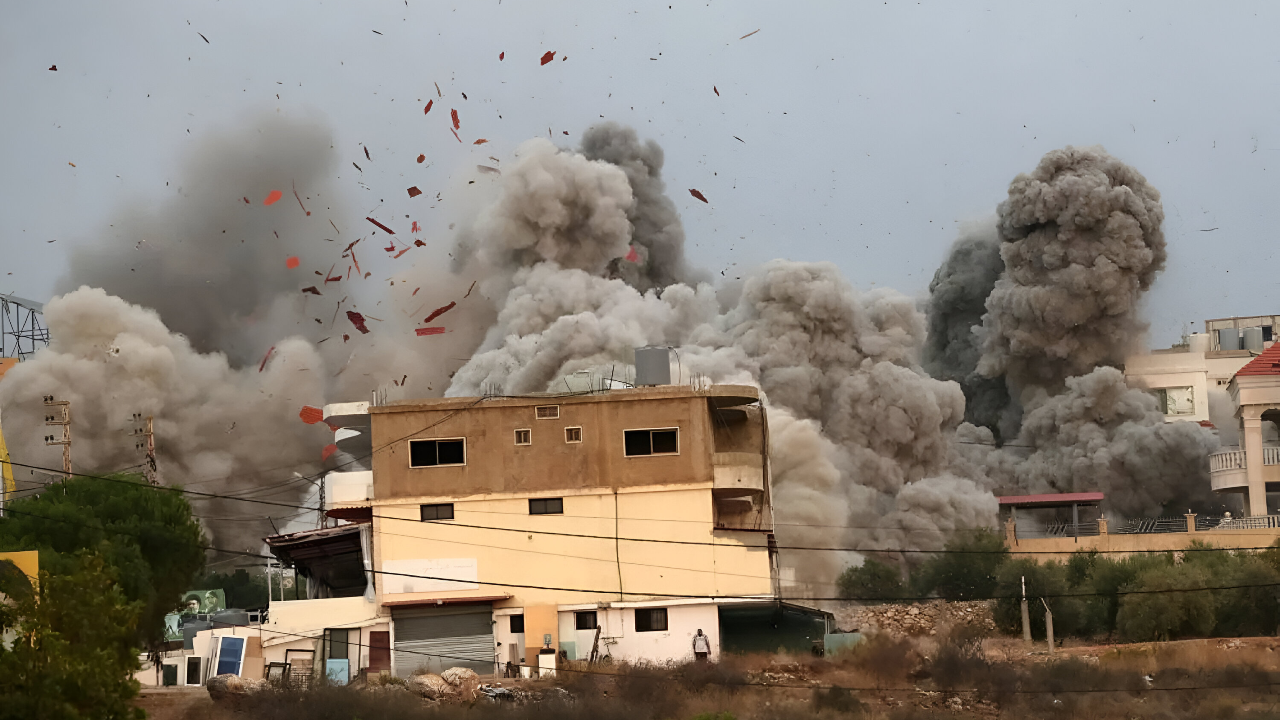
Fireballs erupted across the rocky terrain of southern Syria as a chain of explosions burst from concealed hillside bunkers—each blast marking the destruction of a hidden ISIS weapons depot. Dust rolled into the air, scattering debris as military vehicles held position on the ridge.
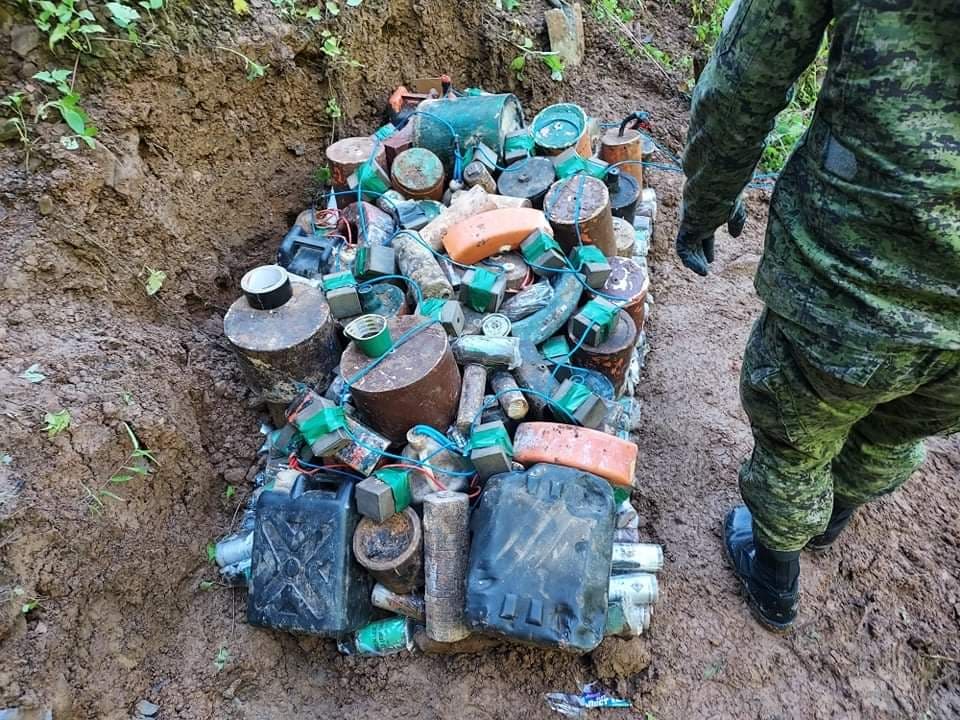
According to U.S. Central Command, the strikes unfolded over a four-day offensive that destroyed more than 15 storage sites used to house mortars, rockets, mines, and IED materials.
ISIS Stockpiles
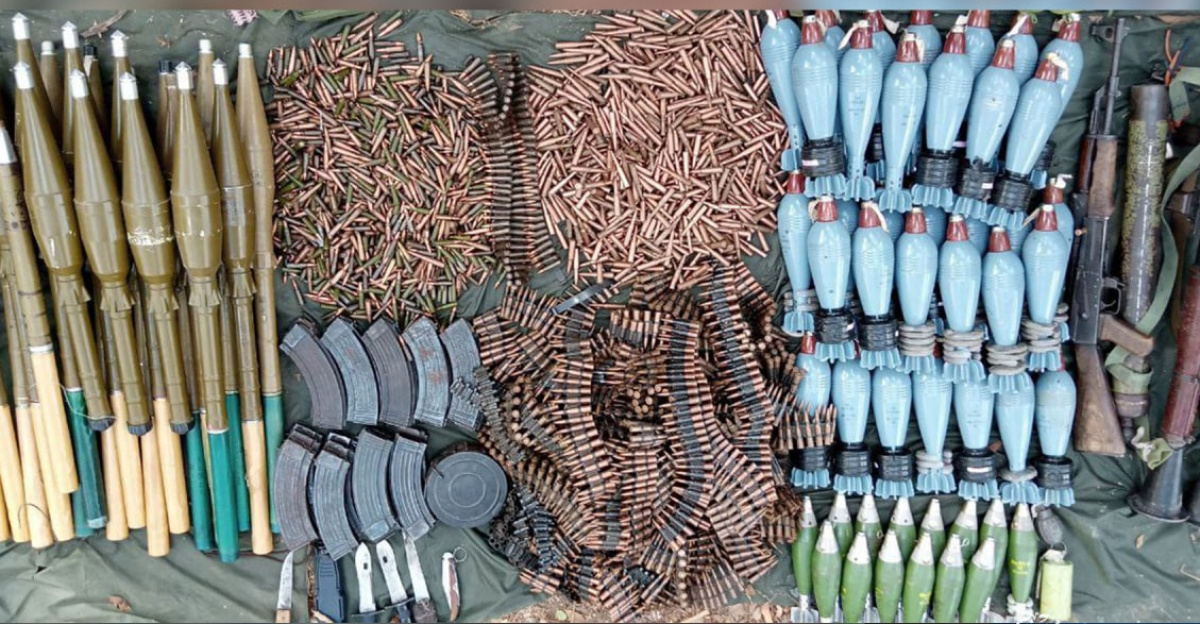
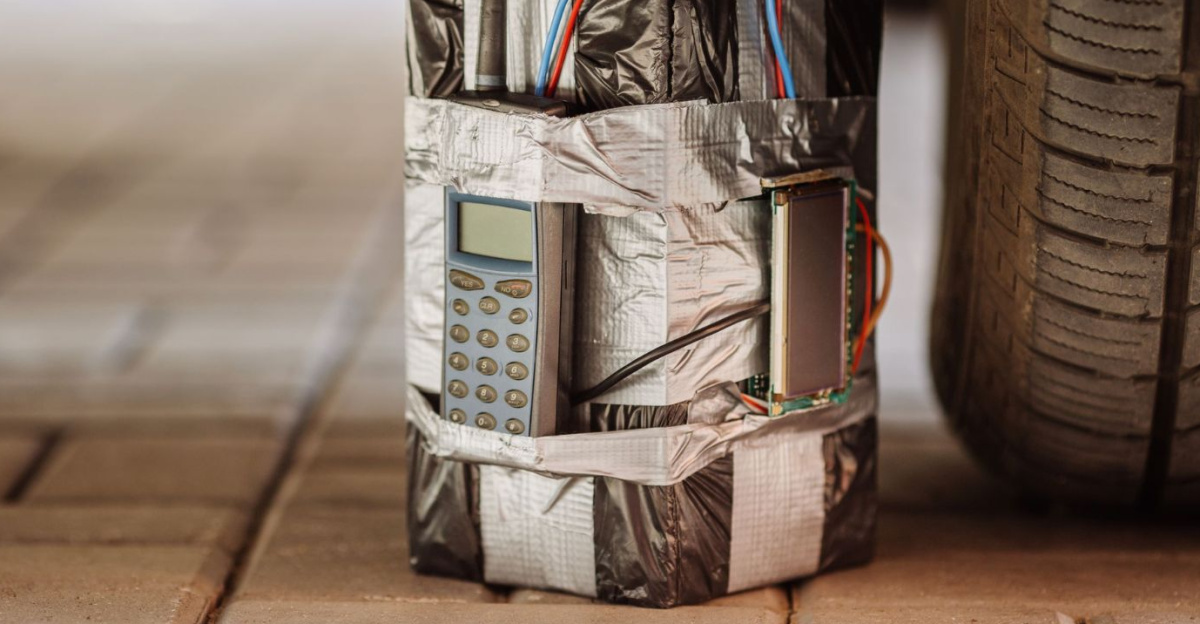
More than 130 mortars and rockets were uncovered and destroyed during the November 24–27 operation, along with machine guns, assault rifles, and anti-tank mines. Forces also found raw materials used to build improvised explosive devices, the signature weapon of ISIS militants.
According to CENTCOM, these caches were part of a broader effort by ISIS remnants to rearm, rebuild operational capacity, and potentially export attacks to regional and international targets.
Operation Scope
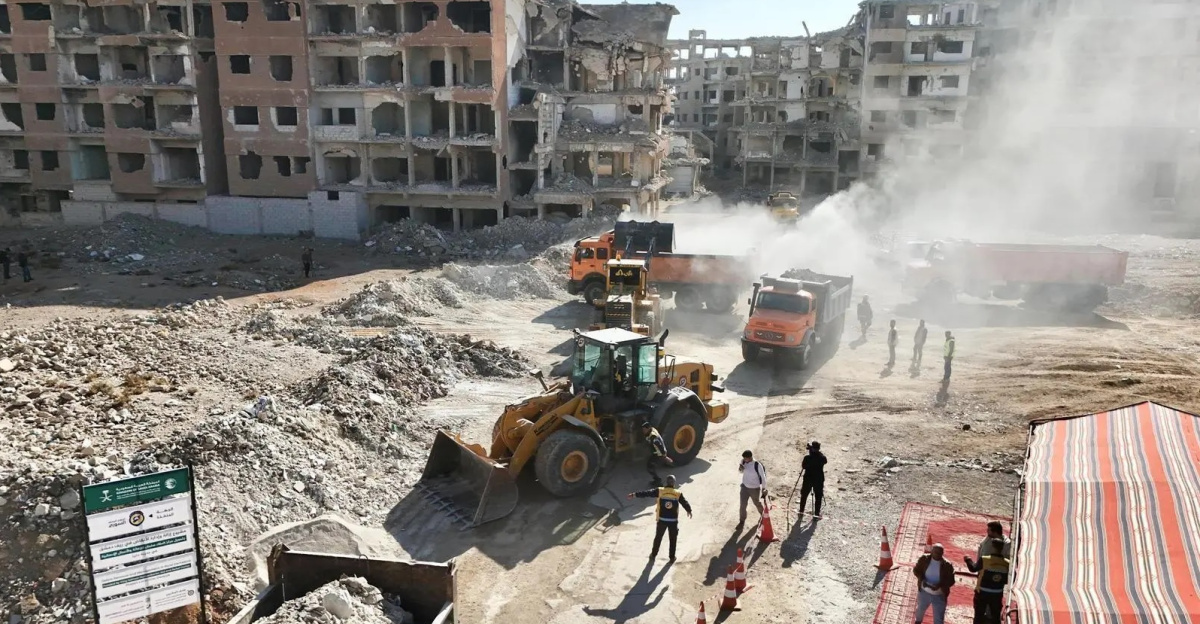
The four-day offensive focused on multiple dispersed weapons storage sites across Rif Damashq province. U.S. aircraft executed precision strikes while Syrian forces carried out ground demolitions to neutralize remaining stockpiles.
CENTCOM described the surge as one of the most concentrated efforts to destroy ISIS weapons caches in southern Syria since the group lost its territorial holdings. The campaign was strategically timed to prevent militants from relocating weapons or dispersing them across rural networks.
Strategic Stakes
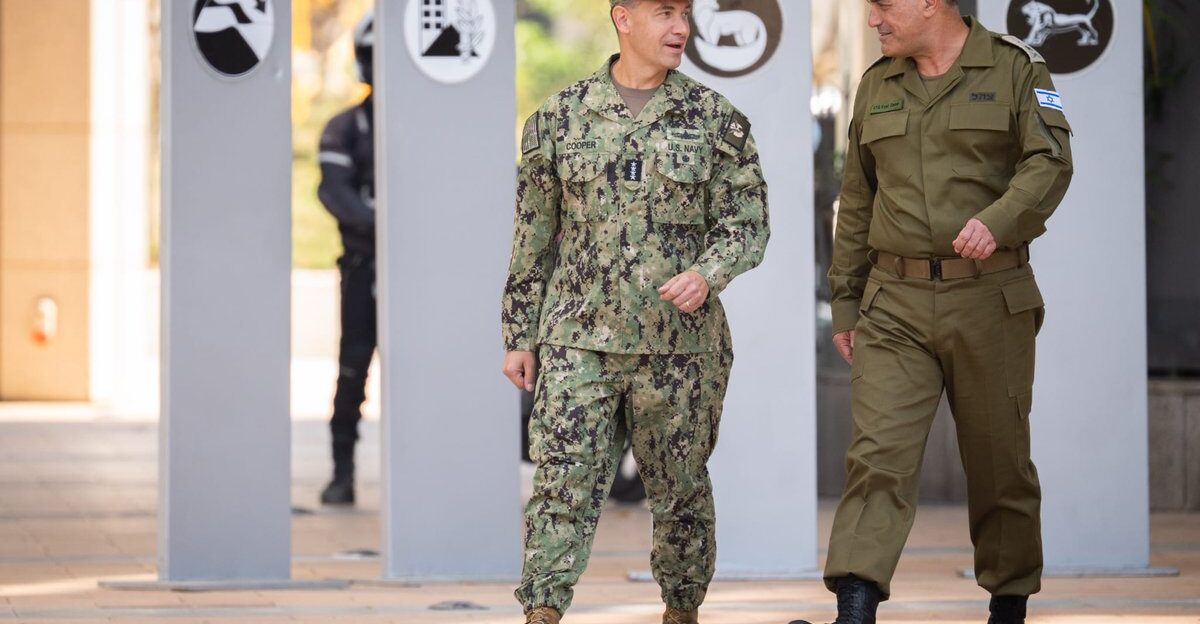
Admiral Brad Cooper, commander of U.S. Central Command, said the operation was designed to prevent ISIS from rebuilding and exporting terrorist attacks to the U.S. homeland or other regions. The group retains the capacity to reorganize, particularly in areas lacking strong governance.
Officials warn that degrading weapons infrastructure early reduces the risk of resurgent violence. The strikes were framed as a preventative measure to ensure that five years of counter-ISIS gains are not reversed.
The 4-Day Blitz
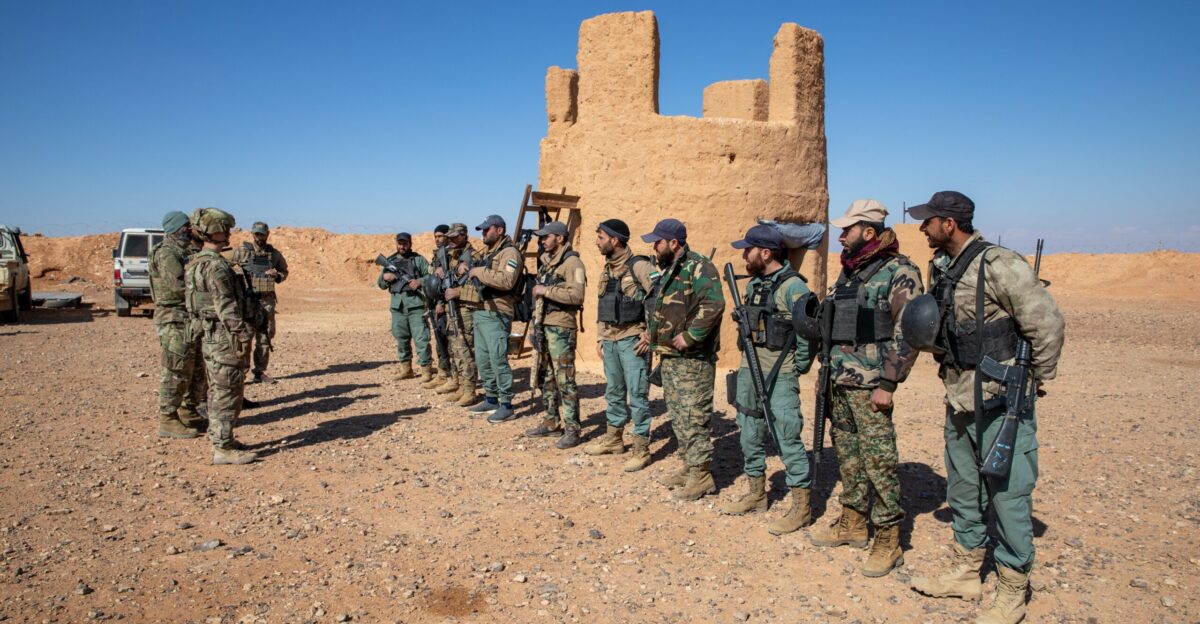
Between November 24 and 27, U.S. and Syrian forces executed a rapid series of coordinated strikes targeting more than 15 ISIS weapons depots. Many were concealed in agricultural structures or underground bunkers.
The operation is described by officials and analysts as one of the larger coordinated counter-ISIS offensives in southern Syria since 2019. CENTCOM characterized the strikes as a proactive surge designed to dismantle the logistical backbone of ISIS before the group could reestablish coordinated attack capabilities.
Weapons Destroyed
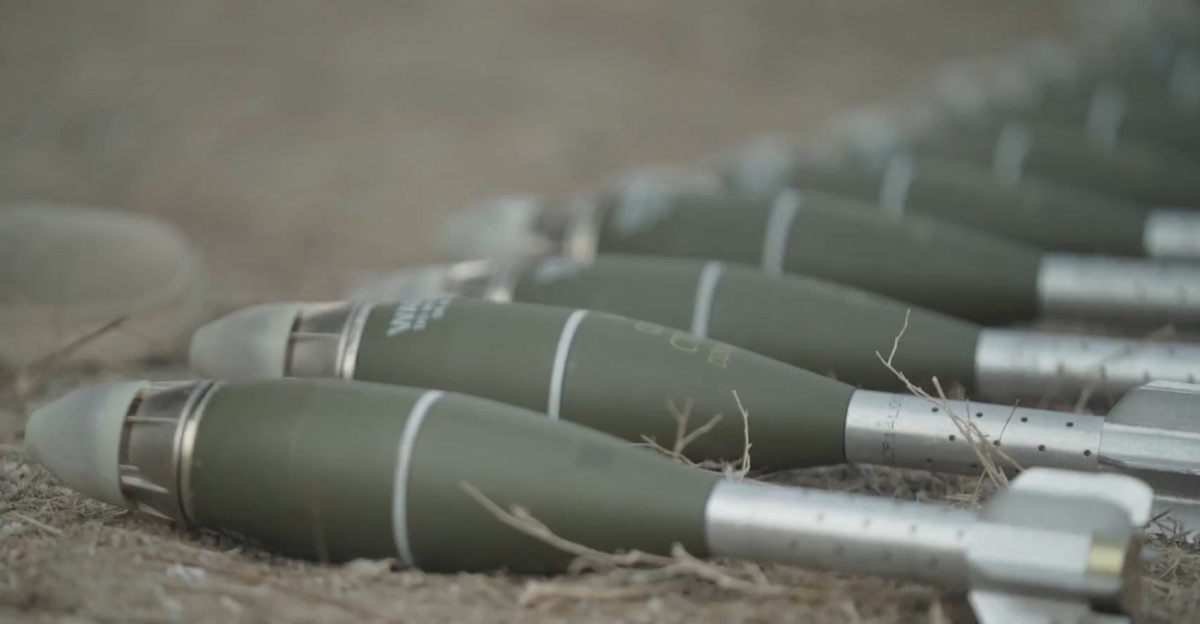
More than 130 mortars and rockets were destroyed, alongside machine guns, assault rifles, and anti-tank mines. Forces also eliminated large quantities of precursors used to manufacture improvised explosive devices, an asset that ISIS relied on heavily during insurgent campaigns.
According to U.S. officials, the destruction of these materials may help prevent on the order of hundreds of potential IED attacks, based on typical construction ratios and observed inventory levels found inside the caches.
Illicit Drugs Seized
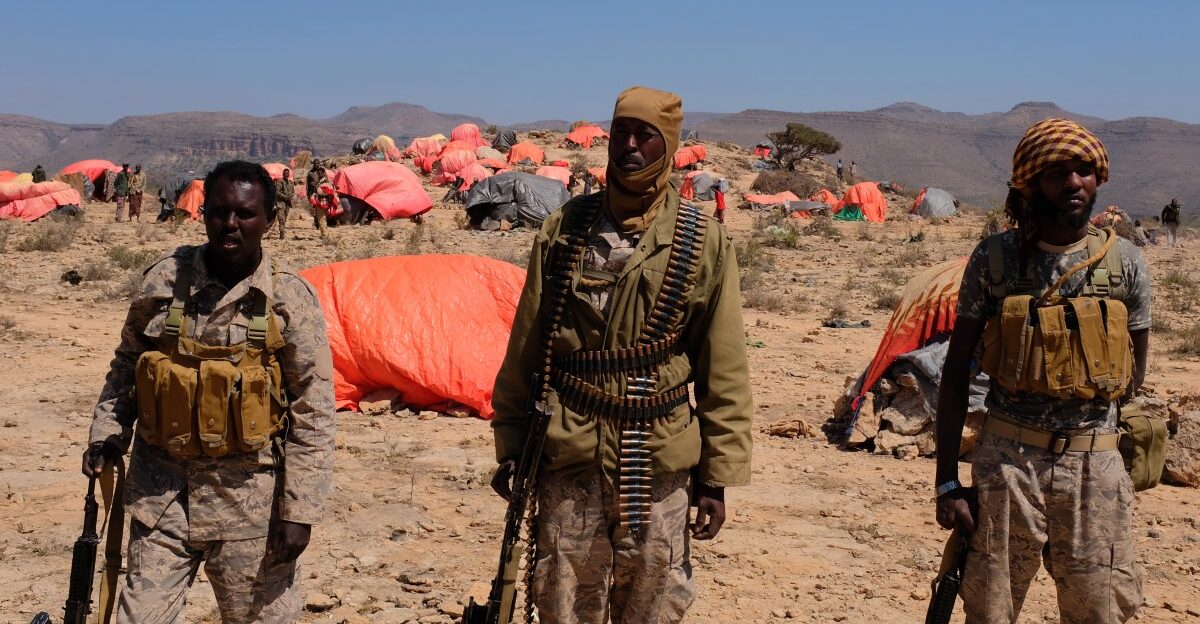
Alongside weapons, forces located a quantity of illicit drugs believed to have been used to finance ISIS operations. The discovery suggests that ISIS has continued to leverage narcotics trafficking as a revenue stream since losing territorial control.
Officials say disrupting these financial networks is essential to preventing the group from rebuilding and recruiting. The seizures add another dimension to the operation: countering the group’s shift toward hybrid narco-terror funding mechanisms.
ISIS in Southern Syria
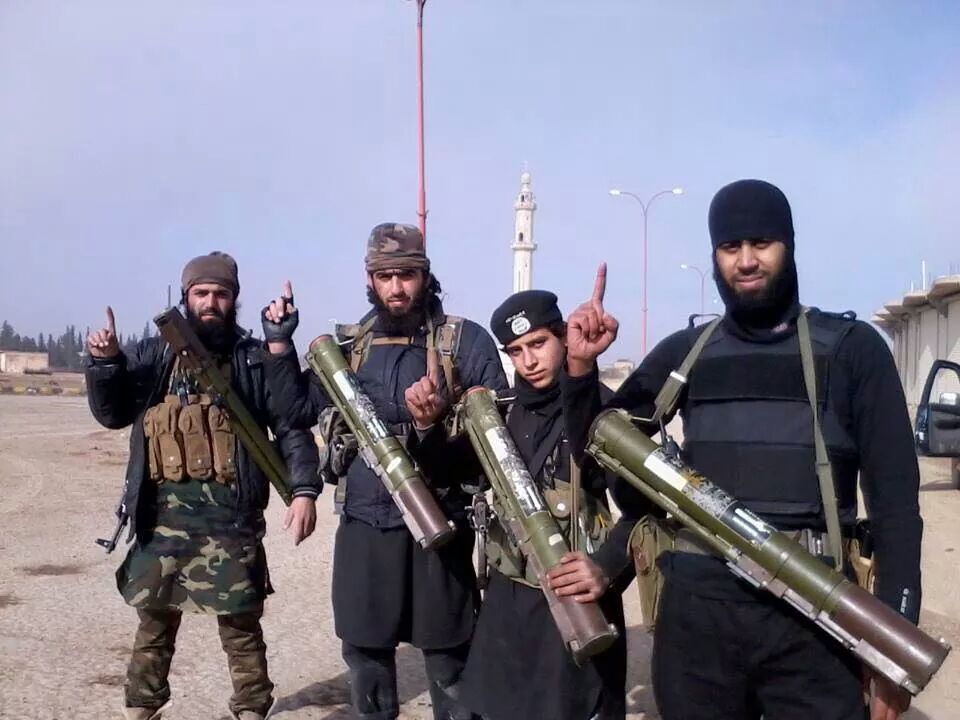
Despite suffering territorial defeat in 2019, ISIS has maintained a presence in southern Syria, operating through dispersed cells that rely on hidden weapons stockpiles and rural safe houses. Rif Damashq has proven particularly vulnerable due to fragmented governance and difficult terrain.
U.S. officials say the November 2025 operation targeted a critical network responsible for replenishing ISIS weapons and distributing materiel to operational cells in the region.
Post-2019 Operations
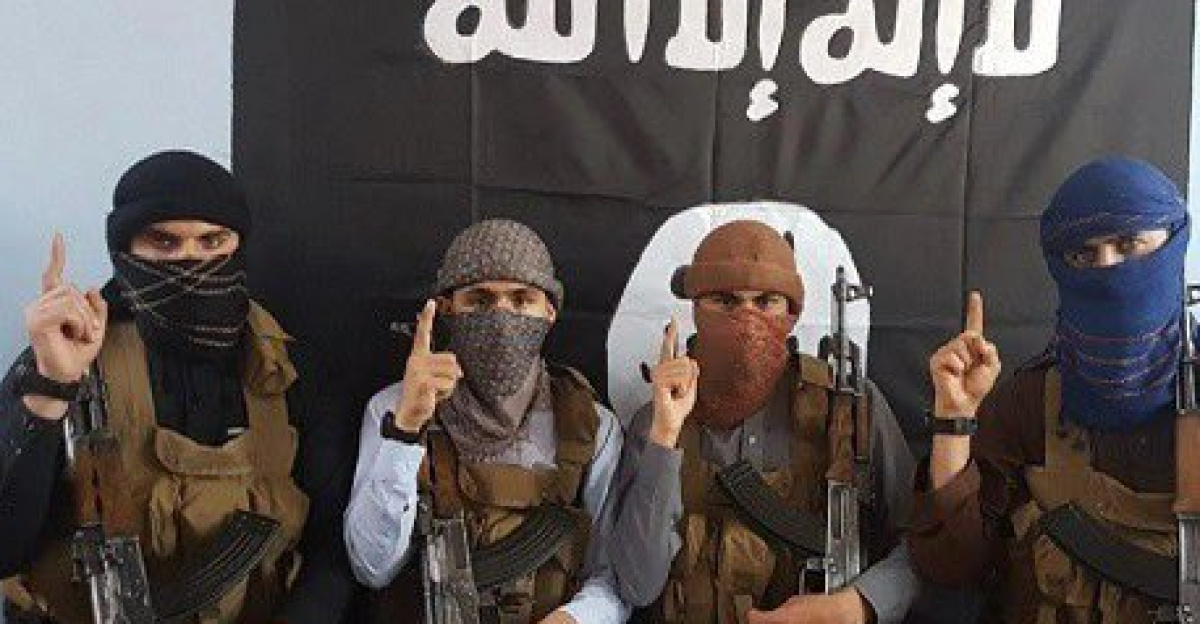
Following ISIS’s territorial collapse in 2019, counterterrorism strategy shifted from battlefield clearing to targeted disruption. The November 2025 strikes are among the largest post-2019 offensives in southern Syria, reflecting a shift toward preemptive strikes against emerging threats.
Officials say the operation underscores assessments that ISIS retains enough resources to pose a regional danger if left unchecked, despite being unable to formally govern territory.
Joint U.S.–Syrian Operation
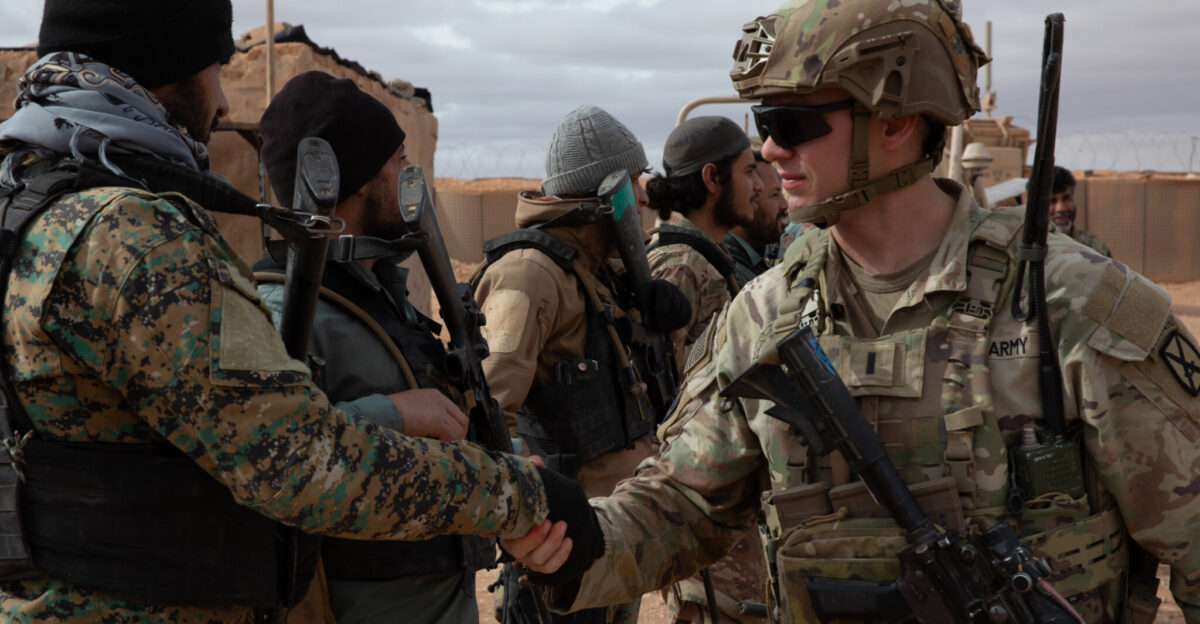
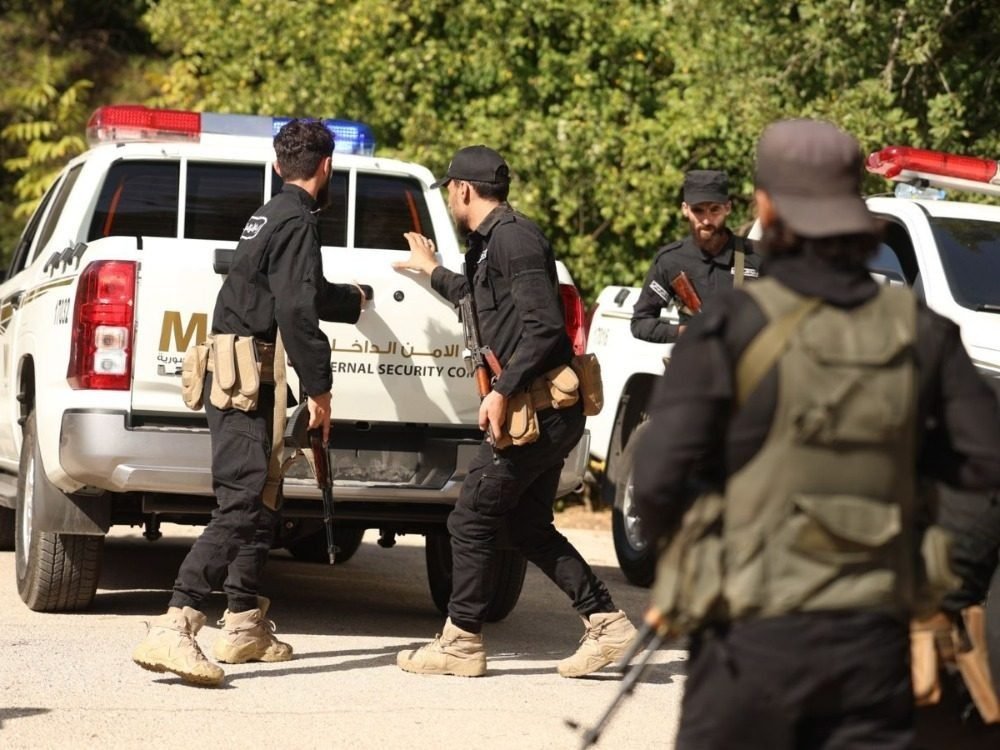
The operation involved notable cooperation between U.S. Central Command and the Syrian Ministry of Interior. Working jointly, forces identified, targeted, and destroyed weapons depots across multiple districts in Rif Damashq.
CENTCOM acknowledged the coordination publicly—unusual given the political sensitivities of U.S.–Syrian dynamics. Analysts suggest the collaboration reflects shared interest in preventing ISIS’s reconstitution, even amid tense bilateral relations.
Coalition Strategy
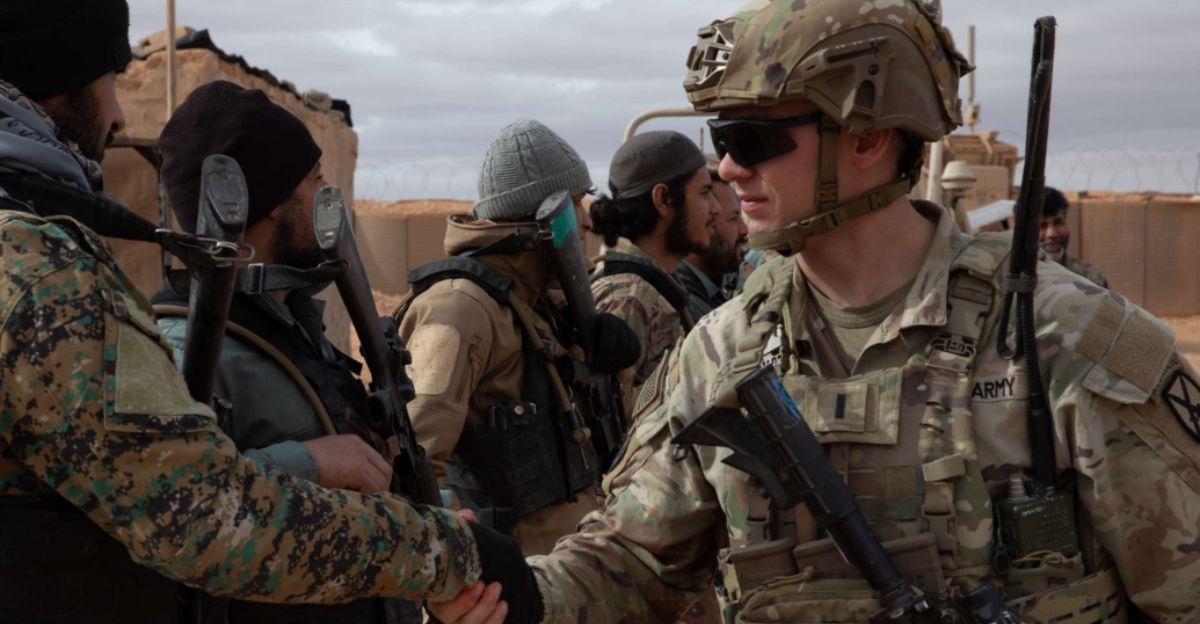
Operation Inherent Resolve continues to advise, assist, and enable partner forces in Syria and Iraq. The November strikes fit within a broader emphasis on targeted pressure against ISIS remnants rather than large-scale deployment.
CENTCOM says maintaining pressure prevents ISIS from gaining momentum or exploiting power vacuums. Officials highlight the importance of partner capacity, noting that sustainable progress requires local forces capable of independent operations.
Regional Impact
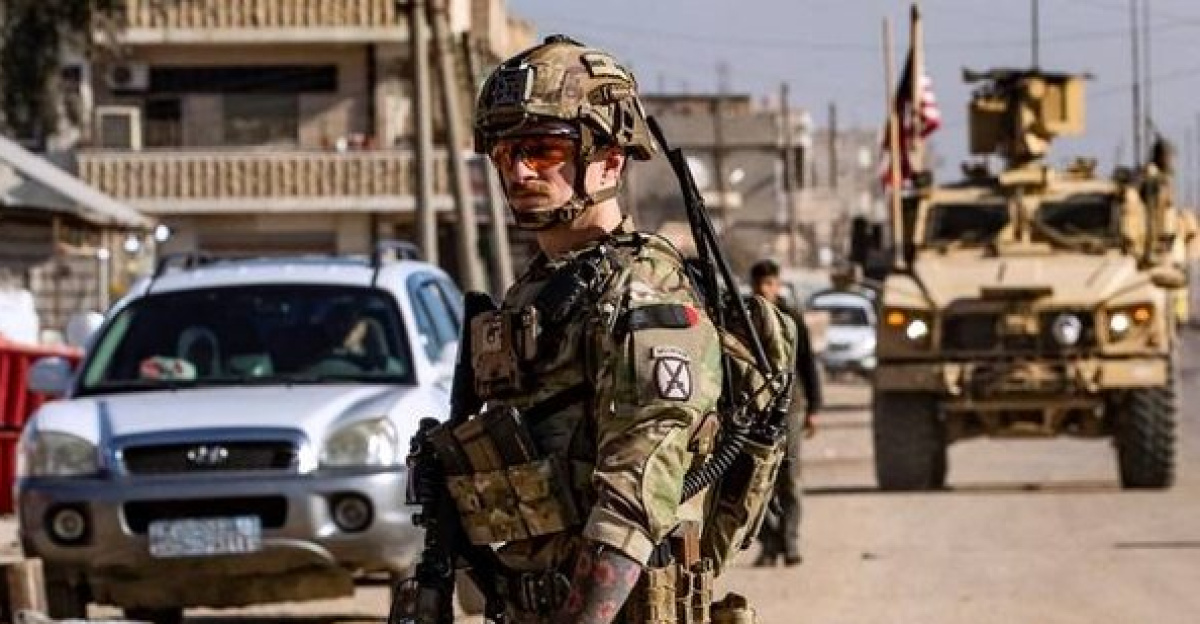
Destroying more than 15 weapons depots may reduce ISIS’s ability to conduct coordinated attacks across southern Syria. Local authorities report the operation disrupted logistics networks and weakened communications between cells.
The region has been heavily affected by ISIS ambushes, roadside bombs, and targeted assassinations since 2019. Officials say the strikes will likely improve stability, though militants remain capable of sporadic attacks.
ISIS Resurgence Risk
U.S. officials warn that ISIS could regenerate within two years if not subjected to sustained pressure. Roughly 2,000 fighters remain at large across Iraq and Syria, concentrated in rural terrain where surveillance is limited.
Military analysts say the destruction of weapons stockpiles removes a key asset that militants rely on to mount coordinated attacks. Officials emphasize the necessity of continued intelligence and surveillance operations to prevent resurgence.
Long-Term Threat
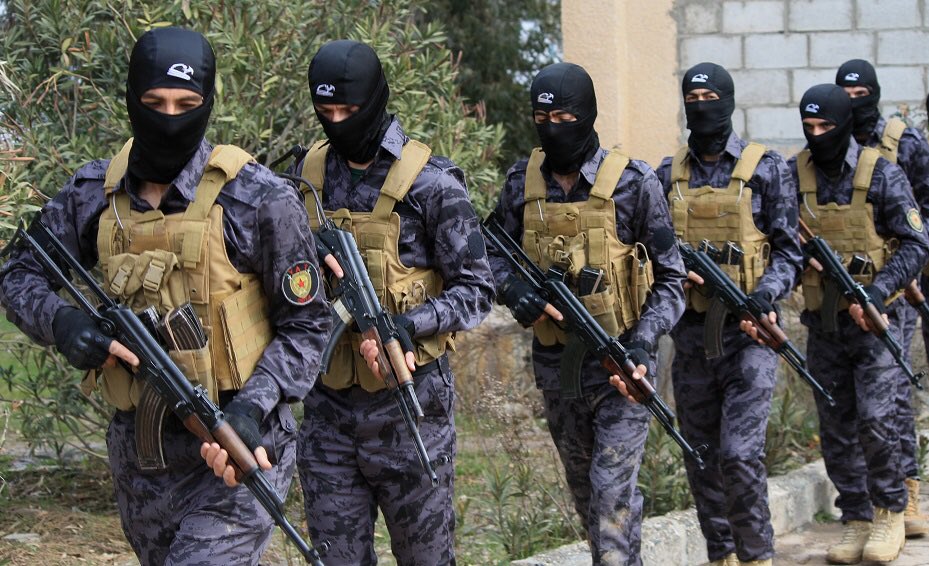
Despite territorial defeat, ISIS remains active through sleeper cells and affiliates. Approximately 9,000 ISIS fighters remain detained by Syrian Democratic Forces, widely regarded as the world’s largest single concentration of ISIS detainees.
U.S. strategy prioritizes preventing a breakout or reorganization while supporting stabilization efforts. Officials caution that prison populations could become a flashpoint if local security collapses or international support diminishes.
Financial Blow
Based on estimated black-market values, analysts say the destroyed materiel could represent several million dollars in lost assets for ISIS. The loss includes heavy munitions, mines, rifles, and materials needed to manufacture IEDs.
Beyond weapons, the discovery of illicit drugs suggests the group relied on criminal networks to fund operations. Removing those assets may have disrupted the group’s ability to procure new explosives, weapons, and communications gear.
Capacity Disruption
Military analysts say the destruction of raw explosives could prevent well over a hundred potential IED attacks, depending on material yields. Officials say disrupting weapons caches also disrupts recruitment, since militants are less likely to join armed campaigns that lack equipment.
The November operation neutralized several nodes in the logistical supply chain, reducing ISIS’s ability to coordinate multi-cell operations across the province.
Why So Many Caches?
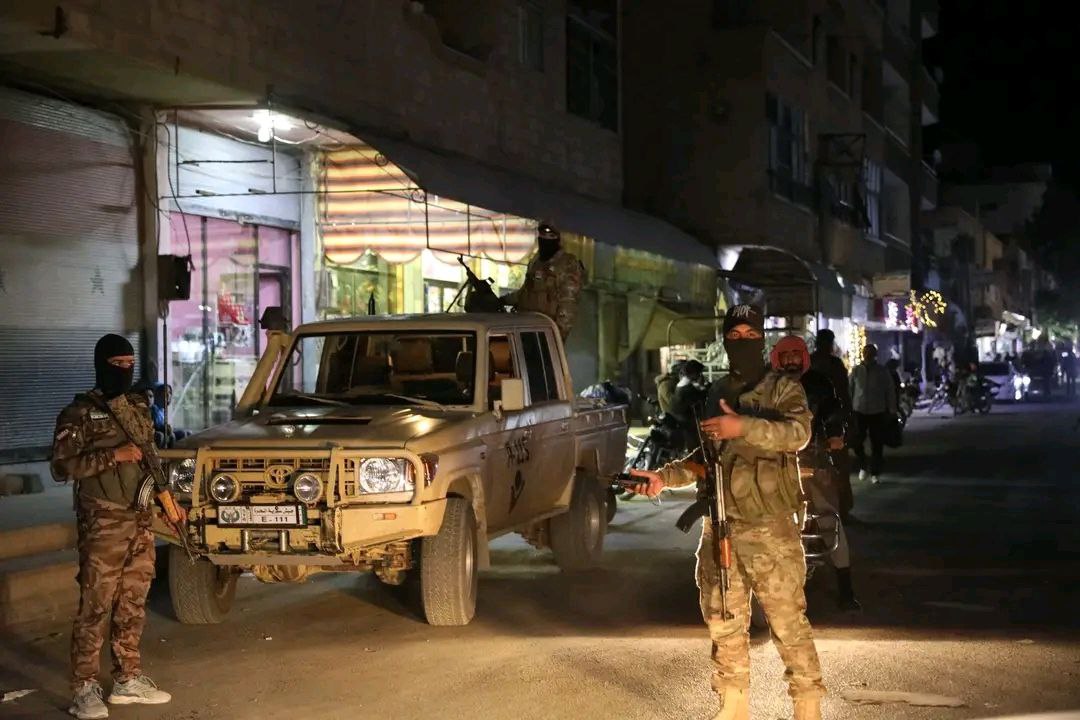
Analysts believe Rif Damashq served as a central storage hub for dispersed ISIS cells, enabling quick distribution across southern Syria. Some caches may date to pre-2019 stockpiles, while others appear newly sourced, indicating continued procurement efforts.
Officials say the number of caches is consistent with a deliberate attempt to restore attack capacity over time. The scale reinforces the assessment that ISIS never fully abandoned ambitions of military resurgence.
U.S. Homeland Threat
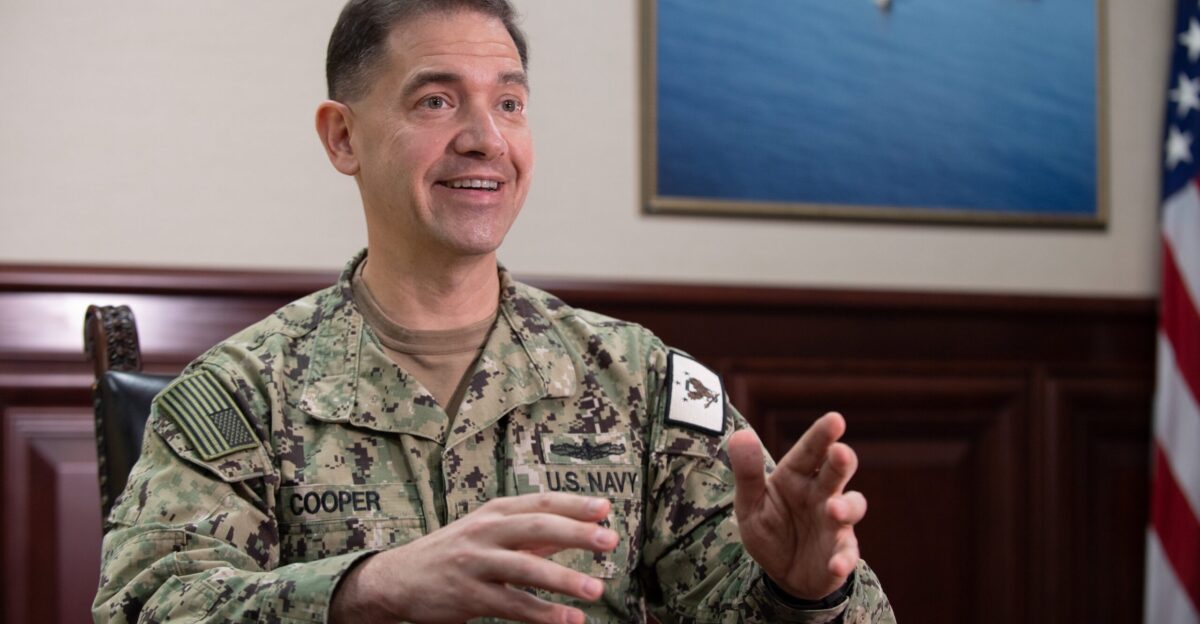
Admiral Brad Cooper said the November operation would prevent ISIS from exporting terrorist attacks “to the U.S. homeland and around the world.” Officials stress that the group remains globally connected through cells and online networks.
Seizing explosives and raw materials removes key capabilities needed for coordinated external attacks. CENTCOM argues that overseas strikes ensure domestic safety by disrupting networks before they develop operational reach.
Regional Cooperation
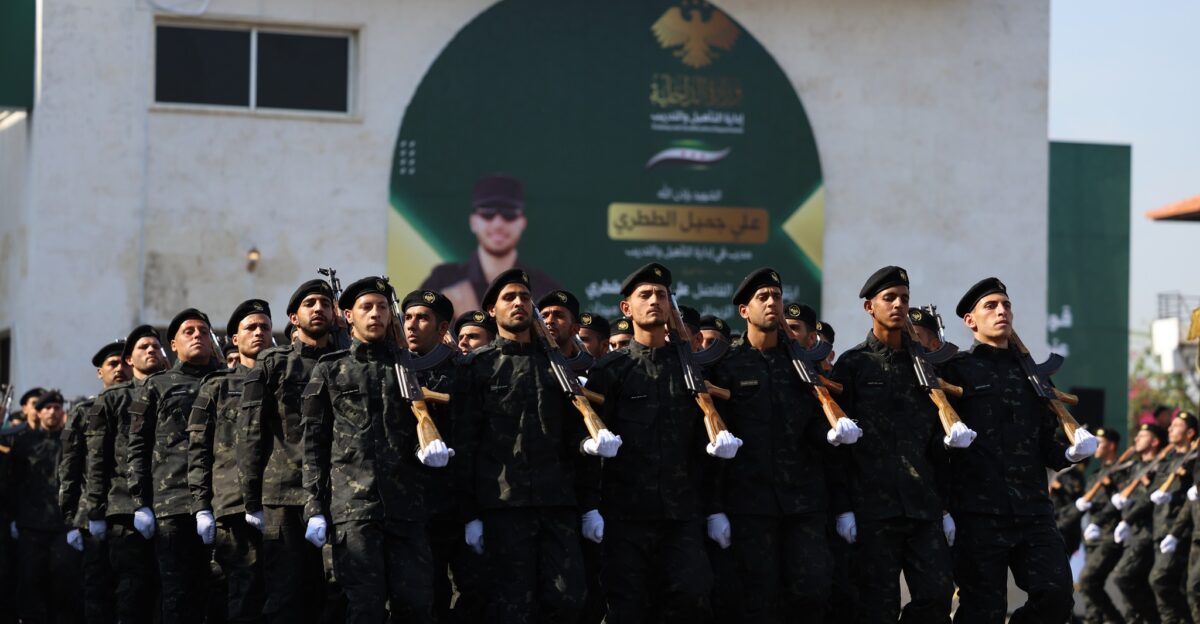
Analysts note that cooperation between U.S. and Syrian Interior forces may reflect a pragmatic shift toward shared security interests. While politically complicated, joint operations allow regional actors to pursue threats more effectively.
Officials say coordinated intelligence improved target acquisition and reduced risks to civilians. Whether this cooperation expands remains uncertain, but the operation highlights the practical benefits of partnership against mutual threats.
What Comes Next?
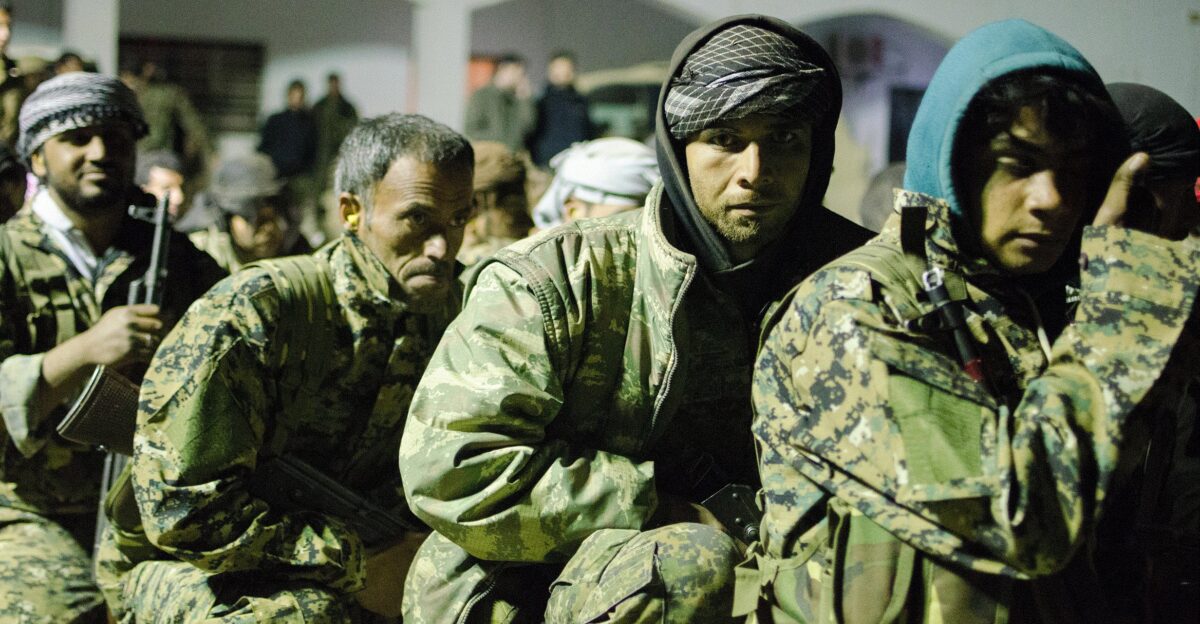
The November operation significantly disrupted ISIS’s weapons network, but remnants remain active across southern Syria. Officials say success will depend on sustained pressure, partner capacity building, and stabilization efforts.
Military analysts warn that security gaps could allow militants to regroup. For now, U.S. forces and regional partners aim to maintain momentum—preventing ISIS from regaining territory, rearming, or exploiting regional instability.
Sources:
U.S. Central Command (CENTCOM) Official Press Release: “U.S., Syrian Forces Locate and Destroy ISIS Weapons Caches in Southern Syria,” November 30, 2025
Foundation for Defense of Democracies (FDD) – Long War Journal: “U.S., Syrian Forces Destroy ISIS Weapons Caches in Southern Syria in Combined Operation,” December 1, 2025
Operation Inherent Resolve (OIR) Lead Inspector General Report to Congress: “Operation Inherent Resolve – Quarterly Report (July 1, 2025 – September 30, 2025),” October 30, 2025
The International Centre for Counter-Terrorism (ICCT): “The Threat of ISIS in a Fragmented Syria,” May 15, 2025